The Legacy of a Singular Creator
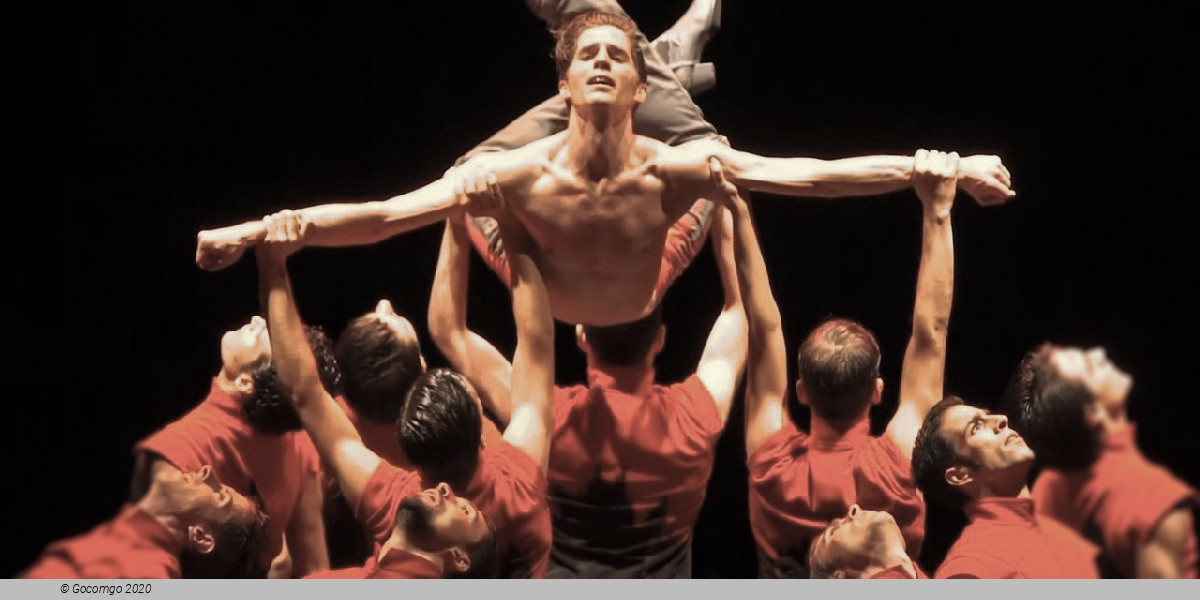
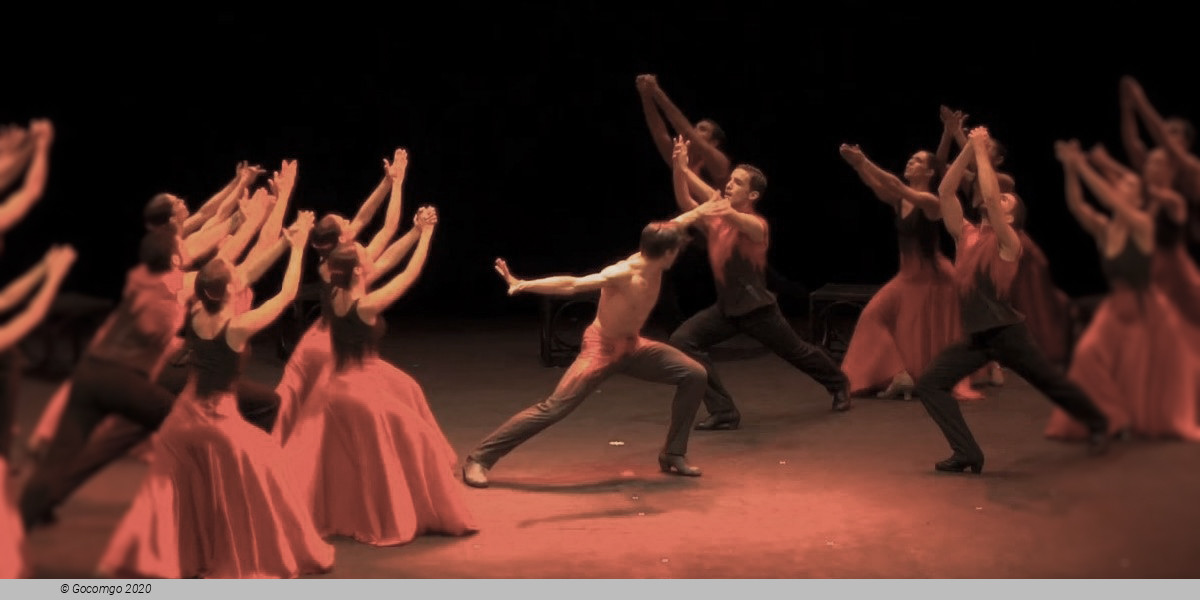
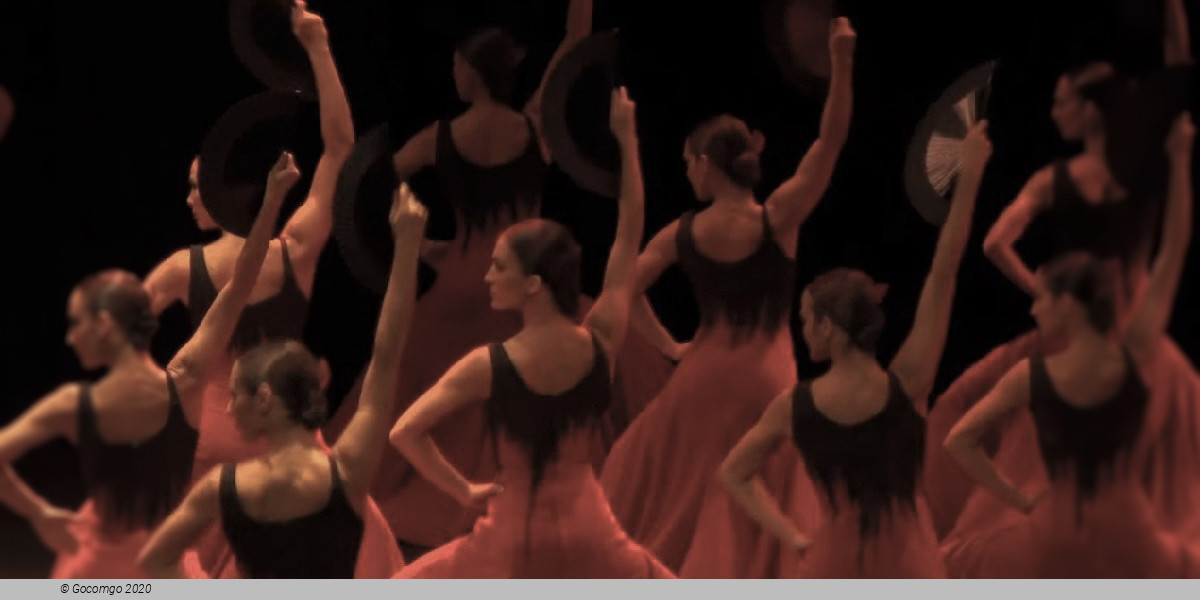
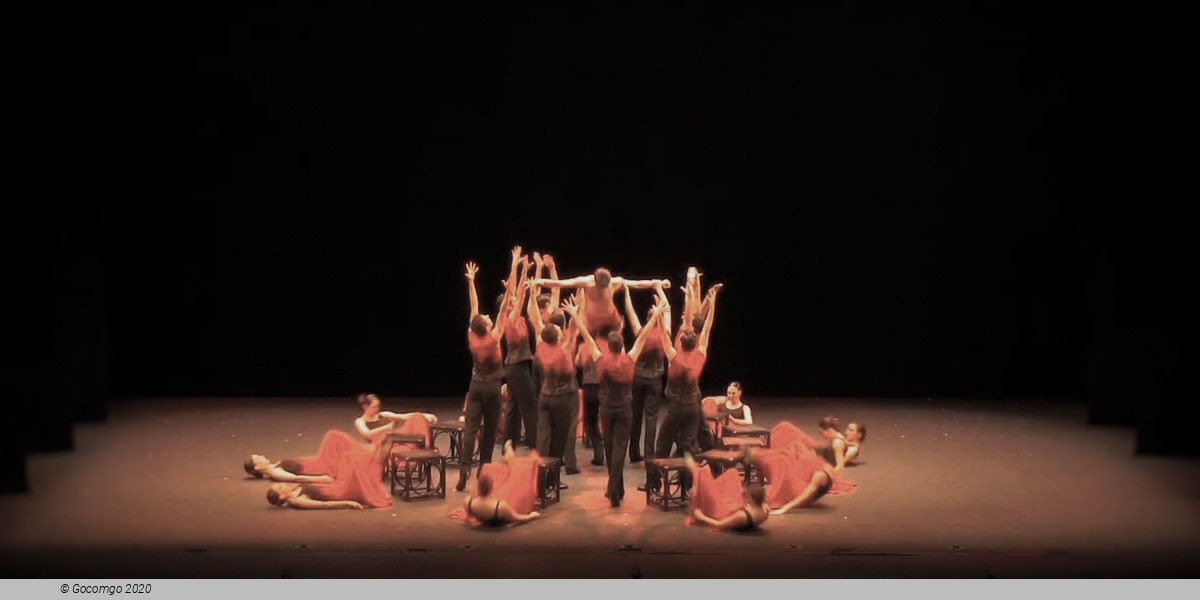
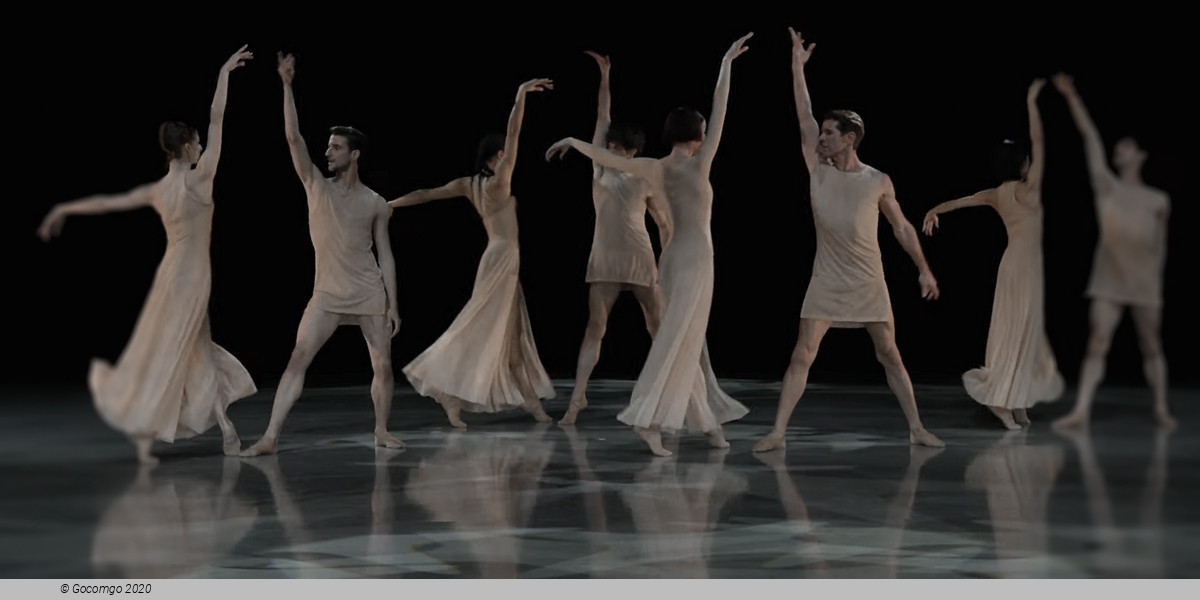
The company founded by the genius Maurice Béjart —awarded the Festival’s Honorary Medal in 2007— returns with a magnificent program that honours his spirit. It includes one of the French master's most iconic and acclaimed creations, Boléro (1961), set to Maurice Ravel's famous composition, with the solo dancer (male or female, depending on the performance) on a large round table and the male corps de ballet surrounding them, in a haunting manner. Béjart premiered his version of Stravinsky's L'Oiseau de Feu in 1970, a choreography that was seen in Spain in 1979 with the Ballet Nacional Clásico, now the Compañía Nacional de Danza, and its then-director Víctor Ullate. A decade later, Dionysos (Suite), inspired by the myth opposite to Apollo, premiered in New York, set to music by the Greek composer Manos Hadjidakis and pieces of folk music from the Hellenic tradition.
Programme:
Dionysos (Suite) (60 minutes)
Choreography: Maurice Béjart
Music: Manos Hadjidakis
Paintings: Yokoo Tadanori
Costumes: Gianni Versace
L’Oiseau de Feu (20 minutes)
Choreography: Maurice Béjart
Music: Igor Stravinsky
Set and costume design: Joëlle Roustan y Roger Bernard
Boléro (20 minutes)
Choreography: Maurice Béjart
Music: Maurice Ravel
Set and costume design: Maurice Béjart
“My Boléro,” commented Ravel, “has to stick in one’s head!”
More seriously, he explained:
“In 1928, upon request by Madame Rubinstein (Ida Rubinstein, the famous Russian actress and dancer), I composed a Bolero for an orchestra. This is a dance with a very moderate and continuously even movement, both due to its melody and to its harmony and rhythm. The rhythm is continuously marked by the drum. The element of diversity is added by the orchestral crescendo.”
Maurice Béjart describes the creation of Ravel’s work in these terms, “music that is too well-known and yet still fresh due to its simplicity. A melody (originally oriental and not Spanish) that winds slowly around itself, increasing in volume and intensity, devours the sound space and swallows it up at the end of the melody.”
Without further describing a ballet that needs no introduction, let us simply point out that Maurice Béjart returns to the spirit of the Rite of Spring in a very different style. In this sense, unlike most artists who have illustrated Boléro choreographically before him, he spurns the easy choices of a picturesque exterior to simply – but so forcefully – express the essential.
Maurice Béjart gives the central role (La Mélodie) sometimes to a female dancer and other times to a male dancer. The rhythm is interpreted by a group of male dancers.




 P.º del Generalife, 1B