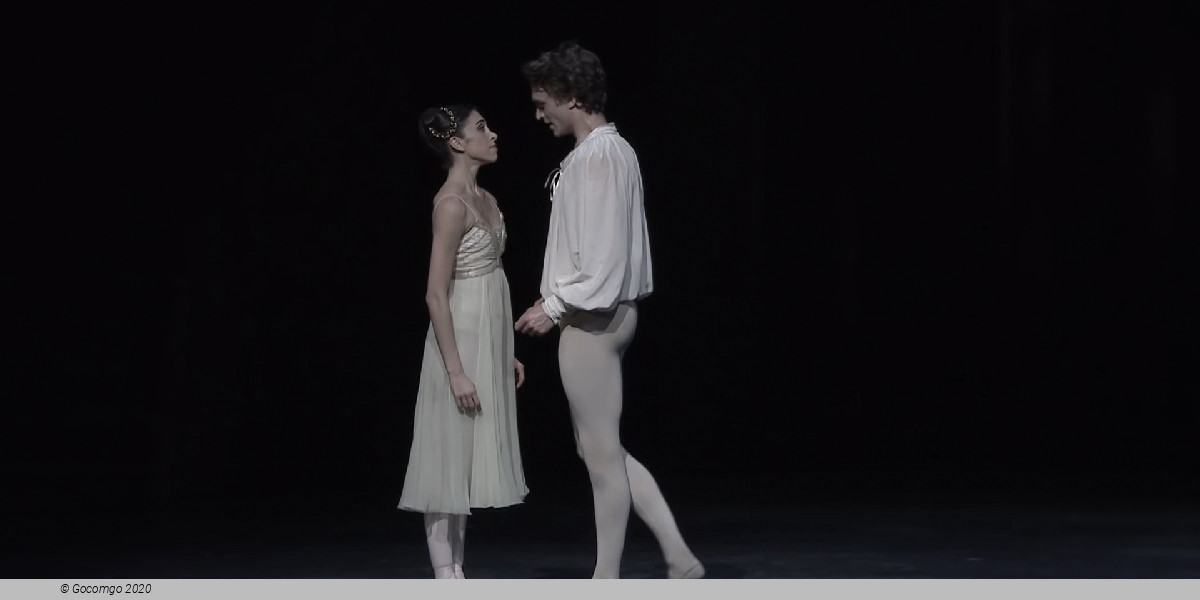
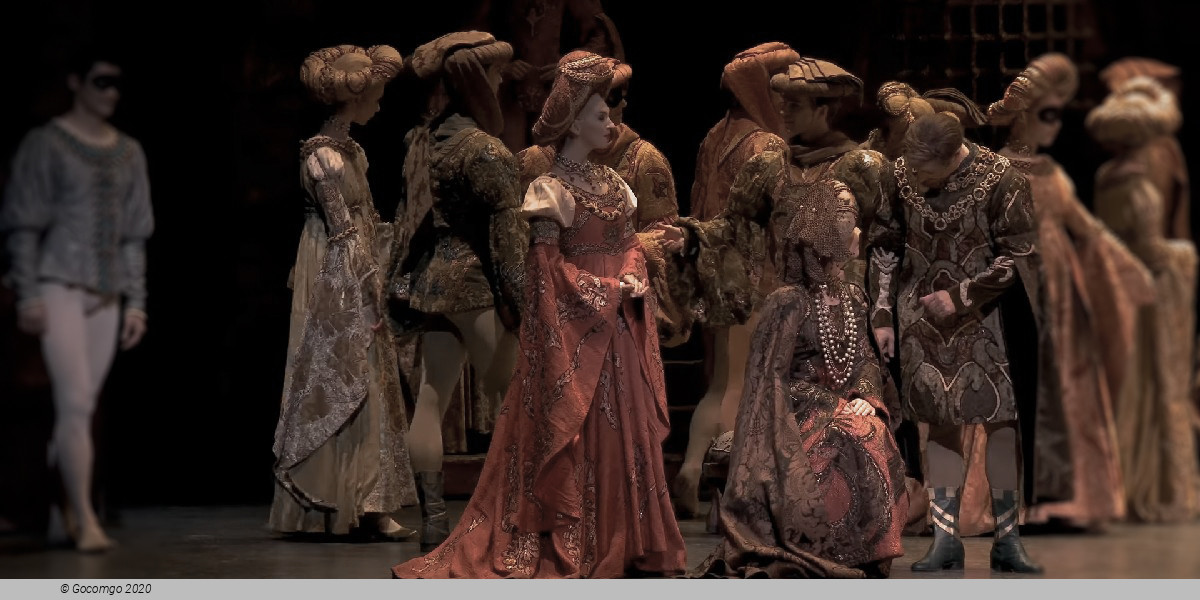
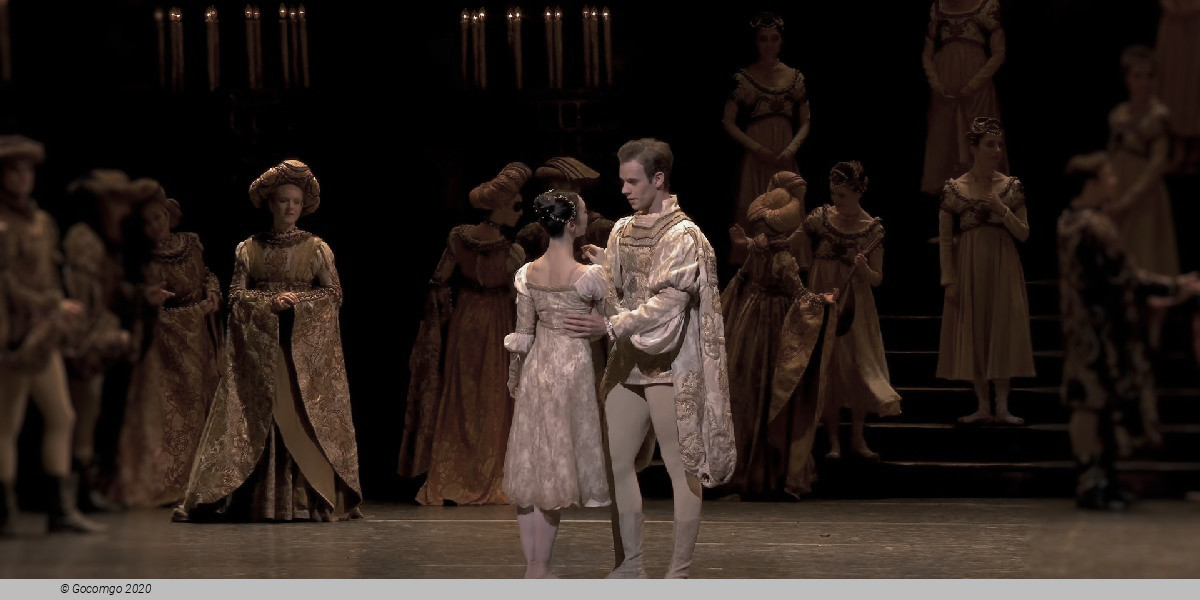
Experience this reinterpretation of Shakespeare’s ubiquitous tale of star-crossed lovers, set to the renowned score of Sergei Prokofiev. Reimagined by Philadelphia Ballet’s Resident Choreographer Juliano Nunes, Romeo and Juliet follows the story of two young lovers from feuding families whose intense passion leads to their untimely tragic end.
Juliano Nunes’ Romeo and Juliet is a contemporary reimagining of Shakespeare’s timeless tragedy, blending poetic physicality, sculptural choreography, and deeply human emotion. Known for his fluid movement language and architectural partnering, Nunes reshapes the classic story into a modern dance-theatre experience that emphasizes psychological depth, raw intimacy, and the universal need for connection.
Rather than retelling the narrative through strict classical forms, Nunes creates a world driven by energy, breath, and organic motion. His choreography explores the emotional landscapes of the characters — the urgency of youthful passion, the weight of family conflict, and the devastating beauty of forbidden love. Movements flow seamlessly from sweeping duets to explosive ensemble passages, giving the ballet a cinematic rhythm that feels both immediate and timeless.
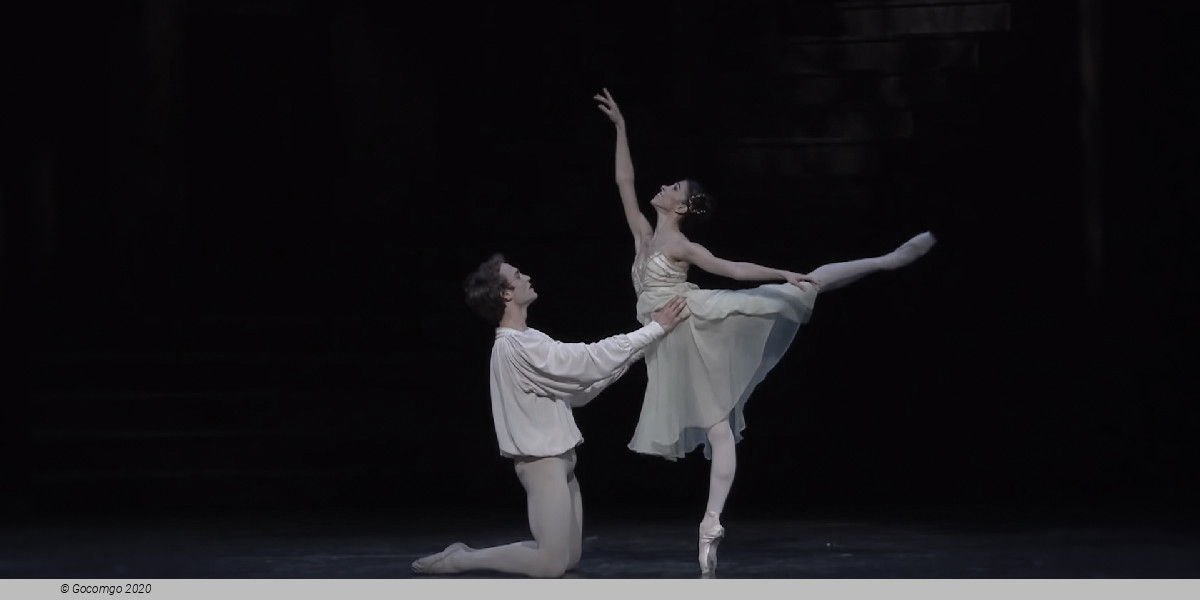
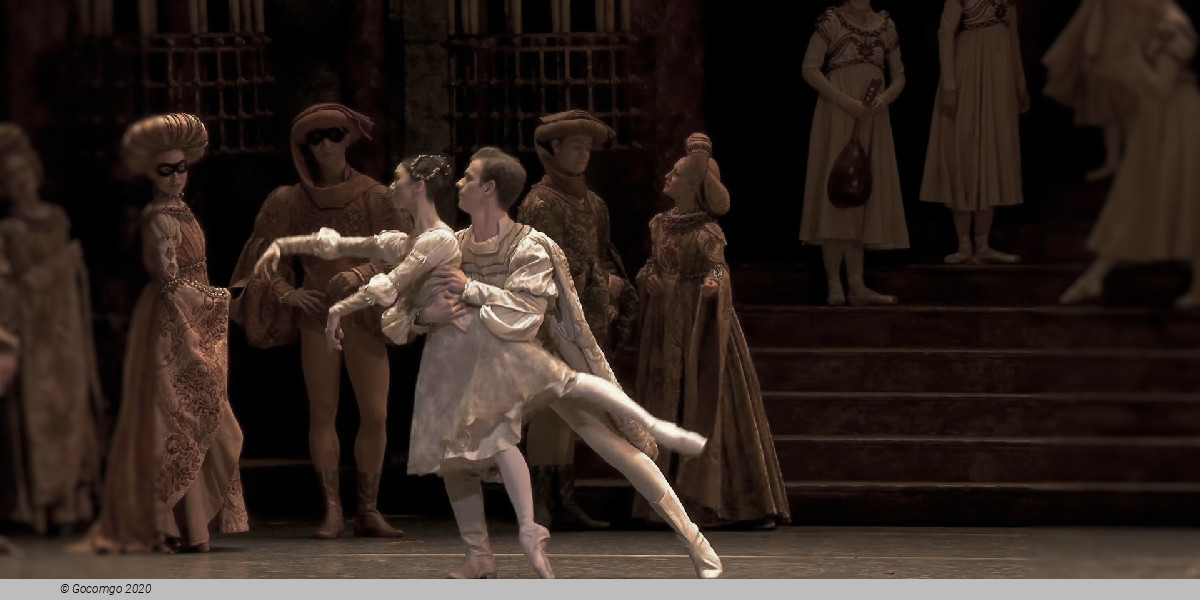
Romeo and Juliet’s relationship is portrayed with striking physical closeness: tender, suspended lifts; intertwined shapes; and gestures that echo the vulnerability of young lovers discovering each other for the first time. Their pas de deux become emotional conversations expressed through touch and momentum rather than virtuoso display.
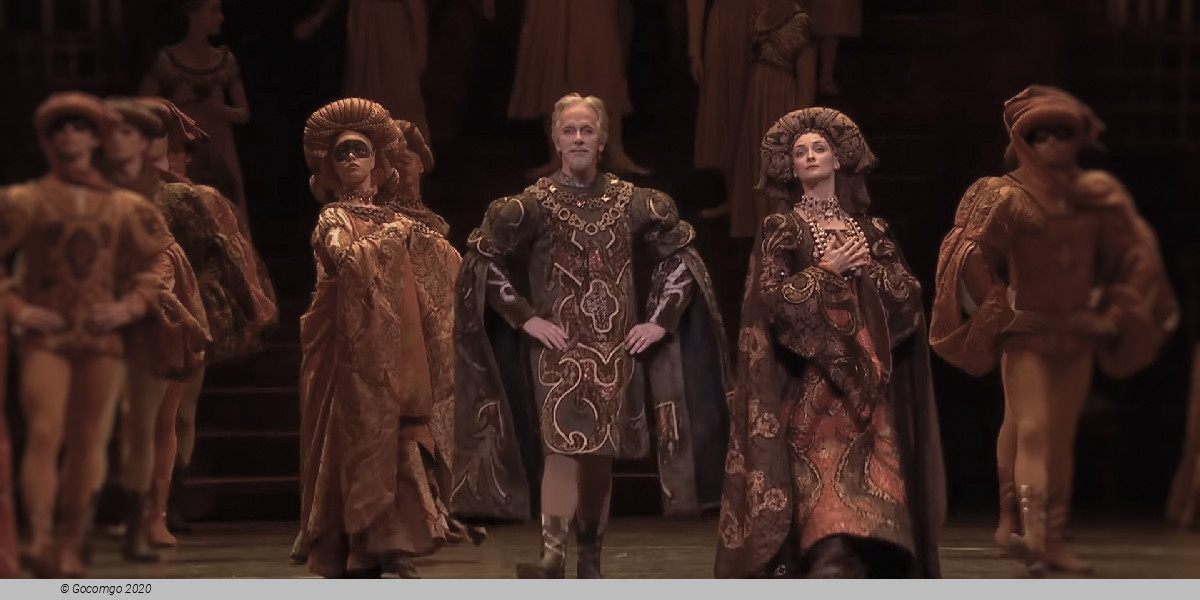
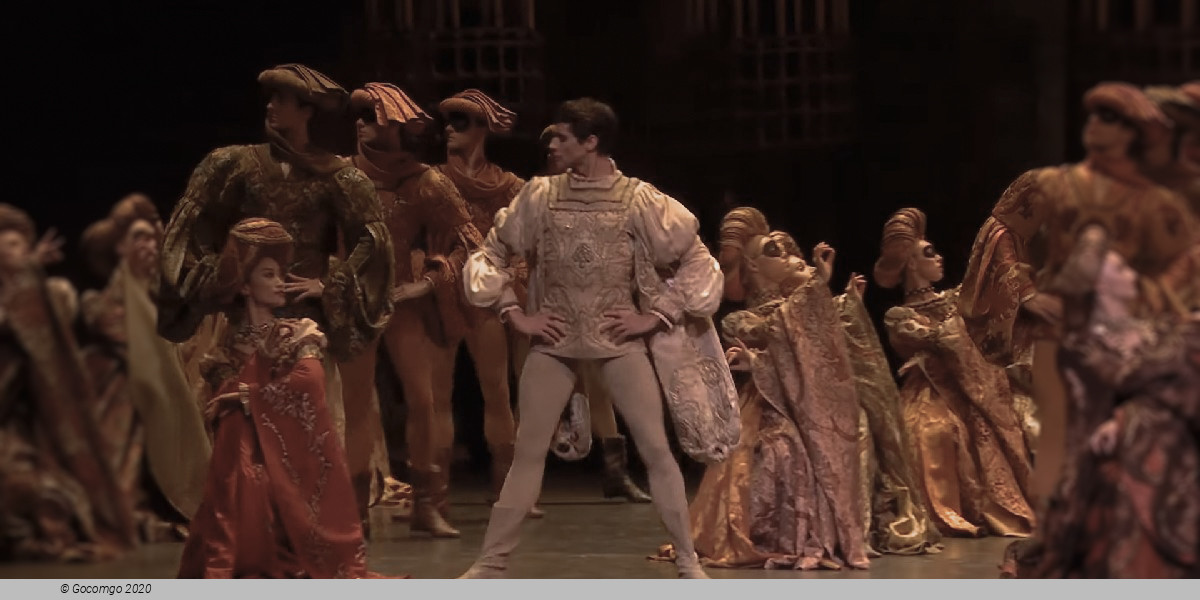
The opposing families, the Montagues and Capulets, are depicted through sharply contrasting movement textures. Angular, grounded choreography captures their hostility and tension, while group formations evoke the social pressures and inherited violence that trap the young lovers within a destiny they cannot escape.
Nunes’ aesthetic often incorporates minimalist stage environments, sculptural lighting, and contemporary costumes that highlight the dancers’ bodies and amplify the raw clarity of the movement. The score — depending on the production either adapted from Prokofiev’s original or set to a contemporary soundscape — reinforces the emotional progression from innocence to tragedy, from exhilaration to irreversible loss.
The ballet’s final moments are staged with stark simplicity, focusing not on spectacle but on the profound human cost of hatred and misunderstanding. Romeo and Juliet’s deaths serve as a quiet, devastating plea for compassion and reconciliation, bringing the story full circle in a way that feels deeply relevant to modern audiences.
Juliano Nunes’ Romeo and Juliet stands as a powerful contemporary retelling — visually elegant, emotionally resonant, and rooted in a movement vocabulary that speaks directly to the heart without abandoning the dramatic integrity of Shakespeare’s masterpiece.





 Academy of Music is at 240 South Broad St, Philadelphia, PA 19102