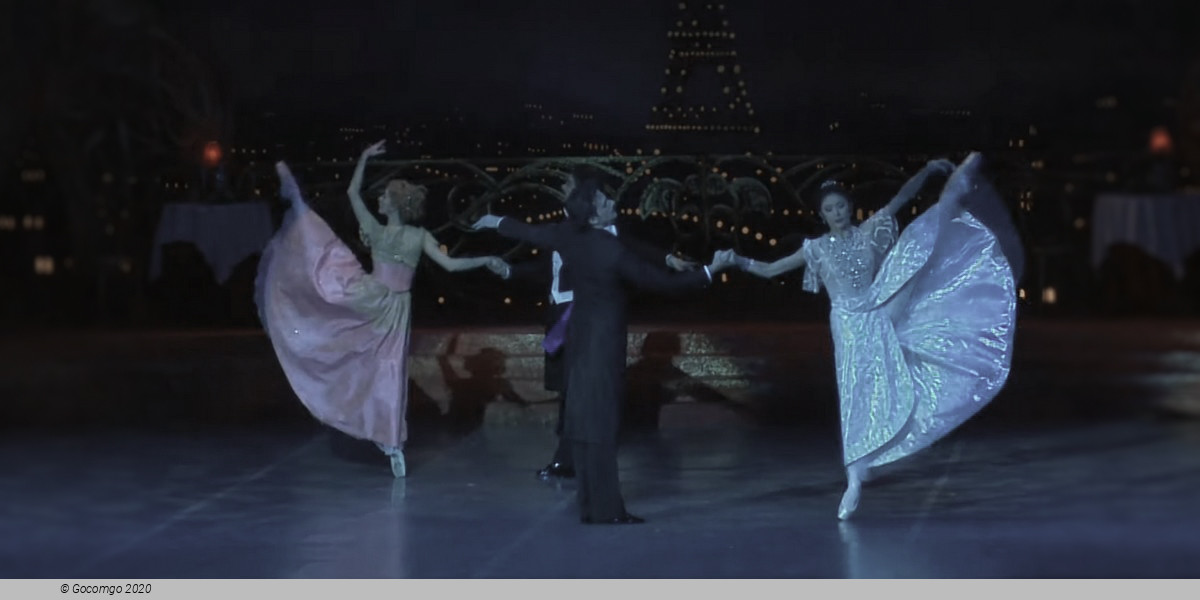
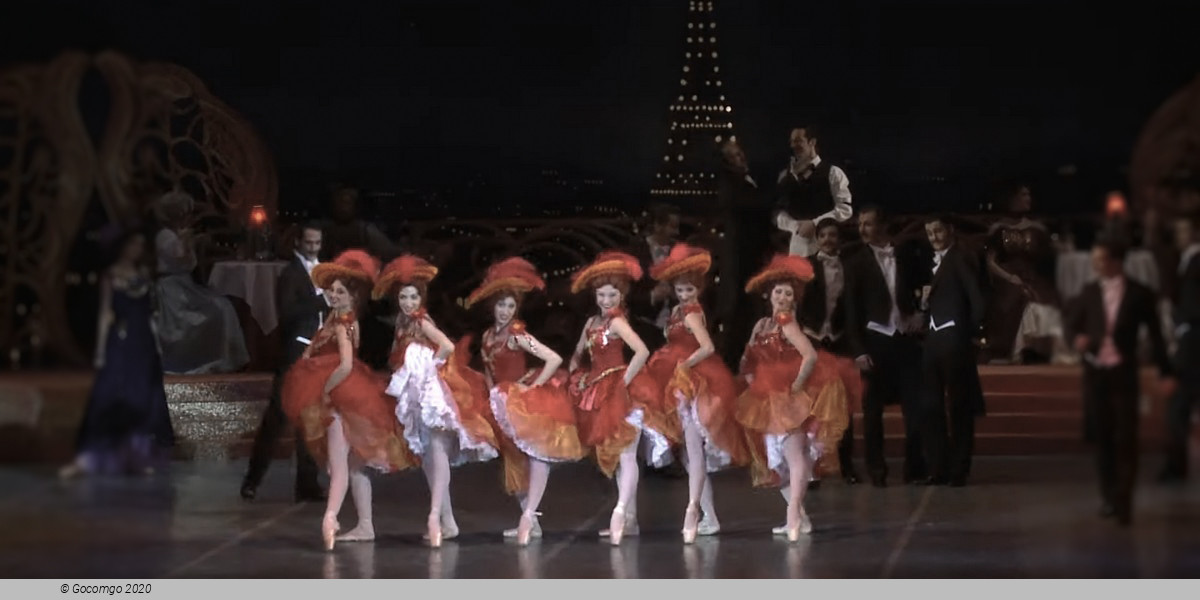
Experience the magic of movement and melody in this spectacular production, as the glamorous and wealthy widow Hanna navigates love and politics in Belle Époque Paris. Set to Franz Lehár’s beloved score, Ronald Hynd’s ravishing choreography transforms this romantic comedy into a feast of dance. Watch as couples twirl through grand embassy balls, flirt in the legendary restaurant Maxim’s, and scheme their way through palatial gardens. From the moment the famous “Merry Widow Waltz” begins, you’ll be swept away by this irresistible tale of second chances.
The Merry Widow is a charming, romantic, and elegantly humorous full-length ballet adapted from Franz Lehár’s famous operetta of the same name. Choreographed in various popular versions (most notably by Ronald Hynd), the ballet blends classical technique with light-hearted theatricality, capturing the glamour of Belle Époque Paris.
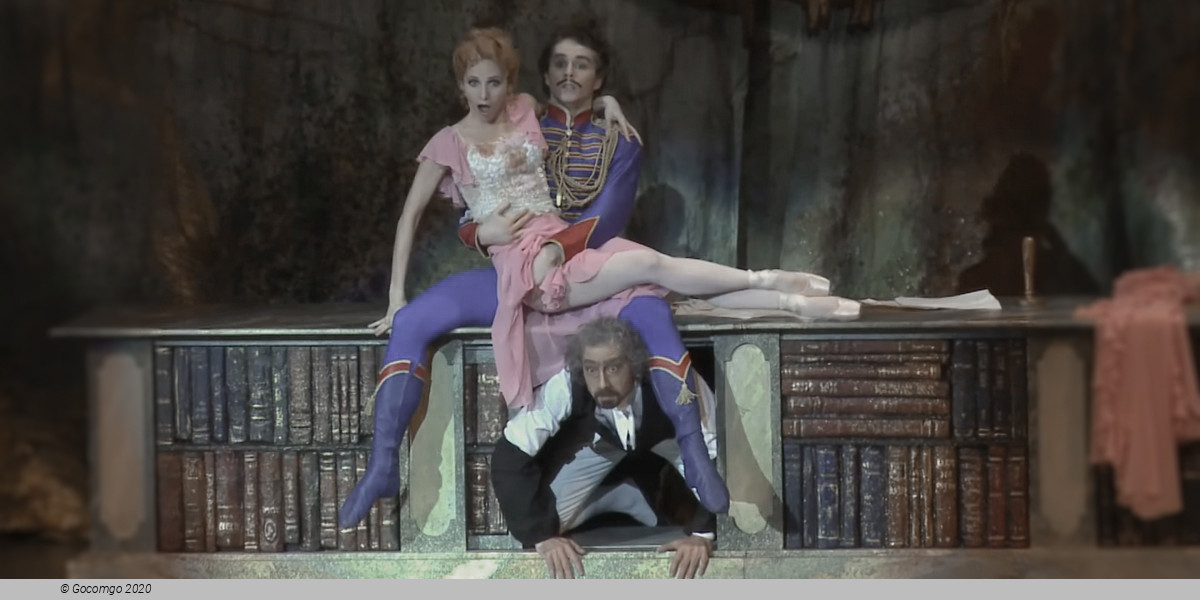
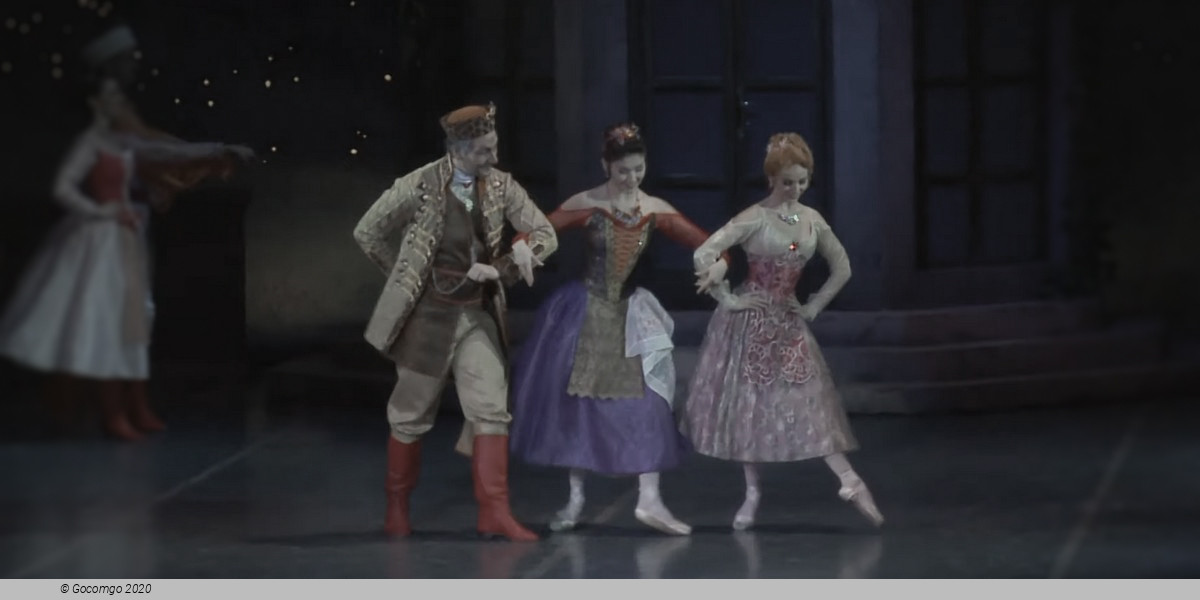
Set in a world of glittering ballrooms, aristocratic intrigues, and intoxicating waltzes, the story centers on Hanna Glawari, a fabulously wealthy young widow from the small principality of Pontevedro. When she arrives in Paris, the Pontevedrian embassy fears that if she marries a Parisian suitor, her fortune will leave their country and lead the nation to financial ruin. To prevent this, they attempt to orchestrate a reunion between Hanna and her former lover, the charming yet stubborn Count Danilo Danilovitch.
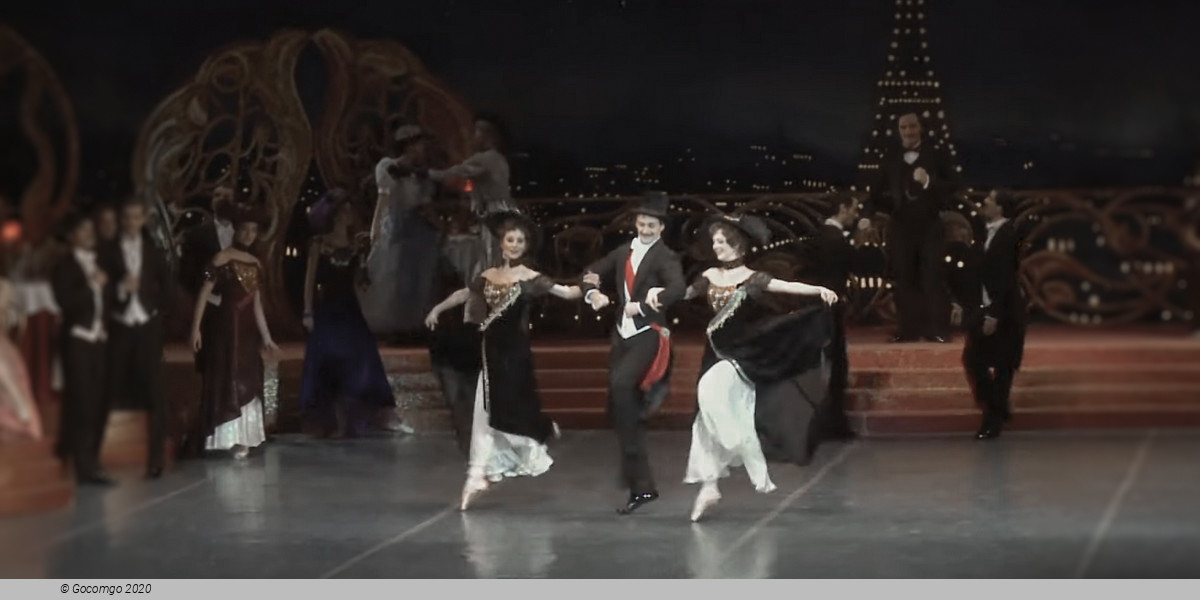
What follows is a playful battle of pride, affection, and unresolved feelings. Danilo refuses to appear desperate, Hanna refuses to make things easy, and their witty exchanges drive much of the ballet’s humor and warmth. Surrounding them is a lively cast of diplomats, can-can dancers, would-be suitors, and fashionable Parisian society, creating a vibrant backdrop filled with swirling waltzes, elegant ensembles, and comedic choreography.
The ballet is known for its lush musical score, particularly its sweeping waltz themes and lively marches, all adapted from Lehár’s original operetta. Hynd’s choreography (in the most widely performed version) combines classical ballet vocabulary with stylized character dancing, richly evoking the period and setting. The result is a visually lavish production featuring elaborate ball gowns, glittering salons, and grand ballroom scenes that celebrate the romantic spirit of early 20th-century European high society.
Ultimately, The Merry Widow is a story about rediscovered love. After a series of miscommunications, flirtations, and social maneuverings, Hanna and Danilo finally admit their enduring affection, restoring both their personal happiness and the political fortunes of their homeland. The ballet concludes in a jubilant celebration of love, wit, and elegance — a delightful blend of romance, comedy, and classical artistry.







 Academy of Music is at 240 South Broad St, Philadelphia, PA 19102