Academy of Music: Romeo and Juliet by Juliano Nunes Tickets | Event Dates & Schedule | GoComGo.com

Romeo and Juliet by Juliano Nunes Tickets

Academy of Music, Philadelphia, USA
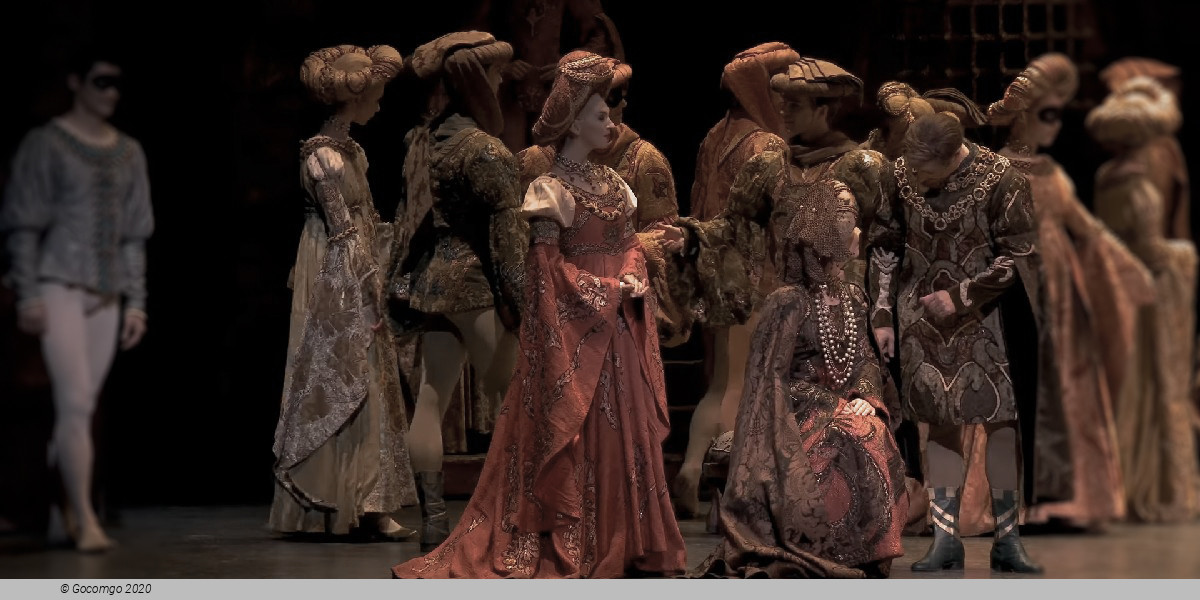
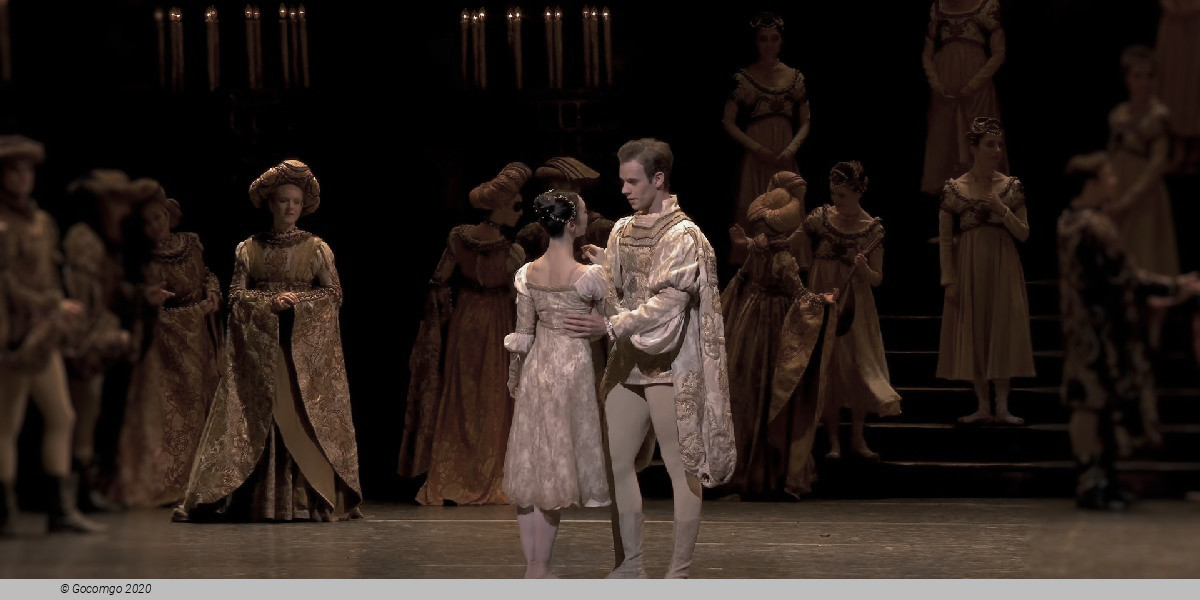
All photos (7)
1 / 7
Available Dates: 30 Apr - 10 May, 2026 (10 events)
Important Info
Type: Ballet
City: Philadelphia, USA

E-tickets: Print at home or at the box office of the event if so specified. You will find more information in your booking confirmation email.

You can only select the category, and not the exact seats.
If you order 2 or 3 tickets: your seats will be next to each other.
If you order 4 or more tickets: your seats will be next to each other, or, if this is not possible, we will provide a combination of groups of seats (at least in pairs, for example 2+2 or 2+3).

Cast
Performers
Choose the date to see the peformers
Creators
Composer: Sergei Prokofiev
Choreographer: Juliano Nunes
Playwright: William Shakespeare
Overview

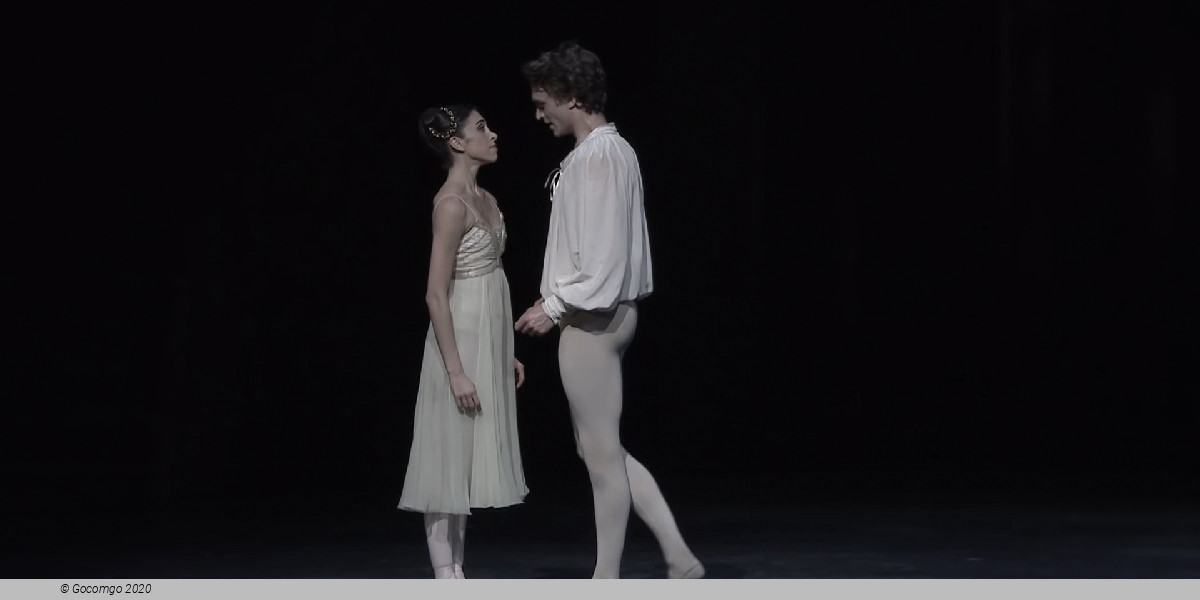
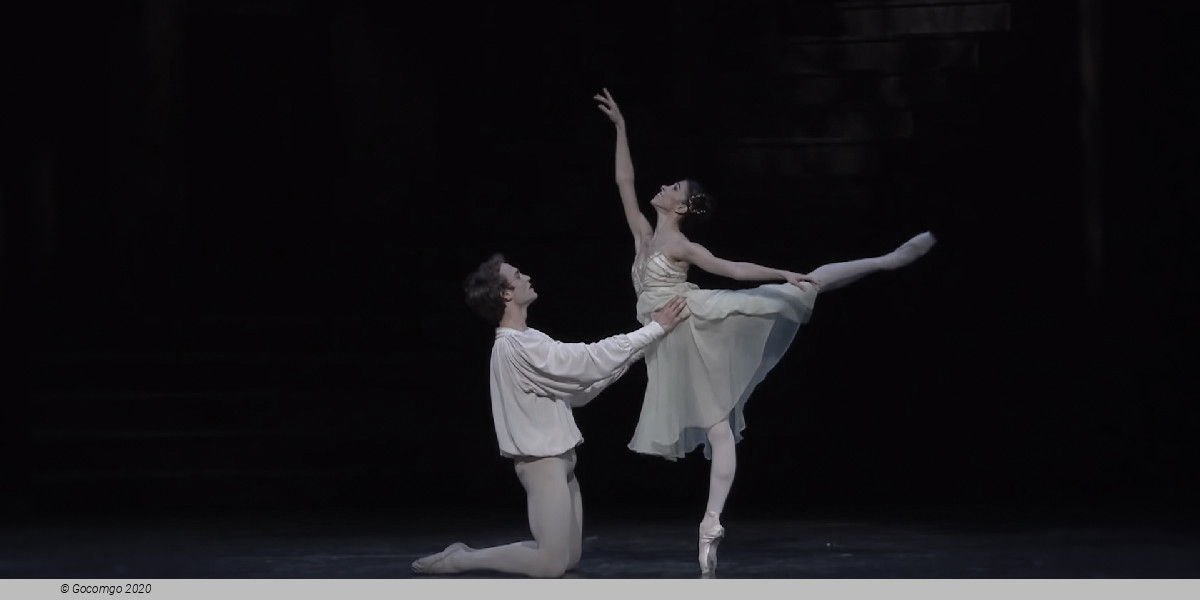
Experience this reinterpretation of Shakespeare’s ubiquitous tale of star-crossed lovers, set to the renowned score of Sergei Prokofiev. Reimagined by Philadelphia Ballet’s Resident Choreographer Juliano Nunes, Romeo and Juliet follows the story of two young lovers from feuding families whose intense passion leads to their untimely tragic end.

Juliano Nunes’ Romeo and Juliet is a contemporary reimagining of Shakespeare’s timeless tragedy, blending poetic physicality, sculptural choreography, and deeply human emotion. Known for his fluid movement language and architectural partnering, Nunes reshapes the classic story into a modern dance-theatre experience that emphasizes psychological depth, raw intimacy, and the universal need for connection.

Rather than retelling the narrative through strict classical forms, Nunes creates a world driven by energy, breath, and organic motion. His choreography explores the emotional landscapes of the characters — the urgency of youthful passion, the weight of family conflict, and the devastating beauty of forbidden love. Movements flow seamlessly from sweeping duets to explosive ensemble passages, giving the ballet a cinematic rhythm that feels both immediate and timeless.

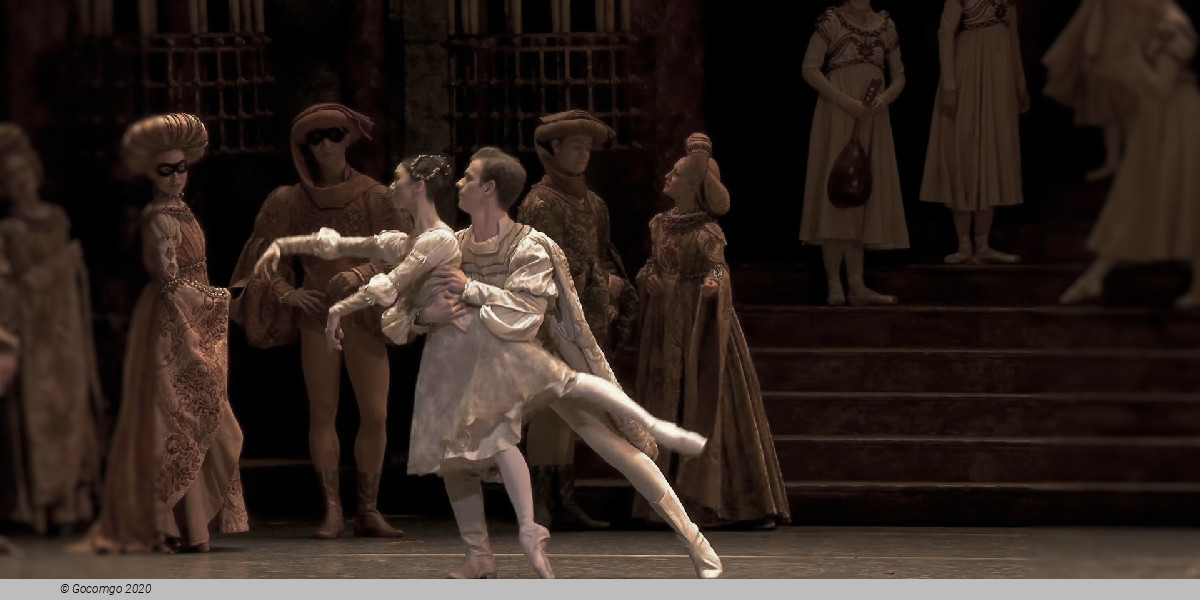
Romeo and Juliet’s relationship is portrayed with striking physical closeness: tender, suspended lifts; intertwined shapes; and gestures that echo the vulnerability of young lovers discovering each other for the first time. Their pas de deux become emotional conversations expressed through touch and momentum rather than virtuoso display.

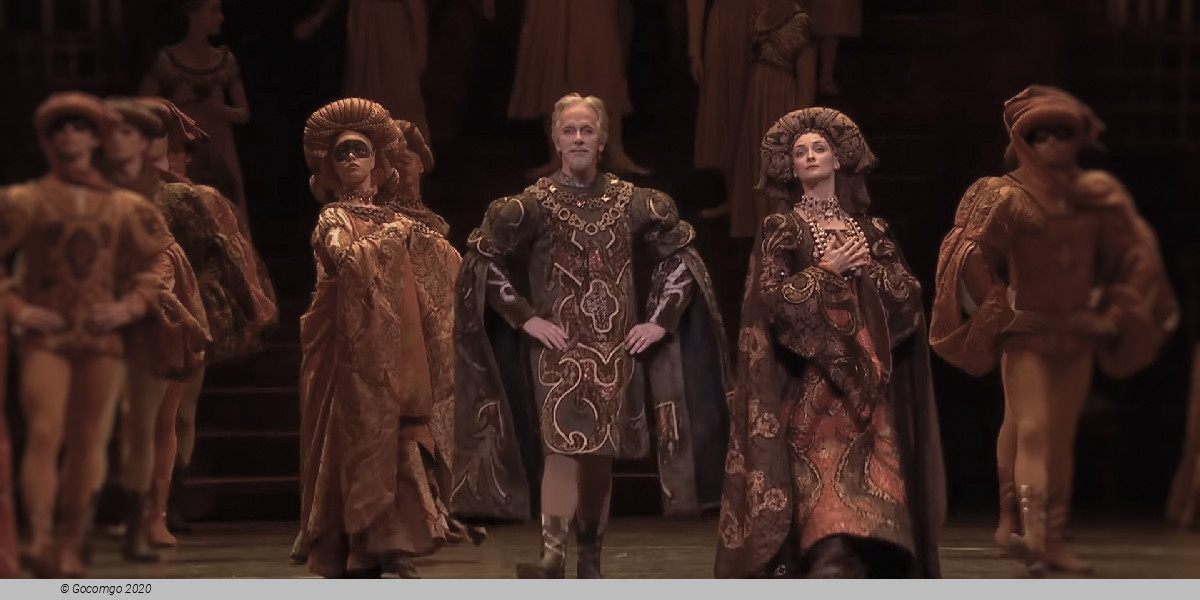
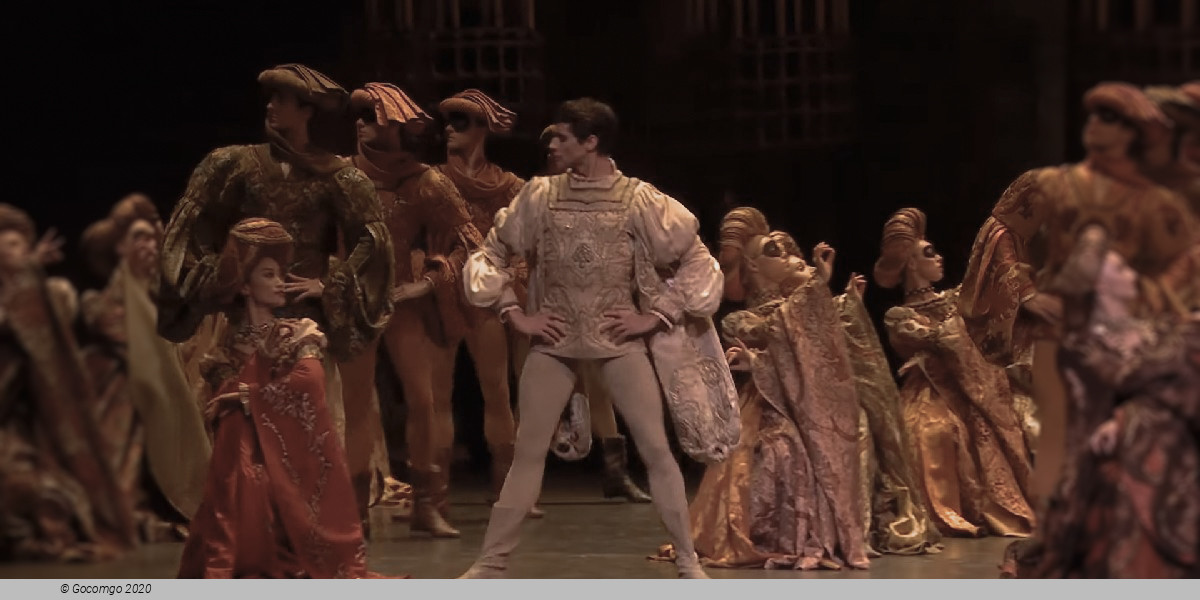
The opposing families, the Montagues and Capulets, are depicted through sharply contrasting movement textures. Angular, grounded choreography captures their hostility and tension, while group formations evoke the social pressures and inherited violence that trap the young lovers within a destiny they cannot escape.

Nunes’ aesthetic often incorporates minimalist stage environments, sculptural lighting, and contemporary costumes that highlight the dancers’ bodies and amplify the raw clarity of the movement. The score — depending on the production either adapted from Prokofiev’s original or set to a contemporary soundscape — reinforces the emotional progression from innocence to tragedy, from exhilaration to irreversible loss.

The ballet’s final moments are staged with stark simplicity, focusing not on spectacle but on the profound human cost of hatred and misunderstanding. Romeo and Juliet’s deaths serve as a quiet, devastating plea for compassion and reconciliation, bringing the story full circle in a way that feels deeply relevant to modern audiences.

Juliano Nunes’ Romeo and Juliet stands as a powerful contemporary retelling — visually elegant, emotionally resonant, and rooted in a movement vocabulary that speaks directly to the heart without abandoning the dramatic integrity of Shakespeare’s masterpiece.


History
Premiere of this production: 30 November 1937, Mahen Theatre, Brno

Romeo and Juliet is a ballet by Sergei Prokofiev based on William Shakespeare's play Romeo and Juliet. Prokofiev reused music from the ballet in three suites for orchestra and a solo piano work.

Synopsis

In Juliano Nunes’ contemporary retelling of Romeo and Juliet, the story unfolds through fluid, emotionally charged movement rather than traditional narrative staging. The ballet follows the young lovers Romeo and Juliet as they discover each other across the violent divide between the Montagues and the Capulets.

Their first encounter sparks an immediate and profound connection, portrayed through intimate, suspended choreography that captures the innocence and urgency of their love. Despite the hostility surrounding them, the lovers seek moments of peace and tenderness in a world defined by rivalry and inherited hatred.

As tensions escalate between the families, Nunes uses the ensemble to depict the social forces and collective aggression that push the lovers toward their tragic fate. Confrontations erupt with sharp, grounded movement, contrasting with the fluid lyricism of Romeo and Juliet’s private world.

The lovers secretly vow themselves to each other, but the cycle of violence intensifies, leading to irreversible consequences. Misunderstandings and fate intervene, culminating in Romeo and Juliet’s final tragic moments, staged with stark simplicity. Their deaths ultimately expose the devastating cost of division and leave a haunting call for reconciliation.

Venue Info

Academy of Music - Philadelphia
Location   Academy of Music is at 240 South Broad St, Philadelphia, PA 19102

 Known for its elegant historic interior, the theater hosts opera, ballet, concerts, and Broadway shows. The hall features multiple seating levels, including orchestra, balcony, family circle, and amphitheater, offering audiences a classic and immersive performance experience.

The Academy of Music opened its doors in 1857 and has been showcasing some of the world's best artists and performers ever since. Today the theater is widely used for a variety of performances from Broadway to comedians, musicians and orchestras, seating up to 2,600 guests. 

The hall was built in 1855–57 and is the oldest opera house in the United States that is still used for its original purpose. Known as the “Grand Old Lady of Locust Street,” the venue is the home of the Philadelphia Ballet and Opera Philadelphia. It was also home to the Philadelphia Orchestra from its inception in 1900 until 2001, when the orchestra moved to the new Kimmel Center for the Performing Arts. The Philadelphia Orchestra still retains ownership of the Academy. The hall was designated a National Historic Landmark in 1962. Known for its elegant historic interior, the theater hosts opera, ballet, concerts, and Broadway shows. The hall features multiple seating levels, including orchestra, balcony, family circle, and amphitheater, offering audiences a classic and immersive performance experience.

Important Info
Type: Ballet
City: Philadelphia, USA

E-tickets: Print at home or at the box office of the event if so specified. You will find more information in your booking confirmation email.

You can only select the category, and not the exact seats.
If you order 2 or 3 tickets: your seats will be next to each other.
If you order 4 or more tickets: your seats will be next to each other, or, if this is not possible, we will provide a combination of groups of seats (at least in pairs, for example 2+2 or 2+3).

From
$ 94
Top of page