


Royal Albert Hall 31 August 2020 - Viennese Night | GoComGo.com

Viennese Night

Royal Albert Hall, London, Great Britain
All photos (23)
Select date and time
7:30 PM
Request for Tickets
Important Info
Festival: Proms 2020
Type: Classical Concert
City: London, Great Britain
Starts at: 19:30
Duration:

E-tickets: Print at home or at the box office of the event if so specified. You will find more information in your booking confirmation email.

You can only select the category, and not the exact seats.
If you order 2 or 3 tickets: your seats will be next to each other.
If you order 4 or more tickets: your seats will be next to each other, or, if this is not possible, we will provide a combination of groups of seats (at least in pairs, for example 2+2 or 2+3).

Festival

Proms 2020

Musical greats - from the past and the present - brought together in one extraordinary Proms season 2020.

Programme
Franz Lehár: The Merry Widow – overture
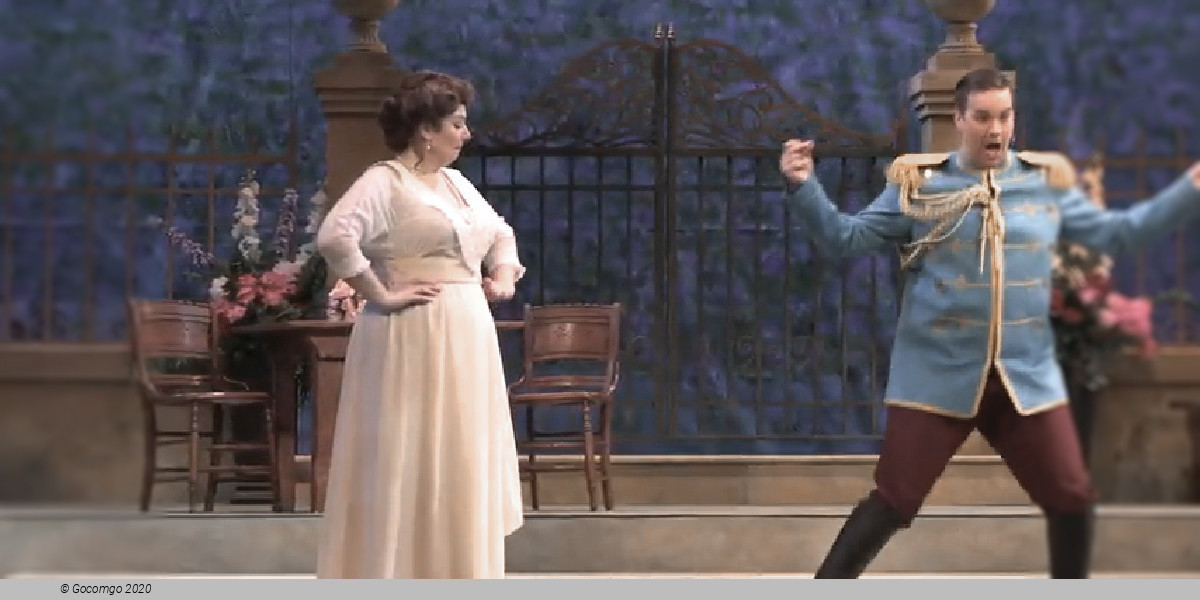
Oscar Straus: The Chocolate Soldier
Franz Lehár: Giuditta: Meine lippen, sie süssen so heiss
Emmerich Kálmán: Countess Maritza
Johann Strauss II: Die Fledermaus Quadrille, Op.363
Franz Lehár: Paganini – Prelude and Violin Solo
Richard Heuberger: Der Opernball, op. 40: Overture
Franz Lehár: Gold and Silver Waltz
Franz Lehár: The Merry Widow – Vilja
Franz Lehár: The Land of Smiles – You are my heart’s delight
Johann Strauss II: Pizzicato Polka
Johann Strauss II: Die Fledermaus – Watch Duet
Overview

Crack open the champagne and don your evening dress as the BBC Concert Orchestra host a night of Viennese operetta marking 150 years since the birth of Franz Lehár. Johann Strauss II and other contemporaries offer their own musical confections.

Marking 150 years since the birth of Franz Lehár – and recalling the long-running Proms tradition of the ‘Viennese Night’ begun in the 1950s – we step into the gilded ballroom of operetta, evoking the glamour and sophistication of turn-of-the-century Vienna.

Clink your glasses to an evening of champagne-filled romance and melody featuring excerpts from Lehár’s most popular titles such as The Merry Widow, The Land of Smiles and Giuditta, as well as music by fellow creators of the ‘Silver Age’ of Viennese operetta – and excerpts from the most enduring and popular operetta of them all, Johann Strauss II’s Die Fledermaus (‘The Bat’). The ever-stylish BBC Concert Orchestra graces the stage, under its Principal Conductor Bramwell Tovey.

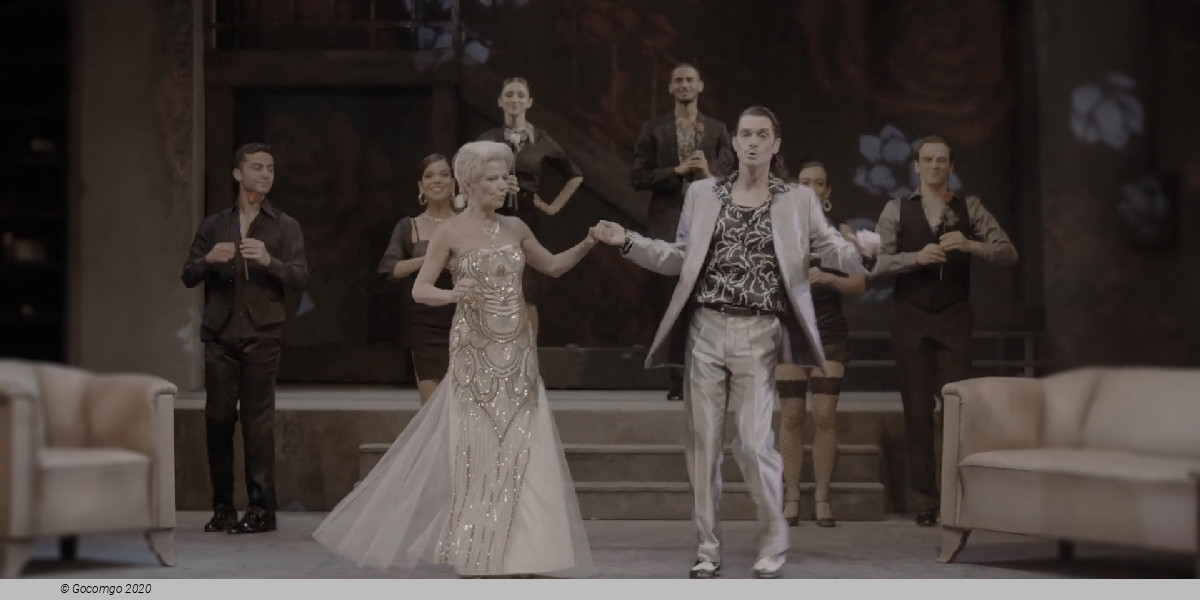
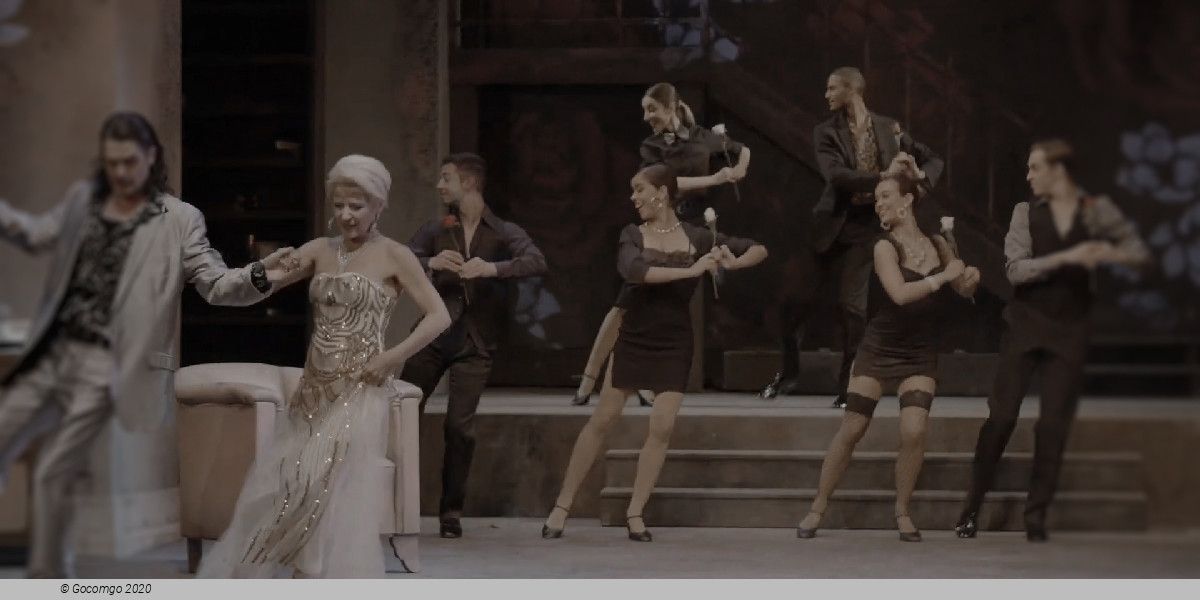
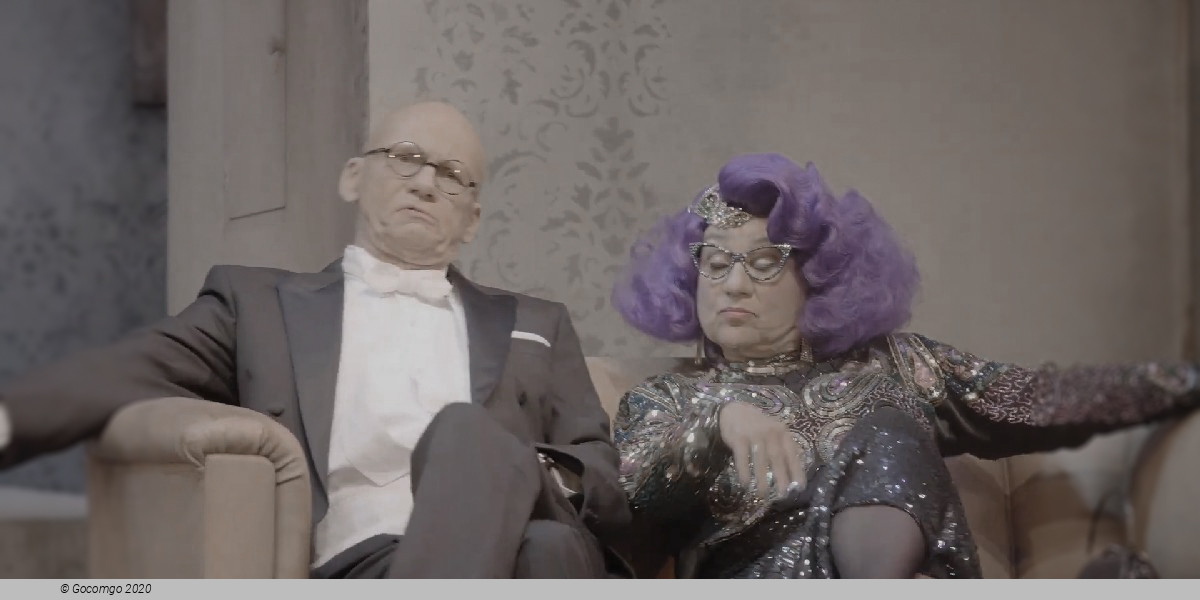
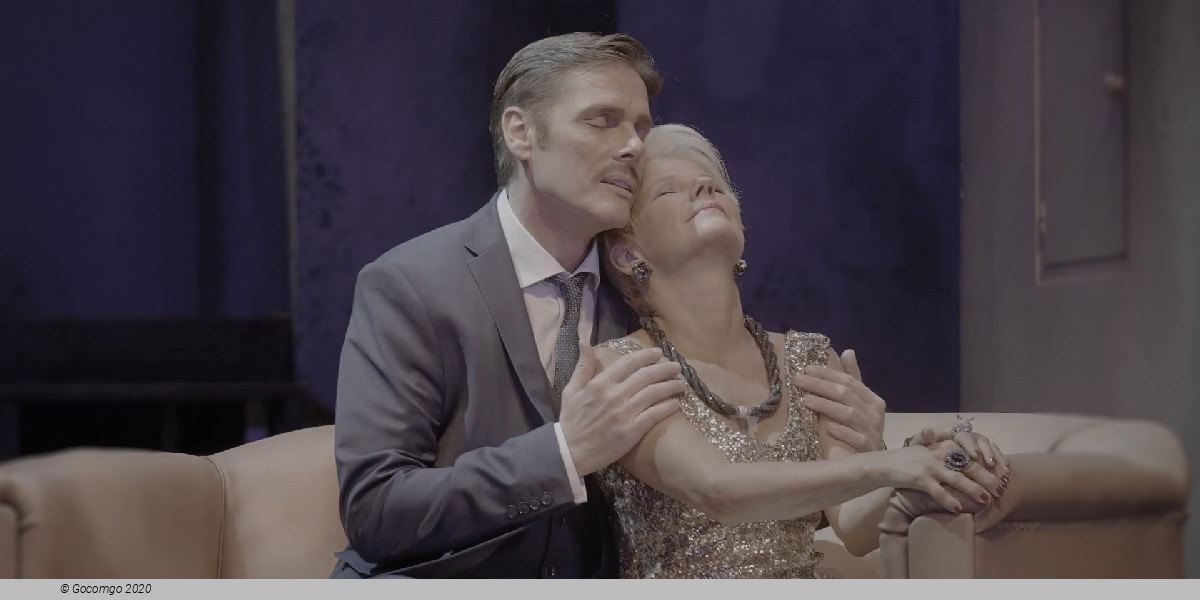
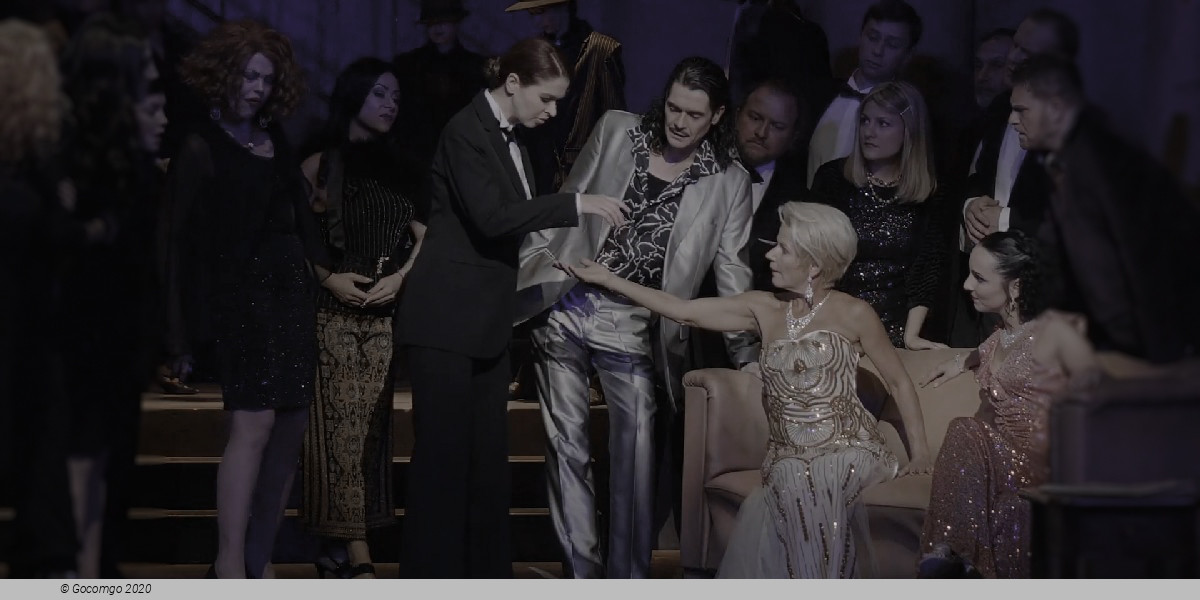
In order to protect herself from the onslaught of potential marriage candidates, beautiful Countess Mariza fakes an engagement with Zsupán, a landowner from Warasdin, magnanimously inviting all of local newspapers to their engagement party. But when Zsupán suddenly appears in the flesh before Mariza, the chaos is complete. With Countess Mariza, Kálmán managed to repeat the recipe for success he first used for Die Csárdásfürstin.

History
Premiere of this production: 28 February 1924, Theater an der Wien, Vienna

Gräfin Mariza (Countess Maritza) is an operetta in three acts composed by Hungarian composer Emmerich Kálmán, with a German libretto by Julius Brammer and Alfred Grünwald. It premiered in Vienna on 28 February 1924 at the Theater an der Wien.

Synopsis

Place: Hungary: the manor and estate of the Countess Maritza
Time: Around 1920.

Manja the gypsy girl flirts with the newly appointed bailiff, Béla Törek. Unknown to anyone, Törek is in fact the impoverished Count Tassilo, who is seeking to earn a living and set aside some cash for the dowry of his sister Lisa. The Countess Maritza, a young widow, unexpectedly arrives at the estate to celebrate her engagement. This 'engagement' is however quite fictitious, an invention intended to put off her numerous followers. The name she has chosen for her suitor, based on her recollection of Strauss' operetta, The Gypsy Baron, is Baron Koloman Zsupán. However, amongst Maritza's guests, to Tassilo's horror, is Lisa, who he instructs to keep their relationship and his identity strictly secret. Maritza is also embarrassed when a genuine Koloman Zsupán materialises, having seen an announcement of his 'engagement' in the press.

Tassilo is heard by the guests singing an air "Komm, Zigány" ("Come, gypsies!"), which he ends with a czardas. Maritza orders him to repeat it; he refuses, and the angry countess announces that he is fired. Manja predicts that The Countess will be very happy in love. "One moon will pass over this Earth and Maritza will find her happiness", she sings. Maritza therefore decides to remain on her estate. She stops Tassilo from leaving and apologises.

Zsupan has meanwhile decided that he prefers Lisa to Maritza, whilst Maritza is increasingly attracted to Tassilo. However, the ageing Lothario Populescu reveals to Maritza Tassilo's identity, and moreover alleges that Lisa is his girlfriend. Maritza in a high temper insults Tassilo, who declares that he will leave. However, before he goes, the repentant Maritza writes him a 'reference' which is in fact a proposal of marriage. The operetta ends with Maritza and Tassilo, and Zsupan and Lisa, engaged.

Venue Info

Royal Albert Hall - London
Location   Kensington Gore, South Kensington

The Royal Albert Hall is a concert hall on the northern edge of South Kensington, London. One of the United Kingdom's most treasured and distinctive buildings, it is held in trust for the nation and managed by a registered charity (which receives no government funding). It can seat 5,272.

Since the hall's opening by Queen Victoria in 1871, the world's leading artists from many performance genres have appeared on its stage. It is the venue for the Proms concerts, which have been held there every summer since 1941. It is host to more than 390 shows in the main auditorium annually, including classical, rock and pop concerts, ballet, opera, film screenings with live orchestral accompaniment, sports, awards ceremonies, school and community events, and charity performances and banquets. A further 400 events are held each year in the non-auditorium spaces.

The hall was originally supposed to have been called the Central Hall of Arts and Sciences, but the name was changed to the Royal Albert Hall of Arts and Sciences by Queen Victoria upon laying the Hall's foundation stone in 1867, in memory of her husband, Prince Albert, who had died six years earlier. It forms the practical part of a memorial to the Prince Consort; the decorative part is the Albert Memorial directly to the north in Kensington Gardens, now separated from the Hall by Kensington Gore.

Important Info
Festival: Proms 2020
Type: Classical Concert
City: London, Great Britain
Starts at: 19:30
Duration:
Top of page