

Gallery
About
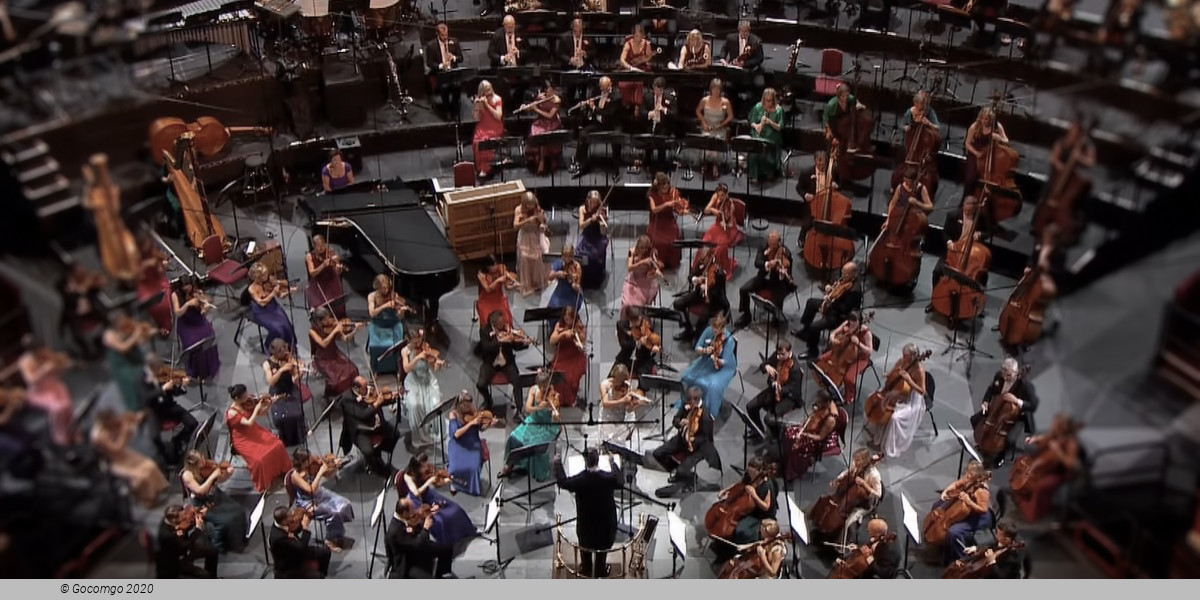
Musical greats - from the past and the present - brought together in one extraordinary Proms season 2020.
From Bernstein to Benedetti, Haitink to Hvorostovsky ... Not the Proms as we know them, the Proms as we need them.
In the year that the Proms turns 125 years old, the 2020 season brings the spirit of the Proms to music-lovers at home with treasures from the archive and incredible live performances.
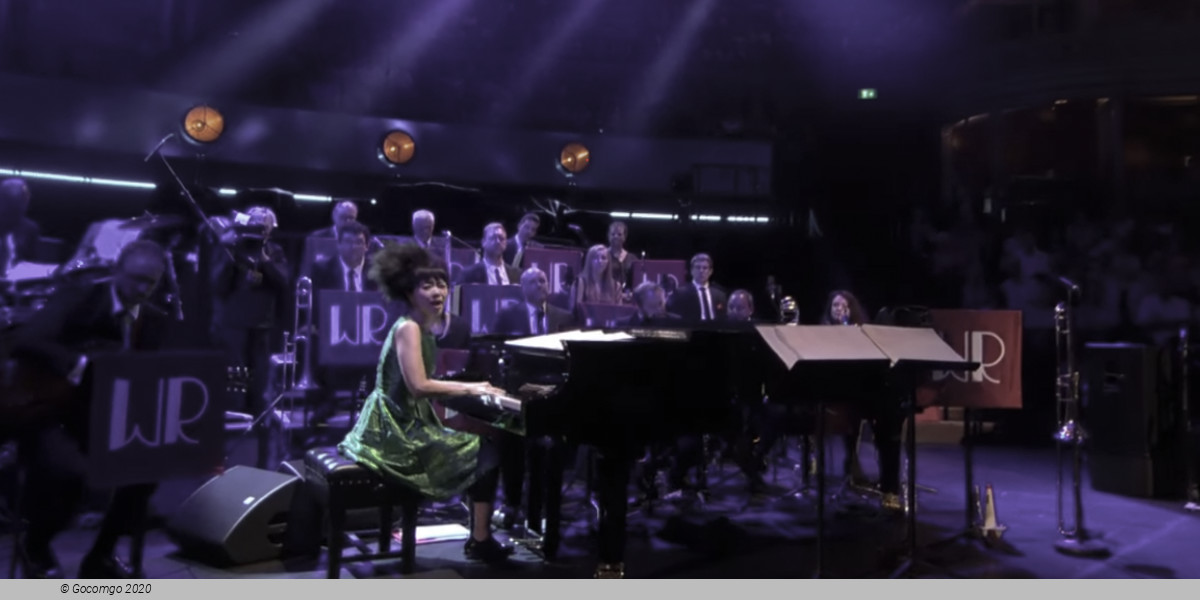
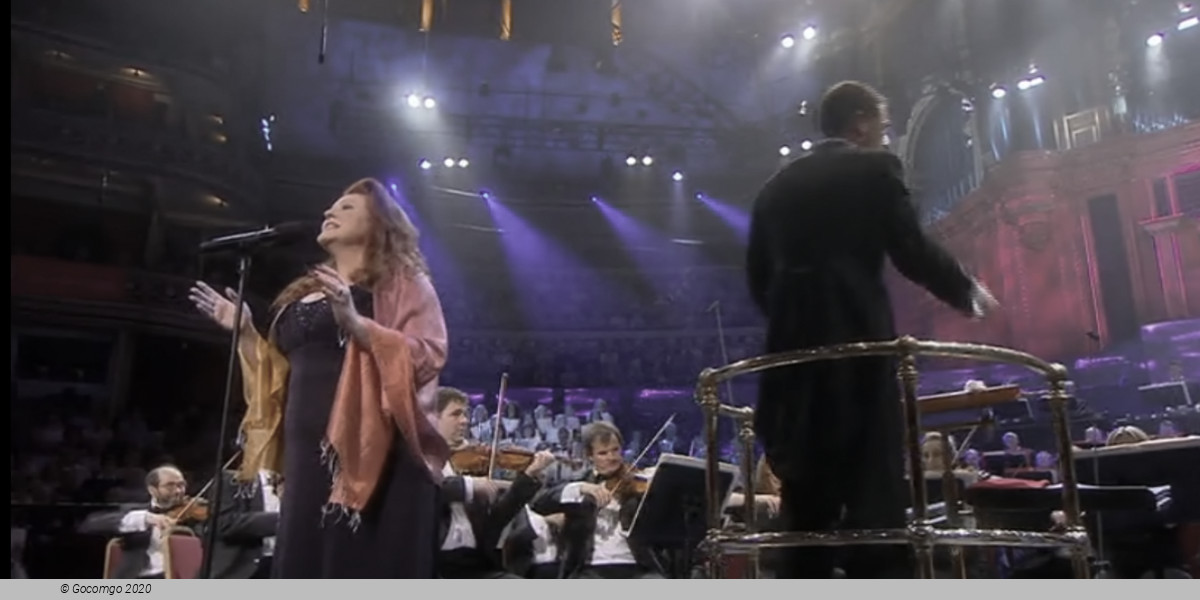
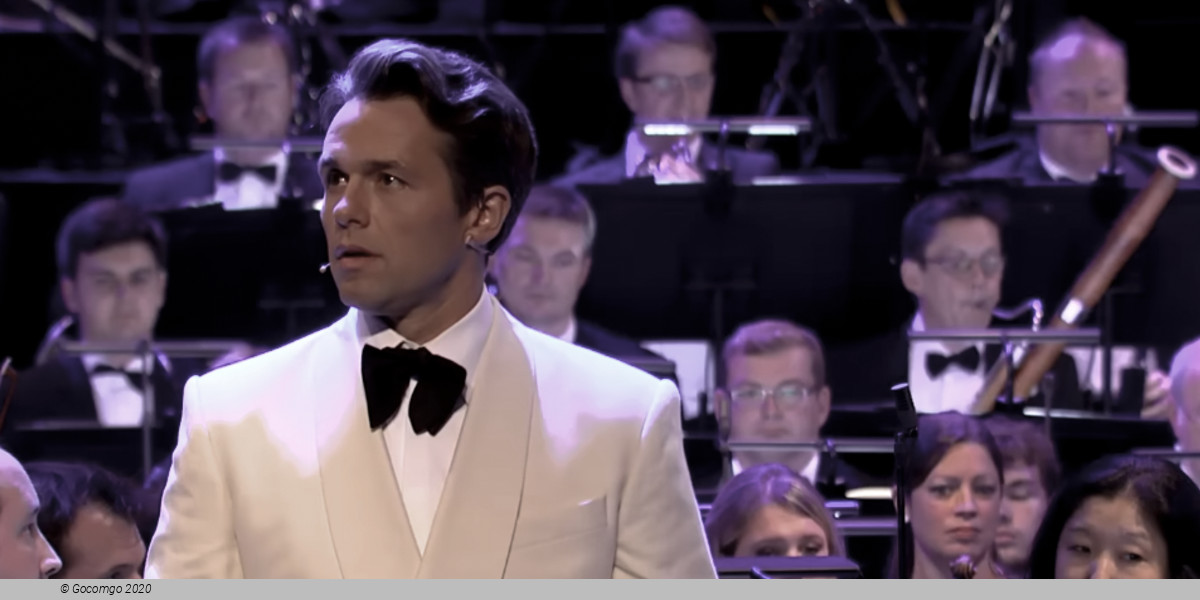
In challenging times, the BBC Proms continues its annual festival consisting of 8 weeks of world-class performances by the world's greatest classical musicians of the past, present and future.
About the BBC Proms
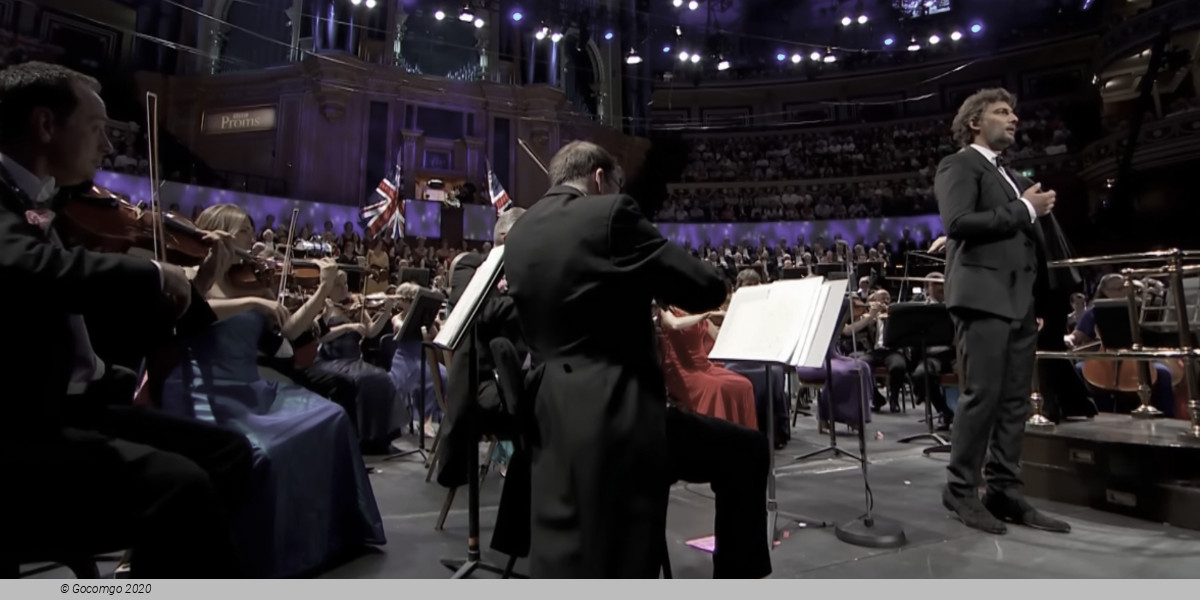
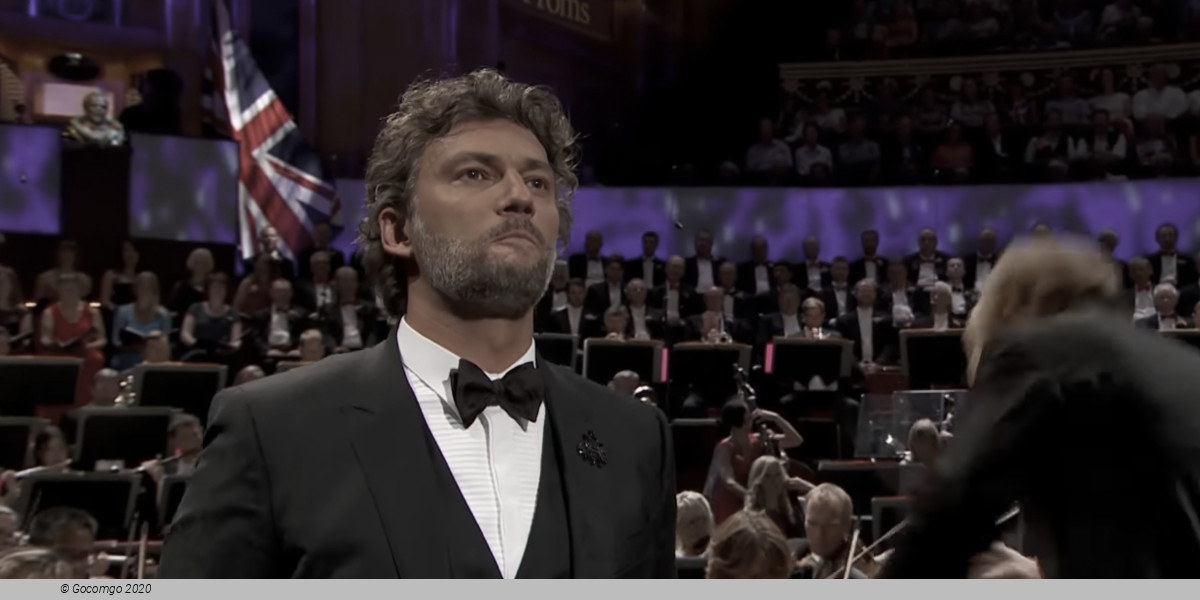
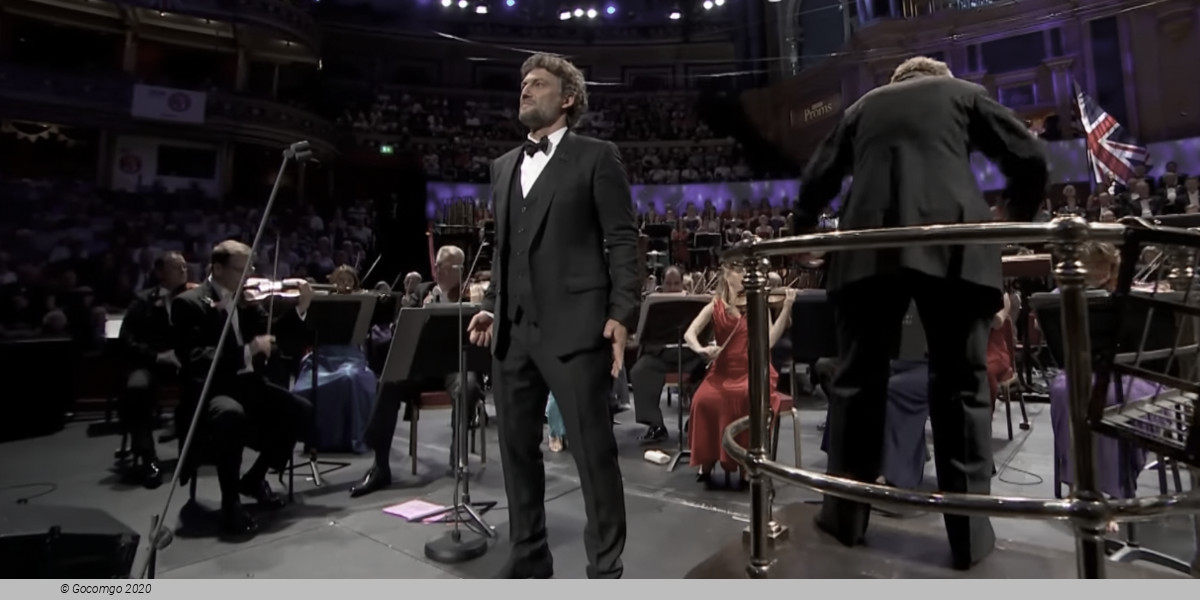
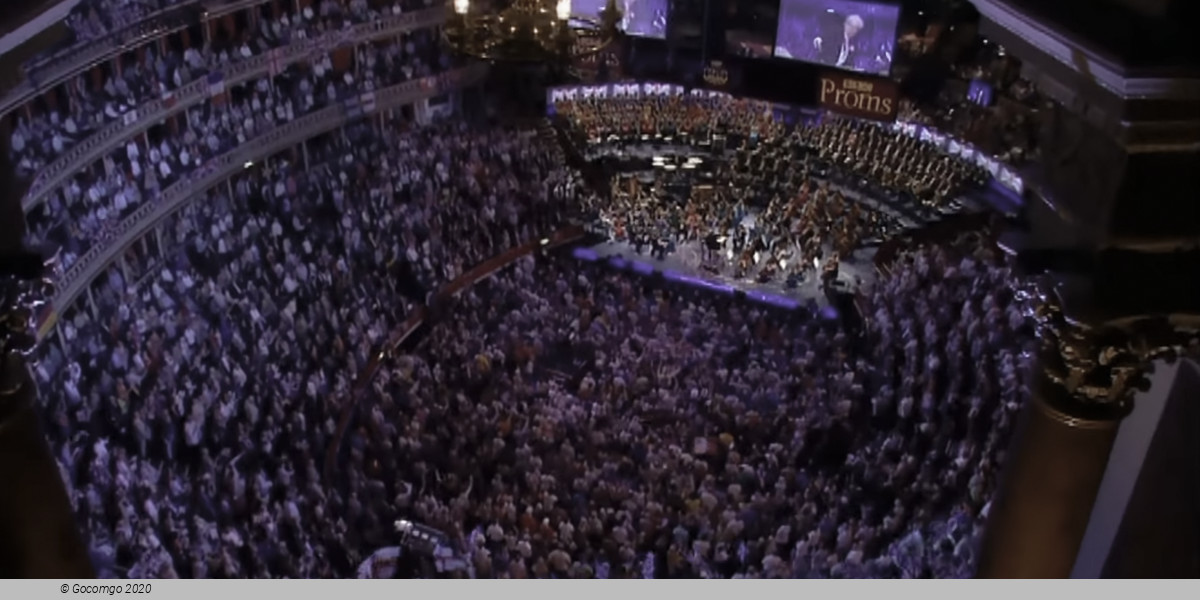
The Proms is an eight-week summer season of daily orchestral classical music concerts and other events held annually, predominantly in the Royal Albert Hall in central London. The Proms were founded in 1895, and are now organised and broadcast by the BBC. Each season consists of concerts in the Royal Albert Hall, chamber music concerts at Cadogan Hall, additional Proms in the Park events across the UK on the Last Night of the Proms, and associated educational and children's events. The season is a significant event in British culture and in classical music. Czech conductor Jiří Bělohlávek described the Proms as "the world's largest and most democratic musical festival".
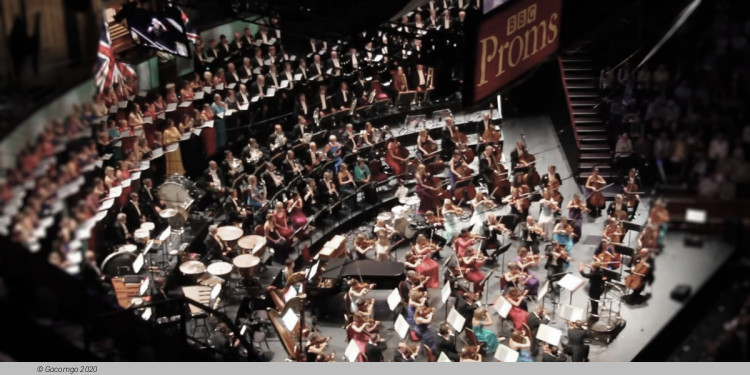
Prom is short for promenade concert, a term which originally referred to outdoor concerts in London's pleasure gardens, where the audience was free to stroll around while the orchestra was playing. In the context of the BBC Proms, promming refers to the use of the standing areas inside the hall (the Arena and Gallery) for which ticket prices are much lower than for the seating. Proms concert-goers, particularly those who stand, are sometimes referred to as "Prommers" or "Promenaders".
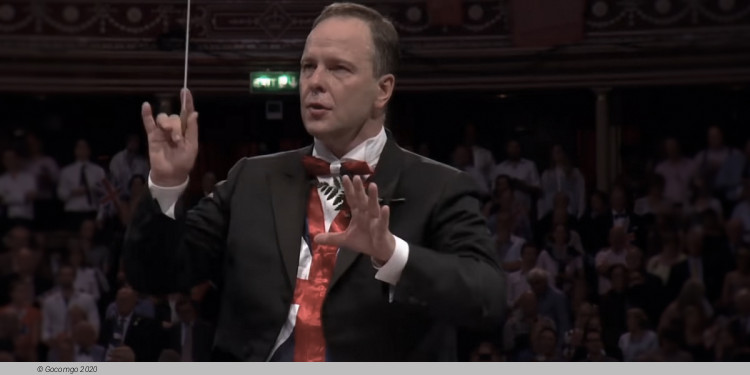
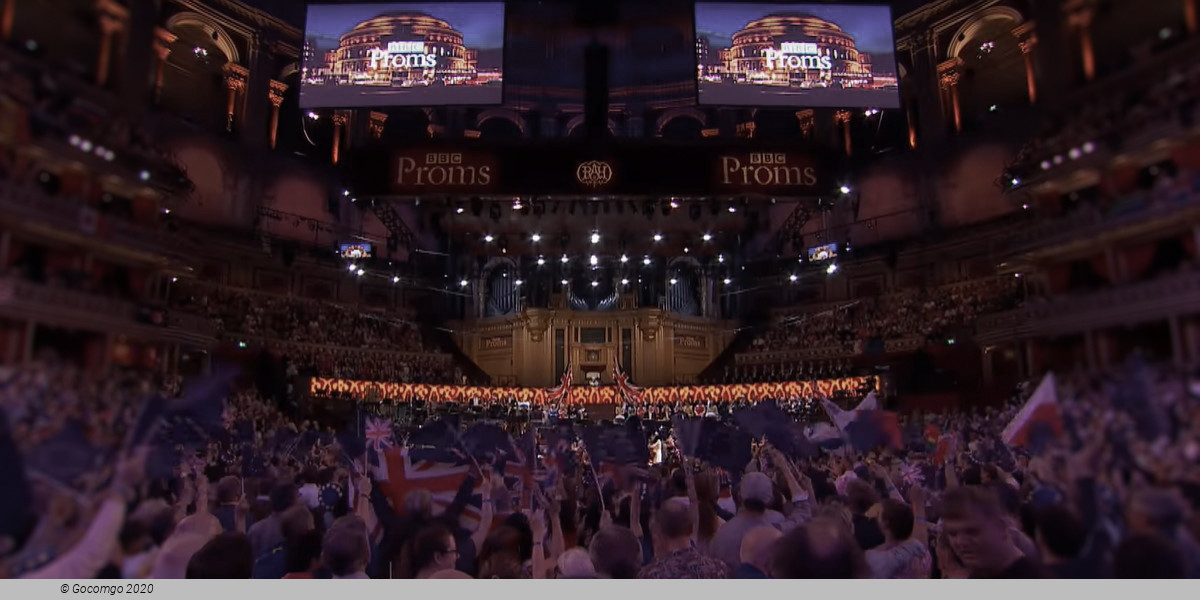
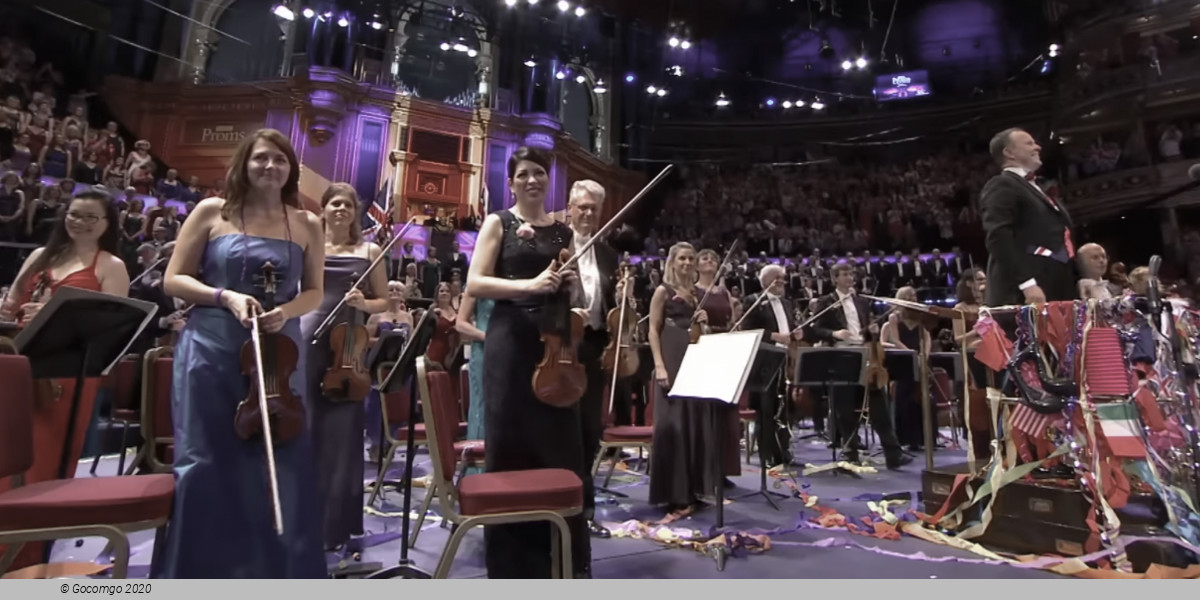
Many people's perception of the Proms is based on the Last Night, although this is very different from the other concerts. It usually takes place on the second Saturday in September, and is broadcast in the UK on BBC Radio 3, and on television on BBC Two (first half) and BBC One (second half). The concert is traditionally in a lighter, 'winding-down' vein, with popular classics followed by a second half of British patriotic pieces. This sequence traditionally includes Edward Elgar's "Pomp & Circumstance March No. 1" (to part of which "Land of Hope and Glory" is sung) and Henry Wood's "Fantasia on British Sea Songs", followed by Thomas Arne's "Rule, Britannia!". The concert concludes with Hubert Parry's "Jerusalem", and the British national anthem, since 2010 in an arrangement by Benjamin Britten. The repeat of the Elgar march at the Last Night can be traced to the spontaneous audience demand for a double encore after its premiere at a 1901 Proms concert. The closing sequence of the second half became fully established in 1954 during Sargent's tenure as chief conductor.
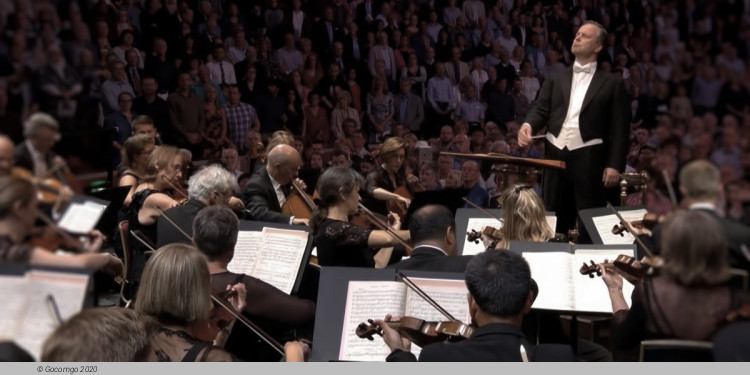
The Prommers have made a tradition of singing "Auld Lang Syne" after the end of the concert, but this was not included in the programme until 2015. However, when James Loughran, a Scot, conducted the Last Night concert in the late 1970s and early 1980s he did include the piece within the programme.
Tickets are highly sought after. Promming tickets are priced the same as for that season's concerts, but seated tickets are more expensive. To pre-book a seat, it is necessary to have bought tickets for at least five other concerts in the season and an advance booking for the Last Night must include those five concerts; the seat for the Last Night cannot be a better one (in terms of its pricing) than those for the other concerts. After the advance booking period, there is no requirement to have booked for additional concerts, but by then the Last Night is usually sold out, although returns may be available. For standing places, a full season pass automatically includes admission to the Last Night; day Prommers must present five ticket stubs from previous concerts to qualify for a standing Last Night ticket, either in the Arena or Gallery (prior to 2009, the requirement was for six other concerts).
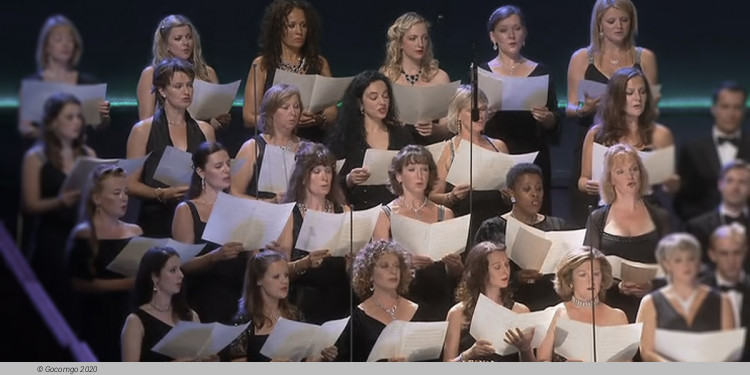
Prommers with tickets are likely to queue up much earlier than usual (many overnight, and in past years, some slept outside the hall for up to three weeks to guard their place – although this is no longer permitted) to ensure a good place to stand; the resulting camaraderie adds to the atmosphere. Some attend in fancy dress, from dinner jackets to patriotic T-shirts. Many use the occasion for an exuberant display of Britishness. Union Flags are waved by the Prommers, especially during "Rule, Britannia!". Other national flags, balloons and party poppers are all welcomed – although John Drummond discouraged 'extraneous noise' during his tenure as director.
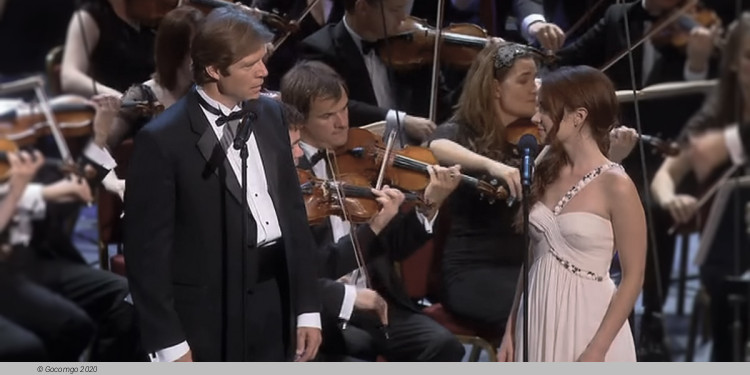
Sir Henry Wood's bust is adorned with a laurel chaplet by representatives of the Promenaders, who often wipe an imaginary bead of sweat from his forehead or make some similar gentle visual joke. As with the rest of the season, the cost of promming tickets (standing tickets) is just £6. Many consider these to be the best tickets due to the atmosphere of standing in the hall for up to three hours, albeit with a twenty-five minute interval.
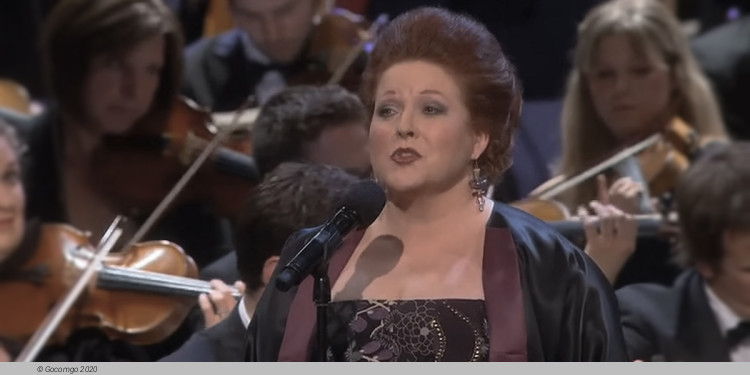
Another tradition is that near the end of the concert the conductor makes a speech thanking the musicians and audiences, mentioning the main themes of the season, noting the cumulative donation collected for the Promenaders' musical charities over the season, and announcing the date of the First Night for the following year. This tradition dates from 1941, when Sir Henry Wood gave the first such speech at the close of that season, which was the first at the Royal Albert Hall, when he thanked colleagues and sponsors. Wood gave a similar speech at the 1942 Last Night, and a pre-recorded version was played at the 1943 Last Night. During his tenure as conductor, Sir Malcolm Sargent established the tone of making the Last Night speech more humorous. Subsequent conductors have generally continued this, although one exception was in 1997 when Sir Andrew Davis addressed the deaths of Diana, Princess of Wales, Mother Teresa, and Sir Georg Solti in 1997.