Gallery
About
Aldeburgh Festival 2027 is the main event of the year with the participation of world classical music stars.
If you are interested in this schedule leave a request. As soon as the playbill is announced, we will let you know immediately, and you will be the first to get the tickets.
In each section, you will get the best seats for the same price - centrally located and in front rows.
We provide seats with the best acoustics only.
Even in the world's best concert halls and opera houses, the listening conditions can vary greatly, and some seats are better than others. Sometimes nearby seats have very different viewing and listening conditions.
Usually, these seats are sold out soon and available for early bookers only. We guarantee that you will receive full-view seats only.
Detailed information about the 2026 Festival will be added later.
From 12 to 28 June 2026, the Suffolk coast welcomed the 77th edition of the Aldeburgh Festival, one of Britain’s most distinguished celebrations of classical music and contemporary artistic creation. Founded in 1948 by composer Benjamin Britten, tenor Peter Pears and librettist Eric Crozier, the festival marked the 50th anniversary of Britten’s death with a programme reflecting on his legacy and enduring commitment to artistic discovery and the development of young musicians.
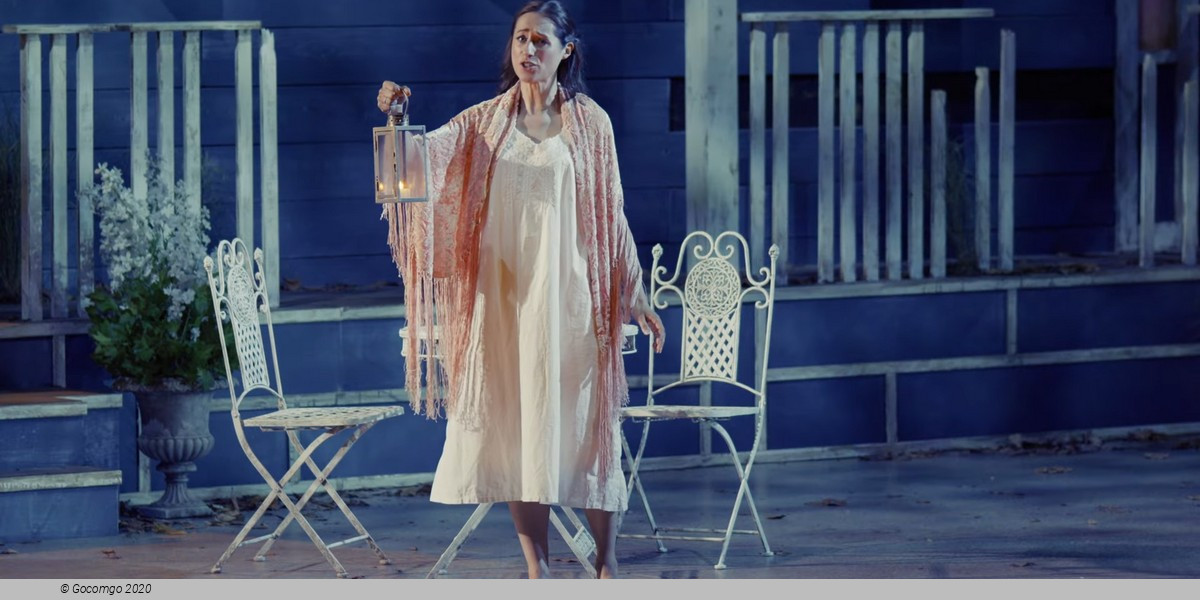
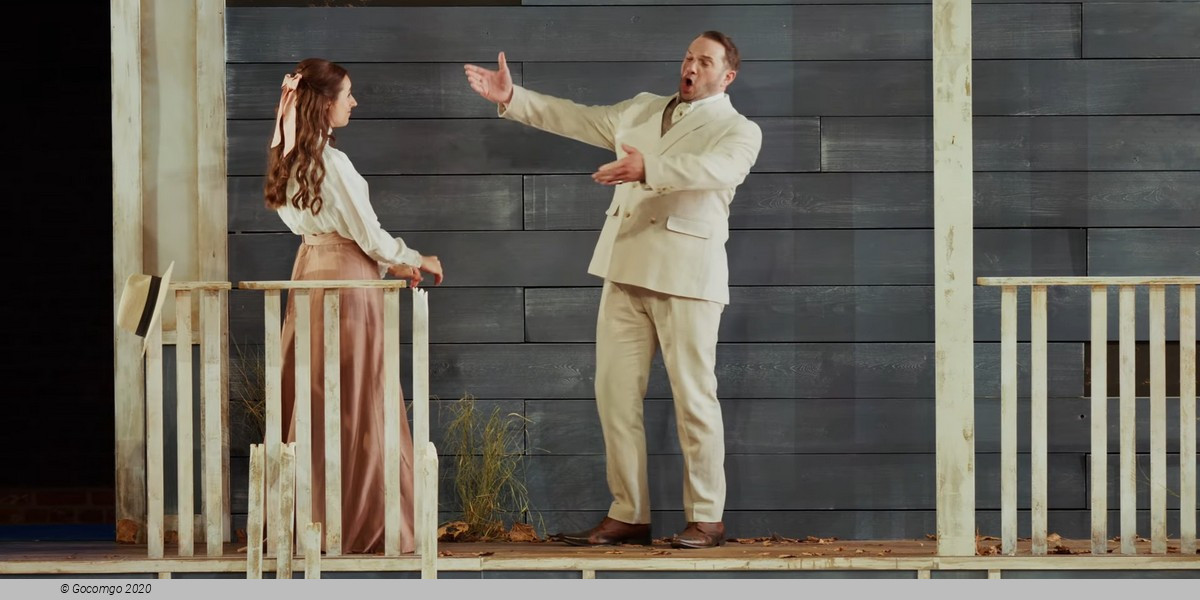
The festival opened with Debussy’s Pelléas et Mélisande, directed by Rory Kinnear, with designs by Vicki Mortimer and lighting by Paule Constable. The cast included soprano Sophie Bevan, mezzo-soprano Sarah Connolly, baritone Jacques Imbrailo, bass-baritone Gordon Bintner and bass John Tomlinson. This major operatic production set the tone for a programme combining established masterpieces with fresh interpretations and adventurous new work.
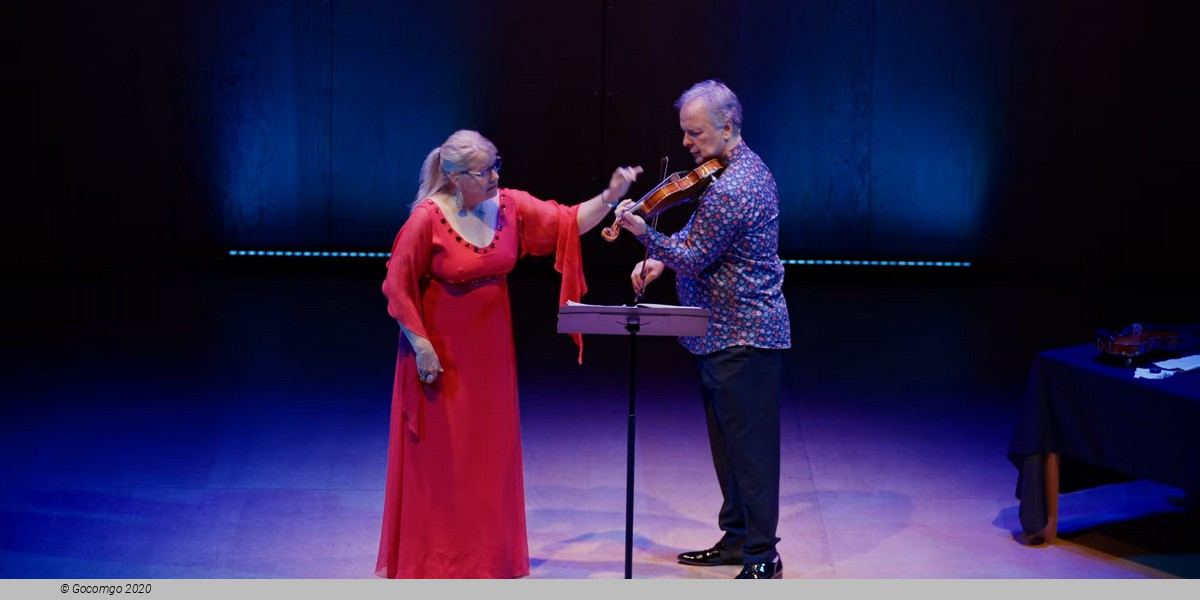
The 2026 Featured Artist was British conductor and composer Ryan Wigglesworth, whose festival appearances brought together an impressive circle of musical collaborators. Pianist Steven Osborne, violinist Vilde Frang, soprano Sophie Bevan, violist Lawrence Power and cellist Nicolas Altstaedt were among the distinguished artists taking part. Wigglesworth appeared in several capacities as conductor, pianist and composer, with his own music featured alongside works by leading contemporary composers.
Orchestral highlights included performances by the BBC Scottish Symphony Orchestra, with pianist Steven Osborne and conductor Ryan Wigglesworth, and the BBC National Orchestra of Wales, presenting the world premiere of a new violin concerto by Freya Waley-Cohen, performed by her sister, violinist Tamsin Waley-Cohen. The programme also welcomed the Royal Academy of Music Symphony Orchestra, featuring mezzo-soprano Sarah Connolly under conductor Ryan Bancroft.
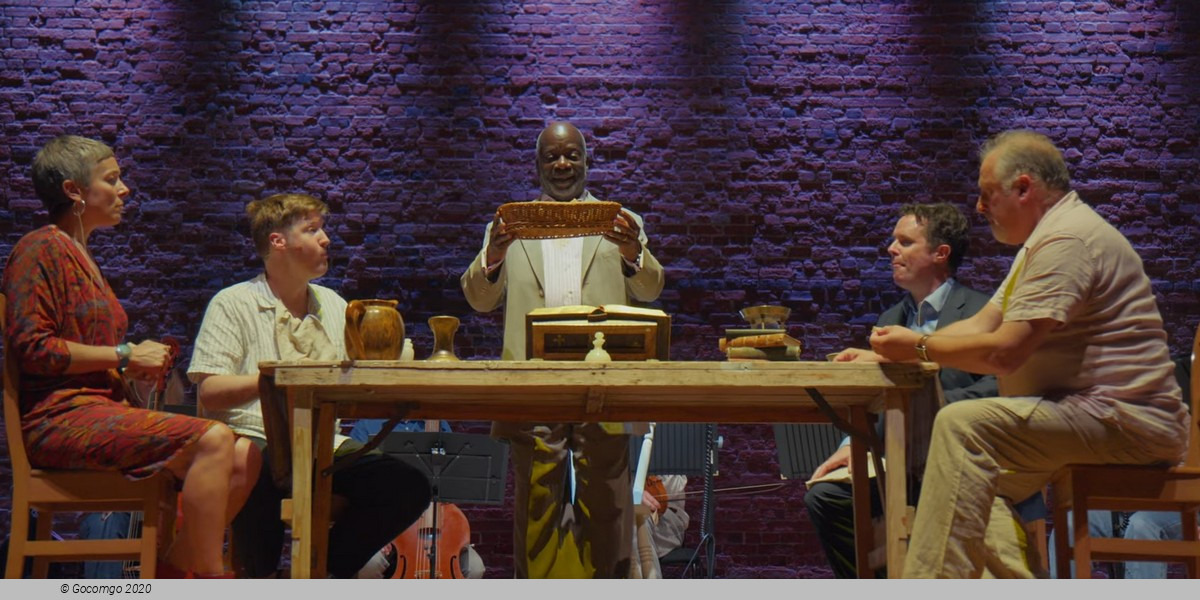
Chamber music and vocal performances added further depth to the season. Internationally acclaimed soprano Lise Davidsen appeared in recital with pianist James Baillieu, while tenor Iestyn Davies joined La Nuova Musica for Handel’s Il trionfo del Tempo e del Disinganno. The Dunedin Consort presented Baroque repertoire, and the festival also featured an imaginative new musical-theatrical project, In the Belly of the Beast, based on biblical cantatas by Élisabeth Jacquet de La Guerre.
A strong commitment to contemporary music remained central to the festival's identity, with 11 new works by composers including Lera Auerbach, Tom Coult, Tansy Davies, Brett Dean, Lisa Illean, Natalie Joachim and Freya Waley-Cohen. These premieres stood alongside music by Britten, Feldman, Crumb, Kurtág and Henze.
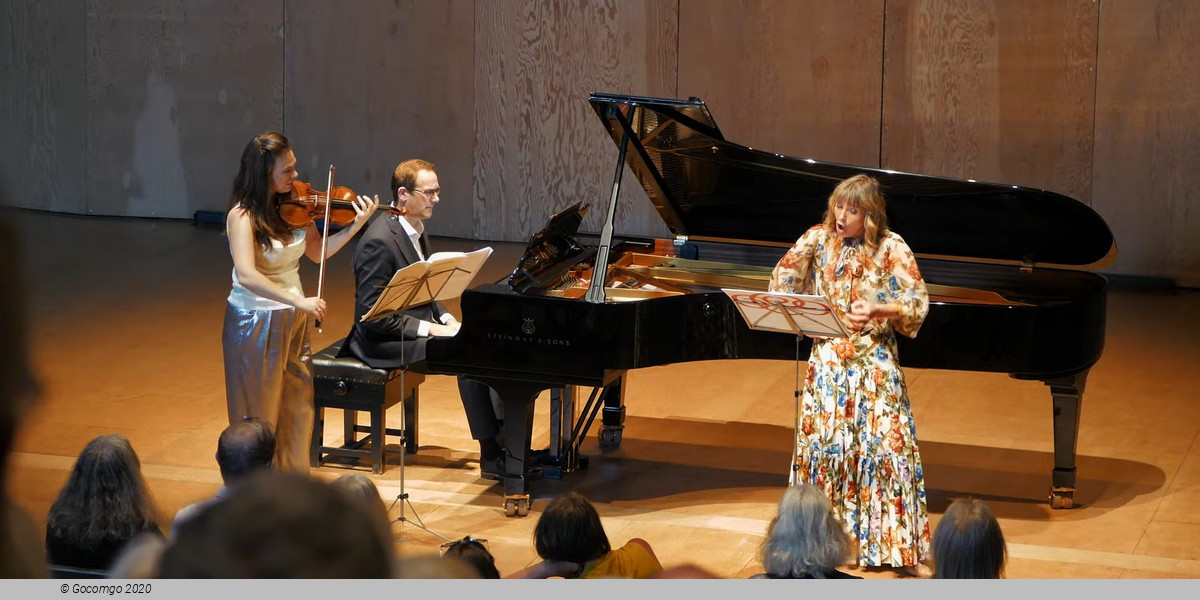
Concerts took place at Snape Maltings, including its celebrated Concert Hall, as well as at historic and intimate venues across Aldeburgh and the Suffolk coast. The Aldeburgh Festival 2026 brought together musical heritage, international performers and new creative voices in a programme that honoured Britten’s legacy while looking firmly towards the future.
About the Aldeburgh Festival
The Aldeburgh Festival has been a pilgrimage for lovers of classical music and culture since 1948. Every June it brings together new commissions, world-premieres and international stars on the stretch of Suffolk Coast which so bewitched its founder, the composer Benjamin Britten.
“Why not make our own Festival?” Peter Pears suggested when returning from an English Opera Group tour to Lucerne in 1947. “A modest Festival with a few concerts given by friends? Why not have an Aldeburgh Festival?” This idea grew partly from the rigours of touring, but it also evolved from a strong wish to bring culture to a community still suffering from the austerity of the Second World War. On their return from Switzerland Britten and English Opera Group producer Eric Crozier discussed the possibility with several of the town’s people, for the project would need a great deal of local help. Questions about where to hold concerts, how to accommodate visitors, how to recruit help, whether petrol rations would enable transportation of artists and audiences all had to be considered. Fidelity, Countess of Cranbrook chaired a committee that focussed on these practical matters as well as the vital means of attracting sponsorship. The then new Arts Council of Great Britain became a key source of financial help.
The first Aldeburgh Festivals
The first Aldeburgh Festival of Music and the Arts began on the 5 June 1948. The programme for the week-long event included chamber and choral music, a staging of Britten’s opera Albert Herring at the Jubilee Hall and the first performance of his cantata Saint Nicolas at the Parish Church. Lectures were delivered by E.M. Forster on George Crabbe, Tyrone Guthrie on theatre and Sir Kenneth Clark on East Anglian painters. Exhibitions were mounted at private homes and in the Moot Hall. The Festival soon became an annual event on the artistic calendar, with this first Festival providing a model for the diversity of content that would become its hallmark.
Yehudi, Menuhin, Kathleen Ferrier, Dennis Brain, Clifford Curzon, and the Amadeus String Quartet are among those who performed during the Festival’s early years. A number of musicians established an on-going association, particularly singers and musicians connected with the English Opera Group. Writers L. P. Hartley, Arthur Ransome, Angus Wilson, Dame Edith Sitwell came either to read or deliver lectures. The visual arts, vital to Britten and Pears’ personal lives, were highlighted through exhibitions of Constable and Gainsborough, John Piper, Georg Ehrlich, Elisabeth Frink and John Nash. Film was another component of the Festival, with classics of the screen by Chaplin or the Marx Brothers and documentaries on local history, flora and fauna. Music Concrète could be the focus of one programme, whereas the Aldeburgh Players’ production of the comedy The Dumb Wife of Cheapside (featuring the Aldeburgh Scouts as ‘the Horse’) might be another.
The Aldeburgh Festival today
Film, art, nature, literature and music past and present are still the lifeblood of the Festival, now part of the charity Britten Pears Arts. It continues to witness first performances of new work – a tradition seen in Britten’s Songs and Proverbs of William Blake (1965), the opera Death in Venice (1973), and cantata Phaedra (1976), all of which were premiered at Aldeburgh, as were pieces by Aaron Copland, Lennox Berkeley, Richard Rodney Bennett, Harrison Birtwistle, Thea Musgrave, and Robin Holloway. And the tradition continues with recent music by composers such as Sadie Harrison, Cassandra Miller, Gavin Higgins and Sarah Angliss.
The Festival also nurtures future talent through teaching. A school founded by Britten and Pears in 1972, now known as the Britten Pears Young Artist Programme, allows students to participate in masterclasses under the direction of renowned instructors and to perform on stage in Festival concerts with world-class artists and conductors.
The “modest festival” Pears envisaged nearly eight decades ago still has as its focus a passion for supporting music and the arts and making them useful in the community.