
Zurich Opera House 9 February 2020 - Wozzeck | GoComGo.com

Wozzeck

Zurich Opera House, Zurich, Switzerland
All photos (7)
Select date and time
8:30 PM
Request for Tickets
Important Info
Type: Opera
City: Zurich, Switzerland
Starts at: 20:30
Acts: 3
Duration:
Sung in: German
Titles in: English,German

E-tickets: Print at home or at the box office of the event if so specified. You will find more information in your booking confirmation email.

You can only select the category, and not the exact seats.
If you order 2 or 3 tickets: your seats will be next to each other.
If you order 4 or more tickets: your seats will be next to each other, or, if this is not possible, we will provide a combination of groups of seats (at least in pairs, for example 2+2 or 2+3).

Overview

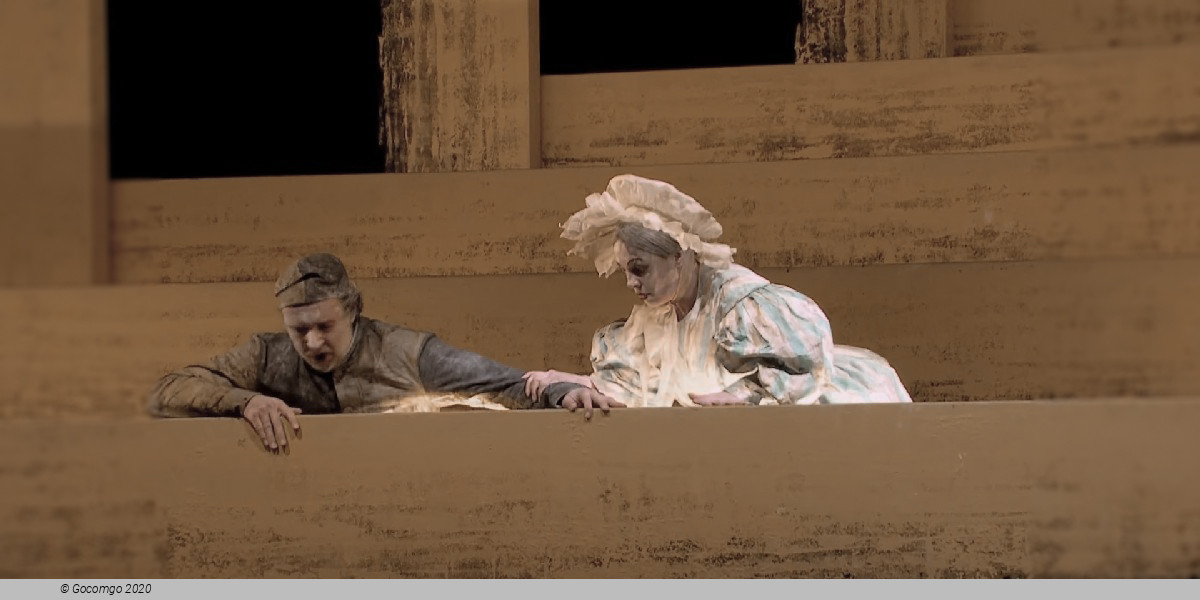
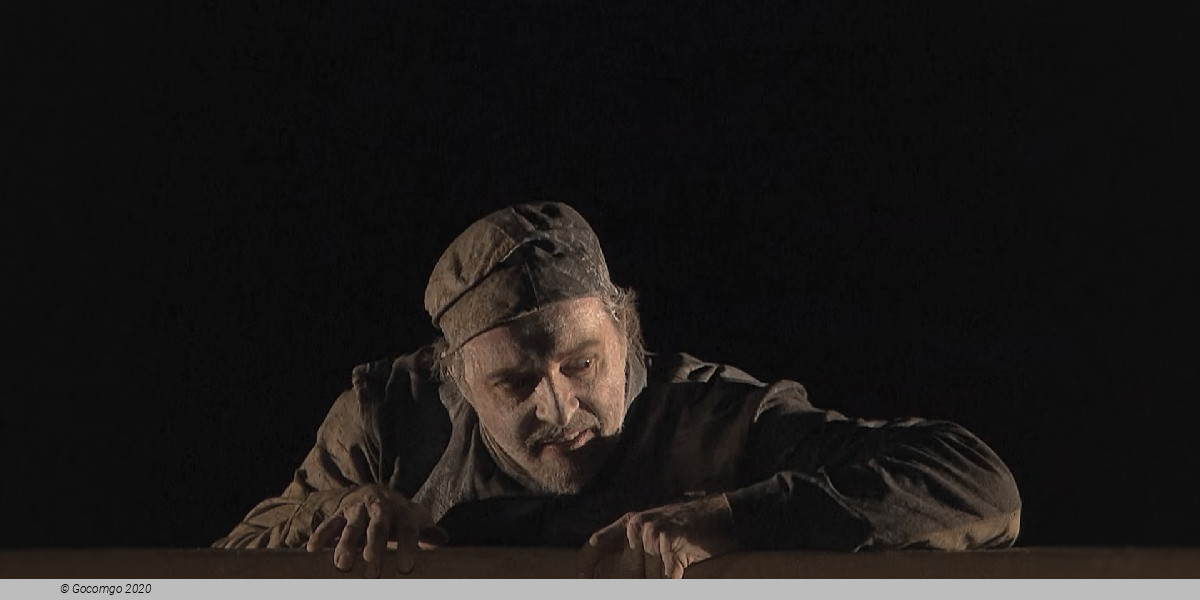
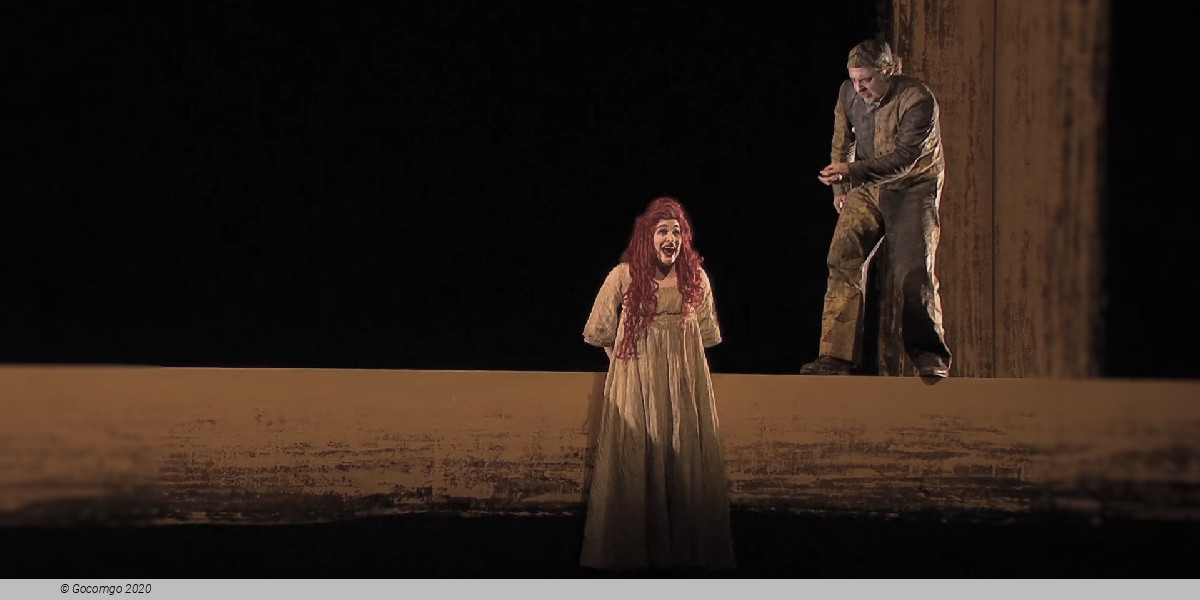
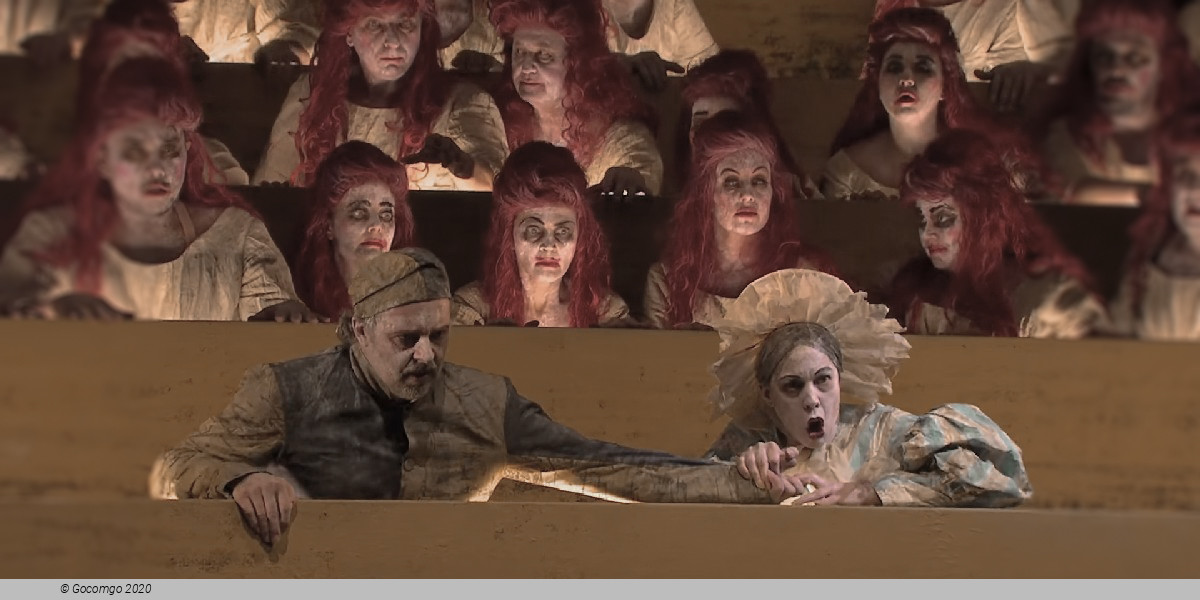
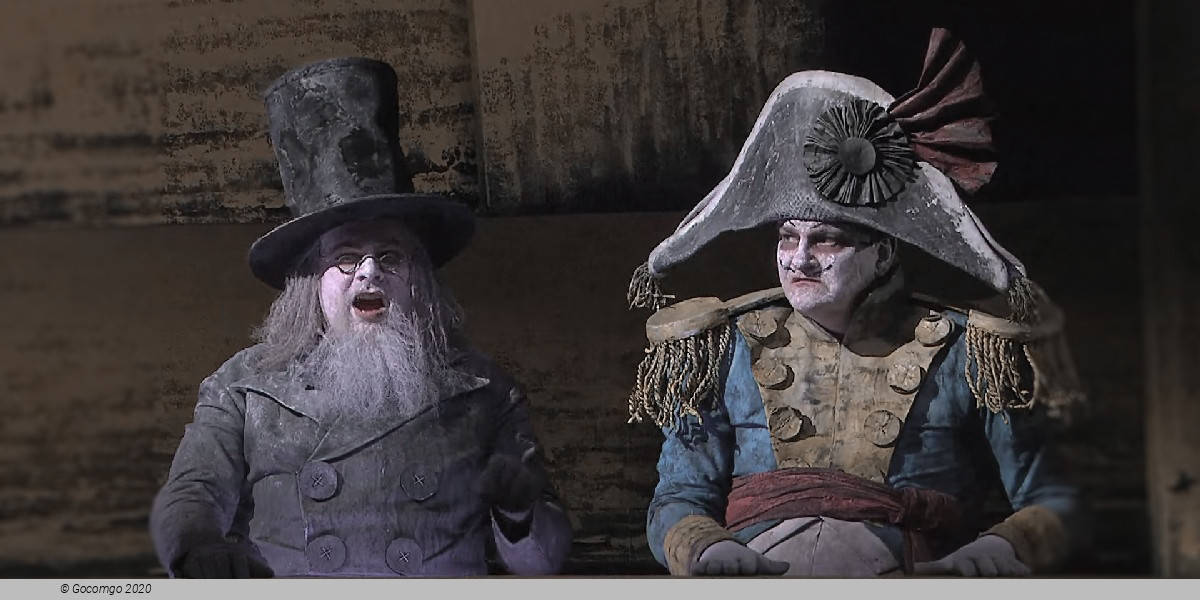
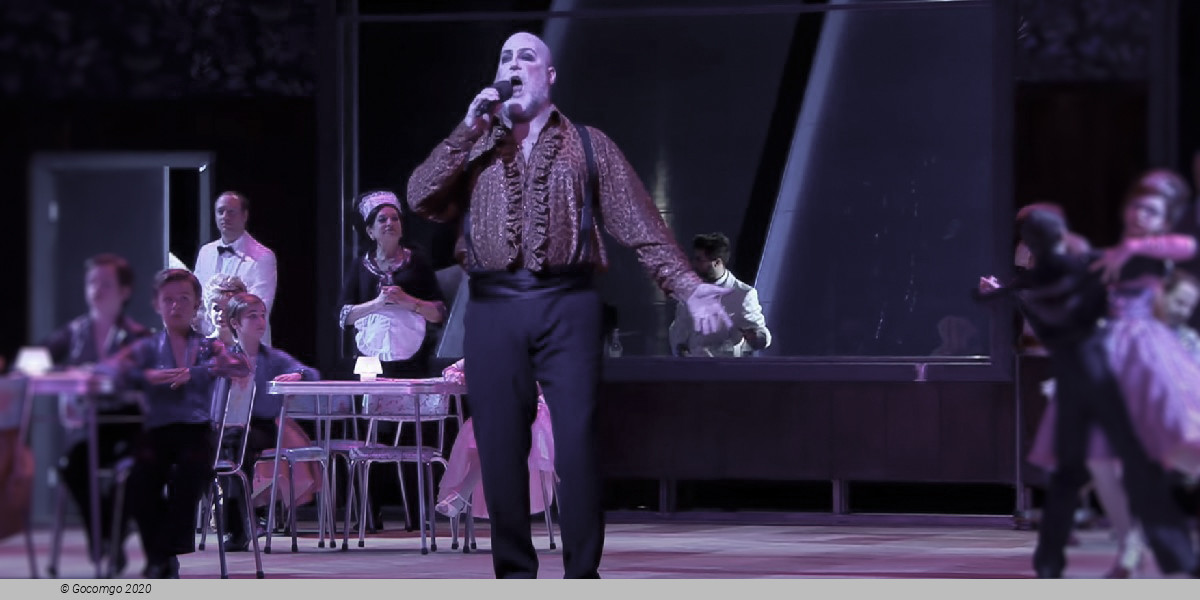
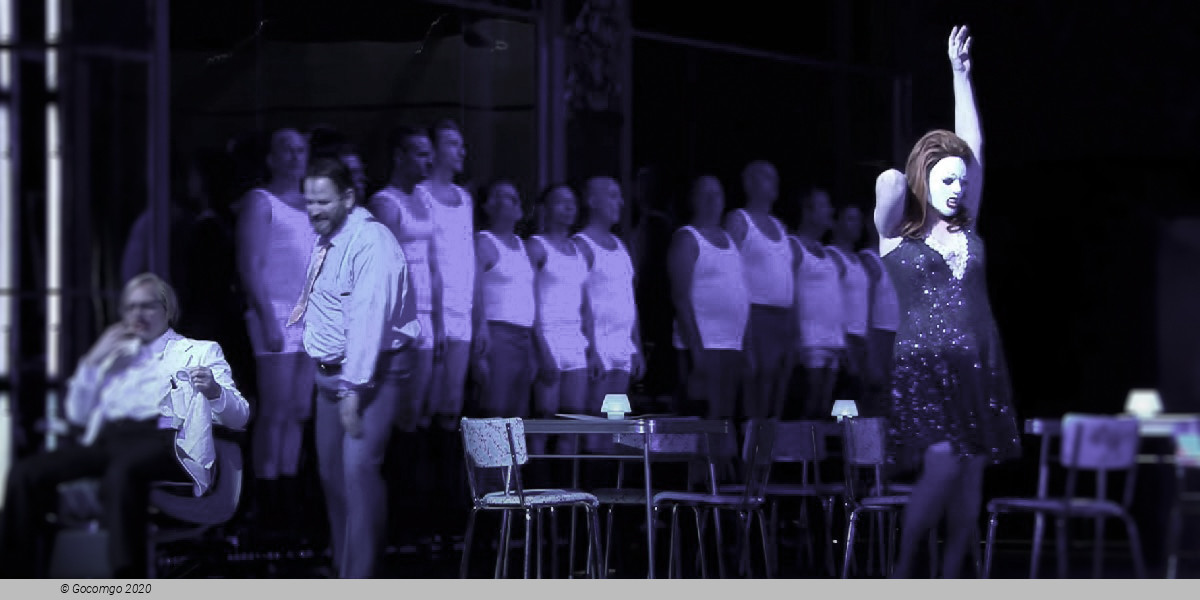
"Radical, oppressive and profound" was Zurich’s Tages-Anzeiger newspaper’s verdict of Andreas Homoki’s production of Wozzeck. The director did not stage a painful drama of social compassion, but rather a grotesque piece that is full of wicked humour. Like puppets, at the mercy of an inscrutable fate, his figures move on the sophisticated proscenium stage designed by Michael Levine. For the revival of this successful 2015/16 production, we have again been able to engage the exceptional singer Christian Gerhaher, who débuted in Zurich at the première as Wozzeck and was voted as Singer of the Year by the magazine Opernwelt for this character portrait. The première cast also included Gun-Brit Barkmin as Marie and Wolfgang Ablinger-Sperrhacke as the captain, who will again be on stage. Hartmut Haenchen, who was voted Conductor of the Year for his interpretation of Parsifal at the Bayreuth Festival in 2017, will introduce himself at the rostrum of the Philharmonia Zurich for the first time.

The soldier Wozzeck flits through a world that he is unable to decipher. He is humiliated and ridiculed by the captain; the doctor torments him with absurd medical experiments. And his lover, Marie, with whom he has a child, cuckolds him with the drum major. Wozzeck becomes a murderer, stabbing Marie to death. Premièred in 1925, Alban Berg’s Wozzeck is an ideal interpretation of Georg Büchner’s stark drama, written a century earlier. Berg’s freely atonal score is stringently structured, yet simultaneously bears witness to the composer’s pronounced instinct for the theatre. With his first opera, Berg created a seminal work of modernism and one of the most significant contributions to operatic history.

History
Premiere of this production: 14 December 1925, Berlin State Opera

Wozzeck is the first opera by the Austrian composer Alban Berg. It was composed between 1914 and 1922 and first performed in 1925. The opera is based on the drama Woyzeck, which was left incomplete by the German playwright Georg Büchner at his death.

Synopsis

Act 1
Scene 1 (Suite)

Wozzeck is shaving the Captain, who lectures him on the qualities of a "decent man" and taunts him for living an immoral life. Wozzeck slavishly replies, "Jawohl, Herr Hauptmann" ("Yes sir, Captain") repeatedly to the Captain's abuse. But when the Captain scorns Wozzeck for having a child "without the blessing of the Church", Wozzeck protests that it is difficult to be virtuous when one is poor, and entreats the Captain to remember the lesson from the gospel, "Lasset die Kleinen zu mir kommen!" ("Suffer the little children to come unto me," Mark 10:14). The Captain is confounded by Wozzeck's theological knowledge and anxiously squeaks, "What do you mean? And what sort of curious answer is that? You make me quite confused!" Wozzeck continues the discussion by positing that it would be easy to be moral if he were wealthy and that, if the poor ever "got to Heaven, we'd all have to manufacture thunder!" The flustered Captain, unable to comprehend Wozzeck, finally concedes that he is "a decent man, only you think too much!" The Captain concludes the discussion, saying it has "quite fatigued" him and again chides Wozzeck to walk slowly before finally exiting.

Scene 2 (Rhapsody and Hunting Song)

Wozzeck and Andres are cutting sticks as the sun is setting. Wozzeck has frightening visions and Andres tries unsuccessfully to calm him.

Scene 3 (March and Lullaby)

A military parade passes by outside Marie's room. Margret taunts Marie for flirting with the soldiers. Marie shuts the window and sings a lullaby to her son. Wozzeck then comes by and tells Marie of the terrible visions he has had, promptly leaving without seeing their son, much to Marie's dismay. She laments being poor.

Scene 4 (Passacaglia)

The Doctor scolds Wozzeck for not following his instructions regarding diet and behavior. But when the Doctor hears of Wozzeck's mental aberrations, he is delighted and congratulates himself on the success of his experiment.

Scene 5 (Rondo)

Marie admires the Drum Major outside her room. He makes advances on her, which she first rejects but then accepts after a short struggle.

Act 2
Scene 1 (Sonata-Allegro)

Marie is telling her child to go to sleep while admiring earrings the Drum Major gave her. She is startled when Wozzeck arrives. He asks where she got the earrings, and she says she found them. Though not convinced, Wozzeck gives her some money and leaves. Marie chastises herself for her behavior.

Scene 2 (Fantasia and Fugue on 3 Themes)

The Doctor rushes by the Captain in the street, who urges him to slow down. The Doctor then proceeds to scare the Captain by speculating about what afflictions he may have. When Wozzeck comes by, they insinuate that Marie is being unfaithful to him.

Scene 3 (Largo)

Wozzeck confronts Marie, who does not deny his suspicions. Enraged, Wozzeck is about to hit her when she stops him, saying even her father never dared lay a hand on her. Her statement "better a knife in my belly than your hands on me" plants in Wozzeck's mind the idea for his revenge.

Scene 4 (Scherzo)

Among a crowd, Wozzeck sees Marie dancing with the Drum Major. After a brief hunter's chorus, Andres asks Wozzeck why he is sitting by himself. An Apprentice delivers a drunken sermon, then an Idiot approaches Wozzeck and cries out that the scene is "Lustig, lustig...aber es riecht ...Ich riech, ich riech Blut!" ("joyful, joyful, but it reeks...I smell, I smell blood").

Scene 5 (Rondo)

In the barracks at night, Wozzeck, unable to sleep, is keeping Andres awake. The Drum Major comes in, intoxicated, and rouses Wozzeck out of bed to fight with him.

Act 3
Scene 1 (Invention on a Theme)

In her room at night, Marie reads to herself from the Bible. She cries out that she wants forgiveness.

Scene 2 (Invention on a Single Note (B))

Wozzeck and Marie are walking in the woods by a pond. Marie is anxious to leave, but Wozzeck restrains her. As a blood-red moon rises, Wozzeck says that if he can't have Marie, no one else can, and stabs her.

Scene 3 (Invention on a Rhythm)

People are dancing in a tavern. Wozzeck enters, and upon seeing Margret, dances with her and pulls her onto his lap. He insults her, and then asks her to sing him a song. She sings, but then notices blood on his hand and elbow; everyone begins shouting at him, and Wozzeck, agitated and obsessed with the blood, rushes out of the tavern.

Scene 4 (Invention on a Hexachord)

Having returned to the murder scene, Wozzeck becomes obsessed with the thought that the knife he killed Marie with will incriminate him, and throws it into the pond. When the blood-red moon appears again, Wozzeck, fearing that he has not thrown the knife far enough from shore and also wanting to wash away the blood staining his clothing and hands, wades into the pond and drowns. The Captain and the Doctor, passing by, hear Wozzeck moaning and rush off in fright.

Interlude (Invention on a Key (D minor))

This interlude leads to the finale.

Scene 5 (Invention on an Eighth-Note moto perpetuo, quasi toccata)

The next morning, children are playing in the sunshine. The news spreads that Marie's body has been found, and they all run off to see, except for Marie's son, who after an oblivious moment, follows after the others.

Venue Info

Zurich Opera House - Zurich
Location   Sechseläutenplatz 1

Zürich Opera House is a main opera house in Zürich and Switzerland. Located at the Sechseläutenplatz, it has been the home of the Zürich Opera since 1891, and also houses the Bernhard-Theater Zürich. It is also home to the Zürich Ballet. The Opera House also holds concerts by its Philharmonia orchestra, matinees, Lieder evenings and events for children. The Zürich Opera Ball is organised every year in March, and is usually attended by prominent names.

The first permanent theatre, the Aktientheater, was built in 1834 and it became the focus of Richard Wagner’s activities during his period of exile from Germany.

The Aktientheater burnt down in 1890. The new Stadttheater Zürich (municipal theatre) was built by the Viennese architects Fellner & Helmer, who changed their previous design for the theatre in Wiesbaden only slightly. It was opened in 1891. It was the city's main performance space for drama, opera, and musical events until 1925, when it was renamed Opernhaus Zürich and a separate theatre for plays was built: The Bernhard Theater opened in 1941, in May 1981 the Esplanada building was demolished, and the present adjoint building opened on 27/28 December 1984 after three years of transition in the Kaufhaus building nearby Schanzengraben.

By the 1970s, the opera house was badly in need of major renovations; when some considered it not worth restoring, a new theatre was proposed for the site. However, between 1982 and 1984, rebuilding took place but not without huge local opposition which was expressed in street riots. The rebuilt theatre was inaugurated with Wagner’s Die Meistersinger von Nürnberg and the world première of Rudolf Kelterborn’s Chekhov opera Der Kirschgarten.

As restored, the theatre is an ornate building with a neo-classical façade of white and grey stone adorned with busts of Weber, Wagner, and Mozart. Additionally, busts of Schiller, Shakespeare, and Goethe are to be found. The auditorium is built in the neo-rococo style and seats approximately 1200 people. During the refurbishment, the issue of sightlines was not adequately addressed. As a result, the theatre has a high number of seats with a limited view, or no view, of the stage. This is unusual in international comparison, where sightlines in historic opera houses have been typically enhanced over time.

Corporate archives and historical library collections are held at the music department of the Predigerkirche Zürich.

The Zürich Opera House is also home of the International Opera Studio (in German: Internationales Opernstudio IOS) which is a educational program for young singers and pianists. The studio was created in 1961 and has renowned artists currently teaching such as Brigitte Fassbaender, Hedwig Fassbender, Andreas Homocki, Rosemary Joshua, Adrian Kelly, Fabio Luisi, Jetske Mijnssen, Ann Murray, Eytan Pessen or Edith Wiens.

Important Info
Type: Opera
City: Zurich, Switzerland
Starts at: 20:30
Acts: 3
Duration:
Sung in: German
Titles in: English,German
Top of page