
Zurich Opera House tickets 19 March 2027 - Rinaldo | GoComGo.com

Rinaldo

Zurich Opera House, Zurich, Switzerland
All photos (7)
Select date and time
7 PM
From
US$ 185

E-tickets: Print at home or at the box office of the event if so specified. You will find more information in your booking confirmation email.

You can only select the category, and not the exact seats.
If you order 2 or 3 tickets: your seats will be next to each other.
If you order 4 or more tickets: your seats will be next to each other, or, if this is not possible, we will provide a combination of groups of seats (at least in pairs, for example 2+2 or 2+3).

Important Info
Type: Opera
City: Zurich, Switzerland
Starts at: 19:00
Acts: 3
Sung in: Italian
Titles in: English,German

E-tickets: Print at home or at the box office of the event if so specified. You will find more information in your booking confirmation email.

You can only select the category, and not the exact seats.
If you order 2 or 3 tickets: your seats will be next to each other.
If you order 4 or more tickets: your seats will be next to each other, or, if this is not possible, we will provide a combination of groups of seats (at least in pairs, for example 2+2 or 2+3).

Cast
Performers
Conductor: Philippe Jaroussky
Soprano: Regula Mühlemann (Almirena)
Countertenor: Christophe Dumaux (Rinaldo)
Soprano: Jeanine De Bique (Armida)
Bass: Nahuel di Pierro (Argante)
Orchestra: Orchestra La Scintilla
Countertenor: Paul Figuier (Eustazio)
Countertenor: Paul-Antoine Bénos-Djian (Goffredo)
Creators
Composer: George Frideric Handel
Writer: Aaron Hill
Librettist: Giacomo Rossi
Director: Valentina Carrasco
Overview

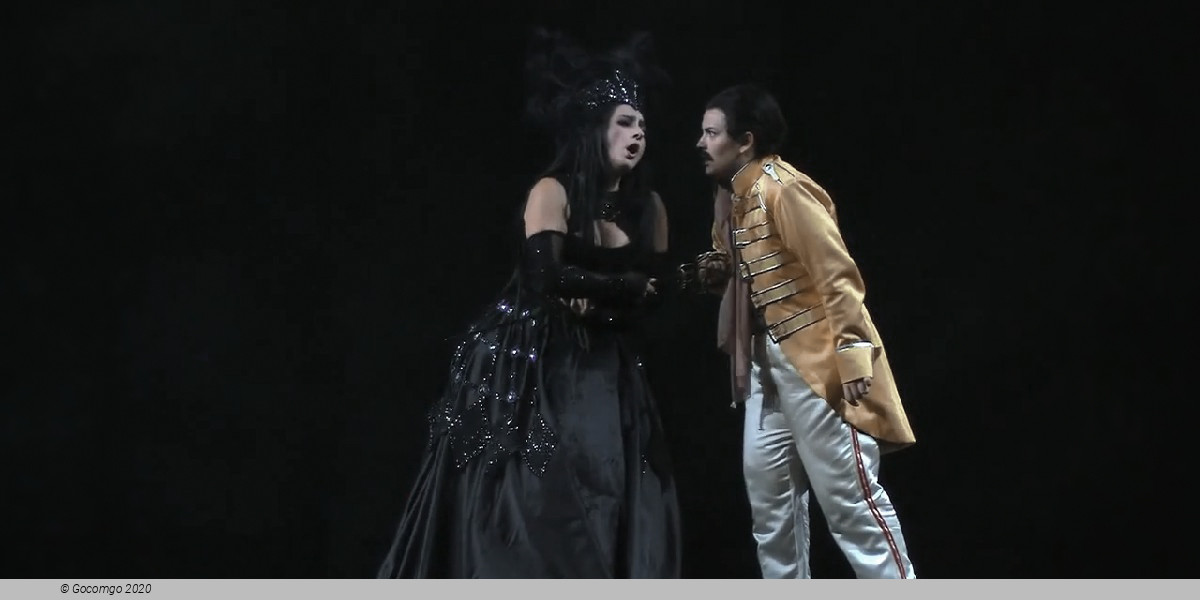
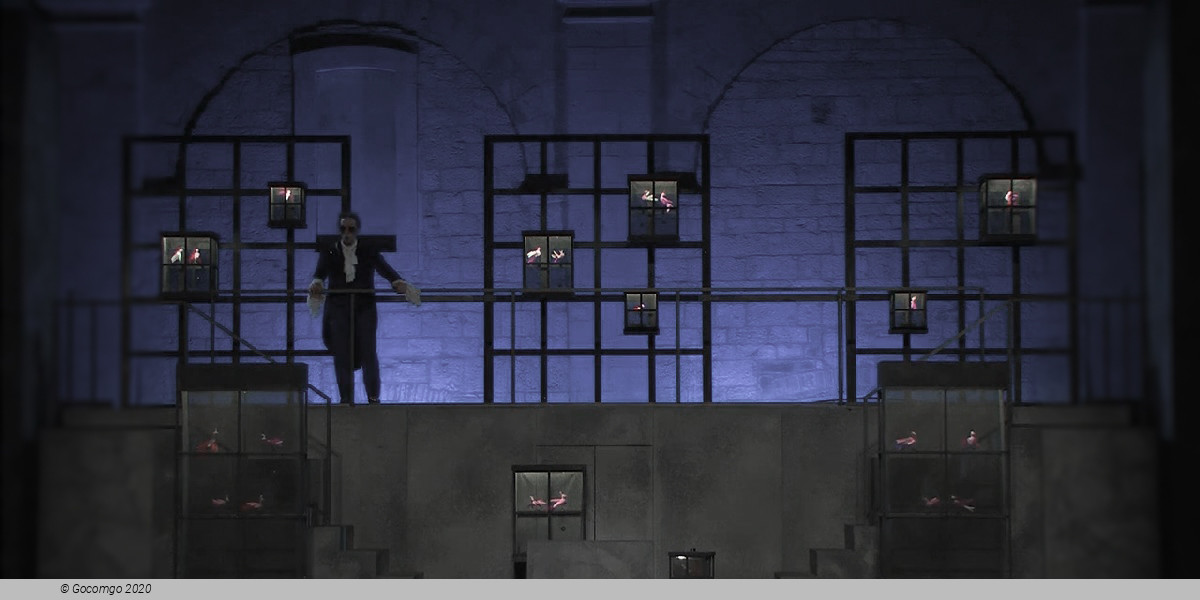
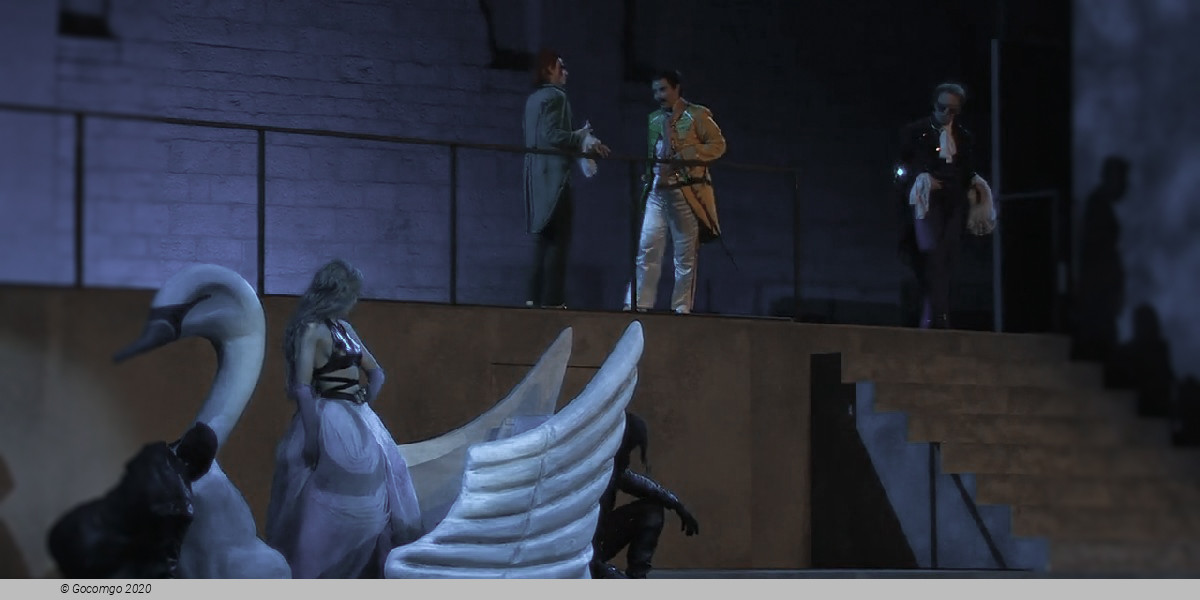
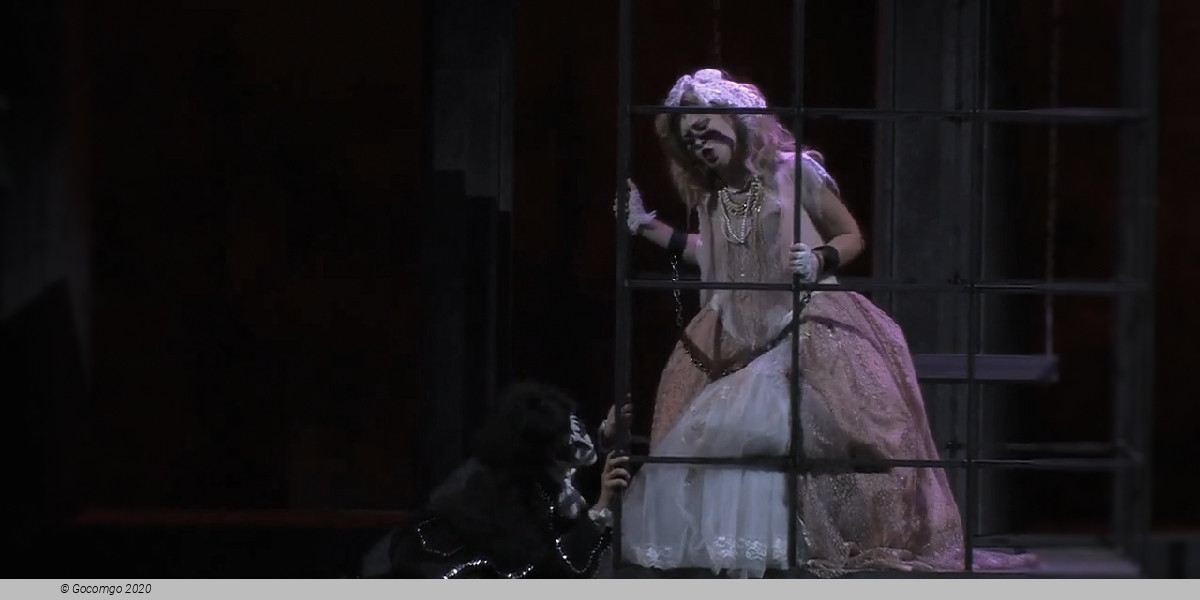
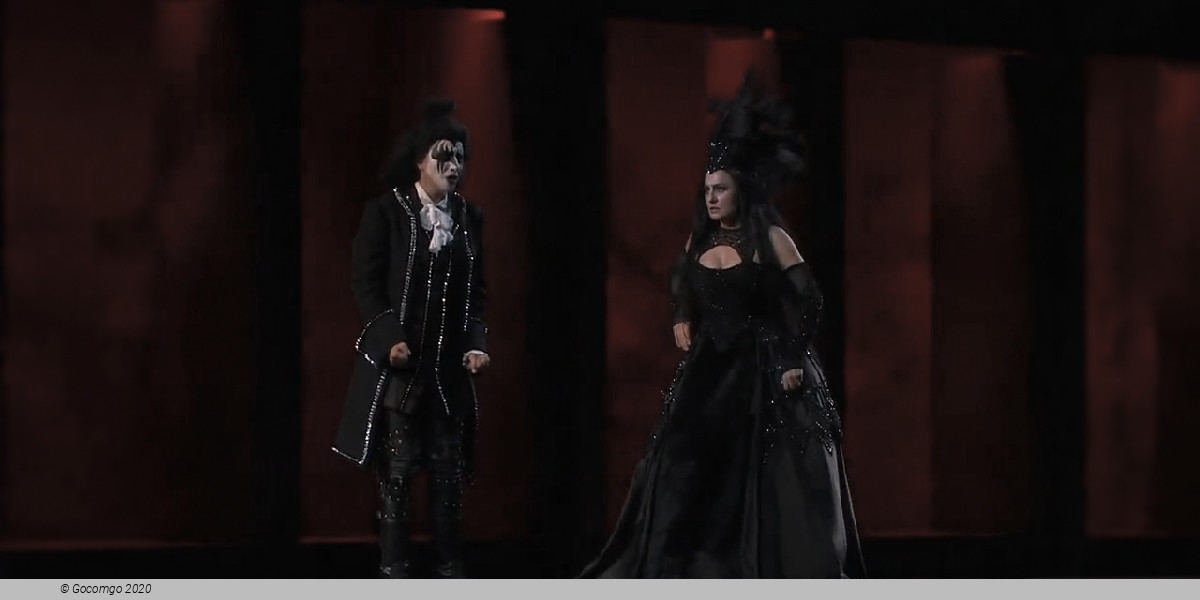
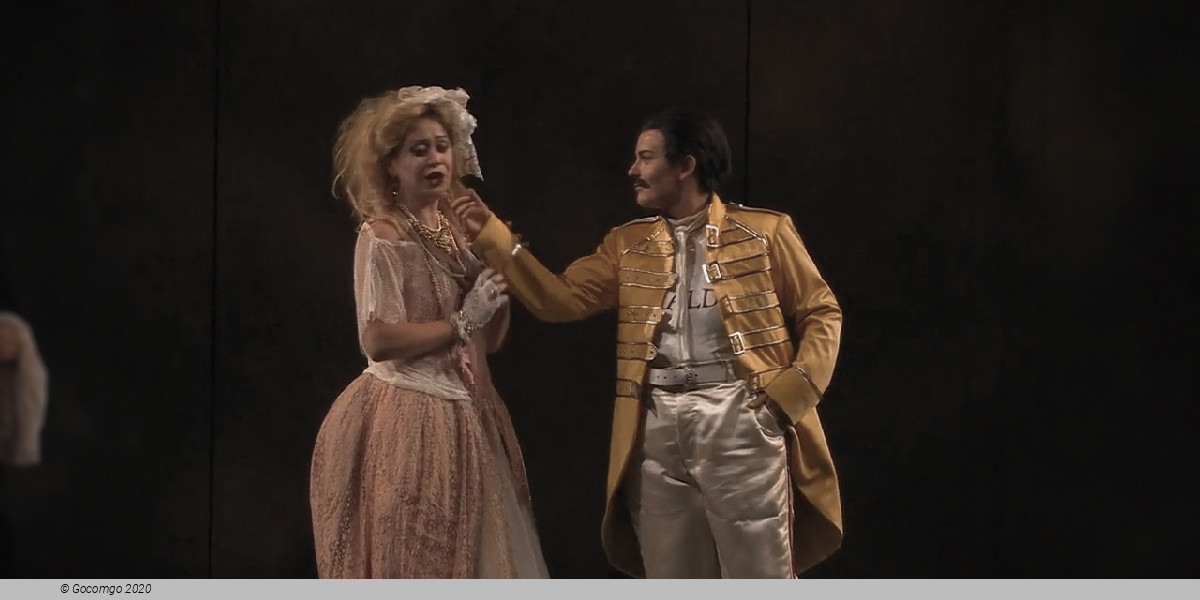
Rinaldo is tasked with liberating Jerusalem. But the valiant crusader falls into the fatal clutches of the Saracen sorceress Armida. While the religious and political conflicts at stake remain controversial to this day, Handel's opera ultimately sees the transcendent power of love bring about peace. With unforgettable arias like "Lascia ch'io pianga" and spectacular stage effects, Handel's first operatic work for London captivated audiences and established a lasting passion for Italian opera. At the Zurich Opera House, Philippe Jaroussky conducts a top-tier Baroque ensemble, with Christophe Dumaux, Regula Mühlemann, and Jeanine De Bique in the solo roles.


Rinaldo, composed by George Frideric Handel in 1711, is one of the most spectacular examples of Baroque opera (opera seria). With a libretto by Giacomo Rossi, based on a scenario by Aaron Hill, the work combines heroic drama, romance, and elements of fantasy.

Set during the time of the First Crusade, the opera follows the Christian knight Rinaldo and his beloved Almirena. Their love is threatened by the sorceress Armida, who uses magic and illusion to capture and manipulate them. The story unfolds through a series of battles, enchantments, and emotional conflicts.

Musically, Rinaldo is famous for its virtuosic arias, including the celebrated “Lascia ch’io pianga,” one of the most beautiful and expressive pieces in the Baroque repertoire. The opera showcases Handel’s mastery of melody, dramatic contrast, and vocal brilliance.

With its rich orchestration, elaborate сценические эффекты (including flying machines and magical transformations in original productions), and emotional depth, Rinaldo remains one of Handel’s most popular and frequently performed operas.

History
Premiere of this production: 24 February 1711, Queen's Theatre in London's Haymarket

Rinaldo is an opera by George Frideric Handel, composed in 1711, and was the first Italian language opera written specifically for the London stage. The story of love, war and redemption, set at the time of the First Crusade, is loosely based on Torquato Tasso's epic poem Gerusalemme liberata ("Jerusalem Delivered"), and its staging involved many original and vivid effects. It was a great success with the public, despite negative reactions from literary critics hostile to the contemporary trend towards Italian entertainment in English theatres.

Synopsis

Place: in and around the city of Jerusalem during the First Crusade
Time: 1099

Act 1
The Crusader army under Goffredo is laying siege to Jerusalem, where the Saracen king Argante is confined with his troops. With Goffredo are his brother Eustazio, his daughter Almirena, and the knight Rinaldo. As Goffredo sings of the coming victory, Rinaldo declares his love for Almirena, and Goffredo confirms that she will be Rinaldo's bride when Jerusalem falls. Almirena urges Rinaldo to fight boldly and assure victory. As she departs, a herald announces the approach of Argante from the city. Eustazio surmises that the king fears defeat; this seems to be confirmed when Argante, after a grandiose entrance, requests a three-day truce to which Goffredo graciously assents. After Goffredo leaves, Argante ponders his love for Armida, the Queen of Damascus who is also a powerful sorceress, and considers the help her powers might bring him. As he muses, Armida arrives from the sky in a fiery chariot. She has divined that the Saracens' only chance of victory lies in vanquishing Rinaldo, and has the power, she claims, to achieve this.

The scene changes to a garden, with fountains and birds, where Rinaldo and Almirena are celebrating their love. They are interrupted as Armida appears, and wrests Almirena from Rinaldo's embrace. Rinaldo draws his sword to defend his lover, but a black cloud descends to envelop Armida and Almirena, and they are borne away. Rinaldo mourns the loss of his loved one. When Goffredo and Eustazio arrive they comfort Rinaldo, and propose they visit a Christian magician who may have the power to save Almirena. Rinaldo, left alone, prays for strength.

Act 2
A sea shore. As Goffredo, Eustazio and Rinaldo near the magician's lair, a beautiful woman calls from her boat, promising Rinaldo that she can take him to Almirena. Two mermaids sing of love's delights, and urge Rinaldo to go in the boat. He hesitates, unsure what to do, and his companions attempt to restrain him. Angry at the abduction of his loved one, Rinaldo enters the boat, which immediately sails off. Goffredo and Eustazio are shocked at Rinaldo's impulsiveness and believe that he has deserted their cause.

In Armida's palace garden, Almirena mourns her captivity. Argante joins her and, overcome by her beauty, confesses that he now loves her. He promises that as proof of his feelings he will defy Armida's wrath and secure Almirena's freedom. Meanwhile, Rinaldo is brought before the triumphant Armida. As he demands that Almirena be set free, Armida finds herself drawn to his noble spirit, and declares her love. When he angrily rejects her she uses her powers to assume Almirena's form, but Rinaldo suspects trickery, and departs. Armida, resuming her own appearance, is furious at her rejection yet retains feelings of tender love. She decides on another attempt to ensnare Rinaldo, and transforms herself back into Almirena's shape, but then encounters Argante. Believing her to be Almirena, Argante repeats his earlier promises of love and freedom. Swiftly resuming her own form, Armida denounces his infidelity and vows vengeance. Argante defiantly confirms his love for Almirena and declares that he no longer needs Armida's help. She departs in a fury.

Act 3
A mountainside, at the magician's cavern. Goffredo and Eustazio are told by the Magician that Almirena is being held captive in Armida's palace at the mountain-top. Ignoring the magician's warning that they will need special powers, the pair set off for the palace but are quickly driven back by Armida's monsters. The magician then gives them magic wands that transcend Armida's power, and they set off again. This time they overcome the monsters, but as they reach the gates of the palace it disappears, leaving them clinging to a rock in the midst of a stormy sea. They climb the rock and descend out of sight.

In the palace garden Armida prepares to kill Almirena. Rinaldo draws his sword, but Armida is protected from his wrath by spirits. Suddenly Goffredo and Eustazio arrive, but as they touch the garden with their wands it disappears, leaving them all on an empty plain with the city of Jerusalem visible in the distance. Armida, after a last attempt to kill Almirena, also disappears as Rinaldo strikes her with his sword. The remaining four celebrate their reunion, while Goffredo announces that the attack on Jerusalem will begin the next day.

In the city, Argante and Armida, in danger from a common enemy, become reconciled and prepare their troops for battle. Goffredo's army advances, and battle finally commences. After a struggle for supremacy, Jerusalem falls to Goffredo; Argante is overcome and captured by Rinaldo, while Armida is taken by Eustazio. Rinaldo and Almirena celebrate their love and forthcoming marriage. Armida, accepting her defeat, breaks the wand which is the source of her evil power and together with Argante embraces Christianity. Goffredo expresses his forgiveness to his beaten foes and sets them free, before victors and vanquished join in a chorus of reconciliation.

Venue Info

Zurich Opera House - Zurich
Location   Sechseläutenplatz 1

Zürich Opera House is a main opera house in Zürich and Switzerland. Located at the Sechseläutenplatz, it has been the home of the Zürich Opera since 1891, and also houses the Bernhard-Theater Zürich. It is also home to the Zürich Ballet. The Opera House also holds concerts by its Philharmonia orchestra, matinees, Lieder evenings and events for children. The Zürich Opera Ball is organised every year in March, and is usually attended by prominent names.

The first permanent theatre, the Aktientheater, was built in 1834 and it became the focus of Richard Wagner’s activities during his period of exile from Germany.

The Aktientheater burnt down in 1890. The new Stadttheater Zürich (municipal theatre) was built by the Viennese architects Fellner & Helmer, who changed their previous design for the theatre in Wiesbaden only slightly. It was opened in 1891. It was the city's main performance space for drama, opera, and musical events until 1925, when it was renamed Opernhaus Zürich and a separate theatre for plays was built: The Bernhard Theater opened in 1941, in May 1981 the Esplanada building was demolished, and the present adjoint building opened on 27/28 December 1984 after three years of transition in the Kaufhaus building nearby Schanzengraben.

By the 1970s, the opera house was badly in need of major renovations; when some considered it not worth restoring, a new theatre was proposed for the site. However, between 1982 and 1984, rebuilding took place but not without huge local opposition which was expressed in street riots. The rebuilt theatre was inaugurated with Wagner’s Die Meistersinger von Nürnberg and the world première of Rudolf Kelterborn’s Chekhov opera Der Kirschgarten.

As restored, the theatre is an ornate building with a neo-classical façade of white and grey stone adorned with busts of Weber, Wagner, and Mozart. Additionally, busts of Schiller, Shakespeare, and Goethe are to be found. The auditorium is built in the neo-rococo style and seats approximately 1200 people. During the refurbishment, the issue of sightlines was not adequately addressed. As a result, the theatre has a high number of seats with a limited view, or no view, of the stage. This is unusual in international comparison, where sightlines in historic opera houses have been typically enhanced over time.

Corporate archives and historical library collections are held at the music department of the Predigerkirche Zürich.

The Zürich Opera House is also home of the International Opera Studio (in German: Internationales Opernstudio IOS) which is a educational program for young singers and pianists. The studio was created in 1961 and has renowned artists currently teaching such as Brigitte Fassbaender, Hedwig Fassbender, Andreas Homocki, Rosemary Joshua, Adrian Kelly, Fabio Luisi, Jetske Mijnssen, Ann Murray, Eytan Pessen or Edith Wiens.

Important Info
Type: Opera
City: Zurich, Switzerland
Starts at: 19:00
Acts: 3
Sung in: Italian
Titles in: English,German
Top of page