
Zurich Opera House 29 May 2022 - Peer Gynt | GoComGo.com

Peer Gynt

Zurich Opera House, Zurich, Switzerland
All photos (4)
Select date and time
8:30 PM

E-tickets: Print at home or at the box office of the event if so specified. You will find more information in your booking confirmation email.

You can only select the category, and not the exact seats.
If you order 2 or 3 tickets: your seats will be next to each other.
If you order 4 or more tickets: your seats will be next to each other, or, if this is not possible, we will provide a combination of groups of seats (at least in pairs, for example 2+2 or 2+3).

Important Info
Type: Ballet
City: Zurich, Switzerland
Starts at: 20:30

E-tickets: Print at home or at the box office of the event if so specified. You will find more information in your booking confirmation email.

You can only select the category, and not the exact seats.
If you order 2 or 3 tickets: your seats will be next to each other.
If you order 4 or more tickets: your seats will be next to each other, or, if this is not possible, we will provide a combination of groups of seats (at least in pairs, for example 2+2 or 2+3).

Overview

Henrik Ibsen found the inspiration for his 1867 drama Peer Gynt in Peter Christen Asbjørnsen’s Norwegian closet drama of the same name. Its success soon led the playwright to create a stage version, and he commissioned Edvard Grieg to compose the incidental music. The play had its premiere in Christiania, today's Oslo, in 1876.

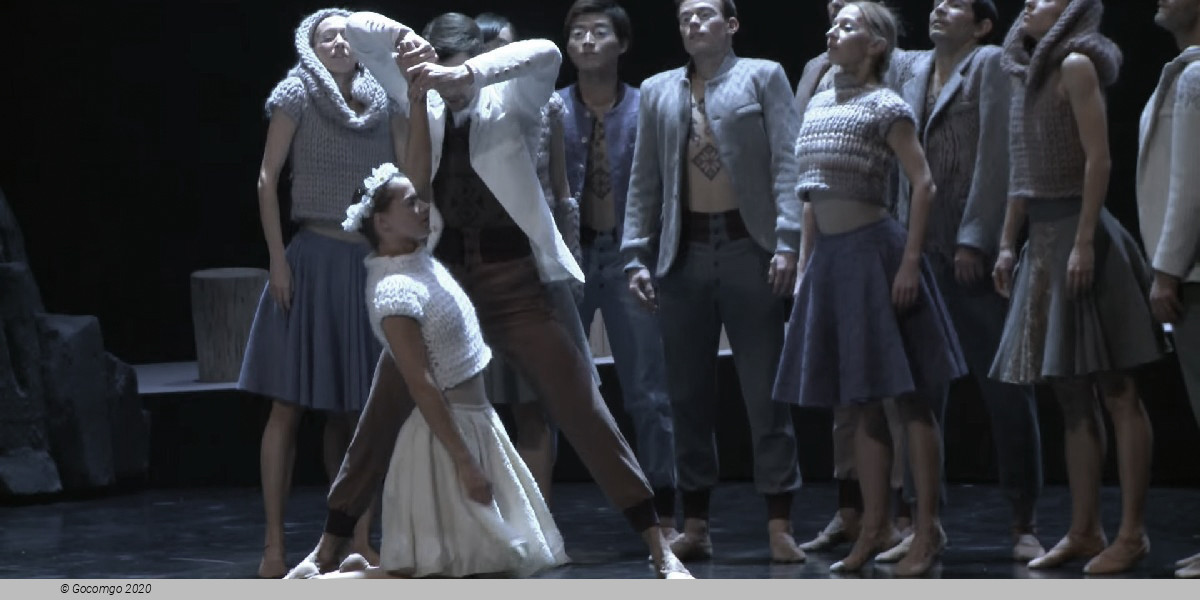
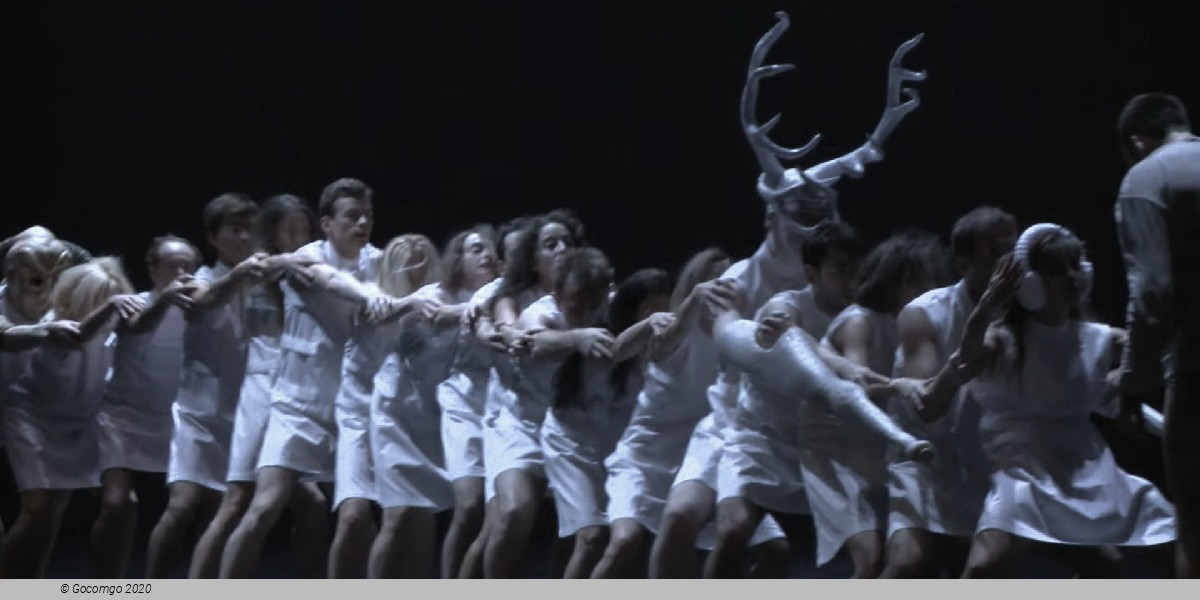
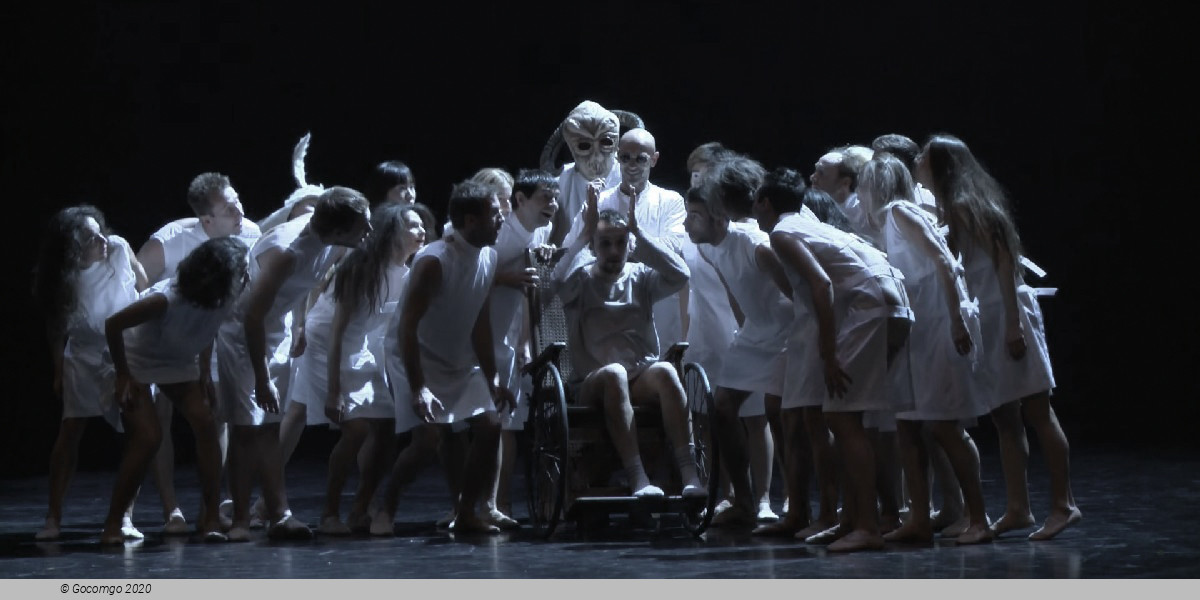
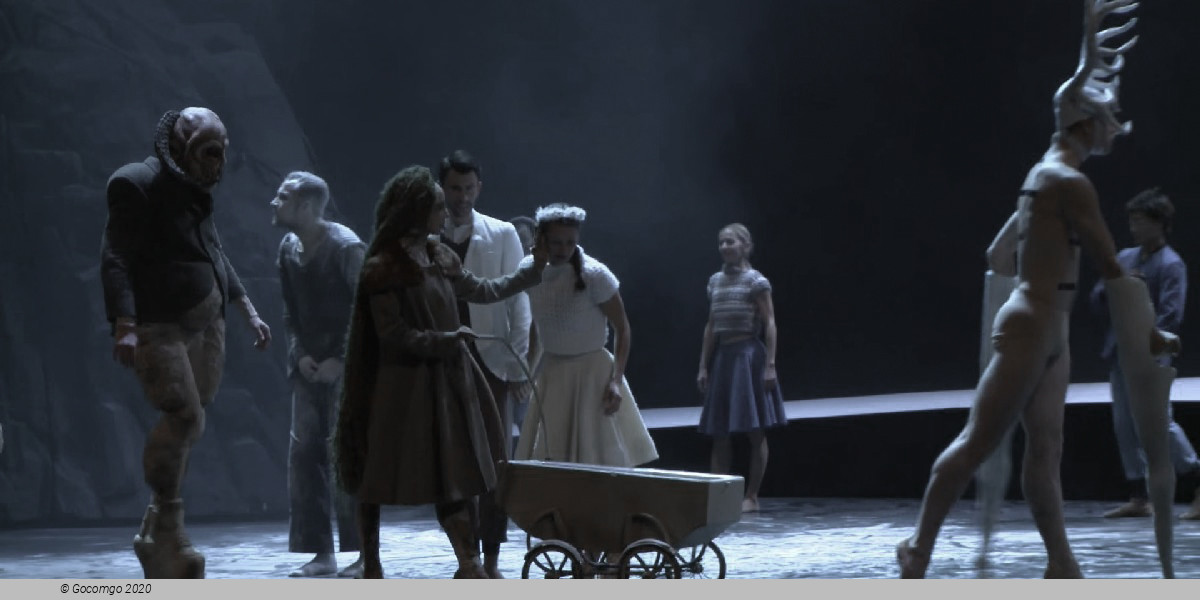
Having already made a name for himself here with his spectacular readings of Le Sacre du printemps and Faust – Das Ballett, Slovenian choreographer Edward Clug makes his return to Zurich. Clug’s Peer Gynt, premiered in 2015 at the Slovenian National Ballet in Maribor under his direction, is a visually stunning, enigmatic fantasy spectacle – a modern narrative ballet inspired by surrealism, absurdity, and irony. Clug combines Ibsen and Grieg’s versions to create a special dance experience. He uses the two well-known Peer Gynt Suites, complementing them with Grieg's String Quartet in G minor op. 27, the Piano Concerto in A minor op. 16, and selections from the Lyric Pieces.

Using striking scenes, Clug tells the story of Peer Gynt, the farmer's son, who cheats his way through the world with tall tales in an effort to escape reality. In Peer’s fantasy world, his father’s run-down dwelling is a glittering palace, and he romanticizes his own escapades, turning them into heroic deeds. His quest for love and adventure takes him not only to a world of trolls and demons, but also to the Orient and a madhouse. When Peer Gynt finally returns home, he must fight for his soul, which he is only allowed to keep thanks to his beloved Solveig.

This story ballet, first performed in 2015 in Maribor, is based on music by Edvard Grieg and the work by Henrik Ibsen, which were chosen by choreographer Edward Clug as the starting point for his libretto: "Ibsen and Grieg have each invented their distinct version of 'Peer Gynt'. My goal was to merge them into a new identity, into a landscape with many doors. I have selected my entrance, which is wide open to you, dear visitors, and I invite you to step through into a new ballet experience."

History

Peer Gynt is the incidental music to Henrik Ibsen's 1867 play of the same name, written by the Norwegian composer Edvard Grieg in 1875. It premiered along with the play on 24 February 1876 in Christiania (now Oslo). Grieg later created two suites from his Peer Gynt music. Some of the music from these suites has received coverage in popular culture; see Grieg's music in popular culture.

Venue Info

Zurich Opera House - Zurich
Location   Sechseläutenplatz 1

Zürich Opera House is a main opera house in Zürich and Switzerland. Located at the Sechseläutenplatz, it has been the home of the Zürich Opera since 1891, and also houses the Bernhard-Theater Zürich. It is also home to the Zürich Ballet. The Opera House also holds concerts by its Philharmonia orchestra, matinees, Lieder evenings and events for children. The Zürich Opera Ball is organised every year in March, and is usually attended by prominent names.

The first permanent theatre, the Aktientheater, was built in 1834 and it became the focus of Richard Wagner’s activities during his period of exile from Germany.

The Aktientheater burnt down in 1890. The new Stadttheater Zürich (municipal theatre) was built by the Viennese architects Fellner & Helmer, who changed their previous design for the theatre in Wiesbaden only slightly. It was opened in 1891. It was the city's main performance space for drama, opera, and musical events until 1925, when it was renamed Opernhaus Zürich and a separate theatre for plays was built: The Bernhard Theater opened in 1941, in May 1981 the Esplanada building was demolished, and the present adjoint building opened on 27/28 December 1984 after three years of transition in the Kaufhaus building nearby Schanzengraben.

By the 1970s, the opera house was badly in need of major renovations; when some considered it not worth restoring, a new theatre was proposed for the site. However, between 1982 and 1984, rebuilding took place but not without huge local opposition which was expressed in street riots. The rebuilt theatre was inaugurated with Wagner’s Die Meistersinger von Nürnberg and the world première of Rudolf Kelterborn’s Chekhov opera Der Kirschgarten.

As restored, the theatre is an ornate building with a neo-classical façade of white and grey stone adorned with busts of Weber, Wagner, and Mozart. Additionally, busts of Schiller, Shakespeare, and Goethe are to be found. The auditorium is built in the neo-rococo style and seats approximately 1200 people. During the refurbishment, the issue of sightlines was not adequately addressed. As a result, the theatre has a high number of seats with a limited view, or no view, of the stage. This is unusual in international comparison, where sightlines in historic opera houses have been typically enhanced over time.

Corporate archives and historical library collections are held at the music department of the Predigerkirche Zürich.

The Zürich Opera House is also home of the International Opera Studio (in German: Internationales Opernstudio IOS) which is a educational program for young singers and pianists. The studio was created in 1961 and has renowned artists currently teaching such as Brigitte Fassbaender, Hedwig Fassbender, Andreas Homocki, Rosemary Joshua, Adrian Kelly, Fabio Luisi, Jetske Mijnssen, Ann Murray, Eytan Pessen or Edith Wiens.

Important Info
Type: Ballet
City: Zurich, Switzerland
Starts at: 20:30
Top of page