
Zurich Opera House 4 December 2022 - Premiere Eliogabalo Premiere | GoComGo.com

Premiere
Eliogabalo Premiere

Zurich Opera House, Zurich, Switzerland
All photos (5)
Select date and time
7 PM

E-tickets: Print at home or at the box office of the event if so specified. You will find more information in your booking confirmation email.

You can only select the category, and not the exact seats.
If you order 2 or 3 tickets: your seats will be next to each other.
If you order 4 or more tickets: your seats will be next to each other, or, if this is not possible, we will provide a combination of groups of seats (at least in pairs, for example 2+2 or 2+3).

Important Info
Type: Opera
City: Zurich, Switzerland
Starts at: 19:00
Acts: 3
Sung in: Italian
Titles in: German,English

E-tickets: Print at home or at the box office of the event if so specified. You will find more information in your booking confirmation email.

You can only select the category, and not the exact seats.
If you order 2 or 3 tickets: your seats will be next to each other.
If you order 4 or more tickets: your seats will be next to each other, or, if this is not possible, we will provide a combination of groups of seats (at least in pairs, for example 2+2 or 2+3).

Overview

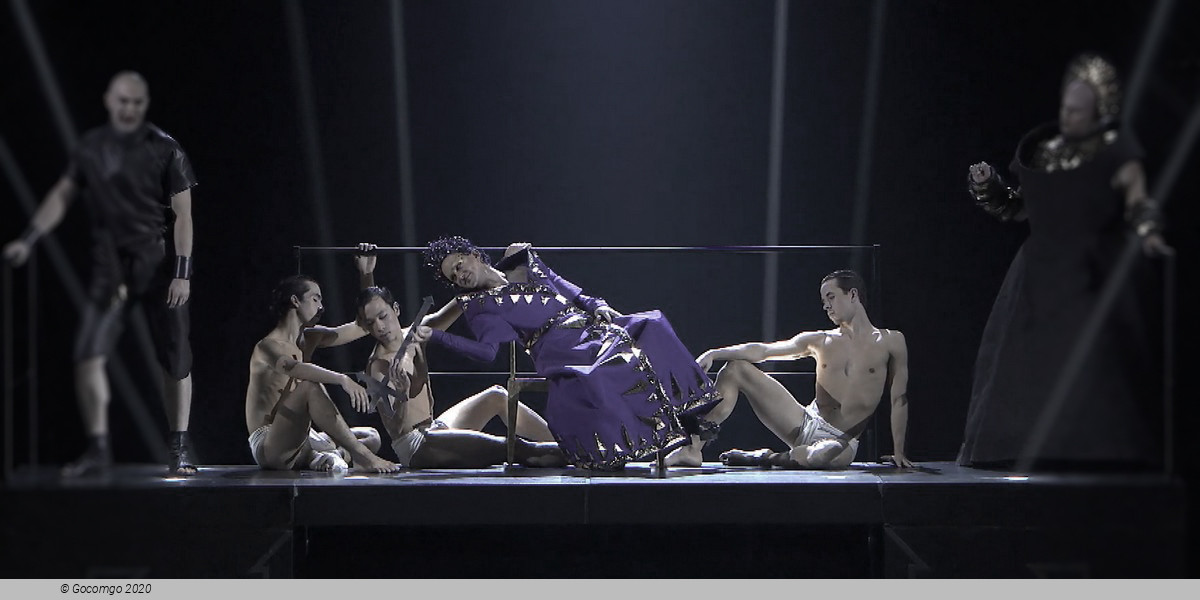
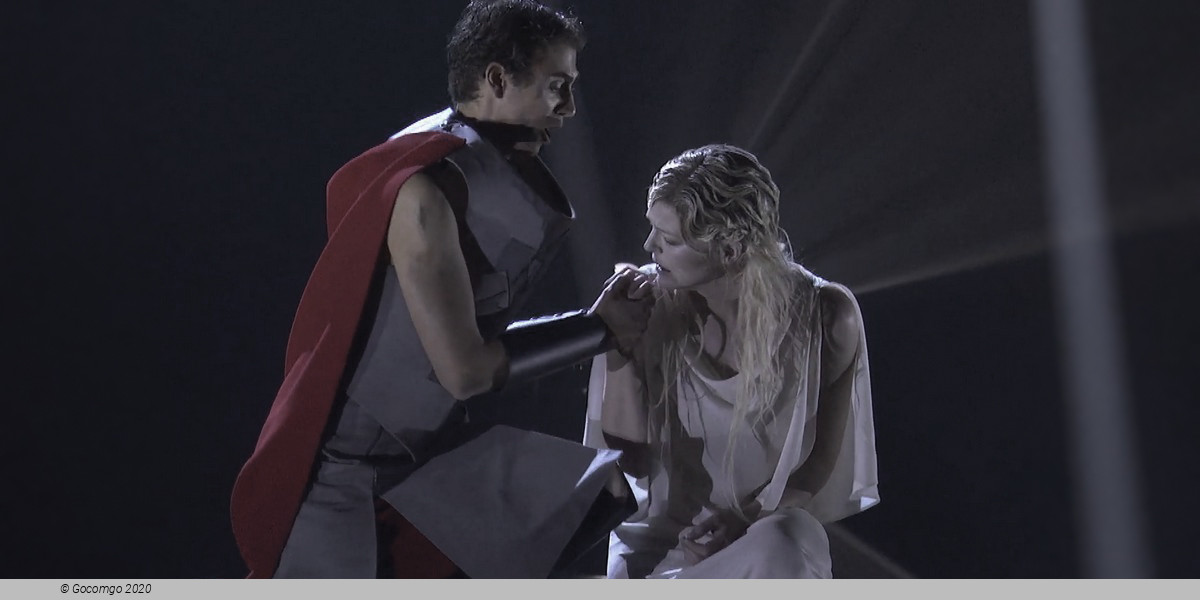
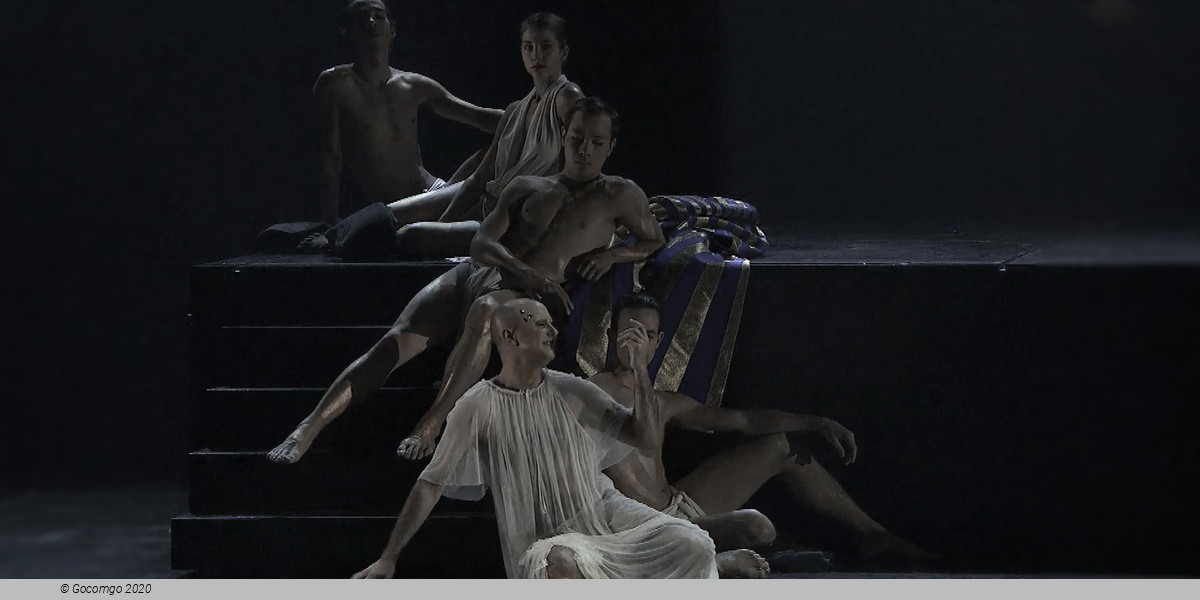
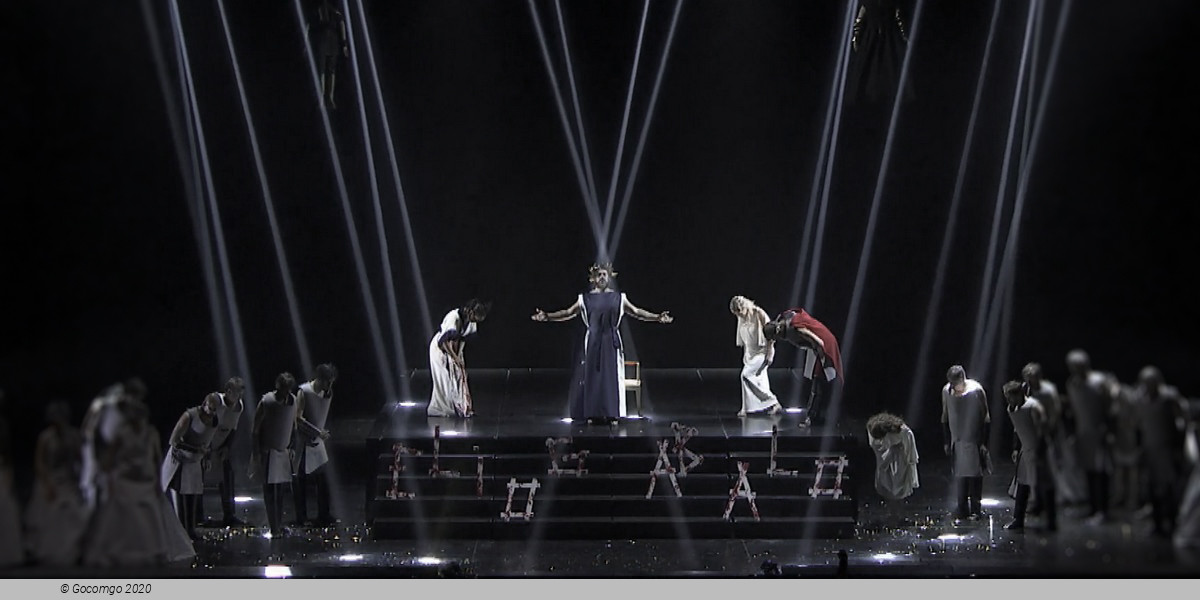
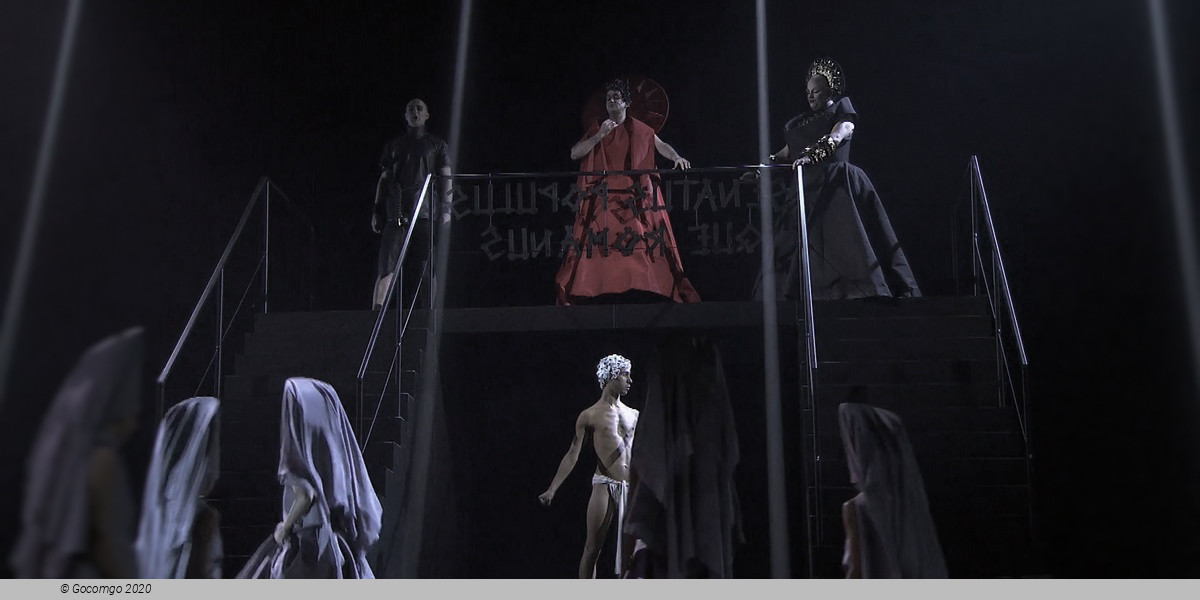
Director Calixto Bieito, who recently thrilled Opernhaus Zürich audiences and critics alike with his production of Monteverdi’s Poppea, will take on this unquestionably topical story about an egocentric autocrat, and explore the question of what masculinity means today. Dmitry Sinkovsky is one of the most versatile musicians of his generation, and together with the Orchestra La Scintilla he will bring Cavalli's music colorfully to life. Yuriy Mynenko, one of the most internationally sought-after countertenors today, will make his debut at the Opernhaus Zürich in the title role.

He is the example par excellence of the decadence of ancient Rome: Elagabalus, or Heliogabalus in English, ascended to the throne of the Roman Empire in the year 218, at the age of just 14. Four years later, he was brutally murdered for his excesses and bizarre sexual predilections. His life was brief, and his biography reads as if it were written to be the plot of an opera, rife as it is with political megalomania. At its center is an emotionally unstable politician who unscrupulously abuses his power to sate his lustful appetite. Eliogabalo desires ownership of all women, and to reach his goals, he resorts to rather inventive means. He founds a senate, for example, made up only of women. What at first glance might seem progressive is ultimately a ploy intended to fulfill his own pleasure. When his plan fails to produce its intended goal, he uses sleeping pills to bend Gemmira, whom he desires above all, to his will. He even goes so far as to resort to murder: he plans a brutal attack on Alessandro, Gemmira’s betrothed, who is more beloved by the people than Eliogabalo is and could contest his power...
Francesco Cavalli was Monteverdi’s colleague and pupil. He created Eliogabalo in 1668 for Venice’s Carnival season, but it was withdrawn shortly before its premiere, and was considered a lost work. It was only rediscovered in 1999. Although Cavalli was the most successful composer of his time, the reasons why Eliogabalo never premiered likely had to do with the changing tastes of the Venetian public, which at the time favored memorable melodies. Today, Cavalli is appreciated for his powerful, dramatic recitatives that sound modern even to our ears.

History
Premiere of this production: 30 November 1998, Crema, Italy

Eliogabalo (Heliogabalus) is an opera by the Italian composer Francesco Cavalli based on the life of the Roman emperor Heliogabalus.

Venue Info

Zurich Opera House - Zurich
Location   Sechseläutenplatz 1

Zürich Opera House is a main opera house in Zürich and Switzerland. Located at the Sechseläutenplatz, it has been the home of the Zürich Opera since 1891, and also houses the Bernhard-Theater Zürich. It is also home to the Zürich Ballet. The Opera House also holds concerts by its Philharmonia orchestra, matinees, Lieder evenings and events for children. The Zürich Opera Ball is organised every year in March, and is usually attended by prominent names.

The first permanent theatre, the Aktientheater, was built in 1834 and it became the focus of Richard Wagner’s activities during his period of exile from Germany.

The Aktientheater burnt down in 1890. The new Stadttheater Zürich (municipal theatre) was built by the Viennese architects Fellner & Helmer, who changed their previous design for the theatre in Wiesbaden only slightly. It was opened in 1891. It was the city's main performance space for drama, opera, and musical events until 1925, when it was renamed Opernhaus Zürich and a separate theatre for plays was built: The Bernhard Theater opened in 1941, in May 1981 the Esplanada building was demolished, and the present adjoint building opened on 27/28 December 1984 after three years of transition in the Kaufhaus building nearby Schanzengraben.

By the 1970s, the opera house was badly in need of major renovations; when some considered it not worth restoring, a new theatre was proposed for the site. However, between 1982 and 1984, rebuilding took place but not without huge local opposition which was expressed in street riots. The rebuilt theatre was inaugurated with Wagner’s Die Meistersinger von Nürnberg and the world première of Rudolf Kelterborn’s Chekhov opera Der Kirschgarten.

As restored, the theatre is an ornate building with a neo-classical façade of white and grey stone adorned with busts of Weber, Wagner, and Mozart. Additionally, busts of Schiller, Shakespeare, and Goethe are to be found. The auditorium is built in the neo-rococo style and seats approximately 1200 people. During the refurbishment, the issue of sightlines was not adequately addressed. As a result, the theatre has a high number of seats with a limited view, or no view, of the stage. This is unusual in international comparison, where sightlines in historic opera houses have been typically enhanced over time.

Corporate archives and historical library collections are held at the music department of the Predigerkirche Zürich.

The Zürich Opera House is also home of the International Opera Studio (in German: Internationales Opernstudio IOS) which is a educational program for young singers and pianists. The studio was created in 1961 and has renowned artists currently teaching such as Brigitte Fassbaender, Hedwig Fassbender, Andreas Homocki, Rosemary Joshua, Adrian Kelly, Fabio Luisi, Jetske Mijnssen, Ann Murray, Eytan Pessen or Edith Wiens.

Important Info
Type: Opera
City: Zurich, Switzerland
Starts at: 19:00
Acts: 3
Sung in: Italian
Titles in: German,English
Top of page