
Zurich Opera House 3 March 2022 - Dialogues des Carmélites | GoComGo.com

Dialogues des Carmélites

Zurich Opera House, Zurich, Switzerland
All photos (9)
Select date and time
7 PM

E-tickets: Print at home or at the box office of the event if so specified. You will find more information in your booking confirmation email.

You can only select the category, and not the exact seats.
If you order 2 or 3 tickets: your seats will be next to each other.
If you order 4 or more tickets: your seats will be next to each other, or, if this is not possible, we will provide a combination of groups of seats (at least in pairs, for example 2+2 or 2+3).

Important Info
Type: Opera
City: Zurich, Switzerland
Starts at: 19:00
Acts: 3
Intervals: 1
Duration: 2h 50min
Sung in: French
Titles in: German,English

E-tickets: Print at home or at the box office of the event if so specified. You will find more information in your booking confirmation email.

You can only select the category, and not the exact seats.
If you order 2 or 3 tickets: your seats will be next to each other.
If you order 4 or more tickets: your seats will be next to each other, or, if this is not possible, we will provide a combination of groups of seats (at least in pairs, for example 2+2 or 2+3).

Overview

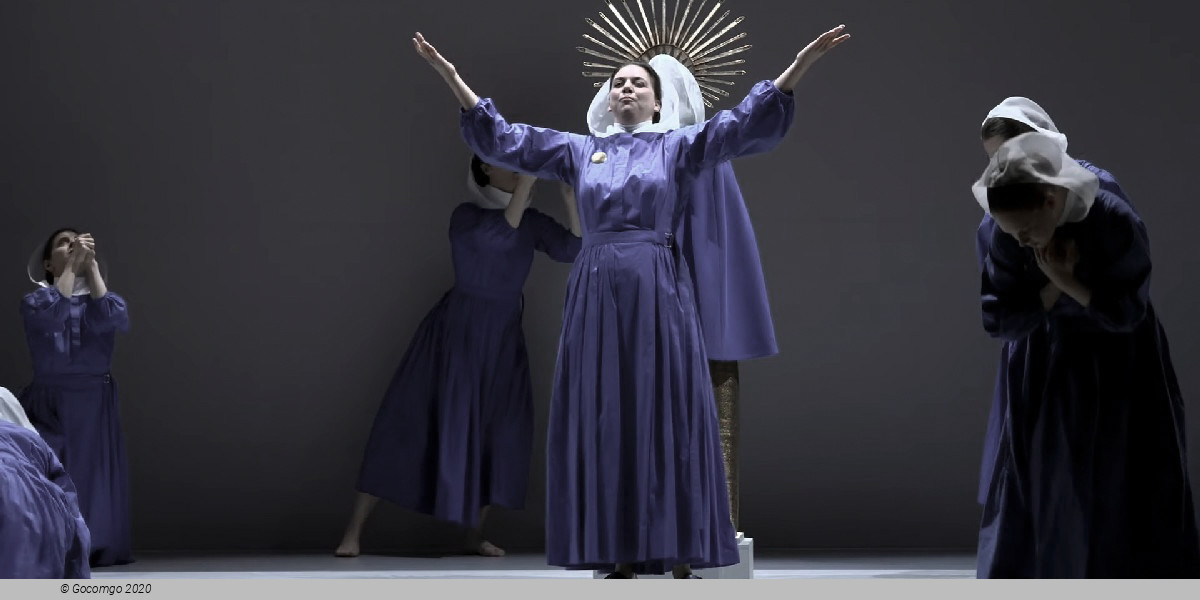
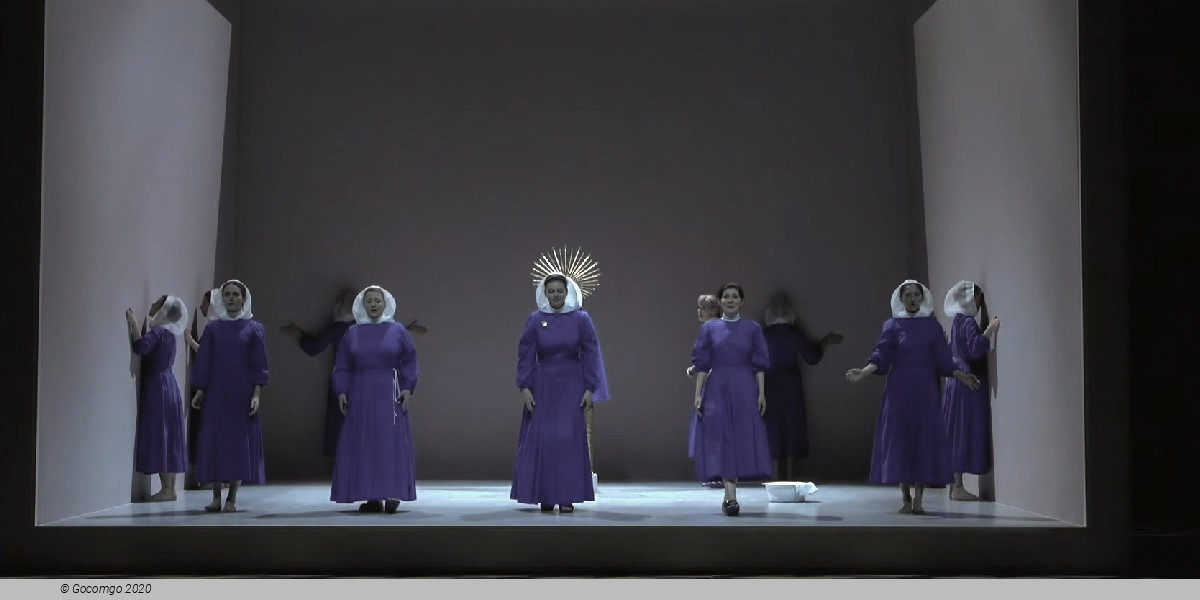
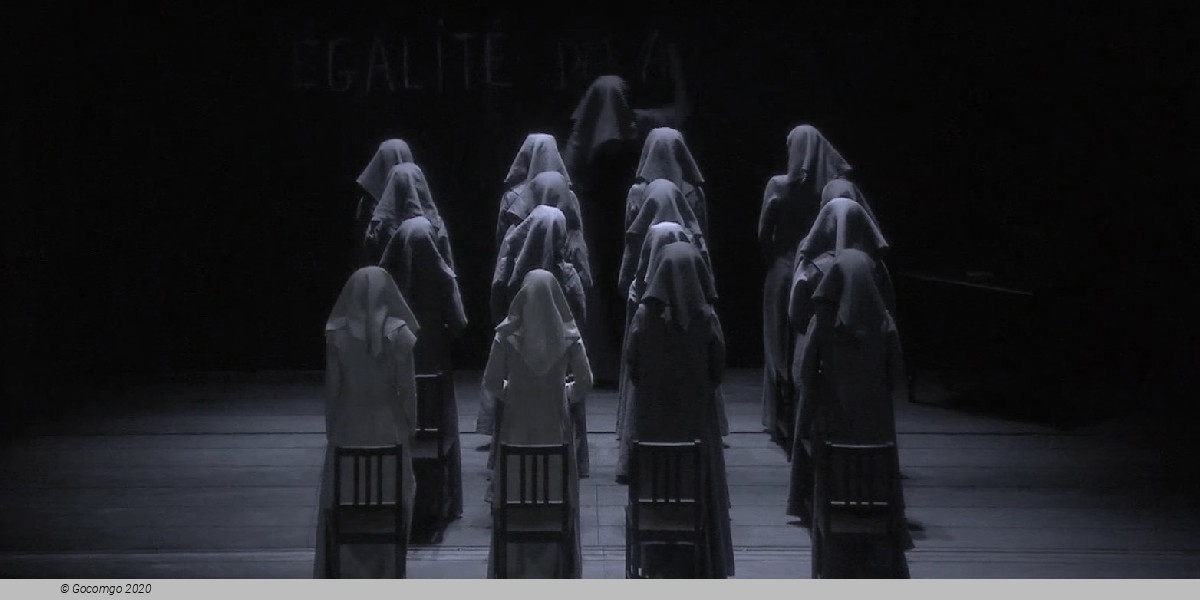
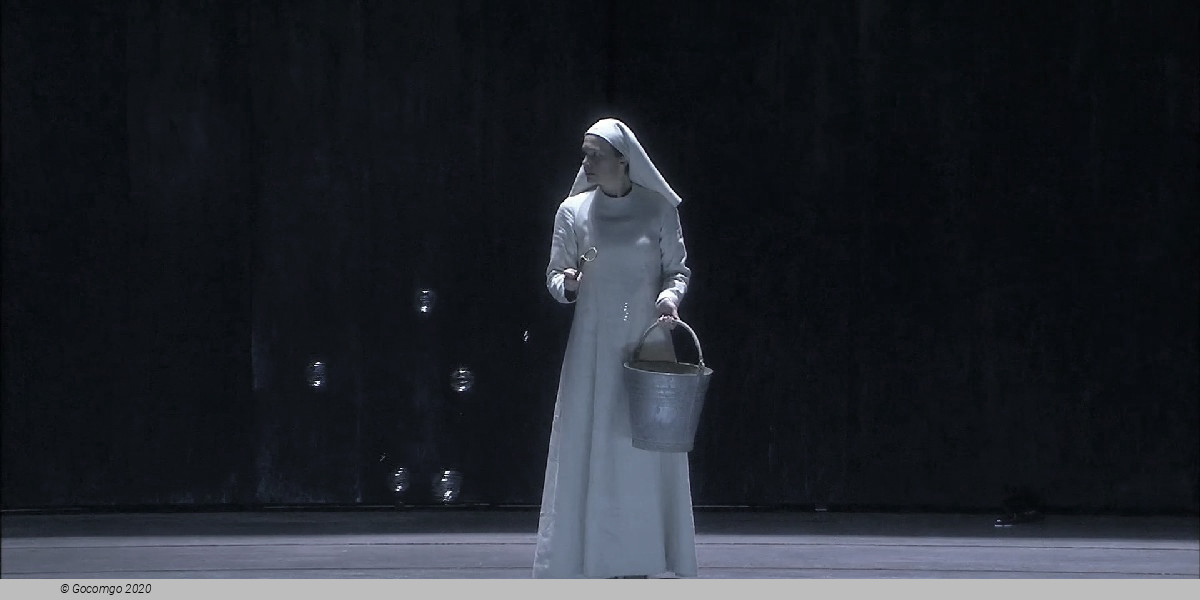
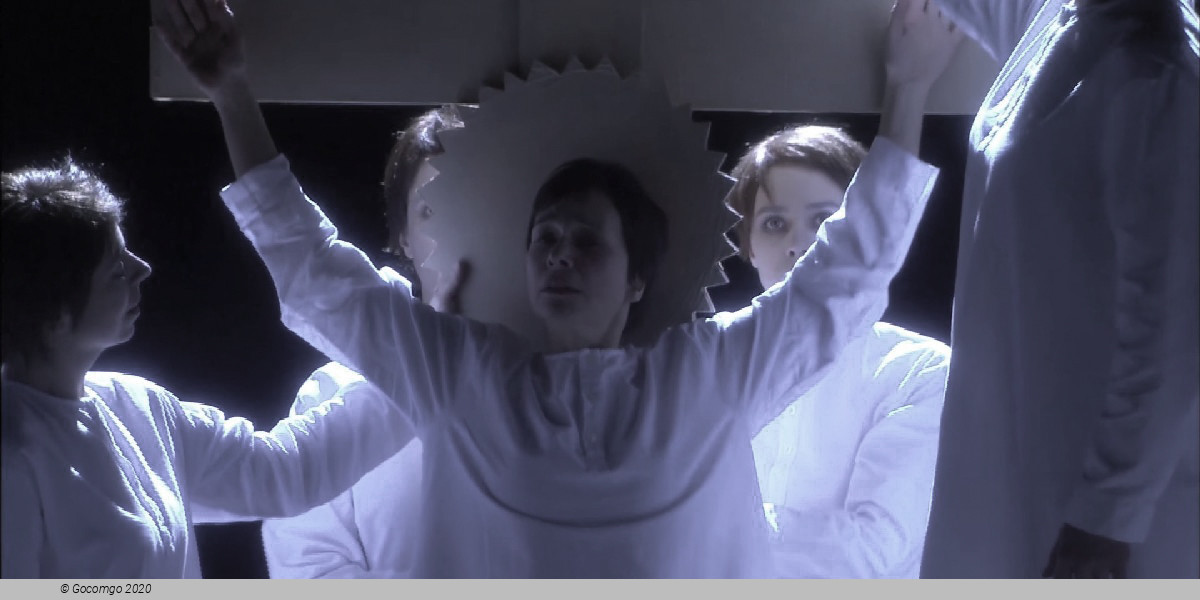
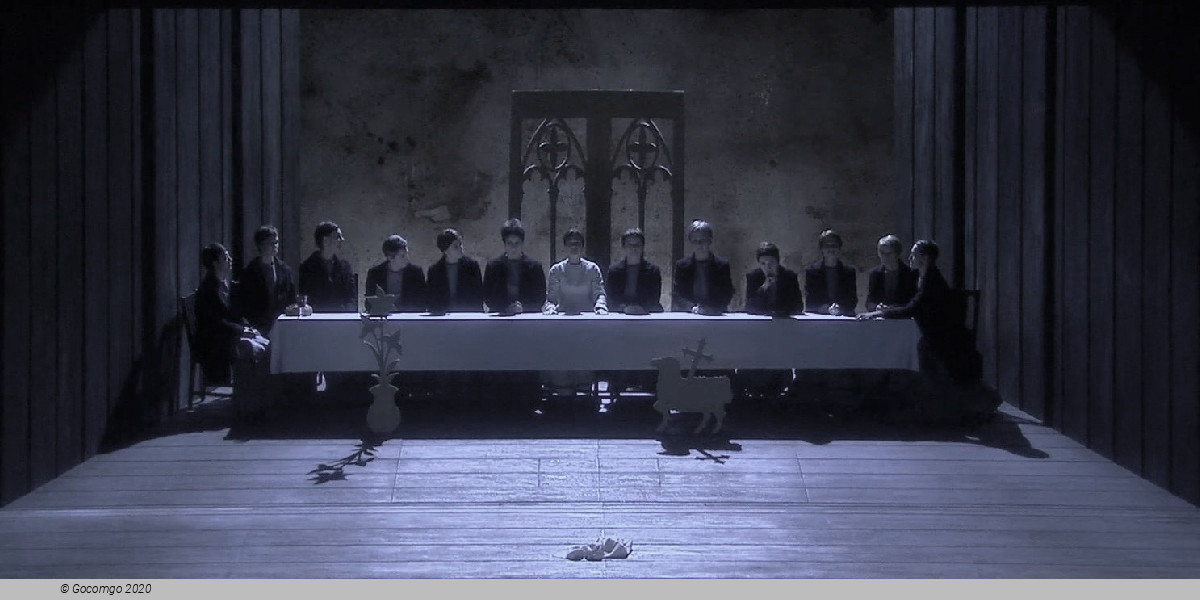
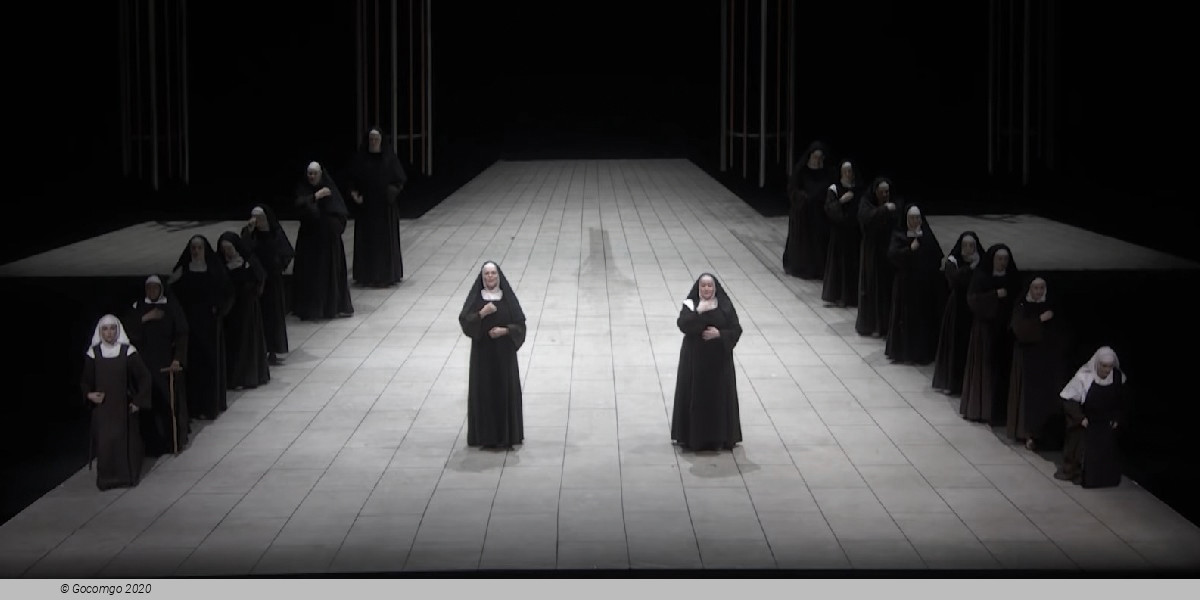
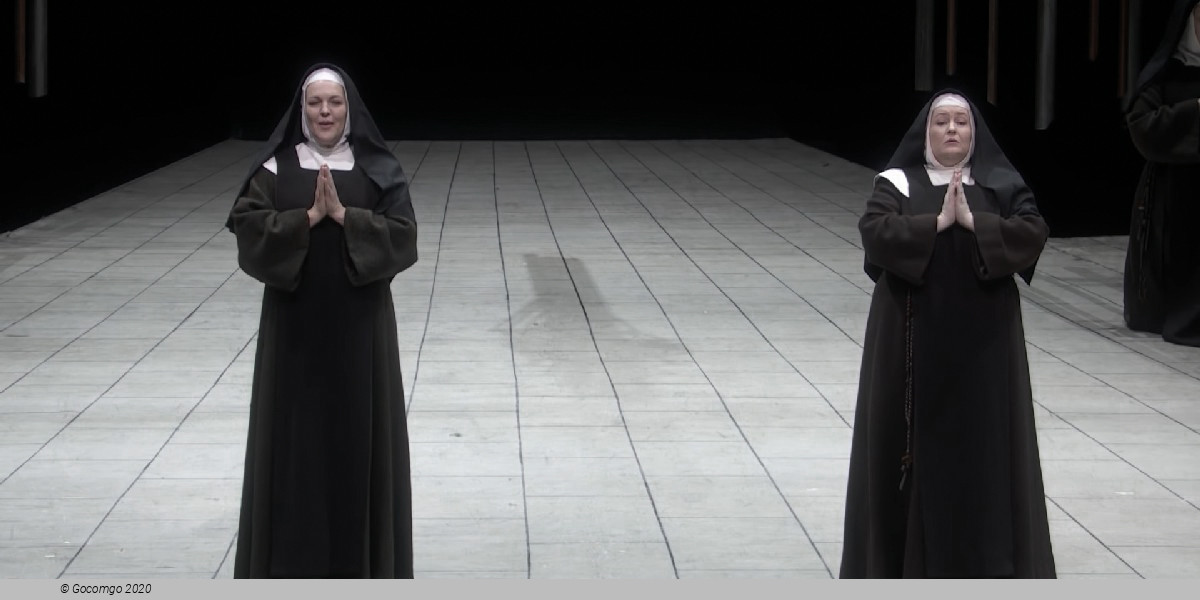
With the Salve Regina on their lips, sixteen Carmelite nuns met their end at the guillotine on the Parisian Place de Grève on July 17, 1794. They’d been the defendants in a sham trial by the Jacobin Revolutionary Court, and were sentenced to death for their loyalty to the church. With each execution, the choir grew softer, ending when the last of the sixteen was murdered. Gertrud von le Fort’s novella Die Letzte auf dem Schafott (The Last at the Scaffold, 1931) was based on this historical event, which Georges Bernanos reworked as a dramatic play. That drama in turn provided the basis for Francis Poulenc’s opera, which premiered at La Scala in Milan in 1957. The protagonist is the young Blanche de la Force, who has suffered from panic attacks since her childhood. She finds refuge in the Carmelite convent. The order is isolated from the world, and daily life there is hard and guided by rejection of the self. When the revolution breaches the convent’s peaceful walls, and the women therein choose to martyr themselves, Blanche finally overcomes her fear of death and joins her sisters in their decision. Poulenc’s music is convincingly theatrical, evocative, and rife with lyrically intimate moments. In the tradition of Claude Debussy, Poulenc emphasizes the nuns’ interactions – the main theme of which is martyrdom. As they do so, death and pain aren’t viewed as transfiguring, but rather questioned. The sick prioress is a prime example of this: Poulenc ruthlessly explores her struggles with dying.

The opera is populated with fascinating women’s roles. Evelyn Herlitzius, whose recent performance as Janáček’s Emilia Marty caused a sensation, takes on the role of the old Prioress. Olga Kulchynska – no stranger to Zurich – makes her role debut as Blanche. Tito Ceccherini, who recently proved his mettle with modern music with Ligeti’s Le Grand Macabre, will musically direct. And following up on her wild success with Rameau’s Hippolyte et Aricie is stage director Jetske Mijnssen.

History
Premiere of this production: 26 January 1957, La Scala, Milan (in Italian)

Dialogues des Carmélites (Dialogues of the Carmelites) is an opera in three acts, divided into twelve scenes with linking orchestral interludes, with music and libretto by Francis Poulenc, completed in 1956. The composer's second opera, Poulenc wrote the libretto after the work of the same name by Georges Bernanos. The opera tells a fictionalised version of the story of the Martyrs of Compiègne, Carmelite nuns who, in 1794 during the closing days of the Reign of Terror during the French Revolution, were guillotined in Paris for refusing to renounce their vocation.

Synopsis

Place: Paris and Compiègne, 1789–94
Time: during the French Revolution
Act 1
Against the setting of the French Revolution, when crowds stop carriages in the street and aristocrats are attacked, the pathologically timid Blanche de la Force decides to retreat from the world and enter a Carmelite convent. The Mother Superior informs her that the Carmelite Order is not a refuge; it is the duty of the nuns to guard the Order, not the other way around. In the convent, the chatterbox Sister Constance tells Blanche (to her consternation) that she has had a dream that the two of them will die young together. The prioress, who is dying, commits Blanche to the care of Mother Marie. The Mother Superior passes away in great agony, shouting in her delirium that despite her long years of service to God, He has abandoned her. Blanche and Mother Marie, who witness her death, are shaken.

Act 2
Sister Constance remarks to Blanche that the prioress' death seemed unworthy of her, and speculates that she had been given the wrong death, as one might be given the wrong coat in a cloakroom. She said that perhaps someone else will find death surprisingly easy. Perhaps we die not for ourselves alone, but for each other.

Blanche's brother, the Chevalier de la Force, arrives to announce that their father thinks Blanche should withdraw from the convent, since she is not safe there (being both an aristocrat and the member of a religious community, at a time of anti-aristocracy and anti-clericalism in the rising revolutionary tides). Blanche refuses, saying that she has found happiness in the Carmelite Order. Later she admits to Mother Marie that it is fear (or the fear of fear itself, as the Chevalier expresses it) that keeps her from leaving.

The chaplain announces that he has been forbidden to preach (presumably for being a non-juror under the Civil Constitution of the Clergy). The nuns remark on how fear rules the country, and no one has the courage to stand up for the priests. Sister Constance asks, "Are there no men left to come to the aid of the country?" "When priests are lacking, martyrs are superabundant," replies the new Mother Superior. Mother Marie says that the Carmelites can save France by giving their lives, but the Mother Superior corrects her: it is not permitted to choose to become a martyr; God decides who will be martyred.

A police officer arrives and announces to the community that the Legislative Assembly has nationalized the convent and its property, and the nuns must give up their religious habits. When Mother Marie acquiesces, the officer taunts her for being eager to dress like everyone else. She replies that the nuns will continue to serve, no matter how they are dressed. "The people have no need of servants," proclaims the officer haughtily. "No, but they have a great need for martyrs," responds Mother Marie. "In times like these, death is nothing," he says. "Life is nothing," she answers, "when it is so debased."

Act 3
In the absence of the new prioress, Mother Marie proposes that the nuns take a vow of martyrdom. However, all must agree, or Mother Marie will not insist. A secret vote is held; there is one dissenting voice. Sister Constance declares that she was the dissenter, and that she has changed her mind, so the vow can proceed. Blanche runs away from the convent, and Mother Marie goes to look for her, finding her in her father's library. Her father has been guillotined, and Blanche has been forced to serve her former servants.

The nuns are all arrested and condemned to death, but Mother Marie is away at the time of the arrest. Upon receiving the news, the chaplain tells Mother Marie, when they meet again, that since God has chosen to spare her, she cannot voluntarily become a martyr by joining the others in prison.

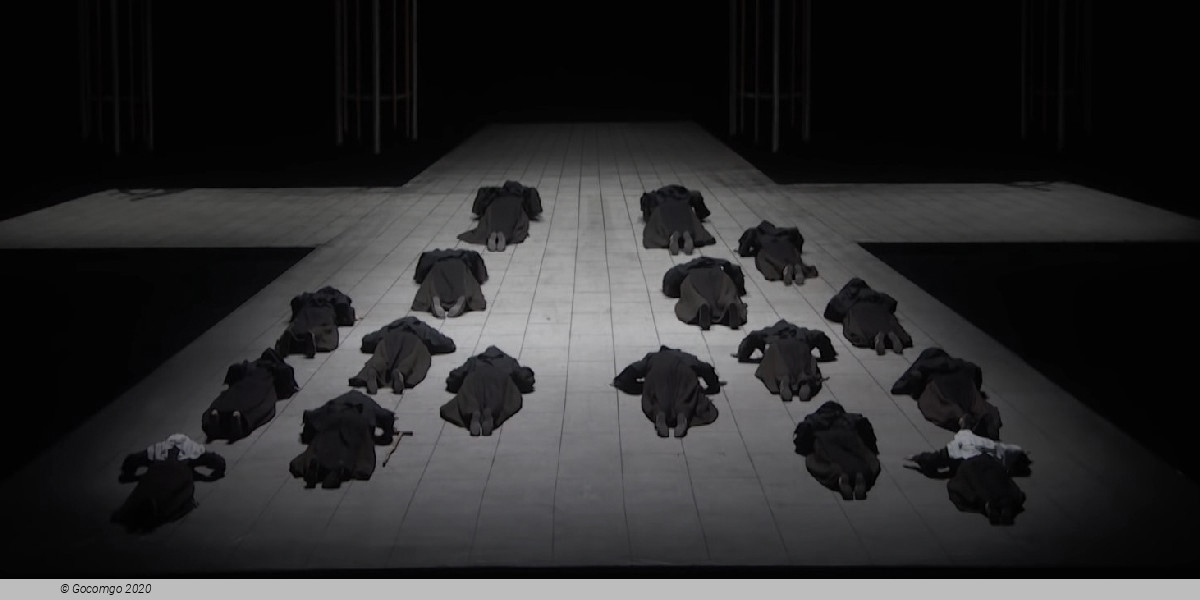
At the place of execution, one nun after another stands and slowly processes toward the guillotine, as all sing the "Salve Regina" ("Hail, Holy Queen"). At the last moment, Blanche appears, to Constance's joy, to join her condemned sisters. Having seen all the other nuns executed, as she mounts the scaffold, Blanche sings the final stanza of the "Veni Creator Spiritus," "Deo Patri sit gloria...", the Catholic hymn traditionally used when taking vows in a religious community and offering one's life to God.

Venue Info

Zurich Opera House - Zurich
Location   Sechseläutenplatz 1

Zürich Opera House is a main opera house in Zürich and Switzerland. Located at the Sechseläutenplatz, it has been the home of the Zürich Opera since 1891, and also houses the Bernhard-Theater Zürich. It is also home to the Zürich Ballet. The Opera House also holds concerts by its Philharmonia orchestra, matinees, Lieder evenings and events for children. The Zürich Opera Ball is organised every year in March, and is usually attended by prominent names.

The first permanent theatre, the Aktientheater, was built in 1834 and it became the focus of Richard Wagner’s activities during his period of exile from Germany.

The Aktientheater burnt down in 1890. The new Stadttheater Zürich (municipal theatre) was built by the Viennese architects Fellner & Helmer, who changed their previous design for the theatre in Wiesbaden only slightly. It was opened in 1891. It was the city's main performance space for drama, opera, and musical events until 1925, when it was renamed Opernhaus Zürich and a separate theatre for plays was built: The Bernhard Theater opened in 1941, in May 1981 the Esplanada building was demolished, and the present adjoint building opened on 27/28 December 1984 after three years of transition in the Kaufhaus building nearby Schanzengraben.

By the 1970s, the opera house was badly in need of major renovations; when some considered it not worth restoring, a new theatre was proposed for the site. However, between 1982 and 1984, rebuilding took place but not without huge local opposition which was expressed in street riots. The rebuilt theatre was inaugurated with Wagner’s Die Meistersinger von Nürnberg and the world première of Rudolf Kelterborn’s Chekhov opera Der Kirschgarten.

As restored, the theatre is an ornate building with a neo-classical façade of white and grey stone adorned with busts of Weber, Wagner, and Mozart. Additionally, busts of Schiller, Shakespeare, and Goethe are to be found. The auditorium is built in the neo-rococo style and seats approximately 1200 people. During the refurbishment, the issue of sightlines was not adequately addressed. As a result, the theatre has a high number of seats with a limited view, or no view, of the stage. This is unusual in international comparison, where sightlines in historic opera houses have been typically enhanced over time.

Corporate archives and historical library collections are held at the music department of the Predigerkirche Zürich.

The Zürich Opera House is also home of the International Opera Studio (in German: Internationales Opernstudio IOS) which is a educational program for young singers and pianists. The studio was created in 1961 and has renowned artists currently teaching such as Brigitte Fassbaender, Hedwig Fassbender, Andreas Homocki, Rosemary Joshua, Adrian Kelly, Fabio Luisi, Jetske Mijnssen, Ann Murray, Eytan Pessen or Edith Wiens.

Important Info
Type: Opera
City: Zurich, Switzerland
Starts at: 19:00
Acts: 3
Intervals: 1
Duration: 2h 50min
Sung in: French
Titles in: German,English
Top of page