Volksoper Vienna 27 May 2024 - The Abduction from the Seraglio | GoComGo.com

The Abduction from the Seraglio

Volksoper Vienna, Volksoper, Vienna, Austria
All photos (8)
Select date and time
7 PM

E-tickets: Print at home or at the box office of the event if so specified. You will find more information in your booking confirmation email.

You can only select the category, and not the exact seats.
If you order 2 or 3 tickets: your seats will be next to each other.
If you order 4 or more tickets: your seats will be next to each other, or, if this is not possible, we will provide a combination of groups of seats (at least in pairs, for example 2+2 or 2+3).

Important Info
Type: Opera
City: Vienna, Austria
Starts at: 19:00
Acts: 3
Sung in: German
Titles in: German

E-tickets: Print at home or at the box office of the event if so specified. You will find more information in your booking confirmation email.

You can only select the category, and not the exact seats.
If you order 2 or 3 tickets: your seats will be next to each other.
If you order 4 or more tickets: your seats will be next to each other, or, if this is not possible, we will provide a combination of groups of seats (at least in pairs, for example 2+2 or 2+3).

Overview

An opera right in the middle of the clashes between Orient and Occident, man and woman, culture and nature, revenge and forgiveness.

An opera about the clash of two different cultures, but in shifted perspective, as Mozart scholar Volkmar Braunbehrens writes: "Europeans, forcibly detained at the court of a Turkish ruler, experience a magnanimity of much higher morality than they know from their own European countries."

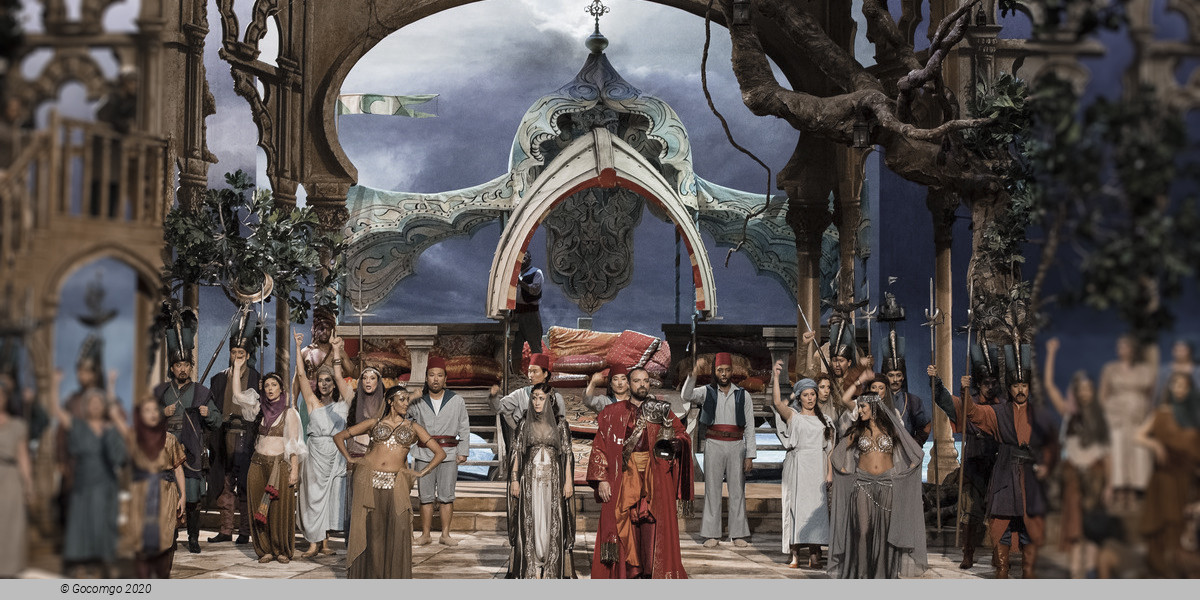
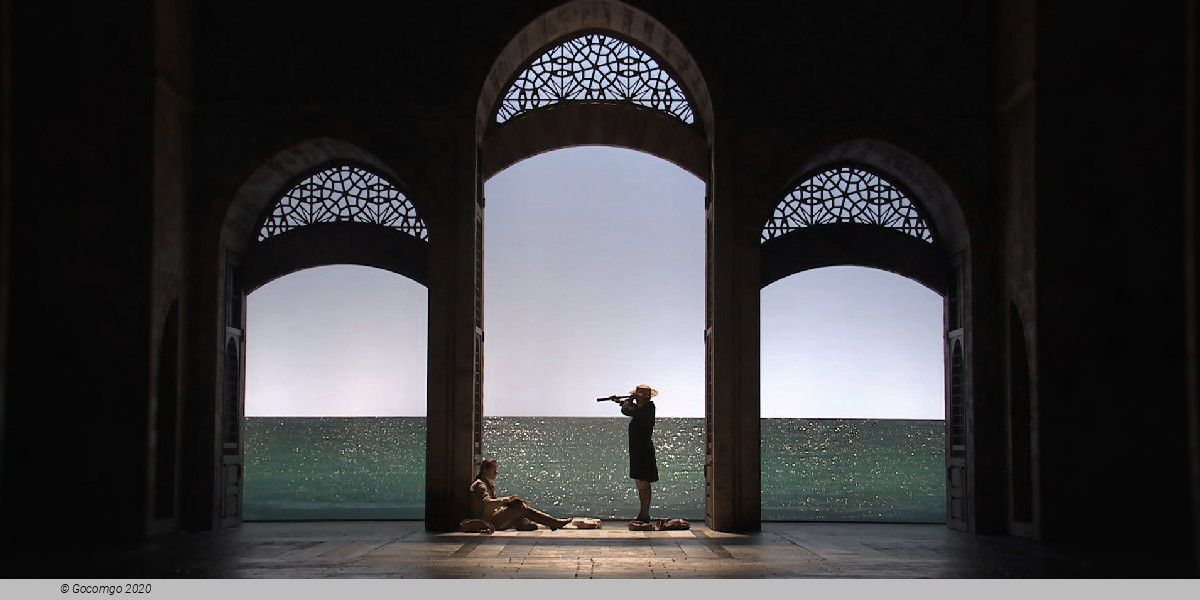
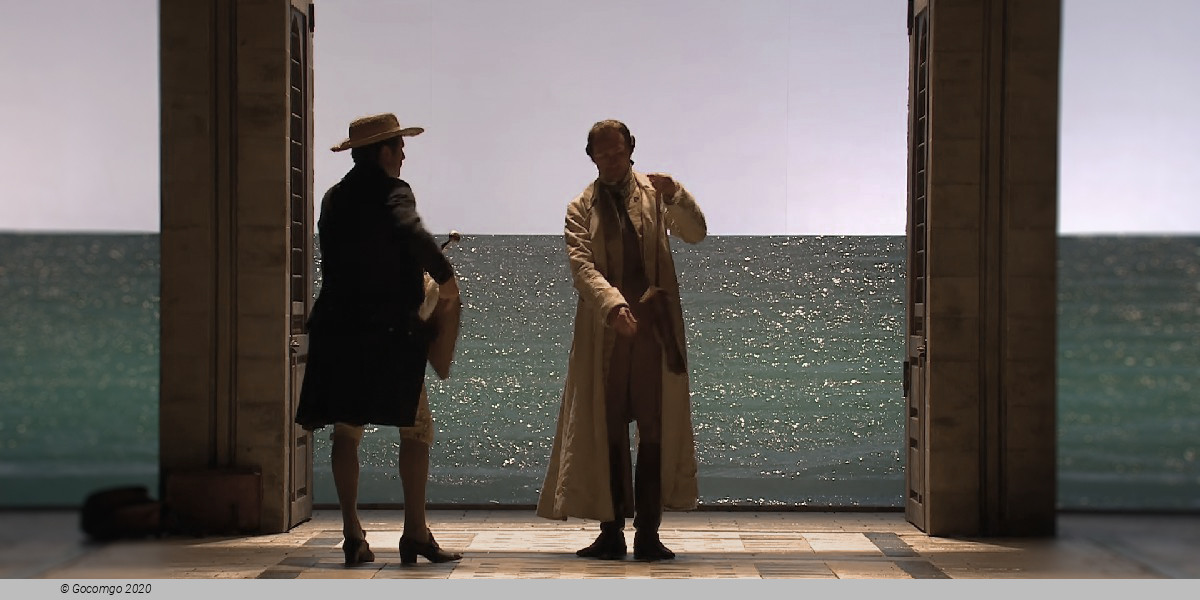
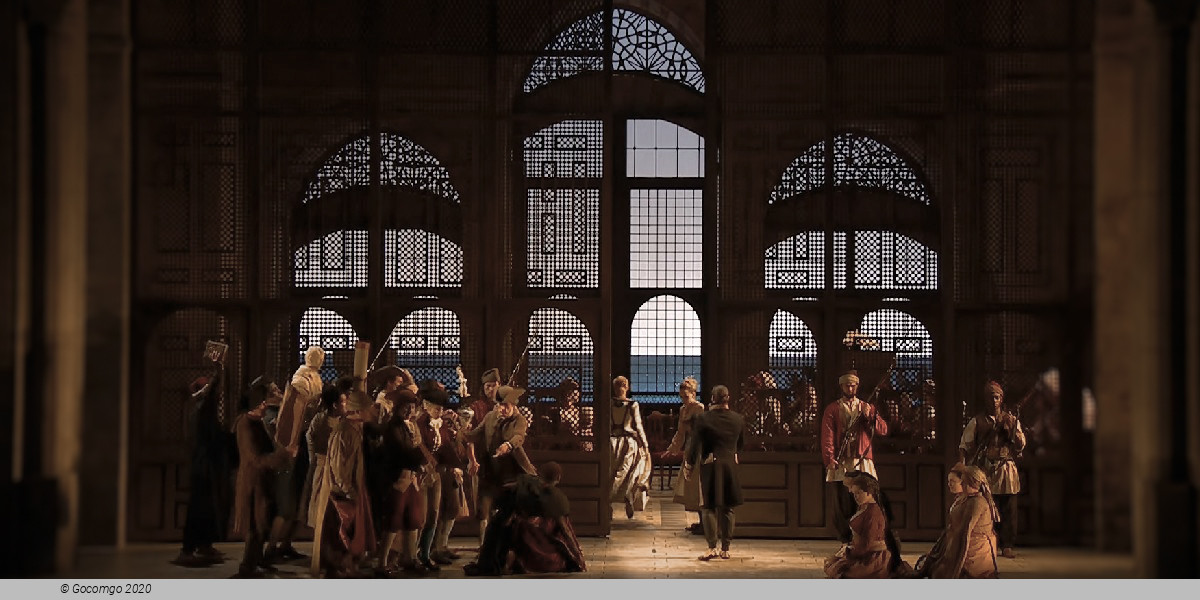
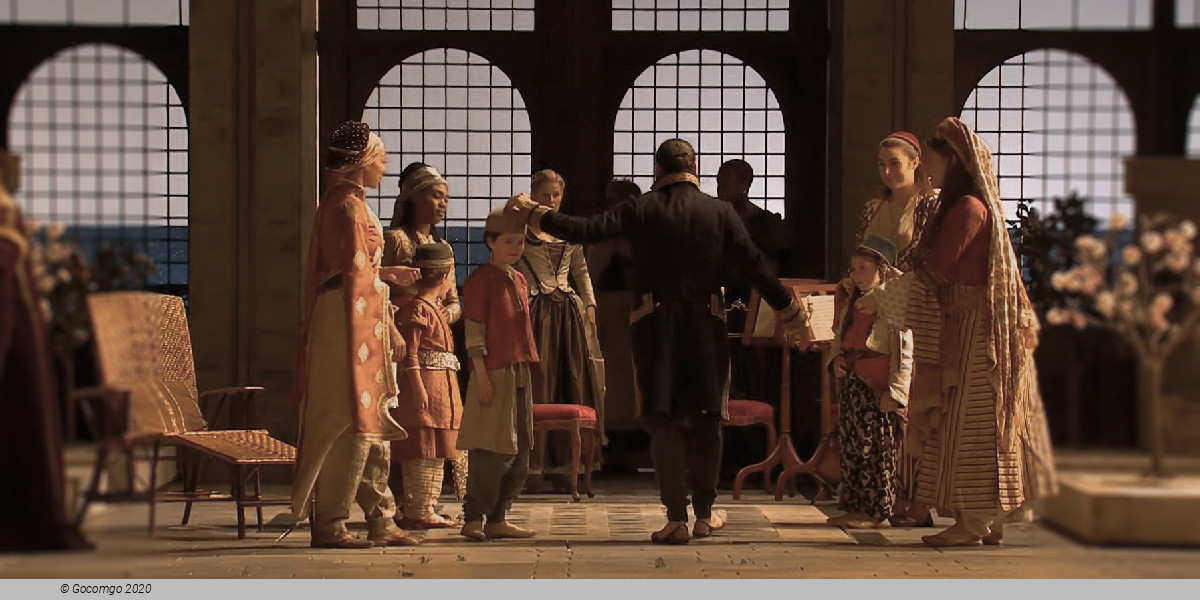
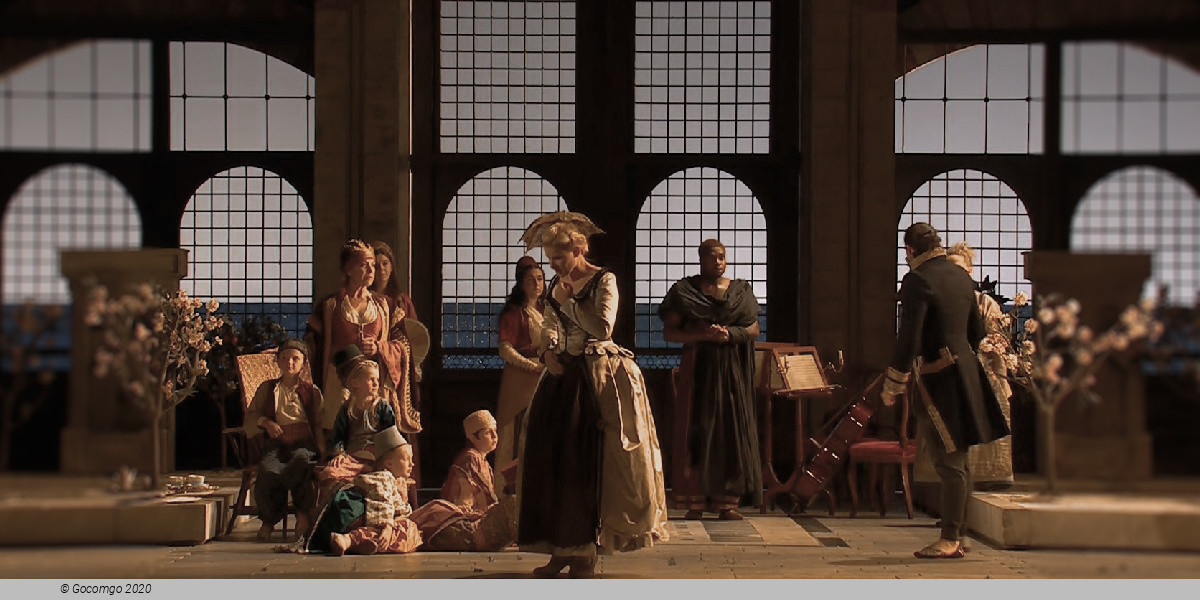
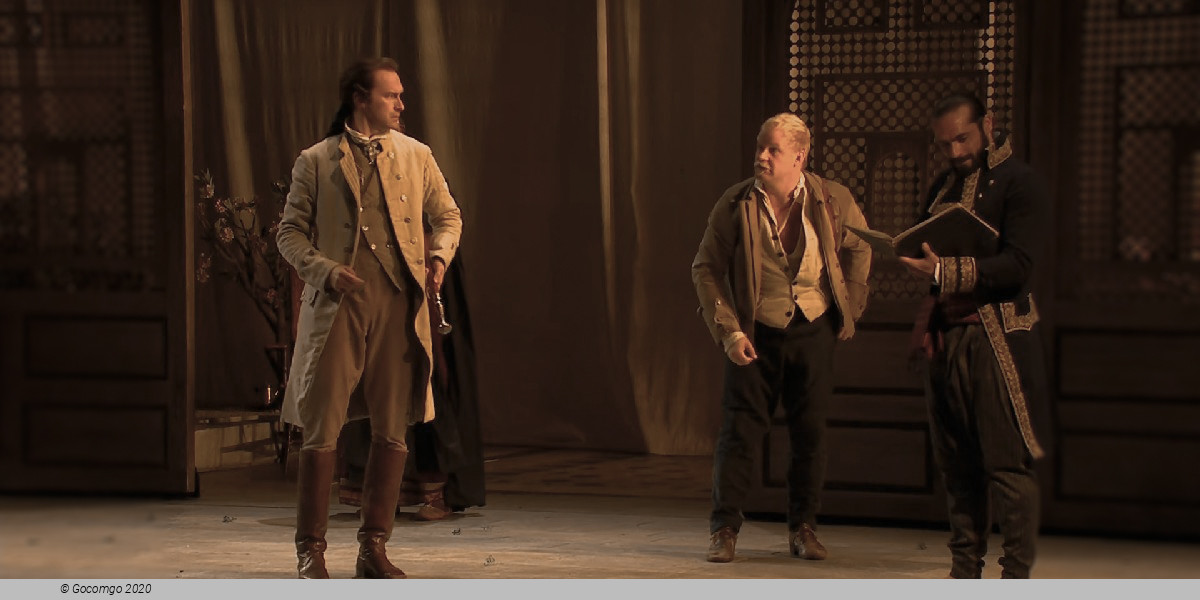
The new production of Mozart's Singspiel by the award-winning director Nurkan Erpulat, who was born in Turkey and came to Berlin as a student in the early 2000s, is intended to provide a new and authentic view of this work at the Volksoper. In the process, the focus will also be on the female characters: "Especially with regard to the female characters, there are also a lot of questions about sexual morality, honour and loyalty," says the director. But in the interplay of historical and political discourse as well as pain-filled poetry, the work always remains a comedy for Erpulat - a Singspiel in fact, a Volksoper, a "people's opera", in the best sense!

History
Premiere of this production: 16 July 1782, Burgtheater, Vienna

Die Entführung aus dem Serail (The Abduction from the Seraglio) is an opera Singspiel in three acts by Wolfgang Amadeus Mozart. The German libretto is by Gottlieb Stephanie, based on Christoph Friedrich Bretzner's Belmont und Constanze, oder Die Entführung aus dem Serail. The plot concerns the attempt of the hero Belmonte, assisted by his servant Pedrillo, to rescue his beloved Konstanze from the seraglio of Pasha Selim. The work premiered on 16 July 1782 at the Vienna Burgtheater, with the composer conducting.

Synopsis

Place: the country house of the Pasha (German "Bassa"), in Turkey
Time: 16th century

Act 1
After a lively overture, Belmonte enters, looking for his betrothed, Konstanze, who with her English servant Blonde has fallen into the hands of pirates and been sold to Pasha Selim (Aria: "Hier soll ich dich denn sehen" – "Here surely I must find her"). Osmin, the Pasha's bad-tempered servant, comes to pluck figs in the garden and contemptuously ignores Belmonte's questions (Aria: "Wer ein Liebchen hat gefunden" – "You may think, you've found a maiden"). Belmonte tries to obtain news of his servant, Pedrillo, who has been captured with the women and is serving as a servant in the Pasha's palace. Osmin replies with insults and abuse (Duet: "Verwünscht seist du samt deinem Liede!" – "The devil take you and your song, sir"). Belmonte leaves in disgust. Pedrillo enters and Osmin rages at him, vowing to get him tortured and killed in many different ways (Aria: "Solche hergelaufne Laffen" – "These young men who go a-spying"). Osmin leaves and Belmonte enters and happily reunites with Pedrillo. Together they resolve to rescue Konstanze and Blonde, who is Pedrillo's fiancée (Aria: "Konstanze, Konstanze, dich wiederzusehen … O wie ängstlich" – "Konstanze, Konstanze, to see thee again … Oh what trembling").

Accompanied by a chorus of Janissaries ("Singt dem großen Bassa Lieder" – "Sing to the mighty Pasha Selim"), Pasha Selim appears with Konstanze, for whose love he strives in vain (Aria of Konstanze: "Ach ich liebte" – "How I loved him"). Pedrillo tricks the Pasha into hiring Belmonte as an architect. When Belmonte and Pedrillo try to enter the palace, Osmin bars their way, but they hurry past him anyway (Terzett: "Marsch! Marsch! Marsch! Trollt euch fort!" – "March! March! March! Clear off!").

Act 2

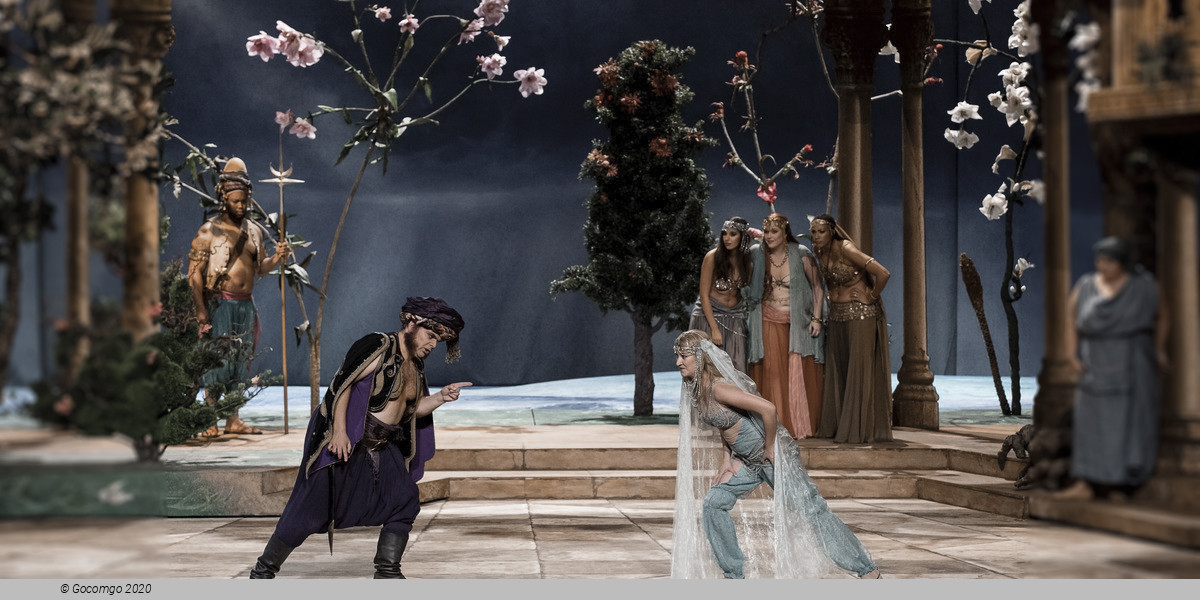
The Pasha has given Blonde to Osmin, to be his slave; however, she defiantly rebuffs her new master's rough lovemaking attempts (Aria: "Durch Zärtlichkeit und Schmeicheln" – "With smiles and kind caresses"), threatens to scratch out his eyes, and chases him out of the room (Duet: "Ich gehe, doch rate ich dir" – "I'm going, but mark what I say"). Konstanze enters and greets Blonde in distress (Aria: "Welcher Wechsel herrscht in meiner Seele … Traurigkeit ward mir zum Lose" – "Oh what sorrow overwhelms my spirit … Endless grief tortures my spirit"). The Pasha enters, demands her love, and threatens to use force, but she resolutely rejects him. (Aria: "Martern aller Arten" – "Tortures unrelenting") Left alone, he muses on her determination to remain chaste, which increases his desire for her.

Pedrillo informs Blonde that Belmonte has come and is planning to rescue them. Blonde is filled with joy. (Aria: "Welche Wonne, welche Lust" – "Oh, the happy, happy day"). After singing a short ditty to boost his courage (Aria: "Frisch zum Kampfe" – "Now Pedrillo, now for battle!"), Pedrillo invites Osmin to drink (Duet: "Vivat Bacchus! Bacchus lebe!" – "Here's to Bacchus, long live Bacchus"). Despite his religious prohibition against alcoholic beverages, Osmin drinks heavily and falls asleep. Konstanze joins Belmonte who declares his love (Aria: "Wenn der Freude Tränen fließen" – "When tears of joy flow"). The two couples reunite (Quartet, Belmonte, Konstanze, Pedrillo, Blonde: "Ach Belmonte! Ach, mein Leben" – "Ah, Belmonte, ah my dear one!"). After their initial expressions of love and joy, Belmonte and Pedrillo both question anxiously whether their respective fiancees have remained faithful during their forced separation; to their delight the women respond with indignation and dismay, and Blonde slaps Pedrillo's face. The two men apologize for their failure of confidence; the women forgive them for the offensive questions.

Act 3

Belmonte and Pedrillo come to the garden with ladders (Aria, Belmonte: "Ich baue ganz auf deine Stärke" – "Love, only love, can now direct me"). Pedrillo gets the attention of the women by singing a ballad about a rescue similar to the one he is planning (Romanze, Pedrillo: "In Mohrenland gefangen war" – "In Moorish lands a maiden fair"). However, Osmin enters, sees the ladders, and rouses the castle. Osmin exults in the prospect of seeing them all hanged (Aria: "O, wie will ich triumphieren" – "My triumphant hour's approaching"). Belmonte pleads for their lives and tells Pasha Selim that his father is a Spanish Grandee and Governor of Oran, named Lostados, and will pay a generous ransom. Unfortunately, Pasha Selim and Lostados are long-standing enemies. The Pasha rejoices in the opportunity to subject his enemy's son to a horrible death. He leaves Belmonte and Konstanze to bid each other a last farewell; they lovingly assure each other that being tortured to death will be a pleasure, so long as they get tortured to death together (Duet: "Welch ein Geschick! O Qual der Seele.... Weh, du soltest für mich sterben" – "What dreadful fate conspires against us.... Woe, you will die because of me"). However, the Pasha decides that he can make a better point against Lostados by showing mercy and releasing Belmonte and his friends. All are set at liberty – much to the dismay of Osmin, who would prefer to see them all brutally executed (Finale: "Nie werd' ich deine Huld verkennen" – "Your noble mercy passes measure").


Venue Info

Volksoper Vienna - Vienna
Location   Währinger Strasse 78

The Vienna Volksoper is a major opera house in Vienna, Austria. It produces three hundred performances of twenty-five German language productions during an annual season which runs from September through June.

Volksoper Vienna was built in 1898 as the Kaiserjubiläum-Stadttheater (Kaiser's Jubilee Civic Theatre), originally producing only plays. Because of the very brief construction period (10 months) the first director Adam Müller-Gutenbrunn had to start with debts of 160,000 gulden. After this inauspicious startup the Kaiserjubiläum-Stadttheater had to declare bankruptcy five years later in 1903.

On 1 September 1903 Rainer Simons took over the house and renamed it the Kaiserjubiläum-Stadttheater - Volksoper (public opera). His intention was to continue the production of plays but also establish series of opera and operetta. The first Viennese performances of Tosca and Salome were given at the Volksoper in 1907 and 1910 respectively. World-famous singers such as Maria Jeritza, Leo Slezak and Richard Tauber appeared there; the conductor Alexander Zemlinsky became the first bandmaster in 1906.

In the years up to and through the First World War the Volksoper attained a position as Vienna's second prestige opera house. In 1919, Felix Weingartner became Artistic Director and Principal Conductor. He was followed as Director by Hugo Gruder-Guntram. After 1929, it focused on light opera, and under Gruder-Guntram undertook a number of summer tours to Abbazia in 1935, Cairo and Alexandria in 1937 and throughout Italy in 1938, with guest appearances from Richard Tauber. After the Second World War, the Vienna Volksoper became the alternative venue to the devastated Vienna State Opera. In 1955 the Volksoper returned to its former role of presenting opera, operetta, and musicals.

From September 1991 to June 1996 the Vienna Volksoper was under a collective leadership with the Vienna State Opera. In 1999 the Volksoper became a 100% subsidiary of the Bundestheater-Holding. Since 1 September 2007 Robert Meyer has headed the Volksoper as artistic director together with the business manager Christoph Ladstätter. Each season includes about 25 productions, a total of approximately 300 performances—a performance almost every day. In addition to opera, operetta, musicals and ballet, there are special performances and children's programs.

Important Info
Type: Opera
City: Vienna, Austria
Starts at: 19:00
Acts: 3
Sung in: German
Titles in: German
Top of page