
Teatro Real 1 April 2022 - The Fiery Angel | GoComGo.com

The Fiery Angel

Teatro Real, Main Auditorium, Madrid, Spain
All photos (7)
Select date and time
7:30 PM

E-tickets: Print at home or at the box office of the event if so specified. You will find more information in your booking confirmation email.

You can only select the category, and not the exact seats.
If you order 2 or 3 tickets: your seats will be next to each other.
If you order 4 or more tickets: your seats will be next to each other, or, if this is not possible, we will provide a combination of groups of seats (at least in pairs, for example 2+2 or 2+3).

Important Info
Type: Opera
City: Madrid, Spain
Starts at: 19:30
Acts: 5

E-tickets: Print at home or at the box office of the event if so specified. You will find more information in your booking confirmation email.

You can only select the category, and not the exact seats.
If you order 2 or 3 tickets: your seats will be next to each other.
If you order 4 or more tickets: your seats will be next to each other, or, if this is not possible, we will provide a combination of groups of seats (at least in pairs, for example 2+2 or 2+3).

Overview

New production

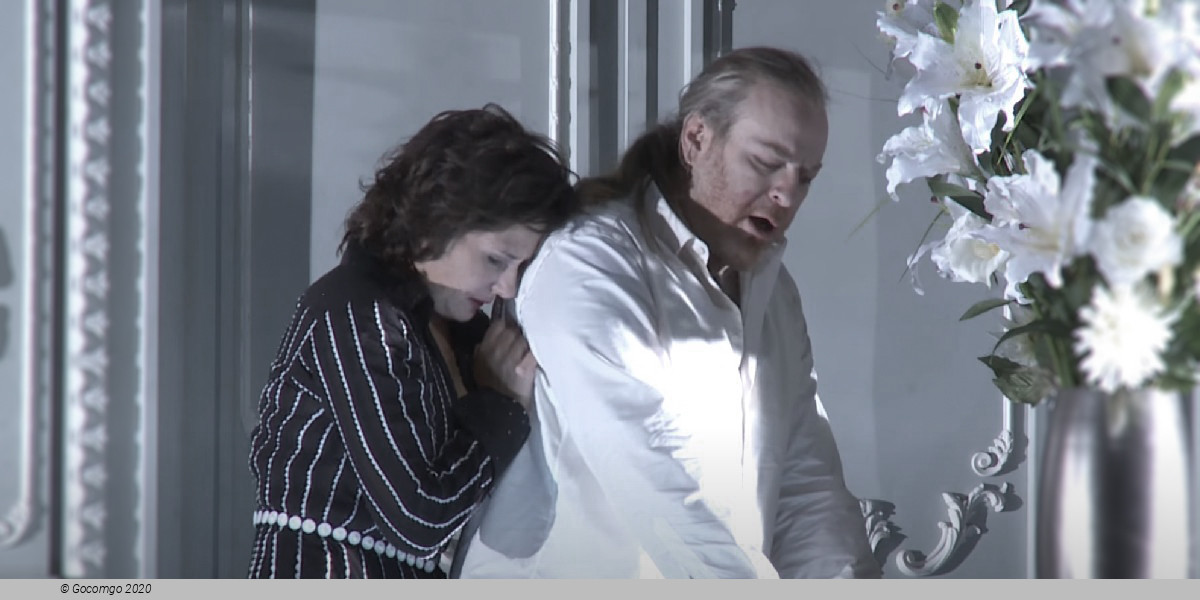
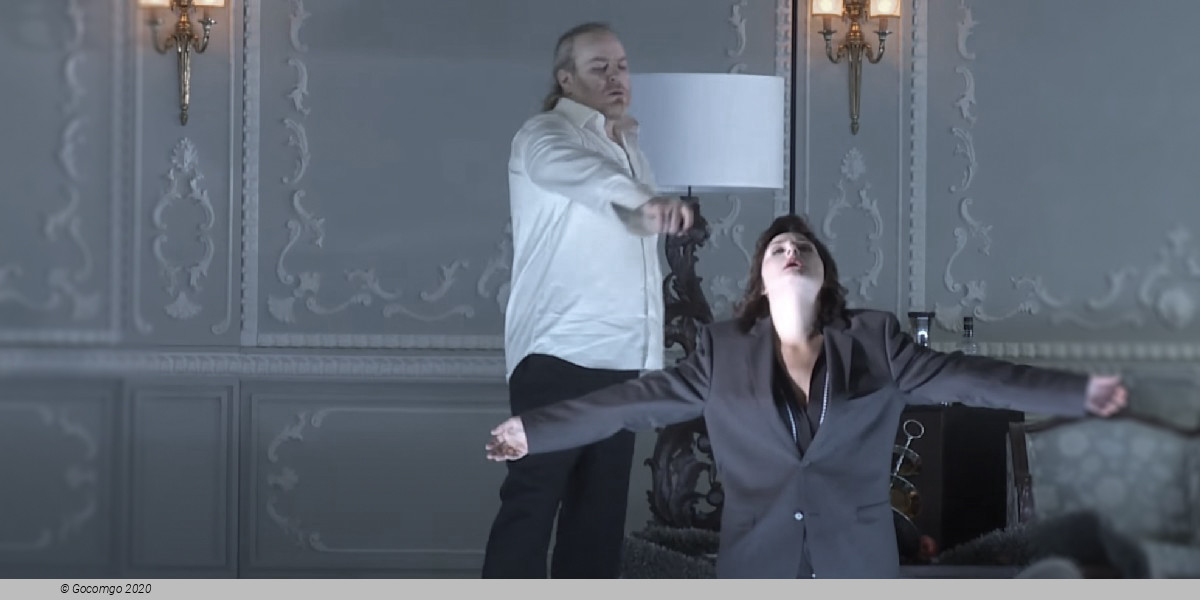
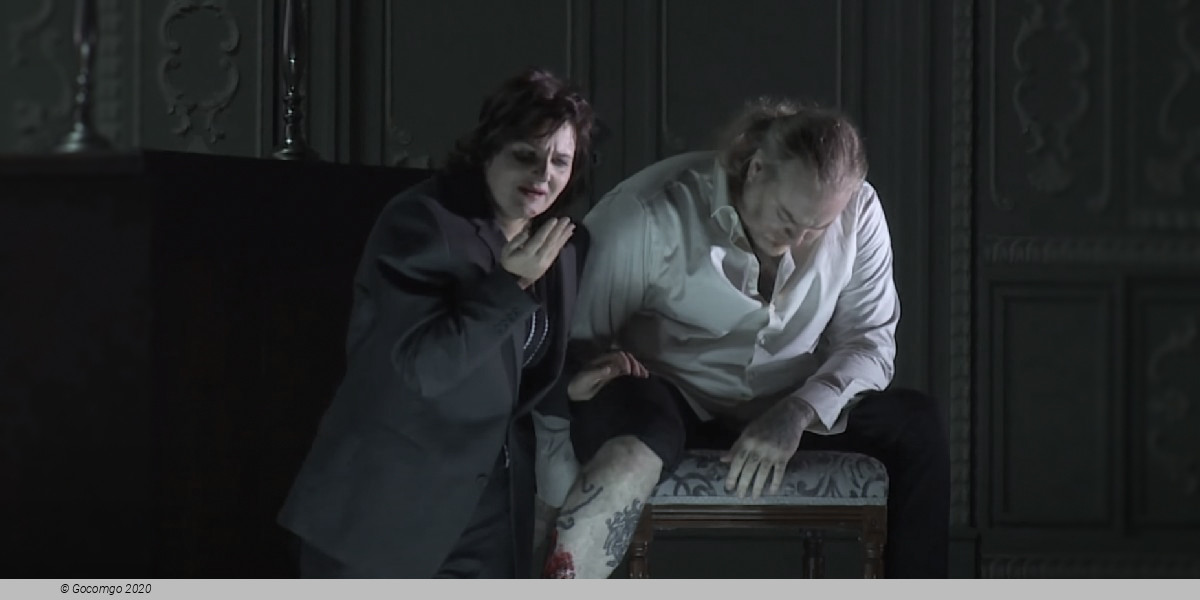
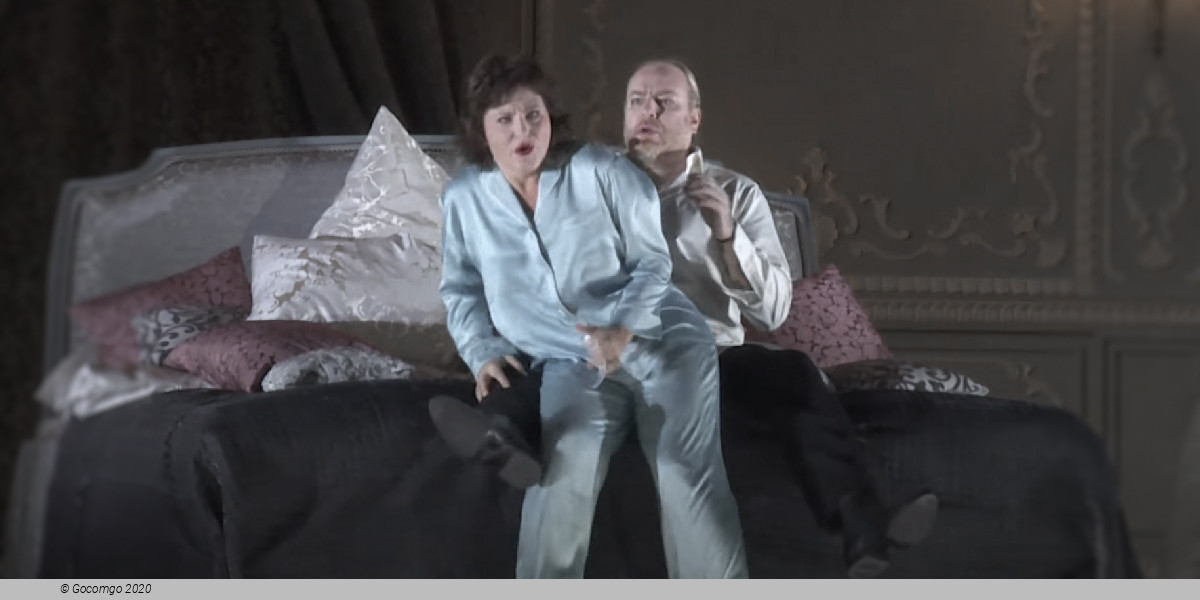
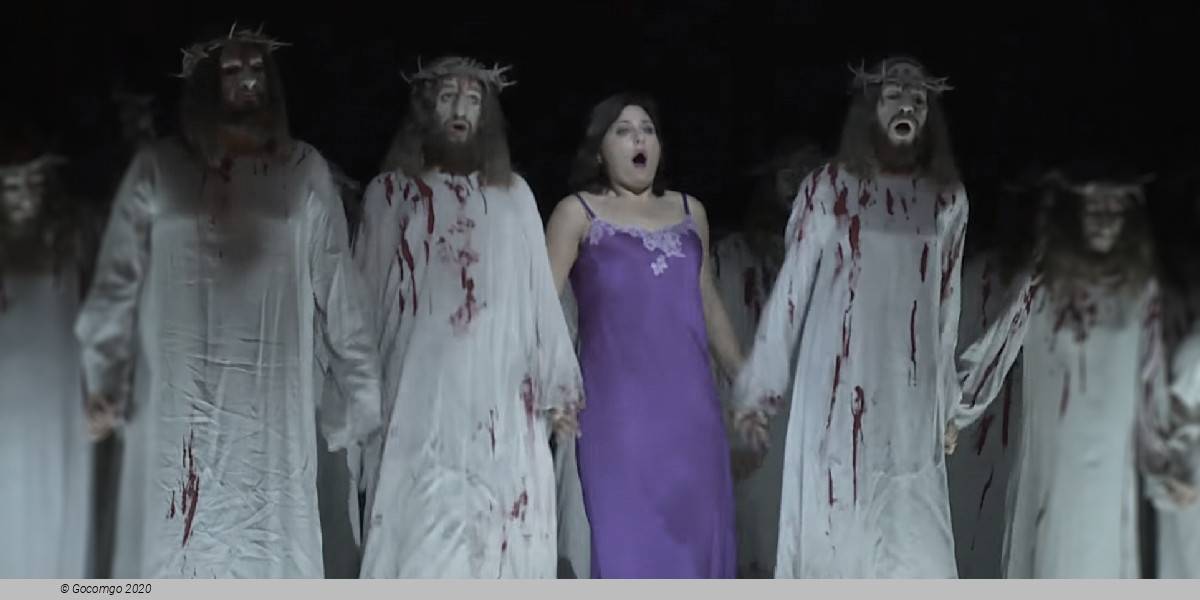
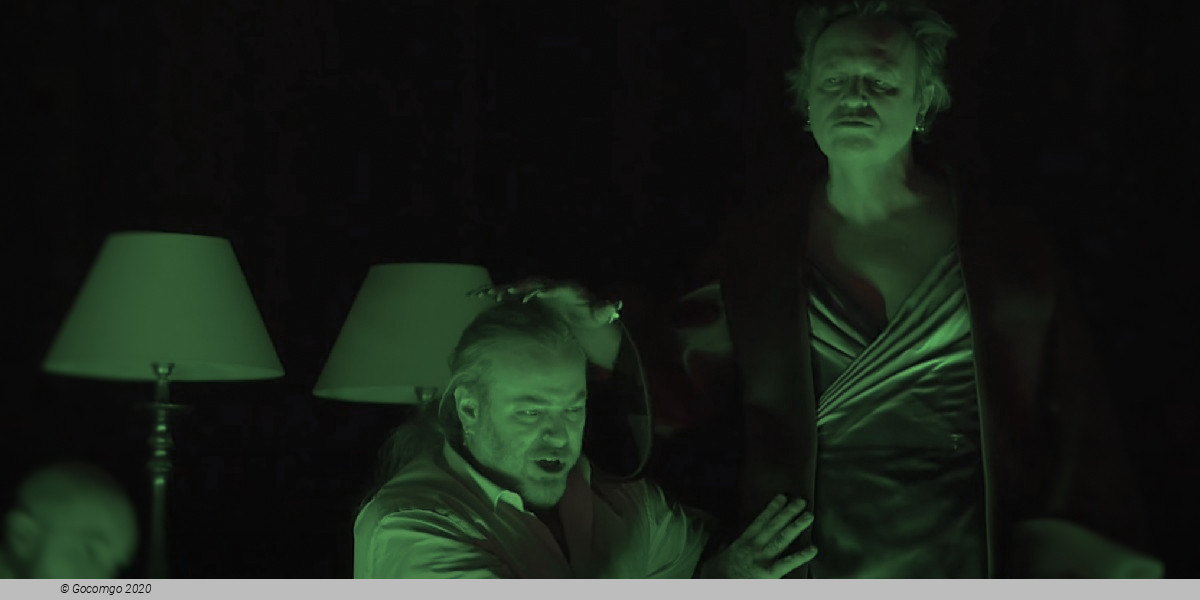
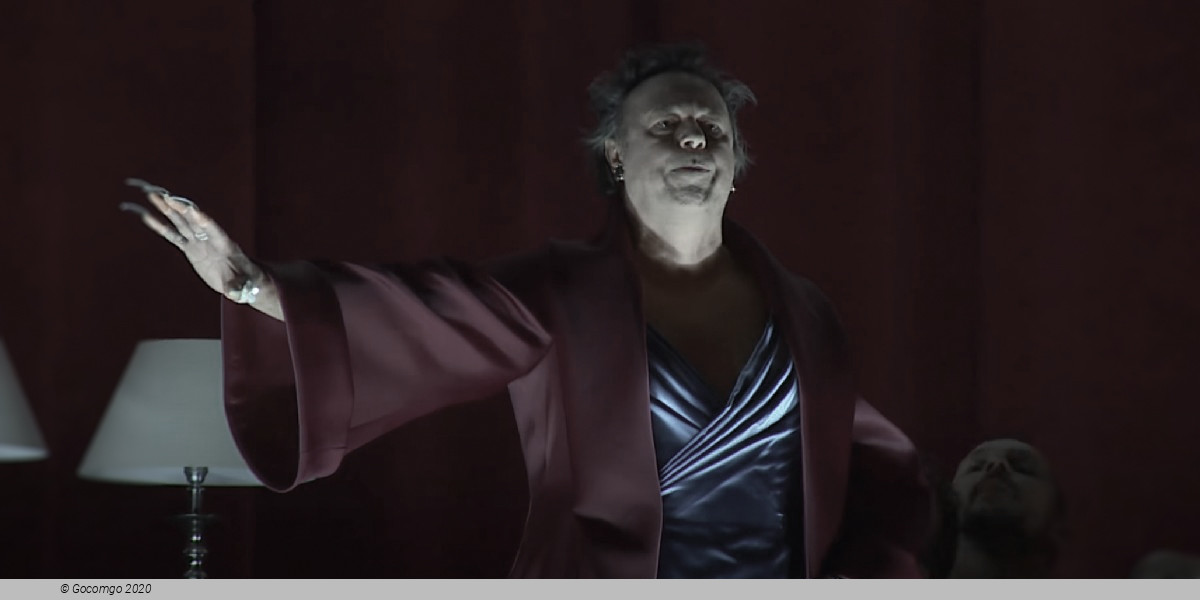
The production by Calixto Bieito extracts all the potential from this work in a most convincing and spine-chilling way. The action takes place in a closed society of the 1950s, taking this story of witchcraft, sex and religion to the realism of imitation leather sofas, crochet cardigans, medical abuse and child molestation.

The Weimar Republic, oasis of liberty and cradle of extremism, welcomed -  with a varying degree of scandal - such radical operas as the blasphemous Sancta Susanna  of  Paul Hindemith,  the atonal  and anti- militarist Wozzeck of  Alban Berg, or the  multi-racial  and jazz like Jonny spielt auf of  Ernst Krenek. In spite of this background, not even the mediation of the prestigious conductor Bruno Walter was sufficient to bring The Fiery Angel by Sergei Prokofiev to the stage of the Deutsche Oper of Berlin. The constant setbacks with respect to the work led the composer to desist with its debut and re-use the principal musical material in the third of his symphonies, first heard in Paris in 1929.  Furthermore, the rise of Nazism in Germany and the hardening of cultural politics in the Soviet Union also delayed the opening of The Fiery Angel. In the end, it opened posthumously in 1954 at the Teatro La Fenice of Venice.

New production in the Teatro Real, in collaboration with the Opernhaus of Zúrich

History
Premiere of this production: 25 November 1955, Théâtre des Champs-Élysées, Paris

Sergei Prokofiev's opera, The Fiery Angel , could be considered one of the composer’s largest challenges. Writing, production, and location were all factors in the piece’s progress. The journey to completion was not truly over until after Prokofiev’s time, when the piece was first presented in a full performance at the Théâtre des Champs-Élysées on 25 November 1954, and was first premiered at the Venice Festival in 1955.

Synopsis

Originally the opera was in three acts and eleven scenes, but was eventually reorganized into five acts and seven scenes.

Act 1
Renata, a young woman searching for a missing love, resides at an inn. Ruprecht, a knight errant, meets Renata at the inn. She tells him that, since her childhood, she has been in love with an angel. This angel, Madiel, encouraged her to do good deeds, and at the age of seventeen she finally asked for his physical love. The angel, in response, glowed in fury, but agreed to return in human form. After Madiel’s promise, Renata had met Count Heinrich von Otterheim. Convinced that this was her angel returned to Earth, Renata immediately gave herself to him. One year later, Otterheim left. In denial, Renata begs Ruprecht to help her search for Otterheim.

Act 2
As the two search for Otterheim, Ruprecht soon falls in love with Renata, although she does not share the feeling. They decide to resort to sorcery to find Otterheim, and a spell is cast. Three knocks are then heard at the door. Renata assumes the spell has worked and nearly goes insane at the thought of Otterheim returning. But nobody is there. Ruprecht and Renata seek out the powerful sorcerer Agrippa von Nettesheim. Once in his lair, they are met with his refusal to help; his concerns lie with the power of the Inquisition.

Act 3
Ruprecht learns that Renata has finally found Count Heinrich von Otterheim, who has rejected her. She begs to be avenged, learning that he was never her angel. Ruprecht attempts to exact revenge for Renata by dueling with Otterheim. The duel is one-sided, as Otterheim easily overcomes Ruprecht and injures him.

Act 4
Ruprecht and Renata have moved in together, but Renata now insists on joining a convent to better herself and for her soul’s sake. There is a comic relief, involving Faust and Mephistopheles at a tavern. (This tavern scene, used to break up the dark sarcastic nature of the opera, is sometimes left out.)

Act 5
Renata is in the convent, where the leaders accuse her of demonic possession. As an attempt to heal Renata ensues, all Hell essentially breaks loose (both on stage and in the orchestra) as the other nuns are also possessed. She is condemned by the Inquisitor to be burned at the stake.

Venue Info

Teatro Real - Madrid
Location   Isabel II Square, s / n.

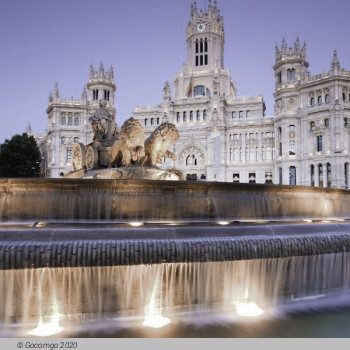
Teatro Real is a major opera house located in Madrid. Today the Teatro Real opera is one of the great theaters of Europe hosting large productions involving leading international figures in opera singing, musical direction, stage direction, and dance. Founded in 1818 and inaugurated on 19 November 1850, it closed in 1925 and reopened in 1966. Beginning in 1988 it underwent major refurbishing and renovation works and finally reopened in 1997 with a capacity of 1,746 seats. The theater offers visitors guided tours in several languages, including the auditorium, stage, workshops, and rehearsal rooms.

Founded by King Ferdinand VII in 1818, and after thirty-two years of planning and construction, a Royal Order on 7 May 1850 decreed the immediate completion of the "Teatro de Oriente" and the building works were finished within five months. The Opera House, located just in front of the Palacio Real, the official residence of the Queen who ordered the construction of the theatre, Isabel II, was finally inaugurated on 19 November 1850, with Donizetti's La Favorite.

The Teatro soon became one of the most prestigious opera houses in Europe. For over five decades it hosted the most renowned singers and composers of the time. In the early period, it saw famous opera singers such as Alboni, Frezzolini, Marietta Gazzaniga, Rosina Penco, Giulia Grisi, Giorgio Ronconi, Italo Gardoni, Mario de Candia and Antonio Selva among many others. In 1863, Giuseppe Verdi visited the theatre for the Spanish premiere of his La Forza del Destino. At its peak, in the last quarter of the 19th century, the Teatro hosted world renowned artists such as Adela Borghi, Marie Sasse, Adelina Patti, Christina Nilsson, Luisa Tetrazzini, Mattia Battistini, Julián Gayarre, Angelo Masini, Francesco Tamagno and Enrico Tamberlick. In 1925, the Ballets Russes of Diaghilev performed in the theatre with the presence of Nijinsky and Stravinsky.

From 1867 to 1925 the Teatro Real also housed the Madrid Royal Conservatory. In December of 1925 a Royal Order ordered its activities to be discontinued owing to the damage that the construction of the Metro de Madrid had caused to the building. The government set out to restore it and ordered numerous projects to be drawn out for its renovation, such as that from architect Urdanpilleta Flórez, who proposed a monumental remodeling of the building. However, financial difficulties prevented the completion of these projects and led to a simple restoration, sponsored by the Juan March Institute, and carried out first by the architect Manuel Gonzalez Valcárcel, and later by architects Miguel Verdú Belmonte and Francisco Rodriguez Partearroyo.

The theatre reopened in 1966 as a concert hall as well as the main concert venue for the Spanish National Orchestra and the RTVE Symphony Orchestra. The reopening was celebrated with a concert of the Spanish National Orchestra conducted by Rafael Frühbeck de Burgos, and the Orfeón Donostiarra. In 1969, the 14th Eurovision Song Contest was held at the theatre, featuring an onstage metal sculpture created by surrealist Spanish artist Salvador Dalí.

Important Info
Type: Opera
City: Madrid, Spain
Starts at: 19:30
Acts: 5
Top of page