Teatro Filarmonico tickets 13 December 2026 - Swan Lake | GoComGo.com

Swan Lake

Teatro Filarmonico, Verona, Italy
All photos (12)
Select date and time
3:30 PM
From
US$ 107

E-tickets: Print at home or at the box office of the event if so specified. You will find more information in your booking confirmation email.

You can only select the category, and not the exact seats.
If you order 2 or 3 tickets: your seats will be next to each other.
If you order 4 or more tickets: your seats will be next to each other, or, if this is not possible, we will provide a combination of groups of seats (at least in pairs, for example 2+2 or 2+3).

Important Info
Type: Ballet
City: Verona, Italy
Starts at: 15:30
Intervals: 1
Duration: 2h 45min

E-tickets: Print at home or at the box office of the event if so specified. You will find more information in your booking confirmation email.

You can only select the category, and not the exact seats.
If you order 2 or 3 tickets: your seats will be next to each other.
If you order 4 or more tickets: your seats will be next to each other, or, if this is not possible, we will provide a combination of groups of seats (at least in pairs, for example 2+2 or 2+3).

Cast
Performers
Conductor: Patrick Lange
Ballet company: Arena di Verona Ballet
Orchestra: Orchestra of the Arena di Verona
Creators
Composer: Pyotr Tchaikovsky
Choreography: Marius Petipa
Overview

The quintessential ballet returns by popular demand to the Teatro Filarmonico, after nine sold-out performances in 2024.

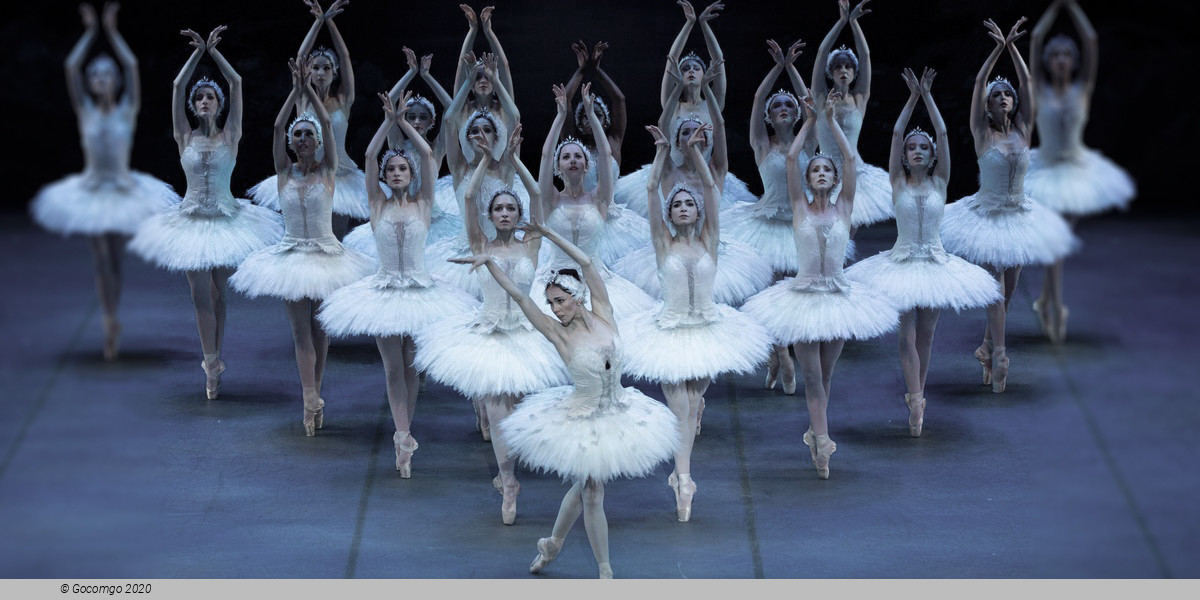
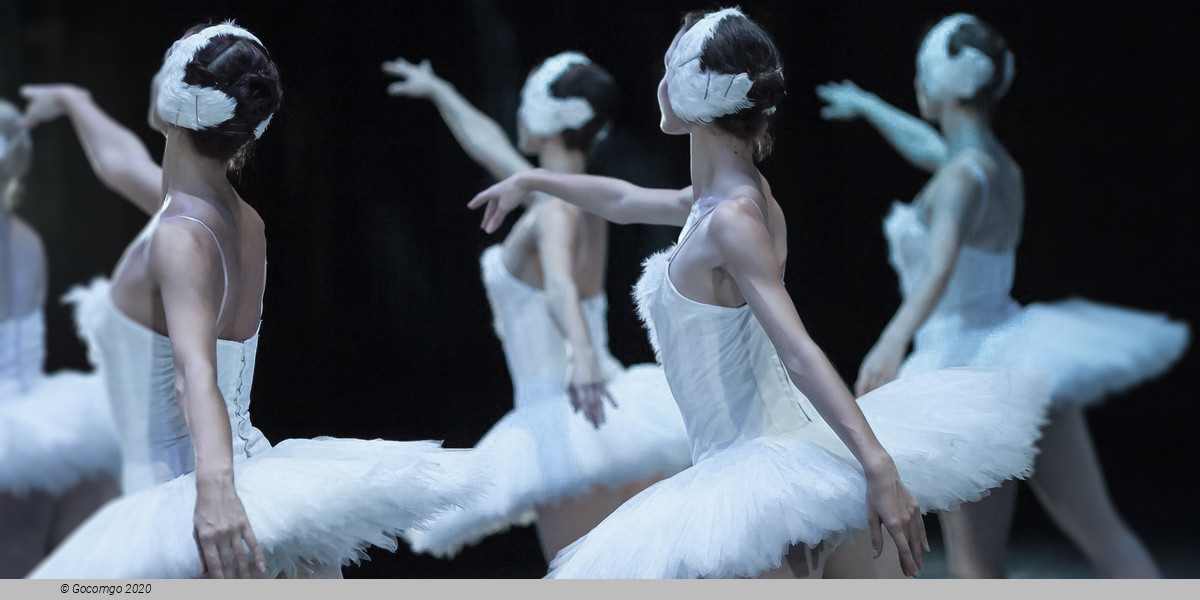
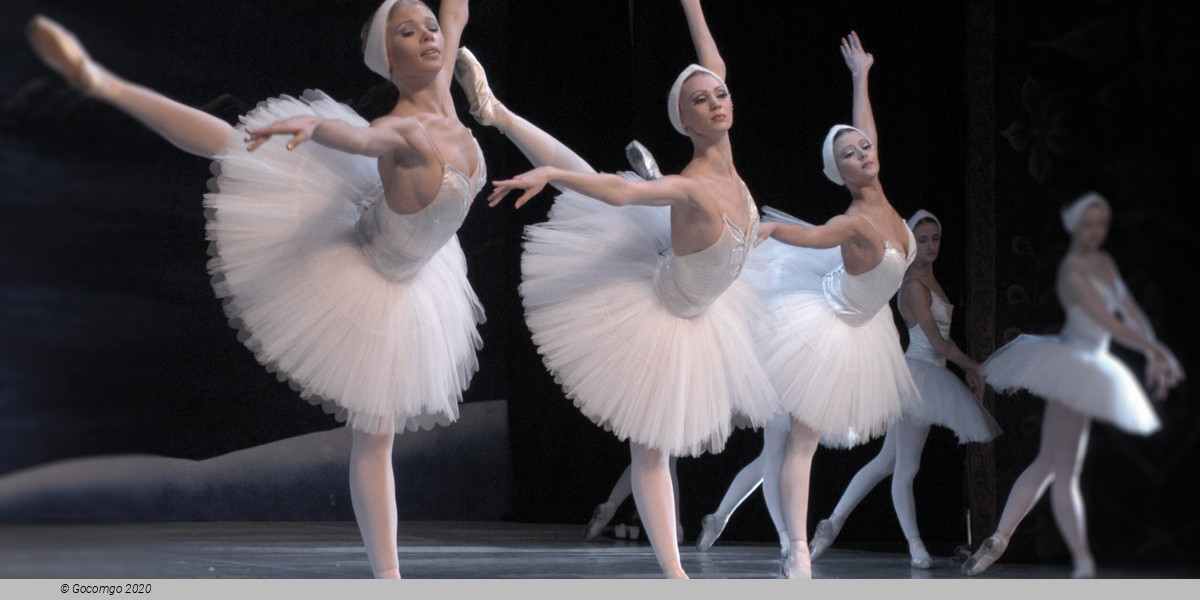
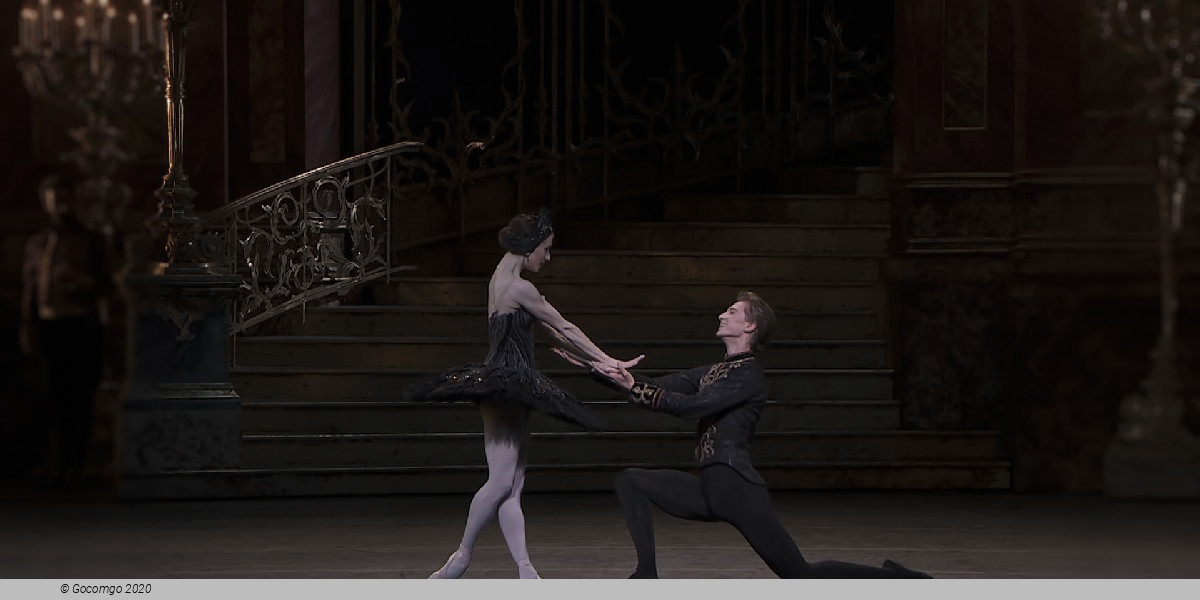
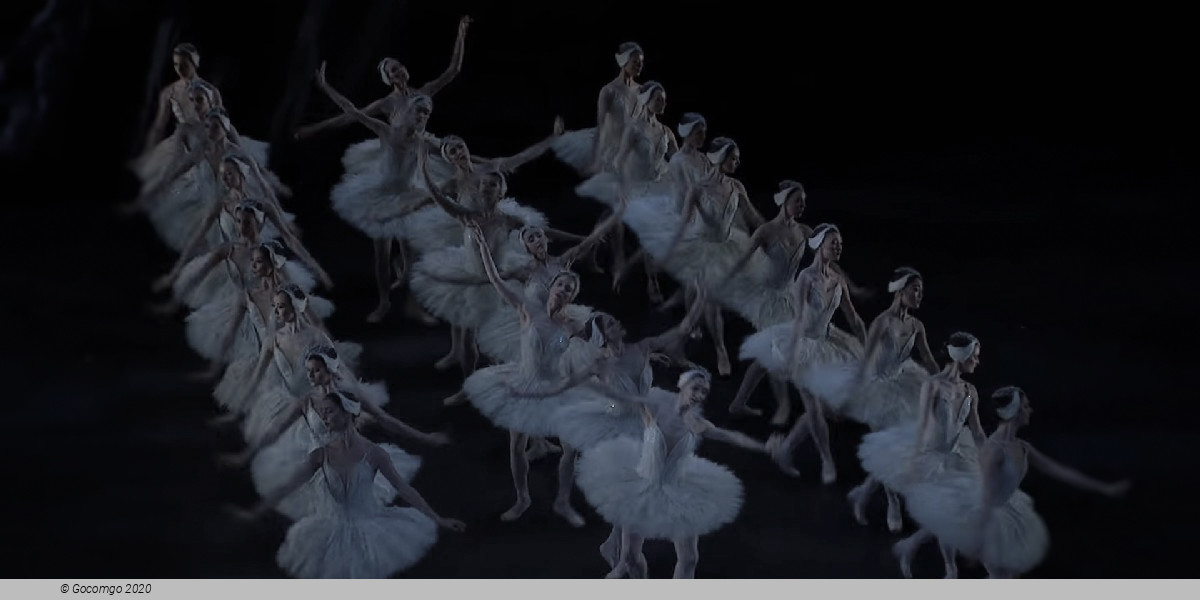
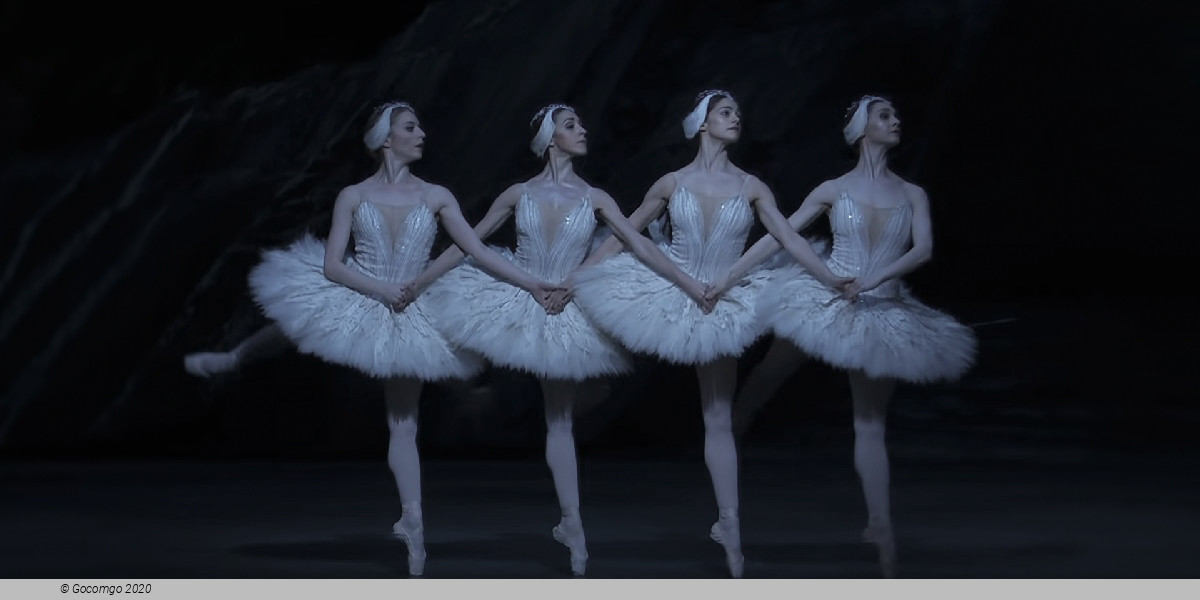
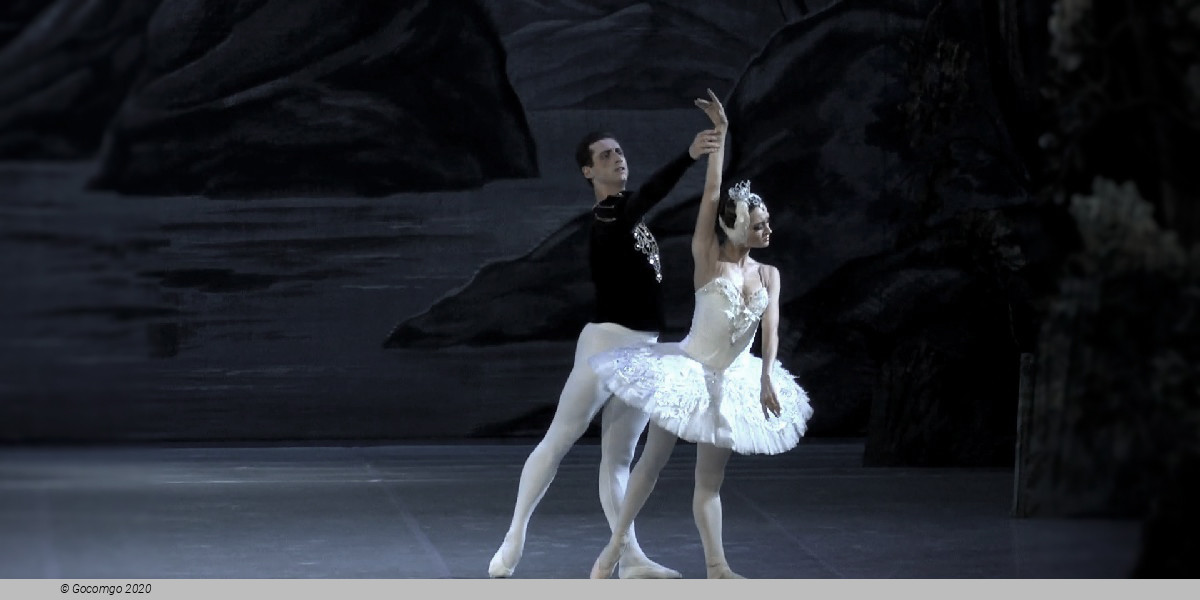
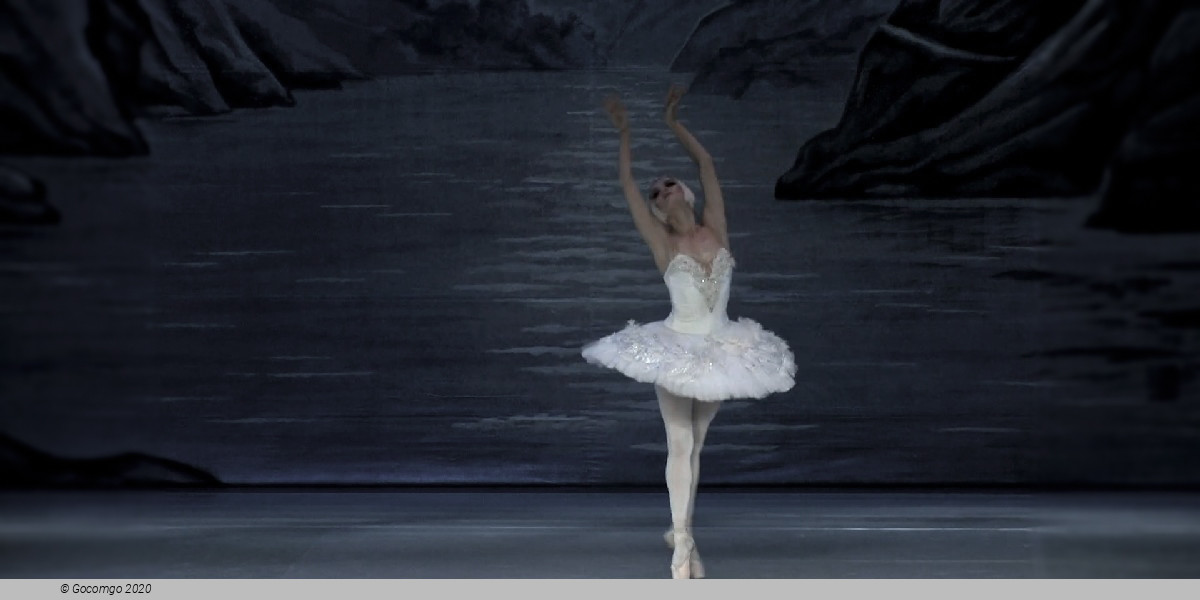
Great stars on pointe shoes bring to life the unforgettable music of Tchaikovsky, the composer who innovated the musical dramaturgy of dance. Thus, the Arena Orchestra narrates the love between Odette and Prince Siegfried, separated by a spell. And by a memorable duality, contrasting good and evil, symbolized by the white and black swans.

Amid court festivities and mysterious moonlight, Fondazione Arena's Swan Lake brings magic to views of Verona and Lake Garda, bringing the fairytale even closer.

History
Premiere of this production: 04 March 1877, Bolshoi Theatre, Moscow

Swan Lake is a ballet composed by Pyotr Ilyich Tchaikovsky in 1875–76. Despite its initial failure, it is now one of the most popular of all ballets. Swan Lake is the ballet which embodies the soul of Russian art. The combination of brilliant music and choreography creates a special kind of magic; what the great 20th century choreographer George Balanchine had in mind when he famously said, “One should call every ballet Swan Lake because then people would come.”

Synopsis

Swan Lake is generally presented in either four acts, four scenes (primarily outside Russia and Eastern Europe) or three acts, four scenes (primarily in Russia and Eastern Europe). The biggest difference of productions all over the world is that the ending, originally tragic, is now sometimes altered to a happy ending.

Prologue
Some productions include a prologue that shows how Odette first meets Rothbart, who turns Odette into a swan.

Act 1

A magnificent park before a palace

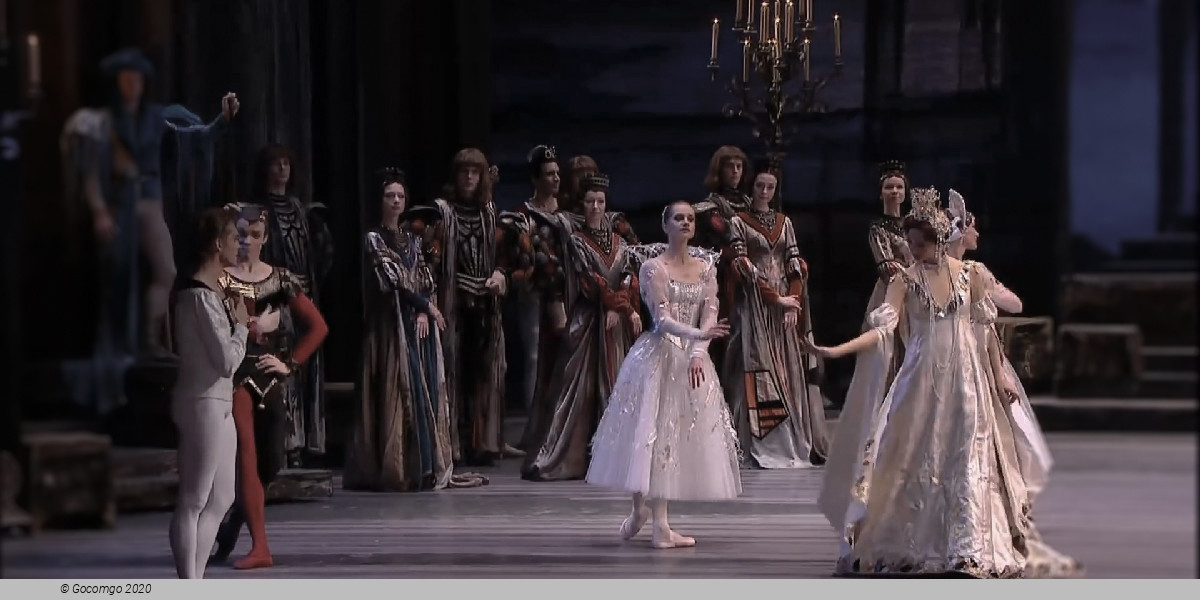
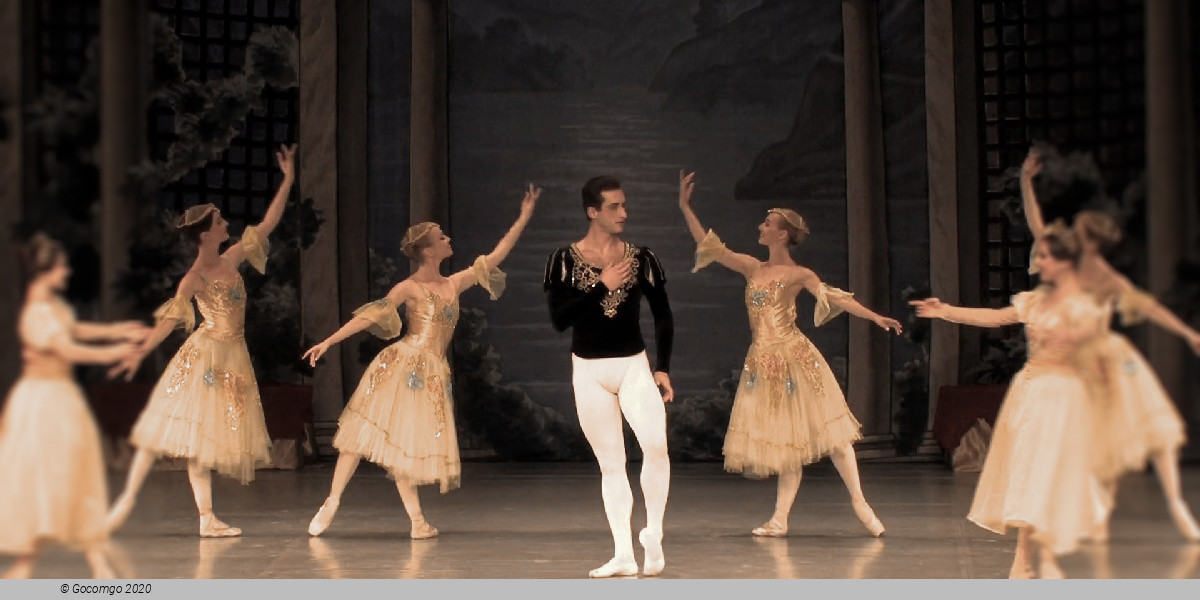
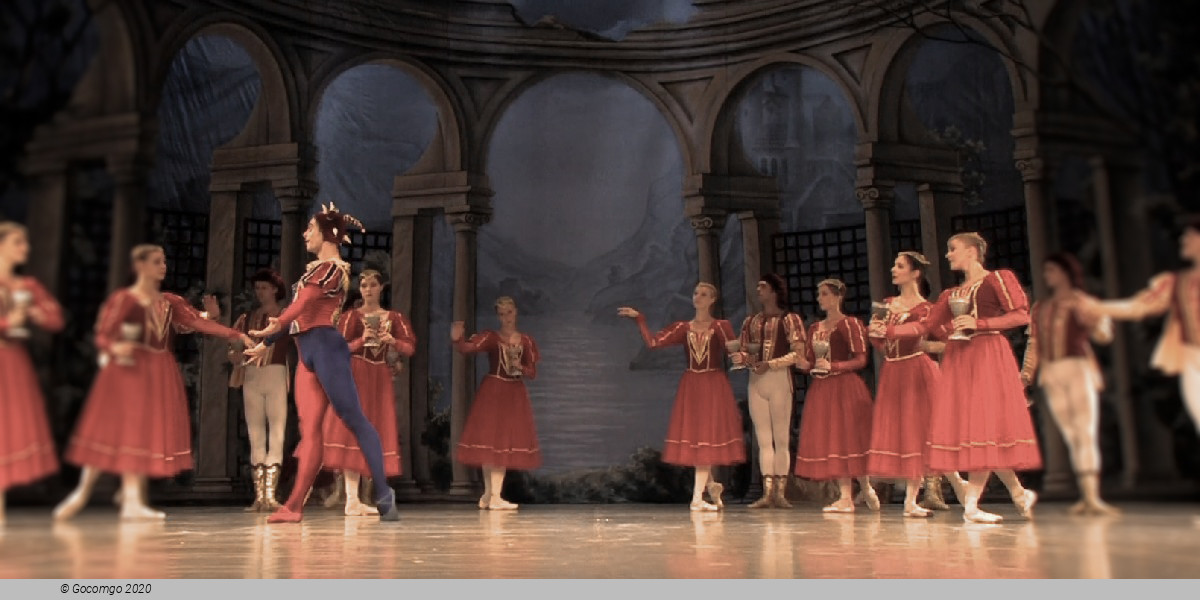
[Scène: Allegro giusto] Prince Siegfried is celebrating his birthday with his tutor, friends and peasants [Waltz]. The revelries are interrupted by Siegfried's mother, the Queen [Scène: Allegro moderato], who is concerned about her son's carefree lifestyle. She tells him that he must choose a bride at the royal ball the following evening (some productions include the presentation of some possible candidates). Siegfried is upset that he cannot marry for love. His friend Benno and the tutor try to lift his troubled mood. As evening falls [Sujet], Benno sees a flock of swans flying overhead and suggests they go on a hunt [Finale I]. Siegfried and his friends take their crossbows and set off in pursuit of the swans.

Act 2

A lakeside clearing in a forest by the ruins of a chapel. A moonlit night.

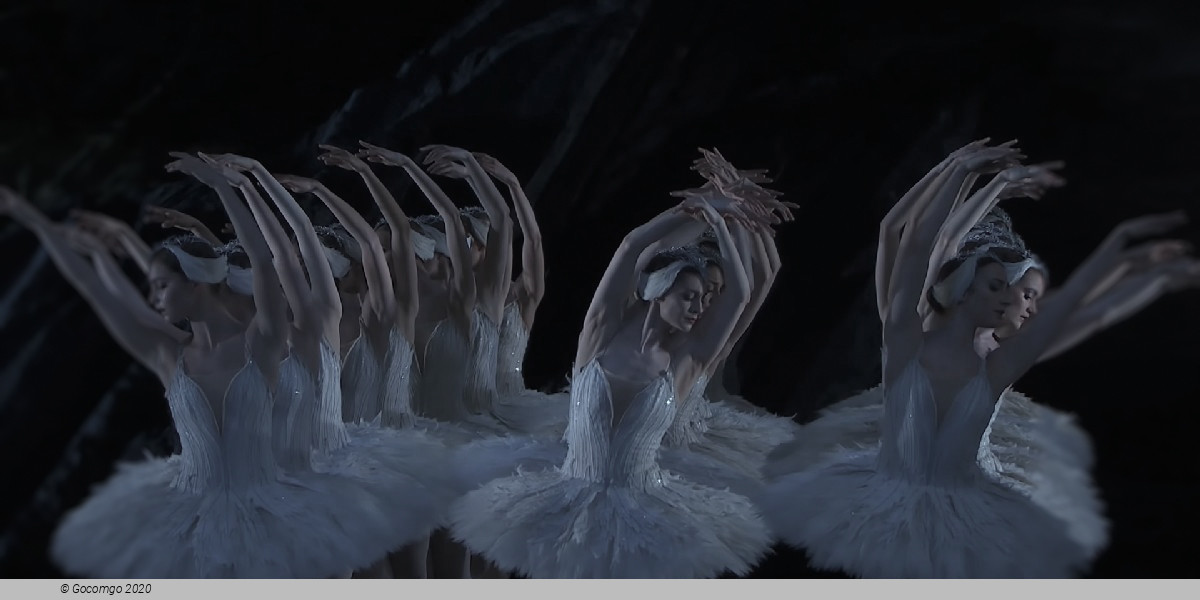
The "Valse des cygnes" from act 2 of the Ivanov/Petipa edition of Swan Lake
Siegfried has become separated from his friends. He arrives at the lakeside clearing, just as a flock of swans land [Scène. Moderato]. He aims his crossbow [Scène. Allegro moderato], but freezes when one of them transforms into a beautiful maiden, Odette [Scène. Moderato]. At first, she is terrified of Siegfried. When he promises not to harm her, she explains she and her companions are victims of a spell cast by the evil owl-like sorcerer Rothbart. By day they are turned into swans and only at night, by the side of the enchanted lake – created from the tears of Odette's mother – do they return to human form. The spell can only be broken if one who has never loved before swears to love Odette forever. Rothbart suddenly appears [Scène. Allegro vivo]. Siegfried threatens to kill him but Odette intercedes – if Rothbart dies before the spell is broken, it can never be undone.

As Rothbart disappears, the swan maidens fill the clearing [Scène: Allegro, Moderato assai quasi andante]. Siegfried breaks his crossbow, and sets about winning Odette's trust as the two fall in love. But as dawn arrives, the evil spell draws Odette and her companions back to the lake and they are turned into swans again.

Act 3

An opulent hall in the palace

Guests arrive at the palace for a costume ball. Six princesses are presented to the prince [Entrance of the Guests and Waltz], as candidates for marriage. Rothbart arrives in disguise [Scène: Allegro, Allegro giusto] with his daughter, Odile, who is transformed to look like Odette. Though the princesses try to attract the prince with their dances [Pas de six], Siegfried has eyes only for Odile. [Scène: Allegro, Tempo di valse, Allegro vivo] Odette appears (usually at the castle window) and attempts to warn Siegfried, but he does not see her. He then proclaims to the court that he will marry "Odette" (Odile) before Rothbart shows him a magical vision of Odette. Grief-stricken and realizing his mistake, Siegfried hurries back to the lake.

Act 4

By the lakeside

Odette is distraught. The swan-maidens try to comfort her. Siegfried returns to the lake and makes a passionate apology. She forgives him, but his betrayal cannot be undone. Rather than remain a swan forever, Odette chooses to die. Siegfried chooses to die with her and they leap into the lake. This breaks Rothbart's spell over the swan maidens, causing him to lose his power over them and he dies. In an apotheosis, the swan maidens watch as Siegfried and Odette ascend into the Heavens together, forever united in love.


Venue Info

Teatro Filarmonico - Verona
Location   Via Roma 4

The Teatro Filarmonico is the main opera theater in Verona, Italy, and is one of the leading Opera Houses in Europe. The Teatro Filarmonico is property of the Accademia Filarmonica di Verona. Having been built in 1716, and later rebuilt after a fire of January 21, 1749, and again after the allied bombing of February 23, 1945.

Verona needed an opera house, so the Accademia Filarmonica di Verona decided in the early 18th century to build a theatre worthy and large. Work began in 1716 and lasted 13 years. Finally, inauguration was on the evening of January 6, 1732, with the pastoral drama La fida ninfa by Antonio Vivaldi, a libretto by Scipio Maffei. The opera season became famous, and the performances led society events. But on January 21, 1749, fire eventually spread in the theatre. Rebuilt, the theater was re-dedicated in 1754 with the opera Lucio Vero by Neapolitan composer Davide Perez. The opera had a limited success. Corsican in the 18th century, during the French invasion, a long series of celebrations were held in the theater, such as the Cantata per la Santa Alleanza ("Cantata for the Holy Alliance") of Gioachino Rossini. The theater hosted international singers, and among its repertoire appear the most famous works of Italian and foreign melodrama.

On the tragic night of February 23, 1945, the theater collapsed under the Anglo-American bombing. The Academy Philharmonic announced that it would try to rebuild the theatre exactly as it had been before. The proceedings lasted a long time: the theatre was inaugurated again in 1975, with the opera Falstaff by Antonio Salieri.

The theatre still hosts opera, ballets and concerts seasons. The operatic repertoire is one of the most famous for Italian operas and international (La sonnambula, The Barber of Seville, Tosca ...) and the works of non-repertoire (A day of the kingdom, Manon Lescaut of Auber, Loreley of Catalani ...).

Important Info
Type: Ballet
City: Verona, Italy
Starts at: 15:30
Intervals: 1
Duration: 2h 45min
Top of page