Teatro Alighieri 7 November 2019 - Carmen | GoComGo.com

Carmen

Teatro Alighieri, Ravenna, Italy
All photos (17)
Select date and time
8:30 PM
Request for Tickets
Important Info
Type: Opera
City: Ravenna, Italy
Starts at: 20:30

E-tickets: Print at home or at the box office of the event if so specified. You will find more information in your booking confirmation email.

You can only select the category, and not the exact seats.
If you order 2 or 3 tickets: your seats will be next to each other.
If you order 4 or more tickets: your seats will be next to each other, or, if this is not possible, we will provide a combination of groups of seats (at least in pairs, for example 2+2 or 2+3).

Festival

Ravenna Festival 2019

Ravenna is located on north central Italy, in Emilia-Romagna County. The city holds two music and opera festivals. The first and the longer one  takes place between mid June till mid July and the second  the shorter one is held in November.

Overview

Autumn Trilogy

DanzActori Trilogia d’Autunno

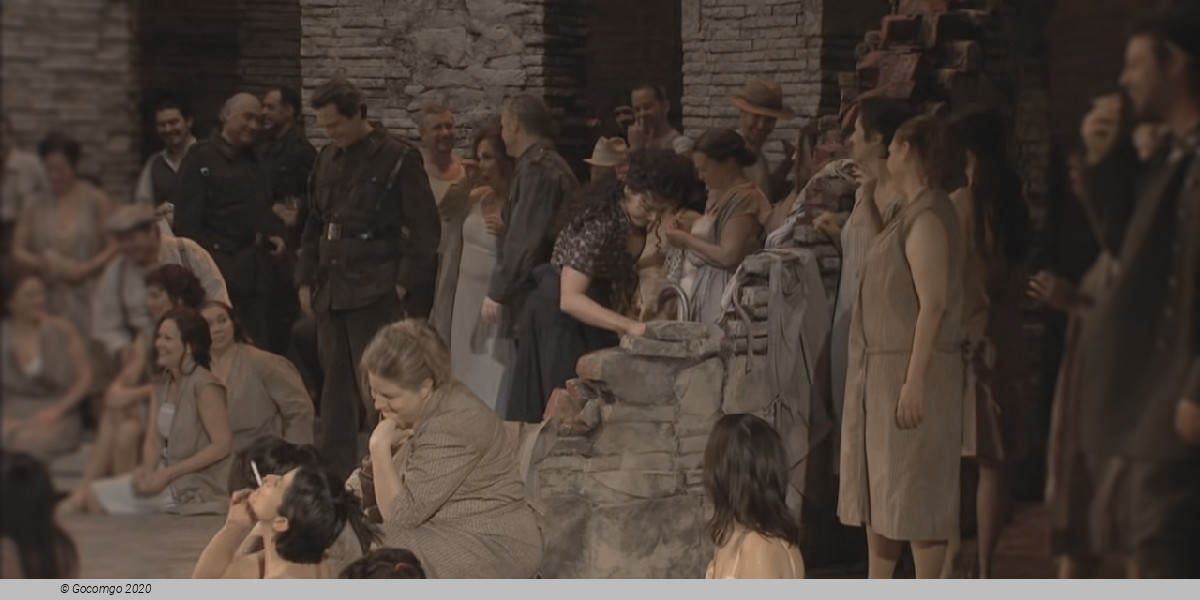
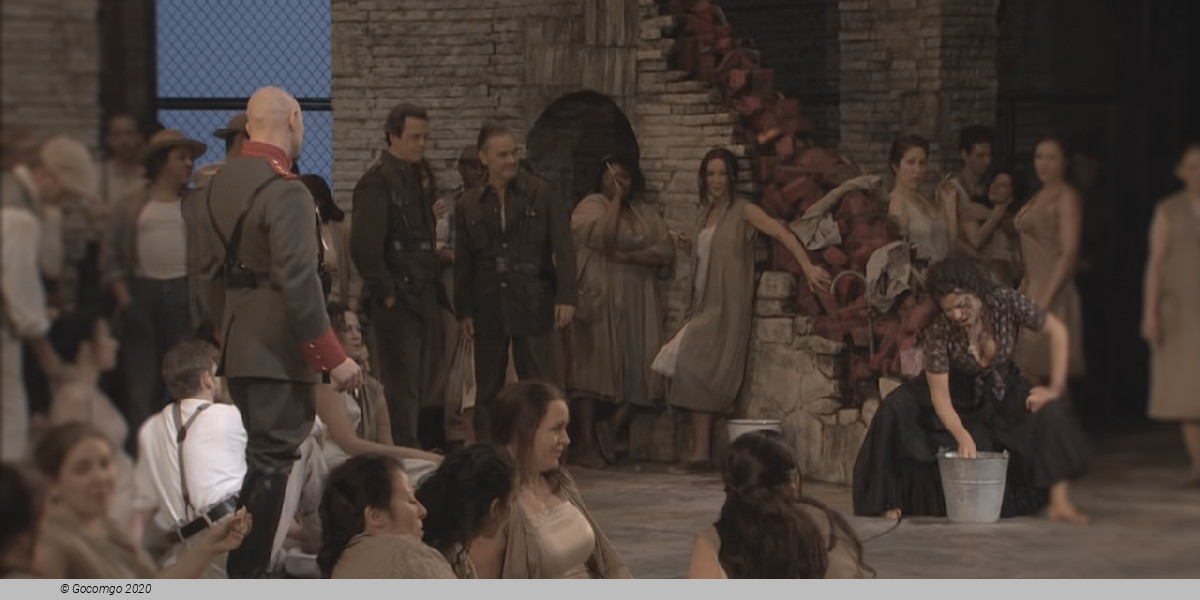
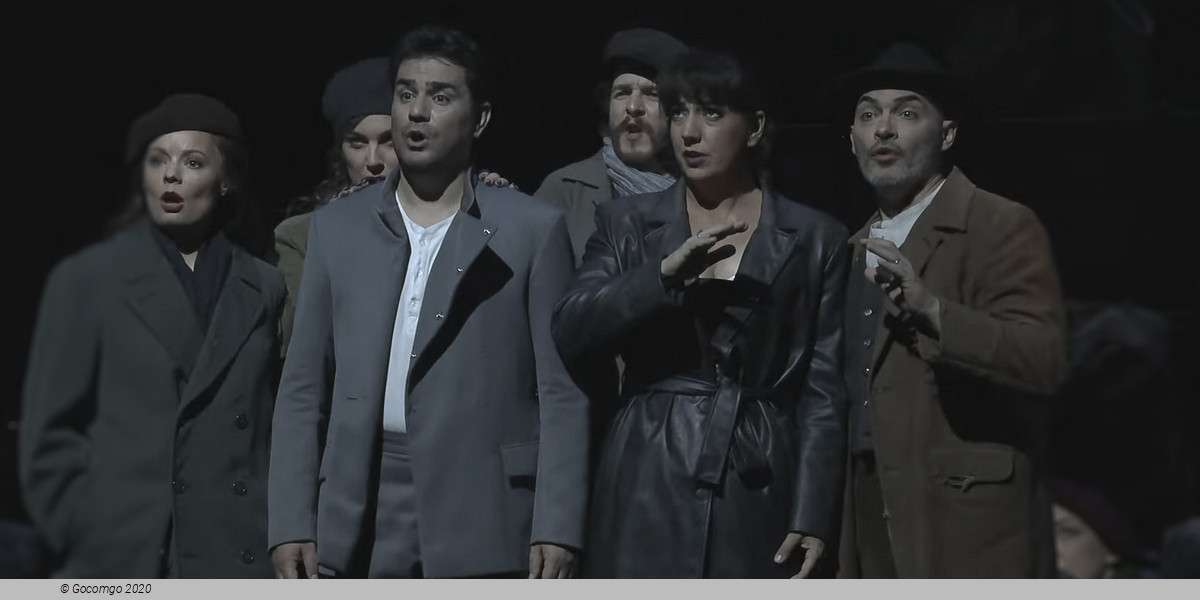
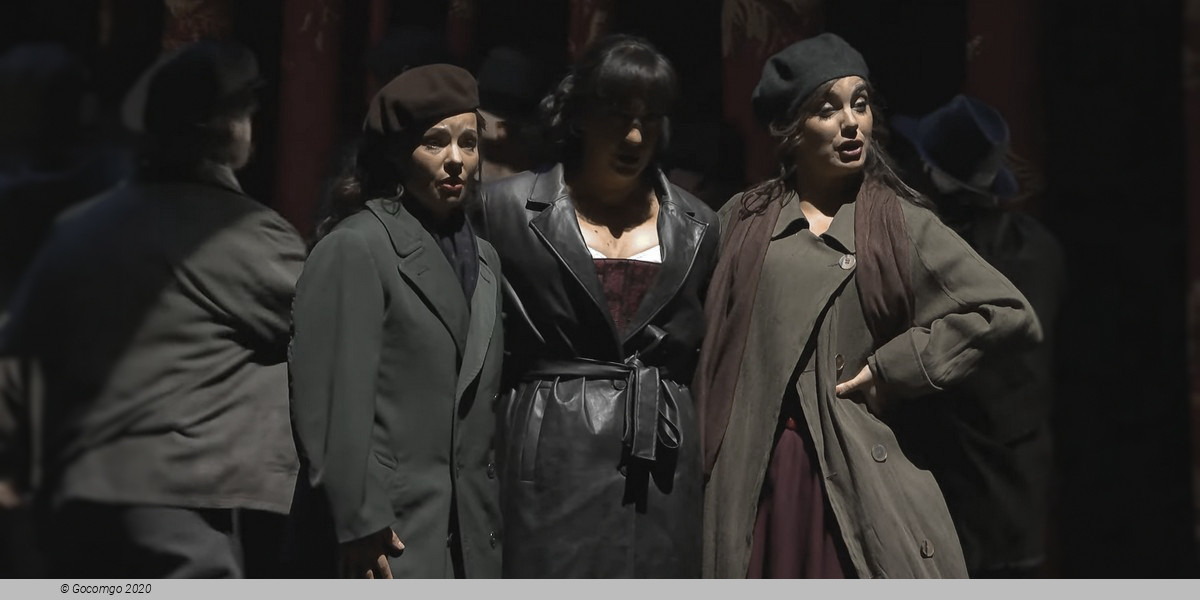
Three extraordinary women, three different styles, three unmistakable moments of a century: Bellini’s Norma (1831), the greatest example of the belcanto style, is followed by Verdi’s Aida (1871), the heart of XIX-century melodrama. Then, a mere four years later, the new atmosphere that had led Verdi to retreat into a long period of silence began to take shape with Bizet’s masterpiece, Carmen, whose irresistible drive anticipated the sentimental realism of Verismo. In an unexpected game of cross-references, Bellini’s nuances now penetrate Verdi’s score, which in its turn anticipates some future trends, bringing together three women who, carried by faith, love, and freedom, claimed their absolute right to choose a destiny of death.

The format of the Autumn Trilogy is now tried and tested, alternating three different operas on the same stage on consecutive nights. The theatrical machine assembles a scene and then pulls it apart, transforms it, renews it, playing with the inventiveness and creativity of an effective mix of young talents, experienced craftsmen and cutting-edge technology. Three original productions will bring three legendary opera characters to life: if the drama of Norma comes alive amid bulky and eloquent metaphysical symbols, surrounded by shadows and ghosts, the story of Aida is bathed in an evocative, magniloquent, ever-changing series of virtual image

Carmen is a novella by Prosper Mérimée, written and first published in 1845. It has been adapted into a number of dramatic works, including the famous opera of the same name by Georges Bizet.

According to a letter Mérimée wrote to the Countess of Montijo, Carmen was inspired by a story she told him on his visit to Spain in 1830. He said, "It was about that ruffian from Málaga who had killed his mistress, who consecrated herself exclusively to the public. ... As I have been studying the Gypsies for some time, I have made my heroine a Gypsy."

An important source for the material on the Romani people (Gypsies) was George Borrow's book The Zincali (1841). Another source may have been the narrative poem The Gypsies (1824) by Alexander Pushkin, which Mérimée would later translate into French prose (Briggs 2008).

Plot summary
The novella comprises four parts. Only the first three appeared in the original publication in the October 1, 1845, issue of the Revue des deux Mondes (Review of the Two Worlds (Robinson 1992); the fourth first appeared in the book publication in 1846. Mérimée tells the story as if it had really happened to him on his trip to Spain in 1830.

Part I. While searching for the site of the Battle of Munda in a lonely spot in Andalusia, the author meets a man who his guide hints is a dangerous robber. Instead of fleeing, the author befriends the man by sharing cigars and food. They stay in the same primitive inn that night. The guide tells the author that the man is the robber known as Don José Navarro and leaves to turn him in, but the author warns Don José, who escapes.

Part II. Later, in Córdoba, the author meets Carmen, a beautiful Romani woman who is fascinated by his repeating watch. He goes to her home so she can tell his fortune, and she impresses him with her occult knowledge. They are interrupted by Don José, and although Carmen makes throat-cutting gestures, José escorts the author out. The author finds his watch is missing.

Some months later, again in Córdoba, a friend of the author's tells him that Don José Navarro is to be garrotted the next day. The author visits the prisoner and hears the story of his life.

Part III. The robber's real name is José Lizarrabengoa, and he is a Basque hidalgo from Navarre. He killed a man in a fight resulting from a game of paume (presumably some form of Basque pelota) and had to flee. In Seville he joined a unit of dragoons, soldiers with police functions.

One day he met Carmen, then working in the cigar factory he was guarding. As he alone in his unit ignored her, she teased him. A few hours later, he arrested her for cutting x's in a co-worker's face in a quarrel. She convinced him by speaking Basque that she was half Basque, and he let her go, for which he was imprisoned for a month and demoted.

After his release, he encountered her again and she repaid him with a day of bliss, followed by another when he allowed her fellow smugglers to pass his post. He looked for her at the house of one of her Romani friends, but she entered with his lieutenant. In the ensuing fight, José killed the lieutenant. He fled to Carmen's outlaw band.

With the outlaws, he progressed from smuggling to robbery, and was sometimes with Carmen but suffered from jealousy as she used her attractions to further the band's enterprises; he also learned that she was married. After her husband joined the band, José provoked a knife fight with him and killed him. Carmen became José's wife.

However, she told him she loved him less than before, and she became attracted to a successful young picador named Lucas. José, mad with jealousy, begged her to forsake other men and live with him; they could start an honest life in America. She said that she knew from omens that he was fated to kill her, but "Carmen will always be free," and as she now hated herself for having loved him, she would never give in to him. He stabbed her to death and then turned himself in. Don José ends his tale by saying that the Romani are to blame for the way they raised Carmen.

Part IV. This part consists of scholarly remarks on the Romani: their appearance, their customs, their conjectured history, and their language. According to Henri Martineau, editor of a collection of Mérimée's fiction, the etymologies at the end are "extremely suspect".

Differences from the opera
As the above summary and that of Bizet's opera indicate, the opera is based on part III of the story only and omits many elements, such as Carmen's husband. It greatly increases the role of other characters, such as the Dancaïre, who is only a minor character in the story; the Remendado, who one page after he is introduced is wounded by soldiers and then shot by Carmen's husband to keep him from slowing the gang down; and Lucas (renamed Escamillo and promoted to matador), who is seen only in the bull ring in the story. The opera's female singing roles other than Carmen—Micaëla, Frasquita, and Mercédès—have no counterparts in the novella. Carmen knows her fate not from reading cards but from interpreting such omens as a hare running between José's horse's legs.


History
Premiere of this production: 03 March 1875, Opéra-Comique, Paris

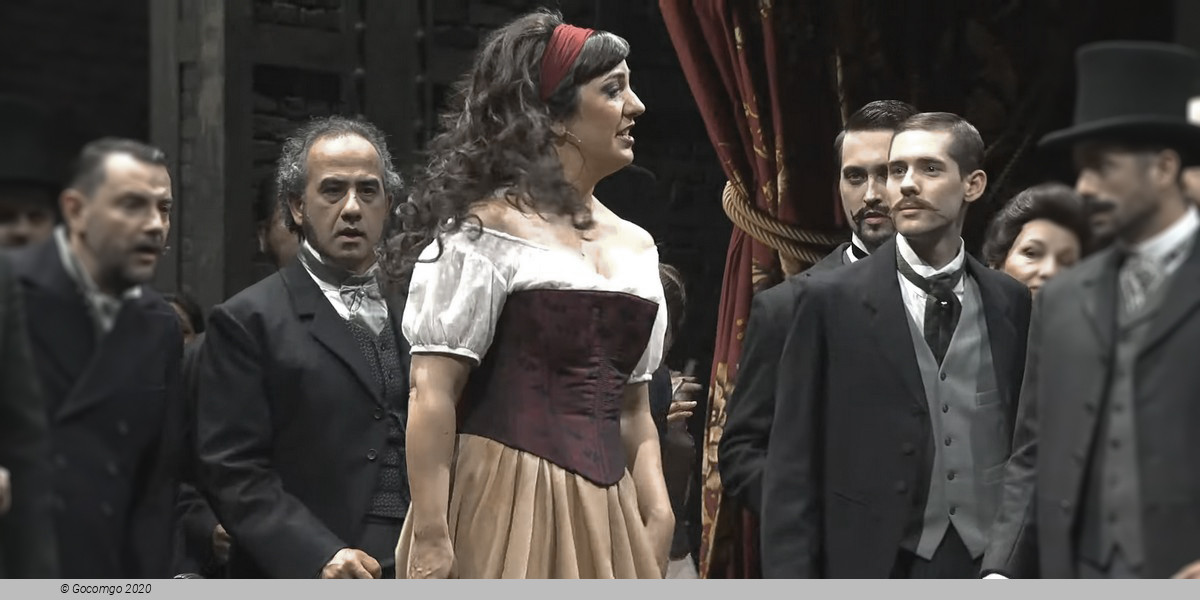
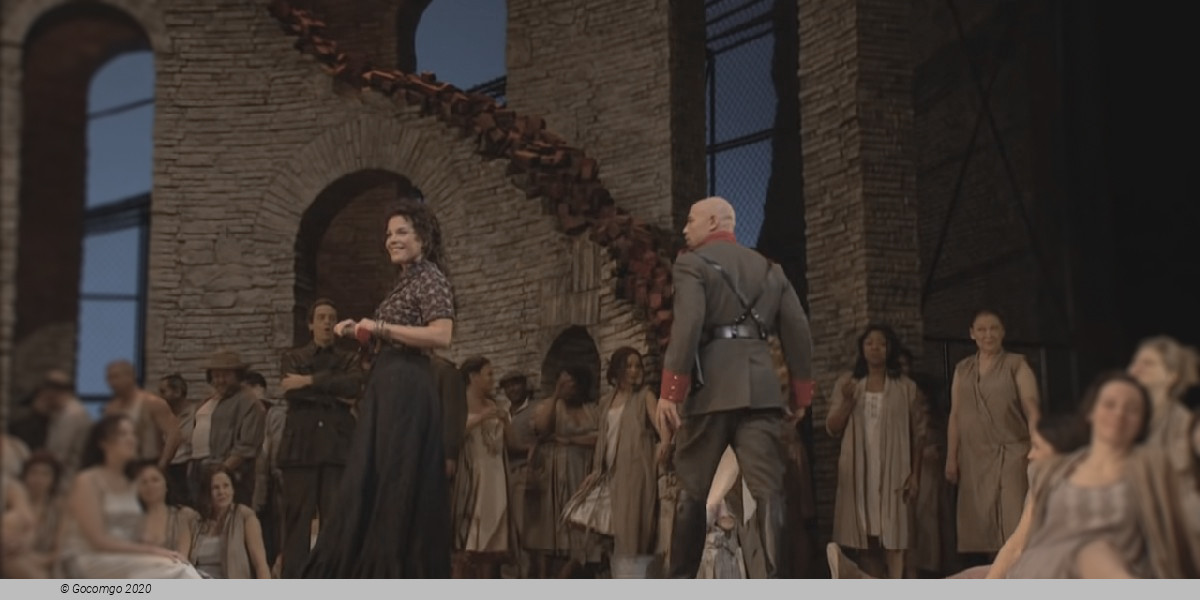
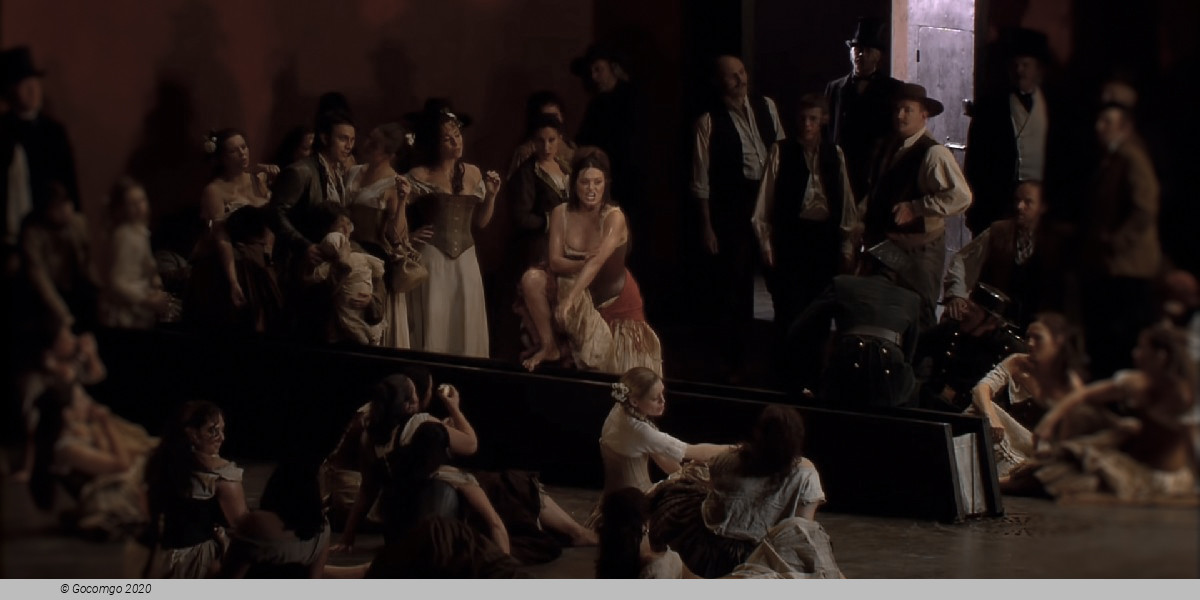
Carmen is an opera in four acts by French composer Georges Bizet. The libretto was written by Henri Meilhac and Ludovic Halévy, based on a novella of the same title by Prosper Mérimée. The opera was first performed by the Opéra-Comique in Paris on 3 March 1875, where its breaking of conventions shocked and scandalized its first audiences.

Synopsis

Place: Seville, Spain, and surrounding hills
Time: Around 1820

Act 1

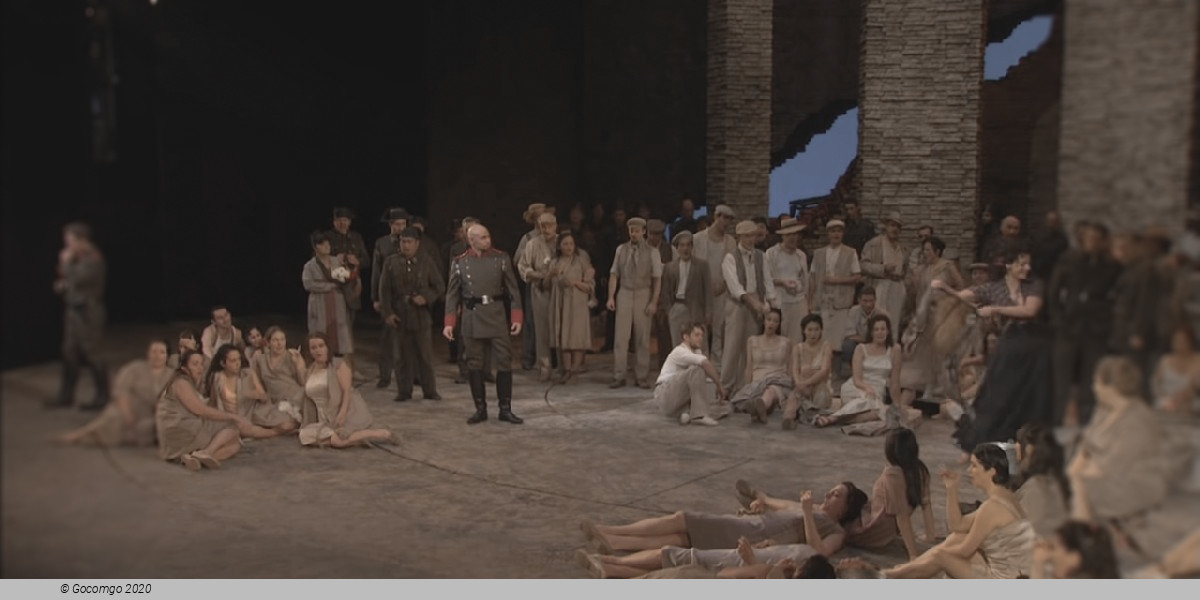
A square, in Seville. On the right, a door to the tobacco factory. At the back, a bridge. On the left, a guardhouse.

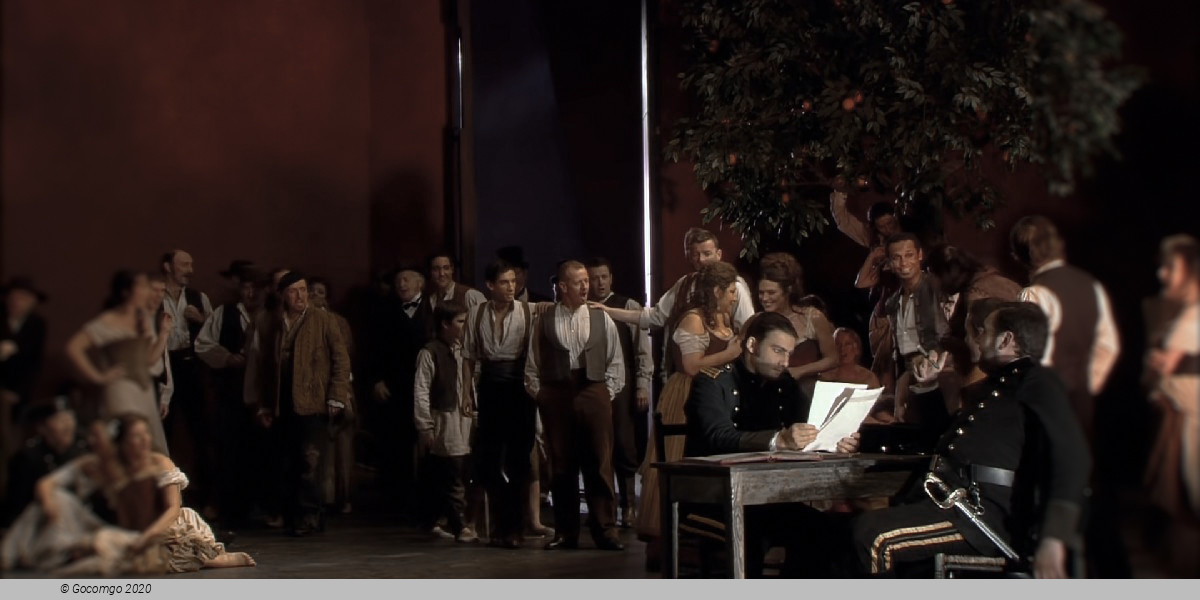
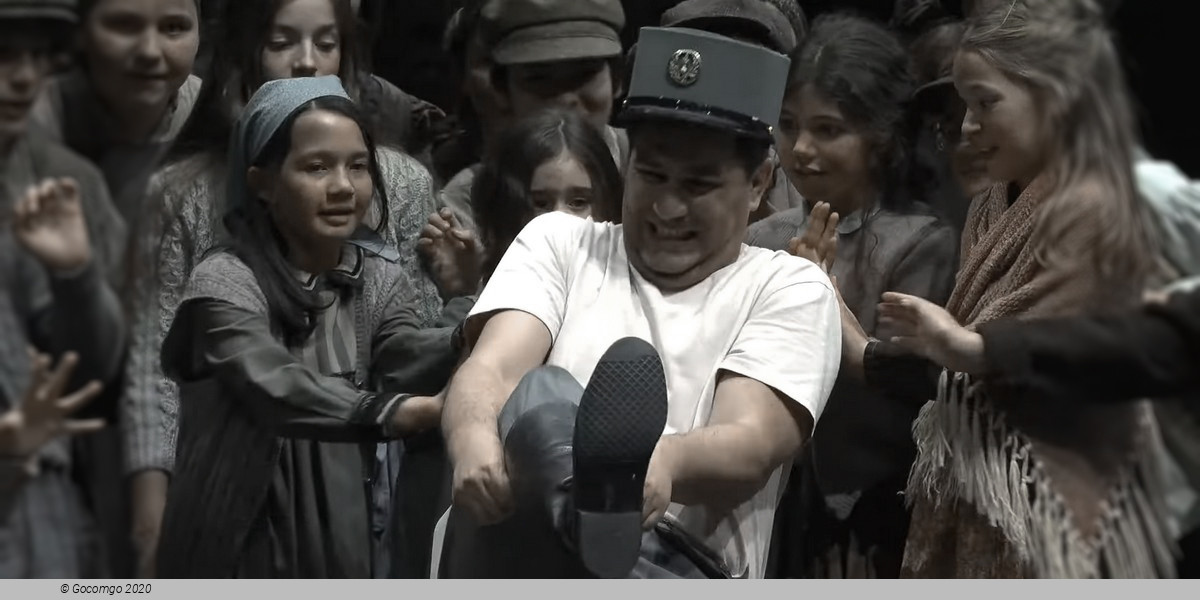
A group of soldiers relaxes in the square, waiting for the changing of the guard and commenting on the passers-by ("Sur la place, chacun passe"). Micaëla appears, seeking José. Moralès tells her that "José is not yet on duty" and invites her to wait with them. She declines, saying she will return later. José arrives with the new guard, who is greeted and imitated by a crowd of urchins ("Avec la garde montante").

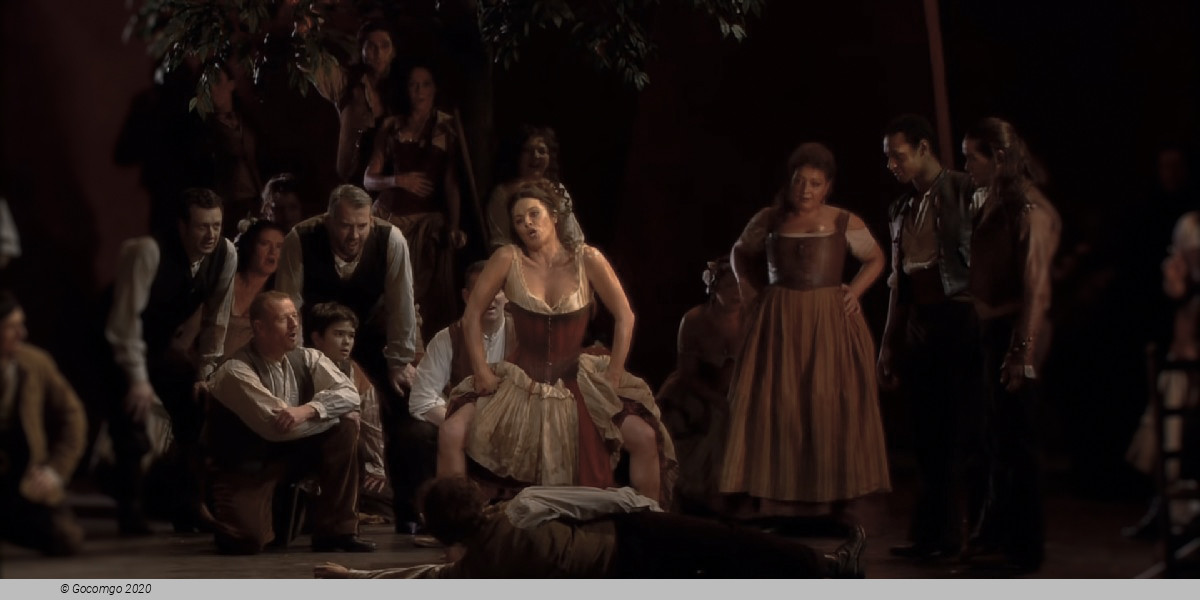
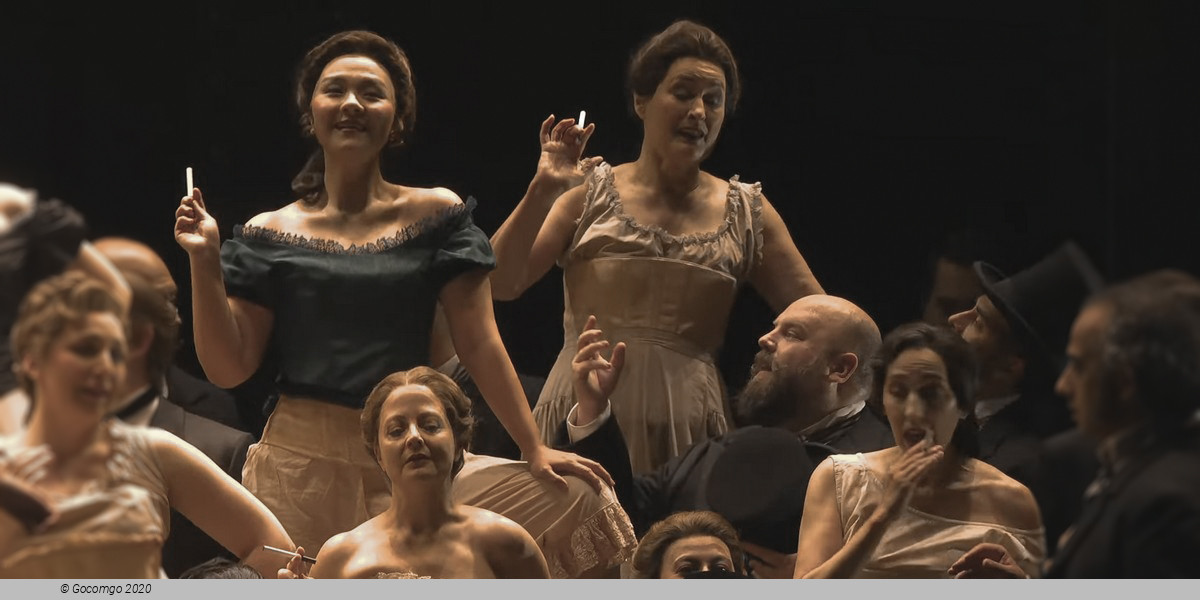
As the factory bell rings, the cigarette girls emerge and exchange banter with young men in the crowd ("La cloche a sonné"). Carmen enters and sings her provocative habanera on the untameable nature of love ("L'amour est un oiseau rebelle"). The men plead with her to choose a lover, and after some teasing she throws a flower to Don José, who thus far has been ignoring her but is now annoyed by her insolence.

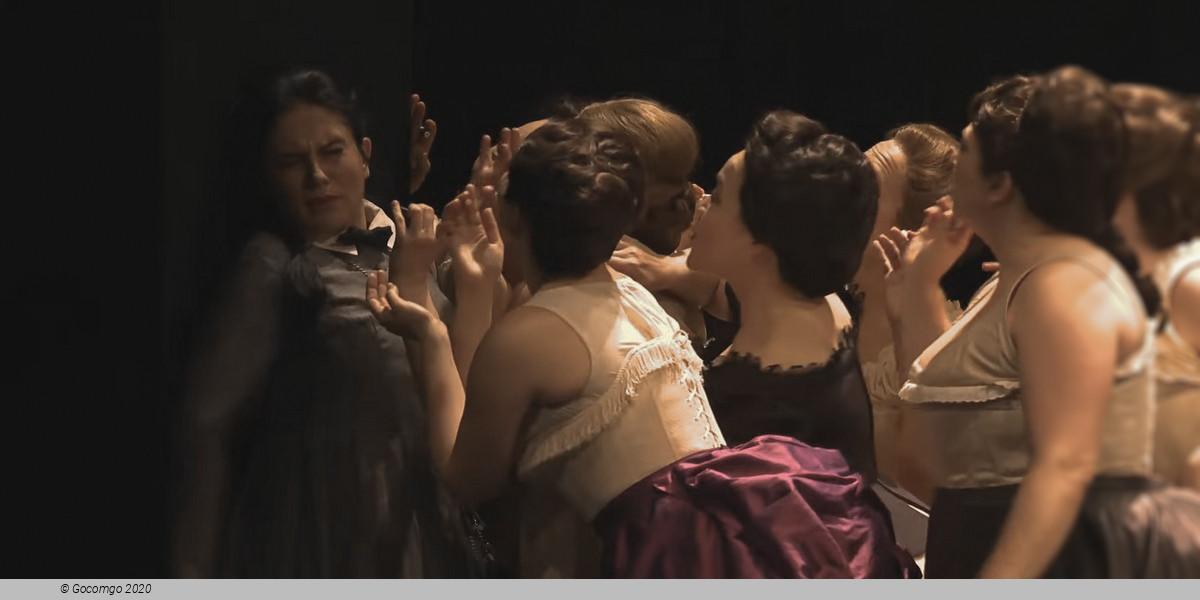
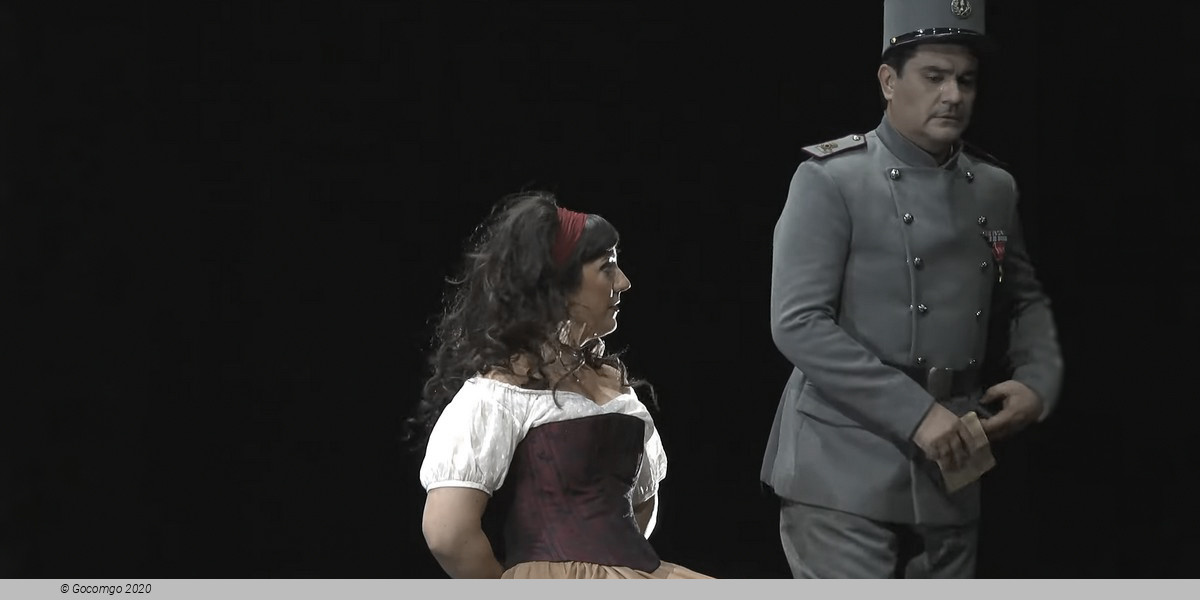
As the women go back to the factory, Micaëla returns and gives José a letter and a kiss from his mother ("Parle-moi de ma mère!"). He reads that his mother wants him to return home and marry Micaëla, who retreats in shy embarrassment on learning this. Just as José declares that he is ready to heed his mother's wishes, the women stream from the factory in great agitation. Zuniga, the officer of the guard, learns that Carmen has attacked a woman with a knife. When challenged, Carmen answers with mocking defiance ("Tra la la... Coupe-moi, brûle-moi"); Zuniga orders José to tie her hands while he prepares the prison warrant. Left alone with José, Carmen beguiles him with a seguidilla, in which she sings of a night of dancing and passion with her lover—whoever that may be—in Lillas Pastia's tavern. Confused yet mesmerised, José agrees to free her hands; as she is led away she pushes her escort to the ground and runs off laughing. José is arrested for dereliction of duty.

Act 2

Lillas Pastia's Inn

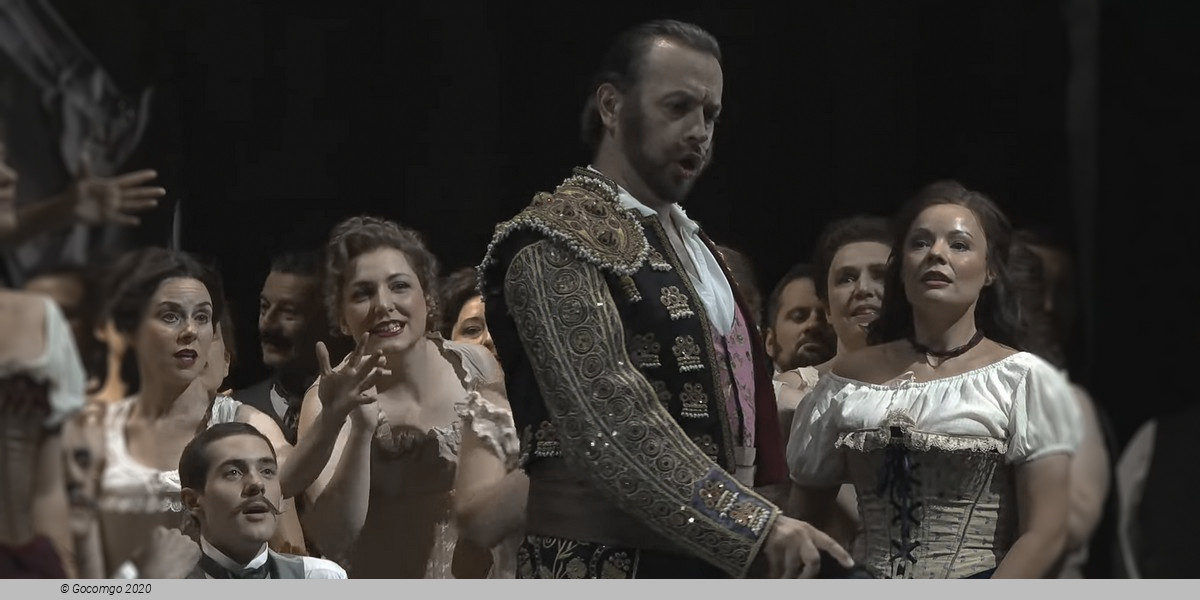
Two months have passed. Carmen and her friends Frasquita and Mercédès are entertaining Zuniga and other officers ("Les tringles des sistres tintaient") in Pastia's inn. Carmen is delighted to learn of José's release from two months' detention. Outside, a chorus and procession announces the arrival of the toreador Escamillo ("Vivat, vivat le Toréro"). Invited inside, he introduces himself with the "Toreador Song" ("Votre toast, je peux vous le rendre") and sets his sights on Carmen, who brushes him aside. Lillas Pastia hustles the crowds and the soldiers away.

When only Carmen, Frasquita and Mercédès remain, smugglers Dancaïre and Remendado arrive and reveal their plans to dispose of some recently acquired contraband ("Nous avons en tête une affaire"). Frasquita and Mercédès are keen to help them, but Carmen refuses, since she wishes to wait for José. After the smugglers leave, José arrives. Carmen treats him to a private exotic dance ("Je vais danser en votre honneur ... La la la"), but her song is joined by a distant bugle call from the barracks. When José says he must return to duty, she mocks him, and he answers by showing her the flower that she threw to him in the square ("La fleur que tu m'avais jetée"). Unconvinced, Carmen demands he show his love by leaving with her. José refuses to desert, but as he prepares to depart, Zuniga enters looking for Carmen. He and José fight, and are separated by the returning smugglers, who restrain Zuniga. Having attacked a superior officer, José now has no choice but to join Carmen and the smugglers ("Suis-nous à travers la campagne").

Act 3

A wild spot in the mountains

Carmen and José enter with the smugglers and their booty ("Écoute, écoute, compagnons"); Carmen has now become bored with José and tells him scornfully that he should go back to his mother. Frasquita and Mercédès amuse themselves by reading their fortunes from the cards; Carmen joins them and finds that the cards are foretelling her death, and José's. The women depart to suborn the customs officers who are watching the locality. José is placed on guard duty.

Micaëla enters with a guide, seeking José and determined to rescue him from Carmen ("Je dis que rien ne m'épouvante"). On hearing a gunshot she hides in fear; it is José, who has fired at an intruder who proves to be Escamillo. José's pleasure at meeting the bullfighter turns to anger when Escamillo declares his infatuation with Carmen. The pair fight ("Je suis Escamillo, toréro de Grenade"), but are interrupted by the returning smugglers and girls ("Holà, holà José"). As Escamillo leaves he invites everyone to his next bullfight in Seville. Micaëla is discovered; at first, José will not leave with her despite Carmen's mockery, but he agrees to go when told that his mother is dying. As he departs, vowing he will return, Escamillo is heard in the distance, singing the toreador's song.

Act 4

A square in Seville. At the back, the walls of an ancient amphitheatre

Zuniga, Frasquita and Mercédès are among the crowd awaiting the arrival of the bullfighters ("Les voici ! Voici la quadrille!"). Escamillo enters with Carmen, and they express their mutual love ("Si tu m'aimes, Carmen"). As Escamillo goes into the arena, Frasquita and Mercedes warn Carmen that José is nearby, but Carmen is unafraid and willing to speak to him. Alone, she is confronted by the desperate José ("C'est toi ! C'est moi !"). While he pleads vainly for her to return to him, cheers are heard from the arena. As José makes his last entreaty, Carmen contemptuously throws down the ring he gave her and attempts to enter the arena. He then stabs her, and as Escamillo is acclaimed by the crowds, Carmen dies. José kneels and sings "Ah! Carmen! ma Carmen adorée!"; as the crowd exits the arena, José confesses to killing the woman he loved.

Venue Info

Teatro Alighieri - Ravenna
Location   Via Angelo Mariani, 2

The Teatro Comunale Alighieri is an opera house located at 2 Via Mariani in Ravenna, Italy and designed by the Venetian architects, Tommaso Meduna and his brother, Giambattista who had designed the second La Fenice theatre after the fire of 1836 . The new Teatro Comunale Alighieri was inaugurated on 15 May 1852 with a production of Meyerbeer's Robert le diable, followed by Giovanni Pacini's Medea. It presently offers a program of up to six operas during the season which runs from November to April.

Early nineteenth century: after more than one hundred years of life the Communicative Theatre, made entirely out of wood, was collapsing and the Public Administration decided to build a new facility. The first step was to identify an adequate area: Piazzetta Degli Svizzeri, a squalid square surrounded by slums but placed at the very heart of the city, was the chosen place. In 1838, the project was entrusted to two architects from Veneto, the brothers Tomaso and Giovan Batista Maduna. The former had ministered to the restauration of La Fenice, the most famous theatre in Venice, which had been partially destroyed by a fire. Tomaso Meduna also signed the project of the first railway bridge connecting Venice to the mainland. Under the lead of the two architects, the building which resulted was a neoclassical structure very similar to the Venetian theatre. The apostolic delegate Monsignor Stefano Rossi suggested to dedicate the theatre to Dante Alighieri. The official opening ceremony took place on May 15th 1852 with “Roberto il diavolo” by Giacomo Meyerbeer and the ballets “La Zingara” and “La finta sonnambula” with the étoile Augusta Maywood.

Across almost two centuries of life orchestra pit, stage, and parterre have hosted personalities from all around the world, which makes it impossible to list them all here. However, two curiosities can be mentioned: Benedetto Croce and his partner, Angelina Zampanelli, attended a recital by Ermete Zacconi in 1899. Few years later, on May 27th 1902, Gabriele D’Annunzio and Eleonora Duse came to see “Tristano e Isotta”. On that night all the box office revenues were donated to the Civil Hospital and the Vate offered 100 lire, while a seat in parterre costed 4 lire.

In 1959, the Theatre was closed for restoring. It opened again eight years later, when it began the quality journey that has brought it to the present international notoriety. On February 10th 2004, the “Ridotto” was dedicated to Arcangelo Corelli on the 350th anniversary of his birth in Fusignano.

Important Info
Type: Opera
City: Ravenna, Italy
Starts at: 20:30
Top of page