
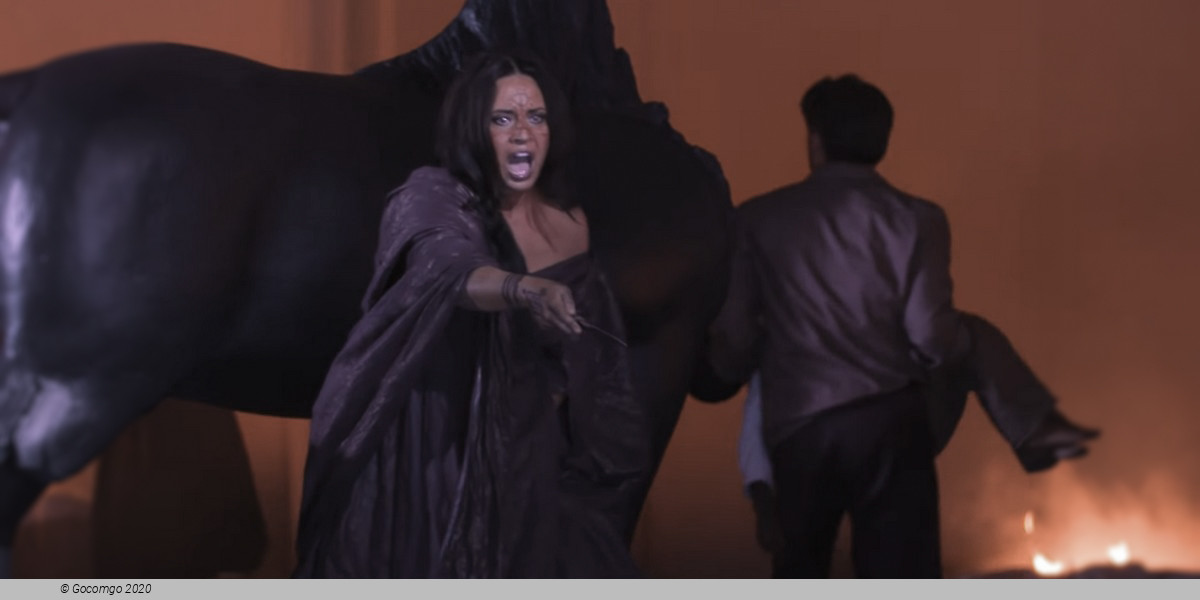
Staatsoper Unter den Linden (Berlin State Opera) 1 December 2023 - Medea | GoComGo.com

Medea

Staatsoper Unter den Linden (Berlin State Opera), Staatsoper Unter den Linden, Berlin, Germany
All photos (8)
Select date and time
7 PM

E-tickets: Print at home or at the box office of the event if so specified. You will find more information in your booking confirmation email.

You can only select the category, and not the exact seats.
If you order 2 or 3 tickets: your seats will be next to each other.
If you order 4 or more tickets: your seats will be next to each other, or, if this is not possible, we will provide a combination of groups of seats (at least in pairs, for example 2+2 or 2+3).

Important Info
Type: Opera
City: Berlin, Germany
Starts at: 19:00
Acts: 3
Intervals: 1
Duration: 2h 45min
Sung in: French
Titles in: German,English

E-tickets: Print at home or at the box office of the event if so specified. You will find more information in your booking confirmation email.

You can only select the category, and not the exact seats.
If you order 2 or 3 tickets: your seats will be next to each other.
If you order 4 or more tickets: your seats will be next to each other, or, if this is not possible, we will provide a combination of groups of seats (at least in pairs, for example 2+2 or 2+3).

Overview

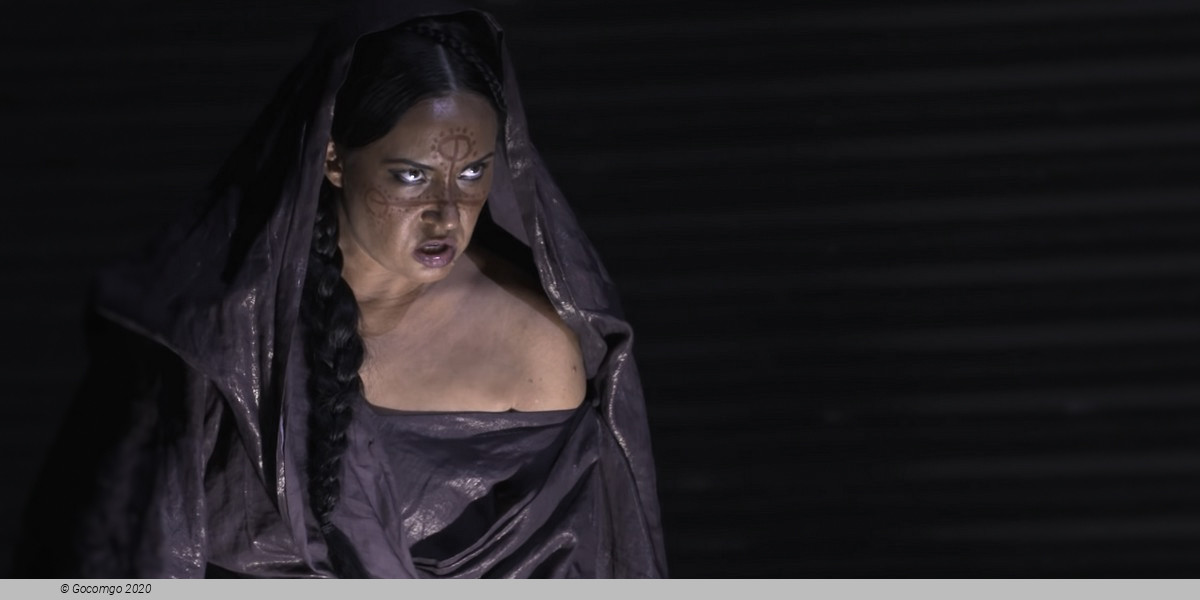
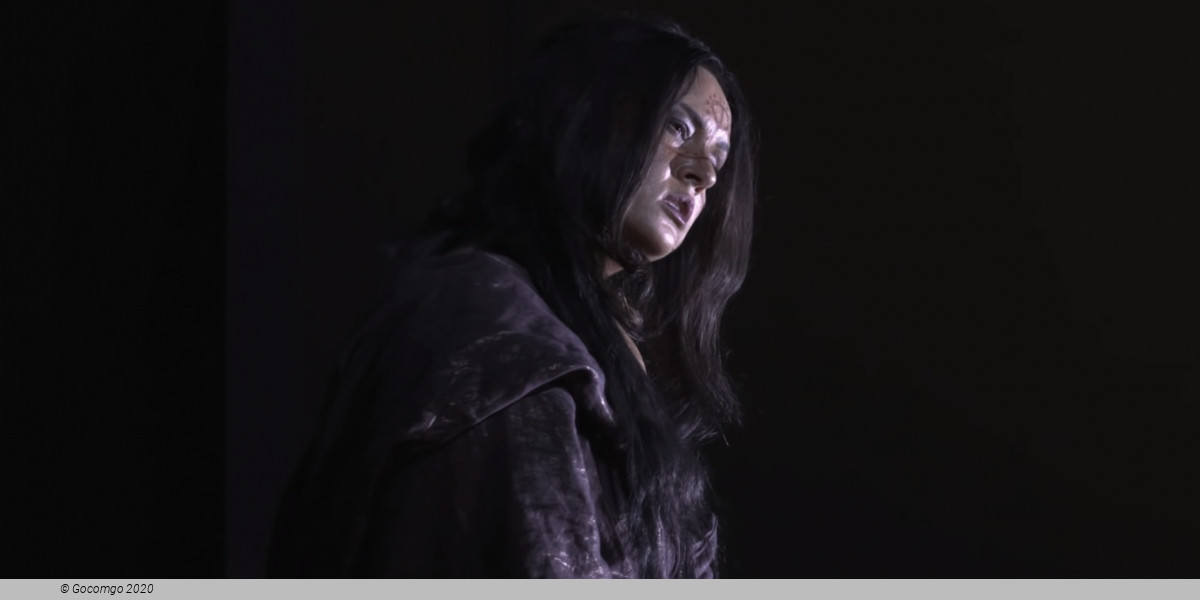
Medea is an ancient myth that is remarkably topical. The protagonist comes from the periphery of the known world and is a visible stranger in a civilised country; she disturbs peace and order, and becomes a hateful, avenging angel of death and destruction. Since the period of the ancient tragic poets, the material of Medea, Jason, and the Golden Fleece has often been staged in both opera houses and theatres alike, including around 1800 in Paris.

The native Florentine Luigi Cherubini came to the French metropolis in the 1780s to make his mark as an operatic composer. With his "Medée" of 1797, he achieved considerable success, which carried over into the following century. The dramatic intensification of Maria Callas’ performance in the 1950s brought new attention to the work. Cherubini, who remained in Paris and became one of the most prominent composers of his time, was inspired by the ancient tragic operas written by Gluck to create this work of profound seriousness and epic expression. The opera features significant scenes for the protagonist, skilfully composed choral and ensemble movements, and atmospheric introductions to each of the three acts. However, once Medea appears, the eponymous heroine takes centre stage as a captivating presence.

History
Premiere of this production: 13 March 1797, Théâtre Feydeau, Paris

Médée - French language opéra-comique by Luigi Cherubini. Libretto by François-Benoît Hoffman (Nicolas Étienne Framéry) was based on Euripides' tragedy of Medea and Pierre Corneille"Médée". It is set in the ancient city of Corinth.

Synopsis

Place: Corinth
Time: Antiquity

Act 1
Outside the palace of King Créon

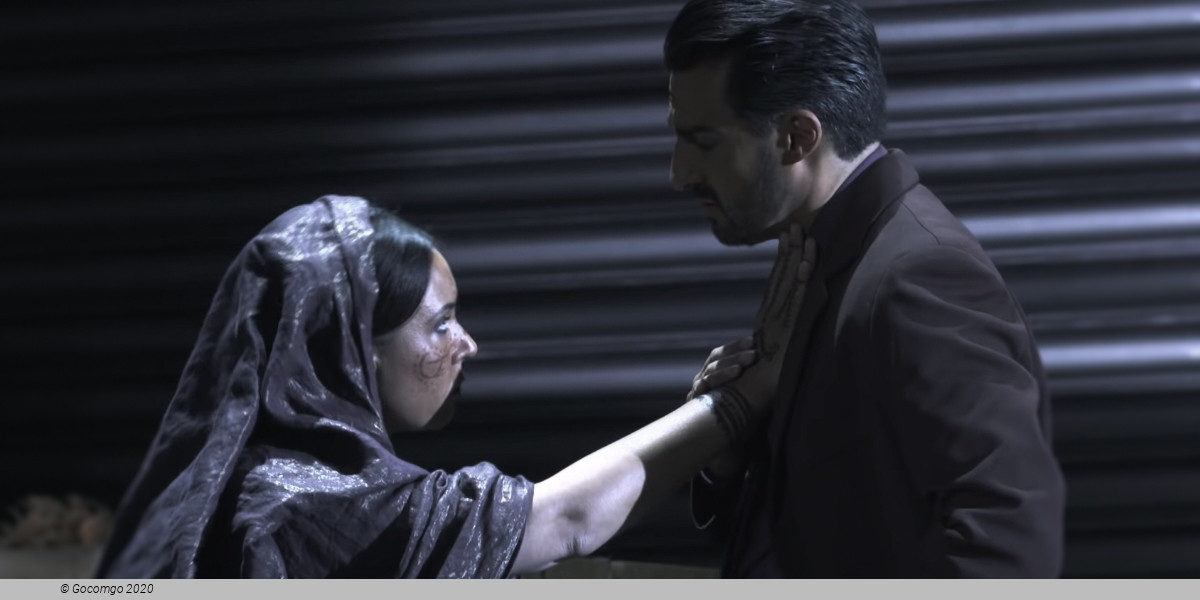
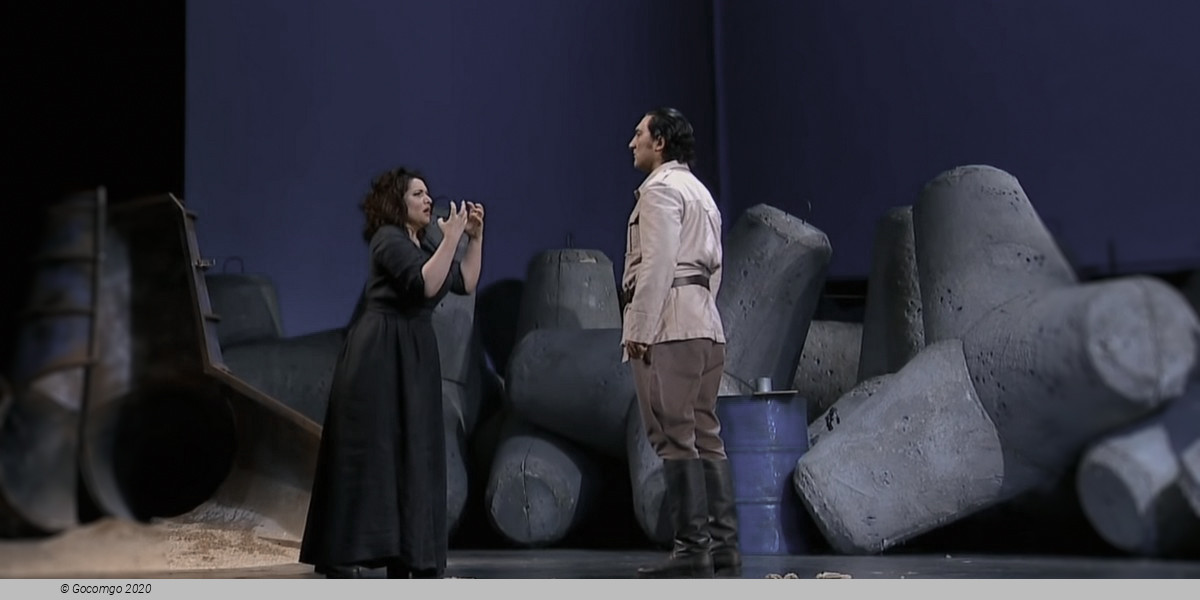
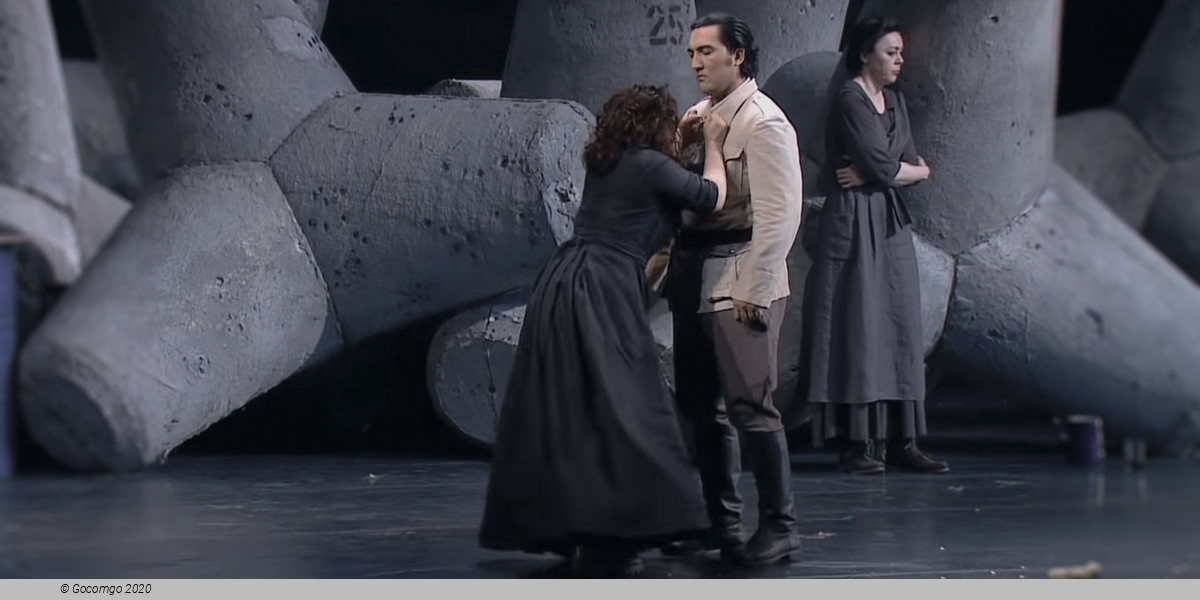
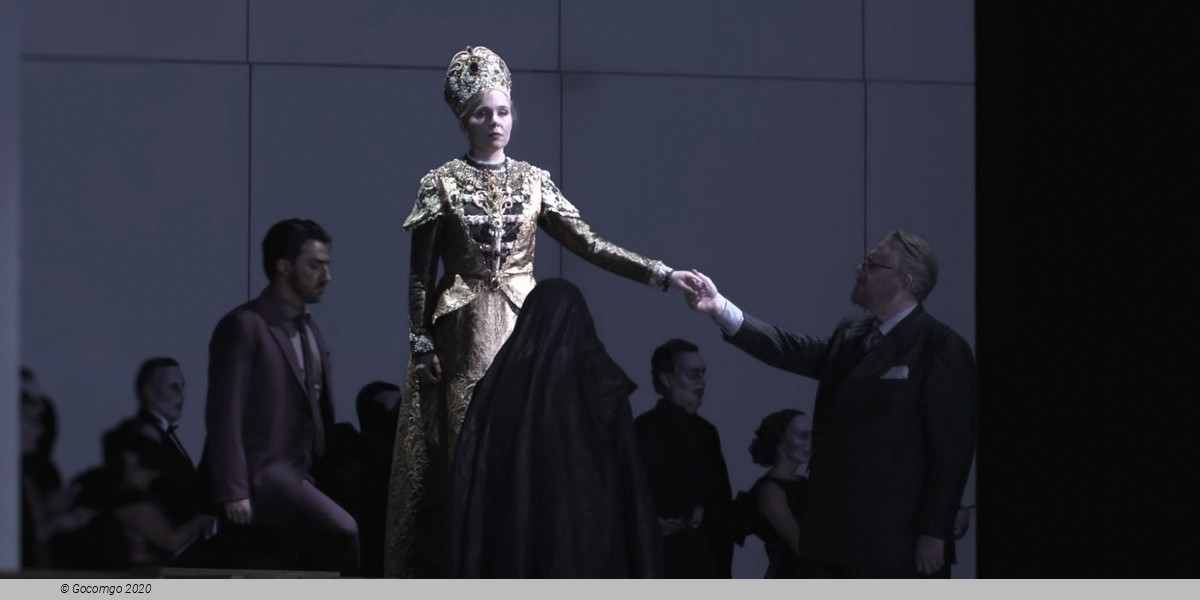
Dircé is preparing for her wedding to Jason. Years ago, Jason had stolen the golden fleece with the help of Médée, who had betrayed her family and established a relationship with Jason, the result of which was two children. Although Jason has since abandoned Médée, she reappears and demands that he return to her. Jason refuses and Médée curses him, swearing vengeance.

Act 2
Inside the palace

In despair, Médée is encouraged by her slave, Néris, to leave the city. Créon then appears and orders that Médée leave. She asks for one more day with her children and, after the king agrees, she appears to be calmer and gives Néris two wedding presents to take to her rival.

Act 3
Between the palace and the temple

Néris brings the two children out to where Médée is waiting. Sounds of lamentation are heard from within the palace and it is discovered that one of Médée's wedding presents has poisoned Dircé. An angry crowd gathers and Néris, Médée, and the children take refuge in the temple. From the temple, the two women reappear with Médée grasping a blood-stained knife with which she has killed her two children. Médée curses Jason and disappears into the air. The temple goes up in flames and the crowd flees in terror.

Venue Info

Staatsoper Unter den Linden (Berlin State Opera) - Berlin
Location   Unter den Linden 7

The Staatsoper Unter den Linden is one of the oldest and largest musical theaters in Germany. Founded in 1742 as the Royal Court Opera (German: Königliche Hofoper) under Frederick II. Located in Berlin, on the main street Unter den Linden.

King Frederick II of Prussia shortly after his accession to the throne commissioned the original building on the site. Construction work began in July 1741 with what was designed by Georg Wenzeslaus von Knobelsdorff to be the first part of a "Forum Fredericianum" on present-day Bebelplatz. Although not entirely completed, the Court Opera (Hofoper) was inaugurated with a performance of Carl Heinrich Graun's Cesare e Cleopatra on December 7, 1742. This event marked the beginning of the successful, 250-year co-operation between the Staatsoper and the Staatskapelle Berlin, the state orchestra, whose roots trace back to the 16th century.

In 1821, the Berlin Opera—hosted at the Schauspielhaus Berlin—gave the premiere of Weber's Der Freischütz. In 1842, Wilhelm Taubert instituted the tradition of regular symphonic concerts. In the same year, Giacomo Meyerbeer succeeded Gaspare Spontini as General Music Director. Felix Mendelssohn also conducted symphonic concerts for a year.

On August 18, 1843 the Linden Opera was destroyed by fire. The reconstruction of the building was supervised by architect Carl Ferdinand Langhans, and the Königliches Opernhaus (Royal Opera House) was inaugurated the following autumn by a performance of Meyerbeer's Ein Feldlager in Schlesien. In 1849, Otto Nicolai's Die lustigen Weiber von Windsor was premiered at the Royal Opera House, conducted by the composer.

1945: The Lindenoper was once again destroyed on February 3. The concerts were relocated to the Admiralspalast and the Schauspielhaus. On 18 February, Karajan conducted his last symphonic concert with the Staatskapelle in the Beethoven hall.

The second rebuilding took a long time. From 1945, the opera company played in the former Admiralspalast (today's Metropoltheater). From 1949, the company served as the state opera of East Germany. It moved back to its original home after the rebuilding in freely adapted baroque forms was finally completed in 1955. The newly rebuilt opera house was opened, again, with Wagner's Die Meistersinger von Nürnberg. The capacity is now about 1,300. After the Berlin Wall was built in 1961, the Opera was somewhat isolated, but still maintained a comprehensive repertoire that featured the classic and romantic period together with contemporary ballet and operas.

After reunification, the Linden Opera rejoined the operatic world. Important works that had already performed in the past were rediscovered and discussed anew within the framework of a "Berlin Dramaturgy". Baroque Opera in particular was at the center of attention, with Graun's Cleopatra e Cesare, Keiser's Croesus, Florian Leopold Gassmann's L'opera seria and Scarlatti's Griselda. These works were performed by Belgian conductor René Jacobs together with the Akademie für Alte Musik Berlin and the Freiburger Barockorchester on period instruments. In the 1990s, the opera was officially renamed Staatsoper Unter den Linden.

In 1992, the Argentine-Israeli conductor Daniel Barenboim was appointed Music Director. In 2000, the orchestra (according to its official website) elected Barenboim "conductor for life." During the 2002 Festtage, he led a Wagner cycle in ten parts, a production created in collaboration with director Harry Kupfer.

Since 2009, the Berlin State Opera has been undergoing considerable renovation work led by German architect HG Merz. The roof of the opera building was raised and the proscenium prolonged to improve the acoustics. Other renovation and extension works include the director's building, the below-ground connection building and the depot building. The latter will house the new rehearsal center.

The house was reopened in 2017 with premieres of Humperdinck's Hänsel und Gretel and Monteverdi's L'incoronazione di Poppea on one weekend.

Important Info
Type: Opera
City: Berlin, Germany
Starts at: 19:00
Acts: 3
Intervals: 1
Duration: 2h 45min
Sung in: French
Titles in: German,English
Top of page