Two years prior to the opening scene, the Spanish nobleman Florestan has exposed or attempted to expose certain crimes of a rival nobleman, Pizarro. In revenge, Pizarro has secretly imprisoned Florestan in the prison over which he is governor. Simultaneously, Pizarro has spread false rumors about Florestan's death.
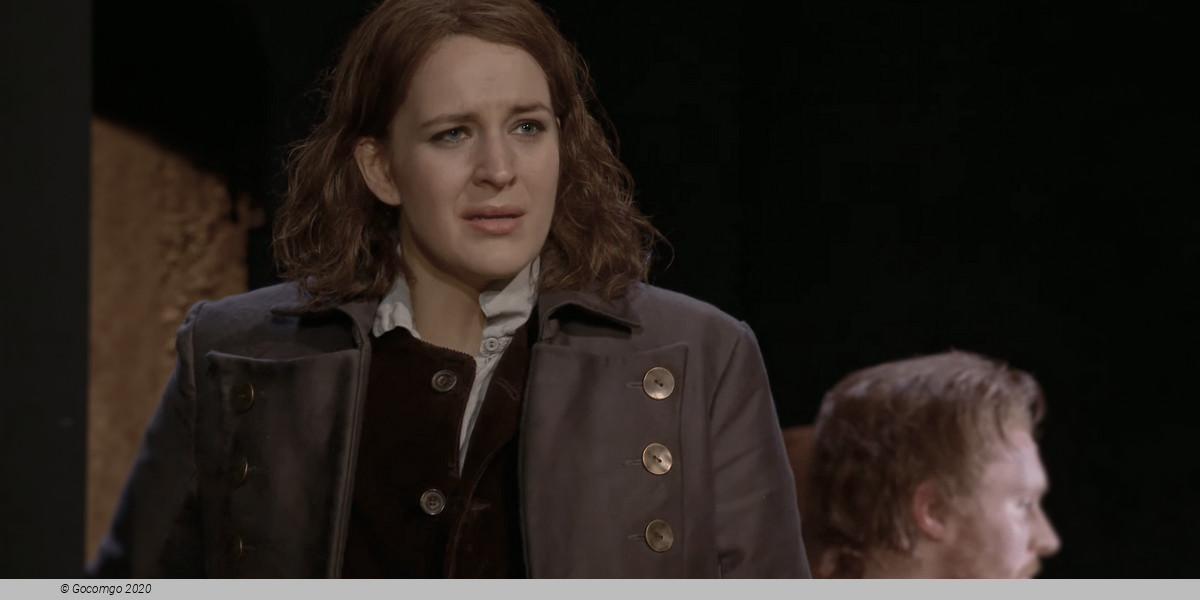
The warden of the prison, Rocco, has a daughter, Marzelline, and an assistant, Jaquino, who is in love with Marzelline. The faithful wife of Florestan, Leonore, suspects that her husband is still alive. Disguised as a boy, under the alias "Fidelio", she gains employment working for Rocco. As the boy Fidelio, she earns the favor of her employer, Rocco, and also the affections of his daughter Marzelline, much to Jaquino's chagrin.
On orders, Rocco has been giving the imprisoned Florestan diminishing rations until he is nearly starved to death.
Place: A Spanish state prison, a few miles from Seville
Time: Late 18th century
Act 1
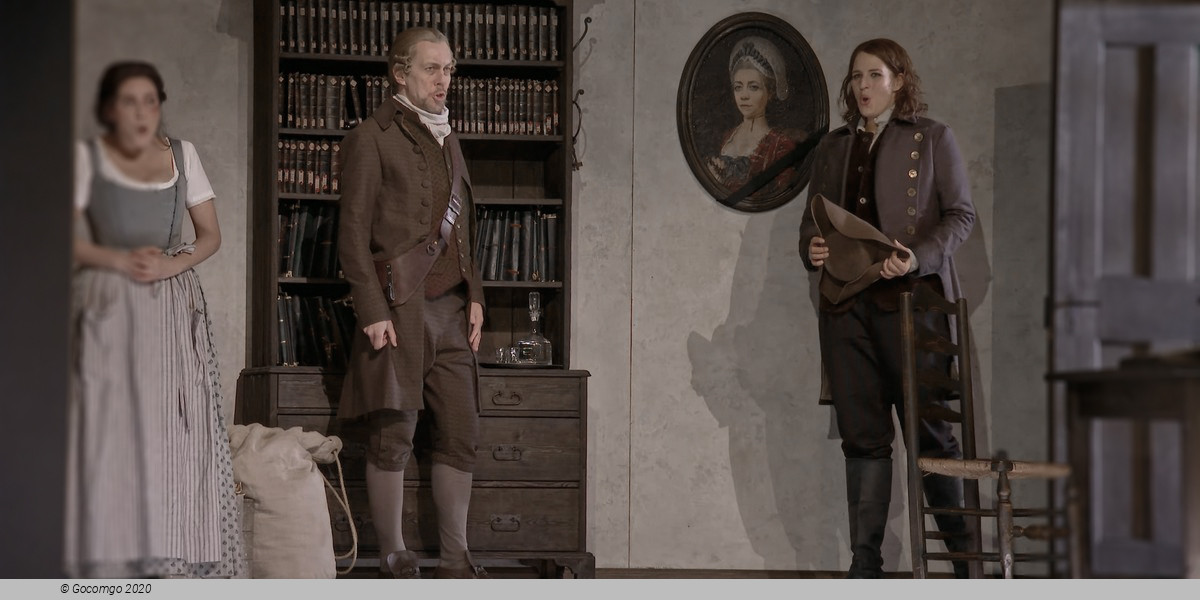
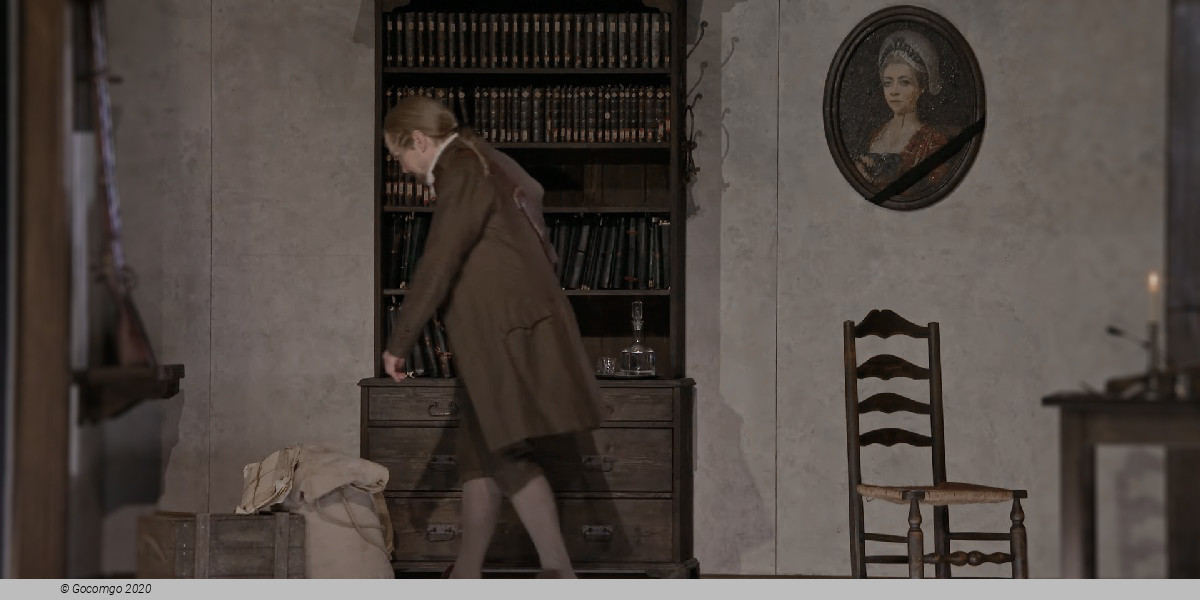
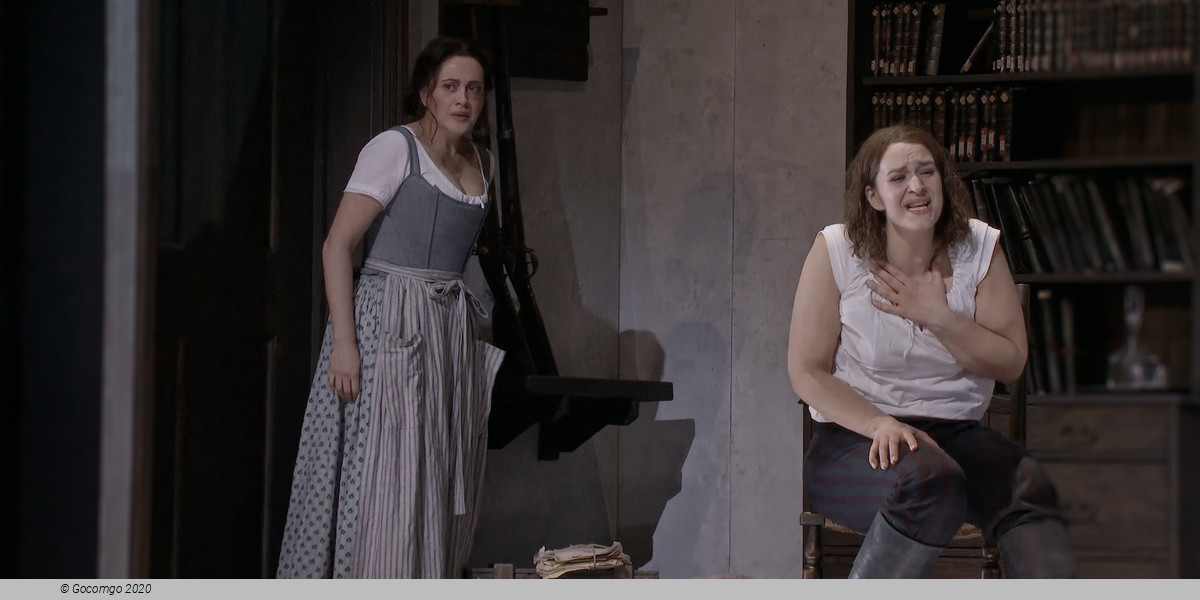
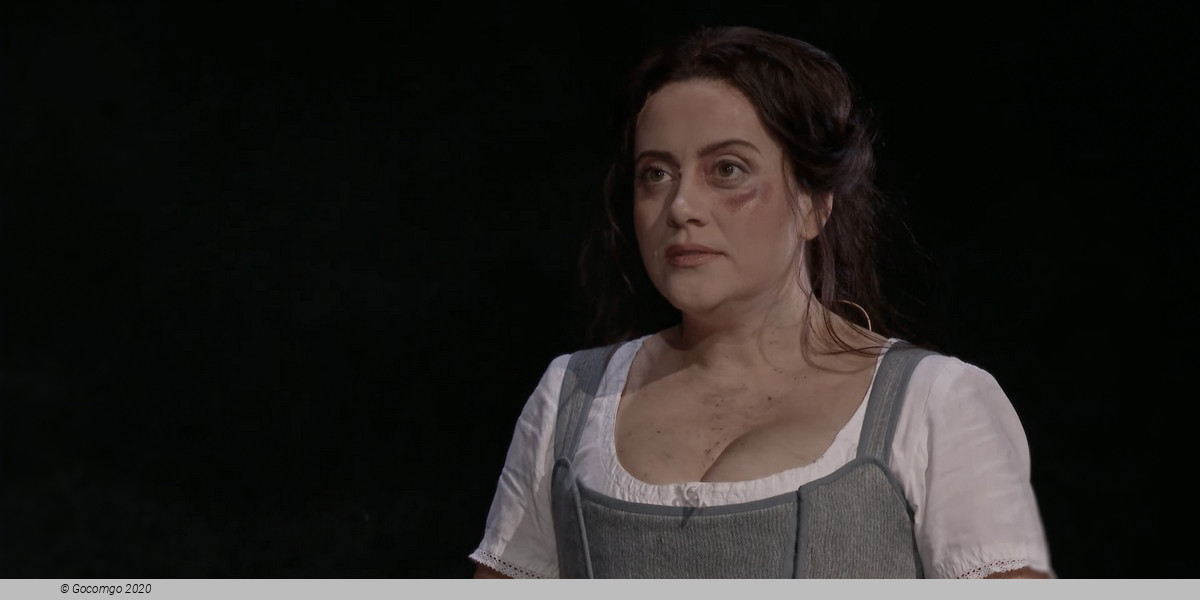
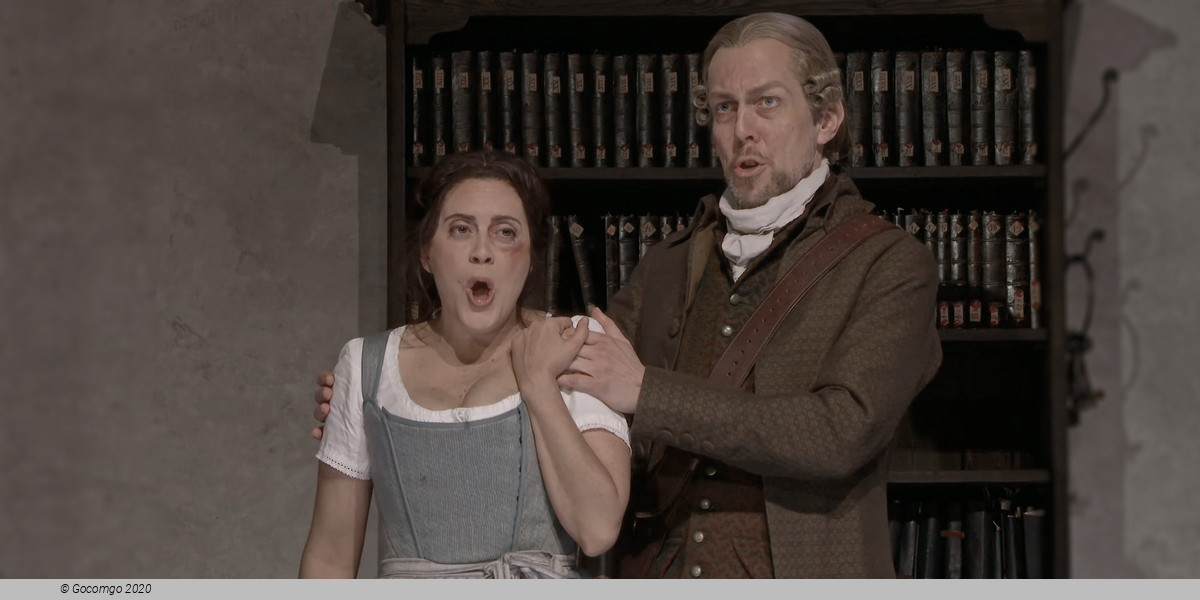
Jaquino and Marzelline are alone in Rocco's house. Jaquino asks Marzelline when she will agree to marry him, but she says that she will never marry him now that she has fallen in love with Fidelio, unaware that Fidelio is actually Leonore in disguise (Jetzt, Schätzchen, jetzt sind wir allein—"Now, darling, now we are alone"). Jaquino leaves, and Marzelline expresses her desire to become Fidelio's wife (O wär ich schon mit dir vereint—"If only I were already united with thee"). Rocco enters, looking for Fidelio, who then enters carrying a heavy load of newly-repaired chains. Rocco compliments Fidelio, and misinterprets her modest reply as hidden attraction to his daughter. Marzelline, Fidelio, Rocco, and Jaquino sing a quartet about the love Marzelline has for Fidelio (Mir ist so wunderbar—"A wondrous feeling fills me", also known as the Canon Quartet).
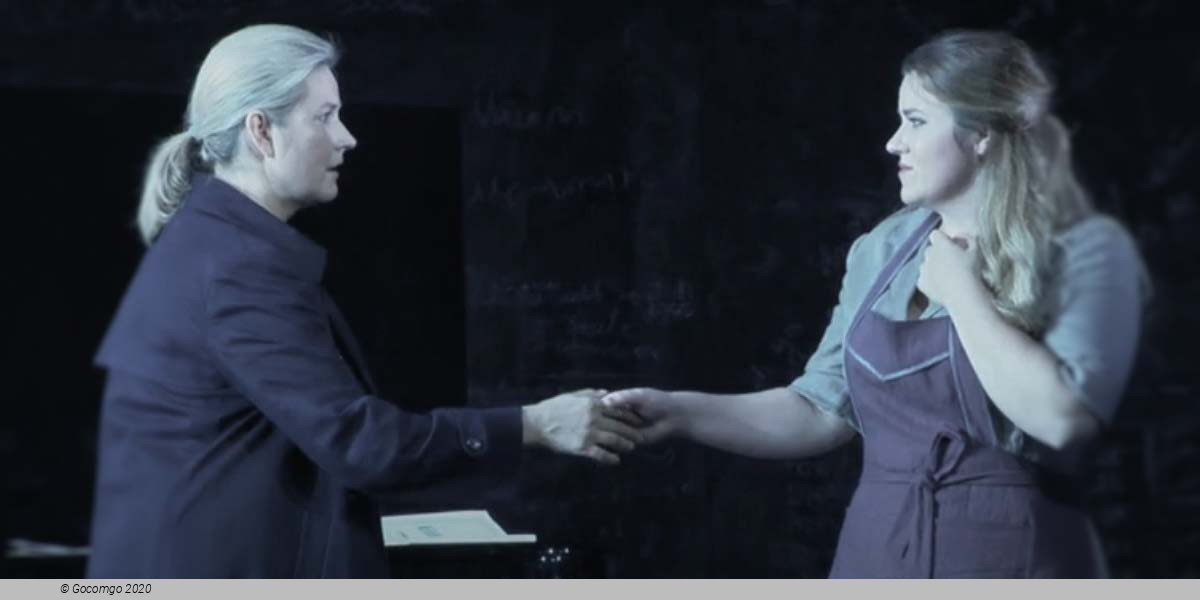
Rocco tells Fidelio that as soon as the governor has left for Seville, Marzelline and Fidelio can be married. He tells them, however, that unless they have money, they will not be happy. (Hat man nicht auch Gold beineben—"If you don't have any money"). Fidelio demands to know why Rocco will not allow for help in the dungeons, especially as he always seems to return short of breath. Rocco says that there is a dungeon down there where he can never take Fidelio, which houses a man who has been wasting away for two years. Marzelline begs her father to keep Leonore away from such a terrible sight, but Leonore claims courage sufficient to cope with it. Rocco and Leonore sing of courage (Gut, Söhnchen, gut—"All right, sonny, all right"), and Marzelline joins in their acclamations.
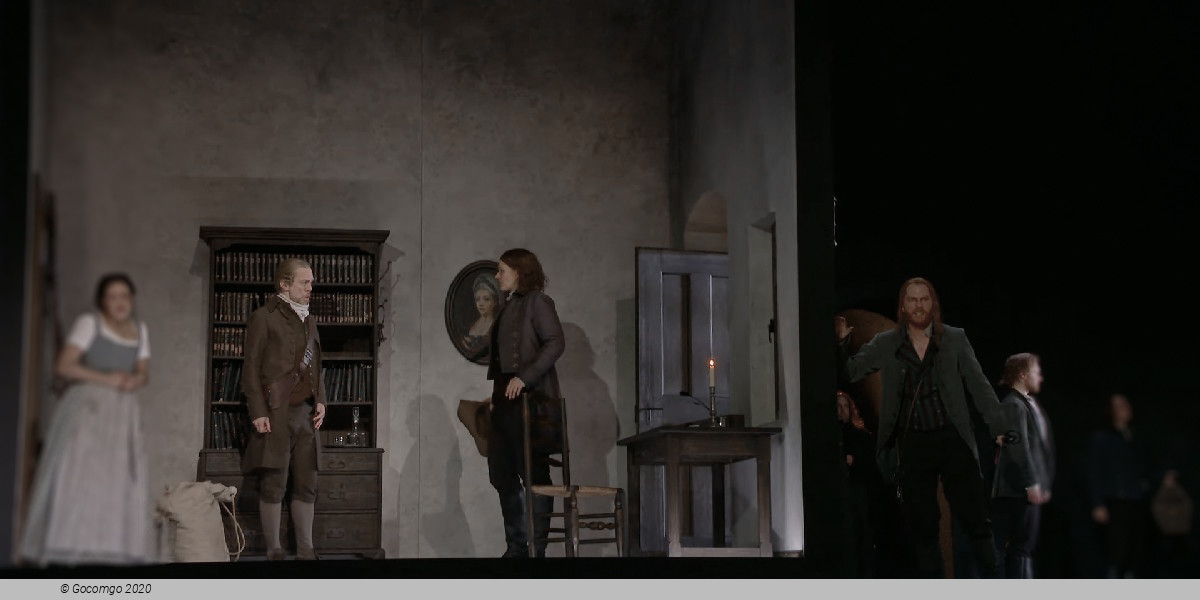
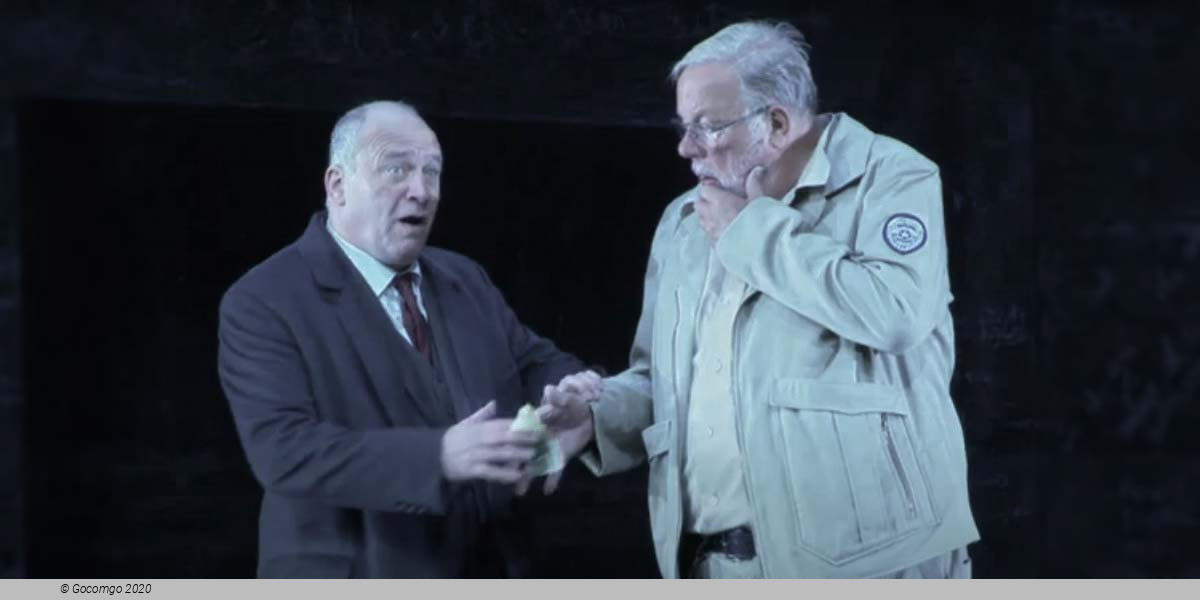
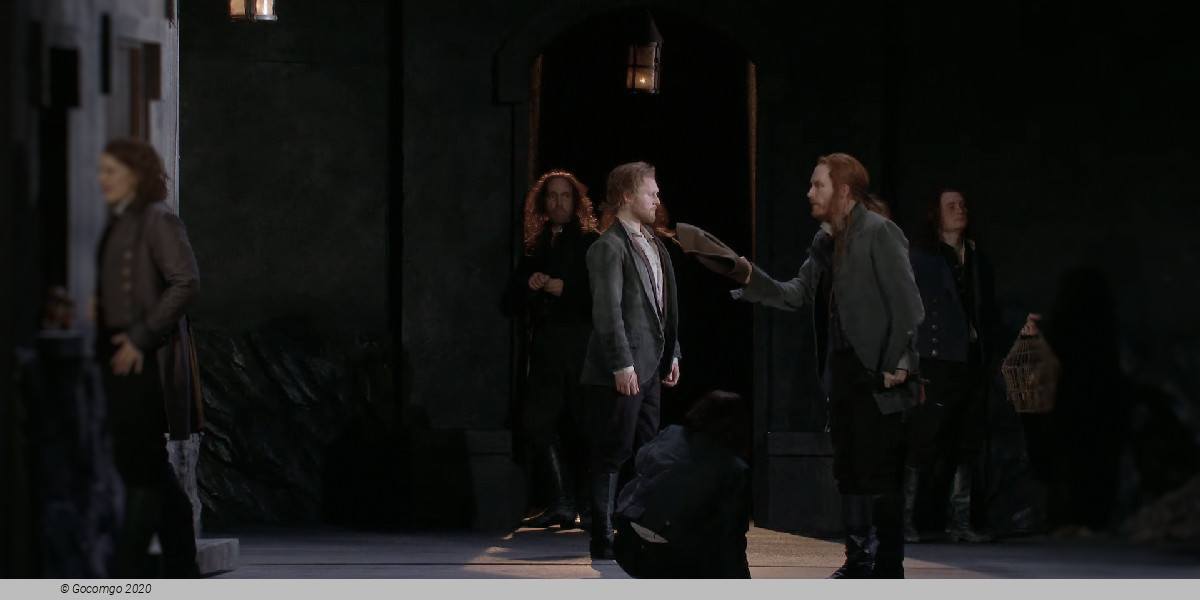
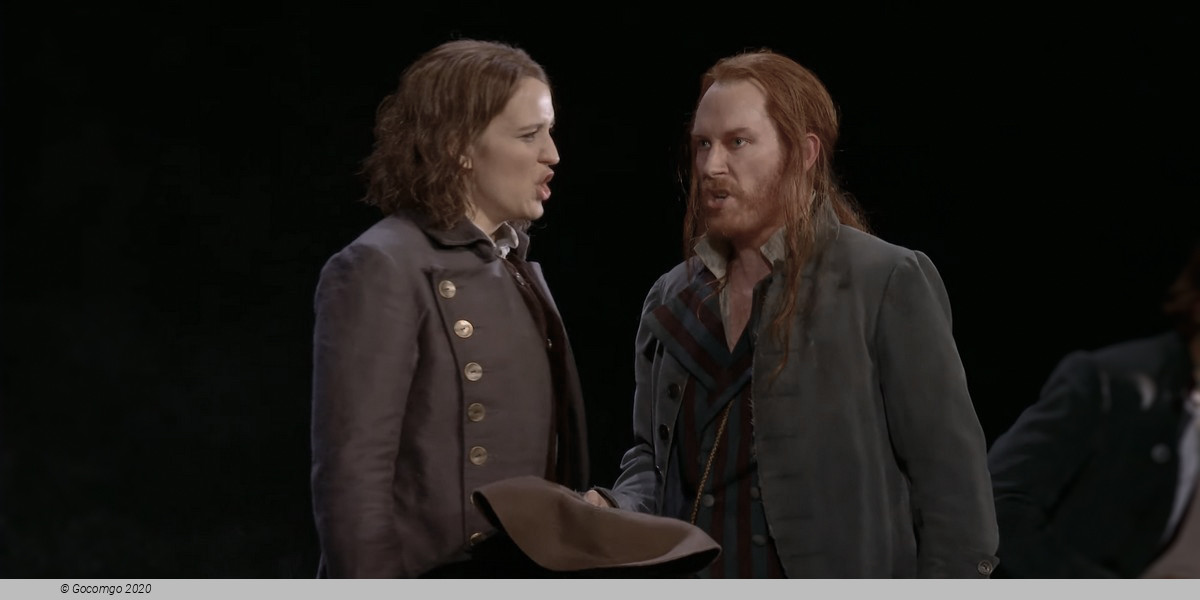
All but Rocco leave. A march is played as Pizarro enters with his guards. Rocco warns Pizarro that the minister plans a surprise visit tomorrow to investigate accusations of Pizarro's cruelty. Pizarro exclaims that he cannot let the minister discover the imprisoned Florestan, who has been thought dead. Instead, Pizarro will have Florestan murdered (Ha, welch ein Augenblick—"Hah! What a moment!"). As a signal, Pizarro orders that a trumpet be sounded at the minister's arrival. He offers Rocco money to kill Florestan, but Rocco refuses (Jetzt, Alter, jetzt hat es Eile!—"Now, old man, we must hurry!"). Pizarro says he will kill Florestan himself instead, and orders Rocco to dig a grave for him in the floor of the dungeon. Once the grave is ready, Rocco is to sound the alarm, upon which Pizarro will come into the dungeon and kill Florestan. Fidelio, hearing Pizarro's plot, is agitated, but hopes to rescue Florestan (Abscheulicher! Wo eilst du hin? and Komm, Hoffnung, lass den letzten Stern—"Monster! Where are you off to so fast?" and "Come, hope, let the last star").
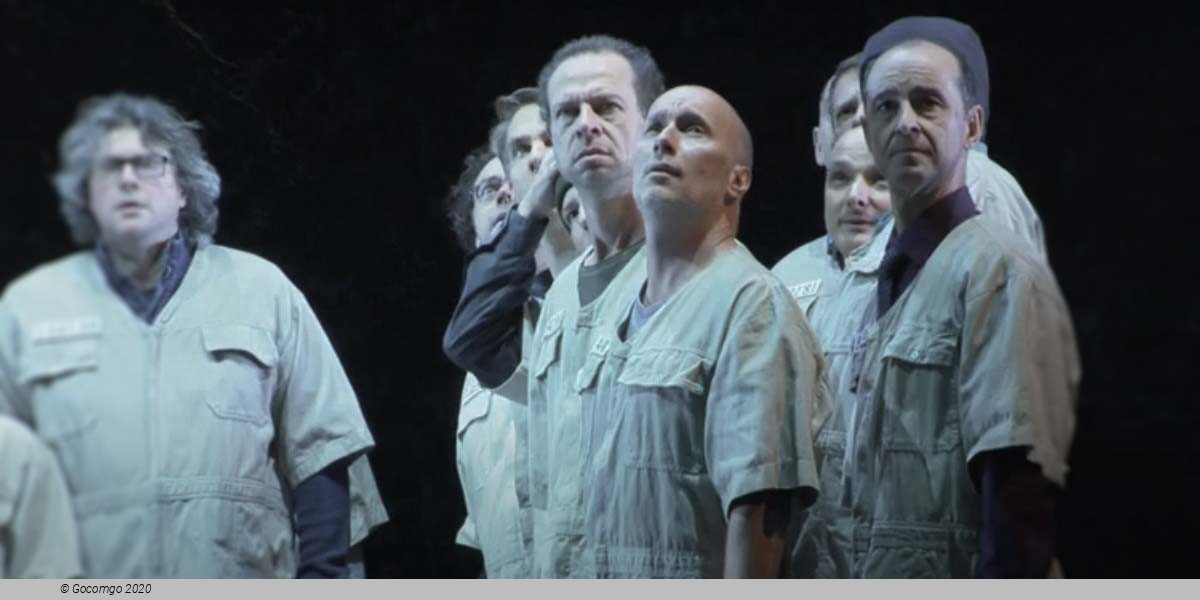
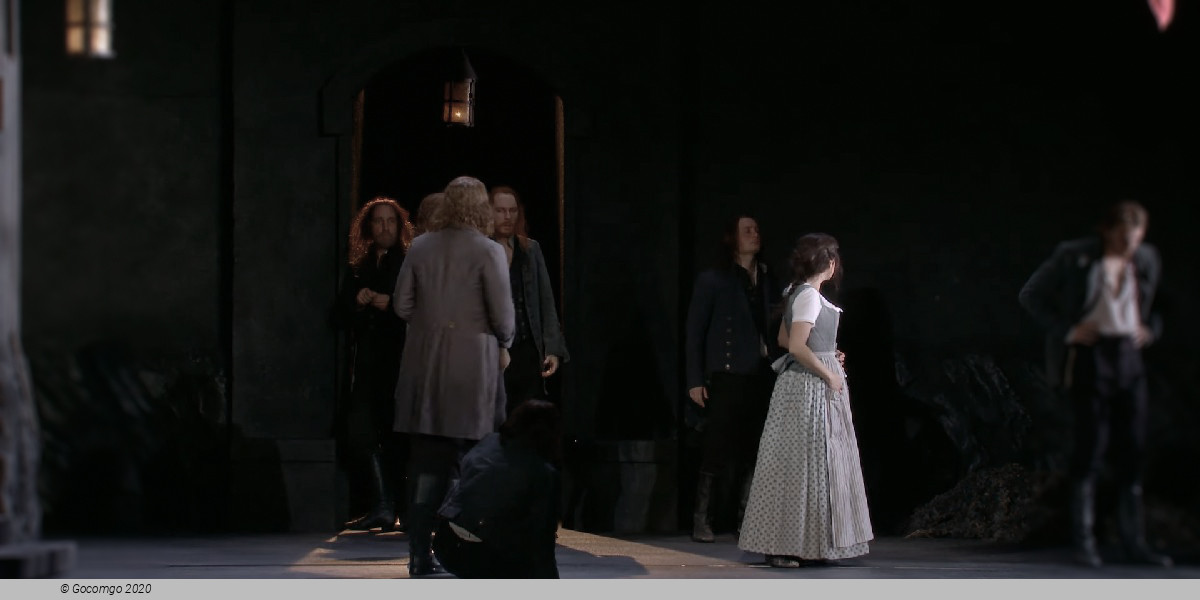
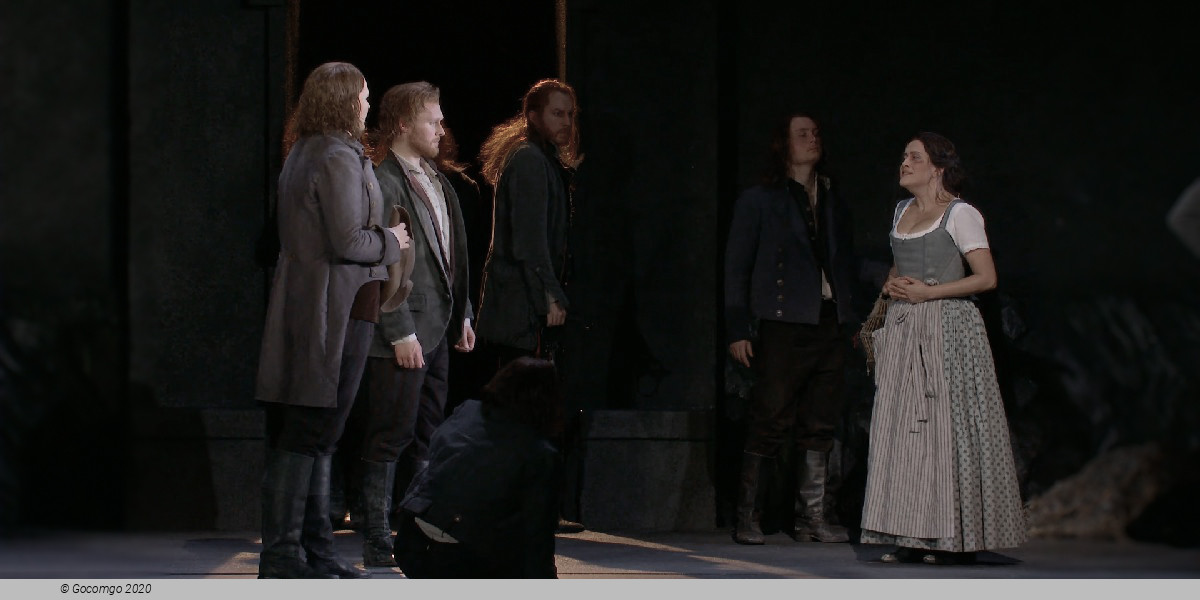
Jaquino once again begs Marzelline to marry him, but she continues to refuse. Fidelio, hoping to discover Florestan, asks Rocco to let the poor prisoners roam in the garden and enjoy the beautiful weather. Marzelline similarly begs him, and Rocco agrees to distract Pizarro while the prisoners are set free. The prisoners, ecstatic at their temporary freedom, sing joyfully (O welche Lust—"O what a joy"), but remembering that they might be caught by the prison's governor Pizarro, are soon quiet.
After meeting with Pizarro, Rocco reenters and tells Fidelio that Pizarro will allow the marriage, and Fidelio will also be permitted to join Rocco on his rounds in the dungeon (Nun sprecht, wie ging's?—"Speak, how did it go?"). Rocco and Fidelio prepare to go to Florestan's cell, with the knowledge that he must be killed and buried within the hour. Fidelio is shaken; Rocco tries to discourage Fidelio from coming, but Fidelio insists. As they prepare to leave, Jaquino and Marzelline rush in and tell Rocco to run, as Pizarro has learned that the prisoners were allowed to roam, and is furious (Ach, Vater, Vater, eilt!—"O, father, father, hurry!").
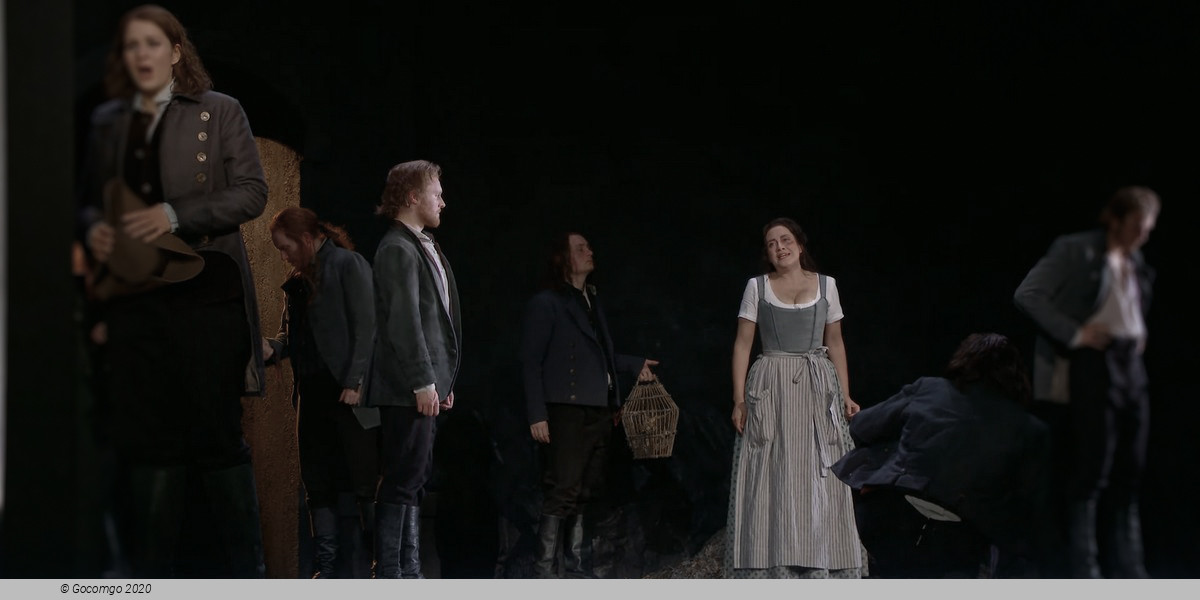
Before they can leave, Pizarro enters and demands an explanation. Rocco, thinking quickly, answers that the prisoners were given a little freedom in honor of the Spanish king's name day, and quietly suggests that Pizarro should save his anger for the prisoner in the dungeon below. Pizarro tells him to hurry and dig the grave, and then announces that the prisoners will be locked up again. Rocco, Leonore, Jacquino, and Marzelline reluctantly usher the prisoners back to their cells. (Leb wohl, du warmes Sonnenlicht—"Farewell, you warm sunshine").
Act 2
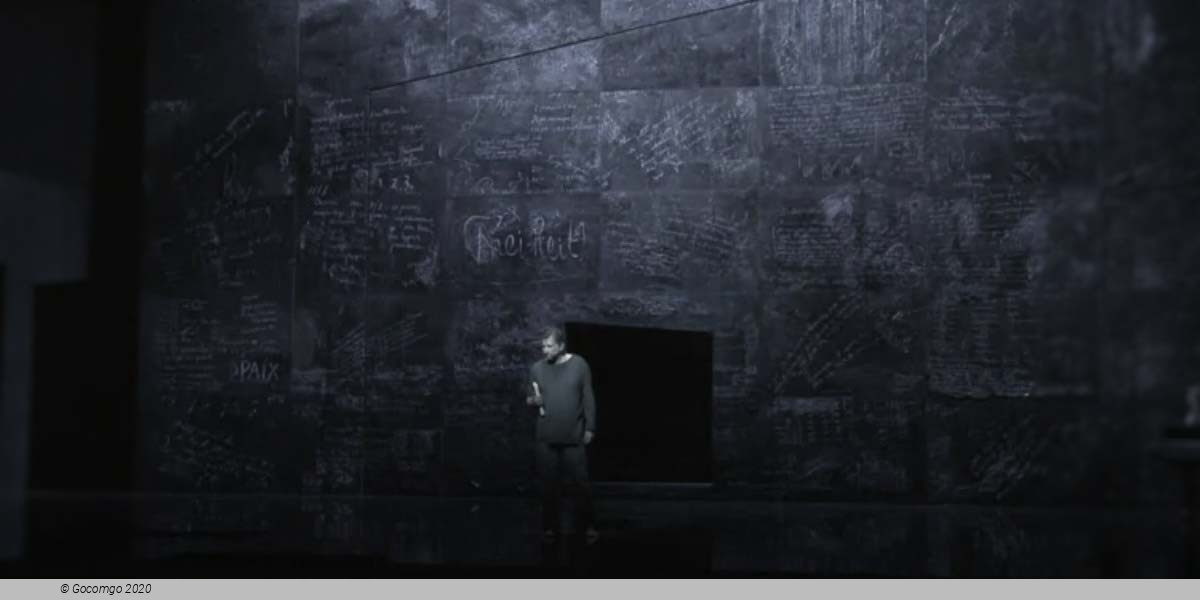
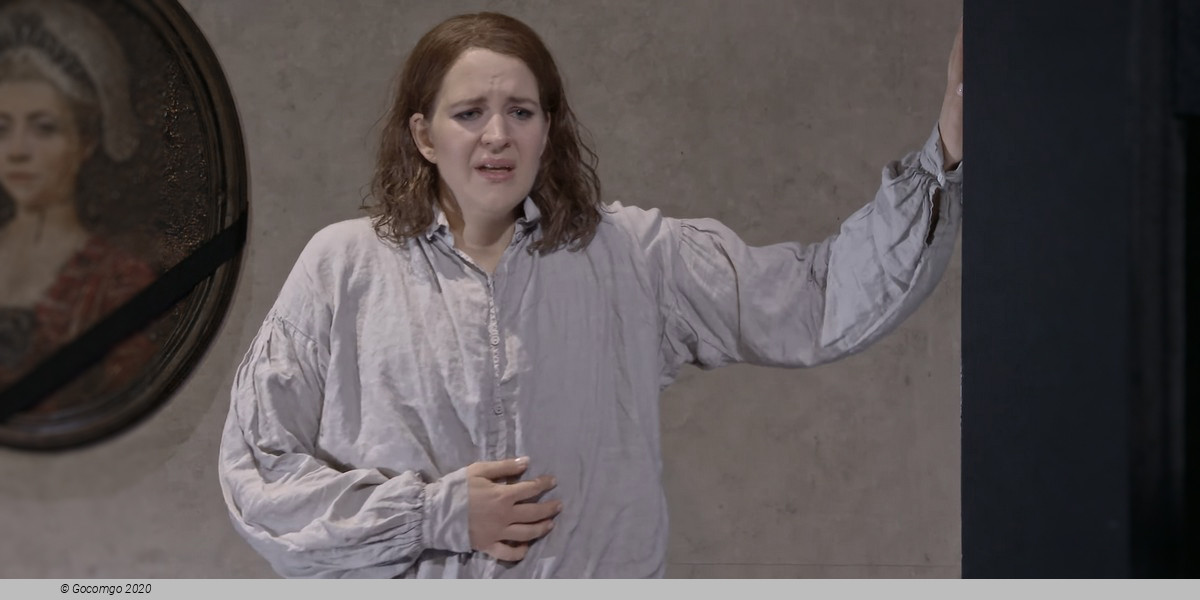
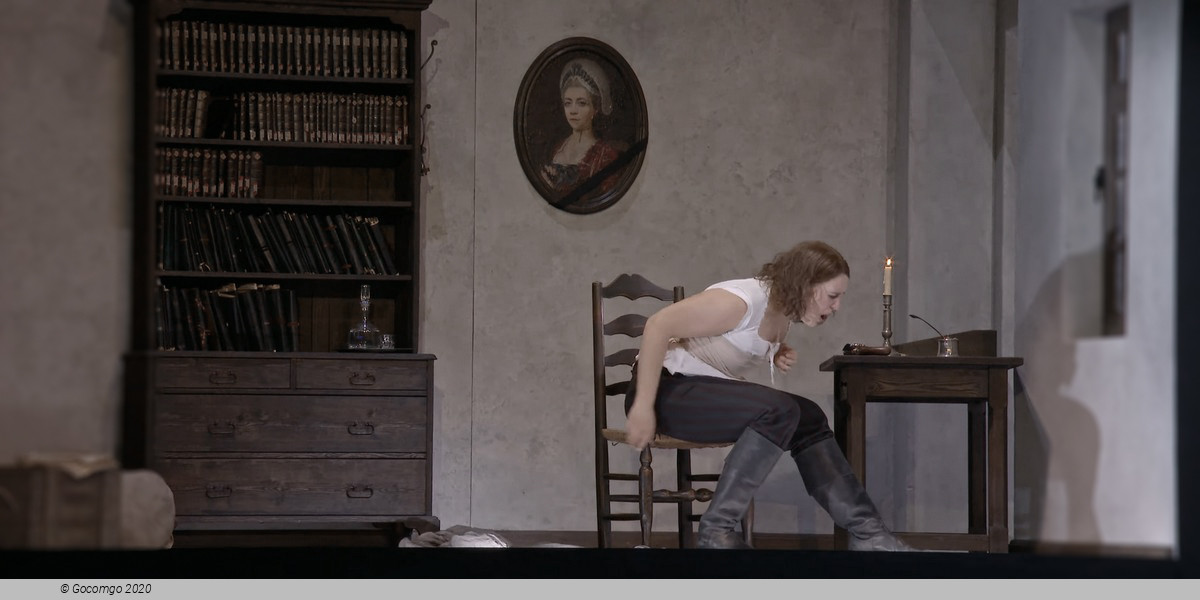
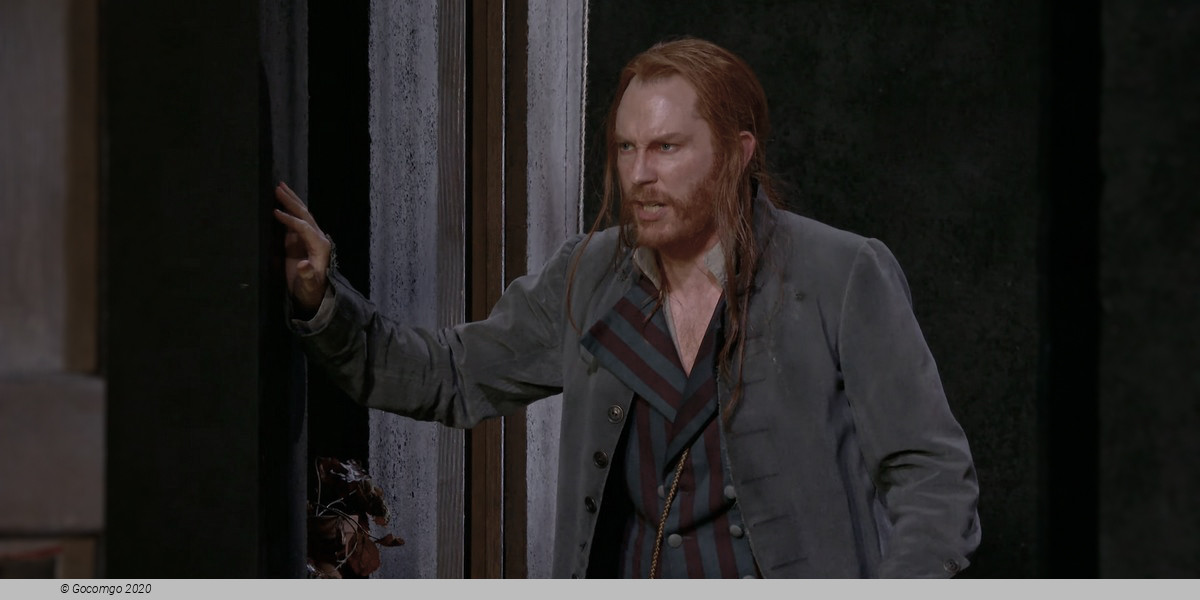
Florestan is alone in his cell, deep inside the dungeons. He sings first of his trust in God, and then has a vision of his wife Leonore coming to save him (Gott! Welch Dunkel hier!—"God! What darkness here" and In des Lebens Frühlingstagen—"In the spring days of life"). Florestan collapses and falls asleep, while Rocco and Fidelio come to dig his grave. As they dig, Rocco urges Fidelio to hurry (Wie kalt ist es in diesem unterirdischen Gewölbe!—"How cold it is in this underground chamber" and Nur hurtig fort, nur frisch gegraben—"Come get to work and dig", the "Gravedigging Duet").
Florestan awakes and Fidelio recognizes him. When Florestan learns that the prison he is in belongs to Pizarro, he asks that a message be sent to his wife, Leonore, but Rocco says that it is impossible. Florestan begs for a drop to drink, and Rocco tells Fidelio to give him one. Florestan does not recognize Fidelio, his wife Leonore in disguise, but tells Fidelio that there will be reward for the good deed in Heaven (Euch werde Lohn in bessern Welten—"You shall be rewarded in better worlds"). Fidelio further begs Rocco to be allowed to give Florestan a crust of bread, and Rocco consents.
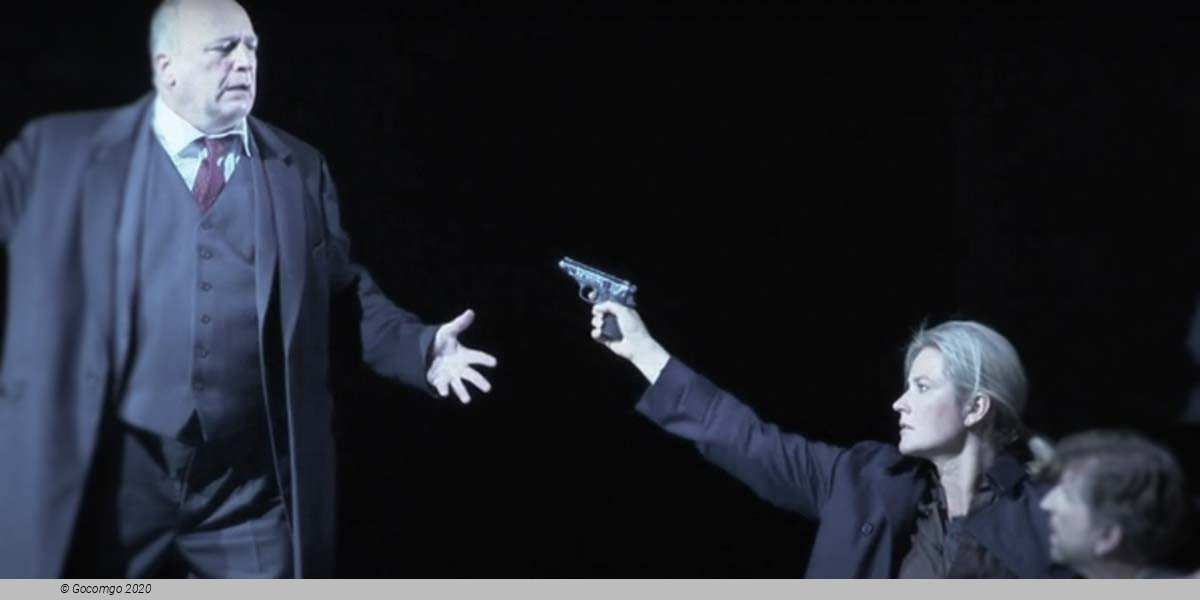
Rocco obeys his orders and sounds the alarm for Pizarro, who appears and asks if all is ready. Rocco says that it is, and instructs Fidelio to leave the dungeon, but Fidelio hides instead. Pizarro reveals his identity to Florestan, who accuses him of murder (Er sterbe! Doch er soll erst wissen—"Let him die! But first he should know"). As Pizarro brandishes a dagger, Fidelio leaps between him and Florestan and reveals her identity as Leonore, the wife of Florestan. Pizarro raises his dagger to kill her, but she pulls a gun and threatens to shoot him.
Just then, the trumpet is heard, announcing the arrival of the minister. Jaquino enters, followed by soldiers, to announce that the minister is waiting at the gate. Rocco tells the soldiers to escort Governor Pizarro upstairs. Florestan and Leonore sing to their victory as Pizarro declares that he will have revenge, while Rocco expresses his fear of what is to come (Es schlägt der Rache Stunde—"Revenge's bell tolls"). Together, Florestan and Leonore sing a love duet (O namenlose Freude!—"O unnamed joy!").
Here, the overture "Leonore No. 3" is sometimes played.
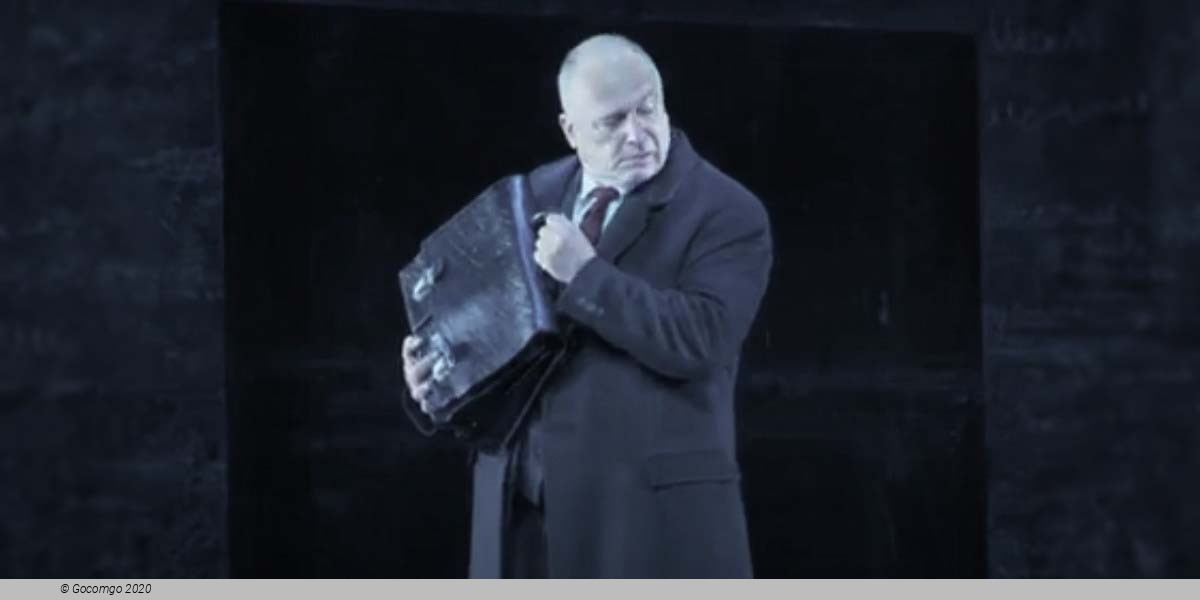
The prisoners and townsfolk sing to the day and hour of justice which has come (Heil sei dem Tag!—"Hail to the day!"). The minister, Don Fernando, announces that tyranny has ended. Rocco enters, with Leonore and Florestan, and he asks Don Fernando to help them (Wohlan, so helfet! Helft den Armen!—"So help! Help the poor ones!"). Rocco explains how Leonore disguised herself as Fidelio to save her husband. Previously in love with Fidelio, Marzelline is shocked. Rocco describes Pizarro's murder plot, and Pizarro is led away to prison. Florestan is released from his chains by Leonore, and the crowd sings the praises of Leonore, the loyal savior of her husband (Wer ein holdes Weib errungen—"Who has got a good wife").












 Unter den Linden 7