






Staatsoper Hamburg 28 April 2021 - Die Nase | GoComGo.com

Die Nase

Staatsoper Hamburg, Main Stage, Hamburg, Germany
All photos (11)
Select date and time
7:30 PM
Request for Tickets
Important Info
Type: Opera
City: Hamburg, Germany
Starts at: 19:30
Duration: 1h 45min
Sung in: German
Titles in: German,English

E-tickets: Print at home or at the box office of the event if so specified. You will find more information in your booking confirmation email.

You can only select the category, and not the exact seats.
If you order 2 or 3 tickets: your seats will be next to each other.
If you order 4 or more tickets: your seats will be next to each other, or, if this is not possible, we will provide a combination of groups of seats (at least in pairs, for example 2+2 or 2+3).

Overview

Introduction at 6.50 pm

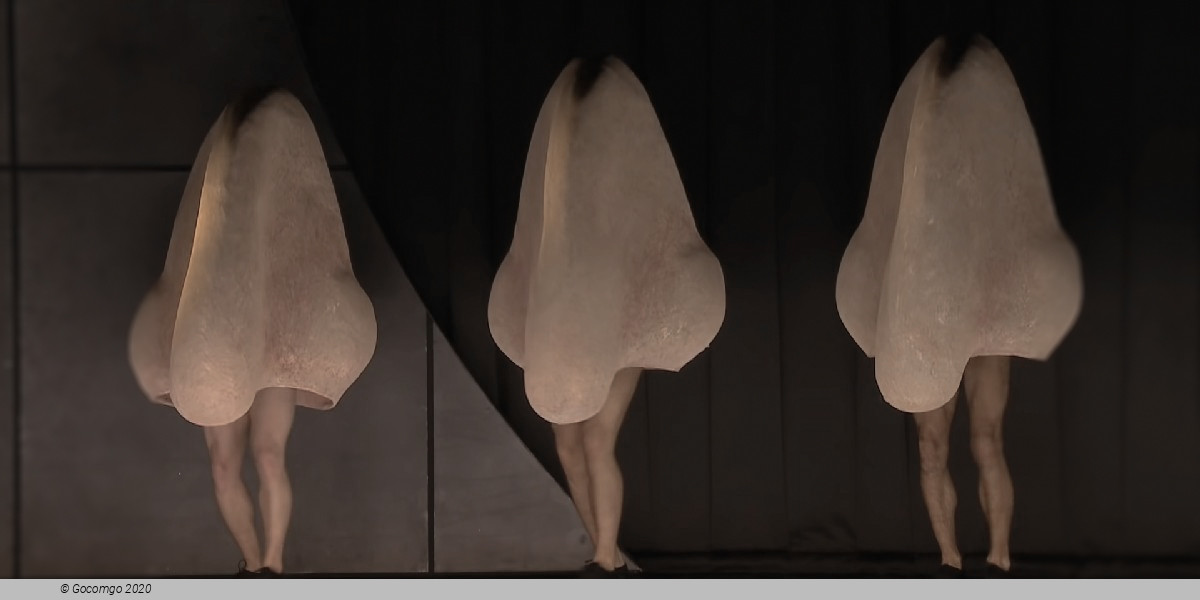
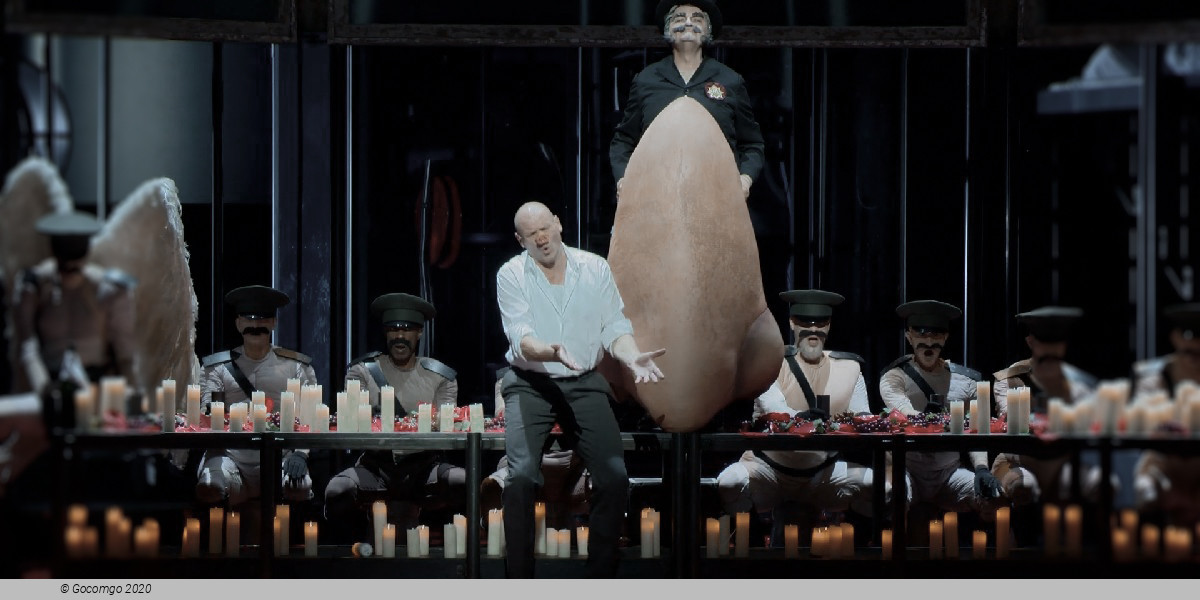
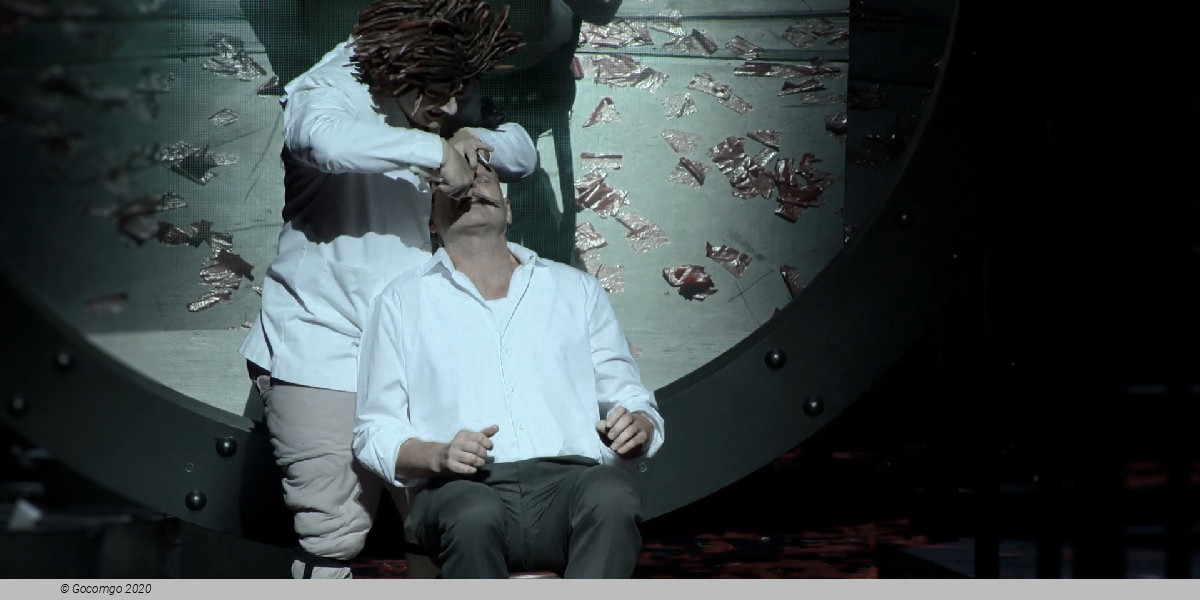
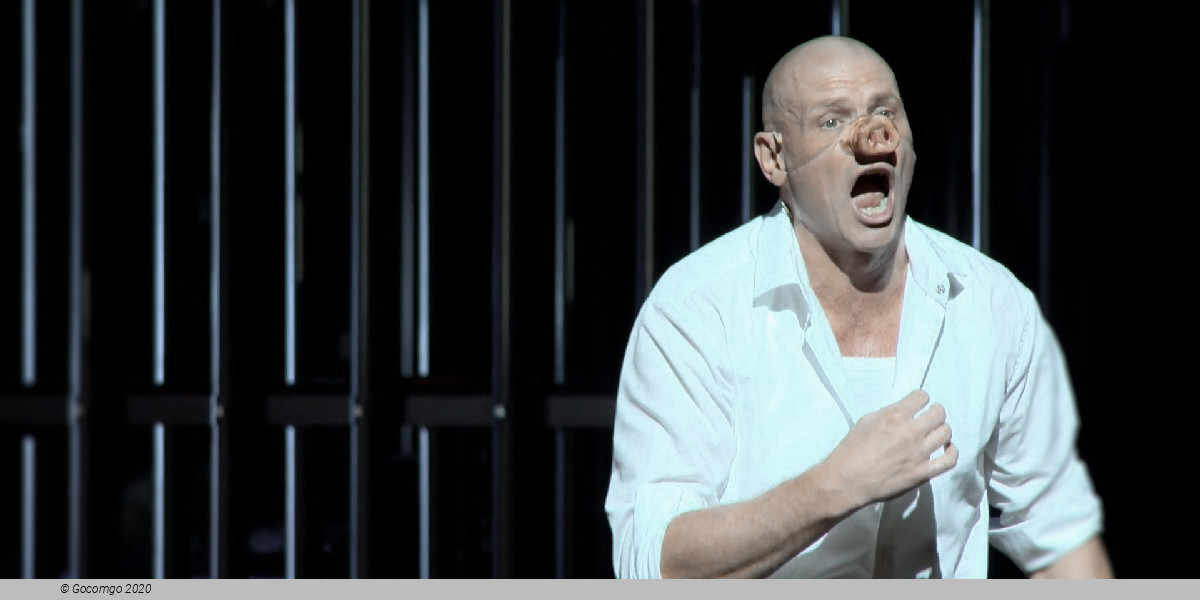
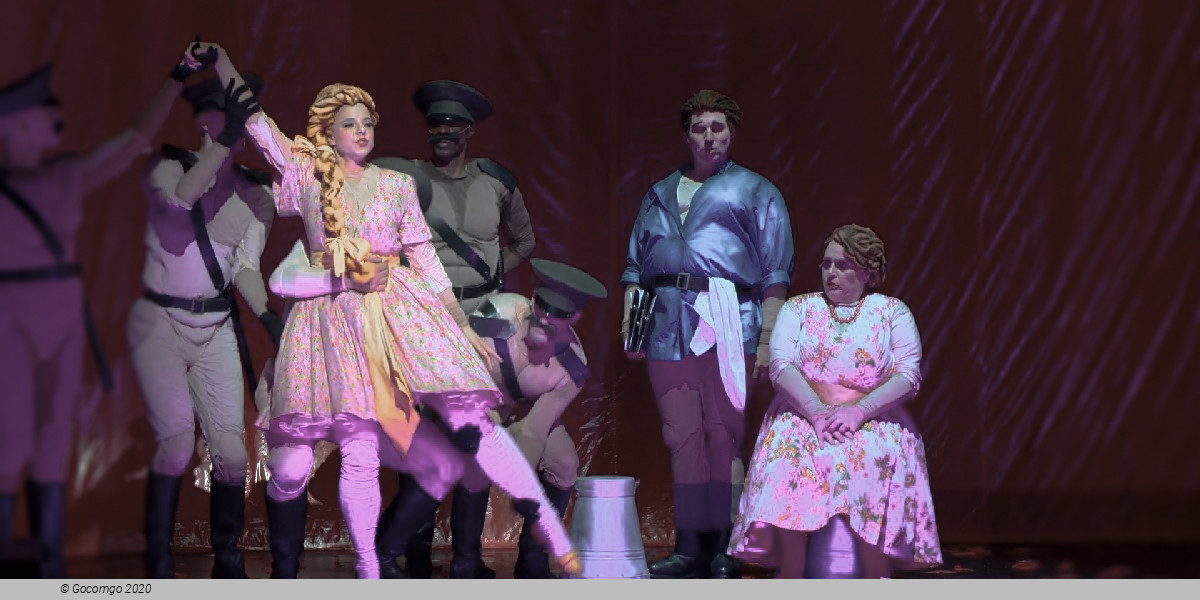
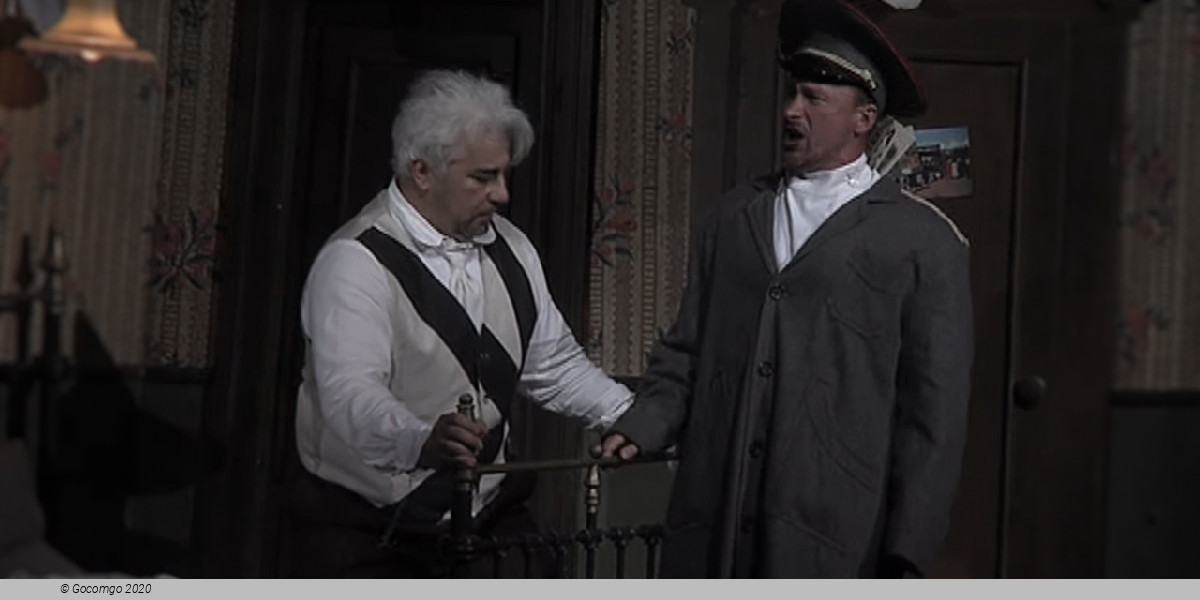
One morning, the barber Yakovlevich finds a nose in his breakfast sandwich. At the same time, the assessor Kovalyov looks in the mirror – and finds that his nose is gone. The barber tries to get rid of the nose; Kovalyov tries to find it, and encounters it, large as life, at the cathedral. It is wearing a uniform, wants nothing to do with its owner, and disappears. Kovalyov wanders around town, thinking it is all a bad dream. Or is he the victim of a conspiracy? At any rate, the “mechanism of petit-bourgeois gossip” has cranked into high gear, and soon the entire city is awash with talk about the incident. When the opera was written, Shostakovich was only 22 years old. He loved animated films, worked at a cinema as a pianist, was deeply impressed by Alban Berg’s “Wozzeck” and applied the mercurial editing technique of films to opera.

History
Premiere of this production: 18 January 1930, Leningrad Maly Operny

The Nose is Dmitri Shostakovich's first opera, a satirical work completed in 1928 based on Nikolai Gogol's story of the same name (1836).

Synopsis

Opera in 3 acts and 10 scenes, without intermission

Act 1

Prologue

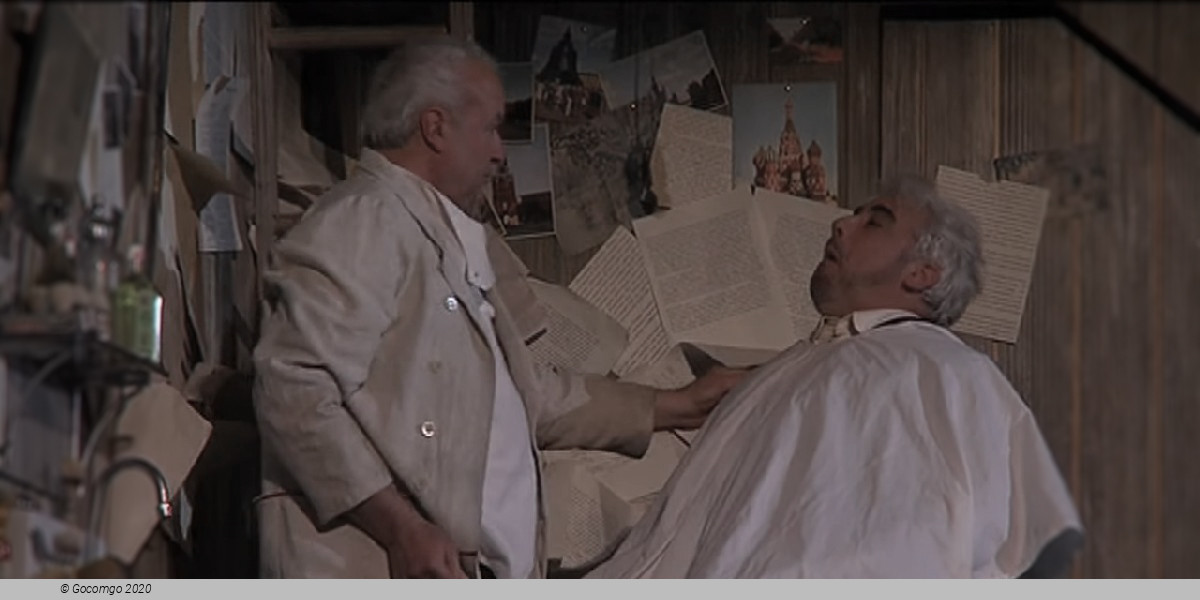
St Petersburg. Kovalyov, a Collegiate Assessor is being shaved by Ivan Yakovlevich (a barber). He is one of Yakovlevich's regular customers.

The next morning, Yakovlevich finds a nose in his bread. His wife, believing he has cut off one of his customers' noses, requests him to dispose of it. He tries to dispose of it in the street, but is foiled by running into people he knows, then he throws it into the Neva River, but he is seen by a police officer and taken away for questioning. Meanwhile, Kovalyov wakes and finds his nose missing. His first reaction is disbelief, then shock, and he sets out to find it. He later sees his nose praying in the Kazan Cathedral, now the size of a human being. Since the nose has acquired a higher rank (State Councillor) than he, it refuses to have any dealings with him, and leaves.

Act 2

In his search, Kovalyov finds himself at the Chief of Police's apartment, but he is not at home. Next he visits the newspaper office to place an advertisement about the loss of his nose, where they are dealing with a missing dog. After explaining his loss, his request is refused on the grounds of the newspaper's reputation. Upon demonstrating his loss, the clerk suggests he tell his story. Kovalyov feels insulted and leaves.

He returns to his apartment, where his servant is playing the balalaika, he dismisses him and wallows in self-pity.

Act 3

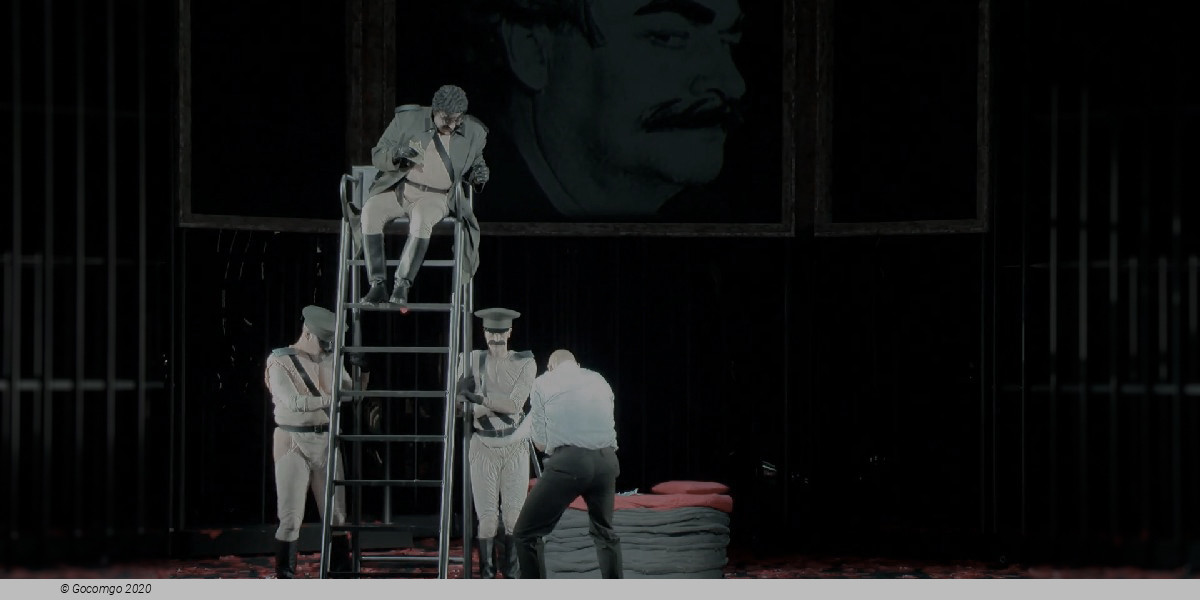
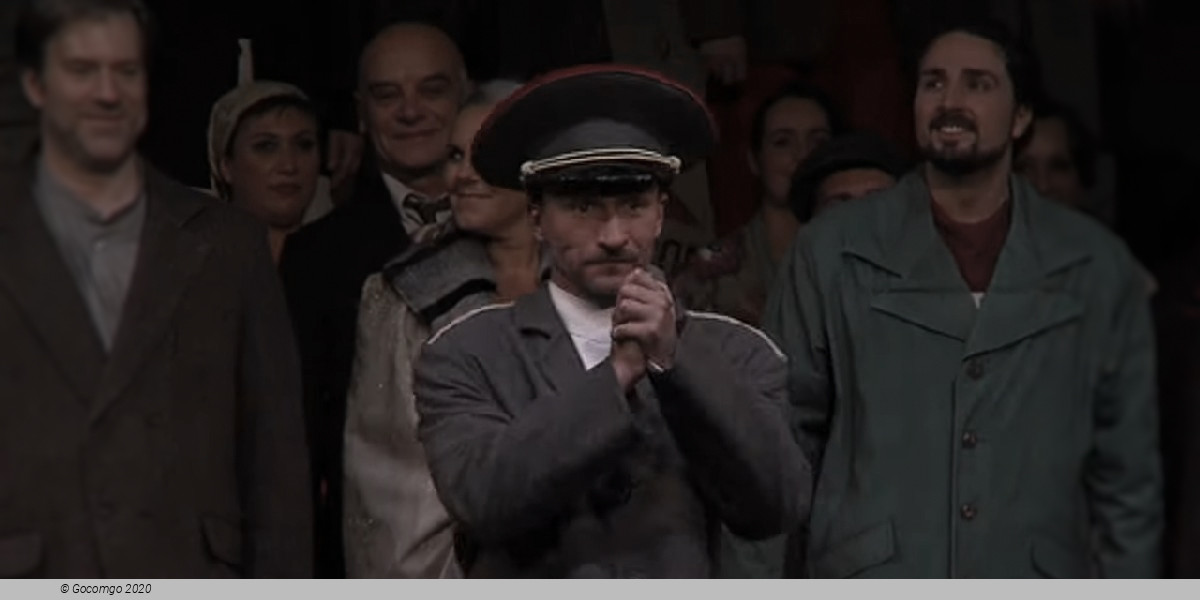
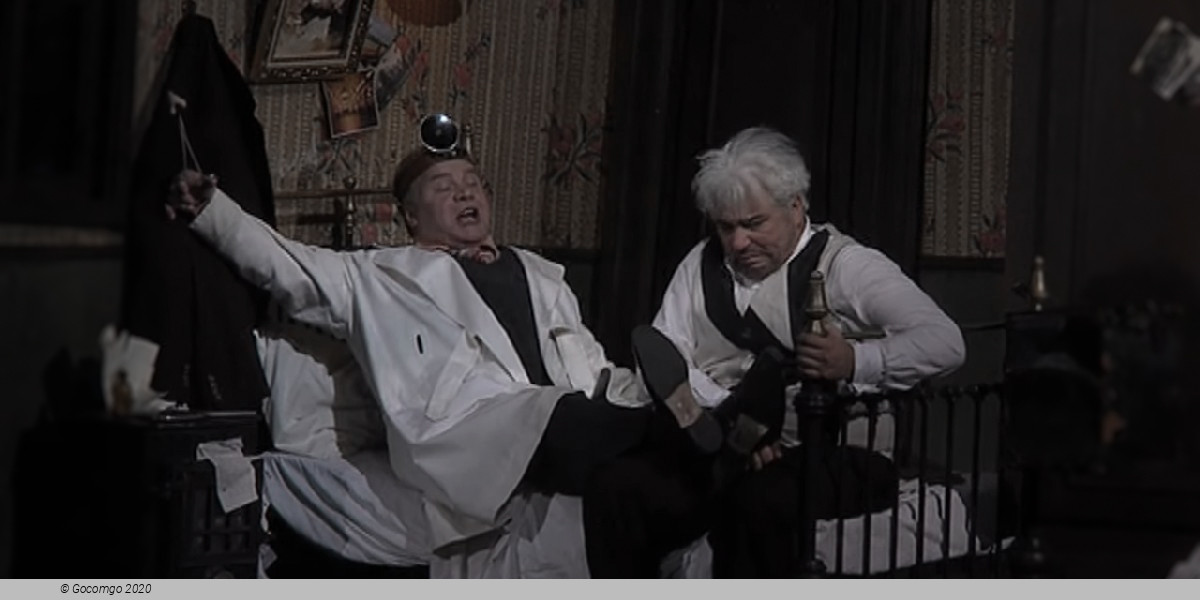
The police take up the search. A group of policemen are at a railway station, in order to prevent the nose from escaping, where an inspector rallies them. The nose runs in and tries to stop the train, and a general pursuit ensues, resulting in its capture. The nose is then beaten into its normal size, wrapped and returned to Kovalyov by the inspector, but Kovalyov is unable to reattach it. Nor can a doctor. He then suspects that he has been placed under a spell by a woman called Madame Podtochina, because he would not marry her daughter. He writes to ask her to undo the spell, but she misinterprets the letter as a proposal to her daughter. She convinces him that she is innocent. In the city, crowds fuelled by rumours gather in search of the nose till the police restore order.

Epilogue

Kovalyov wakes up with his nose reattached, and dances a polka in joy. Yakovlevich has been released from prison and arrives to shave him. Afterwards Kovalyov wanders along Nevsky Prospekt greeting acquaintances, while people discuss the story.

Venue Info

Staatsoper Hamburg - Hamburg
Location   Große Theaterstraße 25

Staatsoper Hamburg is the oldest publicly accessible musical theater in Germany, located in Hamburg. It was founded in 1678. With the emergence of the Hamburg Opera House, researchers attribute the formation of a national German opera school.

Opera in Hamburg dates to 2 January 1678 when the Oper am Gänsemarkt was inaugurated with a performance of a biblical Singspiel by Johann Theile. It was not a court theatre but the first public opera house in Germany established by the art-loving citizens of Hamburg, a prosperous member of the Hanseatic League.

The Hamburg Bürgeroper resisted the dominance of the Italianate style and rapidly became the leading musical center of the German Baroque. In 1703, George Friedrich Handel was engaged as violinist and harpsichordist and performances of his operas were not long in appearing. In 1705, Hamburg gave the world première of his opera Nero.

In 1721, Georg Philipp Telemann, a central figure of the German Baroque, joined the Hamburg Opera, and in subsequent years Christoph Willibald Gluck, Johann Adolph Hasse and various Italian companies were among the guests.

To replace the aging wooden structure, the first stone was laid on 18 May 1826 for the Stadt-Theater on the present-day site of the Staatsoper Hamburg. The new theater, with seating for 2,800 guest, was inaugurated less than a year later with Beethoven's incidental music to Egmont.

In 1873, both the exterior and interior of the structure were renovated in the reigning "Gründerzeit" style of the time, and again in 1891, when electric lighting was introduced.

Under the direction of Bernhard Pollini, the house mounted its first complete Ring Cycle in 1879. In 1883, the year of Wagner's death, a cycle comprising nine of his operas commenced. The musical directors Hans von Bülow (from 1887 to 1890) and Gustav Mahler (from 1891 to 1897) also contributed to the fame of the opera house.

In the beginning of the 20th century, opera was an important part of the theatre's repertoire; among the 321 performances during the 1907–08 season, 282 were performances of opera. The Stadt-Theater performed not only established repertoire but also new works, such as Paul Hindemith's Sancta Susanna, Igor Stravinsky's The Soldier's Tale, Ernst Krenek's Jonny spielt auf, and Leoš Janáček's Jenůfa. Ferruccio Busoni's Die Brautwahl (1912) and Erich Wolfgang Korngold's Die tote Stadt (1920) both had their world premieres in Hamburg. In the 1930s, after Hitler came to power, the opera house was renamed Hamburgische Staatsoper.

On the night of 2 August 1943, both the auditorium and its neighbouring buildings were destroyed during air raids by fire-bombing; a low-flying airplane dropped several petrol and phosphorus containers onto the middle of the roof of the auditorium, causing it to erupt into a conflagration.

The current Staatsoper opened on 15 October 1955 with Mozart's Die Zauberflöte. Hamburg continued to devote itself to new works, such as Hans Werner Henze's The Prince of Homburg (1960), Stravinsky's The Flood (1963), Gian Carlo Menotti's Help, Help, the Globolinks! (1968), and Mauricio Kagel's Staatstheater (1971).

In 1967, under the direction of Joachim Hess, the Staatsoper Hamburg became the first company to broadcasts its operas in color on television, beginning with Die Hochzeit des Figaro (a German translation of Le Nozze di Figaro). Ten of these television productions have been released on DVD by ArtHaus Musik as Cult Opera of the 1970s, as well as separately. All of these were performed in German regardless of the original language (six were written in German, one in French, two in English, and one in Italian).

More recently, Hamburg gave the world premières of Wolfgang Rihm's Die Eroberung von Mexico (1992) and Helmut Lachenmann's Das Mädchen mit den Schwefelhölzern (1997), for which it received much international acclaim. The company has won the "Opera House of the Year" award by the German magazine Opernwelt in 1997 and in 2005.

Important Info
Type: Opera
City: Hamburg, Germany
Starts at: 19:30
Duration: 1h 45min
Sung in: German
Titles in: German,English
Top of page