Prologue
The plot is set in a place where the gods - Jupiter with his jealous wife, Junon, and his messenger, Mercure – are the top of the hierarchy. Under them are the demigods, satyrs, and nymphs. Cithéron ensures that everyone is having fun with lots of wine. Thespis, who had fallen asleep because of his intoxication, reproaches the others that wine not only makes them happy but also loosens their tongues. Momus, on the other hand, loves to mock others for their weaknesses. Together with Thalie, Momus and Thespis want to have a little fun and find a weakling to ridicule. Amour protests that a comedy without love cannot possibly work. Together, they decide to stage a spectacle of laughter and ridicule. They only need to find the right subject for their joke.
First Act
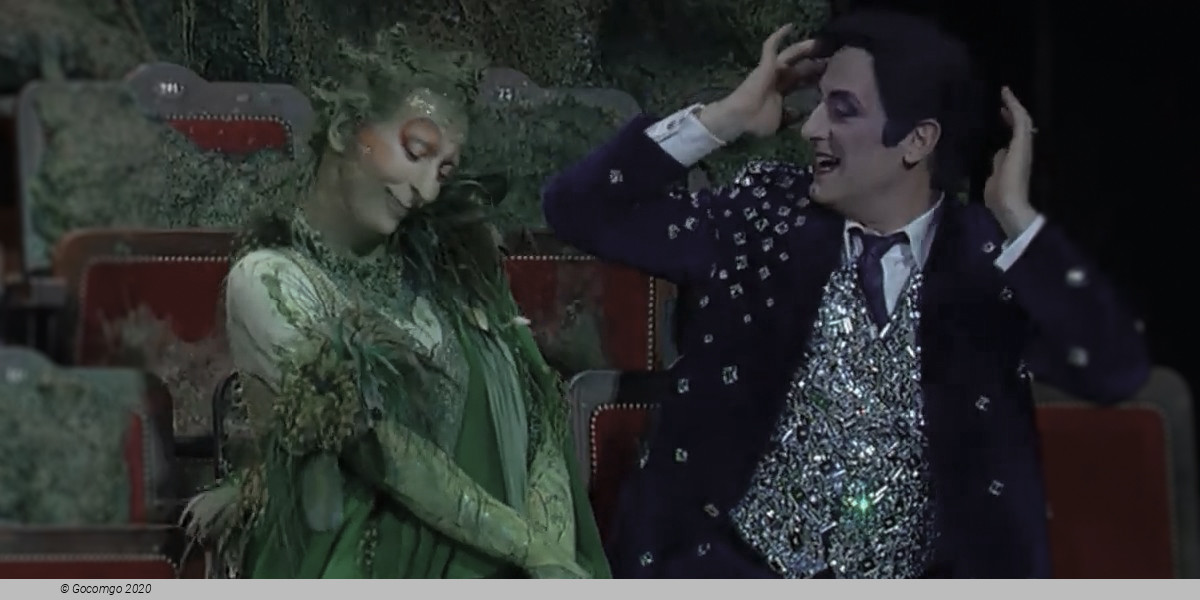
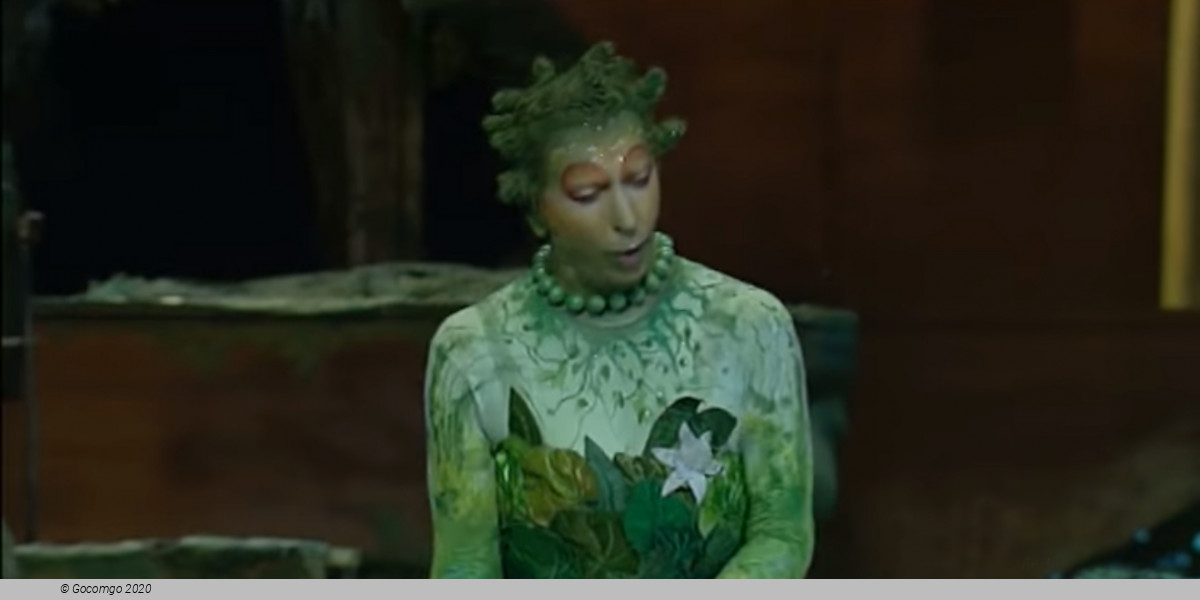
Cithéron is tyrannized by the Aquilons, Junon’s companions. Mercure knows the reason: Junon is furious at Jupiter because she knows that he regularly cheats on her. Cithéron suggests that Jupiter should pretend to marry someone, someone so unworthy and ridiculous that Junon will be cured of her jealousy in one fell swoop. The nymph, Platée, seems to him to be an ideal victim of this trick. Platée lives in her own fantasy-full world. She is firmly convinced that all of the all men find her desirable and she believes that Cithéron is secretly in love with her. This he deliberately lets her believe. When Mercure tells Platée that the previously unattainable Jupiter himself is interested in her, she is set ablaze. Platée excitedly calls all of her companions together: Soon she will be at the side of the highest god, which nobody will be able to ignore.
Second Act
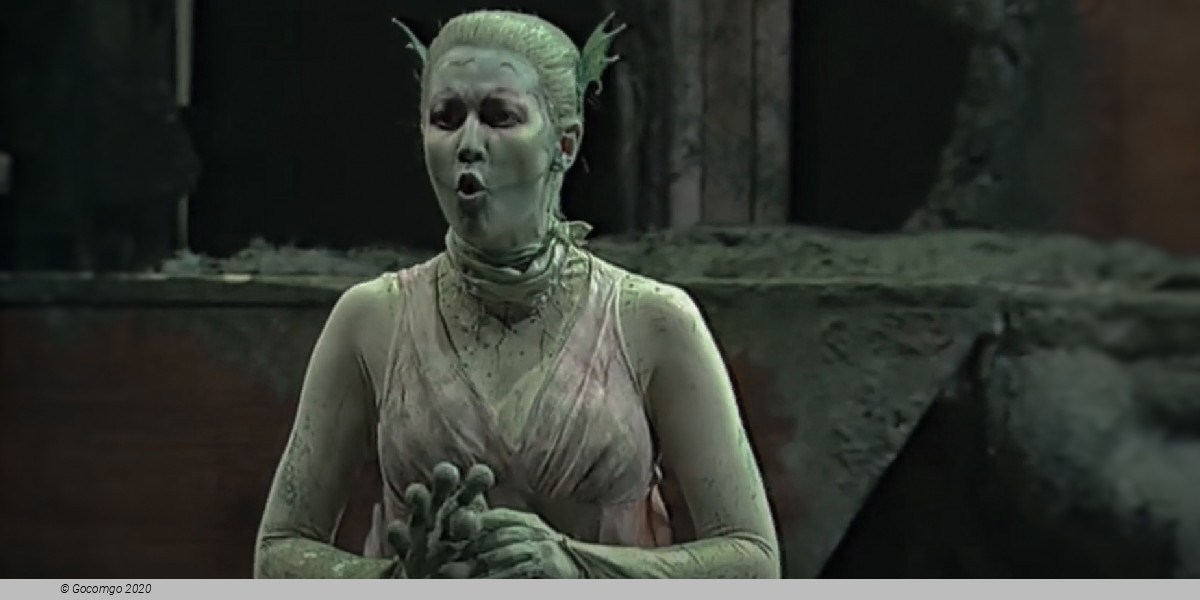
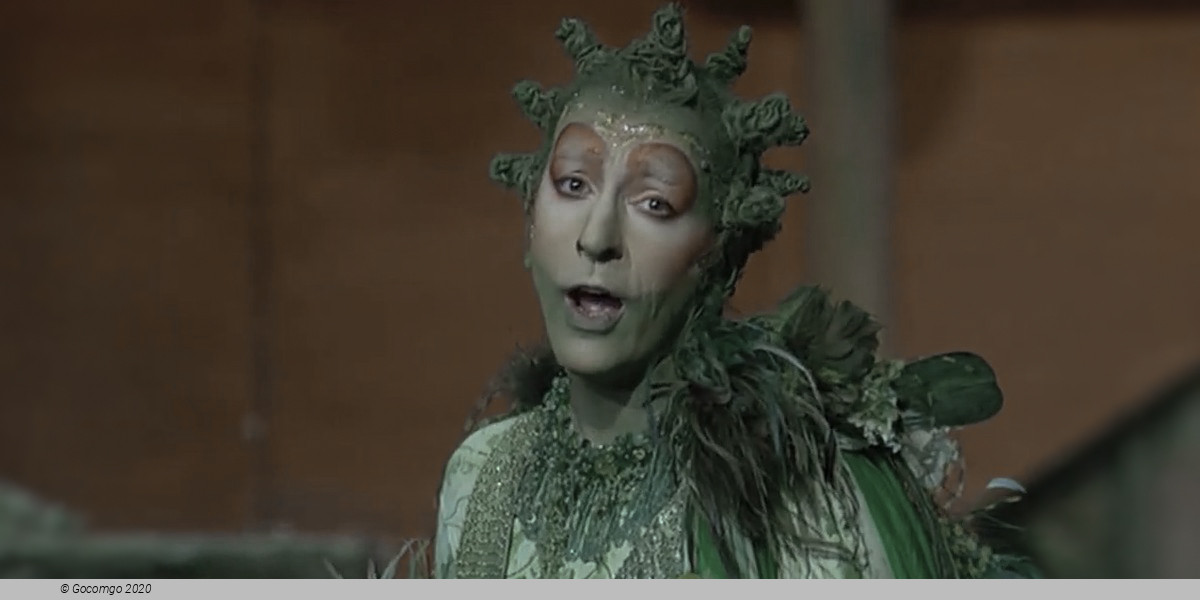
Mercure distracts Junon with a ruse. Jupiter presents himself initially to the enchanted Platée as different kinds of animals. Then Jupiter promises to marry her and orders a huge festival to entertain his new bride. La Folie, the embodiment of foolish insanity, appears to everyone’s surprise. She explains how Jupiter’s transformations usually end fatally for mortals and then begins singing a hymn for Platée’s new marriage.
Third Act
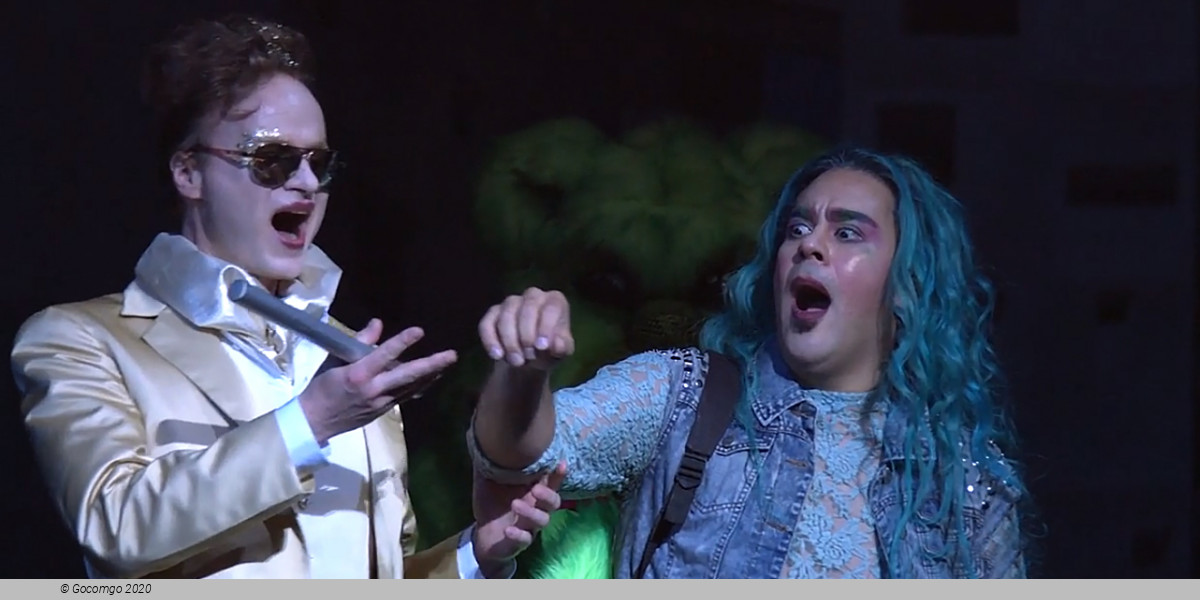
Juno receives word of Jupiter’s "marriage" and goes on a rampage. Mercure calms her down: Soon, she would understand everything. Platée and Jupiter’s marriage preparations move forward. Platée becomes impatient, particularly because the god of marriage, Hymen, and the god of love, Amour, have not arrived yet. Finally, she is satisfied with Momus dressed up as Amour and three fake graces. La Folie is going to perform the marriage. In the last second, Junon storms in and confronts Jupiter. But once she sees Platée at his side, she breaks out into roaring laughter: This ridiculous creature is not worth the jealousy. The humiliated Platée is laughed at by everyone. She threatens to take her revenge.
Prologue
After a night of partying, the Chorus wakes Thespis from a drunken sleep. When Thalie and Momus arrive, they seek Thespis' help in planning the presentation of an entertainment in which they will recreate a long-ago attempt by Jupiter to cure his wife, Juno, of her jealousy. Initially left out of the planning, a furious Cupid arrives on the scene and proclaims that it will be impossible to stage the event without him: "how could there be a play without the inspiration of love?" he asks. All four then lay out the plan.
Act 1
In the middle of a raging storm, Mercury comes down from the heavens and explains to Citheron that it is caused by Juno's jealousy and that he has been sent by Jupiter to find a way of taking his mind off the problem. Citheron's solution is to propose the enactment of the plan put together by the four conspirators: Jupiter will pretend to fall in love with the ugly marsh nymph, Platée — who is convinced that everything that comes near her pond is madly in love with her — and, when Juno finds them together and about to marry, she will realize that her jealousy is baseless and the couple will be re-united.
After Platée arrives, Mercury leaves to inform Jupiter. While she seems to believe that it is Cithéron who is in love with her — in spite of his denials — she is delighted to hear from Mercury that Jupiter will soon descend from the heavens and declare his love: "The god of thunder, drawn to earth by your beauty, wishes to cast at your feet both his heart and the Universe" A new storm created by Juno bursts forth, but Platée is not put out and the marsh creatures retreat to their watery homes.
Act 2
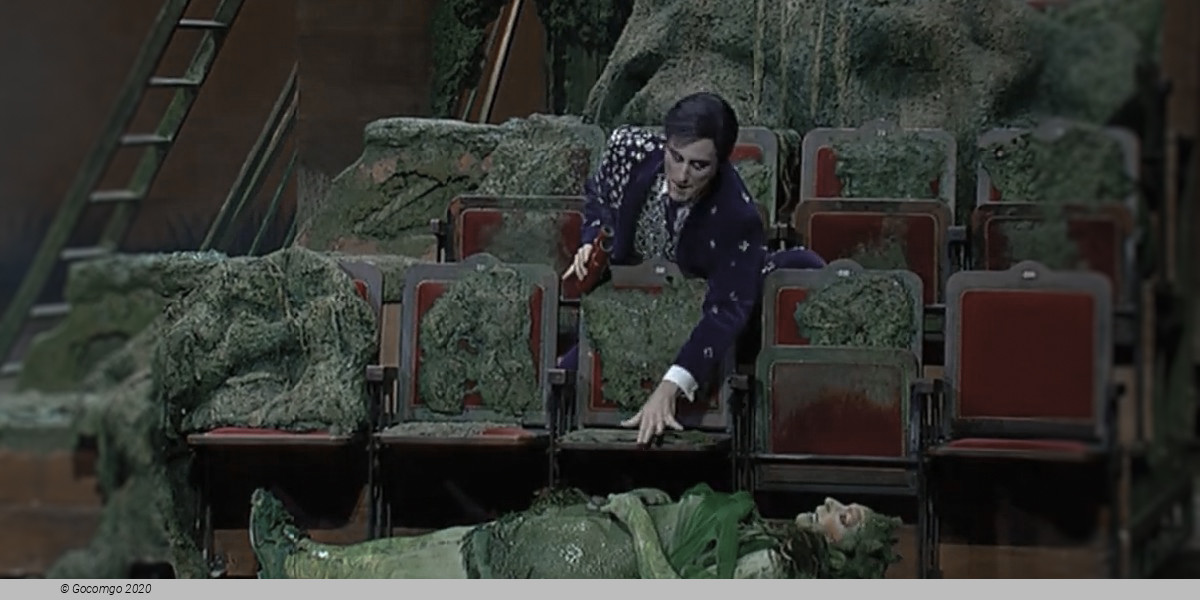
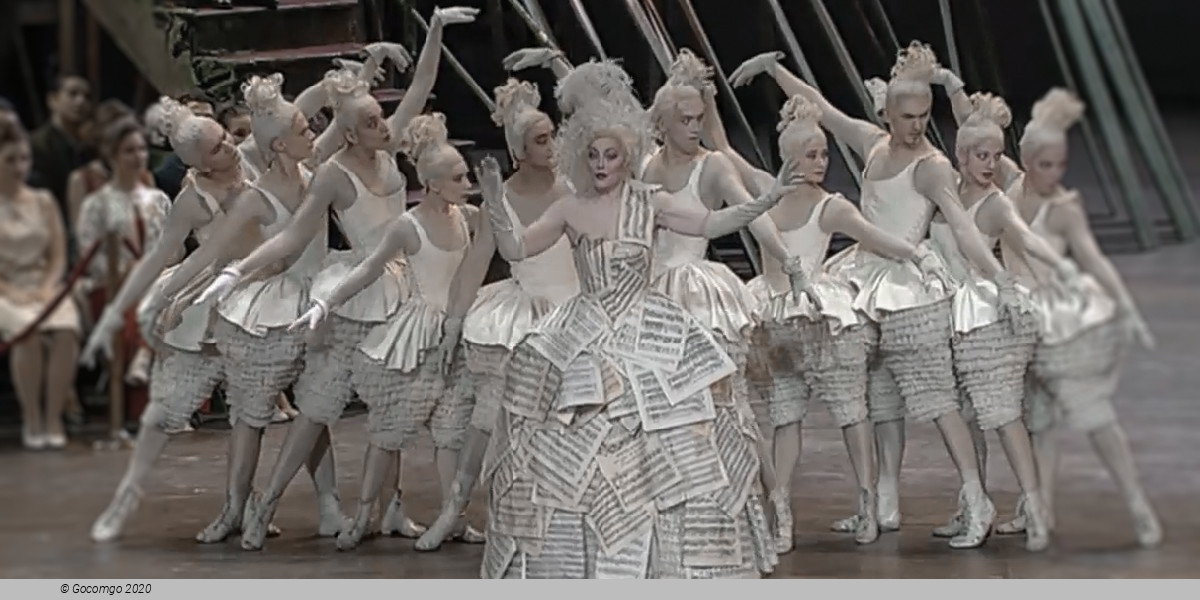
Having sent Juno off to Athens, Mercury and Cithéron find a hiding place to observe the proceedings. Accompanied by Momus, Jupiter arrives, revealing himself first as a donkey (to the accompanying sounds of donkey braying from the orchestra), then as an owl, and finally, in person in a clap of thunder and bright light. An extended divertissment proceeds, including a show-stopping highlight in which La Folie (Madness) sings the story of Apollo and Daphne as a warning to Platée not to get involved with Jupiter. Dancers and singers alternately praise and mock Platée.
Act 3
As people arrive for the marriage of Jupiter and Platée, a furious-at-being-tricked Juno has returned from Athens but she is persuaded to hide until the right moment. Momus appears, poorly disguised as Love, and offers "gifts" to Platée. Jupiter and Platée begin to take part in the wedding ceremony, but, stalling after his initial "I swear", he awaits the arrival of Juno. When she finally sees Platée and removes her veil, she realizes that it was all a joke. The gods ascend back to heaven and the humiliated Platée leaps back into the pond.










 Theaterplatz 2