Act 1
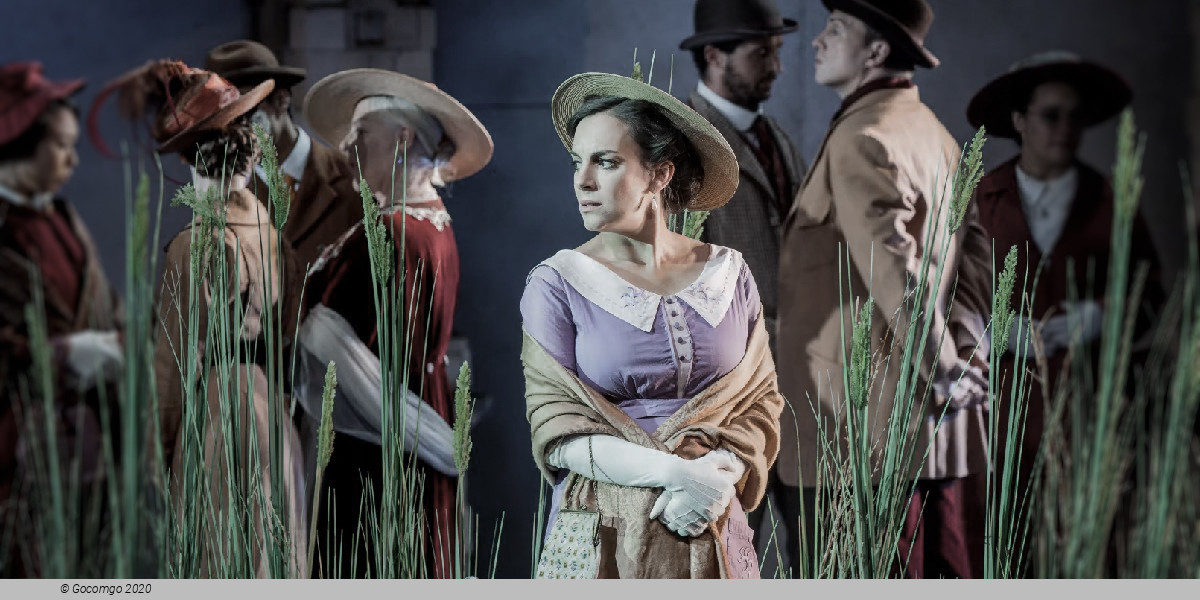
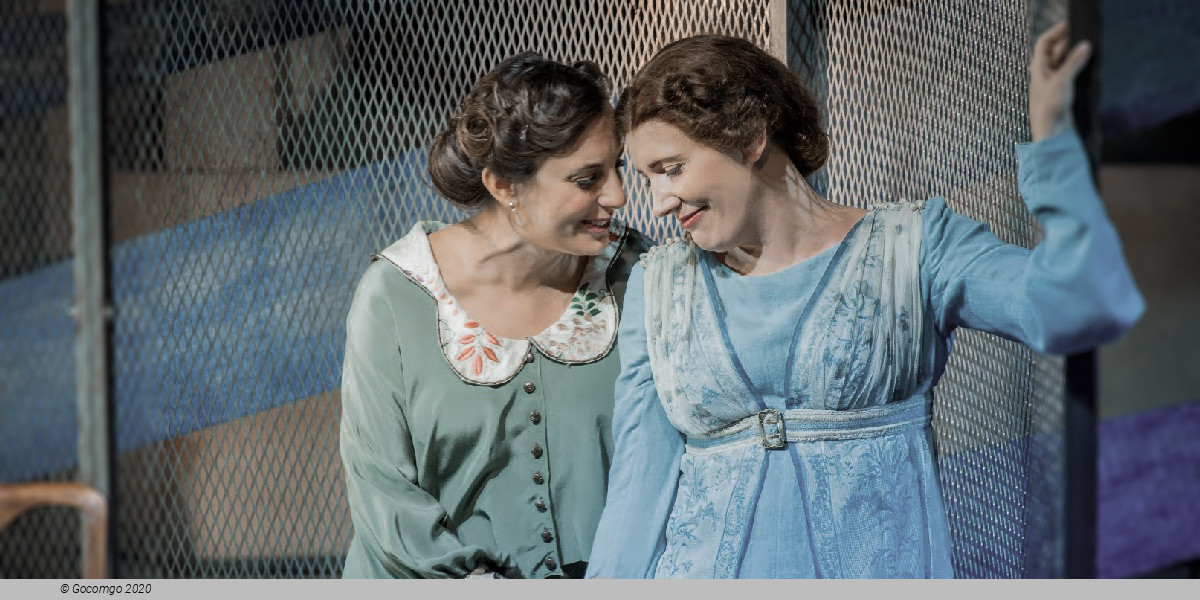
The teacher Váňa Kudrjáš revels in the view of the river Volga. The peaceful afternoon atmosphere is disturbed by a quarrel between the brusque and self-confident merchant Dikoj and his nephew Boris. After Dikoj has left, Boris explains to Kudrjáš why they argued: according to his late grandmother’s will, he must respect his boorish uncle, otherwise he and his sister will not be able to collect their share of the inheritance once they have come of age. The Kabanov family return from church. Boris goes on to tell Kudrjáš that he is in love with Káťa, the young wife of Tichon Kabanov. Kudrjáš warns Boris not to harm Káťa. The old widow Kabanová (Kabanicha) complains that since his marriage to Káťa her son Tichon has paid more attention to his wife than to his mother. A weakling, Tichon then speaks to Varvara, the family’s foster daughter, to whom Káťa is like a sister. She rebukes Tichon for pestering his wife, although insisting that he loves her. At Kabanov’s house, Káťa tells Varvara about her happy childhood, about the dreams in which she was flying. In desperation, she confesses that she loves a man other than her husband, in spite of realising that it is a sin. Tichon comes in to say good-bye, since he is to travel to Kazan on business, as his mother ordered him to do. Káťa beseeches him to take her with him, yet Tichon refuses. She then asks him to make her swear not to speak to or look at any strangers during his absence. Kabanicha enjoins her son to instruct Káťa how to behave while he is away. Tichon dutifully obeys him mother and abruptly leaves.
Act 2
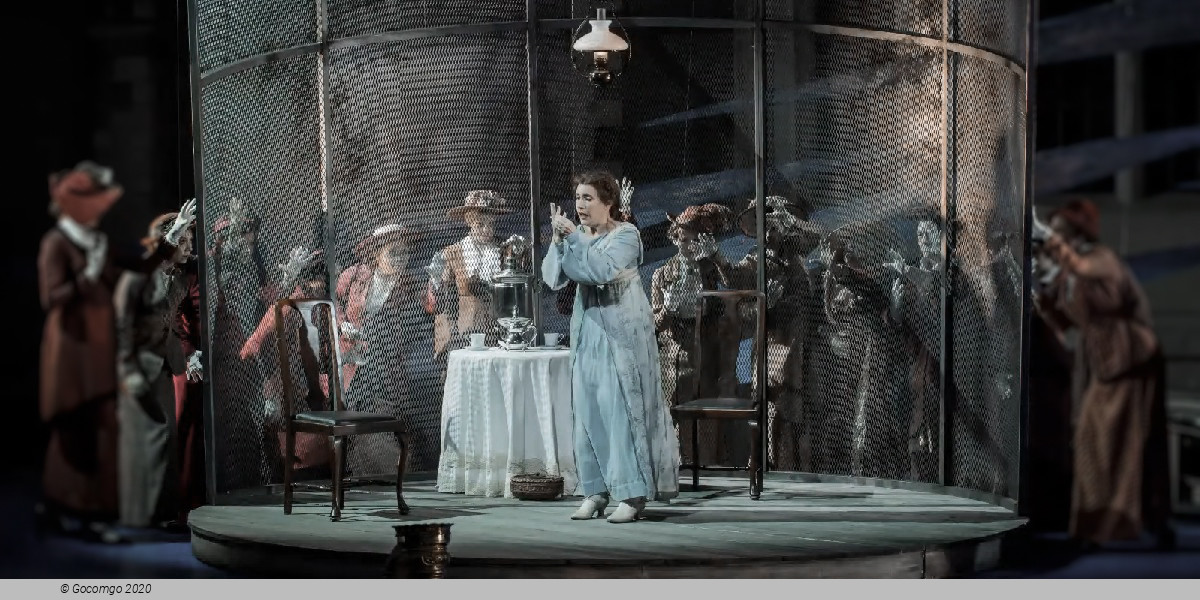
Kabanicha upbraids Káťa for not being sufficiently sorrowful at her husband’s absence. After she has left, Varvara shows Káťa the key from the garden gate through which she can escape, adding that when she sees Boris she will instruct him to wait for Káťa there. Overwhelmed by desire, Káťa steps out as evening falls. The drunken Dikoj visits Kabanicha, trying to win her favour, yet the woman dismisses him. Kudrjáš is waiting for Varvara. His friend Boris appears out of the blue after receiving a message from an unknown girl to go to the same spot. Boris reveals to Kudrjáš his affection for Káťa, adding that he does not know whether she is keen on him. Varvara and Kudrjáš go for a walk by the river. Káťa soon emerges. First keeping her distance, after Boris has declared his love for her she reciprocates by confessing her secret feelings for him. Yet Káťa is fully aware that she will pay dearly for her moments of happiness with Boris.
Act 3
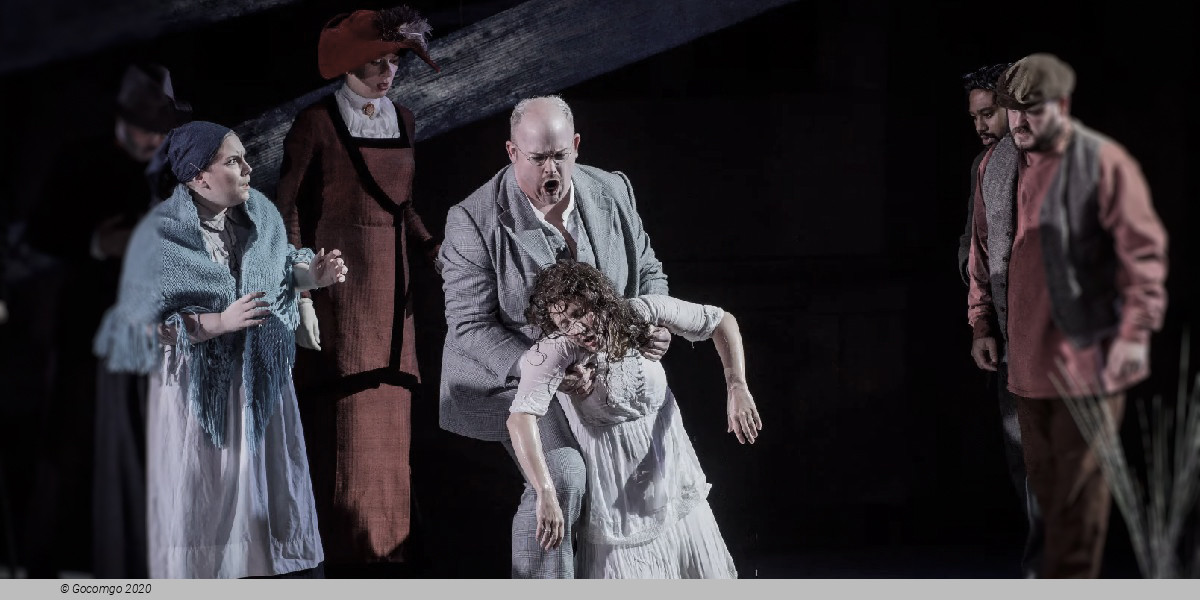
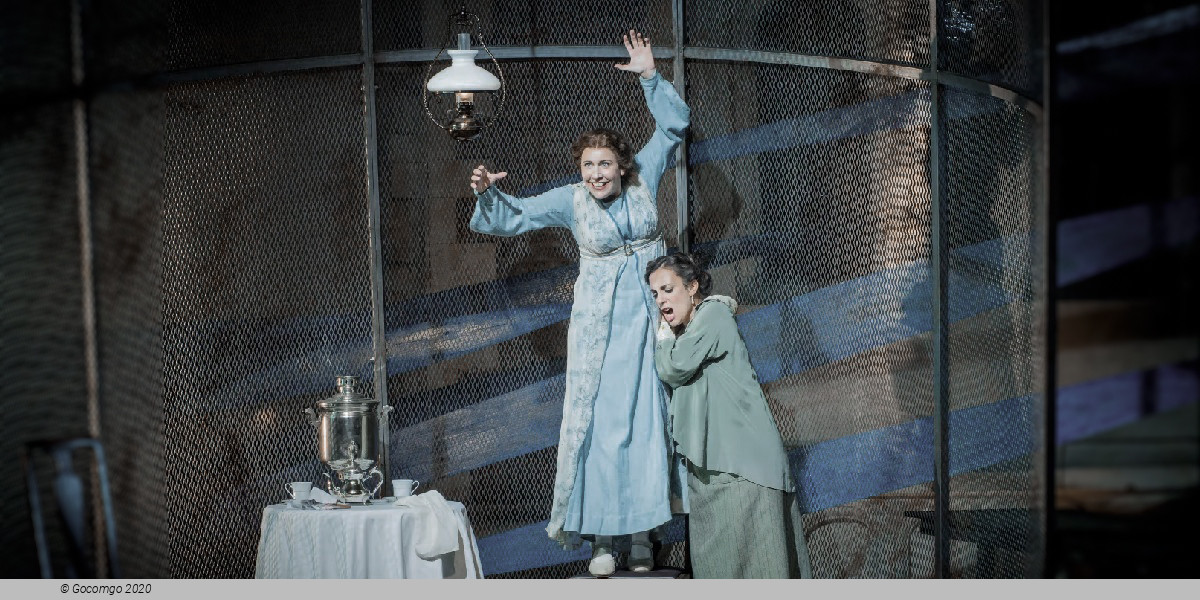
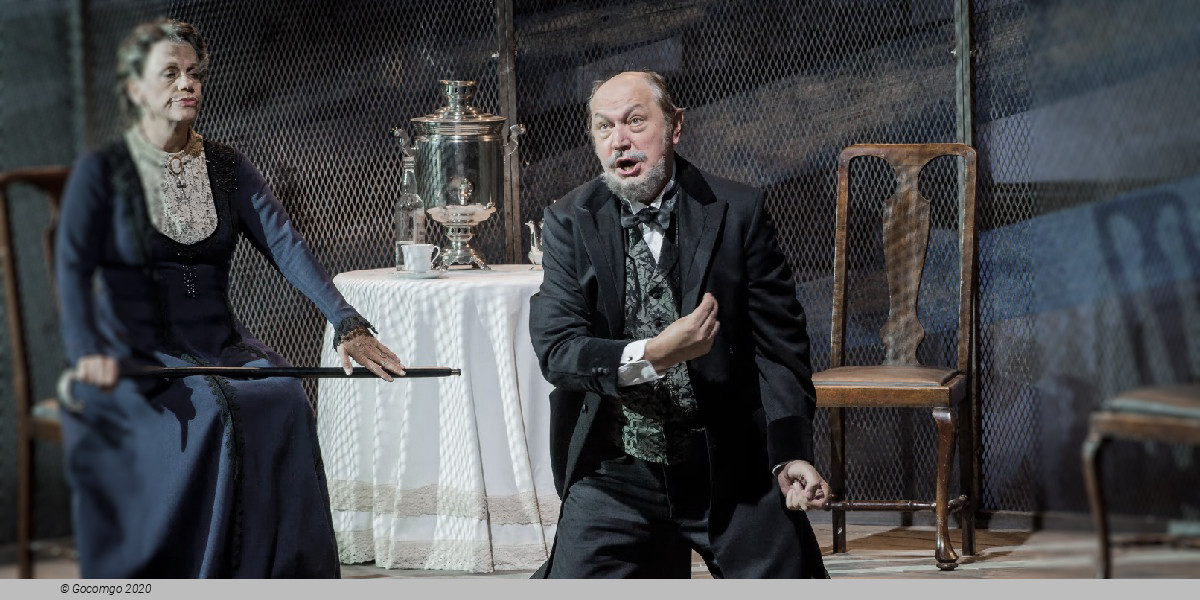
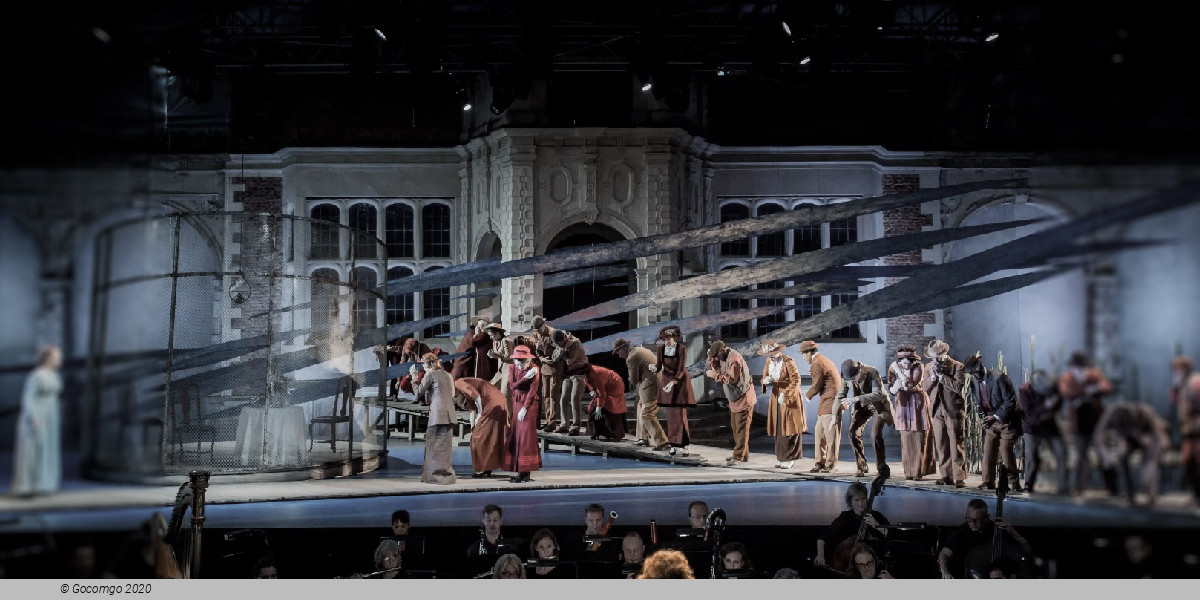
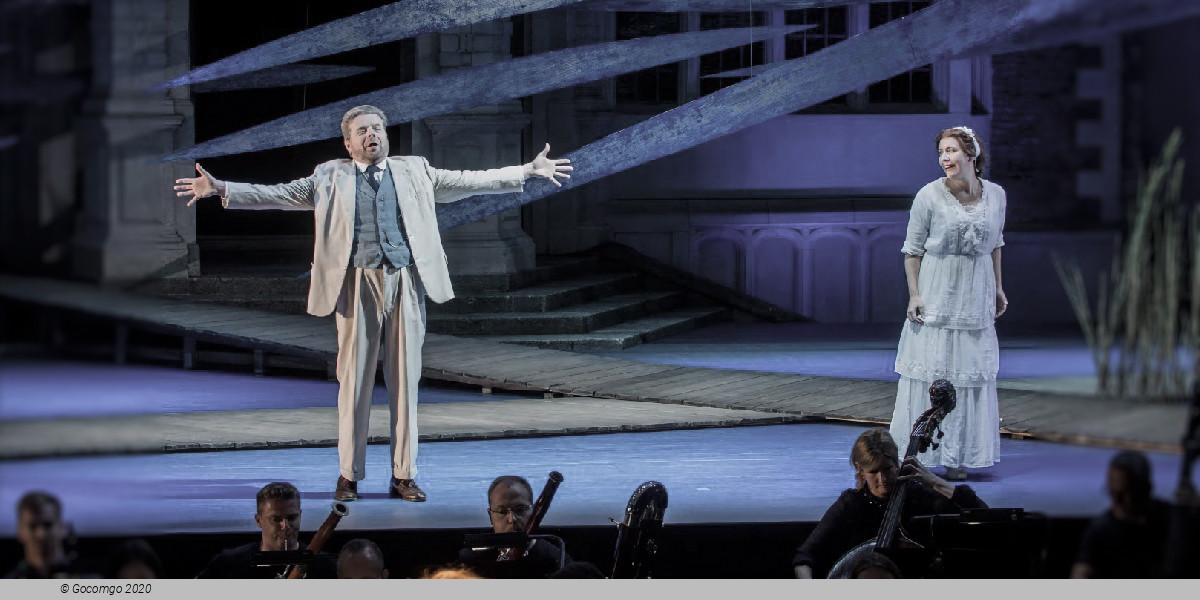
Kudrjáš takes shelter in a dilapidated building before an approaching storm. He is joined by Dikoj, who is frightened. Kudrjáš tries to calm him, referring to a new invention, the lightning rod. This, however, infuriates Dikoj, who insists that lightning is not a discharge of electricity but God’s punishment. Káťa arrives with Tichon and Kabanicha. Distraught and crushed by guilt, Káťa confesses to having met with Boris during Tichon’s absence and presently falls into her husband’s arms. But she then frees herself and runs out into the storm. By the Volga, Tichon and the servant Glaša seek Káťa in the dark. Kudrjáš and Varvara decide to leave for Moscow and start a new life. Káťa staggers along the river. Instead of bringing relief, her confession has dishonoured her and humiliated Boris. But she wants to see Boris one more time so as to assure him of her deep love. Upon hearing her call, Boris runs towards her, and they embrace. Boris tells Káťa that his uncle is sending him to Siberia on business. Unable to think straight, Káťa finally bids farewell to Boris. Slowly approaching the river, Káťa imagines birds and flowers on her grave. After achieving momentary calm, she throws herself into the Volga. Tichon wants to save his wife, but Kabanicha restrains him. He then blames his mother for Káťa’s suicide. After Dikoj has brought Káťa’s body, Tichon wildly laments his dead wife. Evidently unmoved, Kabanicha ceremoniously bows to the terrified bystanders and thanks them for their help.
Place: The Russian town of Kalinov on the shores of the Volga River
Time: The 1860s
Act 1
Vána Kudrjás admires the view of the Volga River, which amuses the more literal-minded housekeeper of the adjoining Kabanov estate. Two men approach, Dikoj and his nephew, Boris Grigorjevic, where Dikoj is berating Boris. Dikoj learns that Kabanicha, the Kabanov family matriarch, is not at home. Dikoj leaves, and Boris explains to Vána Kudrjás why he tolerates the abuse: his parents are dead, and to be able collect his inheritance, he must respect his uncle no matter what his uncle says to him. Boris also tells Vána Kudrjás that he is secretly in love with Káťa, the young wife of Tichon. Káťa appears and Kabanicha reproaches her son Tichon – Kata's husband – for his inattentiveness. Tichon and Káťa try to calm her down, but Kabanicha will have none of it, telling Tichon that he spoils Káťa. Tichon complains to Varvara, the family's foster daughter, who rebukes him for retreating into drinking more than defending Káťa.
In the house, Káťa tells Varvara of her happy childhood, and dreams of having a man who truly loves her. Tichon enters to say good-bye, as he is journeying to Kazan on business, for Kabanicha. Káťa asks to accompany him or for him not to go, but he insists. Káťa then asks him to make her swear an oath to speak to no strangers during his absence, which puzzles Tichon. Kabanicha announces that Tichon must go, but not before instructing Káťa how to behave in his absence. Tichon dutifully says that Káťa must treat Kabanicha like her own mother and always act properly. He bows to Kabanicha and kisses her and Kát'a before he departs.
Act 2
The women are working on embroidery. Kabanicha criticizes Káťa for not appearing more sorrowful at Tichon's absence. After Kabanicha leaves, Varvara shows Káťa the key to the far part of the garden. Varvara intends to meet Vána, her lover, there. She hints at the same suggestion for Káťa, and puts the key in her hand. Káťa is hesitant, but then surrenders to fate and will meet Boris. She steps outside as evening comes on. Kabanicha reappears with Dikoj, who is drunk and complaining that people take advantage of his softhearted nature. However, Kabanicha chastises him.
Vána Kudrjás is waiting for Varvara in the garden. Boris then unexpectedly appears, after receiving a message to go there. Varvara arrives, and she and Vána go for a walk by the river. Káťa then appears, and Boris declares his love for her. She is at first worried about social ruin, but finally she reciprocates, confessing her secret feelings for him. They embrace and themselves leave for a walk. Vána and Varvara return, as she explains her precautions in case Kabanicha suddenly appears. Káťa and Boris are heard in wordless, ecstatic duet as Vána and Varvara say that it is time to return home.
Act 3
Ten days later
Vána Kudrjás and Kuligin are strolling near the river when an approaching storm causes them to take shelter in a ruined building. Other people join them, including Dikoj. Vána tries to calm Dikoj with scientific explanations about a new invention, the lightning rod. However, this only angers Dikoj, who insists that lightning is not caused by electricity but is the punishment from God. The rain dies down, and people start to leave the shelter. Vána meets Boris and Varvara. Varvara says that Tichon has returned, and Káťa is very agitated. Kabanicha arrives with Tichon and Káťa. The storm returns, and people assume initially that this is what upsets Káťa. However, she confesses to Tichon in front of everyone her assignation with Boris during her husband's absence. Then she runs out into the storm.
Evening approaches after the storm has ended. Tichon and a search party are looking for Káťa. At first among the party, Varvara and Vána then decide to leave the village for Moscow and start a new life. They leave, and as the searchers continue, Káťa appears. She knows that her confession has dishonoured her and humiliated Boris. She feels tormented and wants to meet Boris one more time. Boris appears and sees her, and the two embrace. Boris says that his uncle is sending him away to another town, but asks her what will become of her. As her sanity deteriorates, she first begs him to be allowed to accompany him, then insists that she could not and bids him farewell; he leaves in sorrow. After thinking of how nature will continue to flourish over her grave, Káťa throws herself into the river. Kuligin sees this from the far bank and calls for help. Tichon appears, followed by Kabanicha. Tichon tries to help Káťa but is restrained by Kabanicha; he blames her for Káťa's suicide. Dikoj appears with Káťa's body and lays her on the ground. Tichon cries over the body as, without any emotion, Kabanicha thanks the bystanders—or, as often done, the audience—for their help.



 Theaterplatz 2