Prologue
The Empress was once hunted in the form of a gazelle by her husband, the Emperor, with the aid of his falcon. She is the daughter of the stern and powerful Spirit King Keikobad, who has set her a one-year time limit: if she does not cast a shadow during this time frame and consequently remains barren, the Emperor will turn to stone and the Empress will return to her father.
Act 1
A messenger of Keikobad asks the Empress’s nurse whether the Empress now casts a shadow. When she answers no, he announces the expiry of the time limit within three days. The nurse conceals the visit, but the Empress learns from the falcon that the Emperor will soon turn to stone. She begs the nurse to help her. The nurse proposes that she acquire a shadow in the world of men. There they meet the dyer Barak and his wife who, like the Empress, was compelled to marry and longs for freedom. Despite the fact that Barak desperately wants children, the marriage has remained childless thus far. The nurse persuades the young woman to give her shadow to the Empress. Alone, the dyer’s wife is plagued by guilt and hears the voices of the unborn children.
Act 2
When Barak leaves the house in the morning, the nurse conjures a youth to seduce the young woman, but her plan is thwarted by her husband’s unexpected return. The Emperor is now looking for the Empress; when he finds her among humans, he feels betrayed and threatens to kill her. The nurse gives Barak a sleeping potion and once again conjures the young man, but the dyer’s wife refuses him, wakes Barak, and confronts him with numerous reproaches. The Empress is tormented by pity for Barak. At the same time, she sees her husband turning to stone in a dream. She feels guilty towards both men. Barak's wife provokes her husband by confessing her alleged adultery and by renouncing her shadow, preventing her from having children. Her despondent husband threatens to kill her. The nurse asks the Empress to take the woman’s shadow at last, but she refuses. The dyer’s wife admits to pretending she had committed adultery and surrenders to her fate. When Barak is about to make the fatal blow, the earth opens up beneath them and they are plunged into the depths.
Act 3
Barak and his wife find themselves in separate chambers. They long for one another and repent of their guilt. A voice announces to them that the path to each other is open, but it leads them both in different directions. The Empress is determined to submit herself to the judgement of her father Keikobad in order to save her husband. She splits from the nurse and enters Keikobad’s kingdom of stone. The nurse is sent back to the human world that she despises. The Empress hears the wandering Barak and his wife outside the rocks. In vain, she asks Keikobad to judge her. When she is offered to drink of the water of life, which would enable her to obtain the shadow, she refuses. She would rather die with the Emperor than incur guilt. The Emperor then appears, awakened to life through her renunciation, and the Empress begins to cast a shadow. Barak and his wife, who has regained her shadow, are reunited. The couple’s rejoicing is mingled with the voices of the unborn children.
The opera's story is set in the mythical empire of the Southeastern Islands and involves five principal characters: the Emperor (tenor), the Empress (soprano), her Nurse (mezzo-soprano), Barak, a lowly dyer (bass-baritone), and the Dyer's Wife (dramatic soprano). A sixth character, Keikobad, King of the Spirit Realm and father to the Empress, sets the plot in motion, but never appears on stage. The Empress is half human: she was captured by the Emperor in the form of a gazelle. She assumed human shape and he married her, but she has no shadow. This symbolizes her inability to bear children. Keikobad has decreed that unless the Empress gains a shadow before the end of the twelfth moon, she will be reclaimed by her father and the Emperor will turn to stone.
Act 1
Scene 1
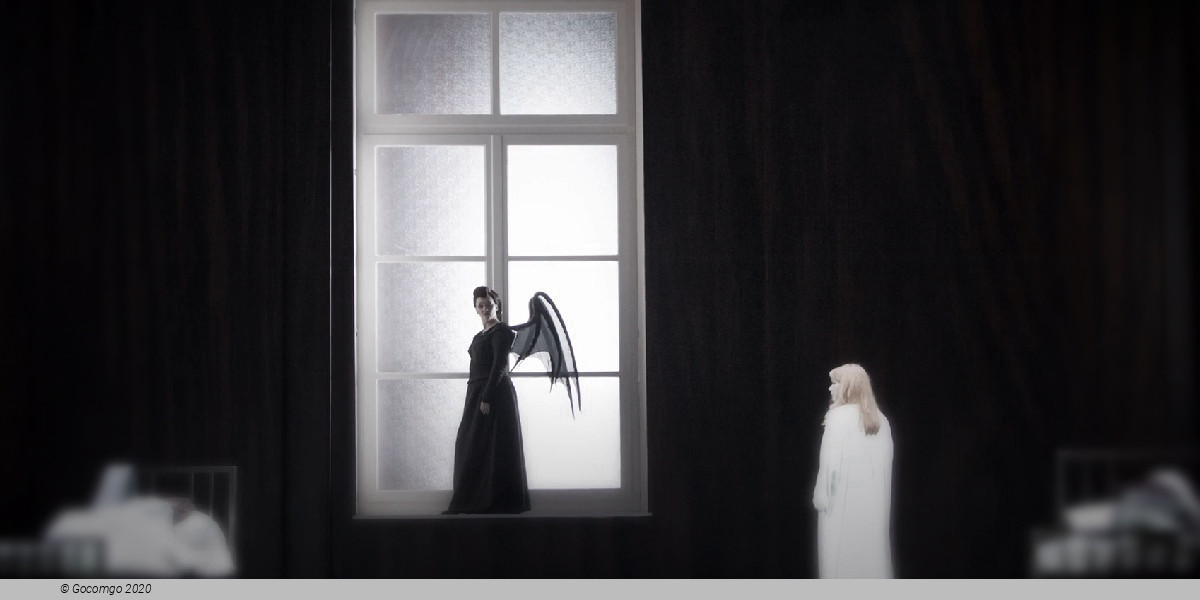
It is dawn, outside the bedchambers of the Emperor and Empress. The Messenger of Keikobad arrives, and tells the Empress's nurse that the Empress must acquire a shadow within three days, or will be forcibly returned to his realm, and the Emperor turned to stone. The Nurse is excited about the prospect of returning to the spirit world, since she hates humans and having to dwell with them.
The Messenger leaves and the Emperor emerges from his bedchamber. He departs on a three-day hunting trip, seeking his favorite falcon, which he drove away for attacking a gazelle that later turned into the Empress. He leaves his wife to the Nurse's care. The Empress emerges from her chamber and reminisces about times when she had the ability to turn into any creature she wanted.
It is revealed that after being attacked by the red falcon that the Emperor is seeking, she lost a talisman that gave transformation powers, and on which was inscribed a curse that foresaw the fate she and the Emperor are about to face if she does not acquire a shadow. The red falcon appears and warns the Empress that the curse is about to be fulfilled. The Empress begs the Nurse to help her get a shadow. The Nurse, who is steeped in magic, suggests descending to the mortal world and finding a woman who will sell her shadow to the Empress.
Scene 2
Barak, a dyer, shares his hut with his Wife and his three brothers: the One-Eyed Man, the One-Armed Man, and the Hunchback. The three brothers fight about a stolen item and are separated by the Wife, who throws a bucket of water at them. The brothers-in-law then argue with the Wife. Barak enters and stops the argument. The Wife wants to have her in-laws thrown out, but her husband refuses.
The Dyer desires children, but his Wife fears the responsibility and has secretly sworn not to have any. The Dyer and his brothers leave, and the Empress and the Nurse arrive in disguise. The Wife wants them out of her house but the Nurse conjures up visions of luxury and promises them to the Wife in return for her shadow. The Wife agrees to deny her husband for three days during which the Nurse and the Empress will live at the Dyer's hut as poor relatives who have come to work as servants.
Barak approaches and the Wife is worried that dinner is not ready, the Nurse once more uses her magic to have everything ready, including the splitting of Barak's bed in two. The Nurse and Empress disappear, and the Wife is greatly upset by the offstage Voices of Unborn Children lamenting, which emerge from the fish that are cooking on the fire. The Dyer returns to find he is barred from his marital bed. The Wife curtly informs him of the impending stay of her "cousins" and goes off to her separate bed. From outside the Town Watchmen are heard singing of the importance of conjugal love. Barak sighs and lies down to sleep on the floor.
Act 2
Scene 1
The Empress, acting as a servant, helps the Dyer leave for work, but is troubled by her role, because Barak is very kind to her. The Nurse conjures up the image of a handsome youth by bringing a broom to life, which tempts the Dyer's Wife. The Dyer returns with his hungry brothers and beggar children. He has had a magnificent day at the market, selling all his goods, and has invited everyone to celebrate. However, his Wife manages to ruin the celebration.
Scene 2
The Emperor is led to his hunting lodge in the forest by the red falcon. He sees the Empress and Nurse surreptitiously enter the lodge, and is suspicious. When he comes closer, he smells a human odor trailing the Empress. Thinking she has betrayed him, he resolves to kill her. He first thinks of using an arrow, and then his sword, and then his bare hands. Finally he realizes he can't do it. He resolves to seek out some isolated ravine to be alone with his misery.
Scene 3
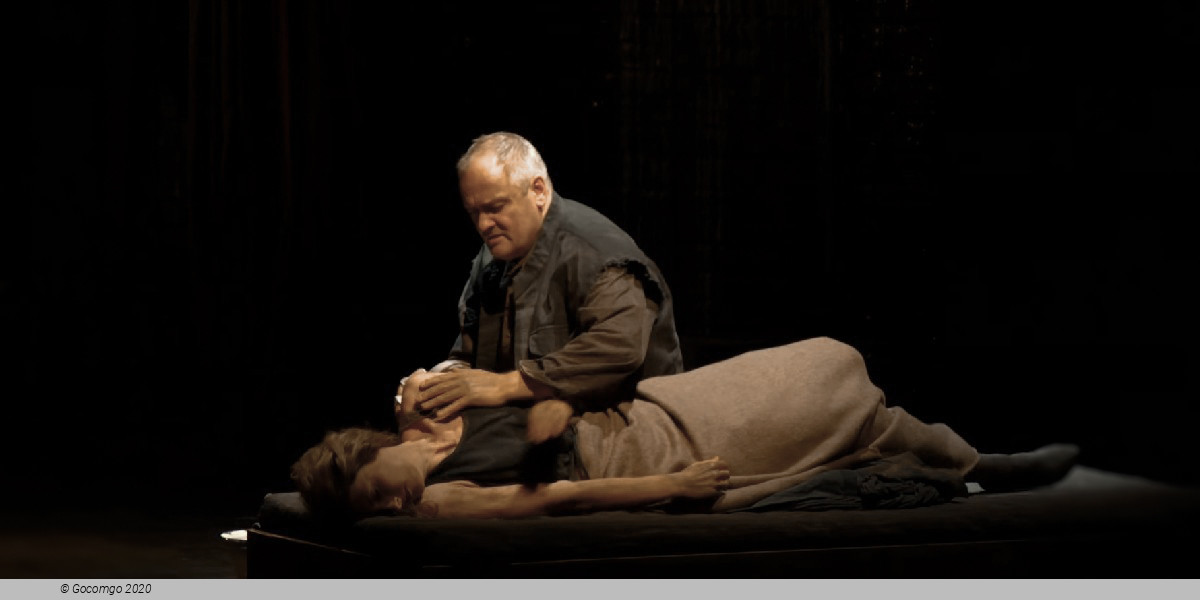
At the Dyer's house, the Dyer is drugged into sleep by the Nurse. The Nurse again conjures up the young man for the Wife, who grows frightened and rouses the Dyer. Barak is surprised to learn that there is a man in his house but then is quickly turned upon by his Wife, who shouts at him, then leaves for the city, leaving her confused husband. Left alone with Barak, the Empress feels more guilty than before.
Scene 4
The Empress goes to sleep at the hunting lodge, but in her sleep she is further troubled by her crime and by the possible fate of the Emperor. In a dream, she sees the Emperor enter her father's realm. Unseen choruses chant the curse of the talisman. Awakening, she is overcome with guilt and remorse.
Scene 5
The next day, the Wife announces that she has sold her shadow. When a fire reveals that she has no shadow, the enraged Barak is ready to kill her. The Empress cries out that she no longer wants the shadow. A sword appears in the Dyer's hand. His brothers restrain him as the Wife declares her remorse and urges Barak to kill her. An earthquake splits the ground and Barak and his wife are swallowed into the earth. The brothers flee, and the Nurse, recognizing Keikobad's hand, spirits the Empress away.
Act 3
Scene 1
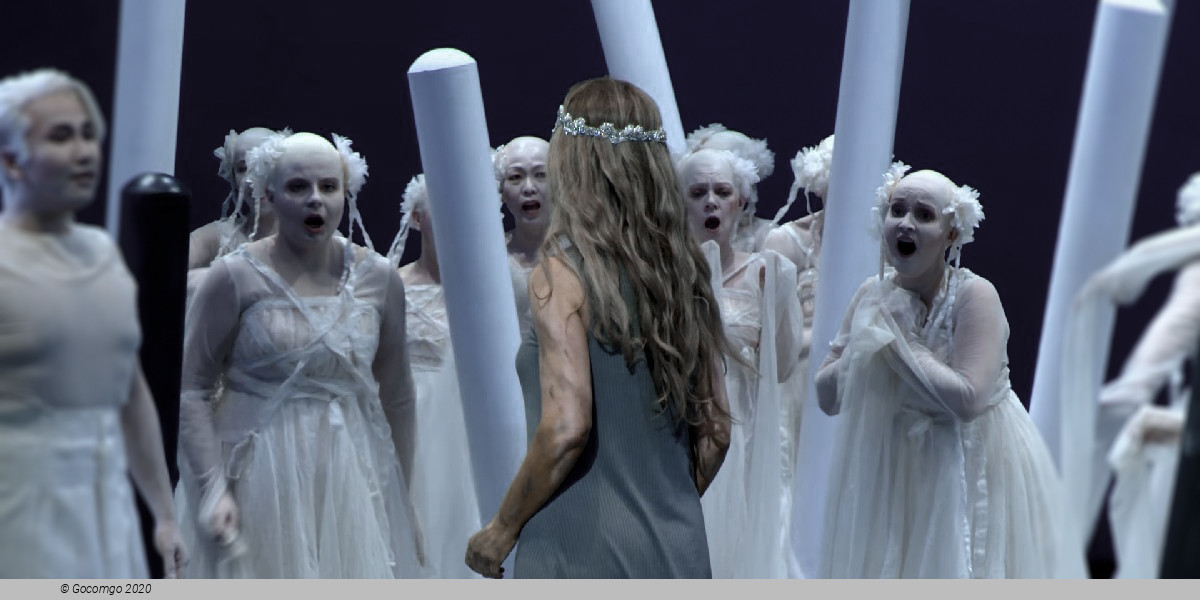
In a grotto beneath the realm of Keikobad, the wife and the Dyer are seen in separate chambers, unaware of the other's presence. The Wife is haunted by the Voices of Unborn Children. She protests that she loves the Dyer, who regrets his attempted violence. A voice directs them up separate staircases.
Scene 2
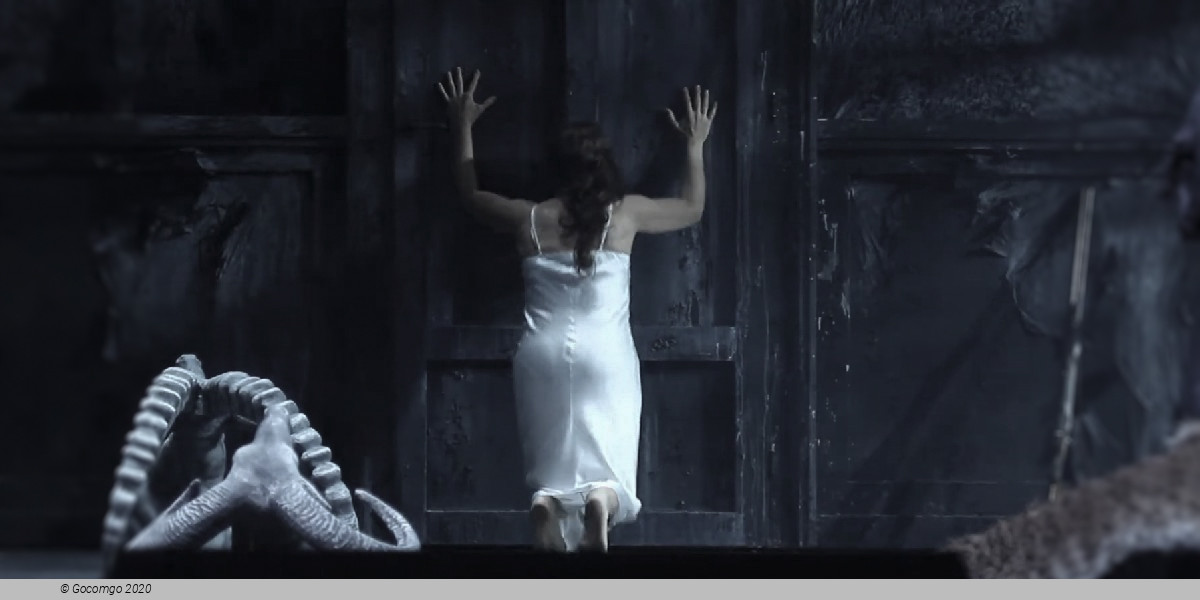
The Empress and Nurse arrive before Keikobad's Temple. The Nurse tries to convince the Empress to escape but she remembers the doors from her dream and knows that her father is waiting for her on the other side. She dismisses the Nurse and enters. The Nurse foretells terrible tortures awaiting the Empress and misleads the Wife and Barak, who are looking for each other, she to die at her husband's hand, he to forgive her and hold her in his arms. Keikobad's Messenger condemns the Nurse to wander the mortal world.
Scene 3
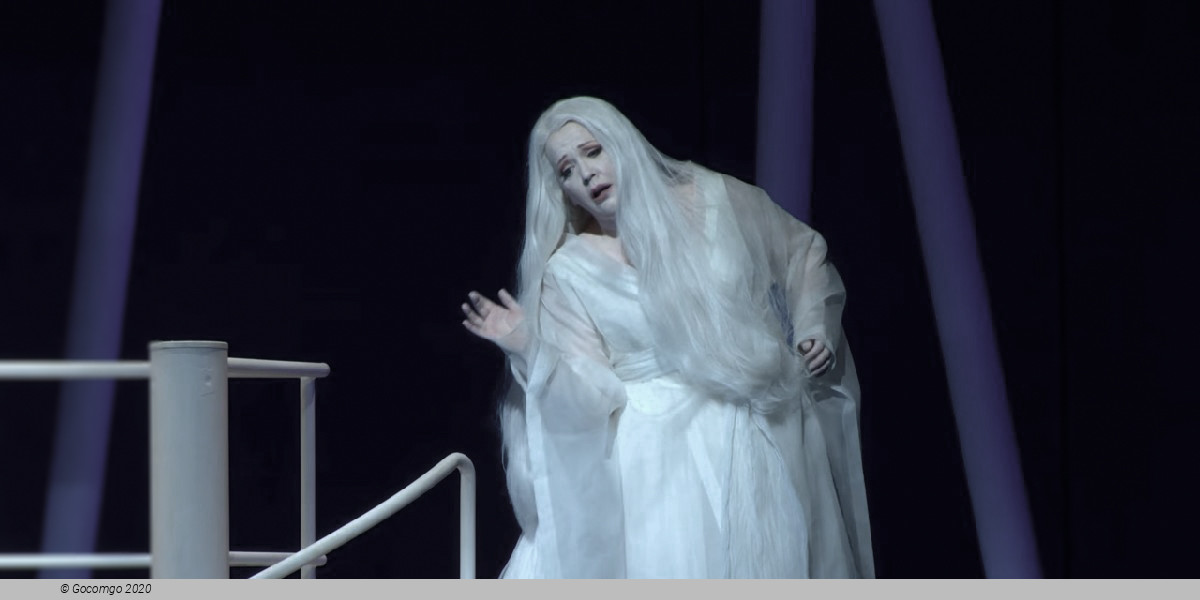
Inside the Temple, the Empress speaks to Keikobad, asking for forgiveness and to find her place amongst those who cast shadows. Keikobad does not answer but shows the Emperor already almost petrified. The Fountain of Life springs up before the Empress, and a temple guardian urges her to drink from it and claim the Wife's shadow for herself. But the Dyer and the Wife are heard offstage, and the Empress refuses to steal their future happiness and become human by robbing humanity from someone else: "Ich will nicht!" ("I will not!"). This act of renunciation frees her: she receives a shadow, and the Emperor is restored to natural form
Scene 4
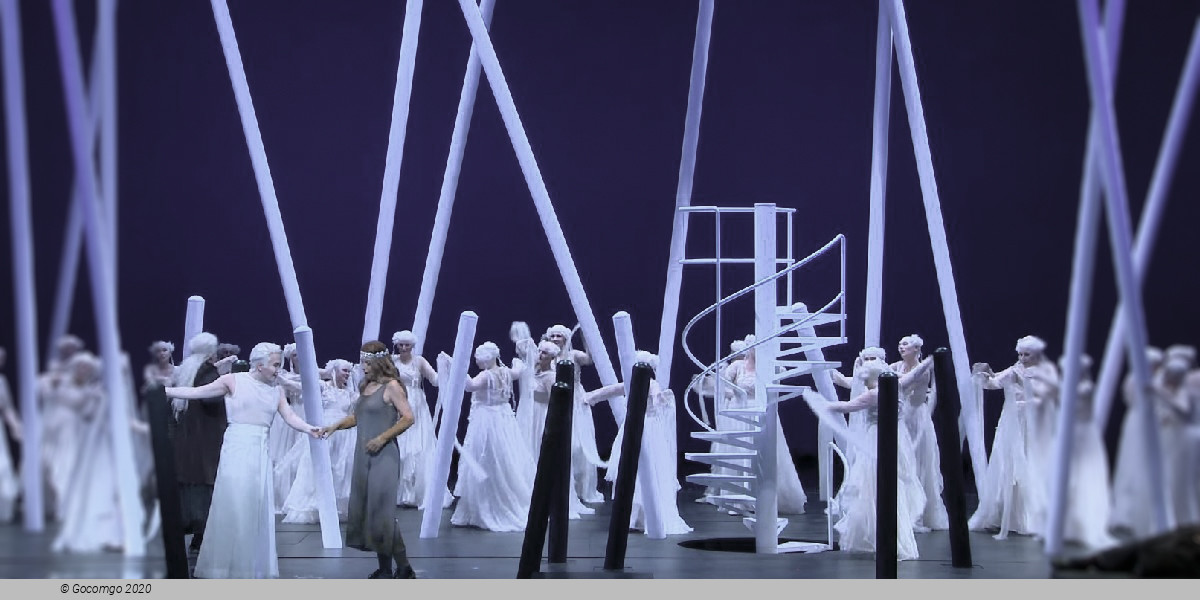
The scene changes to a beautiful landscape. Barak and his Wife are reunited and she regains her own shadow. Both couples sing of their humanity and praise their Unborn Children.








 Theaterplatz 2