





Semperoper Dresden 18 March 2023 - Carmen | GoComGo.com

Carmen

Semperoper Dresden, Semperoper Dresden, Dresden, Germany
All photos (9)
Select date and time
3 PM

E-tickets: Print at home or at the box office of the event if so specified. You will find more information in your booking confirmation email.

You can only select the category, and not the exact seats.
If you order 2 or 3 tickets: your seats will be next to each other.
If you order 4 or more tickets: your seats will be next to each other, or, if this is not possible, we will provide a combination of groups of seats (at least in pairs, for example 2+2 or 2+3).

Important Info
Type: Ballet
City: Dresden, Germany
Starts at: 15:00
Acts: 2
Intervals: 1

E-tickets: Print at home or at the box office of the event if so specified. You will find more information in your booking confirmation email.

You can only select the category, and not the exact seats.
If you order 2 or 3 tickets: your seats will be next to each other.
If you order 4 or more tickets: your seats will be next to each other, or, if this is not possible, we will provide a combination of groups of seats (at least in pairs, for example 2+2 or 2+3).

Overview

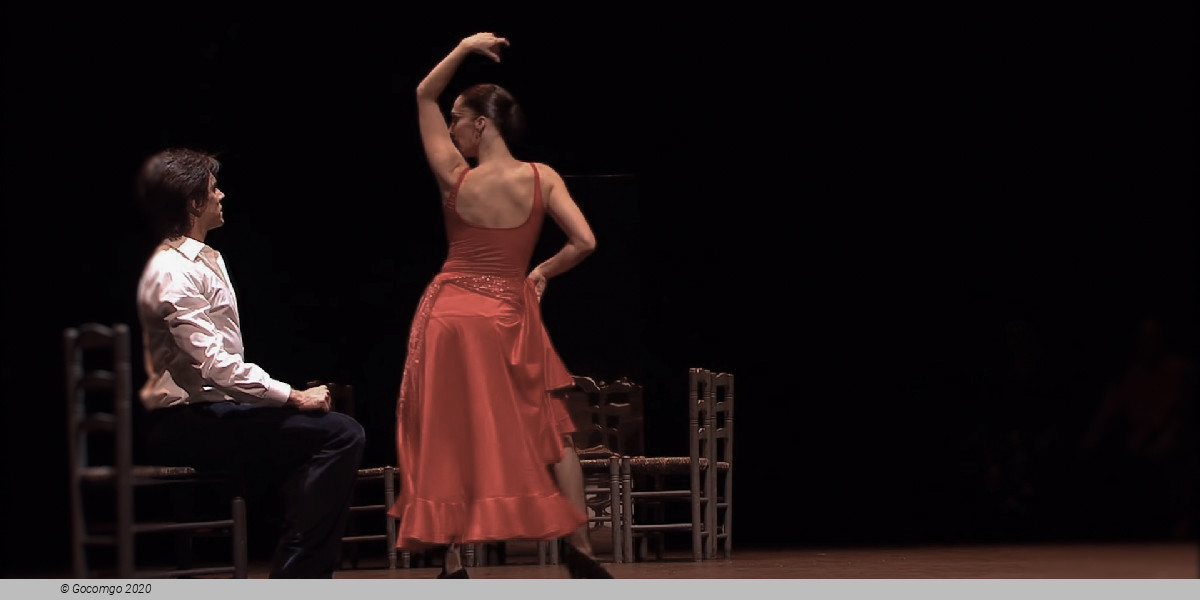
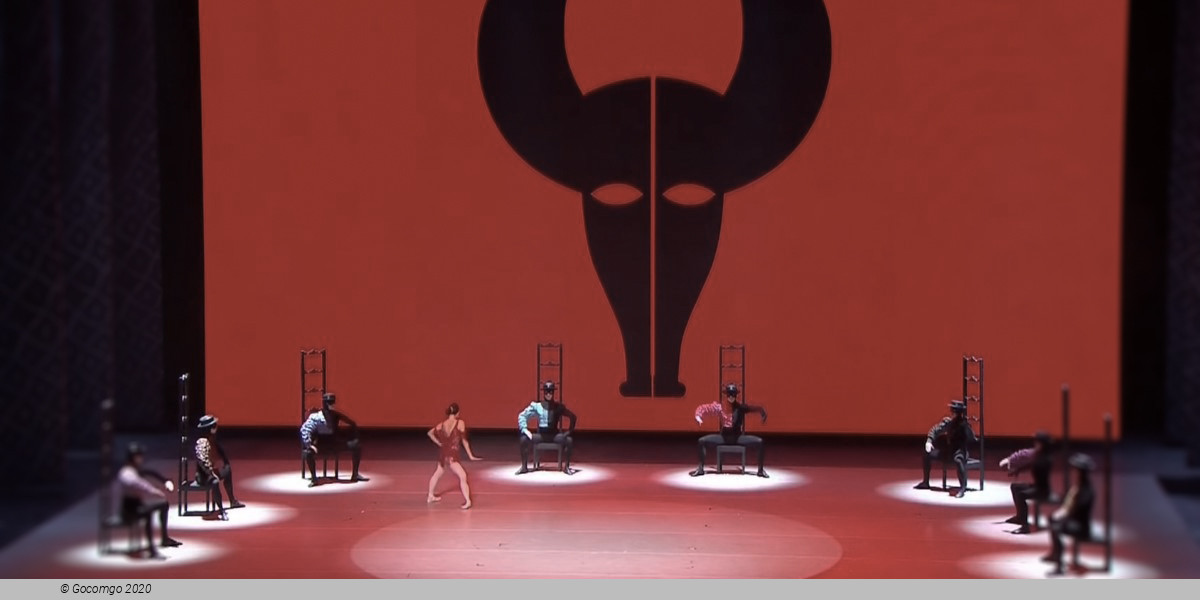
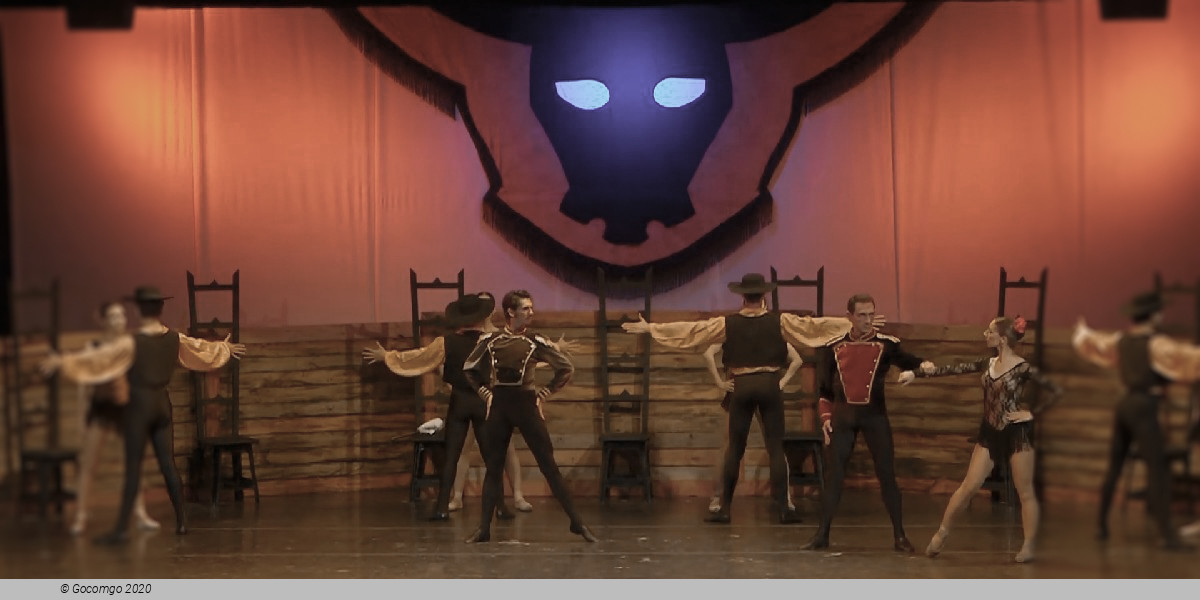
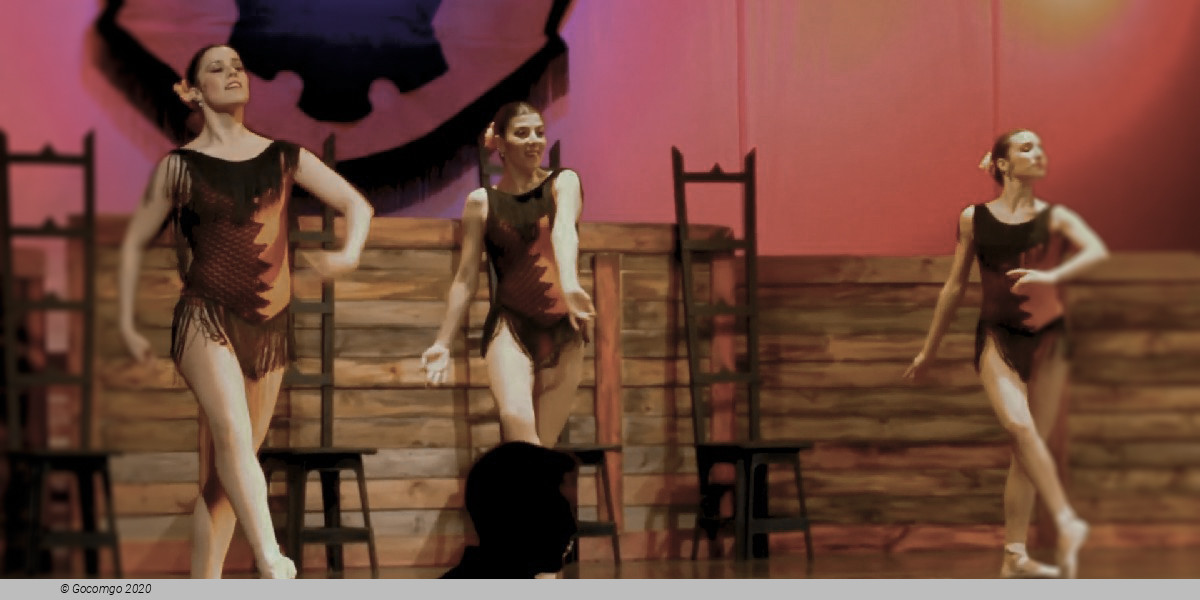
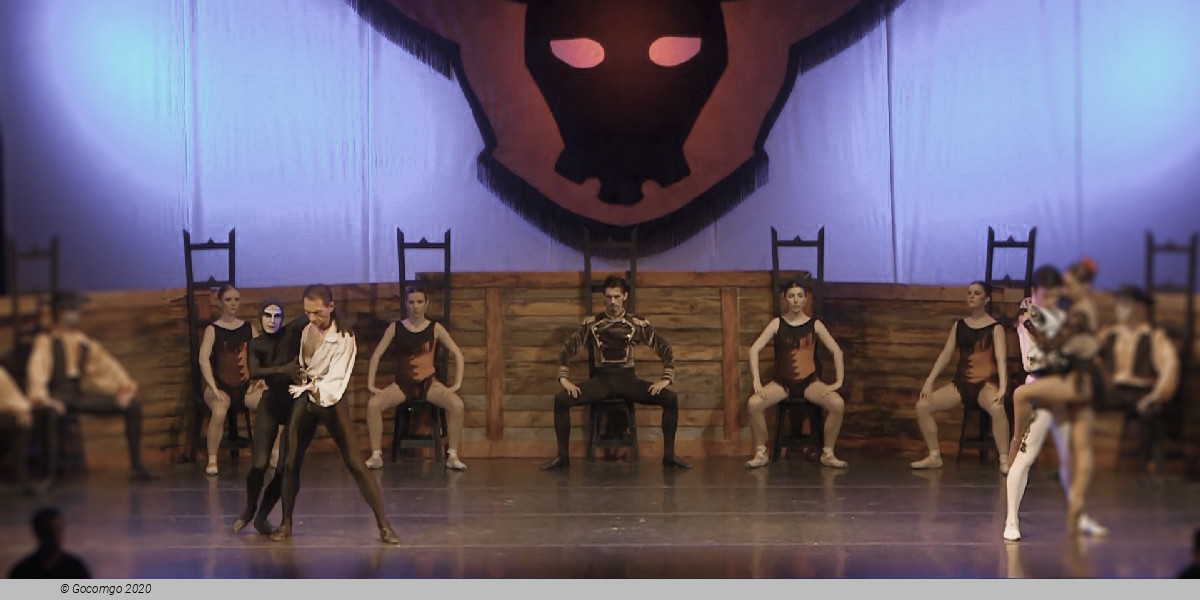
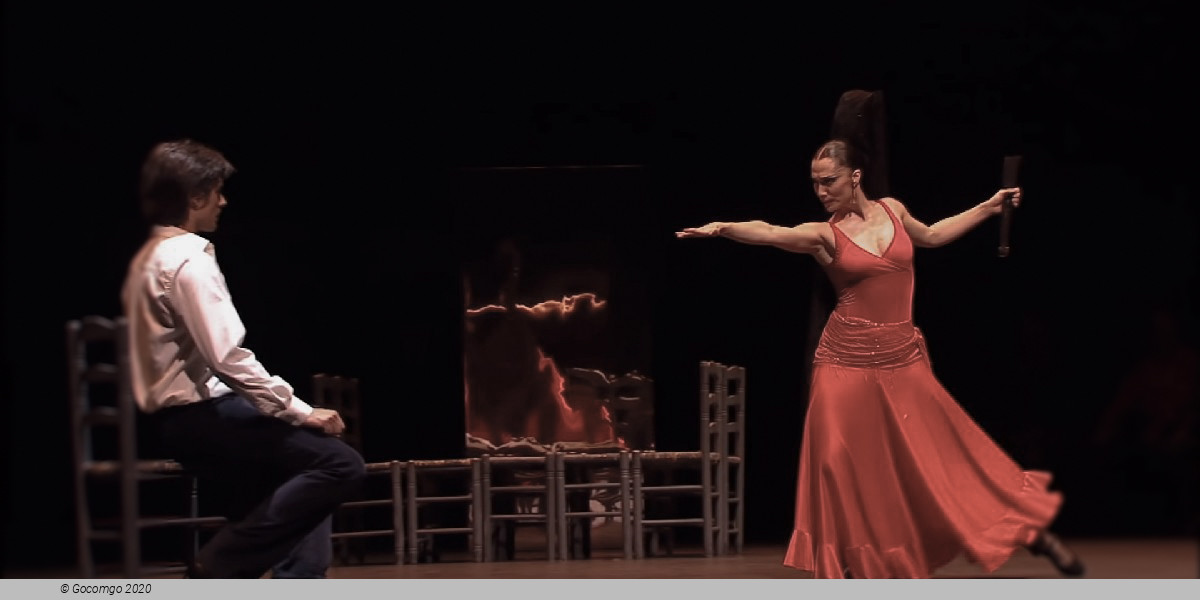
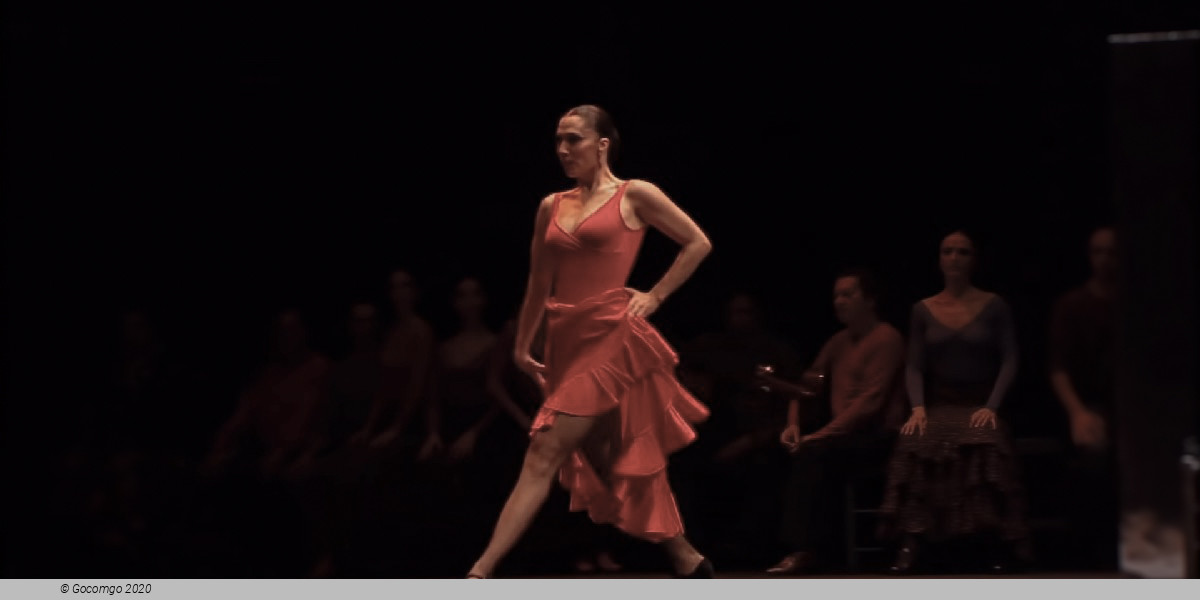
The ballet "Carmen" by Swedish star choreographer Johan Inger fits seamlessly into a long line of brilliant Carmen interpretations by such great names as John Cranko, Mats Ek and Carlos Acosta.

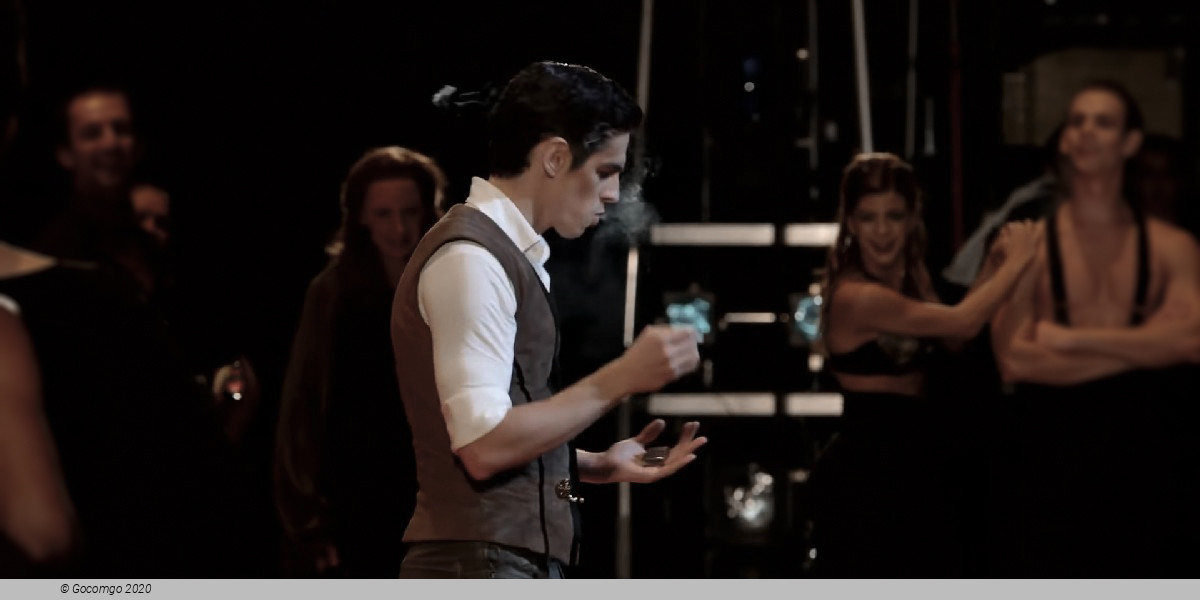
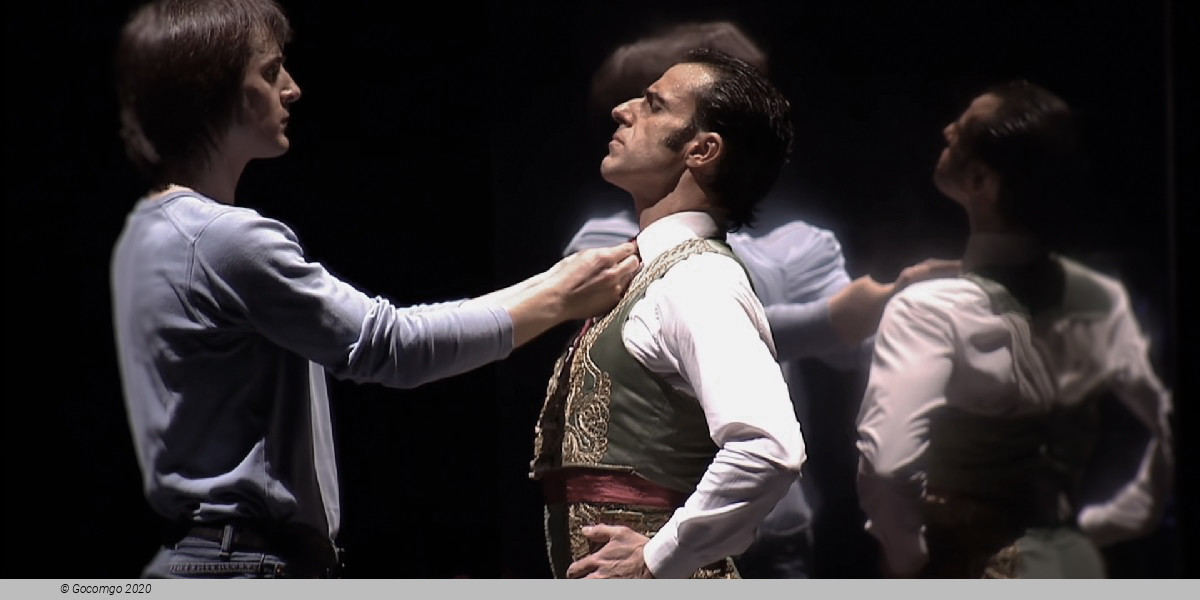
Viewed from the perspective of a child, Johan Inger tells the tragic love story of Carmen, Don José and the toreador – a tale of passion, jealousy, revenge and hatred – using strikingly vivid images. Johan Inger created "Carmen" in 2015 for Madrid’s Compañía Nacional de Danza to music by Georges Bizet and Rodion Schtschedrin as well as new compositions by the Spaniard Marc Álvarez. In 2016 the choreographer travelled to Moscow to receive the "Oscar" of the ballet world, the Prix Benois de la Danse, for this, his first full-length ballet.

History
Premiere of this production: 21 February 1949, Shaftesbury Theatre, London

Carmen is a ballet created by Roland Petit and his company 'Les Ballets de Paris' at the Prince's Theatre in London on 21 February 1949, which has entered the repertory of ballet companies in France and around the world. This version is in five scenes and represents a striking admixture of classical ballet, Spanish-style movement, mime, and freshly invented dramatic dance action. It opened "scandalously and brilliantly, with the fabulously sexy Zizi Jeanmaire in the title role" in London and has been regularly performed ever since.

Synopsis

A young boy is chasing after his ball whilst playing and encounters his destiny. The story begins. In front of the gates of a tobacco factory, where young men are passing the time, José is on guard. The workers appear and in the middle of them is Carmen: confident, defiant and desired by men, she masters the art of seduction. José doesn’t know what’s happening when Carmen throws him, of all people, a flower as she is leaving. She has chosen him! When José realises that the boy is watching him daydream, he leaves. In the factory, the atmosphere of aggression and competition amongst the women is heating up. An argument breaks out. Carmen attacks a woman in the face with a knife. José leads Carmen away but she has captivated him and he lets her go. José is degraded and humiliated by Zúñiga. From the background, José watches how a party is held in honour of the toreador at which Carmen also appears. Carmen’s desire in erotic playfulness with Zúñiga and the toreador is clear to see yet afterwards she still thanks José. Lightness and passion, temptation and desire merge. After the love play, it is over for José. Was it a dream? That she is now leaving him again fills him with despair and when he later encounters Carmen and Zúñiga "in flagranti" he shoots his rival in front of Carmen’s eyes – and the boy.

José flees … 

… pursued by the shadows of his guilt, José plunges into an abyss of darkness.

Once again, José encounters Carmen – yet he cannot keep hold of her, is plagued by the shadows and must watch how she becomes friendly with the toreador. His jealously grows immeasurably. In between: a dream of deceptive happiness in which Carmen, José and the young boy evoke an idyll which has long disappeared. The shadows grow, the toreador dances a final pas de deux with Carmen and vanishes. José stabs Carmen.

A broken lover and a conflicted child remain.

The first scene is set in a street in Seville, where the dancing of a crowd is interrupted by a girl being chased by Carmen. Their fight is only stopped by the arrival of Don José, who assists Carmen's defeated opponent. As he is about to arrest Carmen he is struck by her allure and arranges an assignation for later. That evening in the tavern Don José enters and dances a zapateado to the music of the habanera. Carmen next appears and dances, ending at Don José's feet; he lifts her up and they go up to the bedroom. The customers dance and when Carmen and Don José return they join in before José wraps Carmen in his cape and they go off.

The third scene is in Carmen's bedroom. After a passionate duet, three of Carmen's friends come in and invite her to go outside. At night in the street, Carmen, Don José and the friends prepare to rob a passer-by. Using a dagger Carmen has given him, Don José stabs a man, and after the women have taken his purse, they all flee.

The final scene is set outside the bull-ring where girls await the arrival of their hero, the toreador. He enters and greets them but is fascinated by the indifference shown by Carmen. José enters and notices their looks. The toreador moves into the arena whereupon Don José threatens Carmen, and in a fight to the death he overcomes her. As she dies, hats are tossed from the bull-ring to land at his feet.

Venue Info

Semperoper Dresden - Dresden
Location   Theaterplatz 2

Not only one of the most beautiful opera houses in the world, the Semperoper is renowned both in Germany and abroad for the brilliant star-studded performances by Saxon State Opera as well as numerous international guest artists.

This is the home of the Staatskapelle Dresden, an orchestra which looks back on 460 years of uninterrupted music-making. The State Opera Chorus was founded by Carl Maria von Weber in 1817. Operatic history has been written here, with the Semperoper playing host to numerous important premieres, such as Richard Wagner’s "Rienzi", "Der fliegende Holländer" and "Tannhäuser". There is also an indissoluble link to Richard Strauss, nine of whose 15 operas were premiered in Dresden, including "Salome", "Der Rosenkavalier" and "Elektra". The small venue Semper Zwei provides space for diverse forms of music theatre as well as theatrical experiments, and is also the venue for performances of Semperoper Junge Szene.

The magnificent Semperoper dominates the Theaterplatz be-side the river Elbe, forming the centrepiece of the historic old city. The original building opened its doors in 1841, constructed to a design by Gottfried Semper which combined a late Classical style with Renaissance elements. Following a devastating fire in 1869, the citizens of Dresden immediately set about rebuilding their beloved opera house. This was completed in 1878, also to a design by Semper. In 1945, during the final months of World War II, the Semperoper was once again razed to the ground.

After a second reconstruction was successfully completed in 1985, the reopening of one of Europe’s most beautiful opera houses was celebrated with a performance of Carl Maria von Weber’s "Freischütz".
The dazzling interiors were painstakingly reconstructed by local craftsmen and artists according to original plans, with state-of-the art stage machinery and technical fittings in the auditorium. A modern annex was added to house the administrative offices and rehearsal rooms. Internationally renowned for its brilliant acoustics and incomparable performances, audiences from around the world continue to flock here to enjoy unforgettable experiences at the Semperoper Dresden.

Important Info
Type: Ballet
City: Dresden, Germany
Starts at: 15:00
Acts: 2
Intervals: 1
Top of page