








Alex Theatre: The Sleeping Beauty Tickets | Event Dates & Schedule | GoComGo.com

The Sleeping Beauty Tickets

Alex Theatre, Glendale, USA
Important Info
Type: Ballet
City: Glendale, USA

E-tickets: Print at home or at the box office of the event if so specified. You will find more information in your booking confirmation email.

You can only select the category, and not the exact seats.
If you order 2 or 3 tickets: your seats will be next to each other.
If you order 4 or more tickets: your seats will be next to each other, or, if this is not possible, we will provide a combination of groups of seats (at least in pairs, for example 2+2 or 2+3).

Cast
Performers
Choose the date to see the peformers
Overview

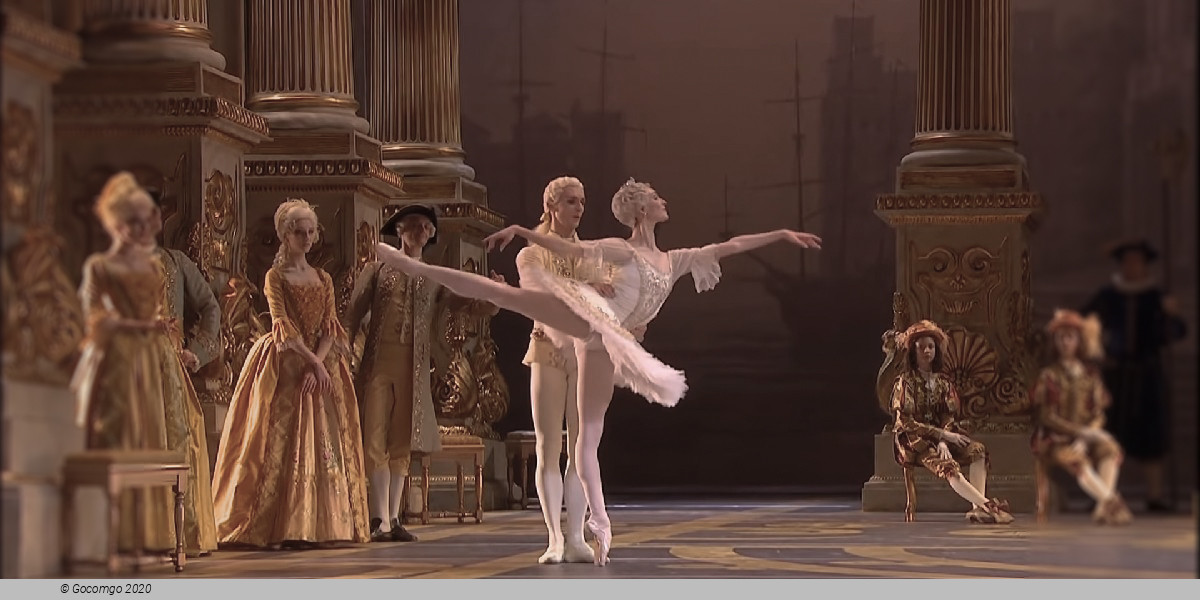
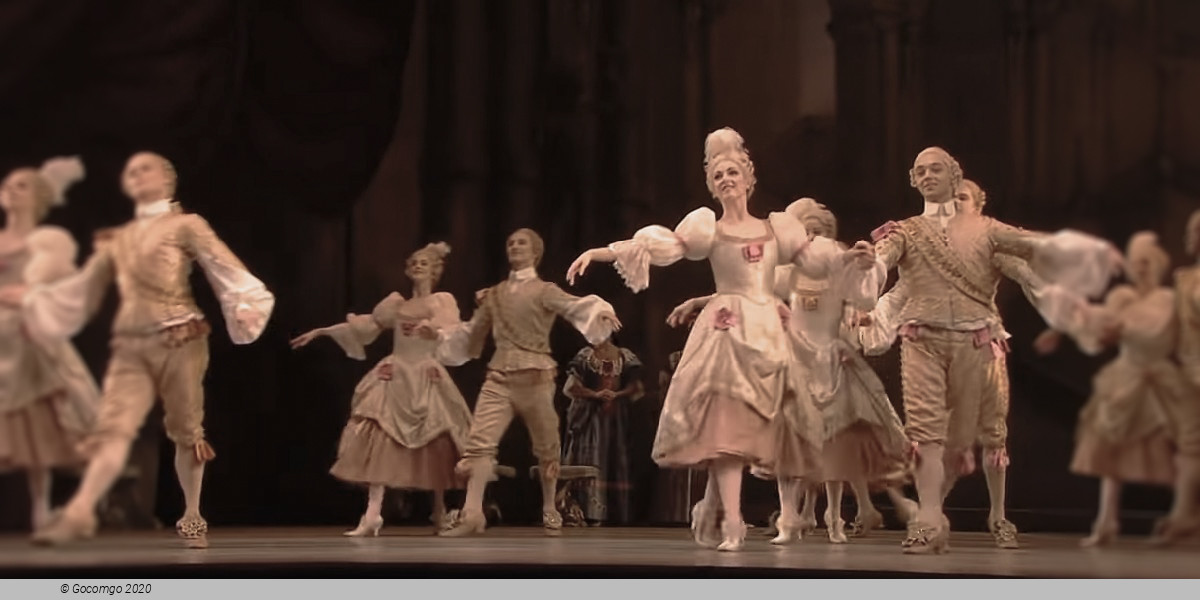
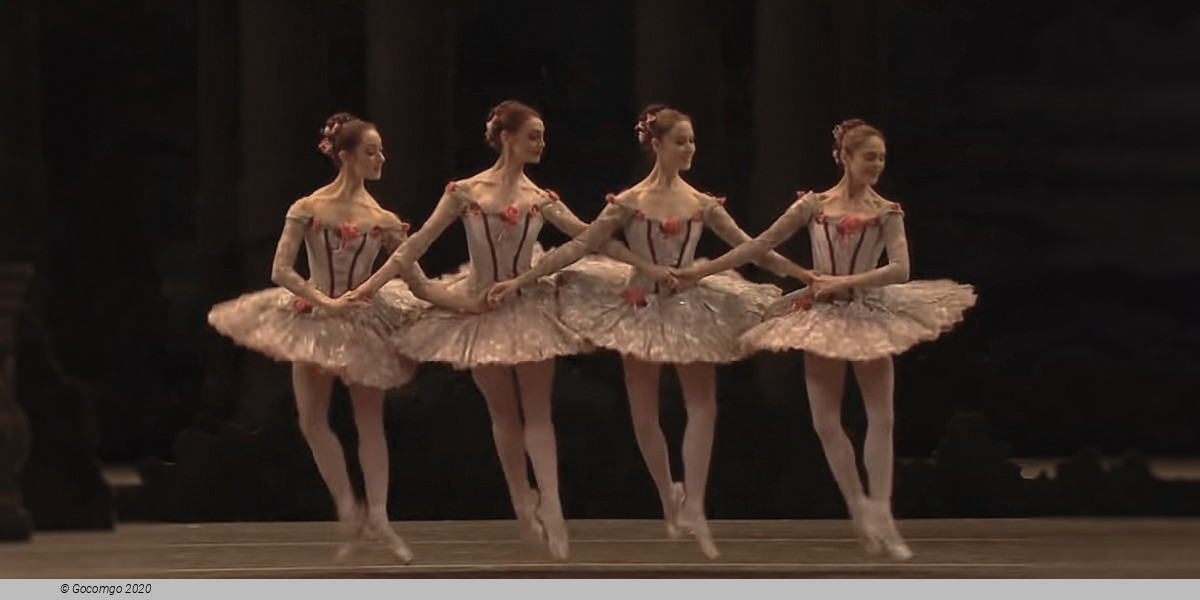
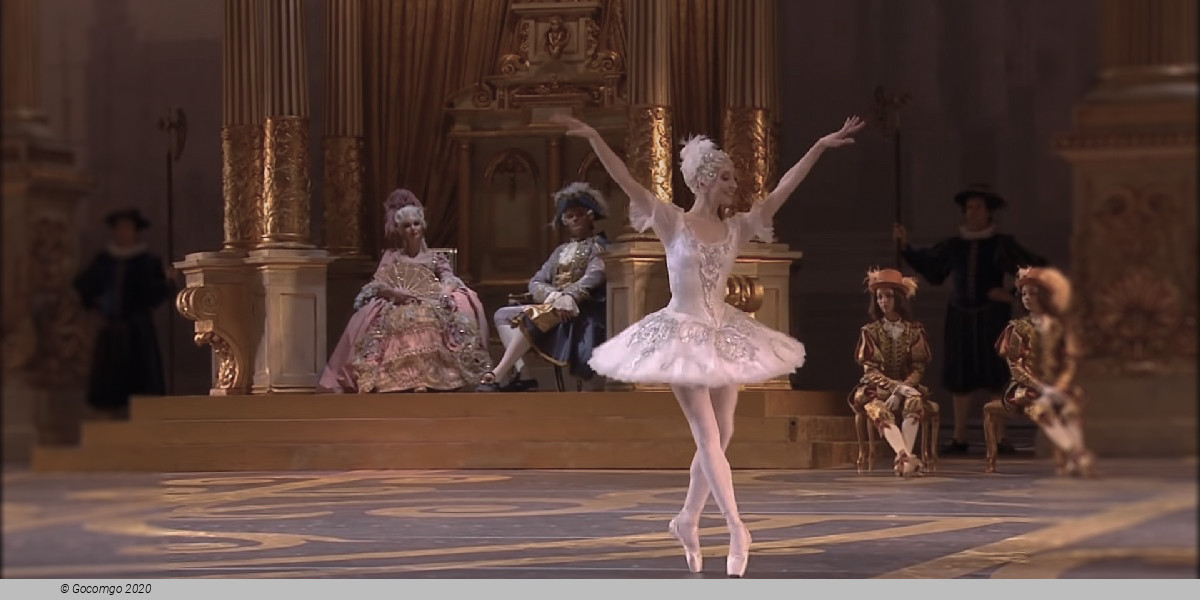
The Sleeping Beauty is one of the greatest, most treasured story ballets of all time. The epitome of classical ballet, it is considered to be the most authentic of Marius Petipa’s work.

This cherished fairy tale is about an enchanted sleep, and the love between a beautiful princess and a handsome prince. Arrested by a powerful evil, inner beauty lies dormant, to be awakened after 100 years only through the power of the purest love.

History
Premiere of this production: 03 January 1890, Mariinsky Theatre in St. Petersburg

The Sleeping Beauty is a ballet in a prologue and three acts, first performed in 1890. The music was composed by Pyotr Ilyich Tchaikovsky (his opus 66). The score was completed in 1889, and is the second of his three ballets. The original scenario was conceived by Ivan Vsevolozhsky, and is based on Charles Perrault's La Belle au bois dormant. The choreographer of the original production was Marius Petipa.

Synopsis

Time: Baroque
Place: Europe

Prologue (The Christening)

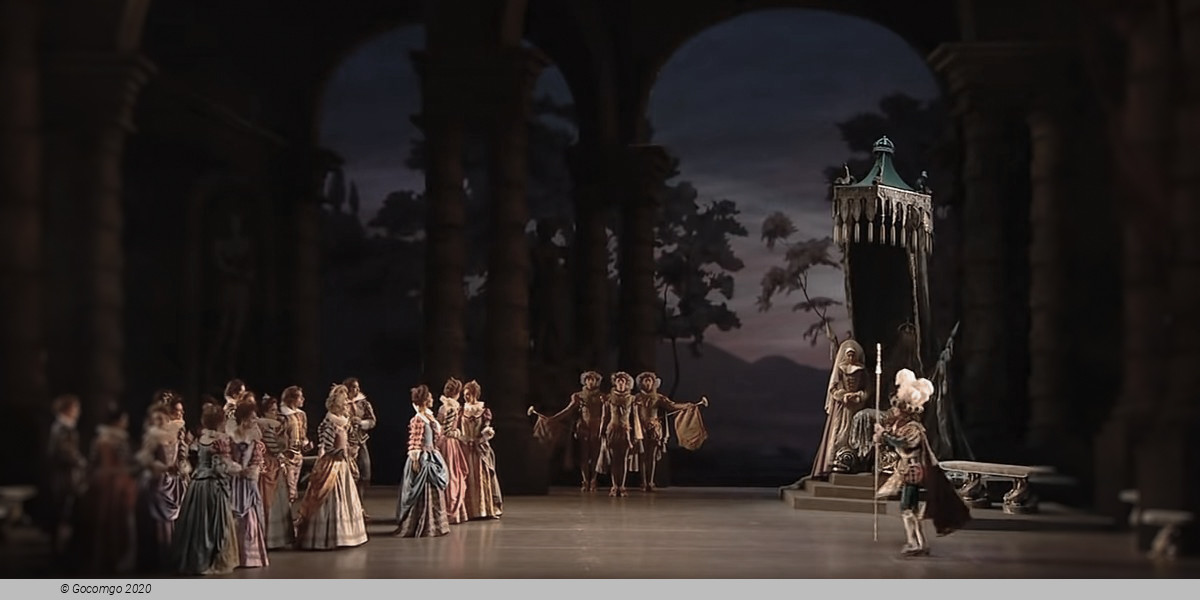
King Florestan XXIV and his Queen have welcomed their first child, Princess Aurora, and declare a grand christening ceremony to honor her. Six fairies are invited to the ceremony to bestow gifts on the child. Each fairy brings a gift of a virtue or positive trait, such as beauty, courage, sweetness, musical talent, and mischief. The most powerful fairy, the Lilac Fairy, arrives with her entourage, but before she can bestow her gift, the evil fairy Carabosse arrives with her minions. Carabosse furiously asks the King and Queen why she had not received an invitation to the christening. The blame falls on Catalabutte, the Master of Ceremonies who was in charge of the guest list. Carabosse gleefully tears his wig off and beats him with her staff, before placing a curse upon the baby princess as revenge: Aurora will indeed grow up to be a beautiful, healthy, delightful young lady, but on her sixteenth birthday she will prick her finger on a Spindle and die. The King and Queen are horrified and beg Carabosse for mercy, but she shows none. However, the Lilac Fairy intervenes. Though she does not have enough power to completely undo the curse, she alters it, allowing the spindle to cause a peaceful 100-year sleep for the princess, rather than death. At the end of those 100 years, she will be woken by the kiss of a handsome prince. Relieved that Aurora's life will ultimately be spared, the court is set at ease.

Act I (The Spell)

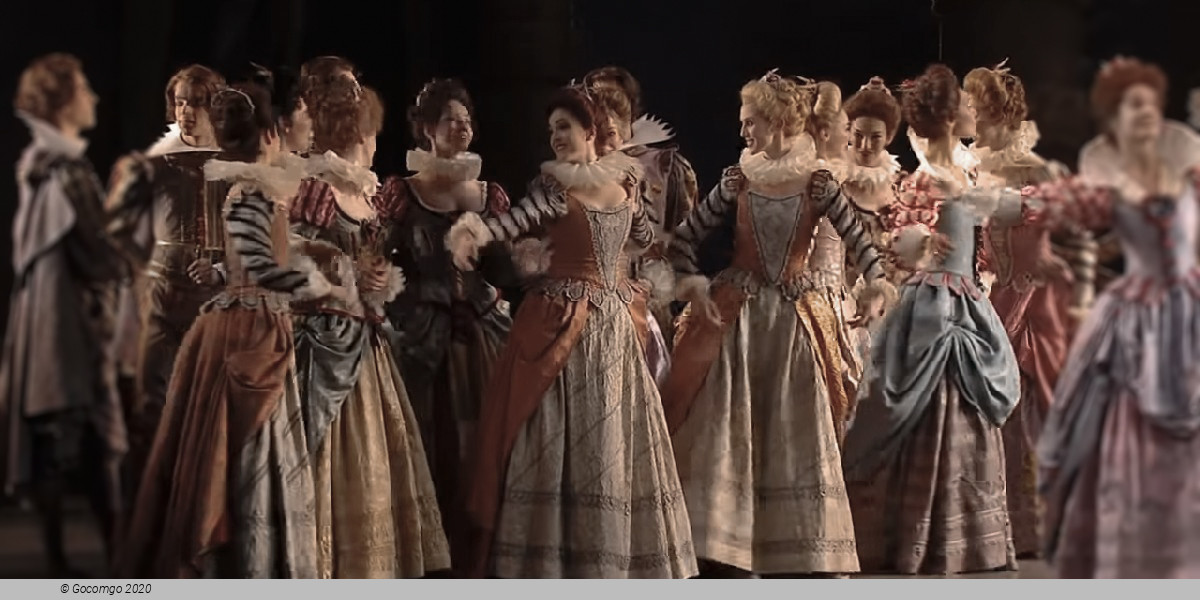
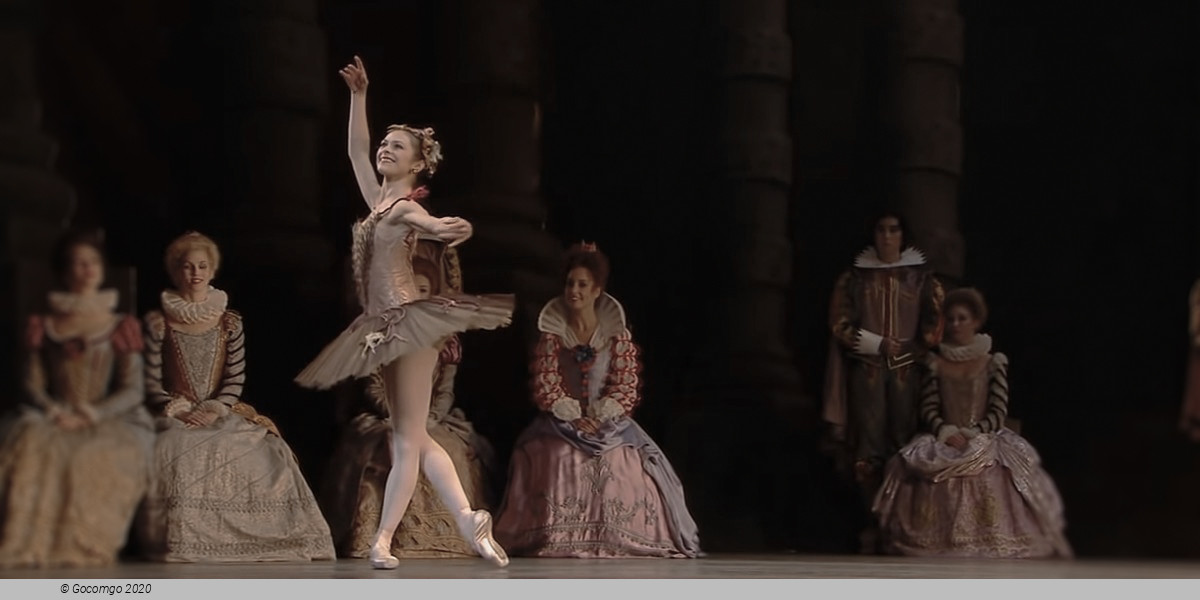
It is the day of Princess Aurora's sixteenth birthday. Celebrations are underway, though the King is still unsettled by Carabosse's omen. The master of ceremonies discovers several peasant ladies frolicking about with knitting needles and alerts the King, who initially sentences the women to a harsh punishment. The Queen gently persuades him to spare the innocent citizens, and he agrees. An elaborate waltz is performed and Princess Aurora arrives. She is introduced to four suitors by her doting parents. Aurora and the suitors perform the famous Rose Adagio. Presently, a cloaked stranger appears and offers a gift to the princess: a spindle. Having never seen one before, Aurora curiously examines the strange object as her parents desperately try to intervene. As predicted, she pricks her finger. While initially appearing to recover quickly, she falls into a swoon and collapses. The cloaked stranger reveals herself to be Carabosse, who believes that her curse still stands and that the princess is dead. Once again, the Lilac Fairy quells the hubbub and reminds the King and Queen that Aurora is merely asleep. The princess is carried off to bed, and the Lilac Fairy casts a spell of slumber over the entire kingdom, which will only be broken when Aurora awakens. A thick layer of thorny plants grows over the palace, hiding it from view.

Act II (The Vision)

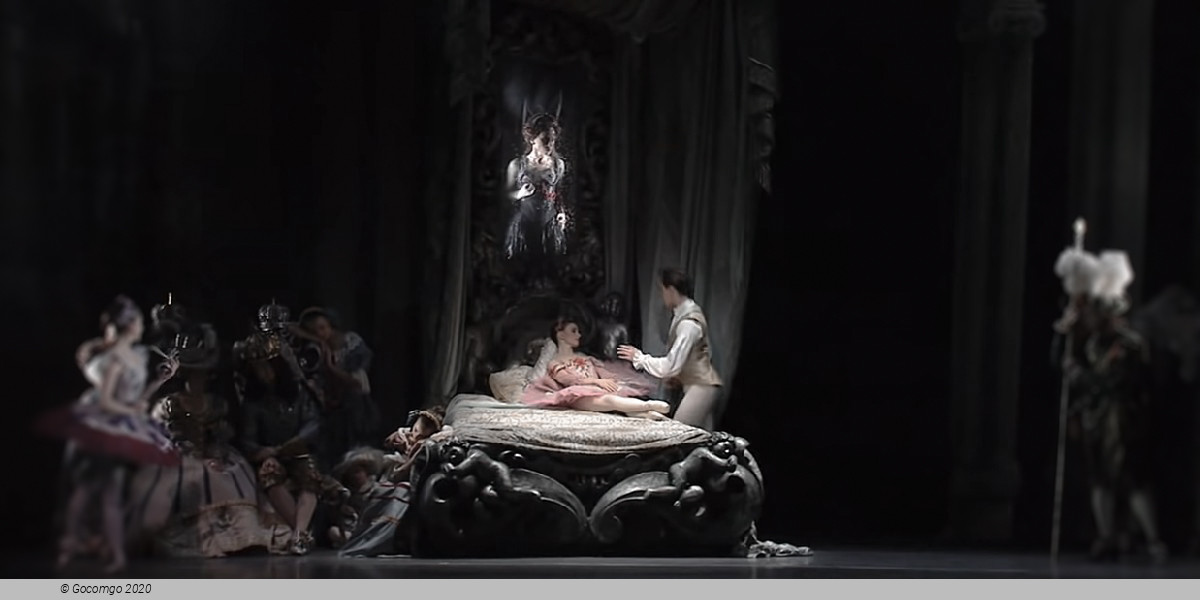
One hundred years later, Prince Désiré is attending a hunting party. Though his companions are lighthearted, the prince is unhappy and eventually asks to be left alone. On his own in the forest, he is met by the Lilac Fairy, who has chosen him to awaken Aurora. She shows him a vision of the beautiful princess, and the prince is immediately smitten. The Lilac Fairy explains the situation, and Désiré begs to be taken to the princess. The Lilac Fairy takes him to the hidden castle. Carabosse makes one last attempt to cement her vengeful curse, but the Lilac Fairy and the prince manage to defeat her together at last. Once inside the castle, Désiré awakens Aurora with a kiss. The rest of the court wakes as well, and the King and Queen heartily approve when the prince proposes marriage and the princess accepts.

Act III (The Wedding)

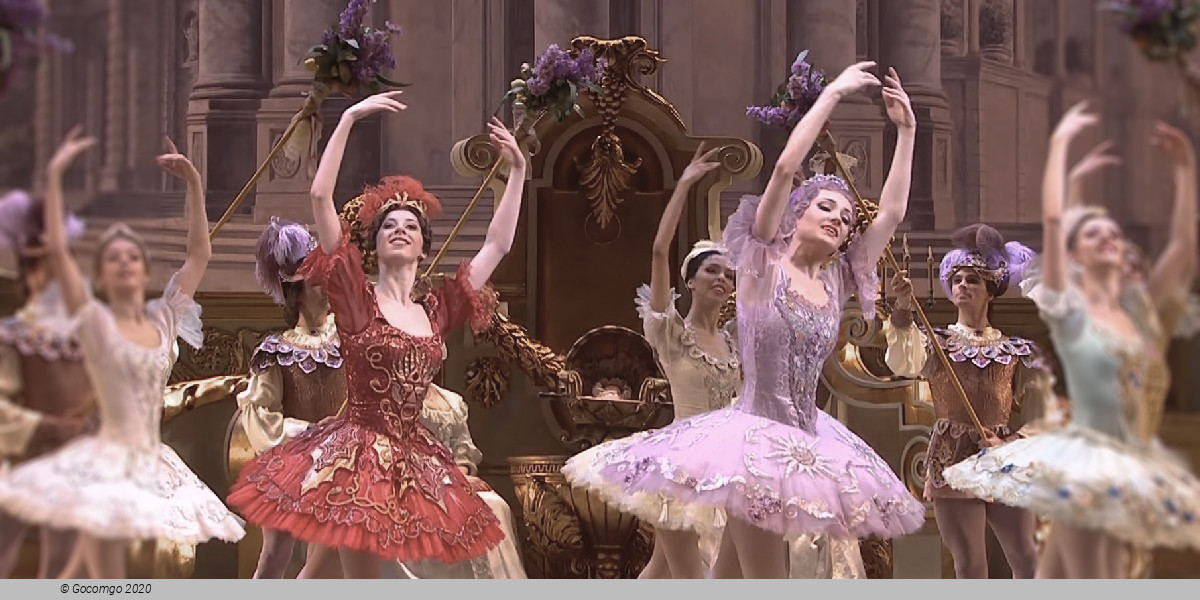
The royal wedding is underway. Guests include the Jewel Fairies: Diamond, Gold, Silver and Sapphire, and of course the Lilac Fairy. Fairytale characters are in attendance, including Puss in Boots and The White Cat, Princess Florine and the Bluebird, and others. Aurora and Désiré perform a grand Pas de Deux, and the entire ensemble dances. The prince and princess are married, with the Lilac Fairy blessing the union.

Structure

Titles of all of the numbers listed here come from Marius Petipa's original scenario, as well as the original libretto and programs of the first production of 1890. Major changes which were made to the score for Petipa's original production are mentioned, and help explain why the score is often heard in different versions in theatres today.

All libretti and programs of works performed on the stages of the Imperial Theatres were titled in French, which was the official language of the Emperor's Court, as well as the language in which balletic terminology is derived.

Prologue — Le baptême de la Princesse Aurore

Venue Info

Alex Theatre - Glendale
Location   216 N Brand Blvd

The Alex Theatre is a landmark located at 216 North Brand Boulevard in Glendale, California, United States. It is currently owned by the city of Glendale and operated by Glendale Arts.

The Alex Theatre originally opened in 1925 as the Alexander Theatre, and was designed by architects Arthur G. Lindley and Charles R. Selkirk, Associates, although at least one written source attributes it to the architectural firm of Meyer & Holler. Lindley & Selkirk Associates also designed the Hotel Glendale. The unique interior has distinct neo-classic Greek and Egyptian architectural elements, similar to the Greco-Egyptian period of Ptolemaic Egypt. A long walkway and courtyard separating the ticket booth from the lobby was inspired after the famous Grauman's Egyptian Theatre in Hollywood.

In 1940, notable theater architect S. Charles Lee was commissioned to redesign the exterior of the Alexander. Lee's portfolio included the Tower Theatre and the Los Angeles Theatre, both in Downtown Los Angeles, the Academy Theatre in Inglewood, as well as the Tujunga Theatre in Tujunga. His contributions included a 100-foot-tall (30 m) art-deco column with neon lights, topped by a spiked, neon sphere that gave it a starburst appearance. A neon, angled marquee emblazoned the theater's new name, the Alex, which was shortened to fit the larger letters. At this time the two-story retail and office building on the south half of forecourt lot was demolished.

History

The Alexander officially opened its doors on September 4, 1925. It was operated by the West Coast-Langley Theatre Circuit and featured vaudeville performances, plays and silent movies on a single screen. It was named after Alexander Langley, the son of Claude L. Langley, owner of the West Coast chain that included the Raymond Theater in Pasadena, and the Orange Theatre in the city of Orange. In addition to the lavish architecture, a huge Wurlitzer pipe organ was installed. A regular organist supplied improvised accompaniment during the silent picture era.

Located only a few miles from Walt Disney's Hyperion studio, the theater was Disney's favorite place to preview his cartoons to see how they would play to audiences. Several movies had their preview screening at The Alex, inviting celebrities such as Alice Faye, Don Ameche, Elizabeth Taylor for National Velvet and Bing Crosby for Going My Way (both 1944). A backstage fire on August 23, 1948 caused $150,000 in damages.

Starting in the 1950s, the Alex showed blockbuster films such as Ben-Hur (1959) and Indiana Jones and the Temple of Doom (1984). A wide aspect ratio screen was installed in 1954, along with a surround sound system to accommodate the new Cinemascope pictures.

The Alex underwent an extensive renovation in 1993 which restored much of the original wall-painting and decorations, as well as the neon spire added by S. Charles Lee.

The Alex today

The Alex Theatre Performing Arts and Entertainment Center has been the centerpiece of the Glendale's arts, culture and community events since it originally opened. It is managed by Glendale Arts, a non-profit organization. The theater's diverse schedule boasts roughly 250 events per year and attracts more than 100,000 patrons annually. Programs range from classical and contemporary concerts, theatre, dance, comedy, fundraising and special events as well as TV and film productions and industry related award presentations. In the summer of 2019, the NBC comedy competition series Bring the Funny used the Alex Theatre as the venue for the final two episodes of its first season.

Resident companies include the Alex Film Society, Glendale Youth Orchestra, Musical Theatre Guild, and the Los Angeles Chamber Orchestra.

The Alex Film Society regularly schedules classic films, often accompanied with special guests (e.g., the annual Thanksgiving weekend tradition "Three Stooges Big Screen Event," which children, grandchildren, and other relatives of the Stooges often attend), live musical performances of the film's soundtrack and vintage photos.

Important Info
Type: Ballet
City: Glendale, USA

E-tickets: Print at home or at the box office of the event if so specified. You will find more information in your booking confirmation email.

You can only select the category, and not the exact seats.
If you order 2 or 3 tickets: your seats will be next to each other.
If you order 4 or more tickets: your seats will be next to each other, or, if this is not possible, we will provide a combination of groups of seats (at least in pairs, for example 2+2 or 2+3).

Top of page