


Royal Swedish Opera 20 May 2020 - Les Ballets Suédois 100 år | GoComGo.com

Les Ballets Suédois 100 år

Royal Swedish Opera, Stockholm, Sweden
All photos (8)
Select date and time
7 PM
Request for Tickets
Important Info
Type: Ballet
City: Stockholm, Sweden
Starts at: 19:00
Intervals: 1
Duration: 2h 30min

E-tickets: Print at home or at the box office of the event if so specified. You will find more information in your booking confirmation email.

You can only select the category, and not the exact seats.
If you order 2 or 3 tickets: your seats will be next to each other.
If you order 4 or more tickets: your seats will be next to each other, or, if this is not possible, we will provide a combination of groups of seats (at least in pairs, for example 2+2 or 2+3).

Overview

DANCE, ART and MUSIC - experience the heritage of LES BALLETS SUÉDOIS

A vibrant cultural explosion occurred in the swinging 1920s. Art, music and nightlife thrived, and right at the centre of the European culture elite was the art collector and visionary Rolf de Maré. He wanted to create a dance company that brought together theatre, art, poetry, music and mime, so he founded Les Ballets Suédois with the choreographer Jean Börlin in Paris. The company was at the forefront of the avantgarde, a movement that pushed the boundaries of beauty and art. Today, 100 years later, Les Ballets Suédois remains an iconic name across the world, recognised as one of the most ground-breaking phenomena within dance and the arts. The Royal Swedish Ballet pays tribute to the company’s legacy and its importance for the development of dance, art and music. 

Jean Börlin’s seminal Skating Rink is finally back at the RSO after 20 years. The residents of a working-class housing estate come together at a skating rink. Their movements are mechanical, like the machines inside the factories where they work. Together with Fernand Léger, Börlin created iconic scenes inspired by cubism, a movement that informs everything from set design to costumes and choreography.

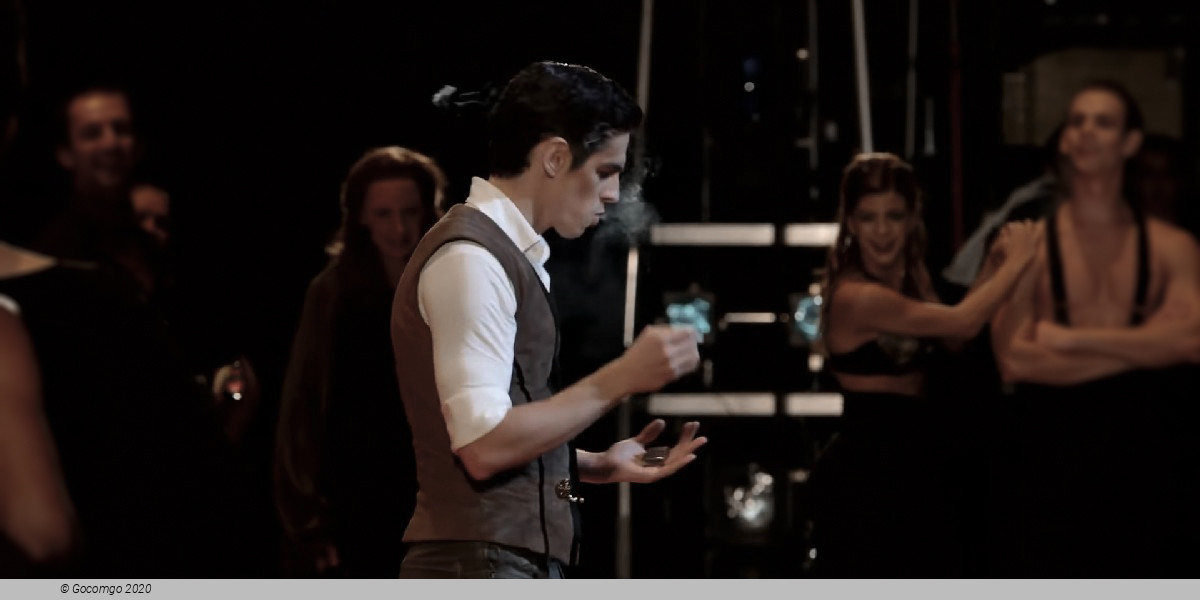
The choreographer Jean-Guillaume Bart and the artist Bea Szenfeld have, together with the Royal Swedish Ballet, created a new work inspired by the seminal ballet La boîte à joujoux (The Toy Box). When it was first performed in 1921, the critics hailed the advent of a new art form. This was neither ballet nor music – it was better! The Royal Swedish Ballet give new life to the toys in the box accompanied by fantastical, playful music by Claude Debussy.

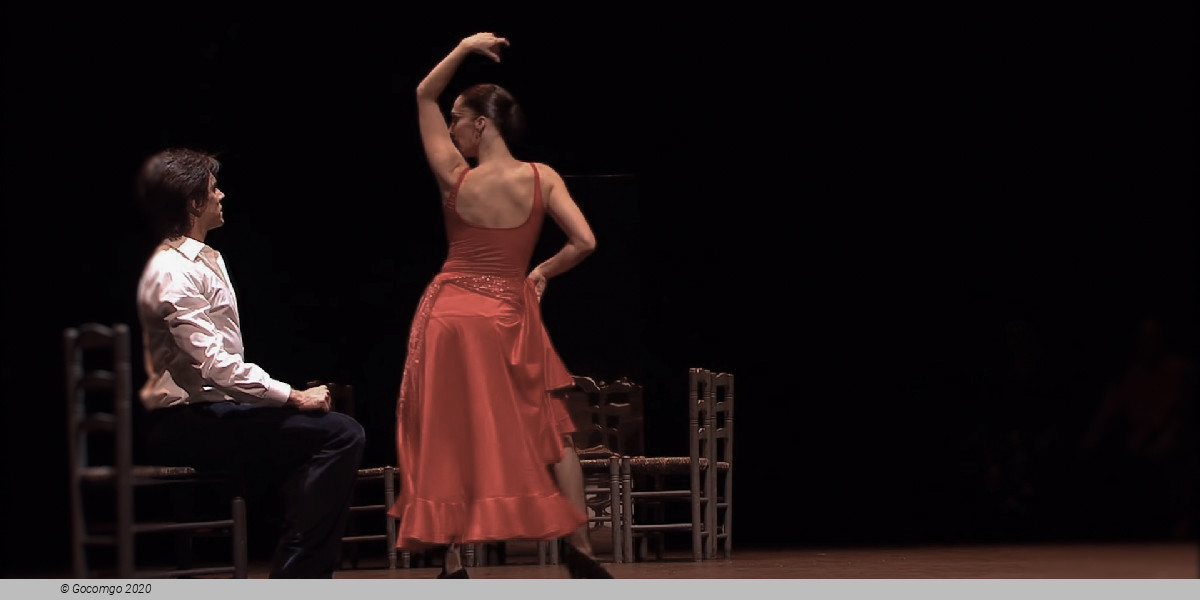
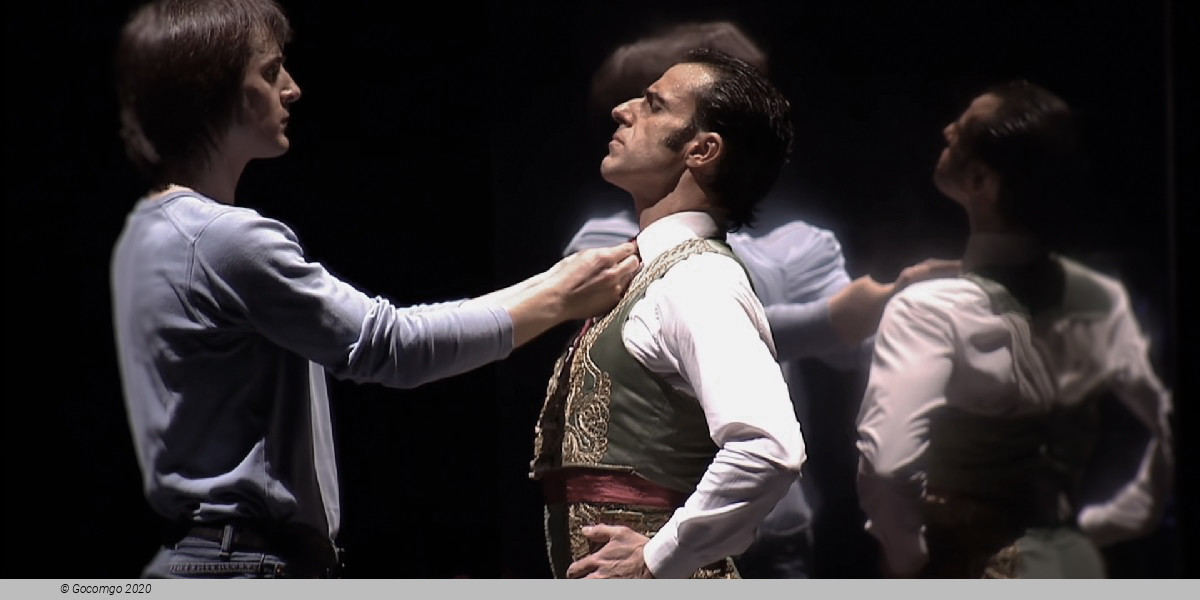
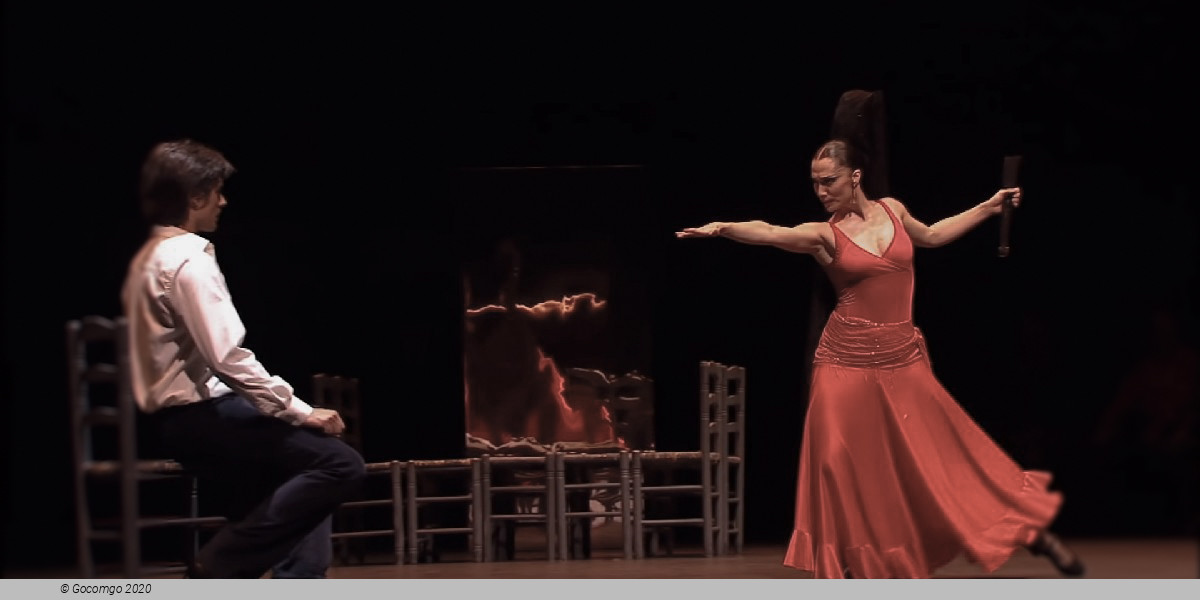
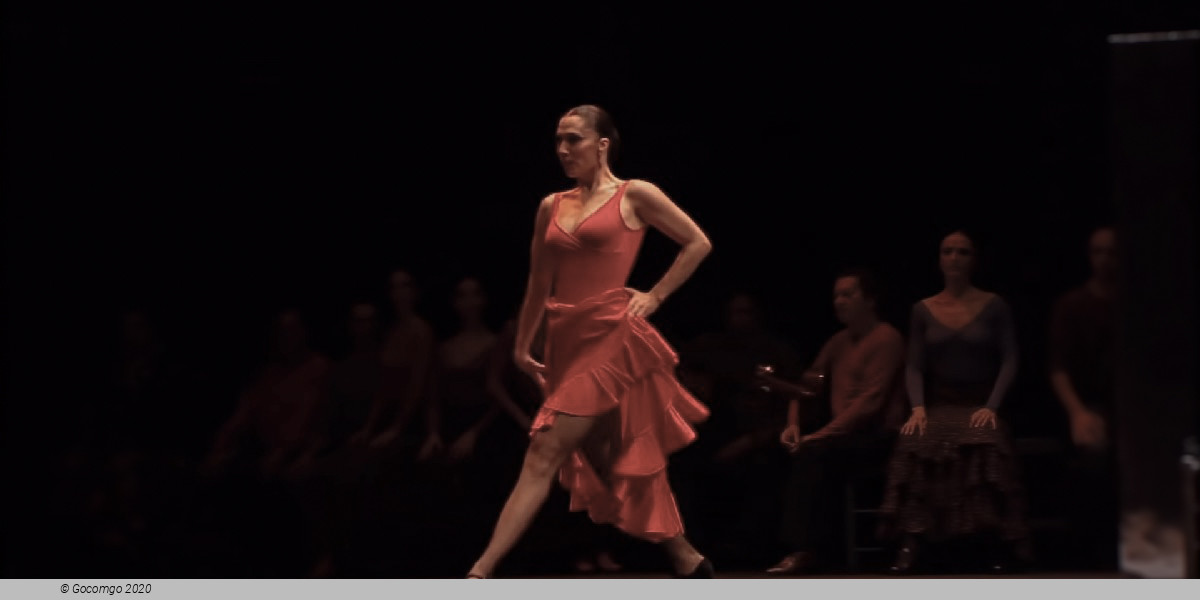
Roland Petit’s Carmen from 1949 is an amalgamation of classical ballet, modernism and Spanish rhythms. It never ceases to fascinate audiences all over the world. Carmen was not part of Les Ballets Suèdois repertoire. However, Petit was fond of blending different art

History

Skating-Rinknote is a roller skating ballet commissioned by Rolf de Maré for the Swedish Ballets, choreographed by Jean Börlin on music by Arthur Honegger, composed in 1921-1922. The sets and costumes are by Fernand Léger and Ricciotto Canudo's argument. The ballet is created on January 20, 1922 at the Théâtre des Champs-Élysées in Paris.

La boîte à joujoux (The Toy-Box) is a ballet score by Claude Debussy, orchestrated from Debussy's piano score by André Caplet.

Premiere of this production: 21 February 1949, Shaftesbury Theatre, London

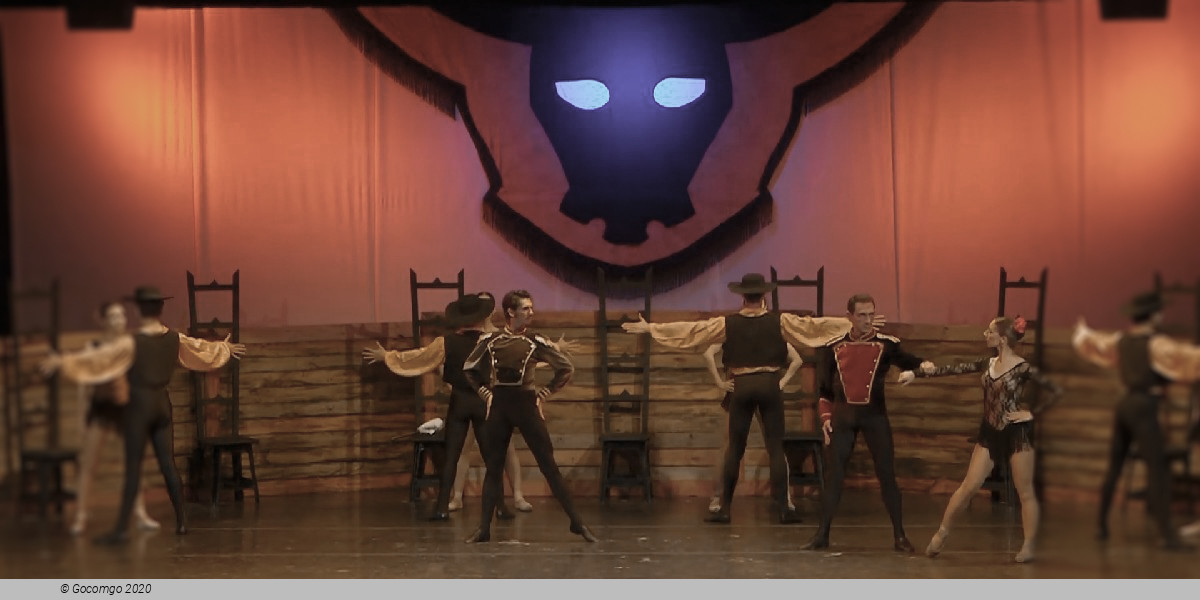
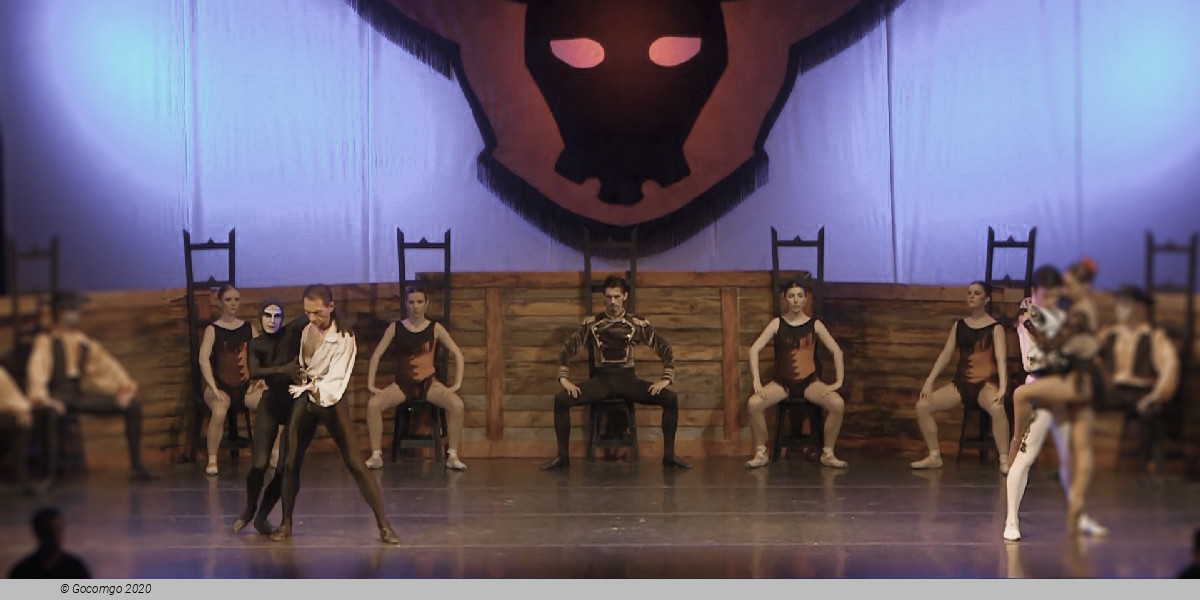
Carmen is a ballet created by Roland Petit and his company 'Les Ballets de Paris' at the Prince's Theatre in London on 21 February 1949, which has entered the repertory of ballet companies in France and around the world. This version is in five scenes and represents a striking admixture of classical ballet, Spanish-style movement, mime, and freshly invented dramatic dance action. It opened "scandalously and brilliantly, with the fabulously sexy Zizi Jeanmaire in the title role" in London and has been regularly performed ever since.

Synopsis

The first scene is set in a street in Seville, where the dancing of a crowd is interrupted by a girl being chased by Carmen. Their fight is only stopped by the arrival of Don José, who assists Carmen's defeated opponent. As he is about to arrest Carmen he is struck by her allure and arranges an assignation for later. That evening in the tavern Don José enters and dances a zapateado to the music of the habanera. Carmen next appears and dances, ending at Don José's feet; he lifts her up and they go up to the bedroom. The customers dance and when Carmen and Don José return they join in before José wraps Carmen in his cape and they go off.

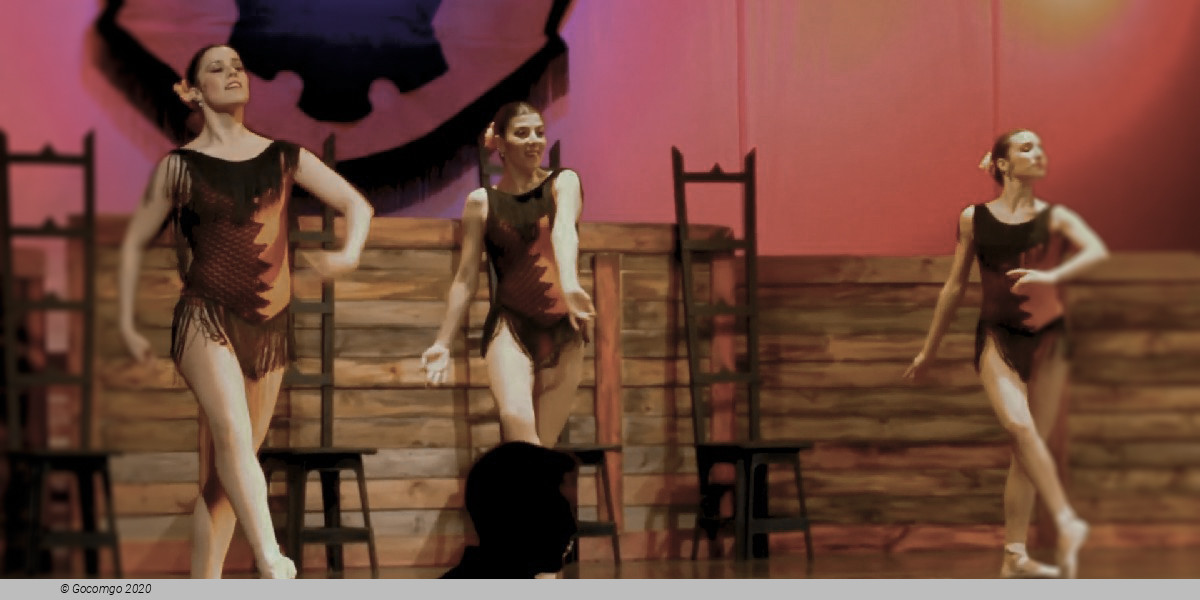
The third scene is in Carmen's bedroom. After a passionate duet, three of Carmen's friends come in and invite her to go outside. At night in the street, Carmen, Don José and the friends prepare to rob a passer-by. Using a dagger Carmen has given him, Don José stabs a man, and after the women have taken his purse, they all flee.

The final scene is set outside the bull-ring where girls await the arrival of their hero, the toreador. He enters and greets them but is fascinated by the indifference shown by Carmen. José enters and notices their looks. The toreador moves into the arena whereupon Don José threatens Carmen, and in a fight to the death he overcomes her. As she dies, hats are tossed from the bull-ring to land at his feet.

Venue Info

Royal Swedish Opera - Stockholm
Location   Gustav Adolfs torg 2

Royal Swedish Opera is Sweden's major national stage for opera and ballet. Famous singers who have been part of the opera's ensemble have included Jussi Björling, Gösta Winbergh, Nicolai Gedda, Peter Mattei, Jenny Lind, Birgit Nilsson, Elisabeth Söderström, Fritz Arlberg, Anne Sofie von Otter, Katarina Dalayman and Nina Stemme.

The orchestra of the Royal Swedish Opera, the Royal Swedish Orchestra, Kungliga Hovkapellet, dates back to 1526. Royal housekeeping accounts from 1526 mention twelve musicians including wind players and a timpanist but no string players. Consequently, the Royal Swedish Orchestra is one of the oldest orchestras in Europe.

Armas Järnefelt was on the music staff from 1905, rising to become chief conductor between 1923–1933 and 1938–1946. The Royal Swedish Ballet, Kungliga Baletten, was founded by Gustav III of Sweden in 1773.

The building is located in the center of Sweden's capital Stockholm in the borough of Norrmalm, on the eastern side of Gustav Adolfs torg across from the former Arvfurstens Palats, now Ministry for Foreign Affairs. It lies on the north side of the Norrström river and is connected to the Royal Palace through the Norrbro bridge.

The opera company was founded by King Gustav III and its first performance, Thetis and Phelée with Carl Stenborg and Elisabeth Olin, was given on January 18, 1773; this was the first native speaking opera performed in Sweden.

But the first opera house was not opened until 1782 and served for a century before being replaced at the end of the 19th century. Both houses are officially called the "Royal Opera", however the terms "The Gustavian Opera" and "The Oscarian Opera", or the "Old" and "New" Opera are used when distinction is needed.

The Gustavian Opera
The original Stockholm Opera House, the work of architect Carl Fredrik Adelcrantz was commissioned by King Gustav III, a strong adherent of the ideal of an enlightened absolutism and as such was a great patron of the arts. The Swedish Opera company had first been located in Bollhuset, but there was a need to separate the Opera from the theatre and give them separate buildings. Construction began in 1775 and the theatre was inaugurated on 30 September 1782 with a performance of the German composer Johann Gottlieb Naumann's Cora och Alonzo. It was also the place for public masquerade balls, events inspired from the famous opera-balls in Paris, which was open for everyone wearing a mask at a cheap cost and somewhat ill-reputed.

The building was very imposing with its centre Corinthian tetrastyle portico supporting four statues and topped by the royal crown. The four-tiered auditorium was oval in shape, had excellent acoustics and sight lines. The sumptuous foyer contained neoclassic medallions and pilasters.

It was in the foyer of the opera house where the king met his fate: during a masquerade on March 16, 1792, he was shot by Jacob Johan Anckarström, and died 7 days later. (In turn, this event inspired the operas Gustave III by Daniel Auber and Un ballo in maschera by Verdi.) Following the assassination, the opera house was closed until 1 November 1792, when it was opened again, which by some was considered shocking. The son of Gustav III, King Gustav IV Adolf of Sweden, did not like the Opera, possibly because of the murder of his father, and disliked the fact that the scene of his father's murder was used as a place of amusement and leisure, and when a frivolous play was performed for his queen Frederica of Baden in 1806, he decided to close it down. It remained closed until 1809, and when the king was deposed, it took until May 1812, before it was organised enough to be fully opened again.

The Oscarian Opera, Operan

The old opera was demolished in 1892 to give way to the construction of a new Opera drawn by Axel Johan Anderberg, which was finished seven years later and inaugurated by King Oscar II with a production of a Swedish opera (that tradition having been quite firmly established during the 19th century), Franz Berwald's Estrella de Soria.

The new house had the letters Kungl. Teatern, literally "Royal Theatre" (which caused the later-founded Royal Dramatic Theatre to add the distinction "dramatic" to its name). The building is now simply called Operan ("The Opera"), written in golden letters above the middle arch on the front facade. It is a majestic neo-classical building with a magnificent gold foyer (Guldfoajén) and elegant marble grand staircase leading to a three-tiered auditorium somewhat smaller than the old theatre. It presently seats 1,200. Most productions are now sung in the original language (with Swedish subtitles), with only a few in Swedish.

The Royal Swedish Family of King Carl XVI Gustaf keeps the Royal Box reserved, located in the first tier in the auditorium above the orchestra pit.

The current general manager of the Royal Swedish Opera is the Swedish mezzo-soprano Birgitta Svendén. In November 2011, the Dutch conductor Lawrence Renes was named the next chief conductor of the company, as of the 2012–13 season, with an initial contract through the 2016–17 season.

Important Info
Type: Ballet
City: Stockholm, Sweden
Starts at: 19:00
Intervals: 1
Duration: 2h 30min
Top of page