

Royal Swedish Opera 23 September 2023 - Elektra | GoComGo.com

Elektra

Royal Swedish Opera, Stockholm, Sweden
All photos (9)
Select date and time
3 PM

E-tickets: Print at home or at the box office of the event if so specified. You will find more information in your booking confirmation email.

You can only select the category, and not the exact seats.
If you order 2 or 3 tickets: your seats will be next to each other.
If you order 4 or more tickets: your seats will be next to each other, or, if this is not possible, we will provide a combination of groups of seats (at least in pairs, for example 2+2 or 2+3).

Important Info
Type: Opera
City: Stockholm, Sweden
Starts at: 15:00
Acts: 1
Duration: 1h 50min
Sung in: German
Titles in: Swedish

E-tickets: Print at home or at the box office of the event if so specified. You will find more information in your booking confirmation email.

You can only select the category, and not the exact seats.
If you order 2 or 3 tickets: your seats will be next to each other.
If you order 4 or more tickets: your seats will be next to each other, or, if this is not possible, we will provide a combination of groups of seats (at least in pairs, for example 2+2 or 2+3).

Overview

Richard Strauss stuns the audience with his hair-raising drama about Elektra, obsessed with avenging her father’s murder. Based on Sophocles’ classic tragedy, Elektra it is a potent study in female rage, but also a moving account of a woman who has lost her footing. It is an emotional rollercoaster of blood and disaster, a high-tension saga from the first note to the last.

Elektra, written in 1909 and influenced by Sigmund Freud’s new ideas on family relationships and the subconscious, is the first collaboration realised by the iconic composer/librettist duo Richard Strauss and Hugo von Hofmannsthal. This production is by Staffan Valdemar Holm, who has also directed the award-winning Der Ring des Nibelungen at the Royal Swedish Opera. Conducted by the Royal Swedish Opera Music Director Alan Gilbert.

History
Premiere of this production: 25 January 1909, Königliches Opernhaus, Dresden

Elektra is a one-act opera by Richard Strauss, to a German-language libretto by Hugo von Hofmannsthal, which he adapted from his 1903 drama Elektra. The opera was the first of many collaborations between Strauss and Hofmannsthal. It was first performed at the Königliches Opernhaus on 25 January 1909. It was dedicated to his friends Natalie and Willy Levin.

Synopsis

Before the opera begins, Agamemnon has sacrificed Iphigenia on the ruse that she is to be married, and subsequently goes off to war against Troy. Iphigenia's mother Klytaemnestra has thus come to hate her husband. After his return, with the help of her paramour Aegisthus, she murders her husband and now is afraid that her crime will be avenged by her other children, Elektra, Chrysothemis, and their banished brother Orest. Elektra has managed to send her brother away while remaining behind to keep her father's memory alive, but all the while, suffering the scorn of her mother and the entire court.

The action
"Wo bleibt Elektra?" ("Where is Elektra?")
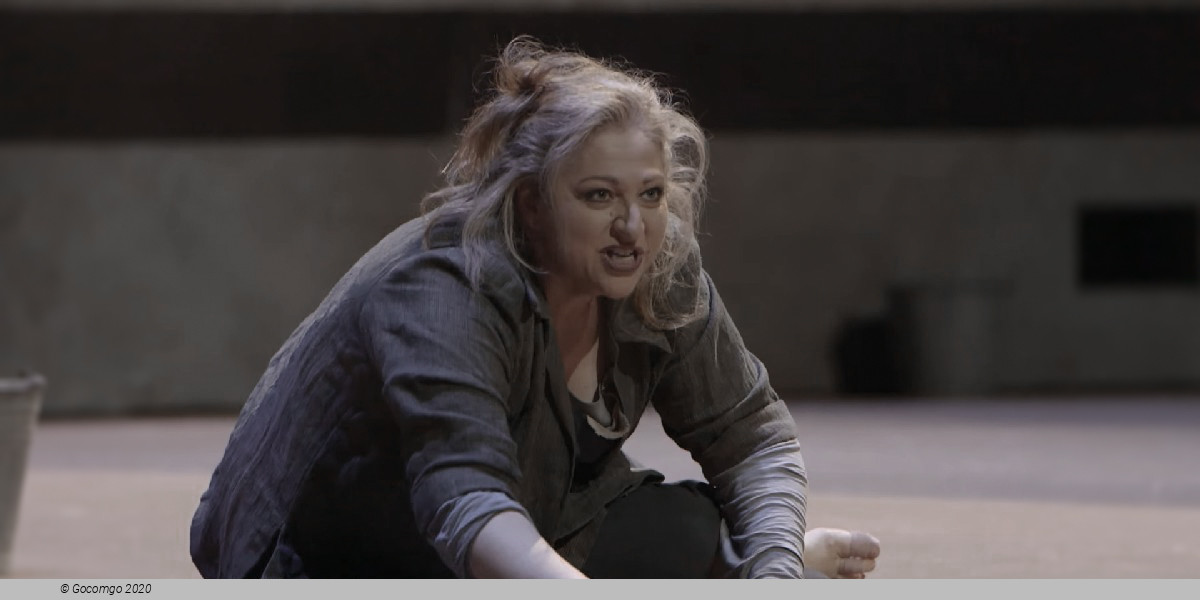
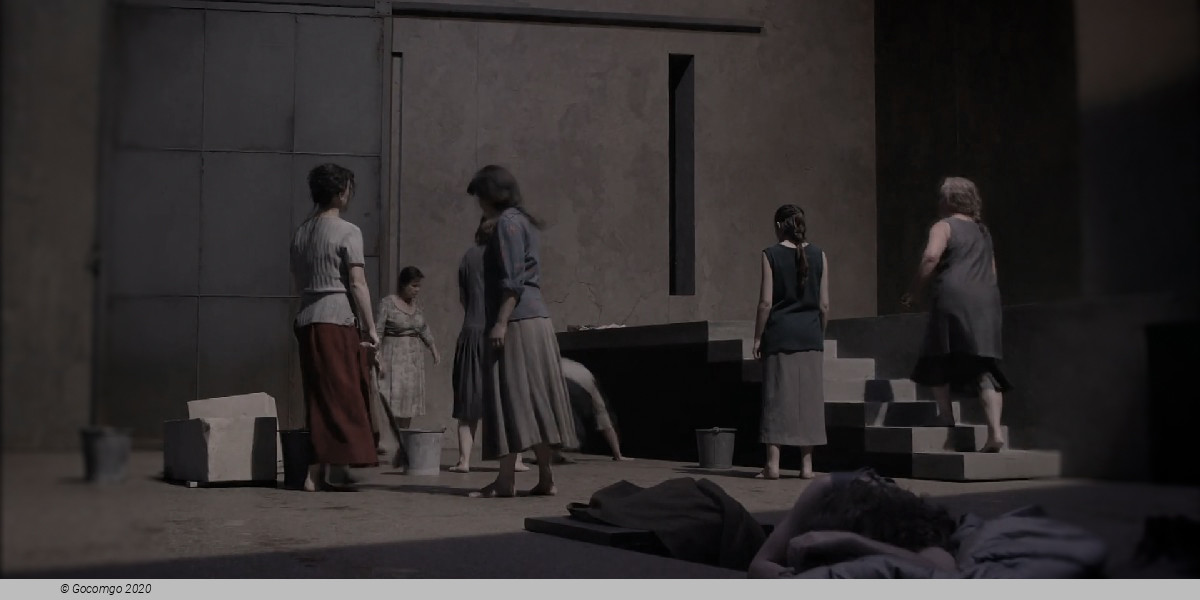
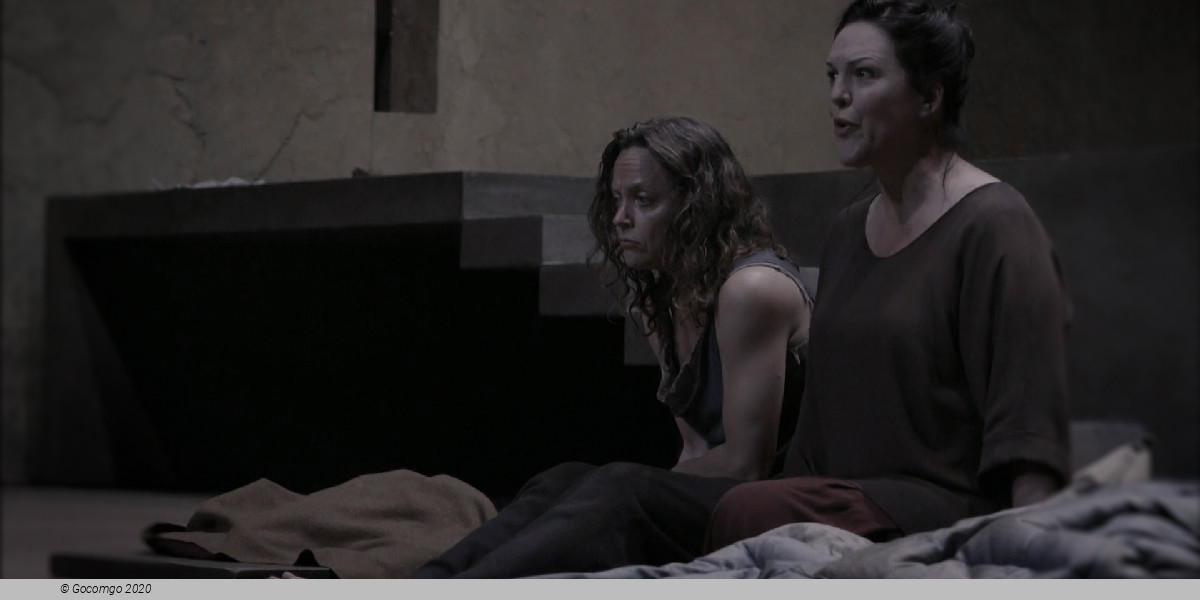
Five servants try to wash the courtyard of the palace in Mycenae. While they do their work, they ask where can Elektra be, and she emerges from the shadows with a wild look on her face. The servants continue commenting how she came to be in that state and talk about how they taunt her only to receive insults from her. Only one servant shows sympathy for her, but she is taken away by the overseer to be flogged.

"Allein! Weh, ganz allein." ("Alone! Alas, all alone.")
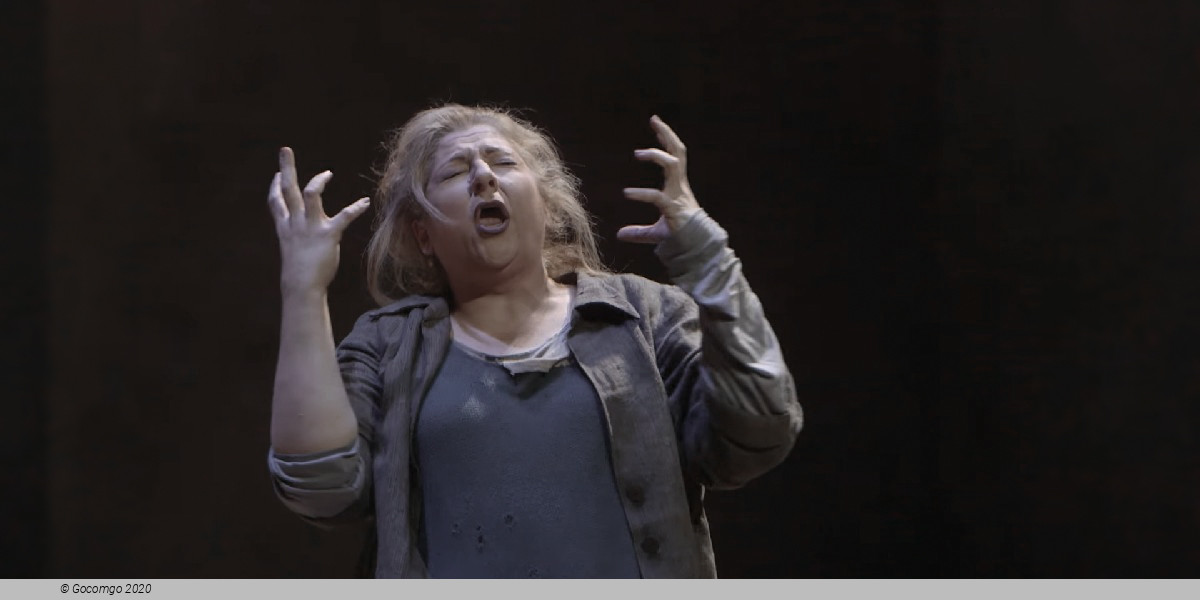
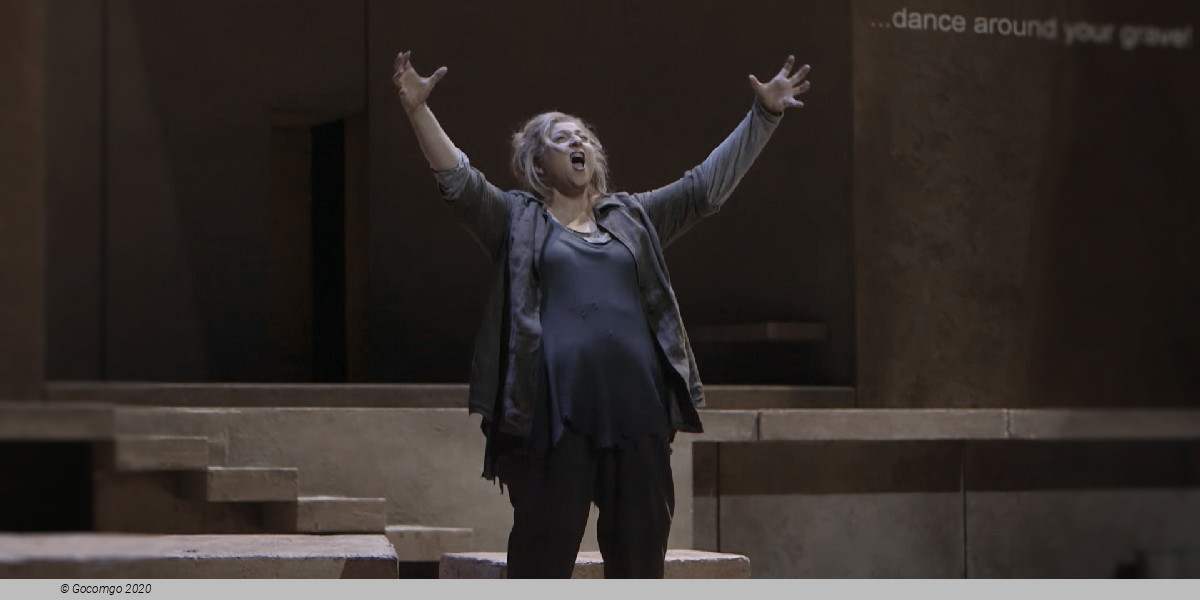
Elektra comes back for her daily ritual in memory of her father, who upon his return from Troy was killed while bathing by Klytaemnestra and Aegisth and dragged out into the courtyard. Elektra now starts imagining the day when her father will be avenged and then of the ensuing celebration in which she will lead the triumphal dance.

"Elektra!"
Chrysothemis leaves the palace but, unlike Elektra, she is meek and accommodating, and has remained on good terms with Klytaemnestra and Aegisth; she enjoys the privileges that come with being a princess. She warns her sister that their mother plans to lock Elektra in a tower, but she is rebuffed.

"Ich kann nicht sitzen und ins Dunkel starren." ("I can not sit and stare into the darkness.")
Chrysothemis does not wish to go on living a half-death in her own house: she wants to leave, marry and raise children.

"Es geht ein Lärm los." ("What tumult is this?")
As loud sounds are heard inside, Elektra mocks her sister that it is her wedding party.

"Was willst du? Seht doch, dort!" ("What do you want? Behold, there!")
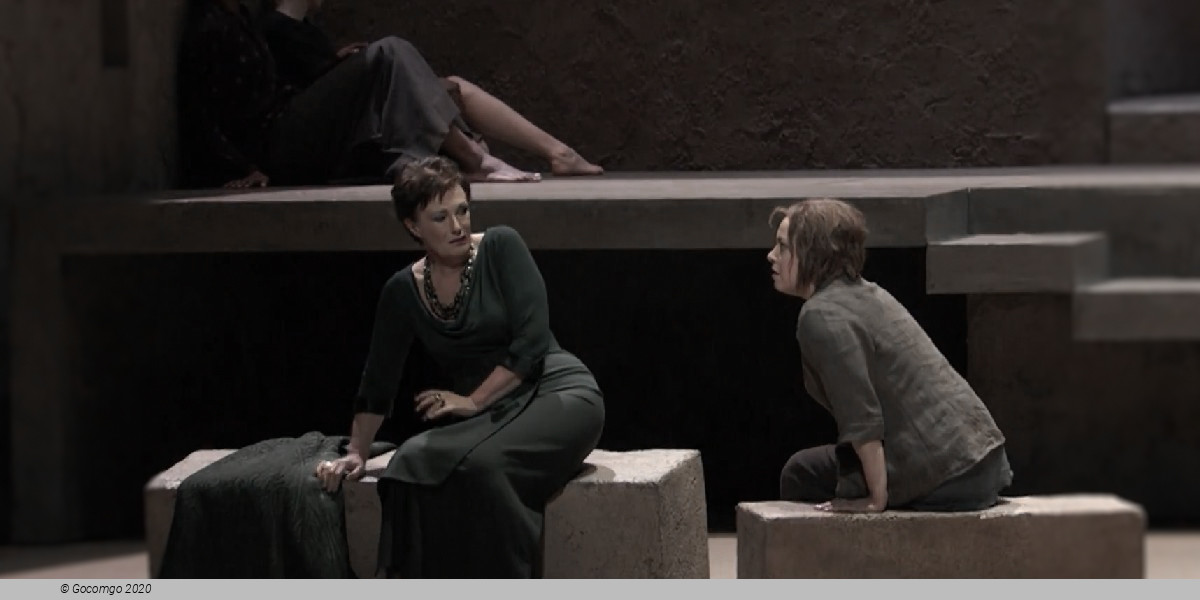
In reality, Klytaemnestra has yet again been awakened by her own nightmares of being killed by Orest. Chrysothemis begs Elektra to leave, wishing only to speak to her mother. Followed by her retinue, Klytaemnestra comes to make another sacrifice to appease the gods, but she stops at the sight of Elektra and wishes that she were not there to disturb her. She asks the gods for the reason for her burdens, but Elektra appeases her by telling her mother that she is a goddess herself.

"Ich will nichts Hören!" ("I will not listen!")
Despite the protests of the Trainbearer and Confidante, Klytaemnestra climbs down to talk to Elektra.

"Ich habe keine guten Nächte." ("I have no good nights.")
Klytaemnestra confides to her daughter that she has been suffering nightmares every night and that she still has not found the way to appease the gods. But, she claims, once that happens, she will be able to sleep again.

"Wenn Das rechte Blutopfer unterm Beile fällt." ("When the right blood under the hatchet flows.")
Elektra teases her mother with little pieces of information about the right victim that must be slain, but she changes the conversation to her brother and why he is not allowed back. To Elektra's horror, Klytaemnestra says that he has become mad and keeps company with animals. She responds that this is not true and that all the gold that her mother has sent was not being used to support her son but to have him killed.

"Was bluten muß? Dein eigenes Genick." ("Who must bleed? Your own throat.")
Then Elektra reveals who is to be the actual victim: it is Klytaemnestra herself. She goes on to describe how the gods must be appeased once and for all. She must be awakened and chased around the house just like an animal that is being hunted. Only when she wishes that all was over and after envying prisoners in their cells, she will come to realize that her prison is her own body. At that time, the axe with which she killed her husband and which will be handed to Orest by Elektra, will fall on her. Only then the dreams will stop.

"Lichter! Mehr Lichter" ("Lights! More lights!")
The Trainbearer and Confidante enter and whisper to her. Klytaemnestra laughs hysterically and, mocking Elektra, leaves. Elektra wonders what has made her mother laugh.

"Orest! Orest ist tot!" ("Orest! Orest is dead!")
Chrysothemis comes to tell her: two messengers have arrived with the news that Orest is dead, trampled by his own horses.

"Platz da! Wer lungert so vor einer Tür?" ("Give way! Who spies thus upon the threshold?")
As a young servant comes out of the house to fetch the master, he trips over Elektra and Chrysothemis.

"Nun muß es hier von uns geschehn." ("It is for us to act now.")
Elektra does not relent and a terrified Chrysothemis listens as her sister demands that she help her to avenge their father.

"Wie stark du bist." ("How strong you are.")
Elektra goes on to praise her sister and her beauty, promising that Elektra shall be her slave at her bridal chamber in exchange for the assistance in her task. Chrysothemis fights off her sister and flees. Elektra curses her.

"Nun denn, allein!" ("Well, alone!")
Determined to do it alone, she digs for the axe that killed her father, but is interrupted by a mysterious man who comes into the courtyard.

"Was willst du, fremder Mensch?" ("What do you want, stranger?")
She hears that he is expecting to be called from within the palace because he has a message for the lady of the house. He claims to be a friend of Orest, and says that he was with him at the time of his death.

"Wer bist denn du?" ("Who are you?")
Elektra grieves. The man first guesses that she must be a blood relative of Orest and Agamemnon, then, upon asking her name, discovers she is Elektra.

"Orest!"
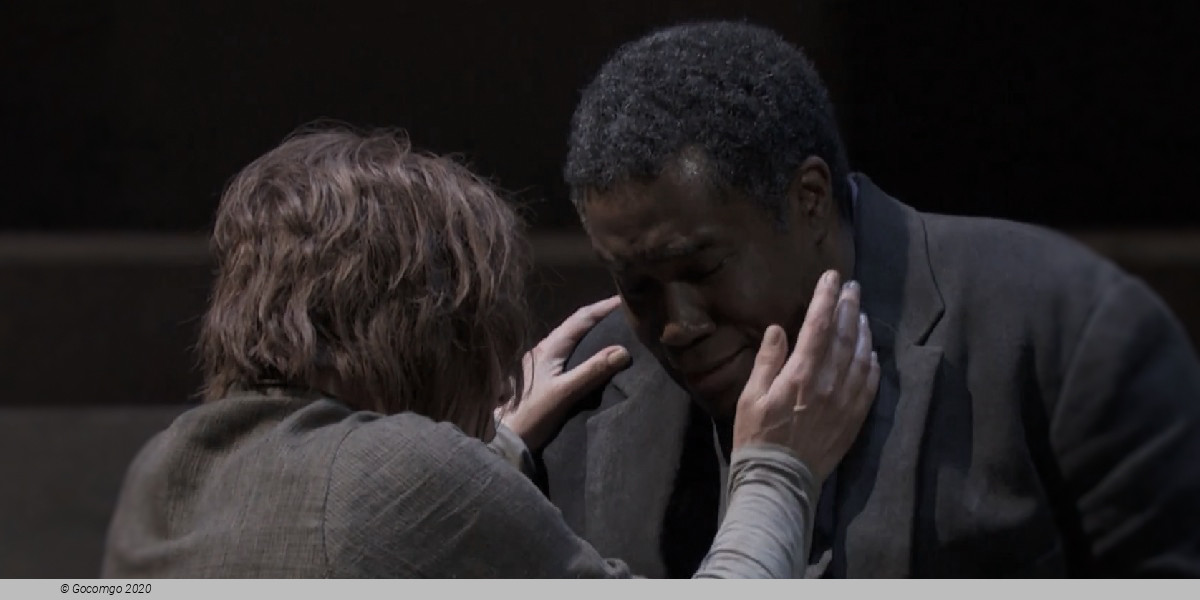
Then, taken aback, she recognizes him: it is Orest who has come back in disguise. Elektra is initially ecstatic, but also ashamed of what she has become and how she has sacrificed her own royal state for the cause.

"Du wirst es tun? Allein? Du armes Kind?" ("You'll do it? Alone? Poor child?")
Orest's Tutor comes and interrupts the siblings; their task is dangerous and anything can jeopardize it. The Trainbearer and Confidante come out of the palace and lead Orest in.

"Ich habe ihm das Beil nicht geben können!" ("I could not give him the axe!")
A shriek is heard from within the palace, then a grim moan. Elektra smiles brightly, knowing that Orest has killed their mother.

"He! Lichter!" ("Torches there!")
Aegisth arrives. He is ecstatic to have heard that Orest is dead and wishes to speak with the messengers. Elektra happily ushers him inside the palace.

"Helft! Mörder!" ("Help! Murder!")
As Aegisth screams and calls for help, Elektra replies: "Agamemnon can hear you."

"Elektra! Schwester!" ("Elektra! Sister!")
Chrysothemis comes out of the palace stating that Orest is inside and that he has killed Klytaemnestra and Aegisth. A massacre has begun with Orest's followers killing those who supported Aegisth and the Queen.

"Ob ich nicht höre?" ("If I do not hear?")
Elektra is ecstatic and wants to lead the crowd to dance but at first cannot.

"Hörst du denn nicht." ("You do not hear because.")
Chrysothemis and Elektra praise their brother's feat.

"Schweig, und tanze." ("Be silent and dance.")
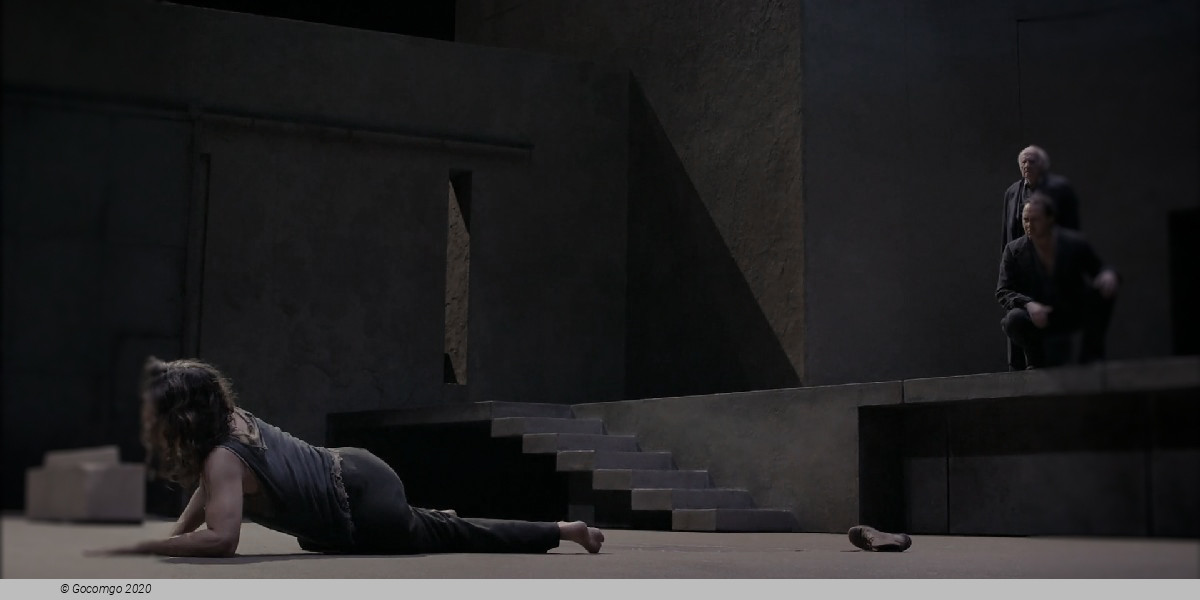
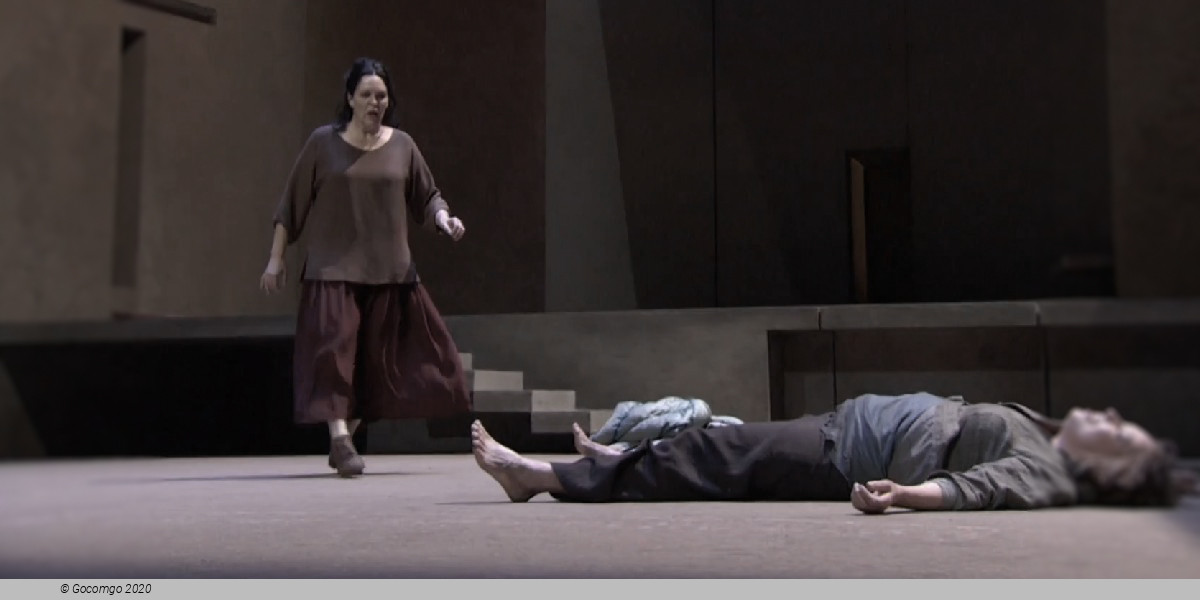
At last Elektra begins to dance. As she reaches the climax of her dance, she falls to the ground: Elektra is dead. Chrysothemis goes into the palace to be with her brother. Banging on the palace door, she calls for her brother. There is no answer.

Venue Info

Royal Swedish Opera - Stockholm
Location   Gustav Adolfs torg 2

Royal Swedish Opera is Sweden's major national stage for opera and ballet. Famous singers who have been part of the opera's ensemble have included Jussi Björling, Gösta Winbergh, Nicolai Gedda, Peter Mattei, Jenny Lind, Birgit Nilsson, Elisabeth Söderström, Fritz Arlberg, Anne Sofie von Otter, Katarina Dalayman and Nina Stemme.

The orchestra of the Royal Swedish Opera, the Royal Swedish Orchestra, Kungliga Hovkapellet, dates back to 1526. Royal housekeeping accounts from 1526 mention twelve musicians including wind players and a timpanist but no string players. Consequently, the Royal Swedish Orchestra is one of the oldest orchestras in Europe.

Armas Järnefelt was on the music staff from 1905, rising to become chief conductor between 1923–1933 and 1938–1946. The Royal Swedish Ballet, Kungliga Baletten, was founded by Gustav III of Sweden in 1773.

The building is located in the center of Sweden's capital Stockholm in the borough of Norrmalm, on the eastern side of Gustav Adolfs torg across from the former Arvfurstens Palats, now Ministry for Foreign Affairs. It lies on the north side of the Norrström river and is connected to the Royal Palace through the Norrbro bridge.

The opera company was founded by King Gustav III and its first performance, Thetis and Phelée with Carl Stenborg and Elisabeth Olin, was given on January 18, 1773; this was the first native speaking opera performed in Sweden.

But the first opera house was not opened until 1782 and served for a century before being replaced at the end of the 19th century. Both houses are officially called the "Royal Opera", however the terms "The Gustavian Opera" and "The Oscarian Opera", or the "Old" and "New" Opera are used when distinction is needed.

The Gustavian Opera
The original Stockholm Opera House, the work of architect Carl Fredrik Adelcrantz was commissioned by King Gustav III, a strong adherent of the ideal of an enlightened absolutism and as such was a great patron of the arts. The Swedish Opera company had first been located in Bollhuset, but there was a need to separate the Opera from the theatre and give them separate buildings. Construction began in 1775 and the theatre was inaugurated on 30 September 1782 with a performance of the German composer Johann Gottlieb Naumann's Cora och Alonzo. It was also the place for public masquerade balls, events inspired from the famous opera-balls in Paris, which was open for everyone wearing a mask at a cheap cost and somewhat ill-reputed.

The building was very imposing with its centre Corinthian tetrastyle portico supporting four statues and topped by the royal crown. The four-tiered auditorium was oval in shape, had excellent acoustics and sight lines. The sumptuous foyer contained neoclassic medallions and pilasters.

It was in the foyer of the opera house where the king met his fate: during a masquerade on March 16, 1792, he was shot by Jacob Johan Anckarström, and died 7 days later. (In turn, this event inspired the operas Gustave III by Daniel Auber and Un ballo in maschera by Verdi.) Following the assassination, the opera house was closed until 1 November 1792, when it was opened again, which by some was considered shocking. The son of Gustav III, King Gustav IV Adolf of Sweden, did not like the Opera, possibly because of the murder of his father, and disliked the fact that the scene of his father's murder was used as a place of amusement and leisure, and when a frivolous play was performed for his queen Frederica of Baden in 1806, he decided to close it down. It remained closed until 1809, and when the king was deposed, it took until May 1812, before it was organised enough to be fully opened again.

The Oscarian Opera, Operan

The old opera was demolished in 1892 to give way to the construction of a new Opera drawn by Axel Johan Anderberg, which was finished seven years later and inaugurated by King Oscar II with a production of a Swedish opera (that tradition having been quite firmly established during the 19th century), Franz Berwald's Estrella de Soria.

The new house had the letters Kungl. Teatern, literally "Royal Theatre" (which caused the later-founded Royal Dramatic Theatre to add the distinction "dramatic" to its name). The building is now simply called Operan ("The Opera"), written in golden letters above the middle arch on the front facade. It is a majestic neo-classical building with a magnificent gold foyer (Guldfoajén) and elegant marble grand staircase leading to a three-tiered auditorium somewhat smaller than the old theatre. It presently seats 1,200. Most productions are now sung in the original language (with Swedish subtitles), with only a few in Swedish.

The Royal Swedish Family of King Carl XVI Gustaf keeps the Royal Box reserved, located in the first tier in the auditorium above the orchestra pit.

The current general manager of the Royal Swedish Opera is the Swedish mezzo-soprano Birgitta Svendén. In November 2011, the Dutch conductor Lawrence Renes was named the next chief conductor of the company, as of the 2012–13 season, with an initial contract through the 2016–17 season.

Important Info
Type: Opera
City: Stockholm, Sweden
Starts at: 15:00
Acts: 1
Duration: 1h 50min
Sung in: German
Titles in: Swedish
Top of page