Act 1
Scene 1
1. Overture
2. Air
3. Overture
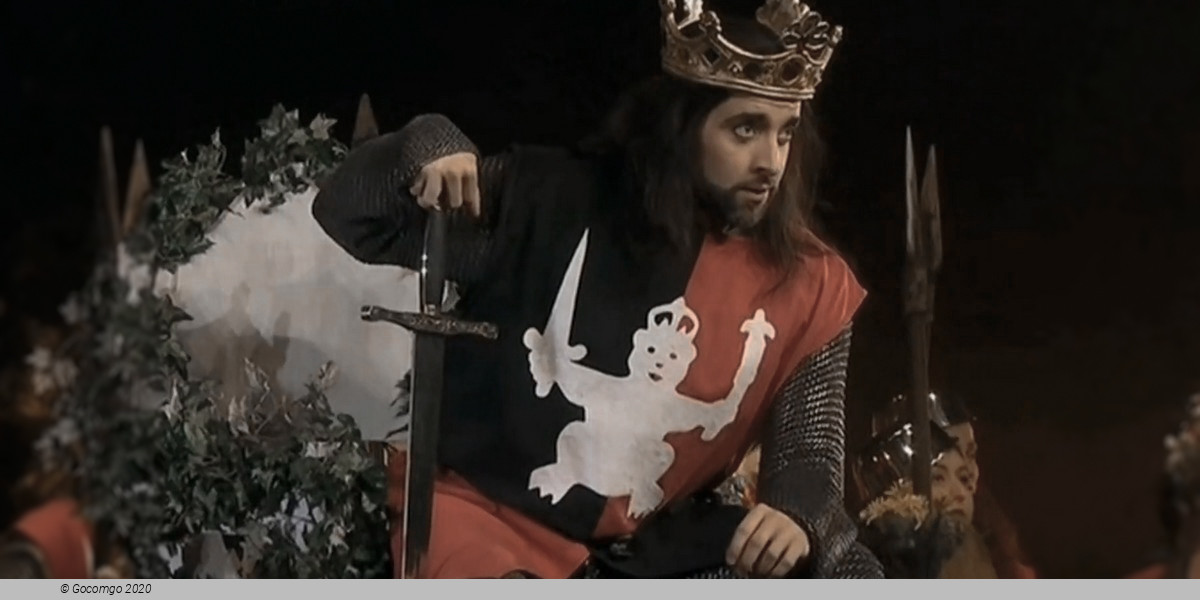
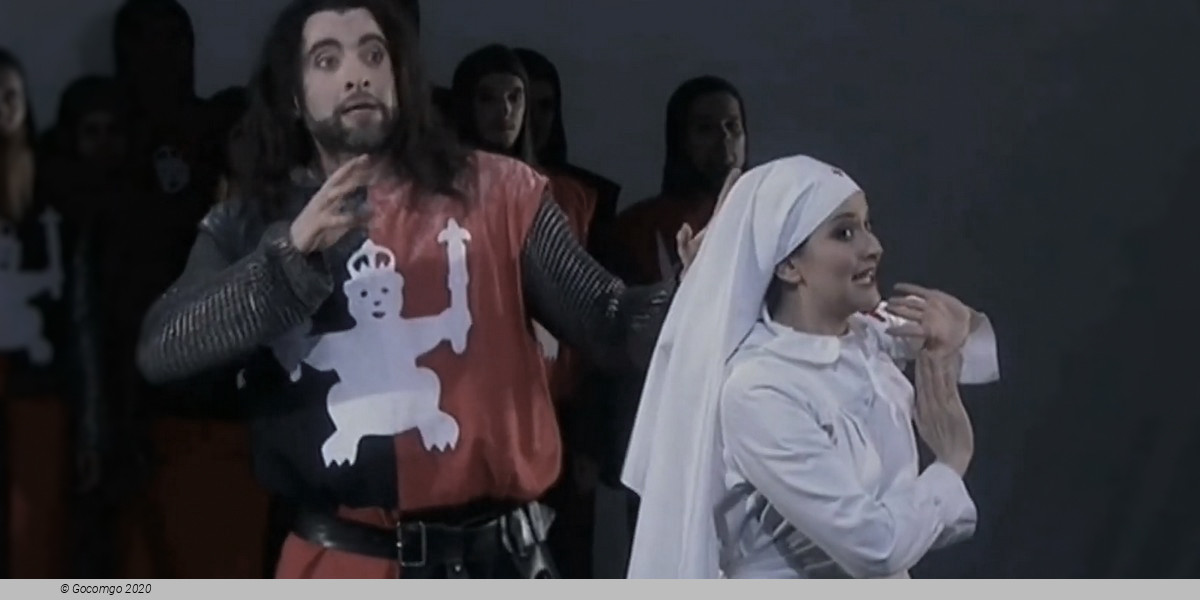
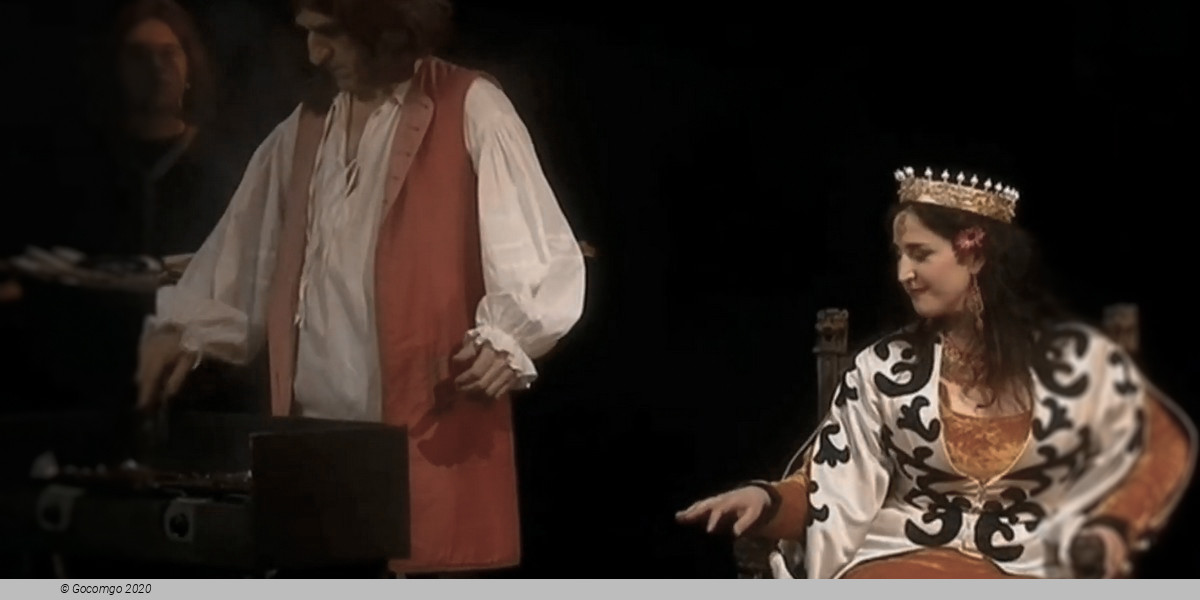
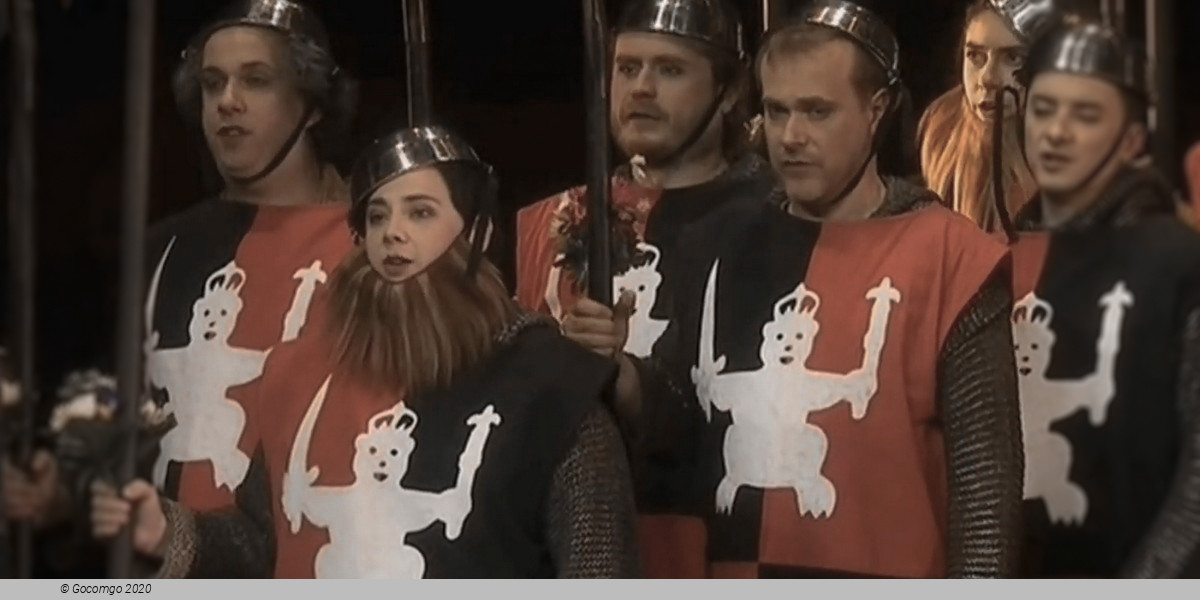
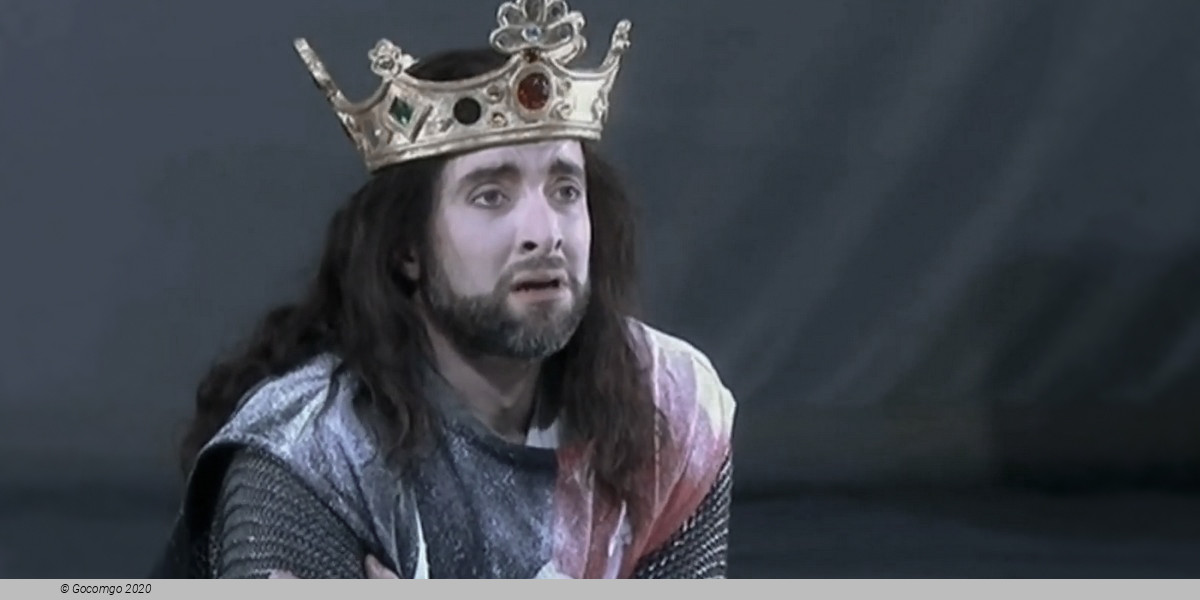
The Britons prepare for the battle which will decide who will rule their land: the Christian Arthur or the heathen Saxon Oswald. It augurs well for them: it is Saint George's Day and the Britons have already defeated the Saxons in ten battles. Conon, Duke of Cornwall, explains the origins of the war. Oswald had sought his daughter, the blind Emmeline's, hand in marriage but she rejected him because she is in love with Arthur. Arthur enters reading a letter of support from his magician Merlin. He meets Emmeline and tries to explain to her what seeing means. A trumpet calls Arthur to battle.
Scene 2: The scene represents a place of Heathen worship; The three Saxon Gods, Woden, Thor, and Freya placed on Pedestals. An Altar.
Oswald and his magician Osmond sacrifice horses and pray to the Saxon gods for victory in the coming battle. Osmond's servant, the spirit Grimbald, arrives and says he has persuaded six Saxons to offer themselves as a human sacrifice. He also admits he has lost control of the other spirit, Philidel, "a puleing Sprite" who "Sighs when he should plunge a Soul in Sulphur,/As with Compassion touched of foolish man." Philidel was supposed to have drawn up the vapours from the marsh and blown them in the face of the Christian soldiers but when he saw the crosses on their banners, he refused to carry out this task. Osmond says he will punish Philidel later.
The sacrifice scene:
4. "Woden, first to thee" (Tenor, bass and chorus)
5. "The white horse neigh'd aloud" (Tenor and alto)
6. "The lot is cast, and Tanfan pleas'd" (Soprano)
7. "Brave souls, to be renown'd in story" (Chorus)
8. "I call you all to Woden's hall" (Alto and chorus)
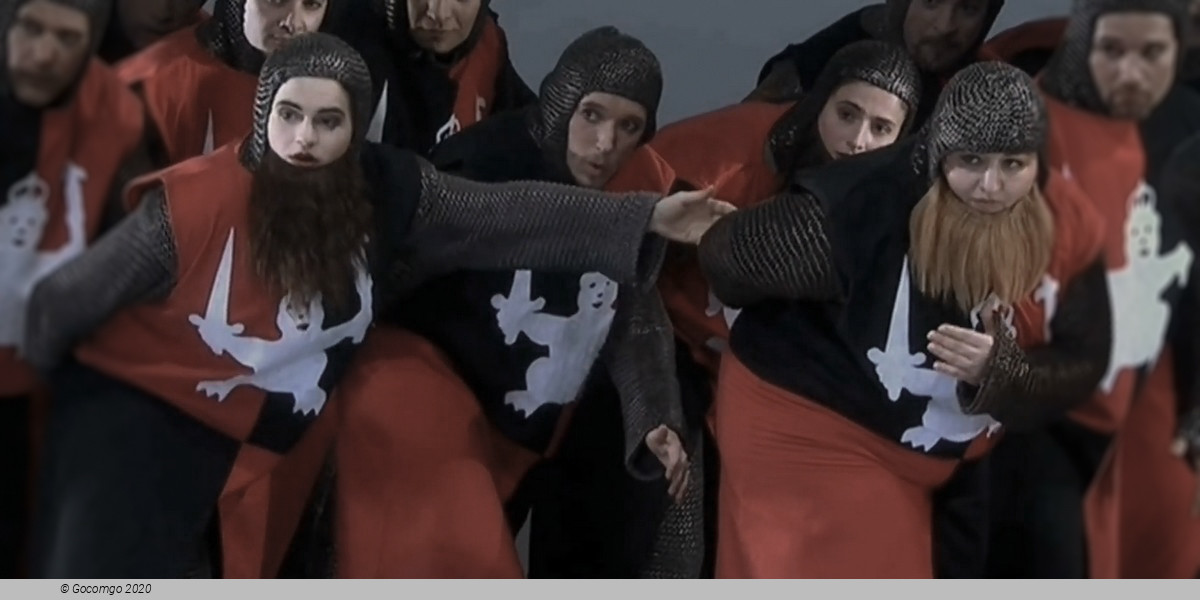
Scene 3: "A battle supposed to be given behind the Scenes, with Drums, Trumpets, and military Shouts and Excursions."
The Britons sing a song of triumph as the Saxons flee the battlefield:
9. "Come if you dare" (Symphony followed by tenor and chorus)
Act 2
Scene 1
The tender-hearted Philidel pities those soldiers who have lost their lives in the battle. Merlin arrives in his chariot and orders Philidel to tell him who he is. Philidel explains he is a spirit of the air and one of the fallen angels, but he has repented. He deserts Osmond and joins Merlin. Philidel tells Merlin that Grimbald is planning to deceive the victorious Britons by leading them to drown in rivers or fall off cliffs. Merlin leaves Philidel his band of spirits to save the Britons from this trap. Grimbald arrives disguised as a shepherd guiding Arthur and his men. Philidel and his spirits and Grimbald and his spirits compete to win Arthur's trust:
10. "Hither this way" (Chorus)
11. "Let not a moonborn elf deceive thee" (Grimbald)
12. "Hither this way" (Chorus)
13. "Come follow me" (Philidel and spirits)
Grimbald admits defeat, vows revenge on Philidel and vanishes.
Scene 2: A pavilion
Emmeline and her maid Matilda await news of the battle. To pass the time, a "Crew of Kentish Lads and Lasses" entertain them with songs and dances:
14. "How blest are the shepherds, how happy their lasses" (Shepherd and chorus)
15. "Shepherd, shepherd, leave decoying" (Two shepherdesses)
16a. Hornpipe
16b. "Come, shepherds, lead up a lively measure" (Chorus of shepherds)
Oswald and his comrade Guillamar stray from the battlefield, chance upon the pavilion and kidnap Emmeline and Matilda.
Scene 3
A group of Britons continue the battle.
Scene 4
Arthur holds a parley with Oswald and begs him to return Emmeline, offering him land from the River Medway to the Severn, but Oswald refuses to relinquish her.
17. Second Act Tune: Air
Act 3
Scene 1
Arthur and his men attack Oswald's castle but Osmond's magic defeats them. Osmond has conjured a "Magick Wood" which bars access to the castle. Merlin promises to help Arthur reach Emmeline and restore her sight with potion in a vial.
Scene 2: A deep wood
Grimbald catches Philidel as he scouts the enchanted wood for Merlin. Philidel pretends to submit but secretly casts a spell on Grimbald which renders him powerless to move. Merlin asks Philidel to guide Arthur through the wood and gives him the vial, which the spirit uses to rid Emmeline of her blindness. Emmeline is amazed at the new world before her eyes. Merlin's spells also allow Arthur and Emmeline to meet for a brief moment, but Emmeline will not be free until the enchanted wood is destroyed. Osmond enters, intent on seducing Emmeline for himself, having drugged his master Oswald.
Osmond tries to win Emmeline over by showing her a masque acted by spirits. He conjures up a vision of "Yzeland" and "farthest Thule".
The Frost Scene
18. Prelude
19. "What ho! thou genius of this isle" (Cupid wakes the "Cold Genius", who is the spirit of Winter).
20. "What Power art thou, who from below..." (The Cold Genius reluctantly wakes from his slumbers)
21. "Thou doting fool" (Cupid)
22. "Great Love, I know thee now" (The Cold Genius acknowledge's love's power)
23. "No part of my dominion shall be waste" (Cupid)
24. Prelude
25. "See, see, we assemble" (Chorus and dance of the Cold People)
26. "'Tis I that have warm'd ye" (Cupid, followed by ritornello and chorus of Cold People: "'Tis Love that has warm'd us")
27. "Sound a parley" (Cupid and Cold Genius, followed by ritornello and chorus)
28. Third Act Tune: Hornpipe
The masque fails to persuade Emmeline and Osmond resorts to force but the captive Grimbald's shouts interrupt him. Osmond goes to free him, promising Emmeline he will be back.
Act 4
Scene 1
The freed Grimbald warns Osmond that Arthur is approaching the enchanted wood, where Merlin has undone his spells. Osmond decides to replace the threatening spells with seductive ones.
Scene 2: Scene of the Wood continues
Merlin leaves Arthur at the entrance to the wood with the spirit Philidel as his guide. Philidel has a wand which will banish all magical deception. Arthur hears seductive music from two Sirens bathing in a stream.
29. "Two Daughters of this Aged Stream are we"
Though tempted, Arthur realises it is an illusion and presses on. Next, "Nymphs and Sylvans" emerge from the trees singing and dancing.
30. Passacaglia: "How happy the lover"
Again, Arthur rejects them and begins the task of destroying the wood. When he chops a tree with his sword, blood pours out of it and the voice of Emmeline cries out in pain. It convinces Arthur that it is Emmeline, who has been turned into a tree by Osmond, and Arthur is just about to embrace the tree when Philidel reveals it is really a trick by Grimbald. Philidel captures Grimbald and Arthur cuts down the tree, dispelling the enchantment from the wood and freeing the way to Oswald's castle. Philidel drags off Grimbald in chains.
31. Fourth Act Tune: Air
Act 5
Scene 1
Now his magic has been destroyed, Osmond is terrified of the approaching Arthur. He decides he must persuade Oswald to fight for him.
Scene 2
32. Trumpet tune
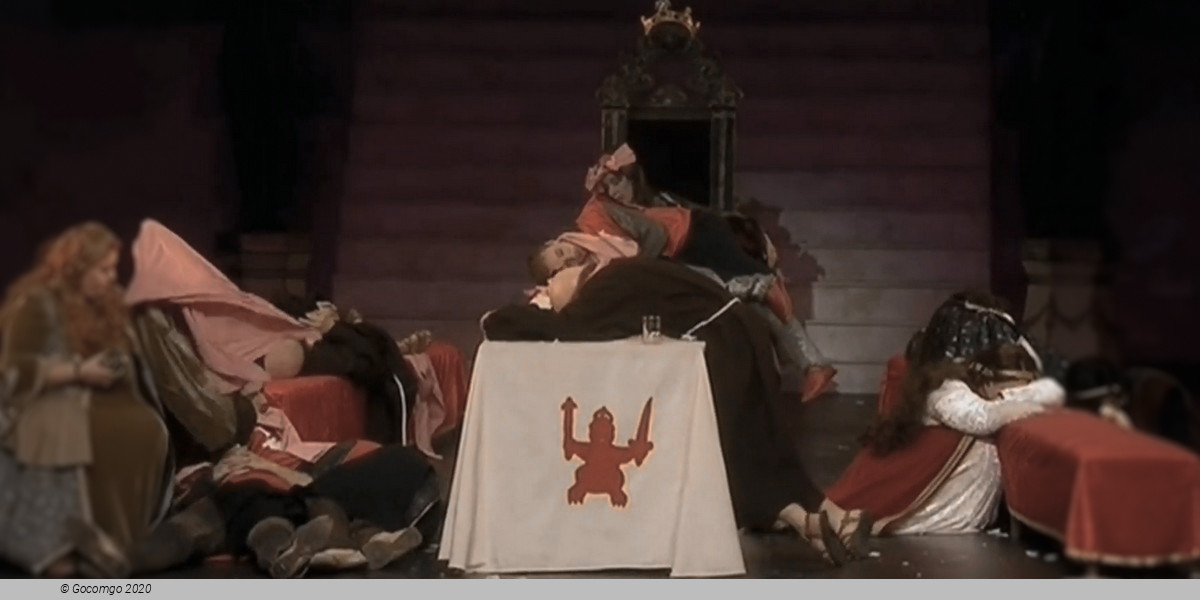
Arthur and the Britons are preparing to storm the castle when Oswald comes out and challenges his rival to single combat for the hand of Emmeline and the crown. They fight and Arthur disarms Oswald. Arthur spares his life but tells Oswald he and his Saxons must return to Germany because the Britons "brook no Foreign Power/ To Lord it in a Land, Sacred to Freedom." Osmond is cast into a dungeon with Grimbald. Arthur is reunited with Emmeline and the work ends with a celebratory masque.
The final masque: Merlin conjures a vision of the ocean around Britain. The Four Winds create a storm which is calmed by Aeolus:
33. "Ye Blust'ring Brethren of the Skies" (Aeolus)
allowing Britannia to rise from the waves on an island with fishermen at her feet.
34. Symphony (The fishermen dance)
35. "Round thy Coasts, Fair Nymph of Britain" (Duet for Pan and a Nereid)
36. "For Folded Flocks, on Fruitful Plains" (Trio of male voices)
37. "Your hay it is Mow'd, and your Corn is Reap'd" (Comus and peasants)
38. "Fairest Isle" (Venus)
39. "You say 'tis love" (Duet for "He" and "She"; according to the printed libretto, the words were written by "Mr. Howe")
40. "Trumpet Tune (Warlike Consort) (Merlin reveals the Order of the Garter)
41. "Saint George, the Patron of our Isle" (Honour and chorus)
42. Chaconne (The masque ends with a "grand dance")


 3 Place Léon Gambetta, Versailles