Royal Opera of Versailles (Palace of Versailles) 18 March 2023 - Dido and Aeneas | GoComGo.com

Dido and Aeneas

Royal Opera of Versailles (Palace of Versailles), Royal Opera, Paris, France
All photos (14)
Select date and time
6 PM 9 PM

E-tickets: Print at home or at the box office of the event if so specified. You will find more information in your booking confirmation email.

You can only select the category, and not the exact seats.
If you order 2 or 3 tickets: your seats will be next to each other.
If you order 4 or more tickets: your seats will be next to each other, or, if this is not possible, we will provide a combination of groups of seats (at least in pairs, for example 2+2 or 2+3).

Important Info
Type: Opera
City: Paris, France
Starts at: 21:00
Acts: 3
Duration: 1h 15min
Sung in: Italian
Titles in: French,English

E-tickets: Print at home or at the box office of the event if so specified. You will find more information in your booking confirmation email.

You can only select the category, and not the exact seats.
If you order 2 or 3 tickets: your seats will be next to each other.
If you order 4 or more tickets: your seats will be next to each other, or, if this is not possible, we will provide a combination of groups of seats (at least in pairs, for example 2+2 or 2+3).

Overview

Opera in three acts on a booklet by Nahum Tate, first performed in London in 1689.

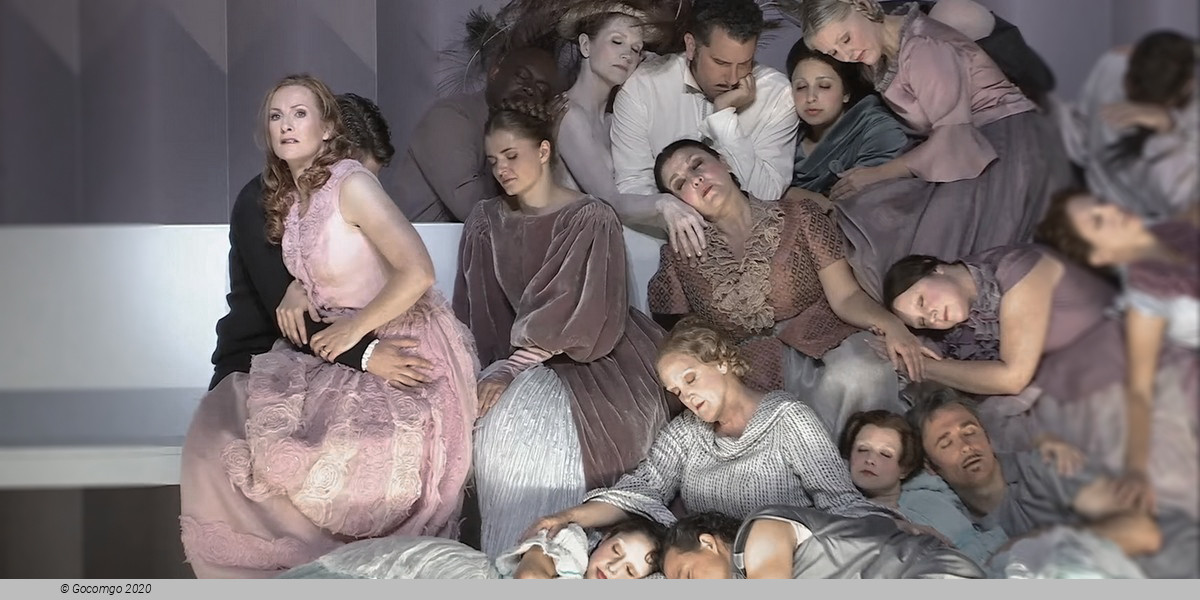
Few Baroque operas have had such a destiny and aroused such emotions over the centuries. Composed by Purcell - sometimes called the British Orpheus - this absolute masterpiece of English Baroque music tells the story of the sincere but unhappy love between Aeneas, the future founder of Rome, and Dido, Queen of Carthage. The ancient myth is uniquely relevant to the Baroque style: in 17th-century opera, it is the scorned woman who takes precedence over the man of action. Dido, the archetype of betrayal in love, inspired more than a hundred operatic works, from Cavalli to Britten. More than any other, she gives voice to the heart-rending song of the broken soul - as in the sublime final lamento written by Purcell ("When I am laid in earth"), today part of the collective imagery of despair.

Very compact in form, Dido and Aeneas is an opera of astonishing variety, mixing pastoral, burlesque and tragedy. It is also one of the most beloved works of William Christie and Les Arts Florissants, who have often given it in concert; its last stage version was in 2009.

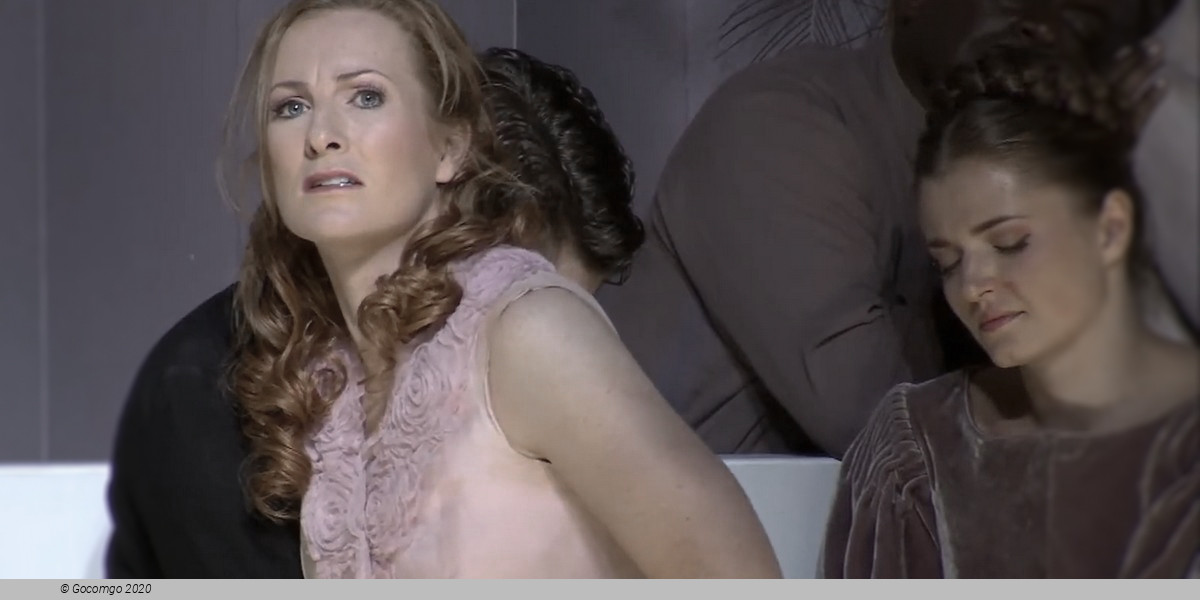
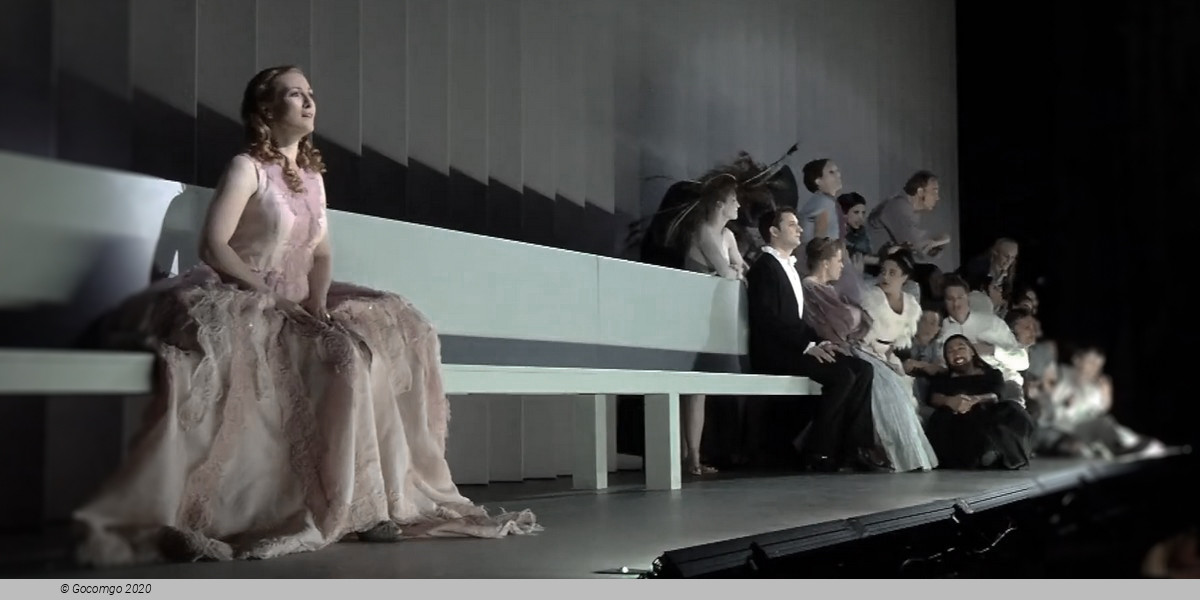
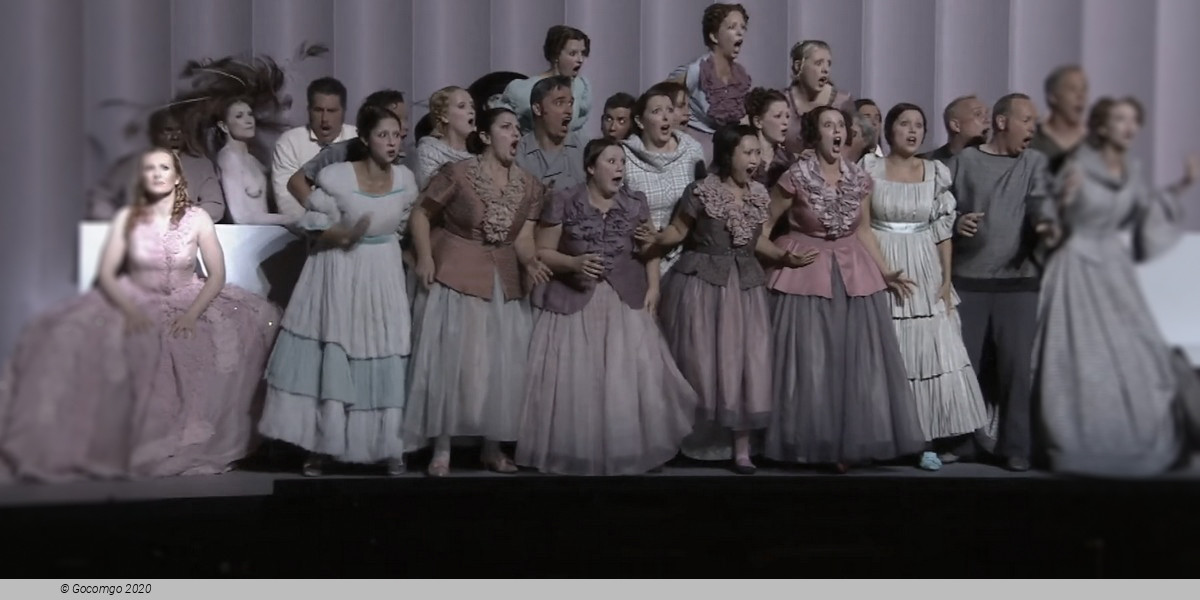
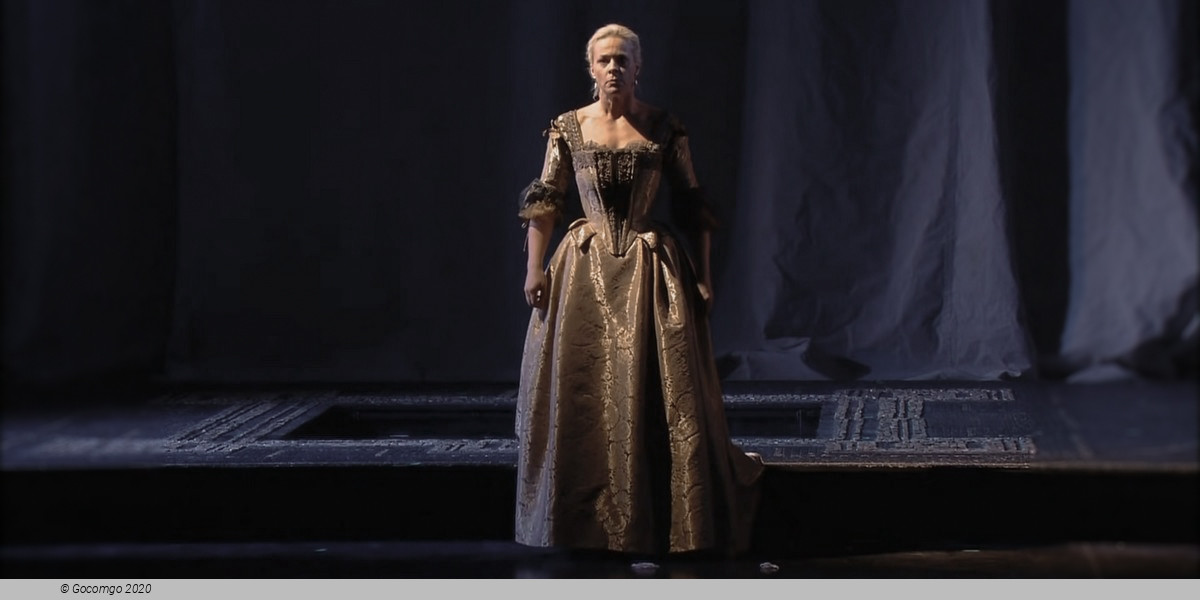
This new production of Dido and Aeneas, directed by the Madrid-based choreographer Blanca Li, is eagerly awaited. A member of the Académie des Beaux-Arts, Blanca Li already knows Les Arts Florissants well; she worked with them on Les Indes Galantes at the Opéra national de Paris in 1999. This project will also feature exceptional young soloists, selected among the laureates of the latest editions of Jardin des Voix, the young singers’ academy of Les Arts Florissants.

An Opéra Royal / Château de Versailles Spectacles, Teatros del Canal, Teatro Real de Madrid, Théâtre Impérial de Compiègne, Gran Teatre del Liceu coproduction

History
Premiere of this production: Josias Priest's girls' school, London

Dido and Aeneas is an opera in a prologue and three acts, written by the English Baroque composer Henry Purcell with a libretto by Nahum Tate. It recounts the love of Dido, Queen of Carthage, for the Trojan hero Aeneas, and her despair when he abandons her.

Synopsis

Act 1
Dido's court

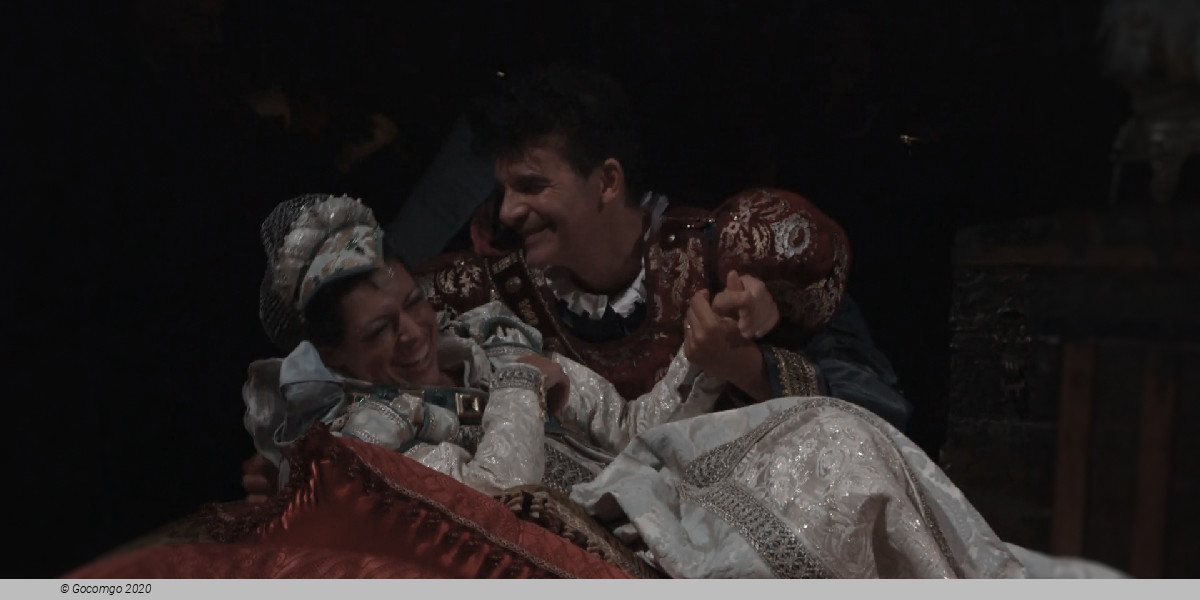
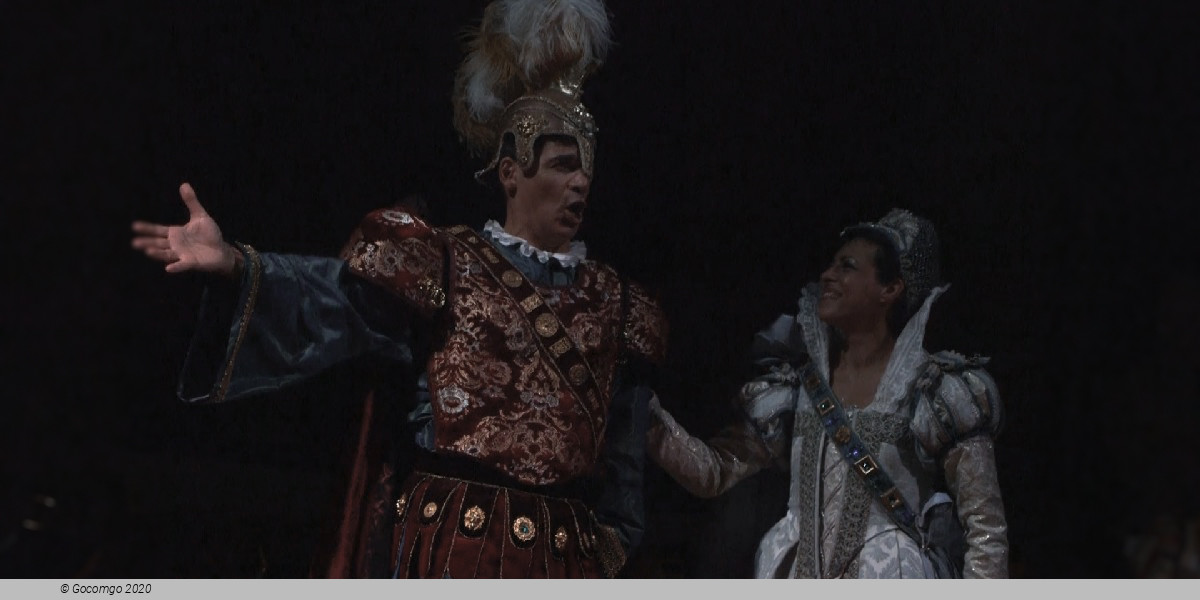
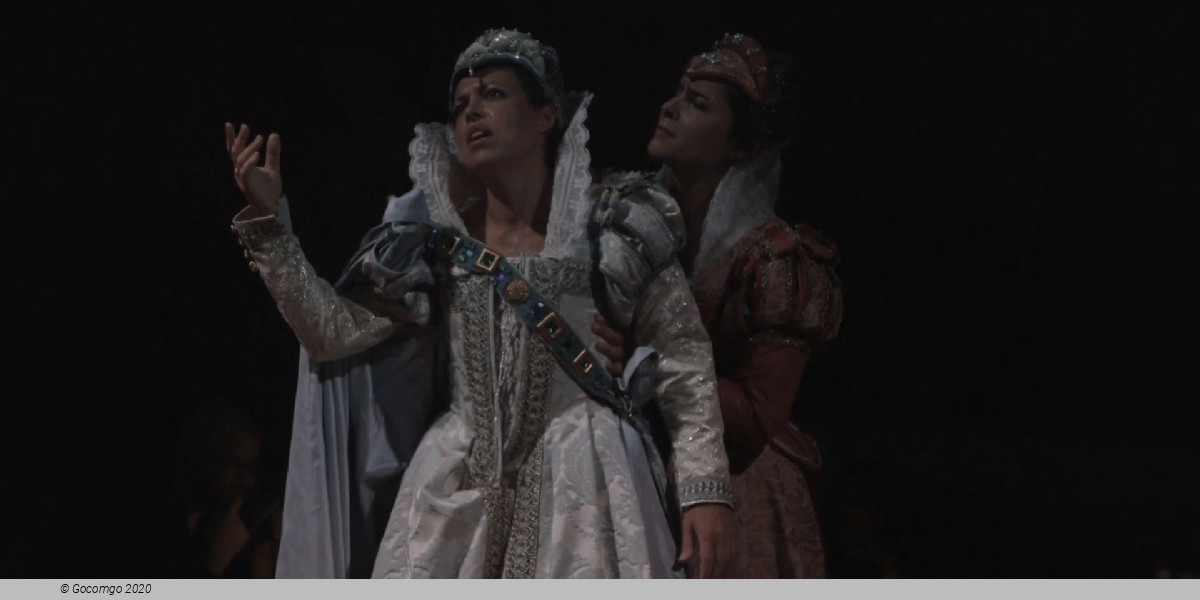
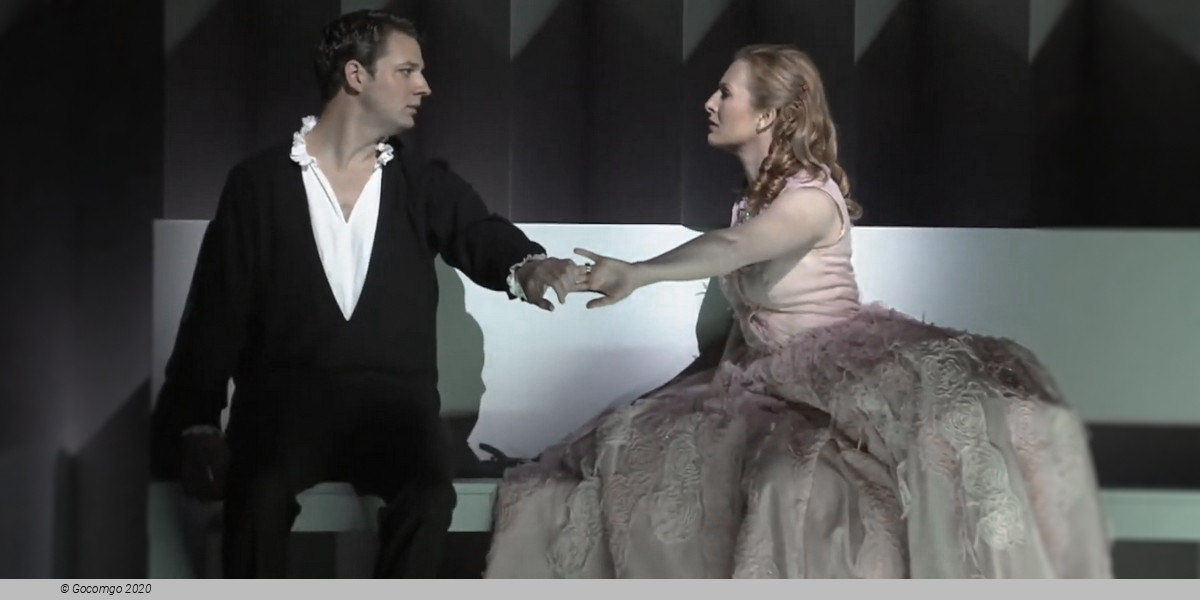
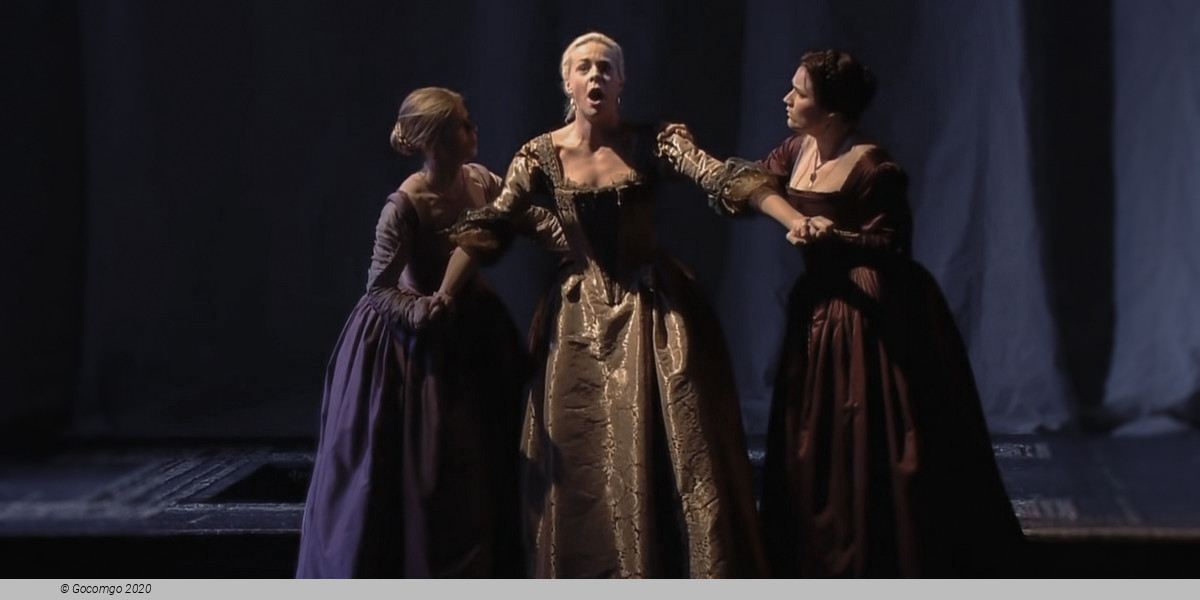
The opera opens with Dido in her court with her attendants. Belinda is trying to cheer up Dido, but Dido is full of sorrow, saying 'Peace and I are strangers grown'. Belinda believes the source of this grief to be the Trojan Aeneas, and suggests that Carthage's troubles could be resolved by a marriage between the two. Dido and Belinda talk for a time: Dido fears that her love will make her a weak monarch, but Belinda and the Second Woman reassure her that "The hero loves as well." Aeneas enters the court, and is at first received coldly by Dido, but she eventually accepts his proposal of marriage.

Act 2
Scene 1: The cave of the Sorceress

The Sorceress/Sorcerer is plotting the destruction of Carthage and its queen, and summons companions to help with evil plans. The plan is to send her "trusted elf" disguised as Mercury, someone to whom Aeneas will surely listen, to tempt him to leave Dido and sail to Italy. This would leave Dido heartbroken, and she would surely die. The chorus join in with terrible laughter, and the Enchantresses decide to conjure up a storm to make Dido and her train leave the grove and return to the palace. When the spell is prepared, the witches vanish in a thunderclap.

Scene 2: A grove during the middle of a hunt

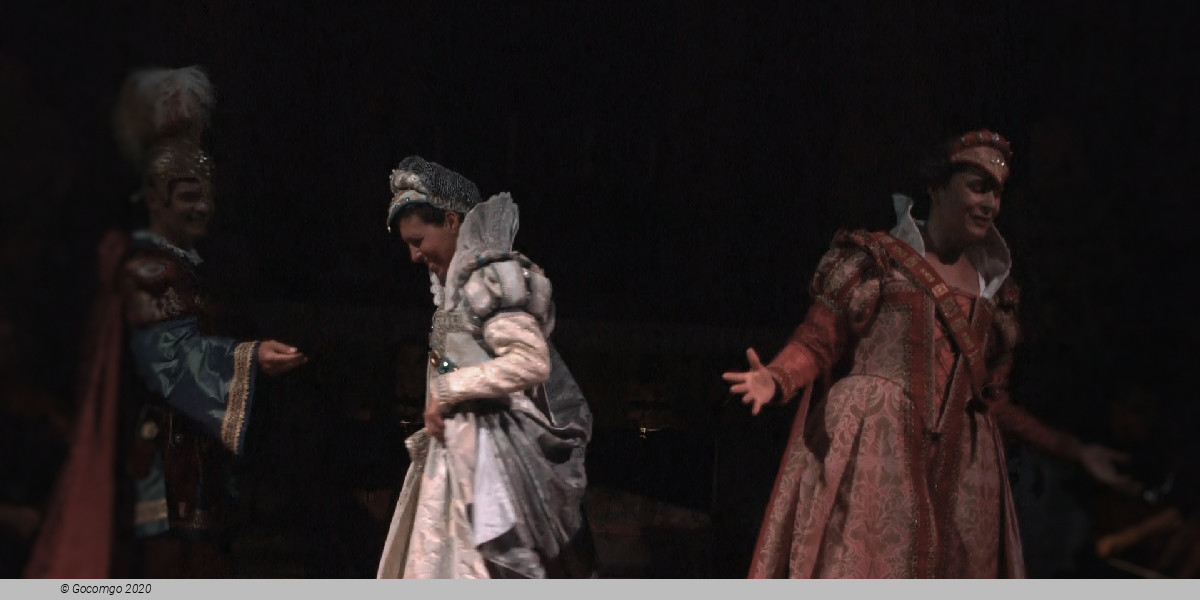
Dido and Aeneas are accompanied by their train. They stop at the grove to take in its beauty. A lot of action is going on, with attendants carrying goods from the hunt and a picnic possibly taking place, and Dido and Aeneas are together within the activity. This is all stopped when Dido hears distant thunder, prompting Belinda to tell the servants to prepare for a return to shelter as soon as possible. As every other character leaves the stage, Aeneas is stopped by the Sorceress's elf, who is disguised as Mercury. This pretend Mercury brings the command of Jove that Aeneas is to wait no longer in beginning his task of creating a new Troy on Latin soil. Aeneas consents to the wishes of what he believes are the gods, but is heart-broken that he will have to leave Dido. He then goes off-stage to prepare for his departure from Carthage.

Act 3
The harbour at Carthage

Preparations are being made for the departure of the Trojan fleet. The sailors sing a song, which is followed shortly by the Sorceress and her companions' sudden appearance. The group is pleased at how well their plan has worked, and the Sorceress sings a solo describing her further plans for the destruction of Aeneas "on the ocean". All the characters begin to clear the stage after a dance in three sections, and then disperse.

The palace

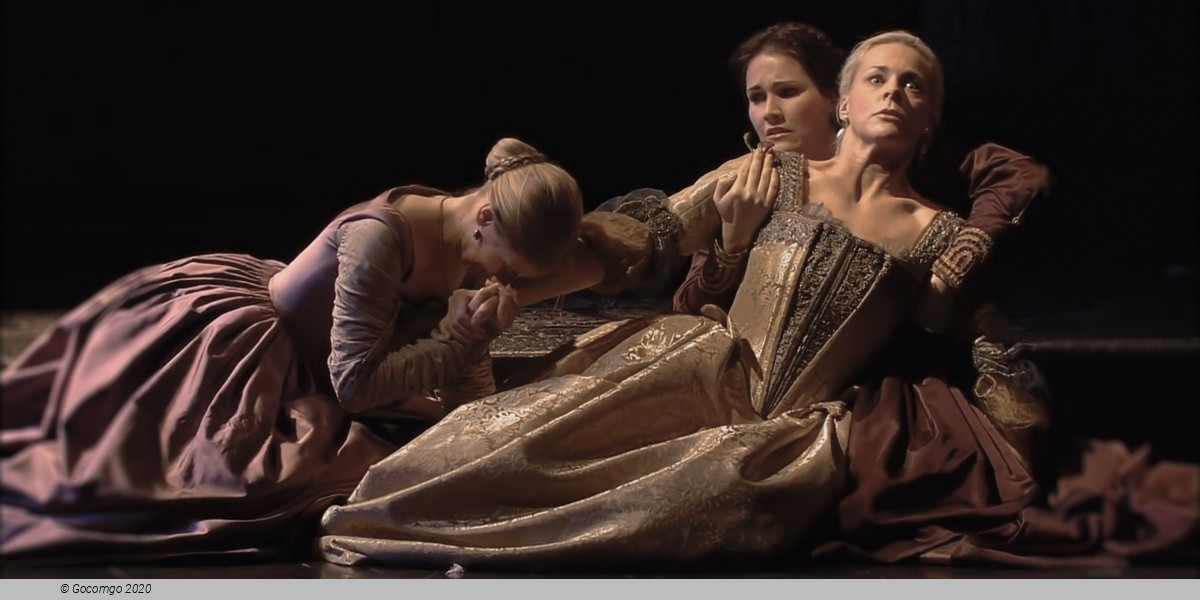
Dido and Belinda enter, shocked at Aeneas’ disappearance. Dido is distraught and Belinda comforts her. Suddenly Aeneas returns, but Dido is full of fear before Aeneas speaks, and his words only serve to confirm her suspicions. She derides his reasons for leaving, and even when Aeneas says he will defy the gods and not leave Carthage, Dido rejects him for having once thought of leaving her. After Dido forces Aeneas to leave, she states that "Death must come when he is gone." The opera and Dido's life both slowly come to a conclusion, as the Queen of Carthage sings her last aria, "When I am laid in Earth", also known as "Dido's Lament." The chorus and orchestra then conclude the opera once Dido is dead by ordering the "cupids to scatter roses on her tomb, soft and gentle as her heart. Keep here your watch, and never, never part."


Venue Info

Royal Opera of Versailles (Palace of Versailles) - Paris
Location   3 Place Léon Gambetta, Versailles

The Royal Opera of Versailles is the main theatre and opera house of the Palace of Versailles. The Royal Opera is one of the greatest works by the architect Ange-Jacques Gabriel. Inaugurated in 1770 during the reign of Louis XV, it was at the time the largest concert hall in Europe, and was also a great technical achievement and an impressive feat of decorative refinement. A theatre for monarchic and then republican life, it has hosted celebrations, shows and parliamentary debates.

Designed by Ange-Jacques Gabriel, it is also known as the Théâtre Gabriel. The interior decoration by Augustin Pajou is constructed almost entirely of wood, painted to resemble marble in a technique known as faux marble. The excellent acoustics of the opera house is at least partly due to its wooden interior.

The house is located at the northern extremity of the north wing of the palace. General public access to the theater is gained through the two-story vestibule. Some parts of the Opéra, such as the King's Loge and the King's Boudoir represent some of the earliest expressions of what would become known as the Louis XVI style.

Lully’s Persée — written in 1682, the year Louis XIV moved into the palace — inaugurated the Opéra on 16 May 1770 in celebration of the marriage of the dauphin — the future Louis XVI — to Marie Antoinette.

The Opéra Royal can serve either as a theater for opera, stage plays, or orchestral events, when it can accommodate an audience of 712 or as a ballroom when the floor of the orchestra level of the auditorium can be raised to the level of the stage. On these occasions, the Opéra can accommodate 1,200.

Important Info
Type: Opera
City: Paris, France
Starts at: 21:00
Acts: 3
Duration: 1h 15min
Sung in: Italian
Titles in: French,English
Top of page