








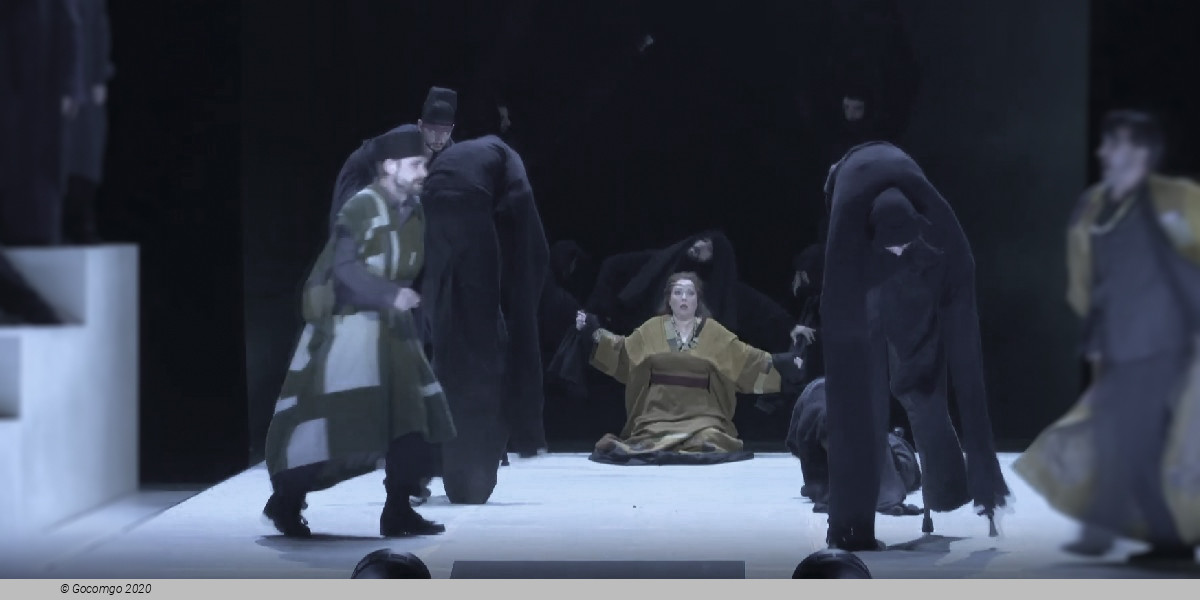
Royal Opera of Versailles (Palace of Versailles) 30 January 2024 - Alceste (Opera in concert version) | GoComGo.com

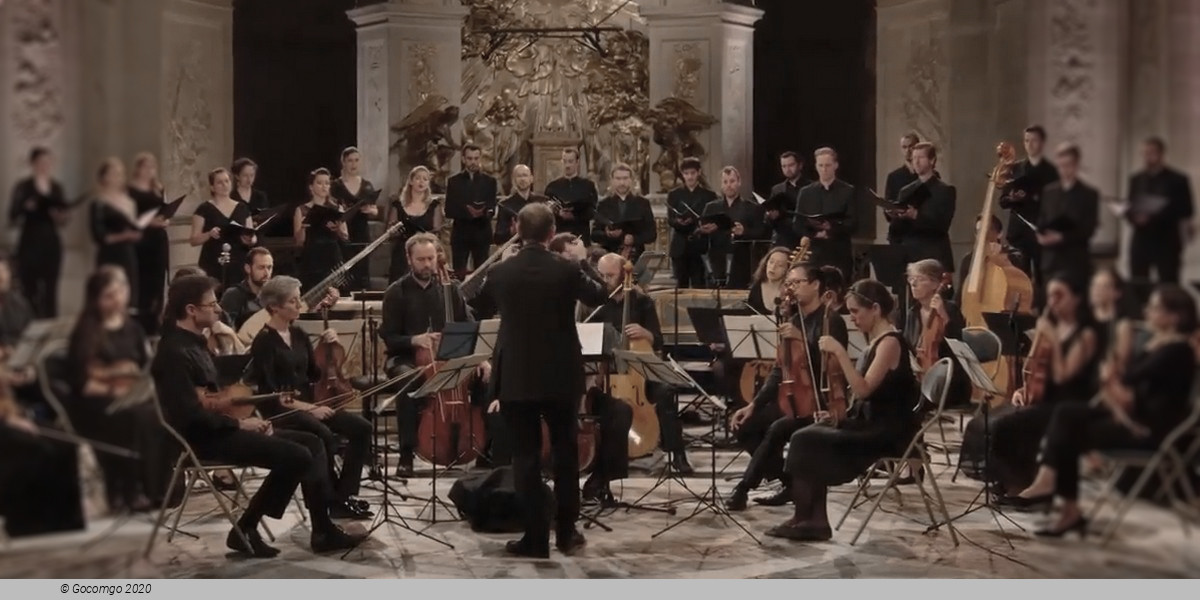
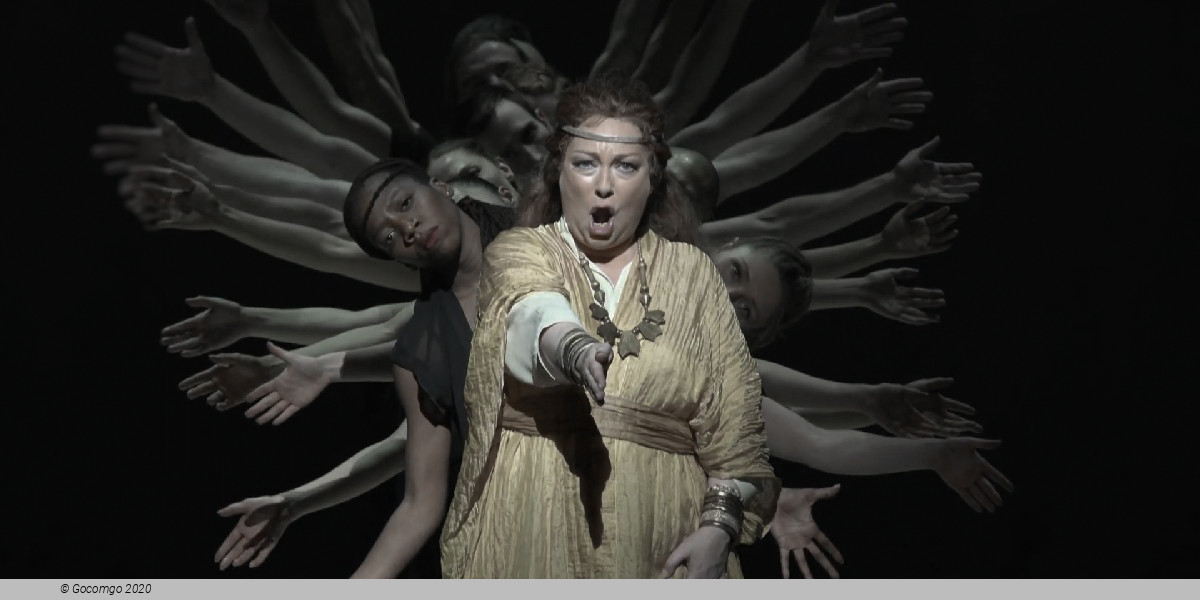
Alceste (Opera in concert version)

Royal Opera of Versailles (Palace of Versailles), Royal Opera, Paris, France
All photos (7)
Select date and time
8 PM

E-tickets: Print at home or at the box office of the event if so specified. You will find more information in your booking confirmation email.

You can only select the category, and not the exact seats.
If you order 2 or 3 tickets: your seats will be next to each other.
If you order 4 or more tickets: your seats will be next to each other, or, if this is not possible, we will provide a combination of groups of seats (at least in pairs, for example 2+2 or 2+3).

Important Info
Type: Opera
City: Paris, France
Starts at: 20:00
Acts: 5
Intervals: 1
Duration: 3h 15min
Sung in: French
Titles in: French,English

E-tickets: Print at home or at the box office of the event if so specified. You will find more information in your booking confirmation email.

You can only select the category, and not the exact seats.
If you order 2 or 3 tickets: your seats will be next to each other.
If you order 4 or more tickets: your seats will be next to each other, or, if this is not possible, we will provide a combination of groups of seats (at least in pairs, for example 2+2 or 2+3).

Overview

Tragedy in five acts with a prologue, on a libretto by Philippe Quinault, first performed at the Jeu de Paume de Bel-Air in Paris in 1674.

History
Premiere of this production: 26 December 1767, Burgtheater in Vienna

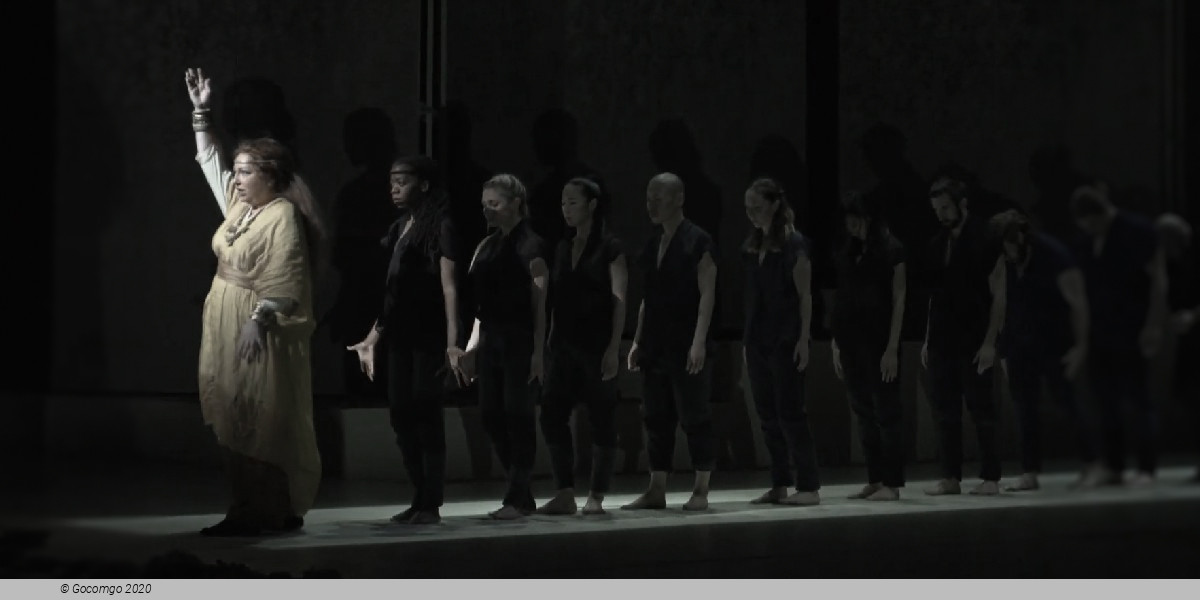
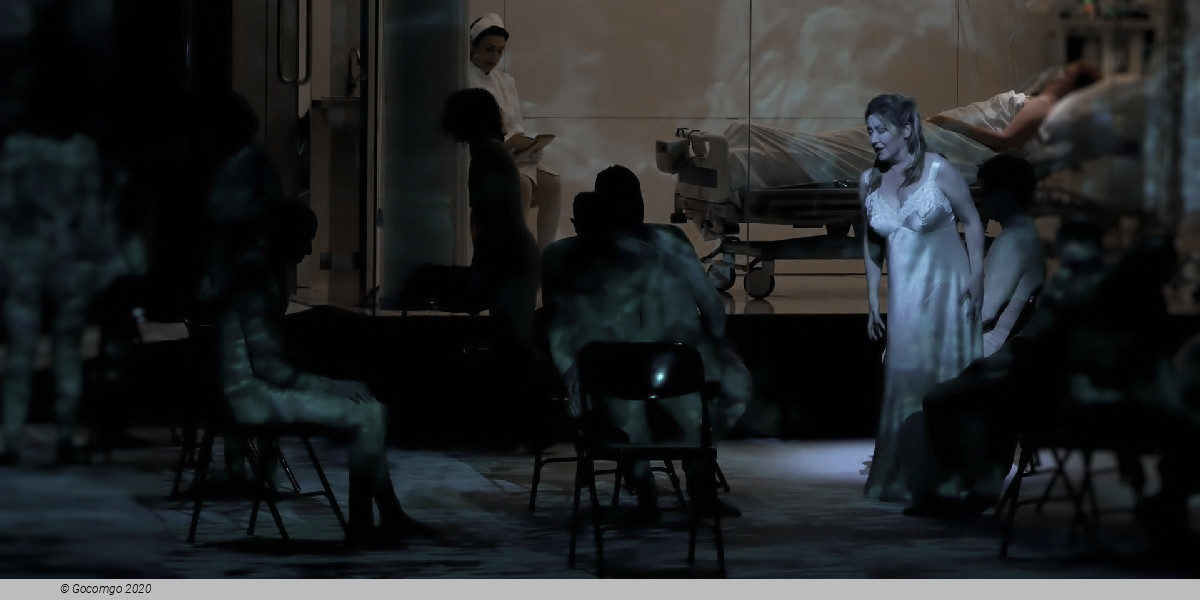
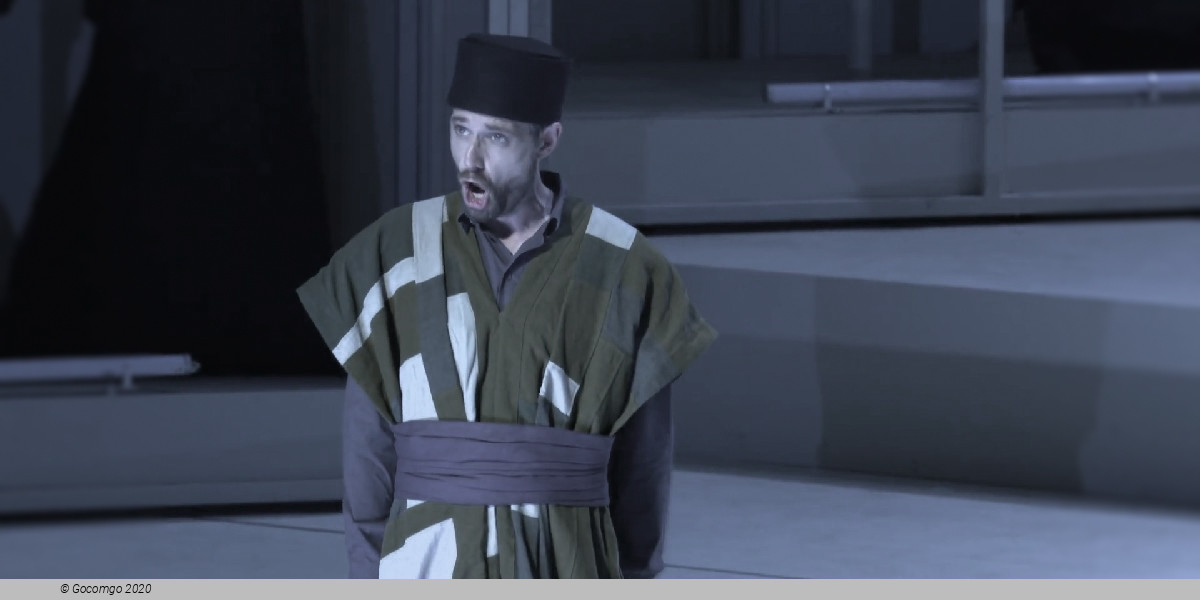
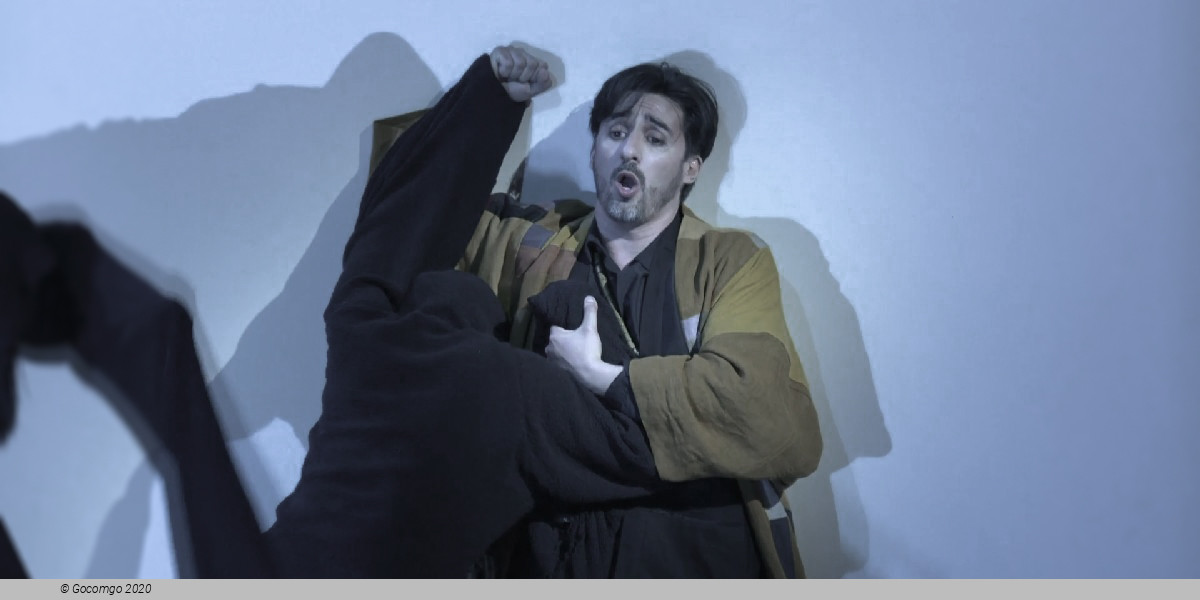
Alceste is an opera by Christoph Willibald Gluck from 1767. The libretto (in Italian) was written by Ranieri de' Calzabigi and based on the play Alcestis by Euripides. The premiere took place on 26 December 1767 at the Burgtheater in Vienna.

Synopsis

Original version in Italian

Place: Classical Pherae, Thessaly
Act 1
A herald announces to the people of Thessaly that King Admeto is gravely ill and that there is little hope. Evandro calls upon all to pray to the oracle at the temple of Apollo. Alceste joins them and asks Apollo for pity. The oracle says Admeto can be rescued if another voluntarily sacrifices his life. This causes great consternation. Alone, Alceste agonizes whether to give her life for that of her husband.

Act 2
In a dense forest dedicated to the gods of the underworld, Ismene asks Alceste why she is leaving her husband and children. Alceste tells Ismene of her intentions. Meanwhile, Admeto has a miraculous recovery to the joy of all Thessaly. Evandro tells him that someone has apparently sacrificed himself for the king. When Alceste appears, he questions her until she confesses. The desperate king hurries into the temple to plead with the gods. However, Alceste says good-bye to the children.

Act 3
The decision of the gods is not revoked. The people lament the approaching death of Alceste. Having said good-bye to Alceste, Admeto decides to follow her into death. Then the heavens open, Apollo descends and proclaims that the gods have given them their lives as a reward for their steadfast love.

Paris version

The overture is stately, noble, and tragic, looking ahead to some of Mozart's minor-key works. The choir propels much of the action in the first two acts, and Gluck's vocal settings are particularly elegant, taking advantage of the French language's smooth rhythms, although the writing is rather static in its sad dignity.

Act 1
King Admetus is dying, and his people are in despair. The god Apollo refuses their animal sacrifice, proclaiming that Admetus will live only if another person is sacrificed in his place. Queen Alceste believes she is the victim Apollo has in mind, but declares she will surrender her life only for love. (Aria: "Divinites du Styx")

Act 2
The people celebrate the king's recovery. Admetus does not realize that Alceste has volunteered to die in his place, and his wife won't give herself up until the record is set straight. When he learns the truth, Admetus believes that Alceste is in effect abandoning him, and would prefer to die himself.

Act 3
The people, sorrowing again, prepare the royal couple's children for sacrifice in their place. Admetus' friend Hercules arrives and promises to conquer death on his behalf, and travels to Hades. Meanwhile, Alceste has already arrived at the gates of hell; Admetus tries to dissuade her, but she is sacrificing herself for love, rather than as some heroic act. She dies, but Hercules rescues her—except that now Alceste seems nearly insane. Apollo arrives, promises Hercules immortality, and leaves Admetus and Alceste in a world that seems devoid of death. The work ends with a joyful chorus.

Venue Info

Royal Opera of Versailles (Palace of Versailles) - Paris
Location   3 Place Léon Gambetta, Versailles

The Royal Opera of Versailles is the main theatre and opera house of the Palace of Versailles. The Royal Opera is one of the greatest works by the architect Ange-Jacques Gabriel. Inaugurated in 1770 during the reign of Louis XV, it was at the time the largest concert hall in Europe, and was also a great technical achievement and an impressive feat of decorative refinement. A theatre for monarchic and then republican life, it has hosted celebrations, shows and parliamentary debates.

Designed by Ange-Jacques Gabriel, it is also known as the Théâtre Gabriel. The interior decoration by Augustin Pajou is constructed almost entirely of wood, painted to resemble marble in a technique known as faux marble. The excellent acoustics of the opera house is at least partly due to its wooden interior.

The house is located at the northern extremity of the north wing of the palace. General public access to the theater is gained through the two-story vestibule. Some parts of the Opéra, such as the King's Loge and the King's Boudoir represent some of the earliest expressions of what would become known as the Louis XVI style.

Lully’s Persée — written in 1682, the year Louis XIV moved into the palace — inaugurated the Opéra on 16 May 1770 in celebration of the marriage of the dauphin — the future Louis XVI — to Marie Antoinette.

The Opéra Royal can serve either as a theater for opera, stage plays, or orchestral events, when it can accommodate an audience of 712 or as a ballroom when the floor of the orchestra level of the auditorium can be raised to the level of the stage. On these occasions, the Opéra can accommodate 1,200.

Important Info
Type: Opera
City: Paris, France
Starts at: 20:00
Acts: 5
Intervals: 1
Duration: 3h 15min
Sung in: French
Titles in: French,English
Top of page