

Royal Opera House (Covent Garden) 28 June 2023 - Werther | GoComGo.com

Werther

Royal Opera House (Covent Garden), Main Stage, London, Great Britain
All photos (5)
Select date and time
7:15 PM

E-tickets: Print at home or at the box office of the event if so specified. You will find more information in your booking confirmation email.

You can only select the category, and not the exact seats.
If you order 2 or 3 tickets: your seats will be next to each other.
If you order 4 or more tickets: your seats will be next to each other, or, if this is not possible, we will provide a combination of groups of seats (at least in pairs, for example 2+2 or 2+3).

Important Info
Type: Opera
City: London, Great Britain
Starts at: 19:15
Acts: 4
Intervals: 2
Duration: 3h 10min
Sung in: French
Titles in: English

E-tickets: Print at home or at the box office of the event if so specified. You will find more information in your booking confirmation email.

You can only select the category, and not the exact seats.
If you order 2 or 3 tickets: your seats will be next to each other.
If you order 4 or more tickets: your seats will be next to each other, or, if this is not possible, we will provide a combination of groups of seats (at least in pairs, for example 2+2 or 2+3).

Overview

Benoît Jacquot’s production of Massenet’s tragic opera explores the conflict between duty and our most passionate desires.

It was her mother’s dying wish that Charlotte marry Albert. But when she meets the poet Werther, she is plunged into a world of love – and pain – that she never knew existed. Torn between family duty and an overwhelming passion, will she be true to her husband – or her heart’s desire?

Massenet’s music contrasts heady Romanticism with elegant restraint, while Benoît Jacquot’s production delivers period-perfect moonlit trysts, stolen glances and gunfire at dawn.

Jules Massenet began thinking about making an opera from Goethe’s Die Leiden des jungen Werthers (1774; The Sorrows of Young Werther) as early as 1880, before he started work on Manon – though in his memoirs he claimed inspiration came in 1886 during a visit to Bayreuth to see Wagner’s Parsifal. He began the score in 1885 and finished it in 1887, but Werther’s premiere did not come until 1892, when the Vienna Hofoper requested another Massenet work after the success of the local premiere of Manon. It has been a permanent part of the international repertory since 1903. Wertherand Manon have proved Massenet’s most enduringly popular works.

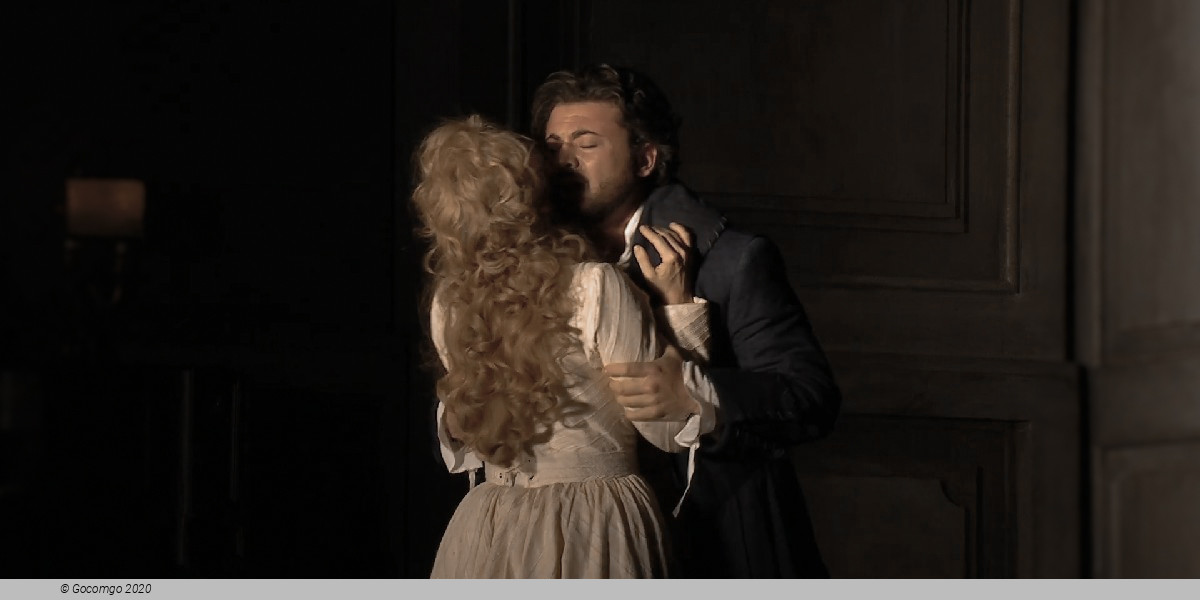
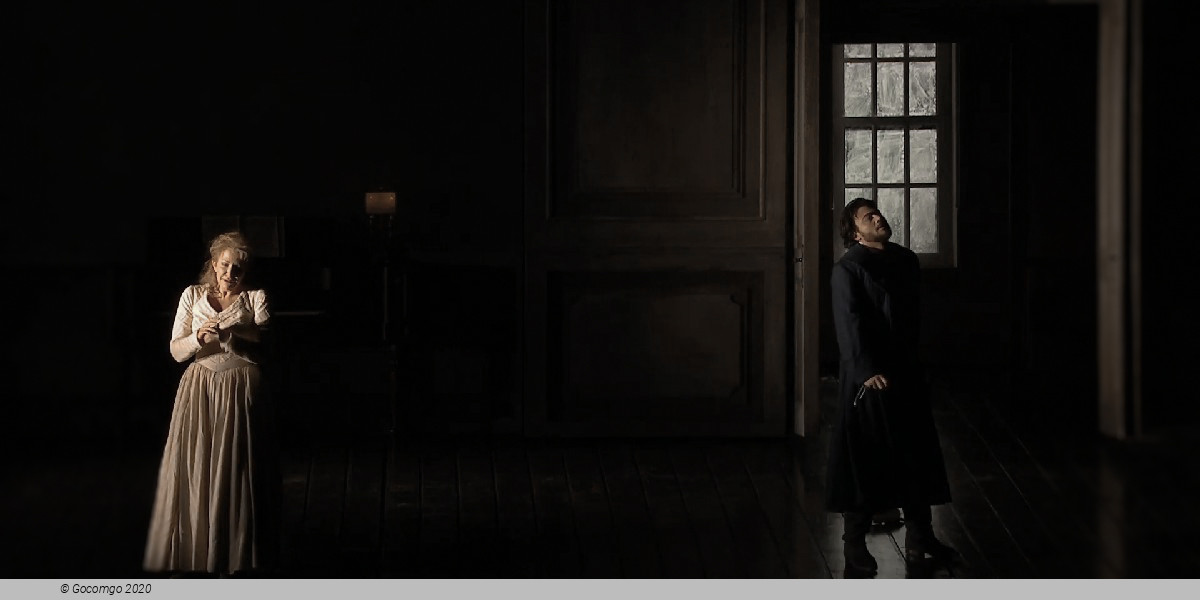
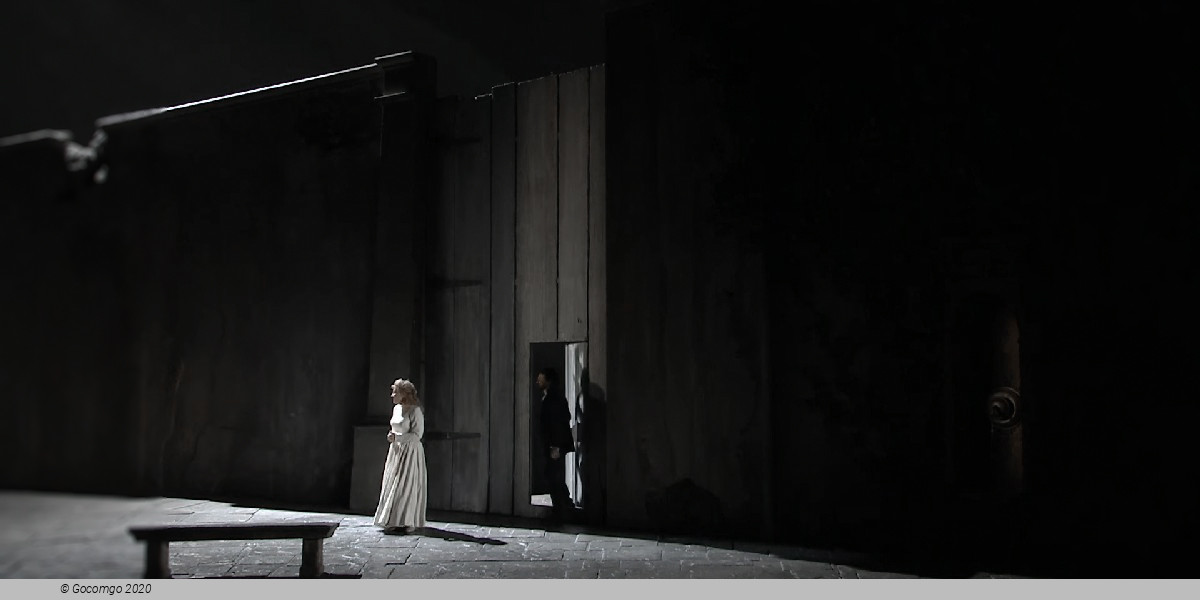
The excellent libretto, prepared by Edouard Blau and Paul Milliet, distills Goethe’s Romantic masterpiece – their shortened version intensifies and makes more romantic Goethe’s depiction of two passionate people who inadvertently cause each other pain. Its spareness affords Massenet the opportunity to make his music not only delve into the psyches of the central couple but also describe the damage they cause to Sophie and Albert. The score displays Massenet’s gift for melody, with the ‘Clair de lune’, ‘Lied d’Ossian’ and Charlotte’s Act III soliloquy now some of his most loved music. Director Benoît Jacquot’s 2004 production for The Royal Opera, with elegant set designs by Charles Edwards, makes manifest the opera’s theme of keeping up appearances while torrid passions rage beneath.

The Story

Werther loves Charlotte, but she promised her mother on her deathbed that she would marry Albert. After the marriage Charlotte suggests that Werther should travel – but not forget her.

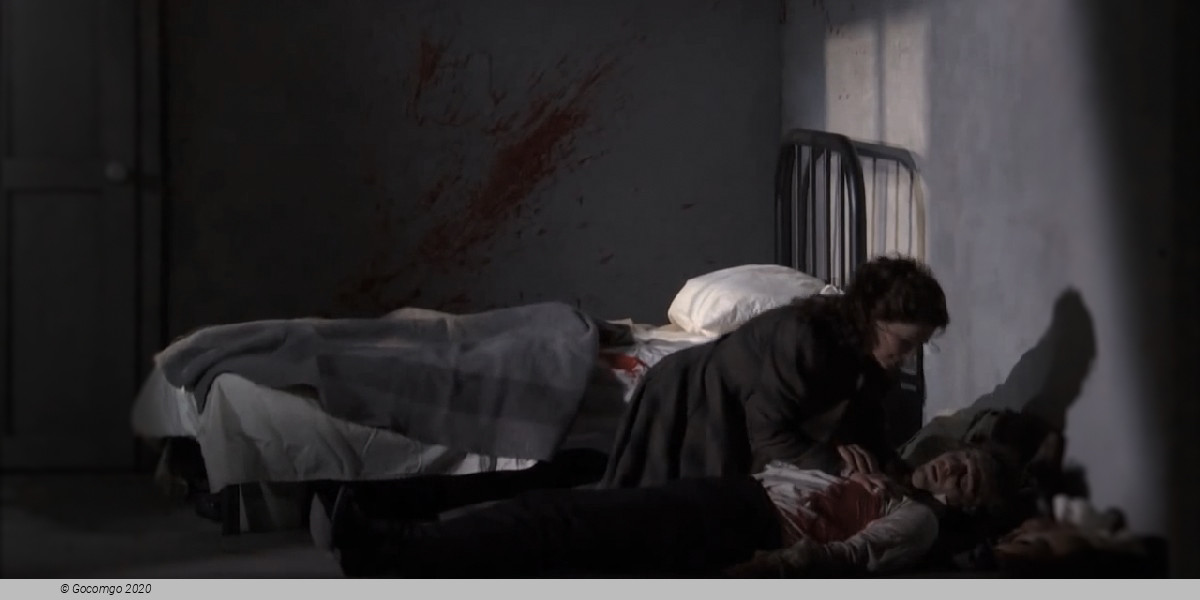
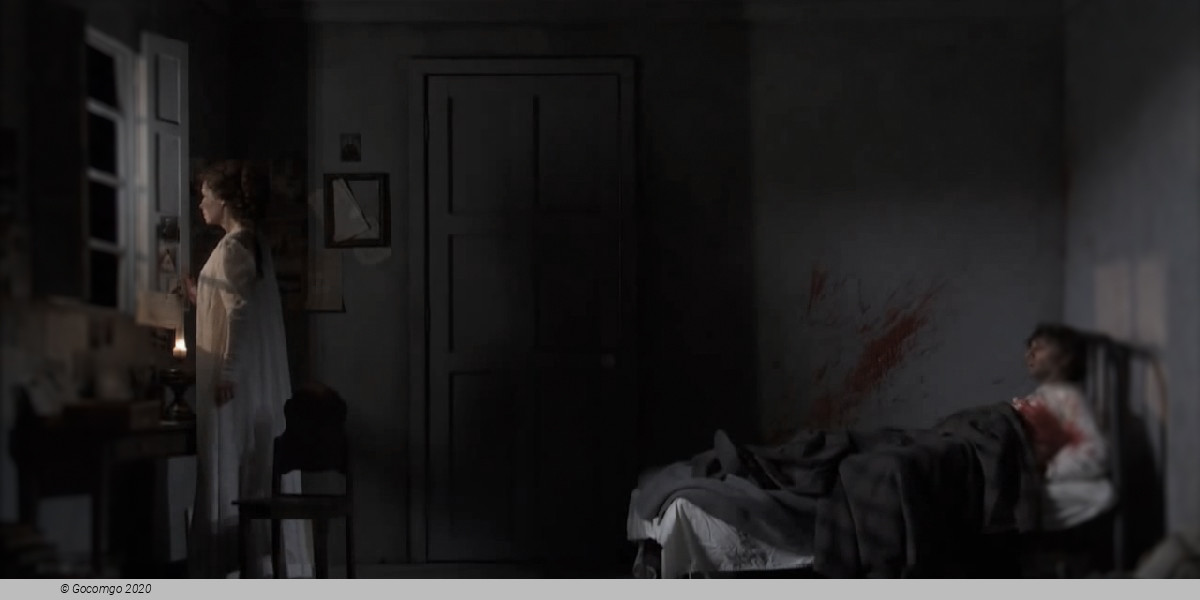
Charlotte, unhappily married, has fallen in love with Werther through his letters. He returns unexpectedly; Charlotte sends him away. Werther shoots himself and dies in Charlotte’s arms.

Production owned by Opéra national de Paris

History
Premiere of this production: 16 February 1892, Hofoper, Vienna (in German)

Werther is an opera (drame lyrique) in four acts by Jules Massenet to a French libretto by Édouard Blau, Paul Milliet and Georges Hartmann (who used the pseudonym Henri Grémont). It is loosely based on the German epistolary novel The Sorrows of Young Werther by Johann Wolfgang von Goethe, which was based both on fact and on Goethe's own early life. Earlier examples of operas using the story were made by Kreutzer (1792) and Pucitta (1802).

Synopsis

Time: Within the period July to December, in an undefined year in the 1780s.
Place: Wetzlar in Germany.

Act 1

In July, the widowed Bailiff (a Magistrate, rather than one who comes to seize property), is teaching his six youngest children a Christmas carol ("Noël! Jésus vient de naître"). His drinking companions, Johann and Schmidt, arrive as Charlotte, the eldest daughter, dresses for a ball. Since her fiancé Albert is away, she is to be escorted by Werther, whom the Bailiff and his companions find gloomy. Werther arrives ("O Nature, pleine de grâce"), and watches as Charlotte prepares her young siblings' supper, just as her mother had before she died. He greets her and they leave for the ball. Albert returns unexpectedly after a six-month trip. He is unsure of Charlotte's intentions and disappointed not to find her at home, but is reassured and consoled by Charlotte's younger sister Sophie. He leaves after promising to return in the morning. After an orchestral interlude, Werther and Charlotte return very late; he is already enamoured of her. His declaration of love is interrupted by the announcement of Albert's return. Charlotte recalls how she promised her dying mother she would marry Albert. Werther is in despair.

Act 2

It is three months later, and Charlotte and Albert are now married. They walk happily to church to celebrate the minister's 50th wedding anniversary, followed by the disconsolate Werther ("Un autre est son époux!"). First Albert and then Sophie ("Du gai soleil, plein de flamme") try to cheer him up. When Charlotte exits the church, he speaks to her of their first meeting. Charlotte begs Werther to leave her, though she indicates that she would be willing to receive him again on Christmas Day. Werther contemplates suicide ("Lorsque l'enfant revient d'un voyage"). He encounters Sophie but the tearful girl does not understand his distressing behavior. Albert now realizes that Werther loves Charlotte.

Act 3

Charlotte is at home alone on Christmas Eve. She spends time rereading the letters that she has received from Werther ("Werther! Qui m'aurait dit ... Ces lettres!"), wondering how the young poet is and how she had the strength to send him away. Sophie comes in and tries to cheer up her older sister ("Ah! le rire est béni"), though Charlotte is not to be consoled ("Va! laisse couler mes larmes"). Suddenly Werther appears, and while he reads to her some poetry of Ossian ("Pourquoi me réveiller?"), he realizes that she does indeed return his love. They embrace for a moment, but she quickly bids him farewell. He leaves with thoughts of suicide. Albert returns home to find his wife distraught. Werther sends a messenger to Albert, requesting to borrow his pistols, explaining he is going on an extended trip. After the servant has taken them, Charlotte has a terrible premonition and hurries to find Werther. An orchestral intermezzo ("La nuit de Noël") leads without a break into the final Act.

Act 4

"The death of Werther": At Werther's apartment, Charlotte has arrived too late to stop him from shooting himself; he is dying. She consoles him by declaring her love. He asks for forgiveness. After he dies, Charlotte faints. Outside children are heard singing the Christmas carol.

Venue Info

Royal Opera House (Covent Garden) - London
Location   Bow St, Covent Garden

The Royal Opera House (ROH) is an opera house and major performing arts venue in London and Great Britain. It is the home of The Royal Opera, The Royal Ballet, and the Orchestra of the Royal Opera House.

The large building is often referred to as simply "Covent Garden", after a previous use of the site of the opera house's original construction in 1732. It is the home of The Royal Opera, The Royal Ballet, and the Orchestra of the Royal Opera House. Originally called the Theatre Royal, it served primarily as a playhouse for the first hundred years of its history. In 1734, the first ballet was presented. A year later, Handel's first season of operas began. Many of his operas and oratorios were specifically written for Covent Garden and had their premieres there.

The current building is the third theatre on the site following disastrous fires in 1808 and 1856. The façade, foyer, and auditorium date from 1858, but almost every other element of the present complex dates from an extensive reconstruction in the 1990s. The main auditorium seats 2,256 people, making it the third largest in London, and consists of four tiers of boxes and balconies and the amphitheatre gallery. The proscenium is 12.20 m wide and 14.80 m high. The main auditorium is a Grade I listed building.

The Royal Opera, under the direction of Antonio Pappano, is one of the world’s leading opera companies. Based in the iconic Covent Garden theatre, it is renowned both for its outstanding performances of traditional opera and for commissioning new works by today’s leading opera composers, such as Harrison Birtwistle, Mark-Anthony Turnage and Thomas Adès.

The Royal Ballet is one of the world’s greatest ballet companies. Under the directorship of Kevin O’Hare, the Company unites tradition and innovation in world-class performances at our Covent Garden home.

The Company’s extensive repertory embraces 19th-century classics, the singular legacy of works by Founder Choreographer Frederick Ashton and Principal Choreographer Kenneth MacMillan and a compelling new canon by Resident Choreographer Wayne McGregor and Artistic Associate Christopher Wheeldon.

The Orchestra performs in concerts of their own, including performances at the Royal Opera House with Antonio Pappano. They have also performed at venues worldwide including Symphony Hall (Birmingham), Cadogan Hall, the Vienna Konzerthaus and on tour with The Royal Opera.

Members of the Orchestra play an active role in events across the Royal Opera House, including working with the Learning and Participation teams. The Orchestra accompanies performances that are streamed all over the world, including through cinema screenings and broadcasts. They appear on many CDs and DVDs including Pappano’s acclaimed studio recording of Tristan und Isolde with Plácido Domingo and Nina Stemme.

The Orchestra of the Royal Opera House was founded in 1946 when the Royal Opera House reopened after World War II.

Important Info
Type: Opera
City: London, Great Britain
Starts at: 19:15
Acts: 4
Intervals: 2
Duration: 3h 10min
Sung in: French
Titles in: English
Top of page