
Royal Opera House (Covent Garden) 21 July 2020 - Welsh National Opera: The Nightingale / Bluebeard's Castle | GoComGo.com

Welsh National Opera: The Nightingale / Bluebeard's Castle

Royal Opera House (Covent Garden), Main Stage, London, Great Britain
All photos (14)
Select date and time
7:30 PM
Request for Tickets
Important Info
Type: Opera
City: London, Great Britain
Starts at: 19:30
Intervals: 1
Duration:

E-tickets: Print at home or at the box office of the event if so specified. You will find more information in your booking confirmation email.

You can only select the category, and not the exact seats.
If you order 2 or 3 tickets: your seats will be next to each other.
If you order 4 or more tickets: your seats will be next to each other, or, if this is not possible, we will provide a combination of groups of seats (at least in pairs, for example 2+2 or 2+3).

Overview

These works are performed together:

  • The Nightingale
  • Bluebeard's Castle

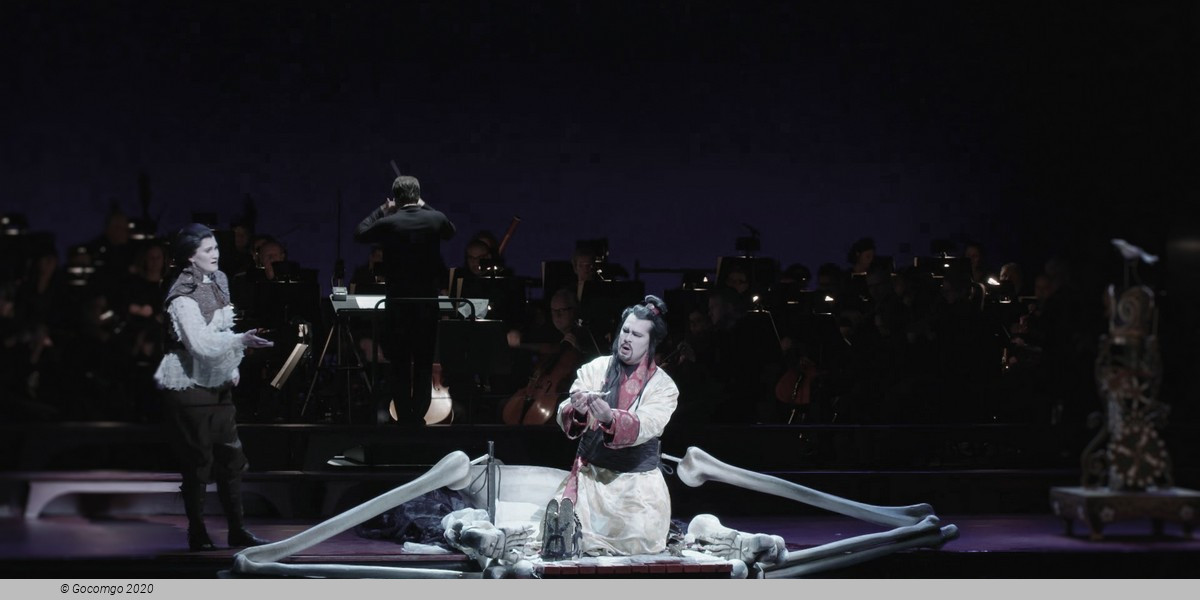
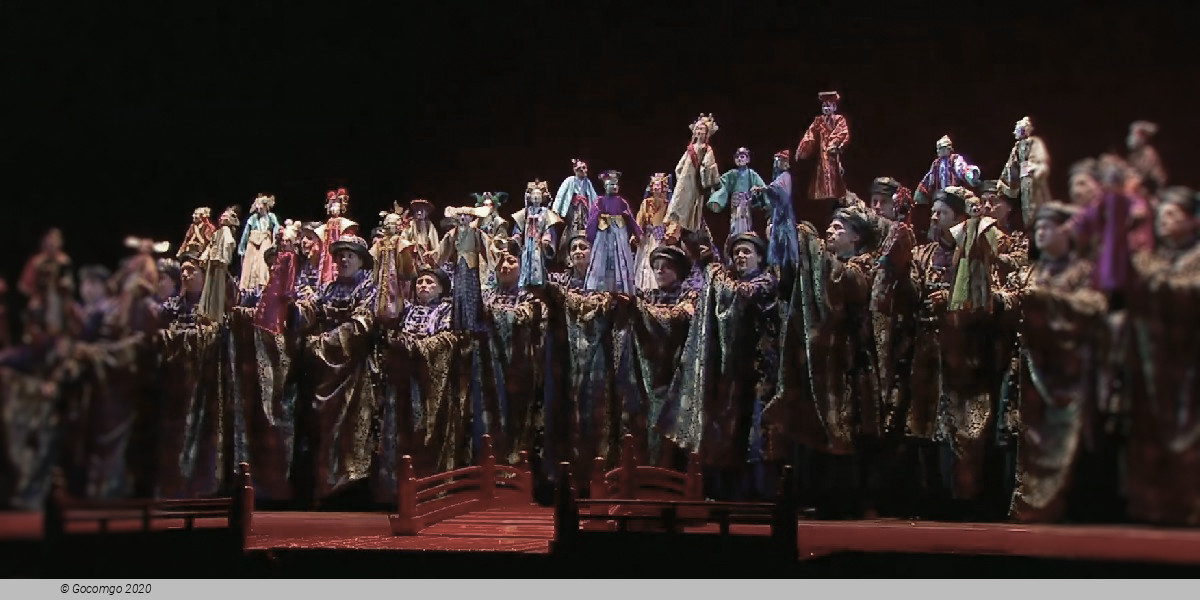
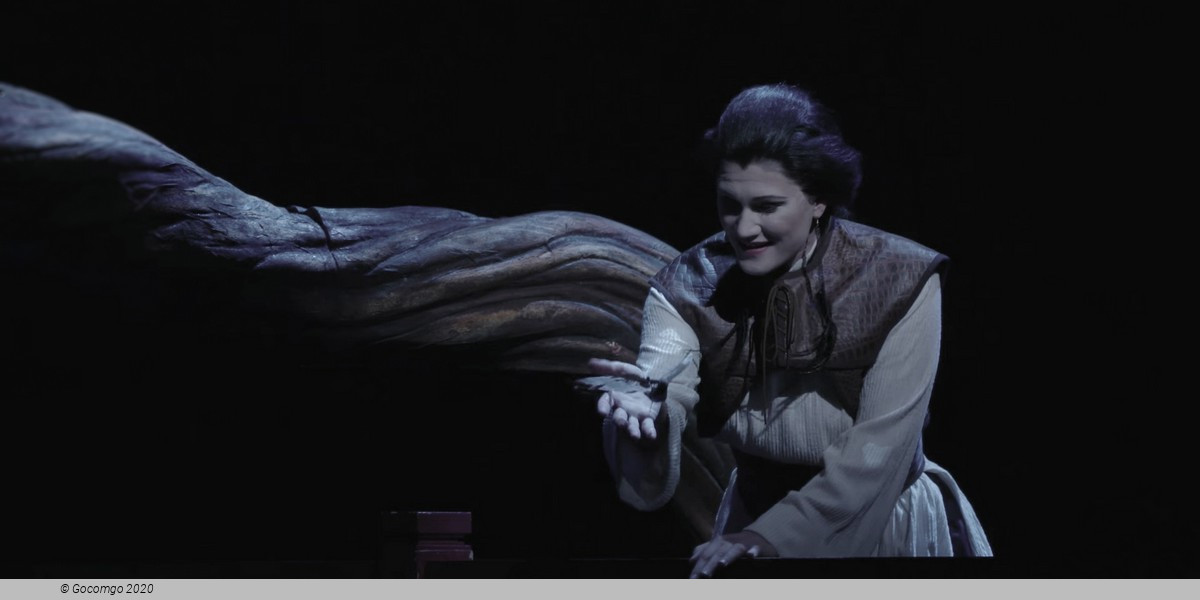
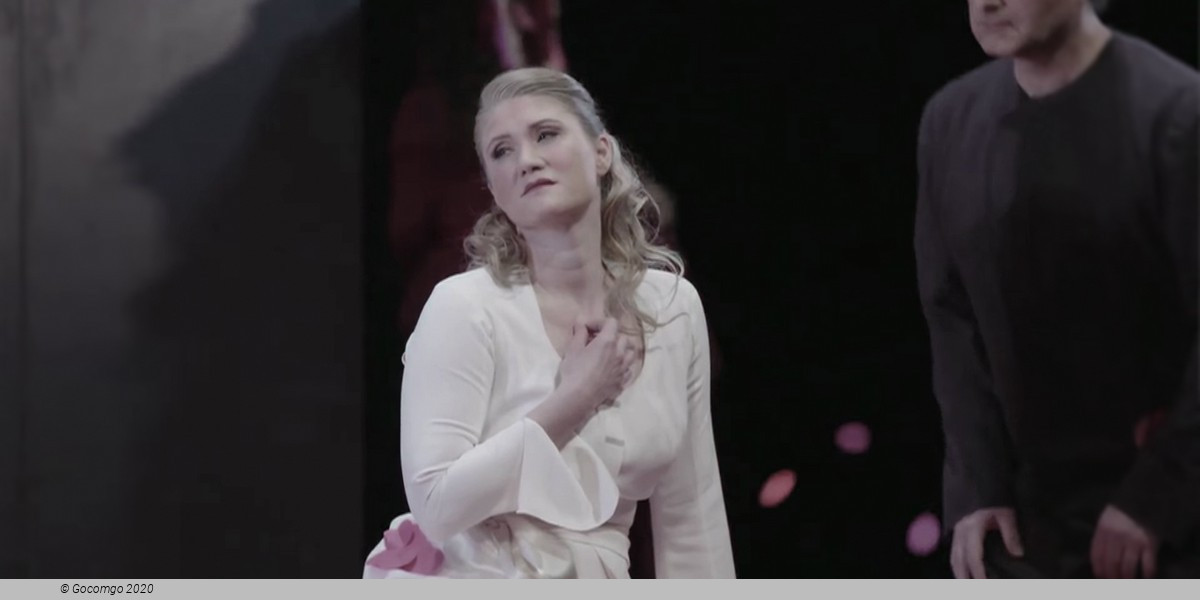
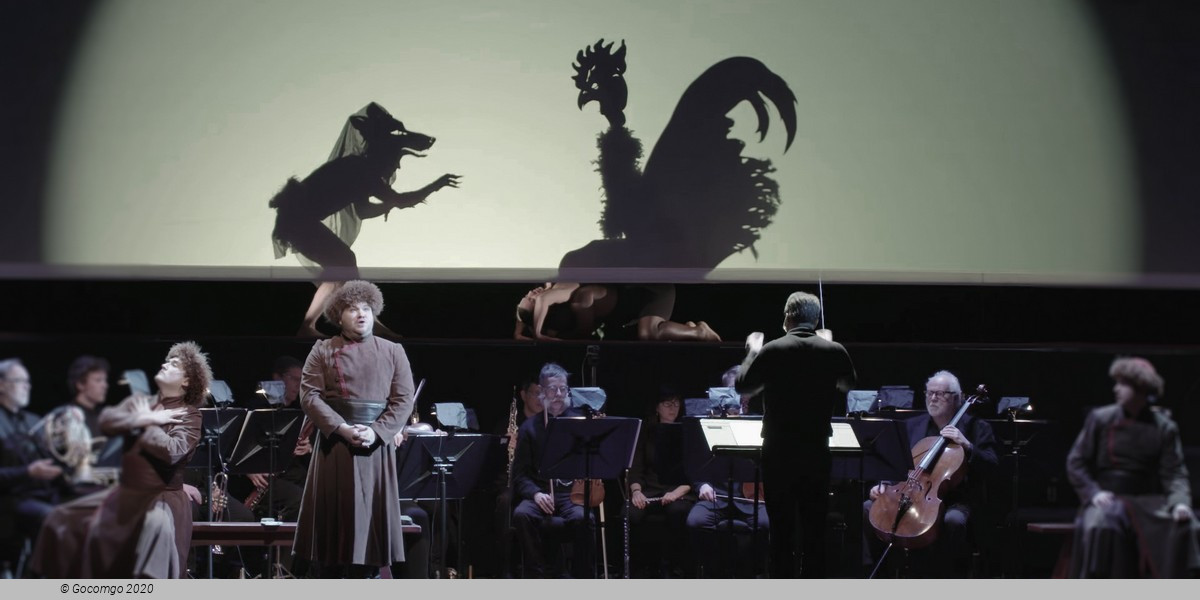
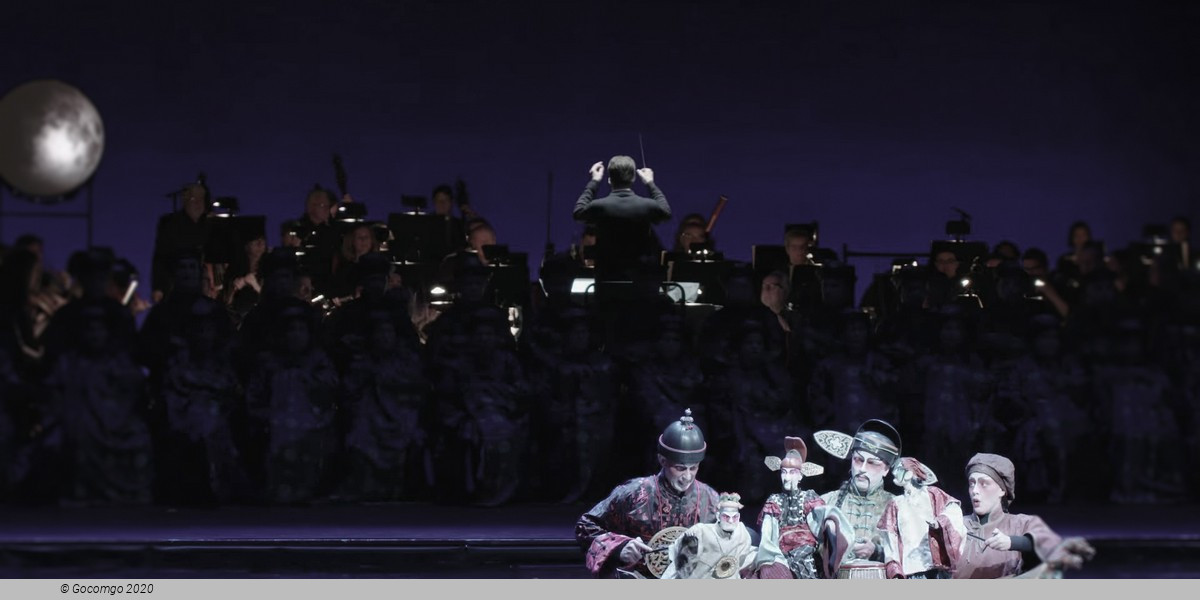
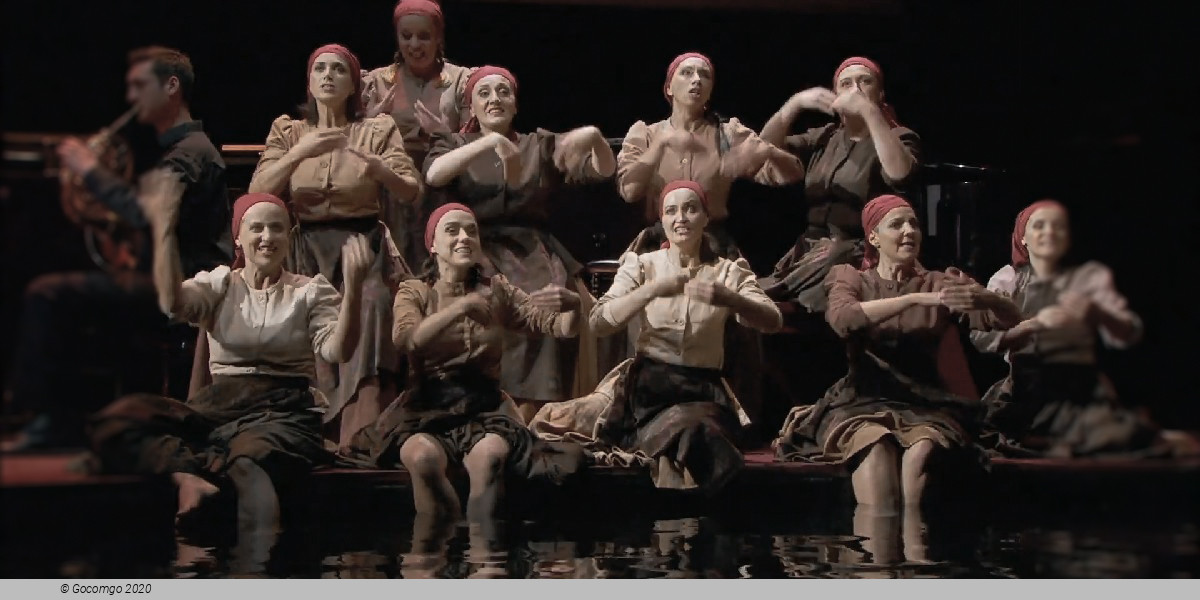
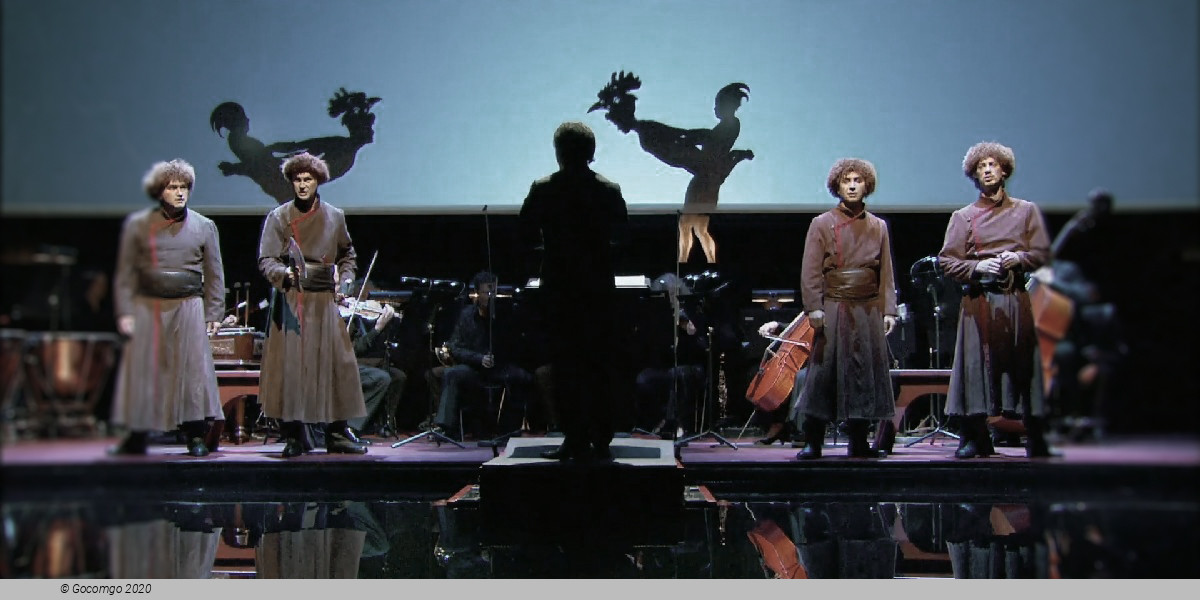
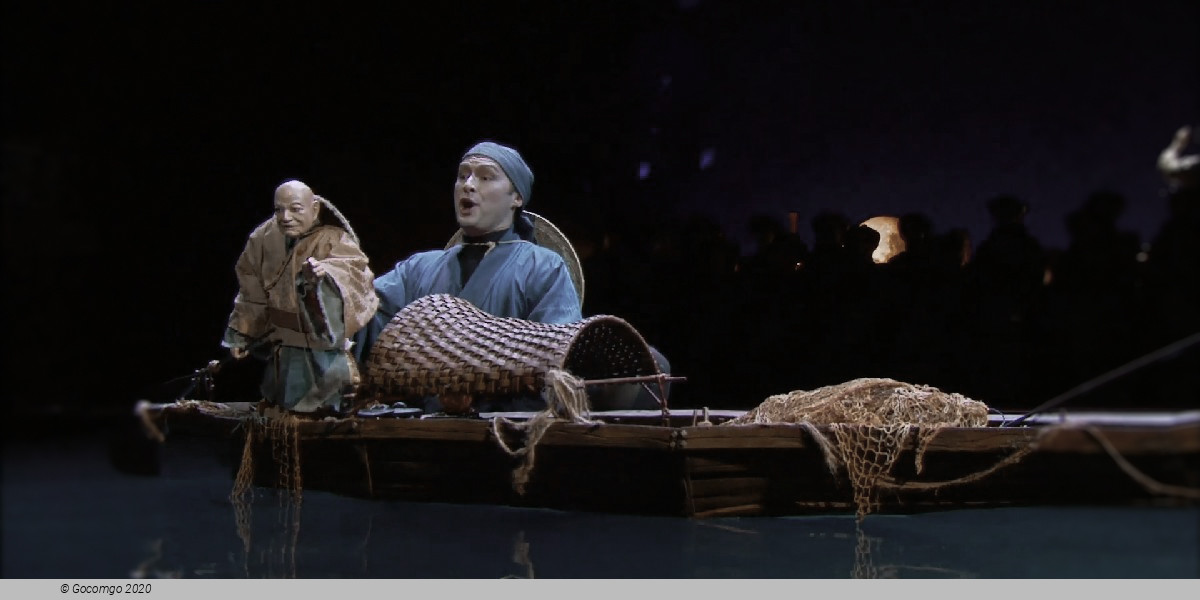
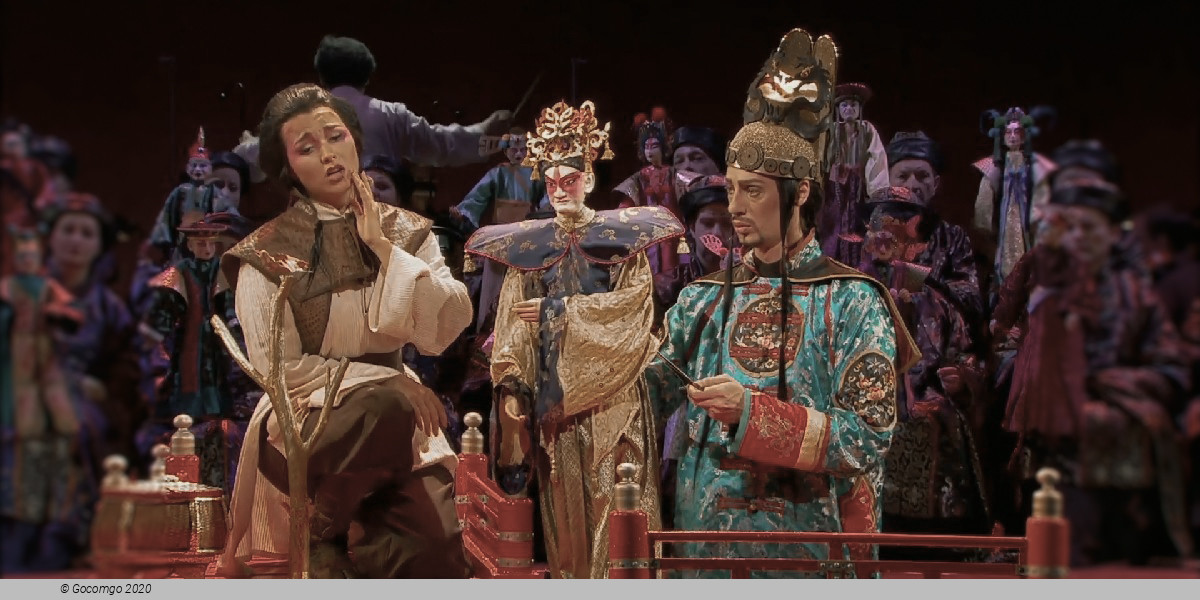
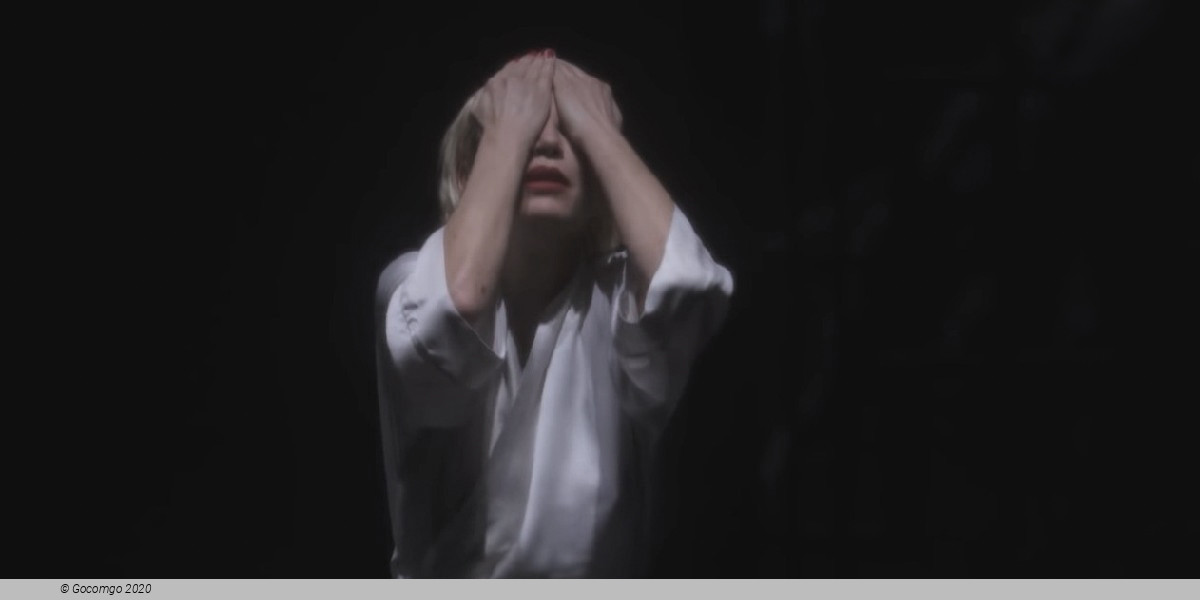
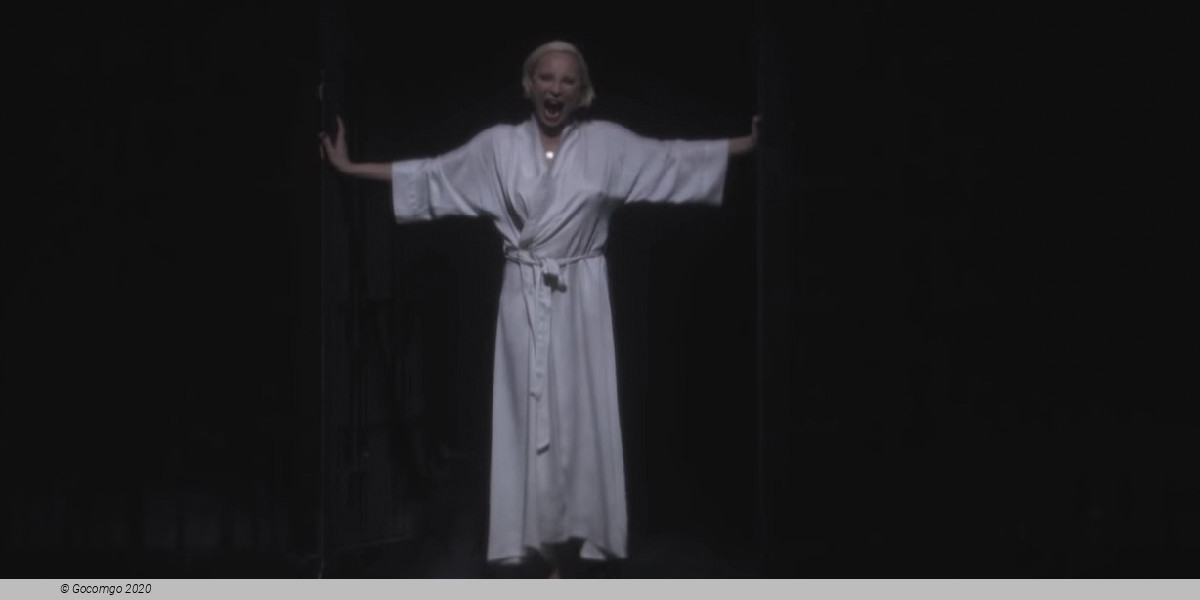
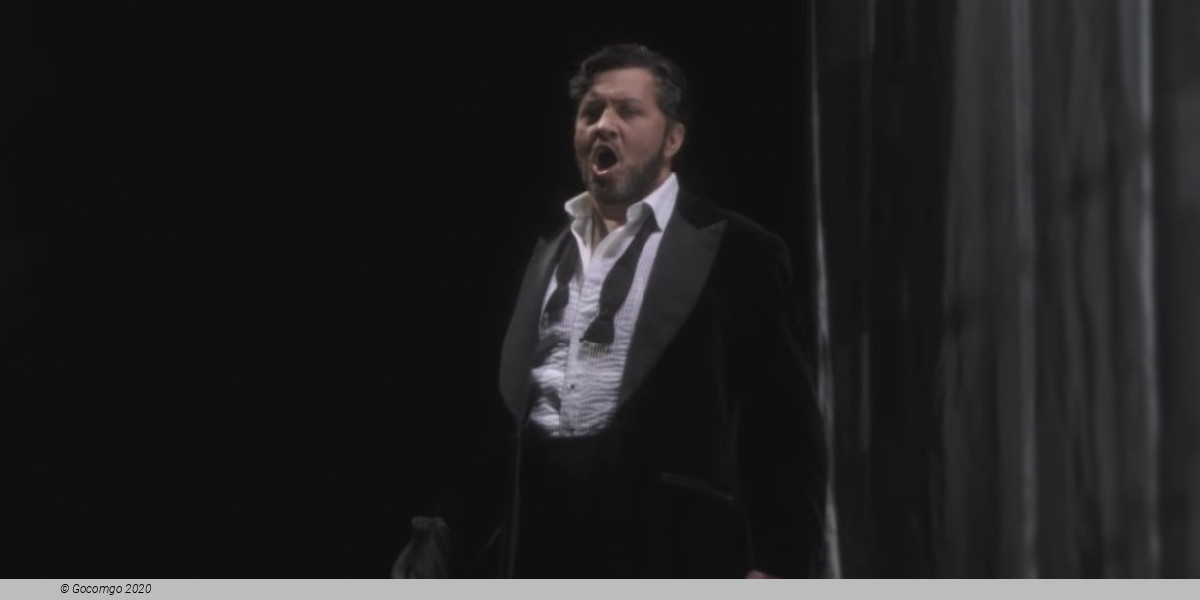
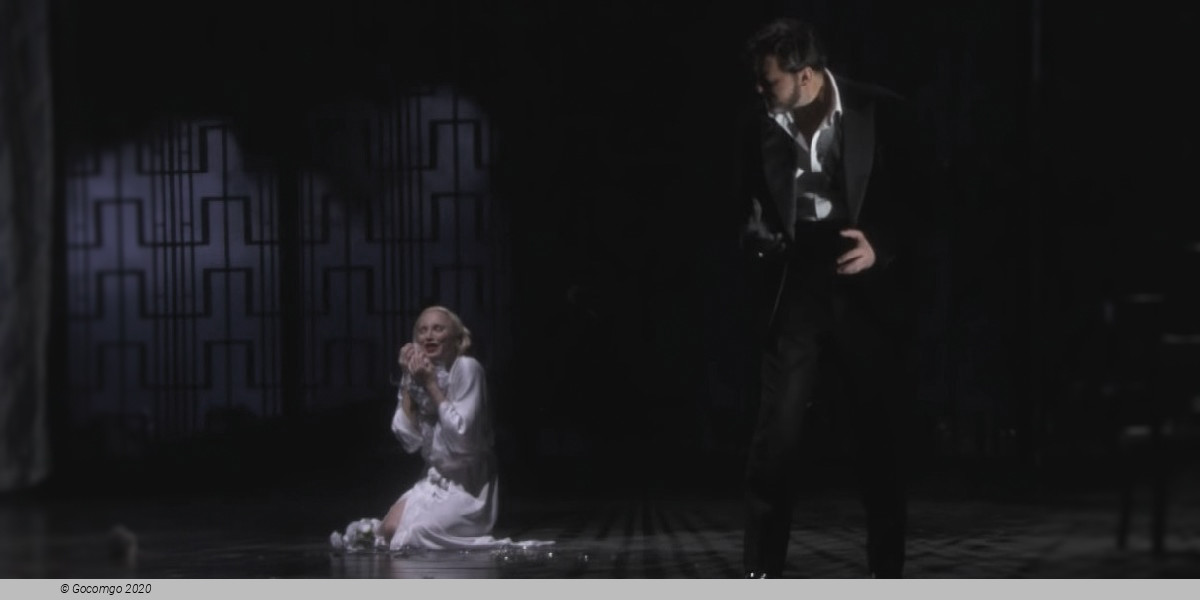
Welsh National Opera returns to the Royal Opera House with a summer showcase of exciting productions. The Nightingale, based on Hans Christian Andersen’s fairytale, brings Stravinsky’s sweeping score to life with a cast of fabulous life-size puppets. Also in this programme is Bartok’s brooding opera, Bluebeard’s Castle. Welsh National Opera welcomes Bryn Terfel back to the company and to the Royal Opera House stage as Duke Bluebeard, alongside Michelle DeYoung, as Judith, with video projections that take audiences into their dystopian world.

History
Premiere of this production: 26 May 1914, Palais Garnier, Paris

The Nightingale (French: Le Rossignol) is a Russian conte lyrique in three acts by Igor Stravinsky. The libretto, based on the tale of The Nightingale by Hans Christian Andersen, was written by the composer and Stepan Mitussov. It was first performed on 26 May 1914 by the Ballets Russes at the Palais Garnier in Paris.

Premiere of this production: 24 May 1918, Royal Hungarian Opera House, Budapest

Bluebeard's Castle is a one-act expressionist opera by Hungarian composer Béla Bartók. The libretto was written by Béla Balázs, a poet and friend of the composer, and is written in Hungarian, based on the French literary tale La Barbe bleue by Charles Perrault. The opera lasts only a little over an hour and there are only two singing characters onstage: Bluebeard (Kékszakállú), and his new wife Judith (Judit); the two have just eloped and Judith is coming home to Bluebeard's castle for the first time.

Synopsis

Time: Ancient times
Place: China.
The Fisherman acts as commentator on the story's events
.

Act 1
At the seashore just before sunrise, a Fisherman hears the song of the Nightingale, which causes him to forget his troubles. The Cook has brought officials from the court of the Emperor to hear the Nightingale, telling of the beauty of its singing. However, the Nightingale is nowhere to be heard. The Court Chamberlain promises the Cook a position as private cook to the Emperor, if she can find the Nightingale, who finally appears, and receives an invitation from the Cook and the Chamberlain to sing for the Emperor. The Nightingale accepts the invitation, but says that its sweetest song is in the forest.

Act 2
Courtiers festoon the palace with lanterns in advance of the singing of the Nightingale. The Cook describes the Nightingale to the courtiers noting that it is small, gray and virtually invisible, but its song causes its listeners to cry. A procession denotes the Emperor's arrival. He commands the Nightingale to sing, and its singing touches him so deeply that he offers the bird a reward of a golden slipper to wear about its neck. Later, three Japanese emissaries offer the Emperor a mechanical nightingale, which begins to sing. The genuine bird flies away, and the angry emperor orders it banished from his realm. He names the mechanical bird "first singer".

Act 3
The Emperor is ill and near death; the figure of Death appears in the Emperor's chamber. The ghosts of the Emperor's past deeds visit him while he calls for his court musicians, but the genuine nightingale has reappeared, in defiance of the imperial edict, and has begun to sing. Death hears the Nightingale's song and is greatly moved, and asks it to continue, which it does on condition that Death returns to the emperor his crown, sword and standard. Death assents and gradually removes himself from the scene as the Nightingale continues to sing. The Emperor slowly regains his strength, and on seeing the Nightingale, offers it the "first singer" post at court. The Nightingale says that it is satisfied with the Emperor's tears as reward, and promises to sing for him each night from dusk until dawn.

Place: A huge, dark hall in a castle, with seven locked doors.
Time: Not defined.

Judith and Bluebeard arrive at his castle, which is all dark. Bluebeard asks Judith if she wants to stay and even offers her an opportunity to leave, but she decides to stay. Judith insists that all the doors be opened, to allow light to enter into the forbidding interior, insisting further that her demands are based on her love for Bluebeard. Bluebeard refuses, saying that there are private places not to be explored by others, and asking Judith to love him but ask no questions. Judith persists, and eventually prevails over his resistance.

The first door opens to reveal a torture chamber, stained with blood. Repelled, but then intrigued, Judith pushes on. Behind the second door is a storehouse of weapons, and behind the third a storehouse of riches. Bluebeard urges her on. Behind the fourth door is a secret garden of great beauty; behind the fifth, a window onto Bluebeard's vast kingdom. All is now sunlit, but blood has stained the riches, watered the garden, and grim clouds throw blood-red shadows over Bluebeard's kingdom.

Bluebeard pleads with her to stop: the castle is as bright as it can get, and will not get any brighter, but Judith refuses to be stopped after coming this far, and opens the penultimate sixth door, as a shadow passes over the castle. This is the first room that has not been somehow stained with blood; a silent silvery lake is all that lies within, "a lake of tears". Bluebeard begs Judith to simply love him, and ask no more questions. The last door must be shut forever. But she persists, asking him about his former wives, and then accusing him of having murdered them, suggesting that their blood was the blood everywhere, that their tears were those that filled the lake, and that their bodies lie behind the last door. At this, Bluebeard hands over the last key.

Behind the door are Bluebeard's three former wives, but still alive, dressed in crowns and jewellery. They emerge silently, and Bluebeard, overcome with emotion, prostrates himself before them and praises each in turn (as his wives of dawn, midday and dusk), finally turning to Judith and beginning to praise her as his fourth wife (of the night). She is horrified and begs him to stop, but it is too late. He dresses her in the jewellery they wear, which she finds exceedingly heavy. Her head drooping under the weight, she follows the other wives along a beam of moonlight through the seventh door. It closes behind her, and Bluebeard is left alone as all fades to total darkness.

Venue Info

Royal Opera House (Covent Garden) - London
Location   Bow St, Covent Garden

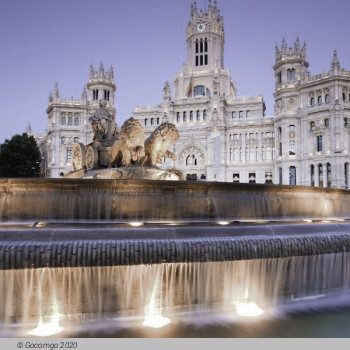
The Royal Opera House (ROH) is an opera house and major performing arts venue in London and Great Britain. It is the home of The Royal Opera, The Royal Ballet, and the Orchestra of the Royal Opera House.

The large building is often referred to as simply "Covent Garden", after a previous use of the site of the opera house's original construction in 1732. It is the home of The Royal Opera, The Royal Ballet, and the Orchestra of the Royal Opera House. Originally called the Theatre Royal, it served primarily as a playhouse for the first hundred years of its history. In 1734, the first ballet was presented. A year later, Handel's first season of operas began. Many of his operas and oratorios were specifically written for Covent Garden and had their premieres there.

The current building is the third theatre on the site following disastrous fires in 1808 and 1856. The façade, foyer, and auditorium date from 1858, but almost every other element of the present complex dates from an extensive reconstruction in the 1990s. The main auditorium seats 2,256 people, making it the third largest in London, and consists of four tiers of boxes and balconies and the amphitheatre gallery. The proscenium is 12.20 m wide and 14.80 m high. The main auditorium is a Grade I listed building.

The Royal Opera, under the direction of Antonio Pappano, is one of the world’s leading opera companies. Based in the iconic Covent Garden theatre, it is renowned both for its outstanding performances of traditional opera and for commissioning new works by today’s leading opera composers, such as Harrison Birtwistle, Mark-Anthony Turnage and Thomas Adès.

The Royal Ballet is one of the world’s greatest ballet companies. Under the directorship of Kevin O’Hare, the Company unites tradition and innovation in world-class performances at our Covent Garden home.

The Company’s extensive repertory embraces 19th-century classics, the singular legacy of works by Founder Choreographer Frederick Ashton and Principal Choreographer Kenneth MacMillan and a compelling new canon by Resident Choreographer Wayne McGregor and Artistic Associate Christopher Wheeldon.

The Orchestra performs in concerts of their own, including performances at the Royal Opera House with Antonio Pappano. They have also performed at venues worldwide including Symphony Hall (Birmingham), Cadogan Hall, the Vienna Konzerthaus and on tour with The Royal Opera.

Members of the Orchestra play an active role in events across the Royal Opera House, including working with the Learning and Participation teams. The Orchestra accompanies performances that are streamed all over the world, including through cinema screenings and broadcasts. They appear on many CDs and DVDs including Pappano’s acclaimed studio recording of Tristan und Isolde with Plácido Domingo and Nina Stemme.

The Orchestra of the Royal Opera House was founded in 1946 when the Royal Opera House reopened after World War II.

Important Info
Type: Opera
City: London, Great Britain
Starts at: 19:30
Intervals: 1
Duration:
Top of page