
Royal Opera House (Covent Garden) 31 January 2022 - Theodora | GoComGo.com

Theodora

Royal Opera House (Covent Garden), Main Stage, London, Great Britain
All photos (8)
Select date and time
6 PM

E-tickets: Print at home or at the box office of the event if so specified. You will find more information in your booking confirmation email.

You can only select the category, and not the exact seats.
If you order 2 or 3 tickets: your seats will be next to each other.
If you order 4 or more tickets: your seats will be next to each other, or, if this is not possible, we will provide a combination of groups of seats (at least in pairs, for example 2+2 or 2+3).

Important Info
Type: Opera
City: London, Great Britain
Starts at: 18:00
Sung in: English
Titles in: English

E-tickets: Print at home or at the box office of the event if so specified. You will find more information in your booking confirmation email.

You can only select the category, and not the exact seats.
If you order 2 or 3 tickets: your seats will be next to each other.
If you order 4 or more tickets: your seats will be next to each other, or, if this is not possible, we will provide a combination of groups of seats (at least in pairs, for example 2+2 or 2+3).

Overview

Theodora returns to the Royal Opera House stage for the first time since 1750, this time with a feminist twist.

The Royal Opera continues its celebration of the operas and oratorios Handel wrote for Covent Garden with a new production of his late masterpiece, Theodora, in which love transcends political tyranny. Theodora is persecuted for her religious beliefs, but her virtue inspires the devotion of one of her oppressors.

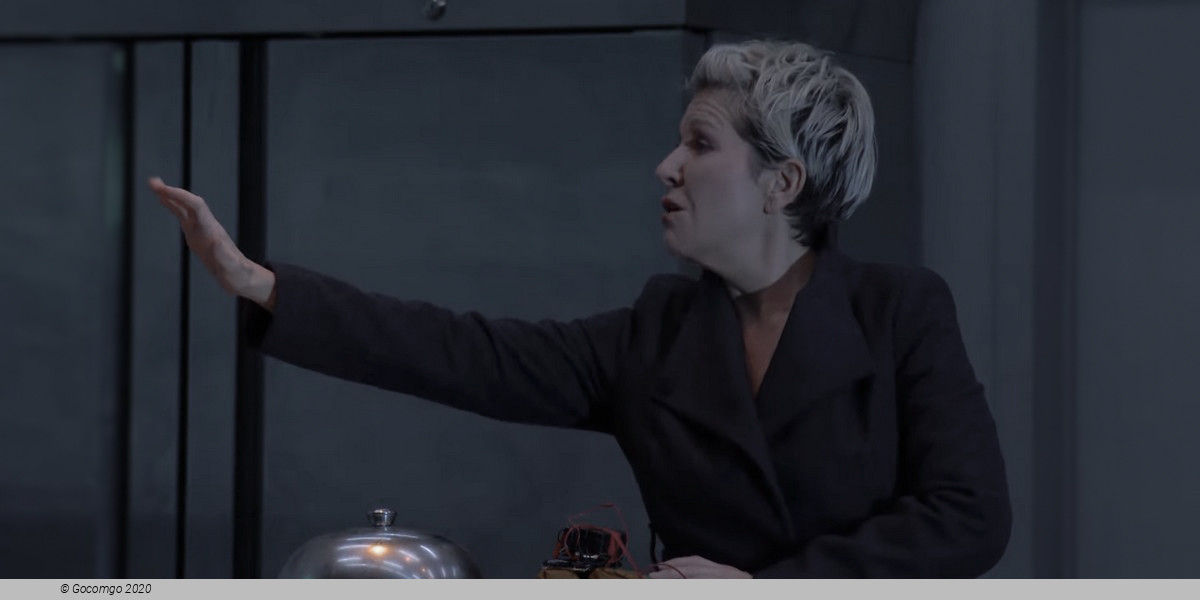
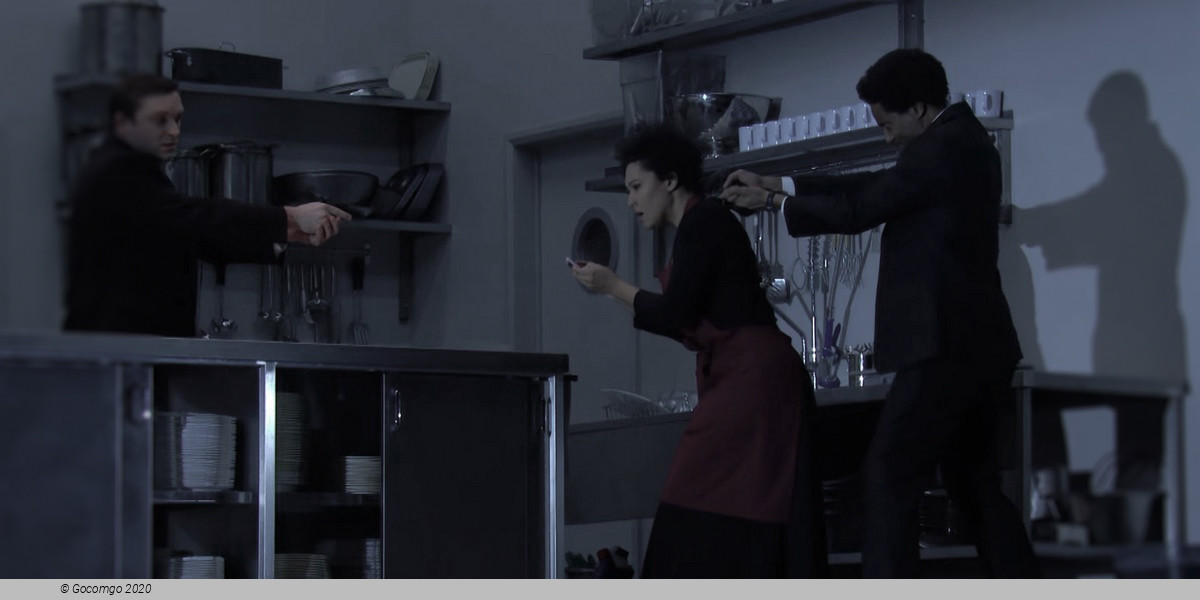
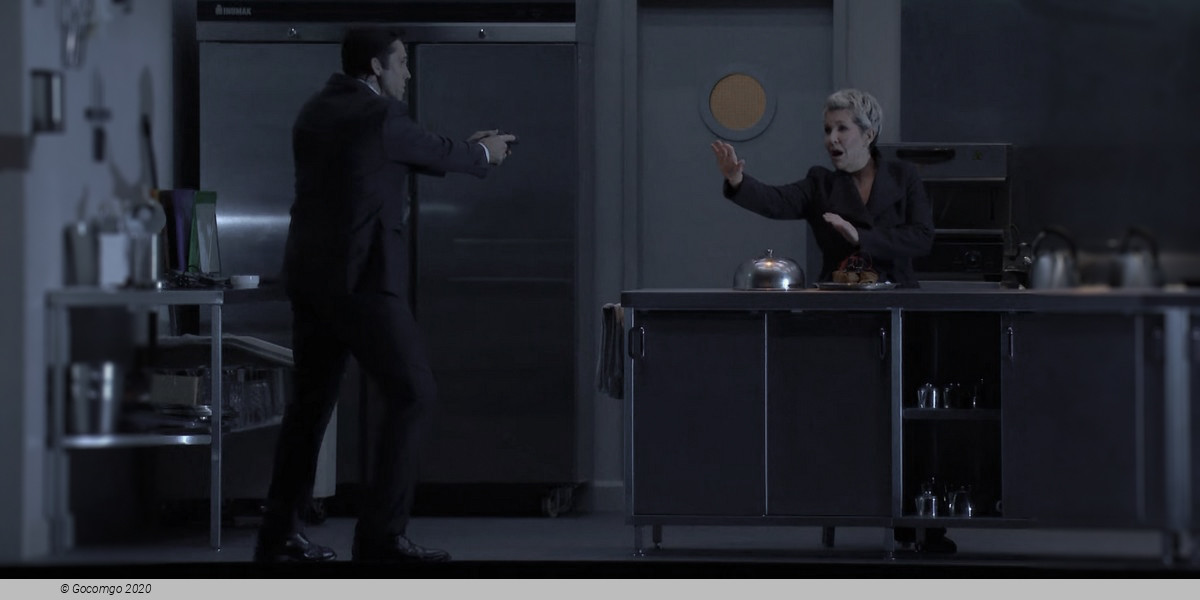
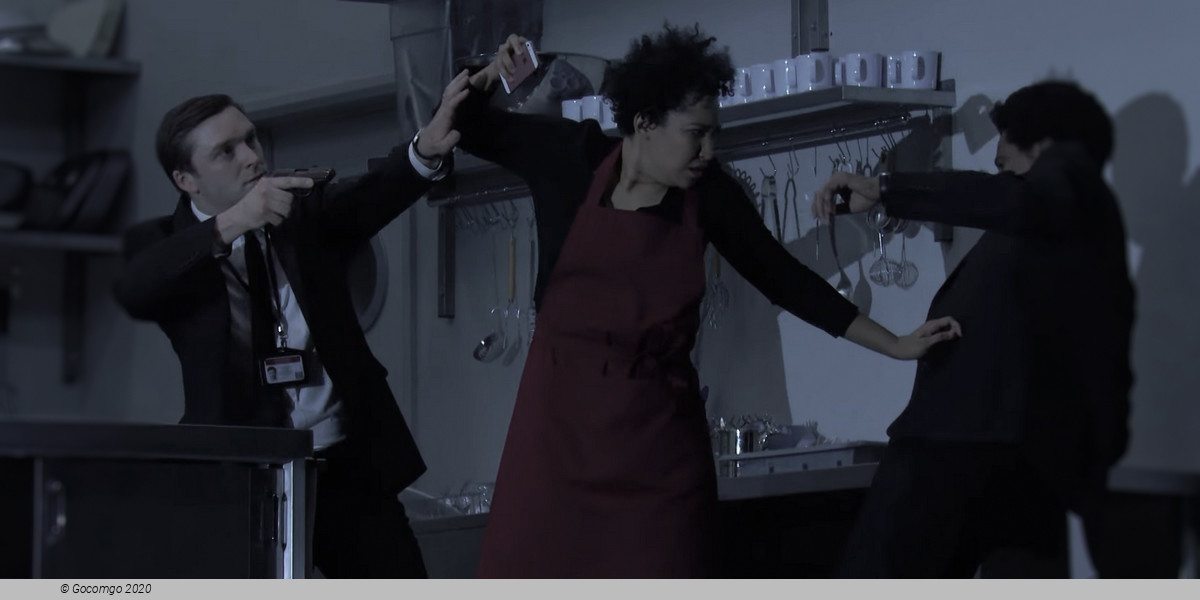
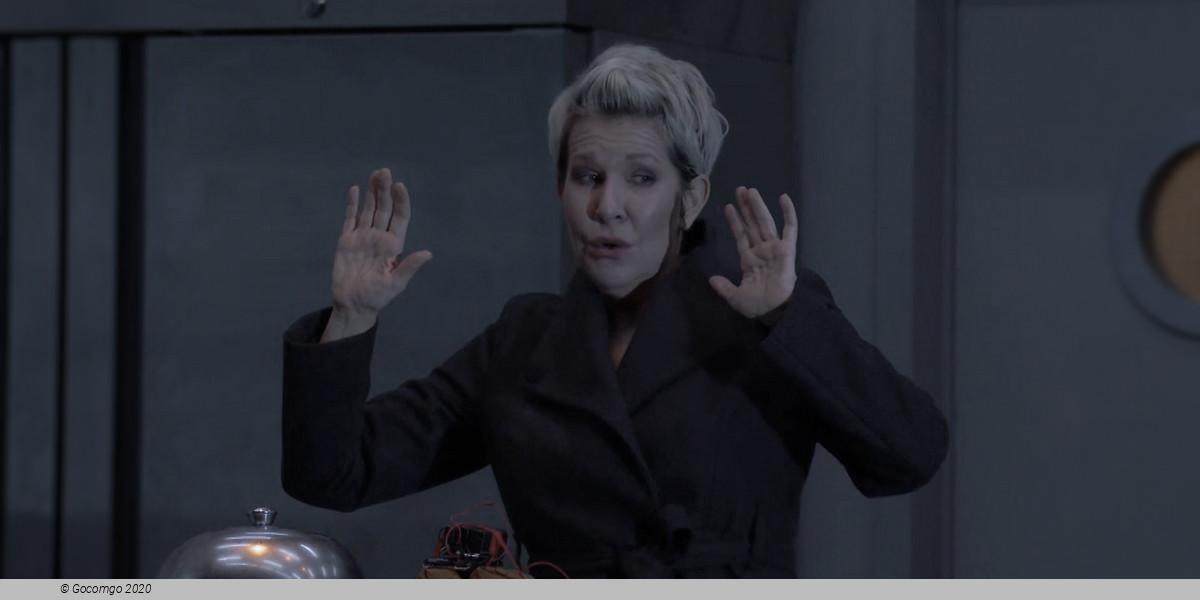
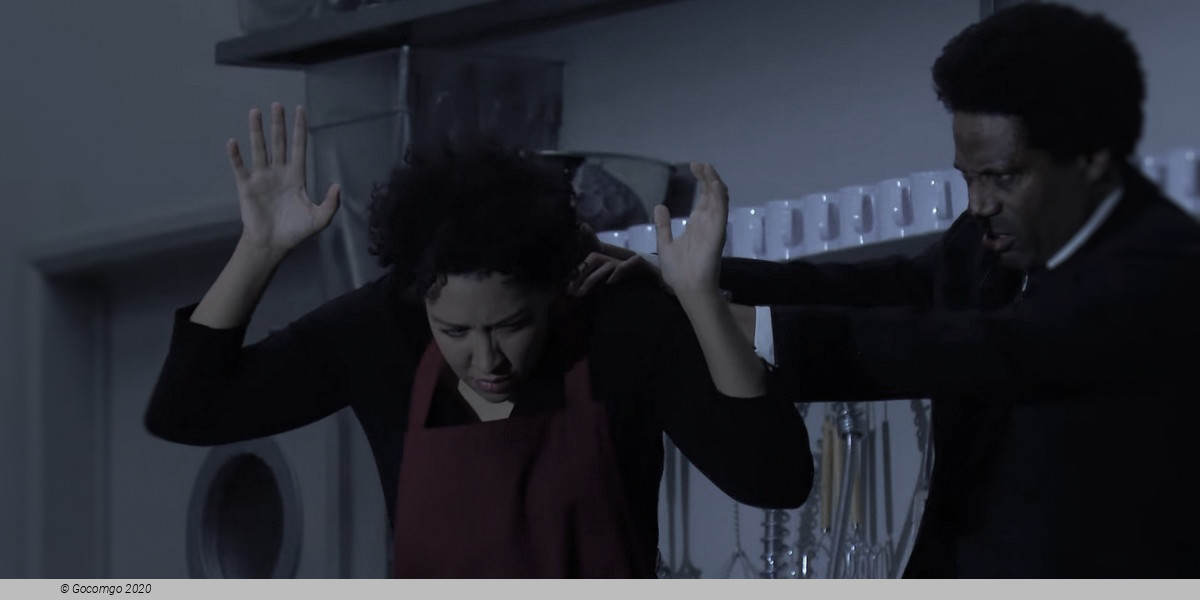
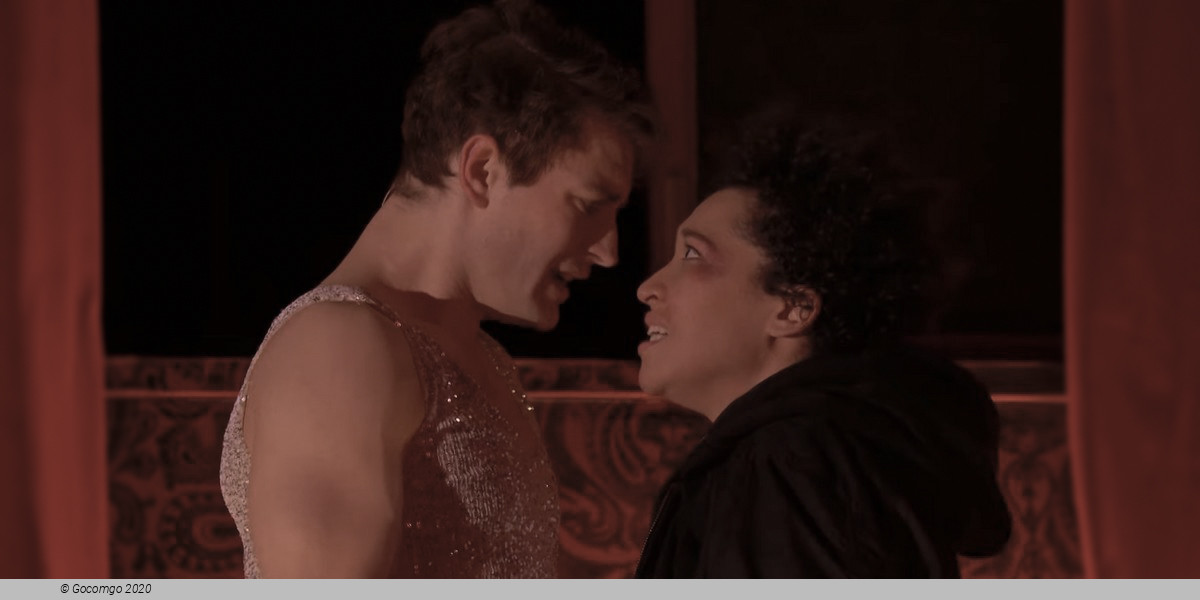
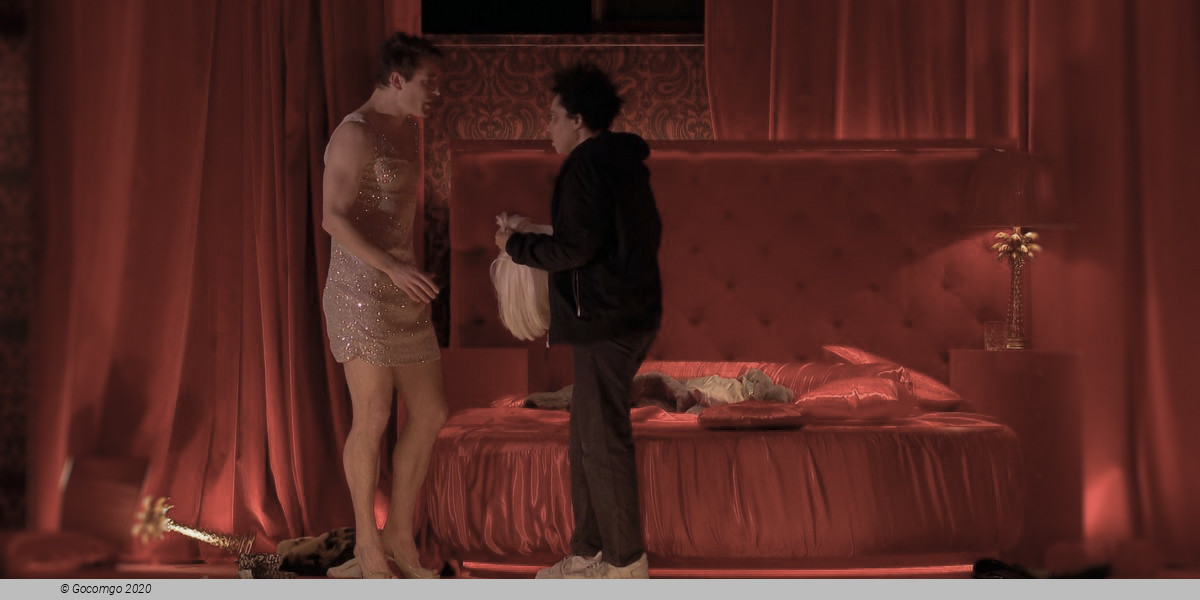
Joyce DiDonato and rising stars Julia Bullock and Jakub Józef Orliński lead an international cast of baroque specialists with some of Handel’s greatest choruses, matched in brilliance by arias and duets of profound dignity and humanity. Director Katie Mitchell views the story through the lens of contemporary religious terrorism, and gives a modern, feminist context to a work not heard at Covent Garden since 1750.

A co-production with: Teatro Real, Madrid

History
Premiere of this production: 16 March 1750, Covent Garden Theatre, London

Theodora is a dramatic oratorio in three acts by George Frideric Handel, set to an English libretto by Thomas Morell. The oratorio concerns the Christian martyr Theodora and her Christian-converted Roman lover, Didymus. Not popular with audiences in Handel's day, Theodora is now recognised as a masterpiece and is sometimes fully staged as an opera.

Synopsis

Act 1
The 4th century AD. Valens, the Roman governor of Antioch, issues a decree that in honour of Diocletian's birthday all citizens will offer sacrifice to Venus, the Roman goddess of love, and Flora, a fertility goddess of the spring, on pain of death, and puts Septimius in charge of enforcing this.

Didymus, a soldier secretly converted to Christianity, asks that citizens whose consciences prevent them making sacrifices to idols be spared punishment, which Valens dismisses. Septimius suspects Didymus is a Christian and affirms his own loyalty to the law although he pities those who will be condemned to die by the decree and wishes he could be allowed to extend mercy to them.

Theodora, a nobly-born Christian and her friend Irene are worshipping with their fellow believers in private rather than joining in the festival for the emperor's birthday when a messenger brings news of Valens' decree. Septimius comes to arrest them - Theodora expects to be put to death but is informed that instead she has been sentenced to serve as a prostitute in the temple of Venus. Theodora would much have preferred to die, but is led away to the temple. Irene informs Didymus who goes in the hope of either rescuing her or dying with her. The first Act closes with a chorus of Christians praying for the mission's success.

Act 2
At the start of the second Act the festival in honour of the emperor and the goddesses is being enjoyed by the pagans. Valens sends Septimius to tell Theodora that if she doesn't join in with the festival by the end of the day, he will send his guards to rape her. The crowd expresses their satisfaction at this sentence. In the temple of Venus which serves as a brothel, Theodora is frightened, but her mood changes as she contemplates the afterlife. Didymus confesses to his friend and superior officer Septimius that he is a Christian and appeals to the other man's sense of decency. Septimius allows Didymus to visit Theodora. At first Theodora appeals to Didymus to kill her and put an end to her suffering, but instead Didymus persuades her to conceal her identity by putting on his helmet and his uniform and escaping, leaving Didymus in her place. Back at their hideout, Irene and the Christians recall the miracle of The Widow of Nain and hope that, should the lovers die, they will find a new life in heaven.

Act 3
As the third part opens the Christians celebrate Theodora's safe return. However she feels guilty that she endangered Didymus's life in order to save her own. A messenger informs them Didymus has been captured and that Valens has changed Theodora's punishment to death. Theodora goes to offer herself in Didymus' place, despite the protests of her faithful friend Irene. As Valens sentences Didymus to be executed, Theodora enters demanding that she die and Didymus be saved. Both Didymus and Theodora argue that they should die in place of the other. Septimius is moved by this, and pleads for clemency. Valens, however, condemns both Didymus and Theodora to death and they sing a duet to their immortality.

Venue Info

Royal Opera House (Covent Garden) - London
Location   Bow St, Covent Garden

The Royal Opera House (ROH) is an opera house and major performing arts venue in London and Great Britain. It is the home of The Royal Opera, The Royal Ballet, and the Orchestra of the Royal Opera House.

The large building is often referred to as simply "Covent Garden", after a previous use of the site of the opera house's original construction in 1732. It is the home of The Royal Opera, The Royal Ballet, and the Orchestra of the Royal Opera House. Originally called the Theatre Royal, it served primarily as a playhouse for the first hundred years of its history. In 1734, the first ballet was presented. A year later, Handel's first season of operas began. Many of his operas and oratorios were specifically written for Covent Garden and had their premieres there.

The current building is the third theatre on the site following disastrous fires in 1808 and 1856. The façade, foyer, and auditorium date from 1858, but almost every other element of the present complex dates from an extensive reconstruction in the 1990s. The main auditorium seats 2,256 people, making it the third largest in London, and consists of four tiers of boxes and balconies and the amphitheatre gallery. The proscenium is 12.20 m wide and 14.80 m high. The main auditorium is a Grade I listed building.

The Royal Opera, under the direction of Antonio Pappano, is one of the world’s leading opera companies. Based in the iconic Covent Garden theatre, it is renowned both for its outstanding performances of traditional opera and for commissioning new works by today’s leading opera composers, such as Harrison Birtwistle, Mark-Anthony Turnage and Thomas Adès.

The Royal Ballet is one of the world’s greatest ballet companies. Under the directorship of Kevin O’Hare, the Company unites tradition and innovation in world-class performances at our Covent Garden home.

The Company’s extensive repertory embraces 19th-century classics, the singular legacy of works by Founder Choreographer Frederick Ashton and Principal Choreographer Kenneth MacMillan and a compelling new canon by Resident Choreographer Wayne McGregor and Artistic Associate Christopher Wheeldon.

The Orchestra performs in concerts of their own, including performances at the Royal Opera House with Antonio Pappano. They have also performed at venues worldwide including Symphony Hall (Birmingham), Cadogan Hall, the Vienna Konzerthaus and on tour with The Royal Opera.

Members of the Orchestra play an active role in events across the Royal Opera House, including working with the Learning and Participation teams. The Orchestra accompanies performances that are streamed all over the world, including through cinema screenings and broadcasts. They appear on many CDs and DVDs including Pappano’s acclaimed studio recording of Tristan und Isolde with Plácido Domingo and Nina Stemme.

The Orchestra of the Royal Opera House was founded in 1946 when the Royal Opera House reopened after World War II.

Important Info
Type: Opera
City: London, Great Britain
Starts at: 18:00
Sung in: English
Titles in: English
Top of page