Act I
Scene 1 - Invasion.
The military machine of imperial Rome, led by Crassus, wages a cruel campaign of conquest, destroying everything in its path. Among the chained prisoners, who are doomed to slavery, are Spartacus and Phrygia.
Spartacus’c Monologue.
Spartacus is in despair. Born a free man, he is now a slave in chains.
Scene 2 - The Slave Market.
Slave dealers separate the men and women prisoners for sale to rich Romans. Spartacus is parted from Phrygia.
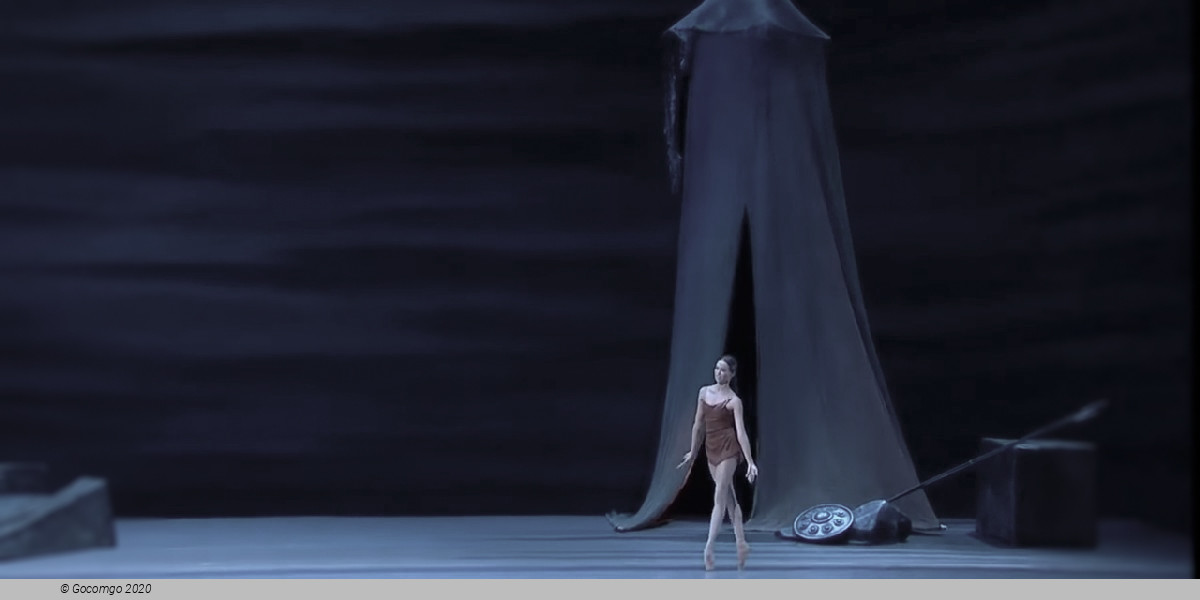
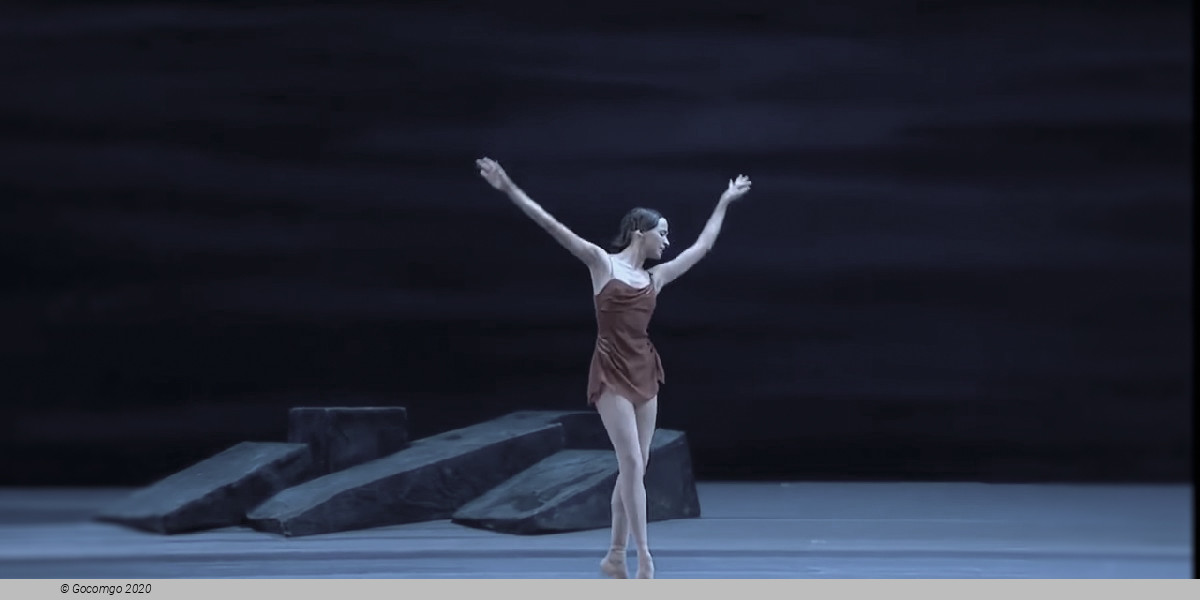
Phrygia’s Monologue.
Phrygia is overcome with grief. She thinks with horror of the terrifying ordeals that lie ahead of her.
Scene 3 - Orgy at Crassus’s Palace.
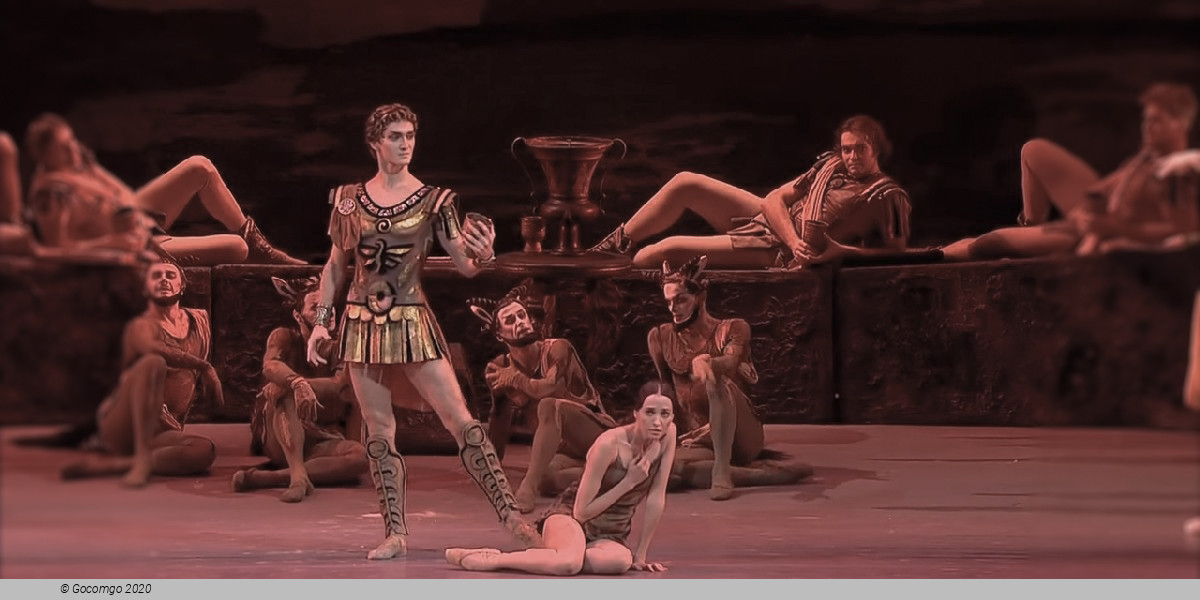
Mimes and courtesans entertain the guests, making fun of Phrygia, Crassus’s new slave. Aegina draws Crassus into a frenzied, bacchanalian dance. Drunk with wine and passion, Crassus demands a spectacle. Two gladiators are to fight to death in helmets with closed visors, i.e., without seeing each other. The victor’s helmet is removed. It is Spartacus.
Spartacus’c Monologue.
Against his will, Spartacus has been forced to murder a fellow man. His despair develops into anger and protest. He will no longer tolerate captivity. He has but one choice of action — to win backhis freedom.
Scene 4 - The Gladiators’ Barracks.
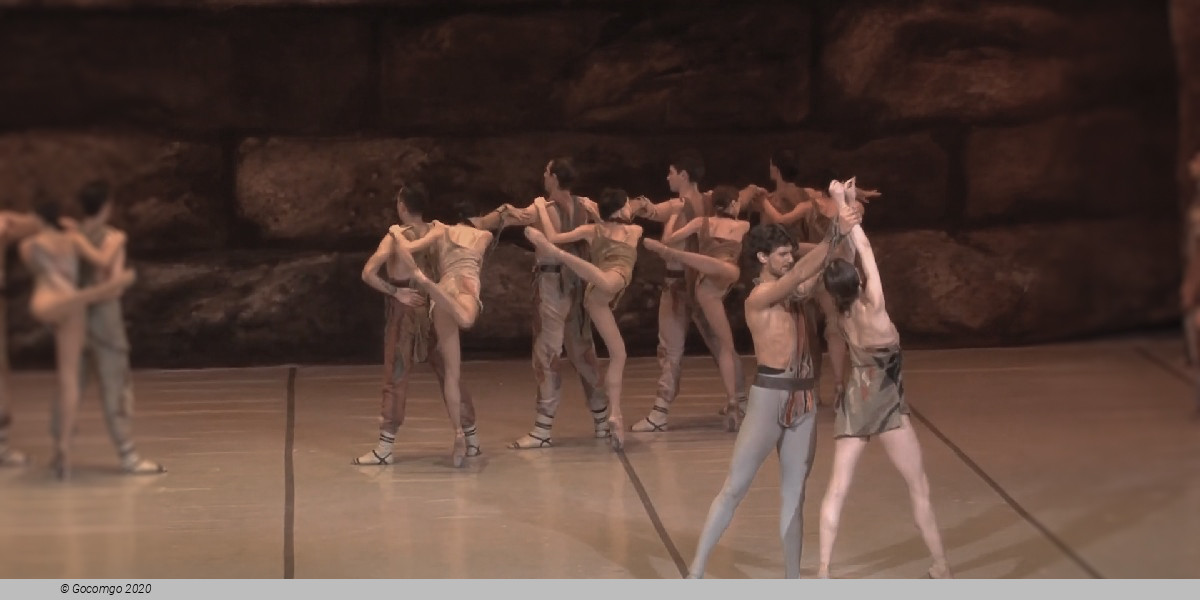
Spartacus incites the gladiators to revolt. They swear an oath of loyalty to him and, of one accord, break out of the barracks to freedom.
Act II
Scene 5 - The Appian Way.
Having broken out of their captivity and finding themselves on Appian Way, surrounded by shepherds, Spartacus’s followers call the latter to join the uprising. Shepherds andpopulace proclaim Spartacus as their leader.
Spartacus’s Monologue.
The thought of Phrygia’s fate as a slave gives Spartacus no peace. He is haunted by memories of his loved one whom he thinks of day and night.
Scene 6 - Crasuss’s Villa.
His search for Phrygia leads Spartacus to Crassus’s villa. The two lovers are overjoyed at their reunion. But, due to the arrival of a procession of patricians, led by Aegina, they are forced to hide.
Aegina’s Monologue.
Aegina has long dreamed of seducing and gaining power over Crassus. Her goal is to win him and there by gain legal admittance to the world of the Roman nobility.
Scene 7 - Feast at Crasuss’s Villa.
Crassus celebrates his victories. The patricians sing his praises. The festivities are cut short by an alarming piece of news: Spartacus and his min have all but surrounded the villa. The panic-stricken guests disperse. Crassus and Aegina are also forced to flee. Spartacus breaks into the villa.
Spartacus’s Monologue.
Victory! It elates him and fills him with faith that the uprising will be successful. Victory!
Scene 8 - Spartacus’s Victory.
Spartacus’s men have taken Crassus prisoner and want to kill him, but Spartacus is not bent on revenge and suggests that they should engage in single-handed combat.Crassus accepts the challenge and suffers defeat: Spartacus knocks the sword out of his hand. Crassus makes ready demonstratively to meet his death, but Spartacus, with a gesture of contempt, lets him go. That all shall know of Crassus’s dishonor is punishment enough. The jubilant insurgents praise the victory of Spartacus.
Act III
Scene 9 - Crasuss Takes His Revenge.
Crassus is tormented by his disgrace. Fanning his hurt pride, Aegina calls on him to take his revenge. There is only one way forward — death to the insurgents. Crassus summons his legions. Aegina sees him off to battle.
Aegina’s Monologue.
Spartacus is Aegina’s enemy too. The defeat of Crassus will be her downfall. Aegina devises a perfidious plan — she will sew dissension in Spartacus’sencampment.
Scene 10 - Spartacus’s Encampment.
Spartacus and Phrygia are happy to be together. But suddenly his military commanders bring the news that Crassus is on the move with a large army. Spartacus decides to give battle but, overcome by cowardice, some of his warriors desert their leader.
Scene 11 - Dissension.
Aegina infiltrates the ranks of the traitors who, though they have abandoned Spartacus, might still be persuaded to go with him. Together with the courtesans she seduces the men with wine and erotic dances and, as a result, they put all caution to the winds. Having lured the traitors into a trap, Aegina hands them over to Crassus.
Spartacus’s Monologue.
Crassus is consumed by the wish for revenge. Spartacus shall pay with his death for the humiliation that he, Crassus, was forced to undergo.
Scene 12 - The Last Battle.
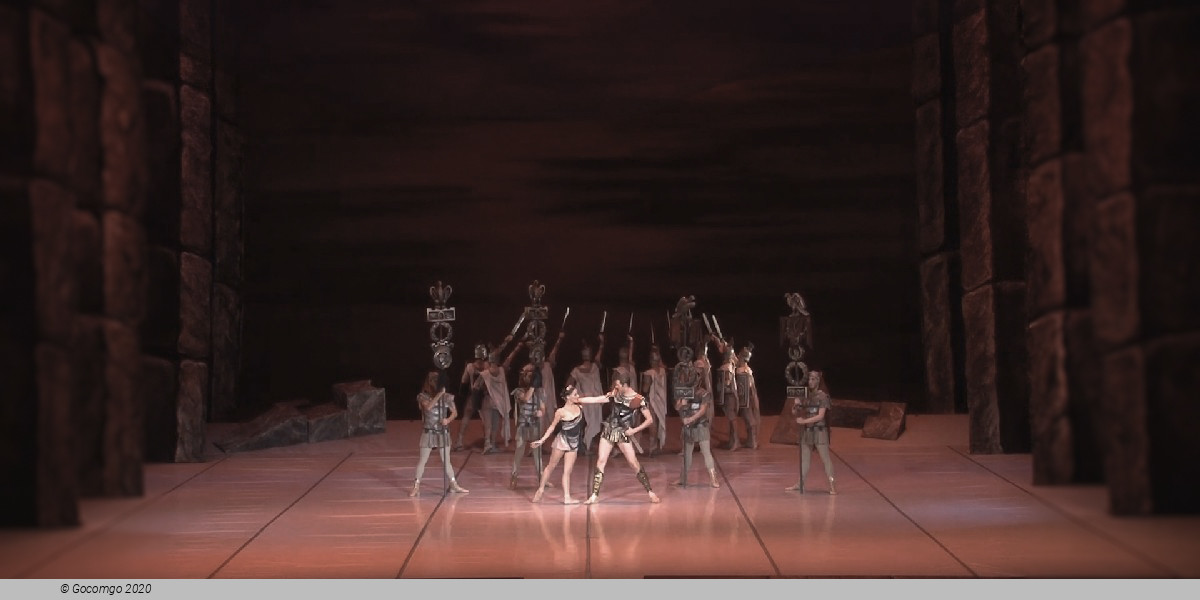
Spartacus’s forces are surrounded by the Roman legions. Spartacus’s devoted friends perish in unequal combat. Spartacus fights on fearlessly right up to the bitter end but, closing in on the wounded hero, the Roman soldiers crucify him on their spears.
Requiem.
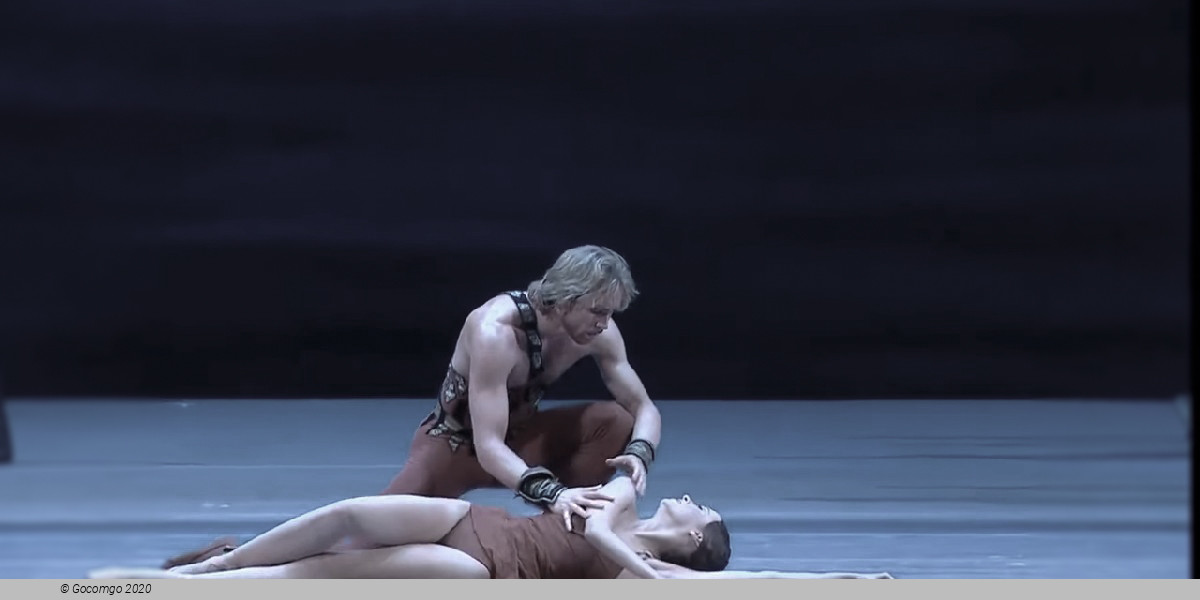
Phrygia retrieves Spartacus’s body from the battle field. She mourns her beloved, her grief is inconsolable. Raising her arms skywards, Phrygia appeals to the heavens that the memory of Spartacuslive forever...
Act I
The Roman consul Crassus returns to Rome from his latest conquests in a triumphal procession. Among his captives are the Thracian king Spartacus and his wife Phrygia. Spartacus laments his captivity and bids a bitter farewell to Phrygia, who is taken off to join Crassus’ harem of concubines. To entertain Crassus and his entourage, Spartacus is sent into the gladiatorial ring and is forced to kill a close friend. Horrified at his deed, Spartacus incites his fellow captives to rebellion.
Act II
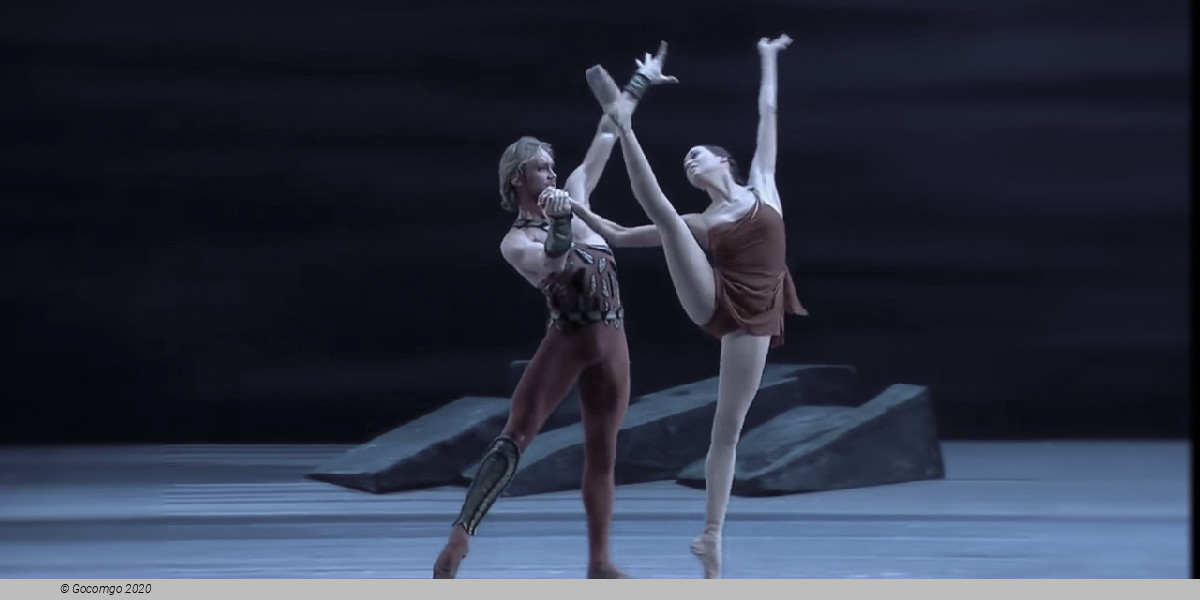
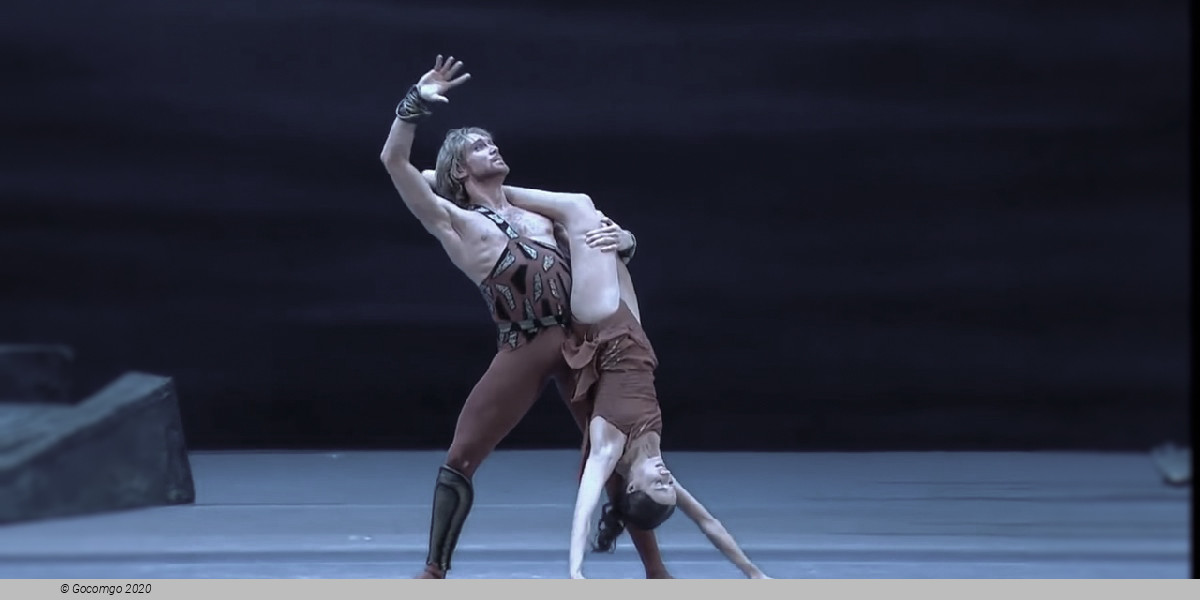
The escaped captives celebrate their freedom. Meanwhile, Crassus entertains the Roman patricians with lavish entertainment. Spartacus and the other escaped captives disrupt the orgy and rescue the slave women, including Phrygia. Aegina insists that Crassus pursue the slave army immediately. The lovers celebrate their escape to the "Adagio of Spartacus and Phrygia".
Act III
Aegina discovers Spartacus’s camp and observes the lovers emerging from their tent the next morning. Aegina sends word to Crassus, who sends his army in pursuit. Internecine struggles break out among Spartacus’s forces. Finally, Crassus’s forces discover Spartacus and impale him upon their spears. Spartacus’s closest followers recover his body and carry it off while Phrygia mourns her loss.


 Bow St, Covent Garden