

Royal Opera House (Covent Garden) 14 November 2023 - Jephtha | GoComGo.com

Jephtha

Royal Opera House (Covent Garden), Main Stage, London, Great Britain
All photos (9)
Select date and time
7 PM

E-tickets: Print at home or at the box office of the event if so specified. You will find more information in your booking confirmation email.

You can only select the category, and not the exact seats.
If you order 2 or 3 tickets: your seats will be next to each other.
If you order 4 or more tickets: your seats will be next to each other, or, if this is not possible, we will provide a combination of groups of seats (at least in pairs, for example 2+2 or 2+3).

Important Info
Type: Opera
City: London, Great Britain
Starts at: 19:00
Intervals: 1
Duration: 3h 30min
Sung in: English
Titles in: English

E-tickets: Print at home or at the box office of the event if so specified. You will find more information in your booking confirmation email.

You can only select the category, and not the exact seats.
If you order 2 or 3 tickets: your seats will be next to each other.
If you order 4 or more tickets: your seats will be next to each other, or, if this is not possible, we will provide a combination of groups of seats (at least in pairs, for example 2+2 or 2+3).

Overview

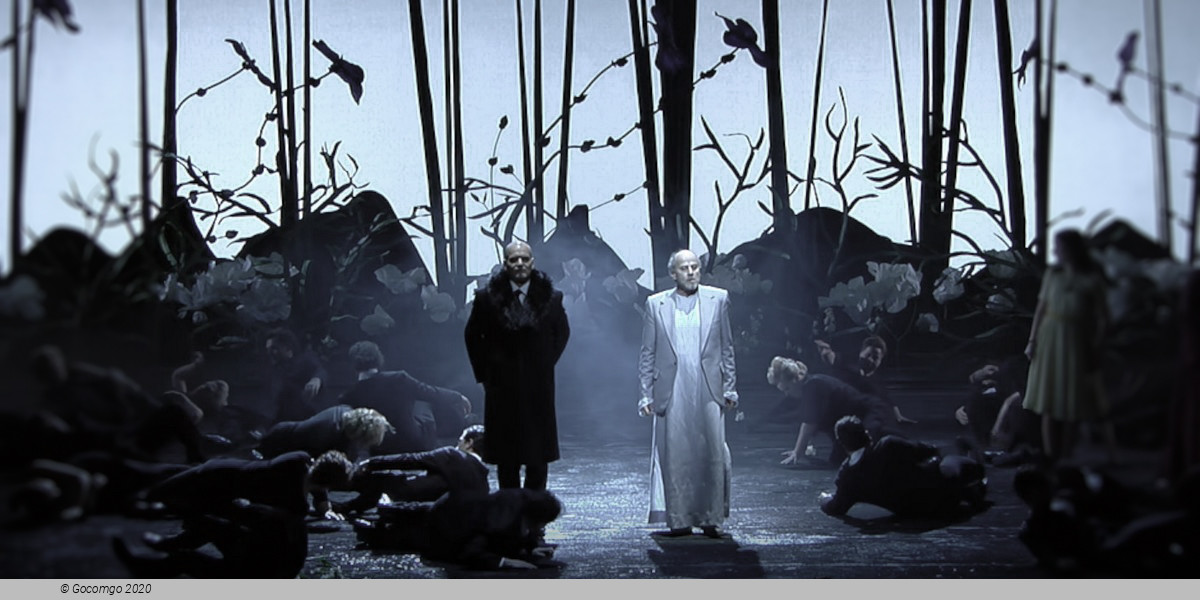
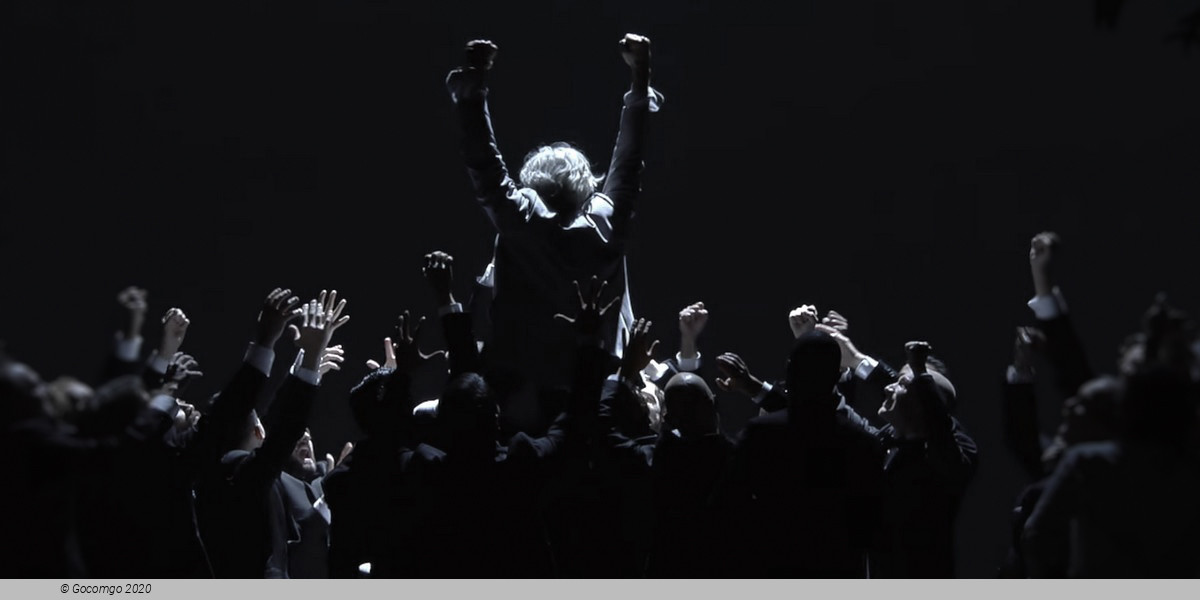
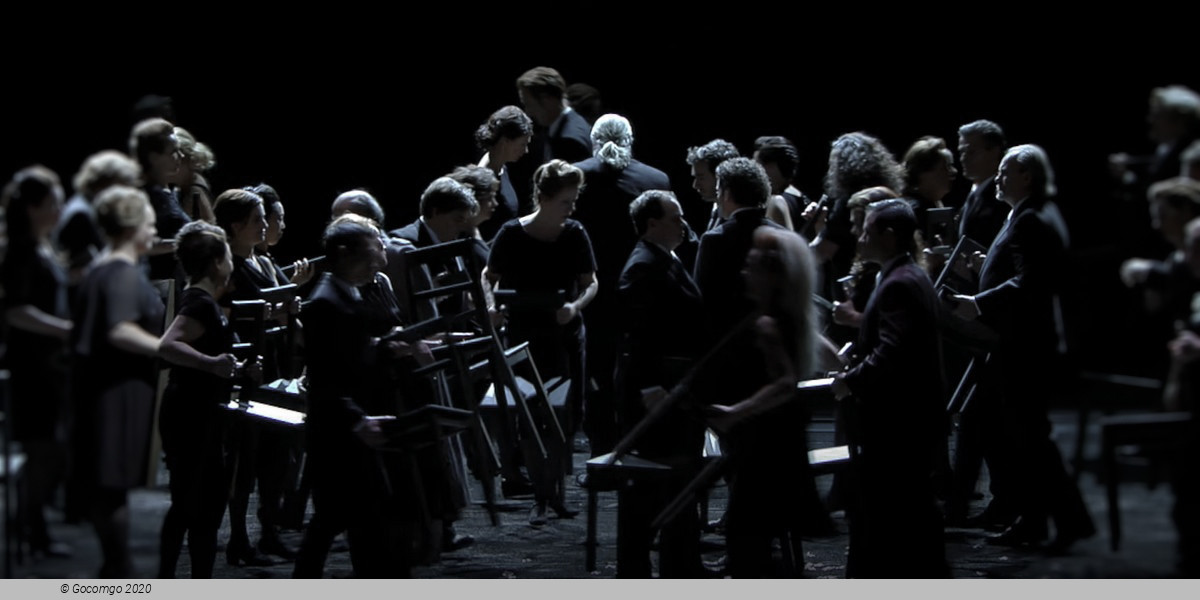
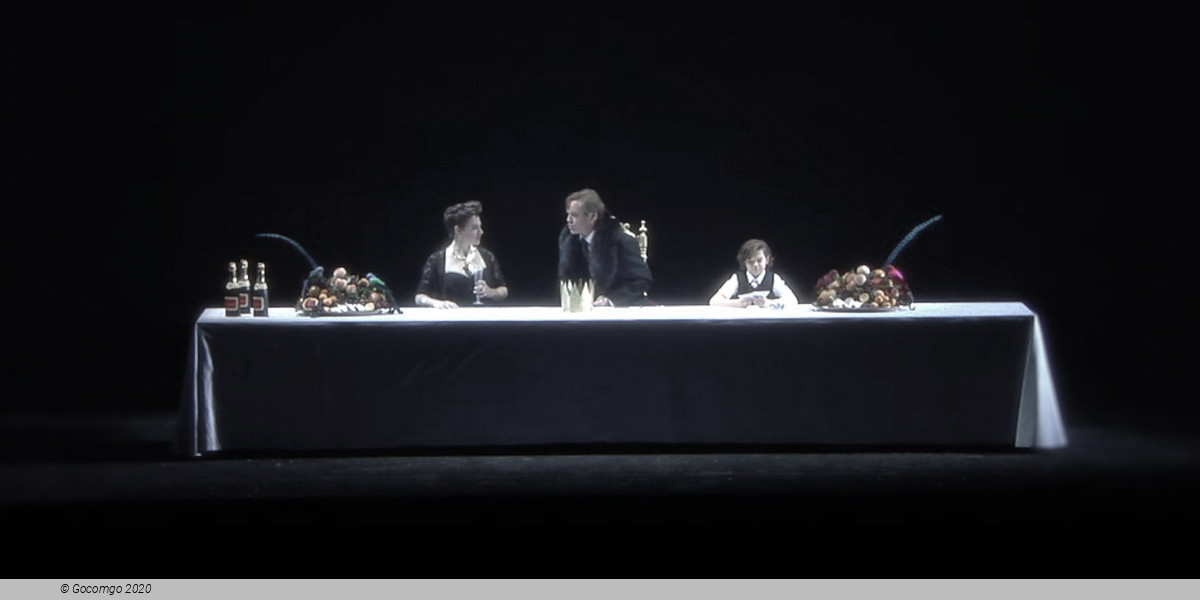
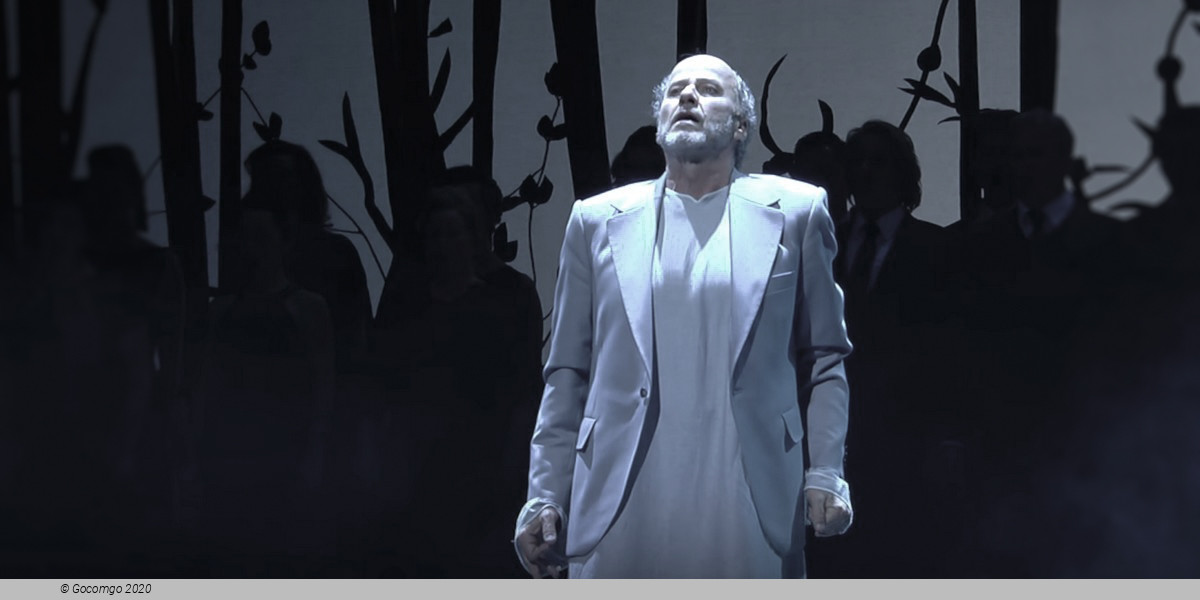
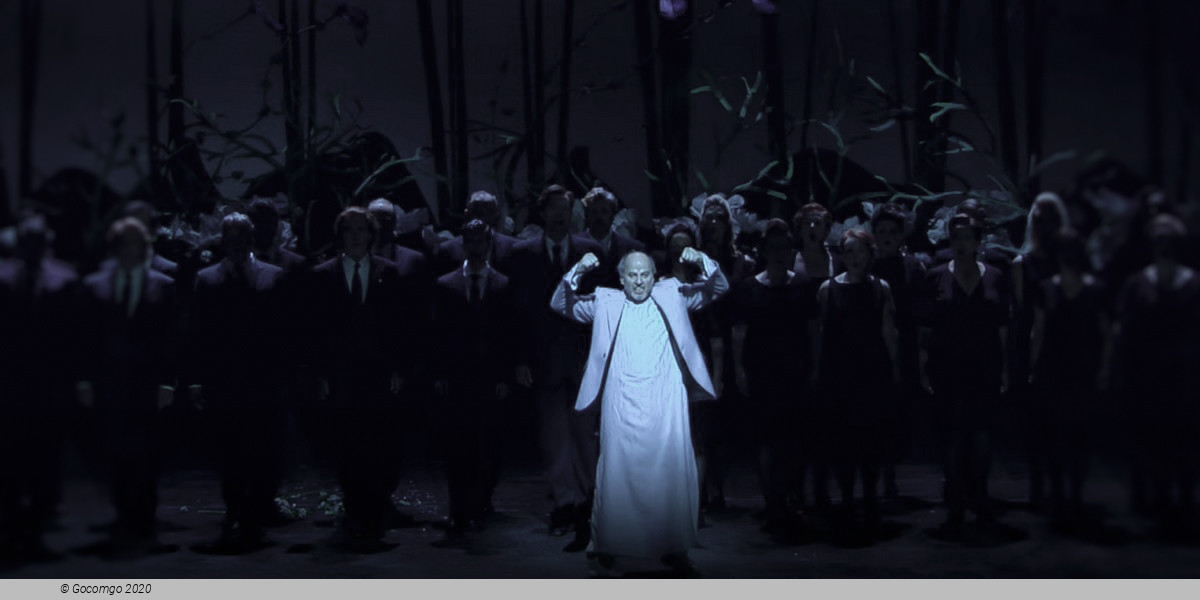
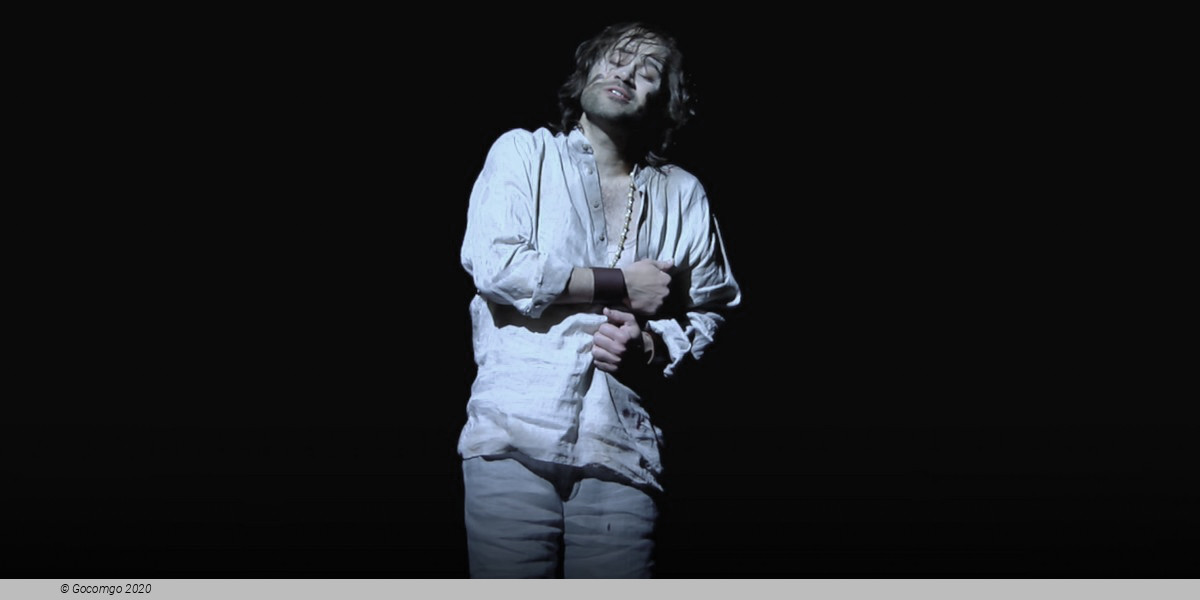
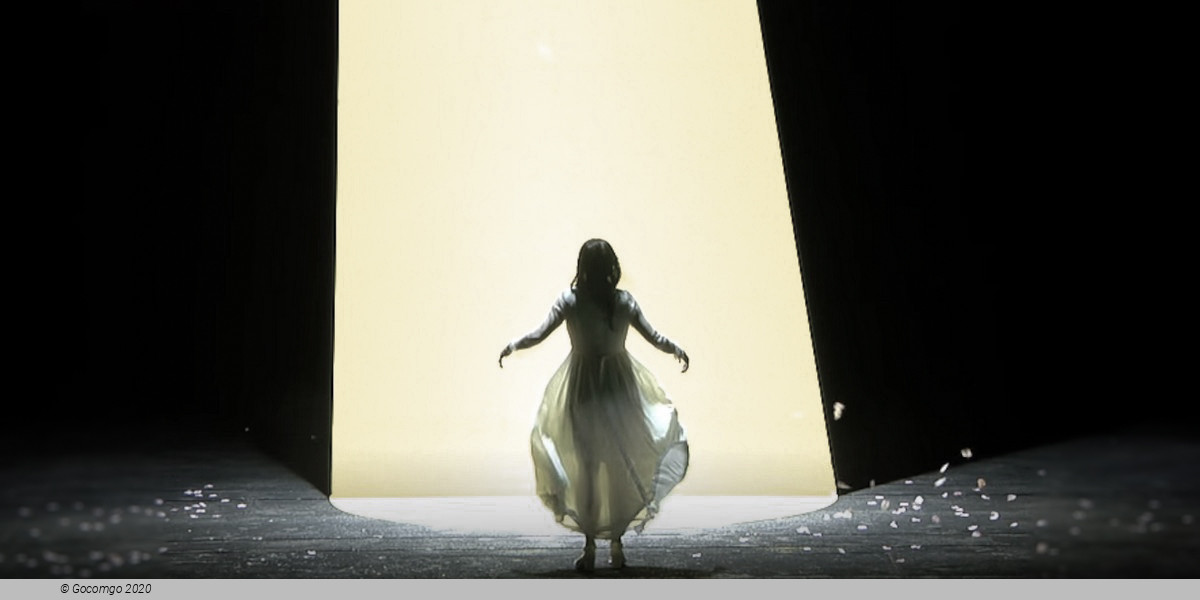
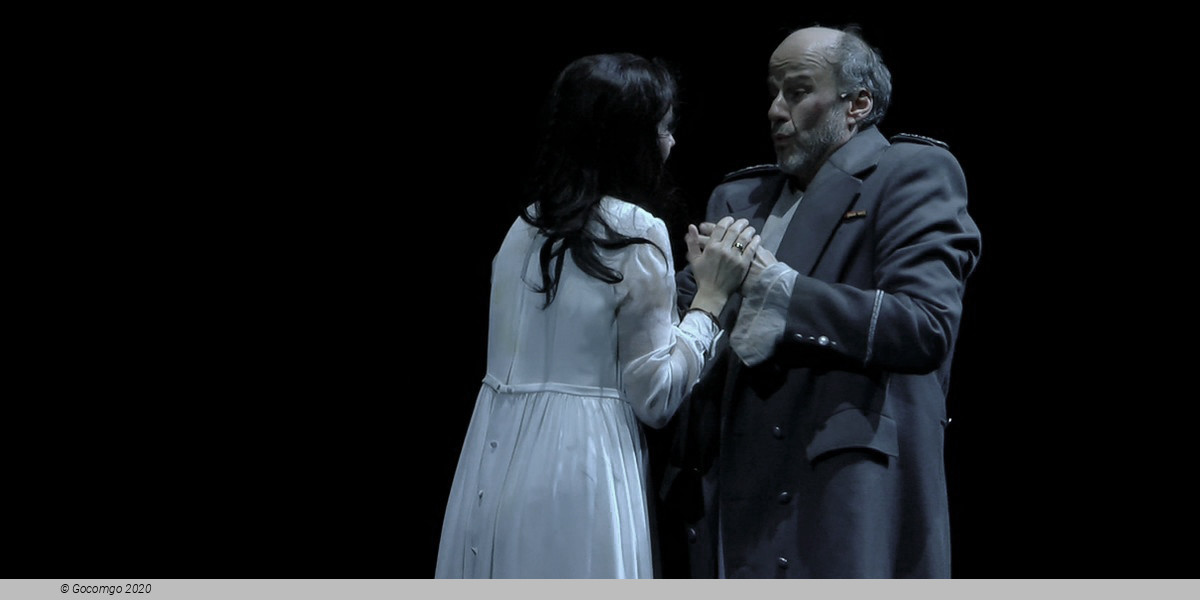
Allan Clayton stars in Oliver Mears’s gripping new staging of Handel’s brooding tale of faith and sacrifice, conducted by Laurence Cummings.

Jephtha's belief in God is unshakeable. But when he unwittingly vows to sacrifice his own daughter, he will test the bonds of faith – and family – to the limit. 

Continuing our odyssey into Handel's Covent Garden works, this gripping new staging by Oliver Mears sheds powerful new light on a timeless biblical tale. Allan Clayton (Peter Grimes) returns to Covent Garden in the title role, joined by a largely British cast featuring Alice Coote, Brindley Sherratt and Jennifer France, with musical direction from baroque specialist Laurence Cummings.

History
Premiere of this production: 26 February 1752, Covent Garden Theatre

Jephtha is an oratorio (1751) by George Frideric Handel with an English language libretto by the Rev. Thomas Morell, based on the story of Jephtha in Judges (Chapter 11) and Jephthes sive votum (Jeptha or the Vow) (1554) by George Buchanan. Whilst writing Jephtha, Handel was increasingly troubled by his gradual loss of sight, and this proved to be his last oratorio. In the autograph score, at the end of the chorus "How dark, O Lord, are thy decrees" he wrote "Reached here on 13 February 1751, unable to go on owing to weakening of the sight of my left eye."

Synopsis

Act 1

The Israelites have been under the rule of the neighbouring Ammonites for eighteen years and have adopted many of their ways and worship of their gods. They face the loss of their country and their religious identity unless they rebel, as Zebul tells them (Accompanied recitative:It must be so). Zebul advises them to recall his half-brother Jephtha from exile so he can lead them to freedom and to repent of their worship of the Ammonites' idols (Air:Pour forth no more unheeded pray'rs). The Israelites vow to stop their sacrifices to the Ammonite gods Moloch ( a god associated with child sacrifice) and Chemosh and thenceforth to worship Jehovah only(Chorus: No more to Ammon's god and king). Jephtha, trusting in his own virtue, agrees to lead the Israelites in battle against their enemies on condition that if he is victorious he will be their leader in peacetime afterwards (Air:Virtue my soul shall still embrace). His wife Storgé supports his mission to win freedom for their country but will miss him sorely while he is away (Air:In gentle murmurs will I mourn). Iphis, only child of Jephtha and Storgé, is asked by her sweetheart Hamor to marry him soon (Air:Dull delay, in piercing anguish) but she tells him to prove himself worthy of her by fighting valiantly under her father's command first (Air:Take the heart you fondly gave). He agrees to this and the pair look forward to a happy future together after their country has achieved its freedom (Duet:These labours past, how happy we!) Jephtha, alone, vows to the Almighty that if he is allowed to win victory over Israel's enemies, he will sacrifice to God the first living thing he sees upon his return after the battle(Accompanied recitative:What mean these doubtful fancies of the brain?) The Israelites implore divine assistance (Chorus:O God, behold our sore distress). Jephtha's wife Storgé is unaware of her husband's rash vow but she is experiencing presentiments of tragedy (Air:Scenes of horror, scenes of woe). She explains to her daughter that she has had dreams of danger to Iphis, but Iphis attempts to dismiss her mother's nightmares as meaningless (Air:The smiling dawn of happy days). The Israelites have sent an embassy to the king of the Ammonites offering peace terms, but it has been rejected. Therefore, Jephtha orders the Israelites to prepare for war and they express their confidence that God will aid them (Chorus:When His loud voice in thunder spoke).

Act 2

Hamor brings Iphis the welcome news that her father has utterly vanquished the Ammonites in battle. The Israelites celebrate their resounding victory, which they ascribe to angelic assistance (Chorus:Cherub and seraphim). Having proved himself in the battle, Hamor hopes that Iphis will now agree to marry him (Air:Up the dreadful steep ascending). Iphis prepares to go out to congratulate her father with other young girls, greeting him with song and dance (Air:Tune the soft melodious lute). Zebul is jubilant that Jephtha has won liberty for his people (Air:Freedom now once more possessing) but Jephtha insists that the glory is the Lord's (Air:His mighty arm, with sudden blow).The Israelites offer thanks to God (Chorus: In glory high, in might serene). Iphis leads a procession of young girls singing and dancing to welcome her father's return (Air:Welcome as the cheerful light and Chorus of Virgins: Welcome thou) but Jephtha is horrified that his daughter is the first living thing he has seen on his return and orders her to leave him. His vow requires him to sacrifice his only child, but he would prefer to die himself (Air:Open thy marble jaws, O tomb). He explains to his wife, brother and Hamor that having made this rash vow he must now kill his daughter. His wife vehemently rejects this horrific prospect (Accompanied recitative:First perish thou and air:Let other creatures die) and Hamor pleads to be allowed to die in his sweetheart's place (Air:On me let blind mistaken zeal). All three implore Jephtha not to carry out his cruel vow but he insists that he has no choice (Quartet:Oh, spare your daughter). Iphis returns, having heard of her father's vow (Accompanied recitative: Such news flies swift) and accepts that she must now be killed by the hand of her father (Air:Happy they). Jephtha is deeply anguished (Accompanied recitative:Deeper, and deeper still) but still feels he must fulfill his vow. The Israelites comment on the unknowable ways of God (Chorus:How dark, O Lord, are Thy decrees).

Act 3

In intense distress, Jephtha prepares to take his beloved daughter's life (Accompanied recitative:Hide thou thy hated beams) and prays that she may be received into heaven (Air:Waft her, angels, through the skies). Iphis is resigned to her fate (Air:Farewell, ye limpid springs and floods) and the assembled priests preach submission to the divine will (Chorus of priests:Doubtful fear and rev'rent awe). As Jephtha lifts the sacrificial knife however, heavenly music is heard and an angel appears, declaring that human sacrifice is not pleasing to God. Iphis must be dedicated to God's service and stay a virgin through life, but she will live (Air:Happy, Iphis shalt thou live). The priests praise God's mercy (Chorus:Theme sublime of endless praise). The rest of Jephtha's family come in and Zebul proclaims that Iphis' faith and courage will forever be remembered (Air:Laud her, all ye virgin train). Storgé is relieved and happy that her daughter will not be put to death (Air: Sweet as sight to the blind) and Hamor is also glad Iphis will be safe though he mourns the fact that she can never be his wife (Air:'Tis Heav'n's all-ruling pow'r). Iphis hopes he will find another love as she dedicates herself to serve God alone throughout her life (Air:All that is in Hamor mine) and promises to hold him in esteem as he accepts her decision (Duet:Freely I to Heav'n resign). All express their joy (Quintet:Joys triumphant crown thy days).

Venue Info

Royal Opera House (Covent Garden) - London
Location   Bow St, Covent Garden

The Royal Opera House (ROH) is an opera house and major performing arts venue in London and Great Britain. It is the home of The Royal Opera, The Royal Ballet, and the Orchestra of the Royal Opera House.

The large building is often referred to as simply "Covent Garden", after a previous use of the site of the opera house's original construction in 1732. It is the home of The Royal Opera, The Royal Ballet, and the Orchestra of the Royal Opera House. Originally called the Theatre Royal, it served primarily as a playhouse for the first hundred years of its history. In 1734, the first ballet was presented. A year later, Handel's first season of operas began. Many of his operas and oratorios were specifically written for Covent Garden and had their premieres there.

The current building is the third theatre on the site following disastrous fires in 1808 and 1856. The façade, foyer, and auditorium date from 1858, but almost every other element of the present complex dates from an extensive reconstruction in the 1990s. The main auditorium seats 2,256 people, making it the third largest in London, and consists of four tiers of boxes and balconies and the amphitheatre gallery. The proscenium is 12.20 m wide and 14.80 m high. The main auditorium is a Grade I listed building.

The Royal Opera, under the direction of Antonio Pappano, is one of the world’s leading opera companies. Based in the iconic Covent Garden theatre, it is renowned both for its outstanding performances of traditional opera and for commissioning new works by today’s leading opera composers, such as Harrison Birtwistle, Mark-Anthony Turnage and Thomas Adès.

The Royal Ballet is one of the world’s greatest ballet companies. Under the directorship of Kevin O’Hare, the Company unites tradition and innovation in world-class performances at our Covent Garden home.

The Company’s extensive repertory embraces 19th-century classics, the singular legacy of works by Founder Choreographer Frederick Ashton and Principal Choreographer Kenneth MacMillan and a compelling new canon by Resident Choreographer Wayne McGregor and Artistic Associate Christopher Wheeldon.

The Orchestra performs in concerts of their own, including performances at the Royal Opera House with Antonio Pappano. They have also performed at venues worldwide including Symphony Hall (Birmingham), Cadogan Hall, the Vienna Konzerthaus and on tour with The Royal Opera.

Members of the Orchestra play an active role in events across the Royal Opera House, including working with the Learning and Participation teams. The Orchestra accompanies performances that are streamed all over the world, including through cinema screenings and broadcasts. They appear on many CDs and DVDs including Pappano’s acclaimed studio recording of Tristan und Isolde with Plácido Domingo and Nina Stemme.

The Orchestra of the Royal Opera House was founded in 1946 when the Royal Opera House reopened after World War II.

Important Info
Type: Opera
City: London, Great Britain
Starts at: 19:00
Intervals: 1
Duration: 3h 30min
Sung in: English
Titles in: English
Top of page