
Royal Opera House (Covent Garden) 2 May 2022 - Ballet evening: "Scènes de ballet", "A Month in the Country", "Rhapsody" | GoComGo.com

Ballet evening: "Scènes de ballet", "A Month in the Country", "Rhapsody"

Royal Opera House (Covent Garden), Main Stage, London, Great Britain
All photos (13)
Select date and time
1 PM 7 PM

E-tickets: Print at home or at the box office of the event if so specified. You will find more information in your booking confirmation email.

You can only select the category, and not the exact seats.
If you order 2 or 3 tickets: your seats will be next to each other.
If you order 4 or more tickets: your seats will be next to each other, or, if this is not possible, we will provide a combination of groups of seats (at least in pairs, for example 2+2 or 2+3).

Important Info
Type: Ballet
City: London, Great Britain
Starts at: 19:00

E-tickets: Print at home or at the box office of the event if so specified. You will find more information in your booking confirmation email.

You can only select the category, and not the exact seats.
If you order 2 or 3 tickets: your seats will be next to each other.
If you order 4 or more tickets: your seats will be next to each other, or, if this is not possible, we will provide a combination of groups of seats (at least in pairs, for example 2+2 or 2+3).

Overview

The rich heritage of The Royal Ballet’s repertory and style are presented in three works by the Company’s founding choreographer, Frederick Ashton.

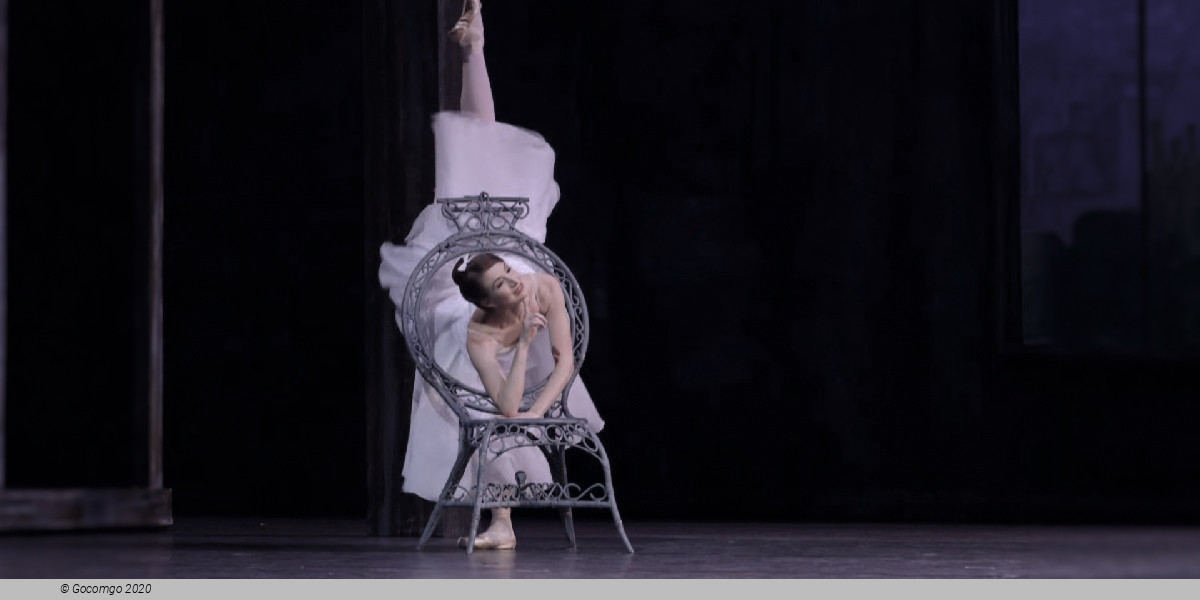
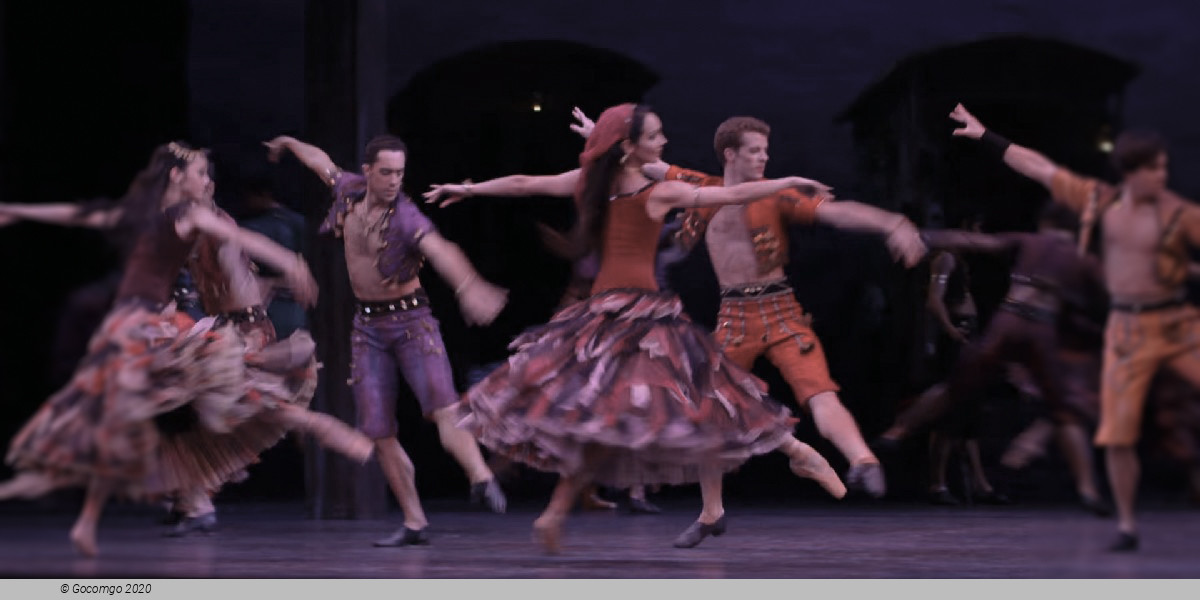
Frederick Ashton, The Royal Ballet’s founder choreographer, created a remarkable range of ballets. In this mixed programme, the detailed characters and heightened emotional drama of A Month in the Country are contrasted with the dazzling and chic Scènes de ballet. The programme finishes with the celebratory flourish of Rhapsody – Ashton’s tribute to virtuoso dance. This showcase of Ashton’s different styles presents the Company’s legacy, as today’s dancers take on celebrated heritage roles.

Frederick Ashton created more than one hundred works during his lifetime (1904–88).

Scènes de ballet is a one-act ballet choreographed by Frederick Ashton, who created it during 1947–48 to Igor Stravinsky's eponymous music from 1944. The first performance was given by the Sadler's Wells Ballet, at the Royal Opera House, London.

Ashton's choreography is along classical lines, in the tradition of Marius Petipa's 19th-century works. Instead of Petipa's symmetry, however, Ashton used a system of Euclidean geometry, with geometric theorems adapted to serve as floor patterns for the dancers. As a result, the ballet is unusual in that it makes sense from all angles, as Ashton himself explained, "I wanted to do a ballet that could be seen from any angle – anywhere could be front, so to speak. So I did these geometric figures that are not always facing front – if you saw Scènes de ballet from the wings, you'd get a very different but equally good picture."

The ballet was originally designed by André Beaurepaire, a young Frenchman who was heavily influenced by Picasso. His collaboration with Ashton was not an easy one, given the choreographer's wish for what Parry calls "Baroque Parisian fantasy". Eventually, two sets were agreed upon: a green-grey viaduct that was supposed to give way, at the apotheosis, to a white pavilion made up of guns, bones, and limbs. In the event this proved impractical, and since the ballet's second performance the viaduct has been used on its own, although at the premiere Ashton went with the pavilion. Nor were Beaurepaire's designs for the costumes quite to Ashton's liking: though the choreographer retained his designer's hats, bracelets and chokers he discarded the men's hats and altered the colour of the tights from blue-gray to pink. Pearls and diamonds were added to the women's costumes, while the men's costumes were simplified. The prima ballerina was given a colour combination of yellow and black to suit Margot Fonteyn.

History
Premiere of this production: 07 December 1944, Ziegfeld Theater

Scènes de ballet is a suite of dance movements composed in 1944 by Igor Stravinsky. It was commissioned by Broadway producer Billy Rose for inclusion in the revue The Seven Lively Arts that opened at the Ziegfeld Theater on December 7, 1944.

Premiere of this production: 12 February 1976, Royal Opera House, Covent Garden, London

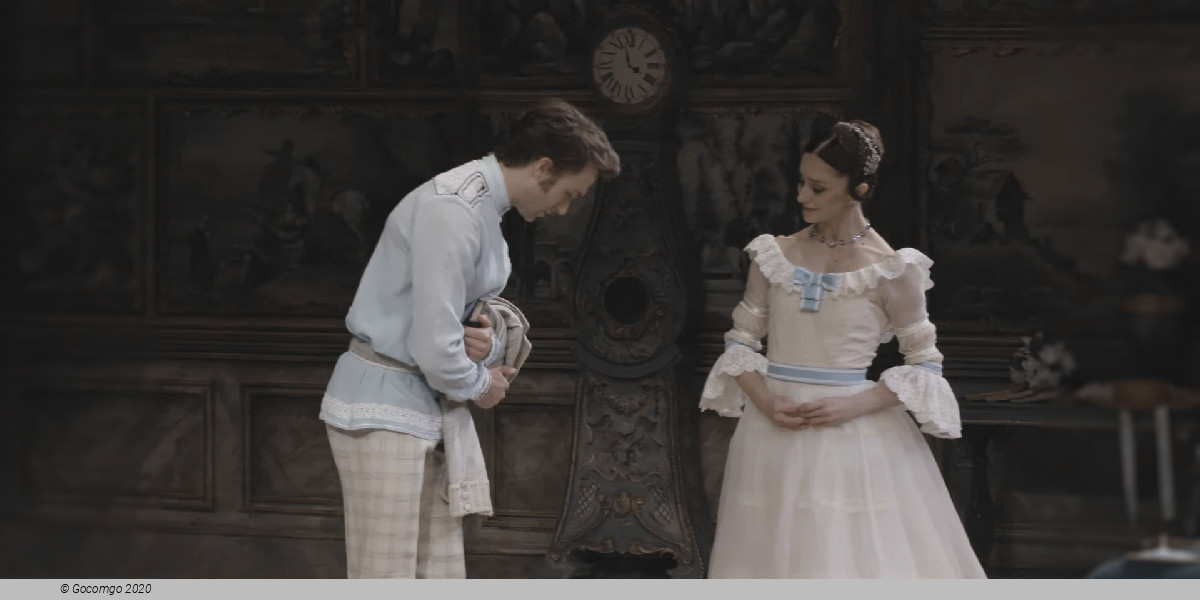
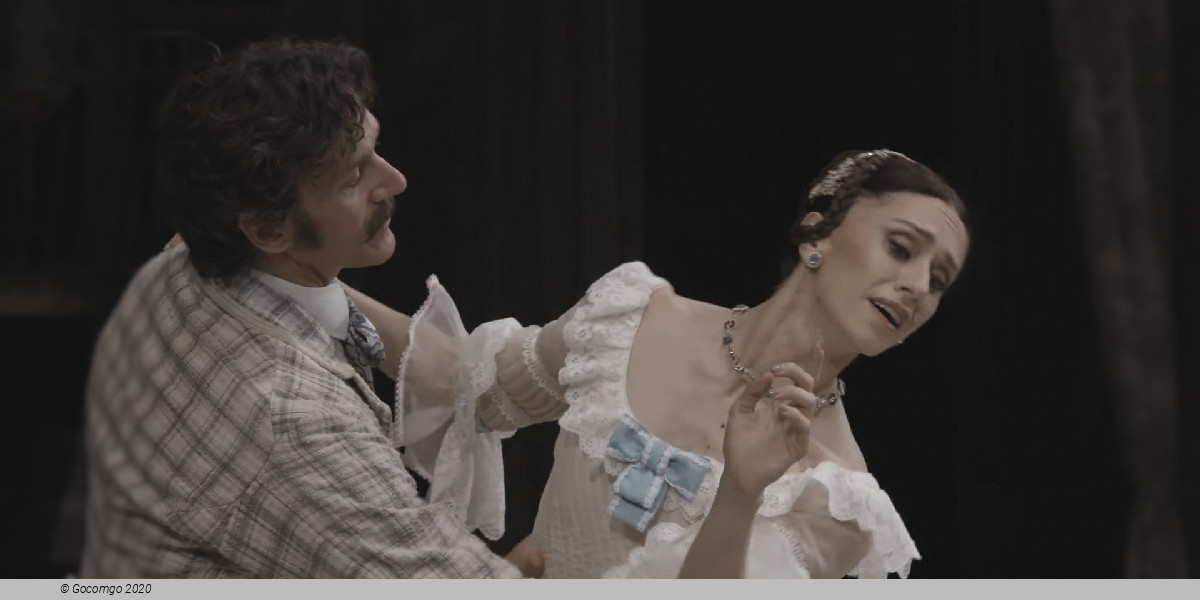
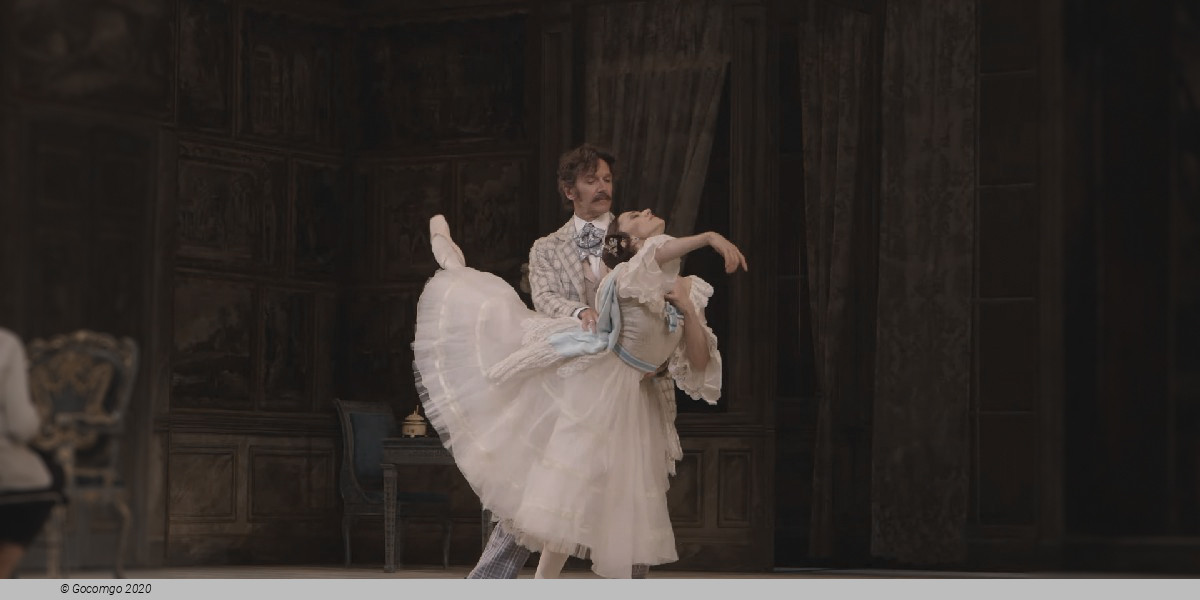
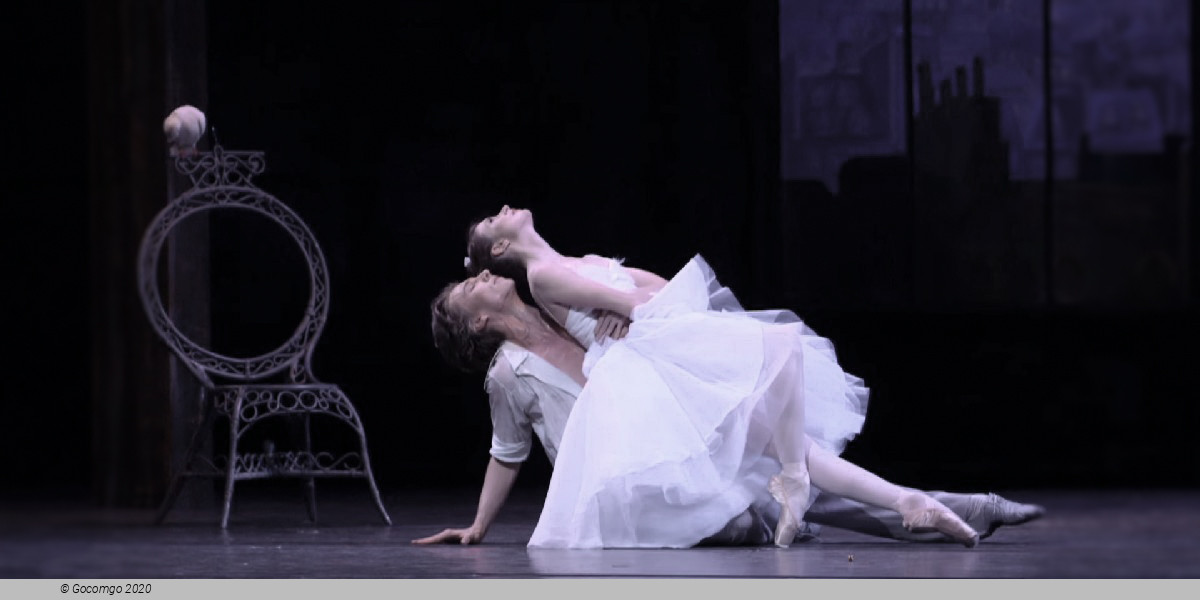
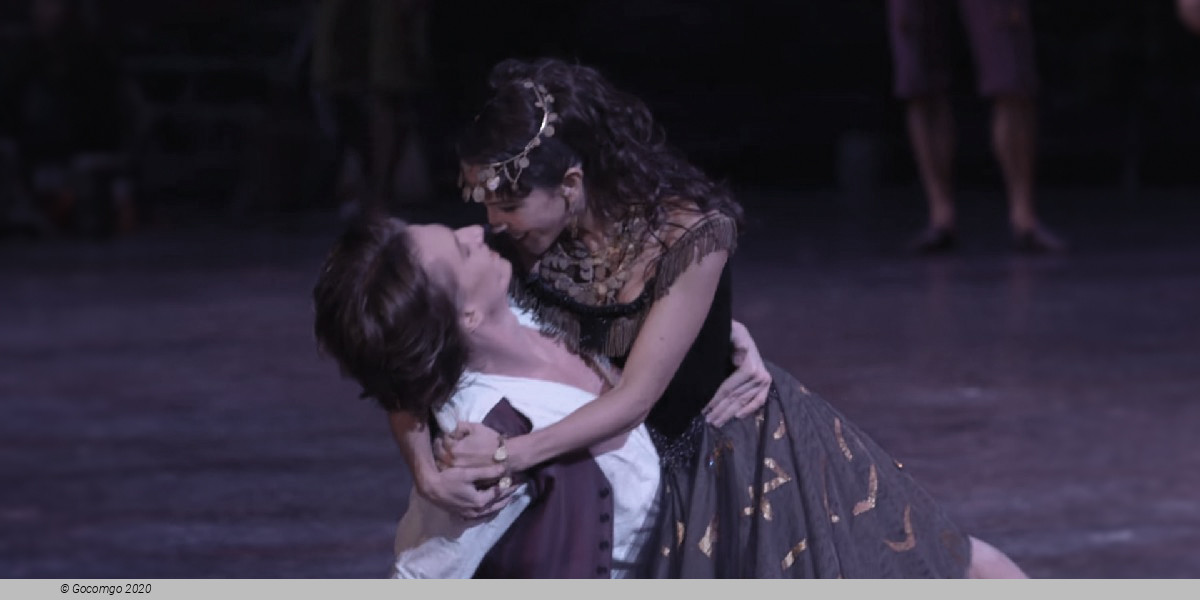
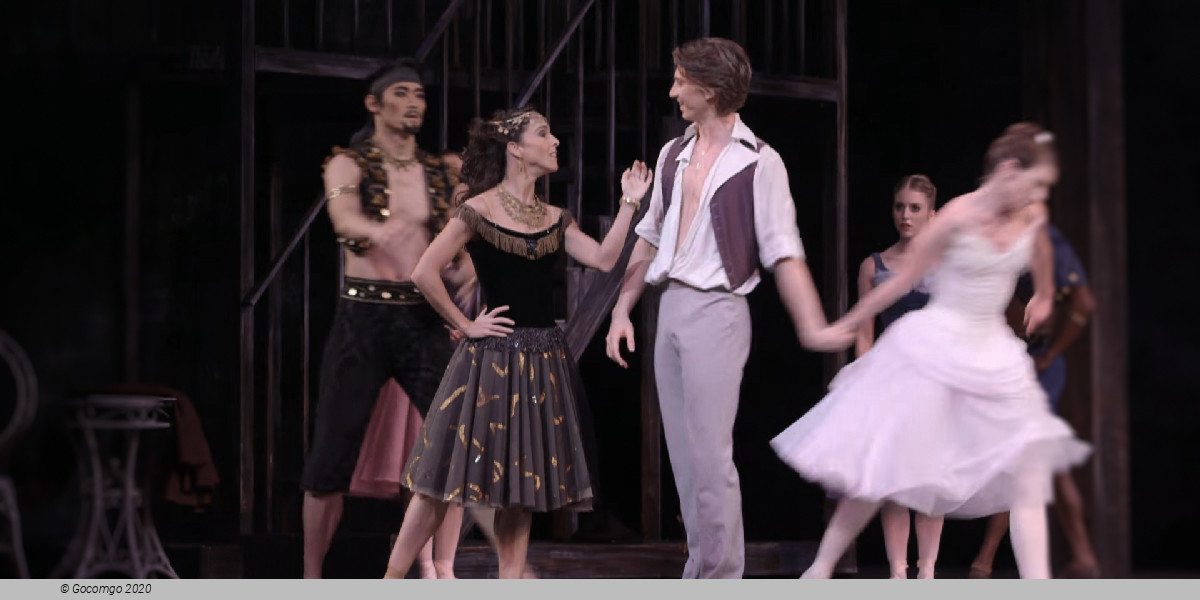
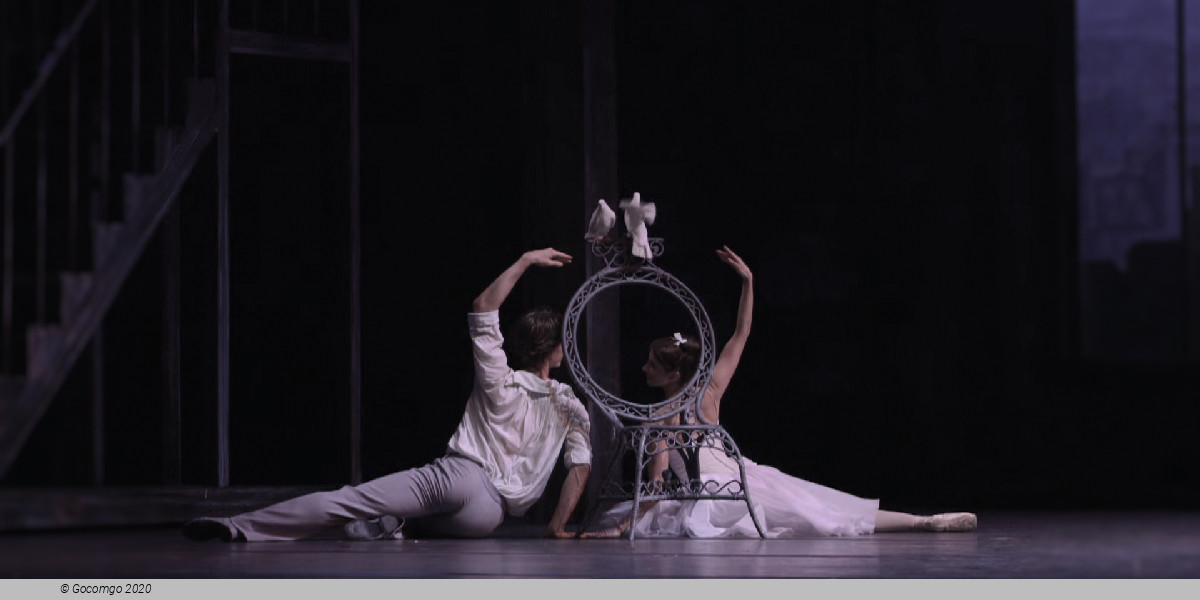
A Month in the Country is a narrative ballet created in 1976 with choreography by Frederick Ashton, to the music of Frédéric Chopin (three works for piano and orchestra) arranged by John Lanchbery. It is based on the play by Ivan Turgenev of the same name

Premiere of this production: 04 August 1980, Royal Opera House, Covent Garden, London

Rhapsody is a one act ballet by Sir Frederick Ashton, based on Sergei Rachmaninoff's Rhapsody on a Theme of Paganini.

Synopsis

The action takes place at Yslaev's country house in 1850.

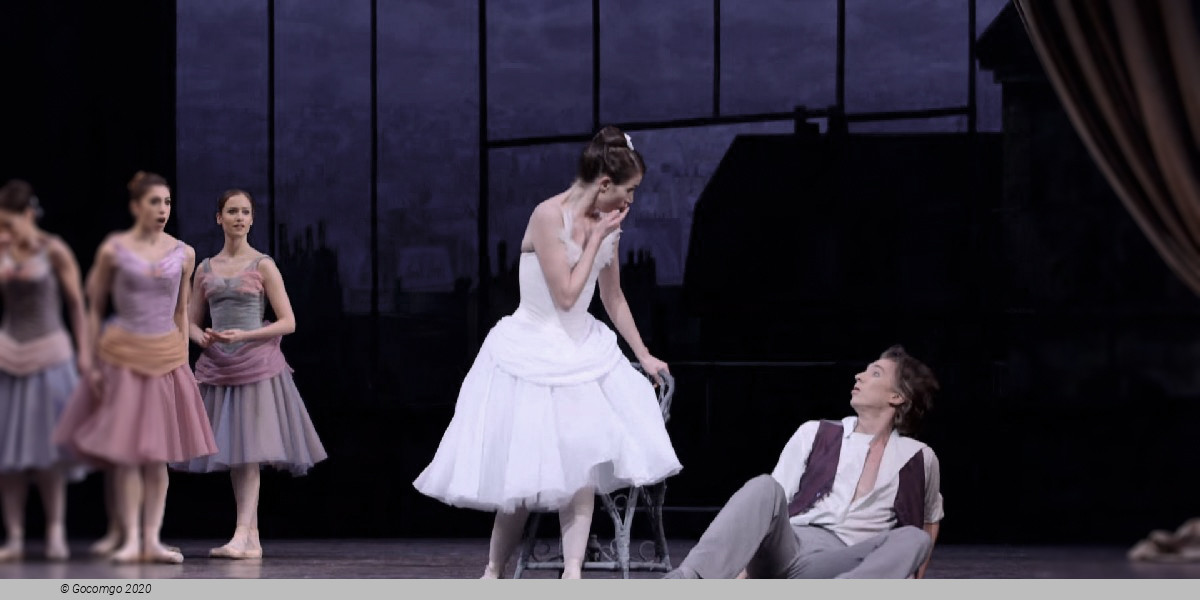
The story concerns the emotional disturbance caused by the presence of a tutor in the home of a country Russian family. Natalia Petrovna, a bored wife, falls for the young tutor of Kolia, Belaiev. The ballet contains a series of pas de deux which carry the action forward: Natalia and her admirer Rakitin, Belaiev and Vera, Natalia's ward, Belaiev and the maid Katia, and Belaiev and Natalia. In the finale, Vera summons the household to witness the embraces of Natalia and Belaiev; Rakitin tells Belaiev that both of them should leave the house. Alone on stage, Natalia despairs at the young man's departure, but he returns unseen and unheard and leaves her the rose she had given him.

Venue Info

Royal Opera House (Covent Garden) - London
Location   Bow St, Covent Garden

The Royal Opera House (ROH) is an opera house and major performing arts venue in London and Great Britain. It is the home of The Royal Opera, The Royal Ballet, and the Orchestra of the Royal Opera House.

The large building is often referred to as simply "Covent Garden", after a previous use of the site of the opera house's original construction in 1732. It is the home of The Royal Opera, The Royal Ballet, and the Orchestra of the Royal Opera House. Originally called the Theatre Royal, it served primarily as a playhouse for the first hundred years of its history. In 1734, the first ballet was presented. A year later, Handel's first season of operas began. Many of his operas and oratorios were specifically written for Covent Garden and had their premieres there.

The current building is the third theatre on the site following disastrous fires in 1808 and 1856. The façade, foyer, and auditorium date from 1858, but almost every other element of the present complex dates from an extensive reconstruction in the 1990s. The main auditorium seats 2,256 people, making it the third largest in London, and consists of four tiers of boxes and balconies and the amphitheatre gallery. The proscenium is 12.20 m wide and 14.80 m high. The main auditorium is a Grade I listed building.

The Royal Opera, under the direction of Antonio Pappano, is one of the world’s leading opera companies. Based in the iconic Covent Garden theatre, it is renowned both for its outstanding performances of traditional opera and for commissioning new works by today’s leading opera composers, such as Harrison Birtwistle, Mark-Anthony Turnage and Thomas Adès.

The Royal Ballet is one of the world’s greatest ballet companies. Under the directorship of Kevin O’Hare, the Company unites tradition and innovation in world-class performances at our Covent Garden home.

The Company’s extensive repertory embraces 19th-century classics, the singular legacy of works by Founder Choreographer Frederick Ashton and Principal Choreographer Kenneth MacMillan and a compelling new canon by Resident Choreographer Wayne McGregor and Artistic Associate Christopher Wheeldon.

The Orchestra performs in concerts of their own, including performances at the Royal Opera House with Antonio Pappano. They have also performed at venues worldwide including Symphony Hall (Birmingham), Cadogan Hall, the Vienna Konzerthaus and on tour with The Royal Opera.

Members of the Orchestra play an active role in events across the Royal Opera House, including working with the Learning and Participation teams. The Orchestra accompanies performances that are streamed all over the world, including through cinema screenings and broadcasts. They appear on many CDs and DVDs including Pappano’s acclaimed studio recording of Tristan und Isolde with Plácido Domingo and Nina Stemme.

The Orchestra of the Royal Opera House was founded in 1946 when the Royal Opera House reopened after World War II.

Important Info
Type: Ballet
City: London, Great Britain
Starts at: 19:00
Top of page