
Royal Opera House (Covent Garden) 30 September 2019 - Agrippina | GoComGo.com

Agrippina

Royal Opera House (Covent Garden), London, Great Britain
All photos (5)
Select date and time
6:30 PM
Request for Tickets
Important Info
Type: Opera
City: London, Great Britain
Starts at: 18:30
Duration:
Sung in: Italian
Titles in: English

E-tickets: Print at home or at the box office of the event if so specified. You will find more information in your booking confirmation email.

You can only select the category, and not the exact seats.
If you order 2 or 3 tickets: your seats will be next to each other.
If you order 4 or more tickets: your seats will be next to each other, or, if this is not possible, we will provide a combination of groups of seats (at least in pairs, for example 2+2 or 2+3).

Overview

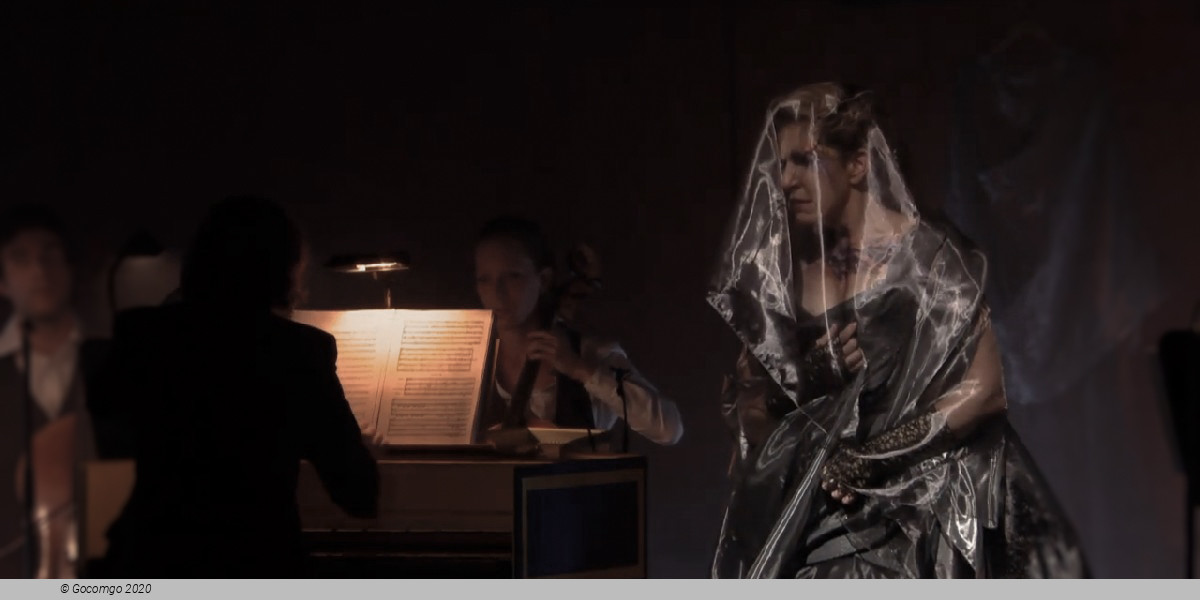
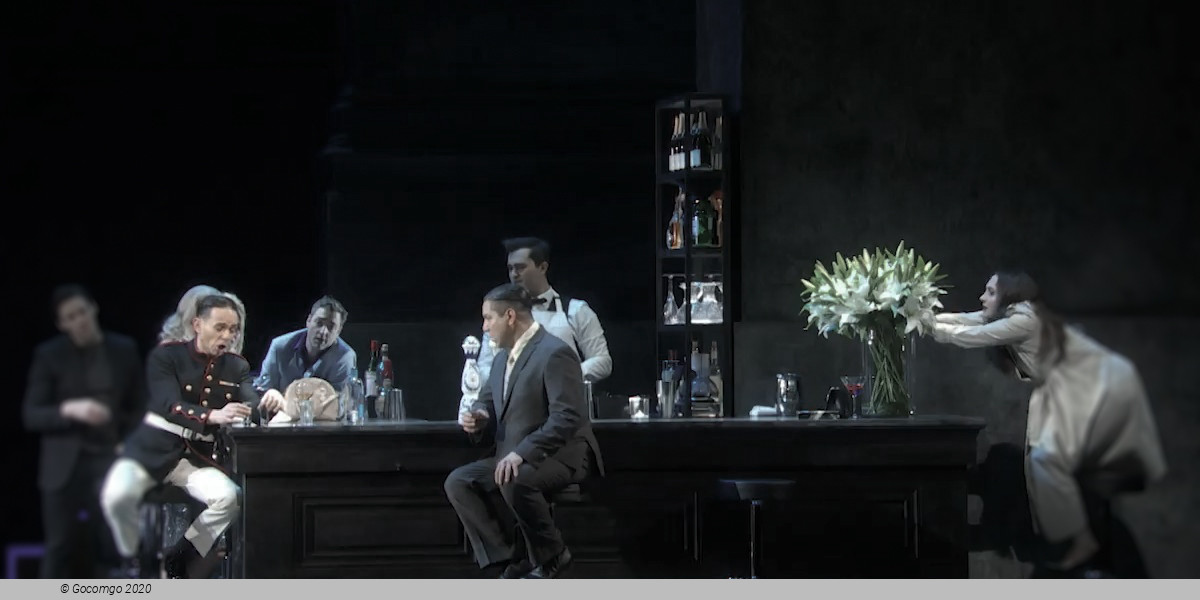
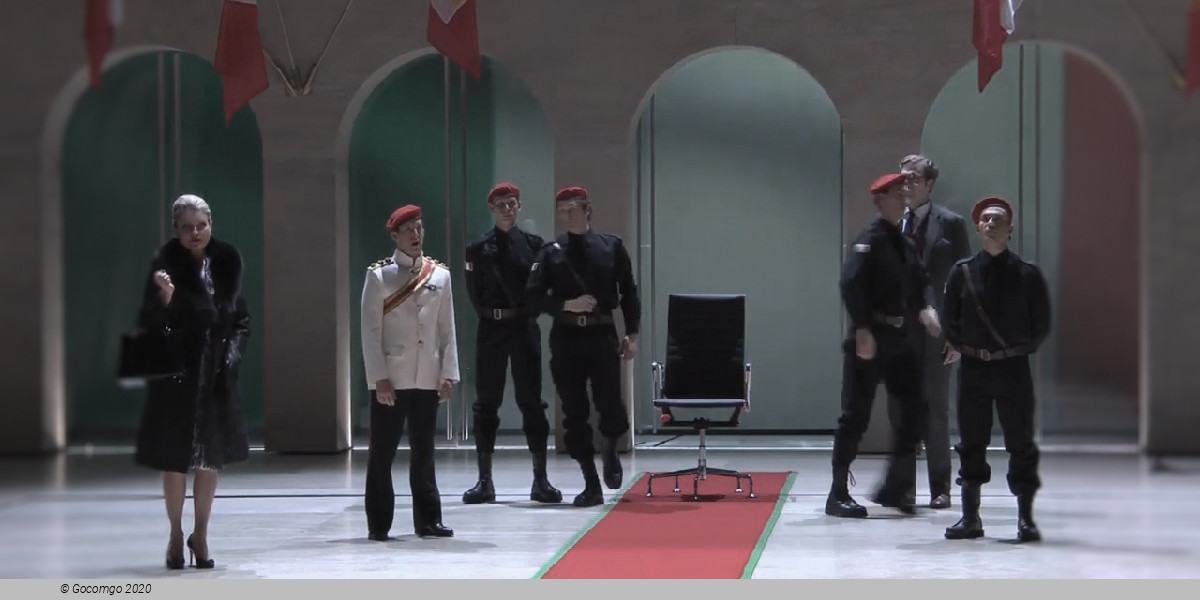
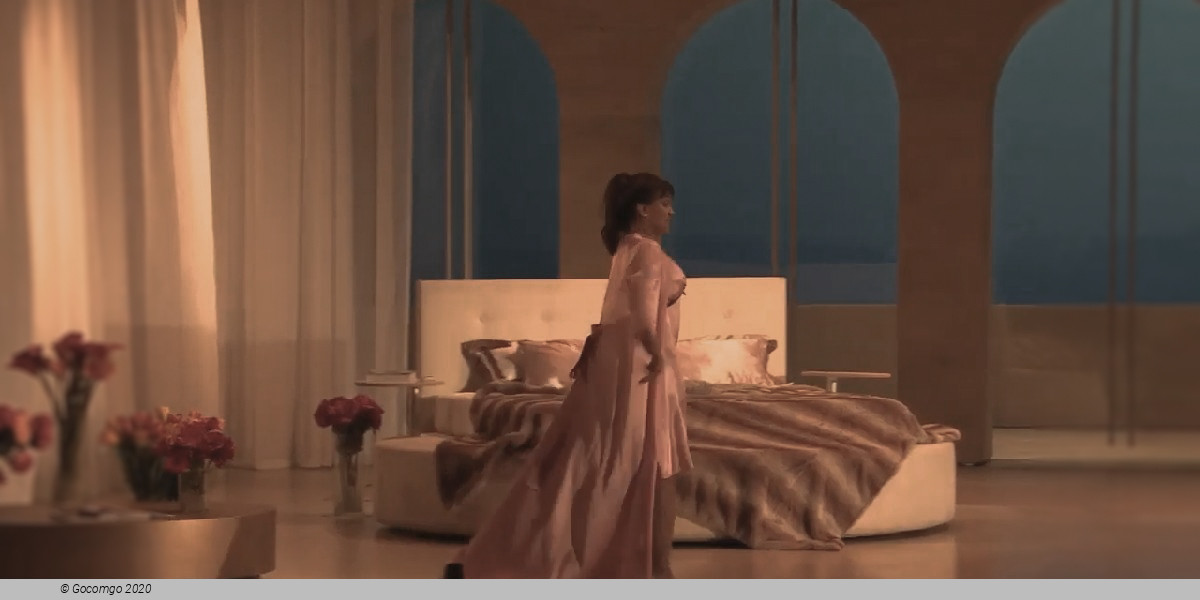
Joyce DiDonato as the ultimate political operator, Agrippina, heads a specialist cast in Handel’s early operatic success.

The Story

The Emperor Claudius is reported drowned at sea. His wife Agrippina determines to make her son Nerone the new Emperor. But her plans go awry when Claudio turns up with his military commander Ottone, who saved his life and to whom he has promised the throne. Agrippina plots to use the two men’s desire for the beautiful Poppea to create enmity between them and destroy Ottone. Meanwhile, Nerone becomes seriously smitten with Poppea.

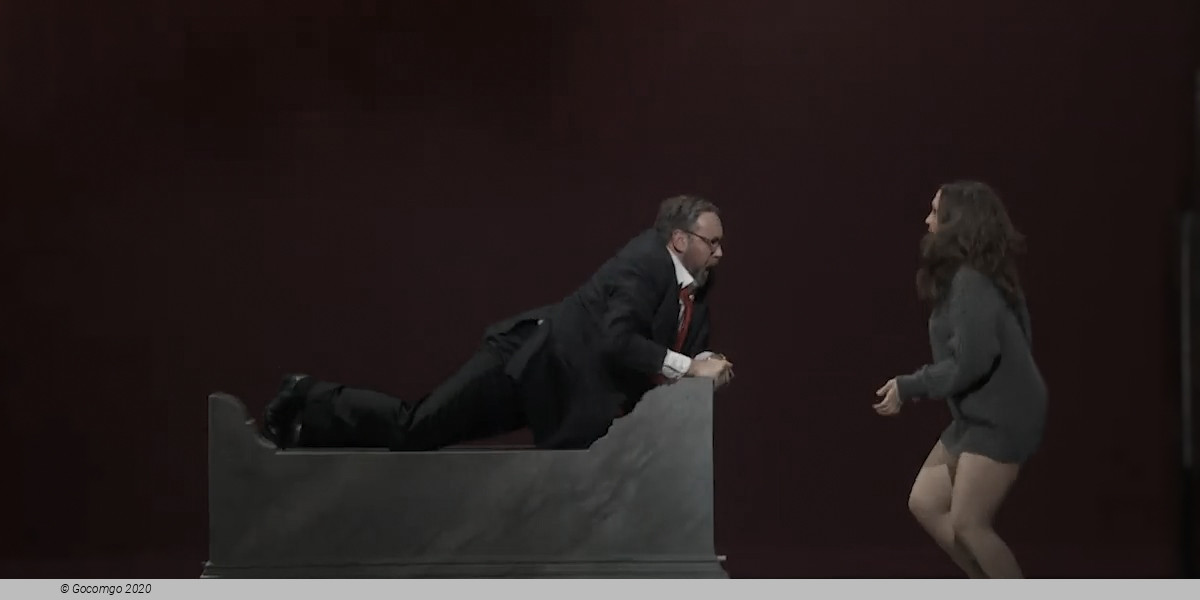
Agrippina’s continued scheming leads to multiple misunderstandings, culminating in Claudio and Nerone each attempting a romantic rendezvous with Poppea at the same time. But will Agrippina be held to account? And can Ottone and Poppea together achieve happiness?

Background

Agrippina is the ultimate political operator – outrageous and blatant in her pursuit of power. In the title role, Joyce DiDonato heads a specialist cast in Handel’s early operatic success, a calling card when he moved to London. The score boasts a succession of brilliant Baroque jewels – one after another come the bright, sparkling arias, here performed by a cast also including acclaimed British singers Iestyn Davies and Lucy Crowe, the Orchestra of the Age of Enlightenment, and directed with characteristic invention by Barrie Kosky.

History
Premiere of this production: 26 December 1709, Teatro San Giovanni Grisostomo

Agrippina is an opera seria in three acts by George Frideric Handel with a libretto by Cardinal Vincenzo Grimani. Composed for the 1709–10 Venice Carnevale season, the opera tells the story of Agrippina, the mother of Nero, as she plots the downfall of the Roman Emperor Claudius and the installation of her son as emperor. Grimani's libretto, considered one of the best that Handel set, is an "anti-heroic satirical comedy", full of topical political allusions. Some analysts believe that it reflects Grimani's political and diplomatic rivalry with Pope Clement XI.

Synopsis

Act 1

On hearing that her husband, the Emperor Claudius, has died in a storm at sea, Agrippina plots to secure the throne for Nero, her son by a previous marriage. Nero is unenthusiastic about this project, but consents to his mother's wishes ("Con saggio tuo consiglio"). Agrippina obtains the support of her two freedmen, Pallas and Narcissus, who hail Nero as the new Emperor before the Senate.

With the Senate's assent, Agrippina and Nero begin to ascend the throne, but the ceremony is interrupted by the entrance of Claudius's servant Lesbus. He announces that his master is alive ("Allegrezza! Claudio giunge!"), saved from death by Otho, the commander of the army. Otho himself confirms this and reveals that Claudius has promised him the throne as a mark of gratitude. Agrippina is frustrated, until Otho secretly confides to her that he loves the beautiful Poppaea more than he desires the throne. Agrippina, aware that Claudius also loves Poppaea, sees a new opportunity of furthering her ambitions for Nero. She goes to Poppaea and tells her, falsely, that Otho has struck a bargain with Claudius whereby he, Otho, gains the throne but gives Poppaea to Claudius. Agrippina advises Poppaea to turn the tables on Otho by telling the Emperor that Otho has ordered her to refuse Claudius's attentions. This, Agrippina believes, will make Claudius revoke his promise to Otho of the throne.

Poppaea believes Agrippina. When Claudius arrives at Poppaea's house she denounces what she believes is Otho's treachery. Claudius departs in fury, while Agrippina cynically consoles Poppaea by declaring that their friendship will never be broken by deceit ("Non ho cor che per amarti").

Act 2

Pallas and Narcissus realize that Agrippina has tricked them into supporting Nero and decide to have no more to do with her. Otho arrives, nervous about his forthcoming coronation ("Coronato il crin d'alloro"), followed by Agrippina, Nero and Poppaea, who have come to greet Claudius. All combine in a triumphal chorus ("Di timpani e trombe") as Claudius enters. Each in turns pays tribute to the Emperor, but Otho is coldly rebuffed as Claudius denounces him as a traitor. Otho is devastated and appeals to Agrippina, Poppaea, and Nero for support, but they all reject him, leaving him in bewilderment and despair ("Otton, qual portentoso fulmine" followed by "Voi che udite il mio lamento").

However, Poppaea is touched by her former beloved's grief, and wonders if he might not be innocent ("Bella pur nel mio diletto"). She devises a plan and when Otho approaches her, she pretends to talk in her sleep recounting what Agrippina has told her earlier. Otho, as she intended, overhears her and fiercely protests his innocence. He convinces Poppaea that Agrippina has deceived her. Poppaea swears revenge ("Ingannata una sol volta", alternate aria "Pur punir chi m'ha ingannata") but is distracted when Nero comes forward and declares his love for her. Meanwhile, Agrippina, having lost the support of Pallas and Narcissus, manages to convince Claudius that Otho is still plotting to take the throne. She advises Claudius that he should end Otho's ambitions once and for all by abdicating in favour of Nero. Claudius agrees, believing that this will enable him to win Poppaea.

Act 3

Poppaea now plans some deceit of her own, in an effort to divert Claudius's wrath from Otho with whom she has now reconciled. She hides Otho in her bedroom with instructions to listen carefully. Soon Nero arrives to press his love on her ("Coll'ardor del tuo bel core"), but she tricks him into hiding as well. Then Claudius enters; Poppaea tells him that he had earlier misunderstood her: it was not Otho but Nero who had ordered her to reject Claudius. To prove her point she asks Claudius to pretend to leave, then she summons Nero who, thinking Claudius has gone, resumes his passionate wooing of Poppaea. Claudius suddenly reappears and angrily dismisses the crestfallen Nero. After Claudius departs, Poppaea brings Otho out of hiding and the two express their everlasting love in separate arias.

At the palace, Nero tells Agrippina of his troubles and decides to renounce love for political ambition ("Come nube che fugge dal vento"). But Pallas and Narcissus have by now revealed Agrippina's original plot to Claudius, so that when Agrippina urges the Emperor to yield the throne to Nero, he accuses her of treachery. She then claims that her efforts to secure the throne for Nero had all along been a ruse to safeguard the throne for Claudius ("Se vuoi pace"). Claudius believes her; nevertheless, when Poppaea, Otho, and Nero arrive, Claudius announces that Nero and Poppaea will marry, and that Otho shall have the throne. No one is satisfied with this arrangement, as their desires have all changed, so Claudius in a spirit of reconciliation reverses his judgement, giving Poppaea to Otho and the throne to Nero. He then summons the goddess Juno, who descends to pronounce a general blessing ("V'accendano le tede i raggi delle stelle").

Venue Info

Royal Opera House (Covent Garden) - London
Location   Bow St, Covent Garden

The Royal Opera House (ROH) is an opera house and major performing arts venue in London and Great Britain. It is the home of The Royal Opera, The Royal Ballet, and the Orchestra of the Royal Opera House.

The large building is often referred to as simply "Covent Garden", after a previous use of the site of the opera house's original construction in 1732. It is the home of The Royal Opera, The Royal Ballet, and the Orchestra of the Royal Opera House. Originally called the Theatre Royal, it served primarily as a playhouse for the first hundred years of its history. In 1734, the first ballet was presented. A year later, Handel's first season of operas began. Many of his operas and oratorios were specifically written for Covent Garden and had their premieres there.

The current building is the third theatre on the site following disastrous fires in 1808 and 1856. The façade, foyer, and auditorium date from 1858, but almost every other element of the present complex dates from an extensive reconstruction in the 1990s. The main auditorium seats 2,256 people, making it the third largest in London, and consists of four tiers of boxes and balconies and the amphitheatre gallery. The proscenium is 12.20 m wide and 14.80 m high. The main auditorium is a Grade I listed building.

The Royal Opera, under the direction of Antonio Pappano, is one of the world’s leading opera companies. Based in the iconic Covent Garden theatre, it is renowned both for its outstanding performances of traditional opera and for commissioning new works by today’s leading opera composers, such as Harrison Birtwistle, Mark-Anthony Turnage and Thomas Adès.

The Royal Ballet is one of the world’s greatest ballet companies. Under the directorship of Kevin O’Hare, the Company unites tradition and innovation in world-class performances at our Covent Garden home.

The Company’s extensive repertory embraces 19th-century classics, the singular legacy of works by Founder Choreographer Frederick Ashton and Principal Choreographer Kenneth MacMillan and a compelling new canon by Resident Choreographer Wayne McGregor and Artistic Associate Christopher Wheeldon.

The Orchestra performs in concerts of their own, including performances at the Royal Opera House with Antonio Pappano. They have also performed at venues worldwide including Symphony Hall (Birmingham), Cadogan Hall, the Vienna Konzerthaus and on tour with The Royal Opera.

Members of the Orchestra play an active role in events across the Royal Opera House, including working with the Learning and Participation teams. The Orchestra accompanies performances that are streamed all over the world, including through cinema screenings and broadcasts. They appear on many CDs and DVDs including Pappano’s acclaimed studio recording of Tristan und Isolde with Plácido Domingo and Nina Stemme.

The Orchestra of the Royal Opera House was founded in 1946 when the Royal Opera House reopened after World War II.

Important Info
Type: Opera
City: London, Great Britain
Starts at: 18:30
Duration:
Sung in: Italian
Titles in: English
Top of page