

Royal Danish Theatre 22 March 2022 - Der Graf von Luxemburg | GoComGo.com

Der Graf von Luxemburg

Royal Danish Theatre, The Old Stage, Copenhagen, Denmark
All photos (6)
Select date and time
7:30 PM

E-tickets: Print at home or at the box office of the event if so specified. You will find more information in your booking confirmation email.

You can only select the category, and not the exact seats.
If you order 2 or 3 tickets: your seats will be next to each other.
If you order 4 or more tickets: your seats will be next to each other, or, if this is not possible, we will provide a combination of groups of seats (at least in pairs, for example 2+2 or 2+3).

Important Info
Type: Operetta
City: Copenhagen, Denmark
Starts at: 19:30
Intervals: 1
Duration: 2h 30min

E-tickets: Print at home or at the box office of the event if so specified. You will find more information in your booking confirmation email.

You can only select the category, and not the exact seats.
If you order 2 or 3 tickets: your seats will be next to each other.
If you order 4 or more tickets: your seats will be next to each other, or, if this is not possible, we will provide a combination of groups of seats (at least in pairs, for example 2+2 or 2+3).

Overview

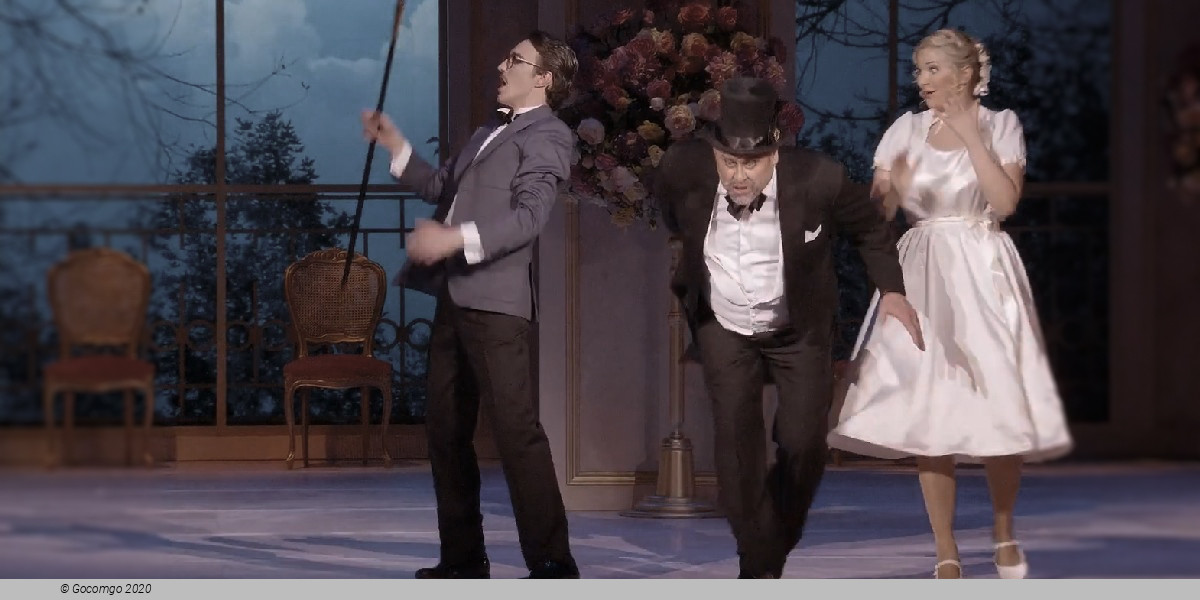
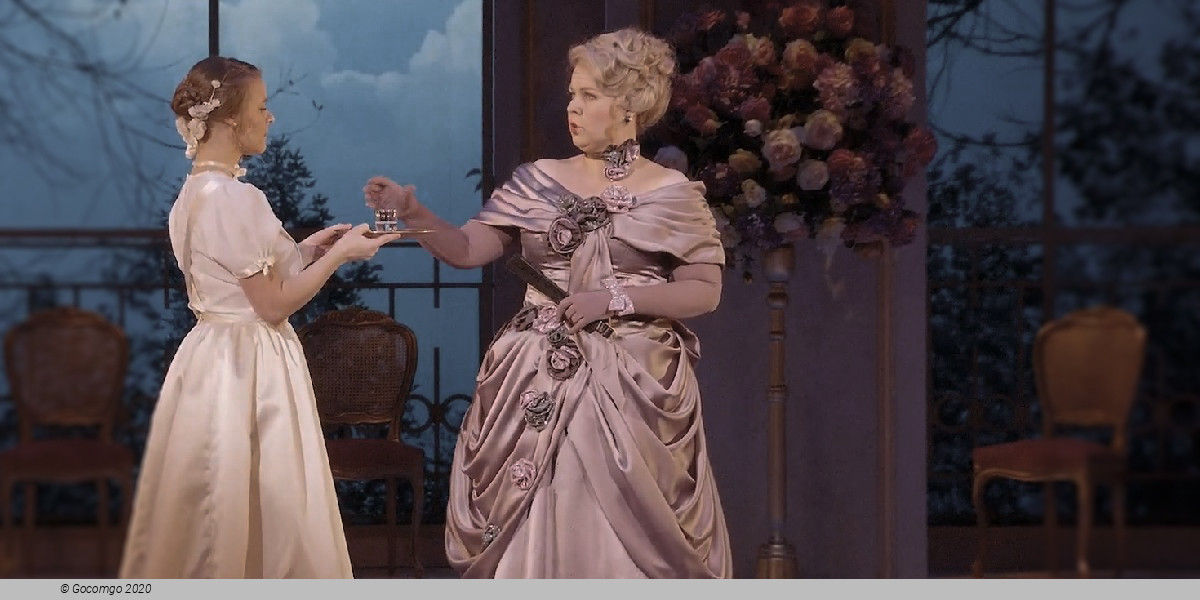
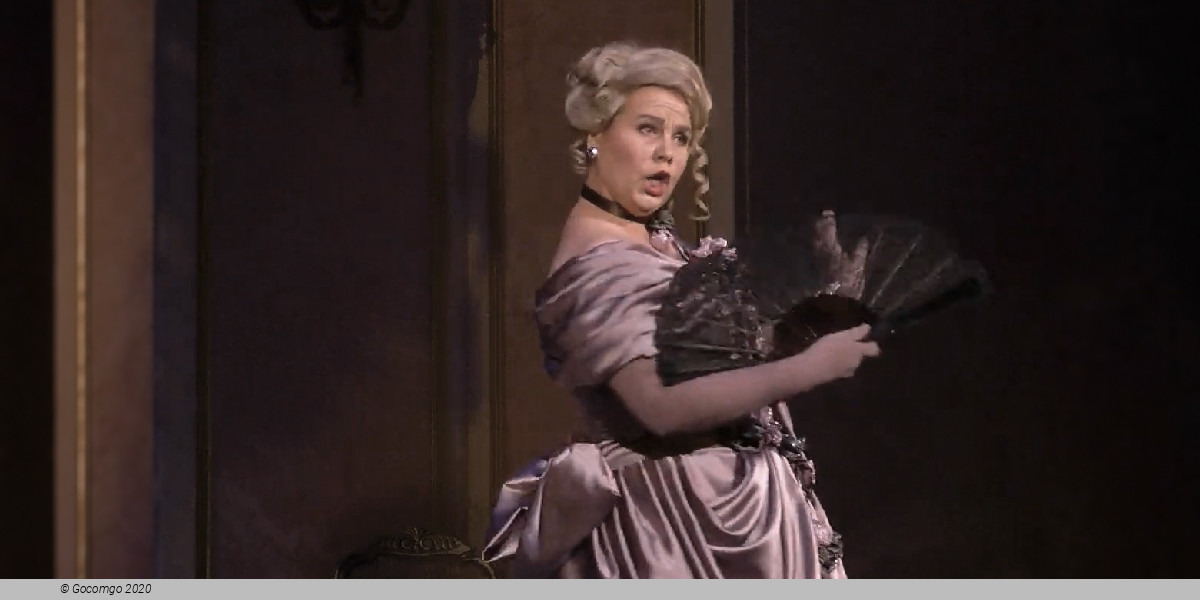
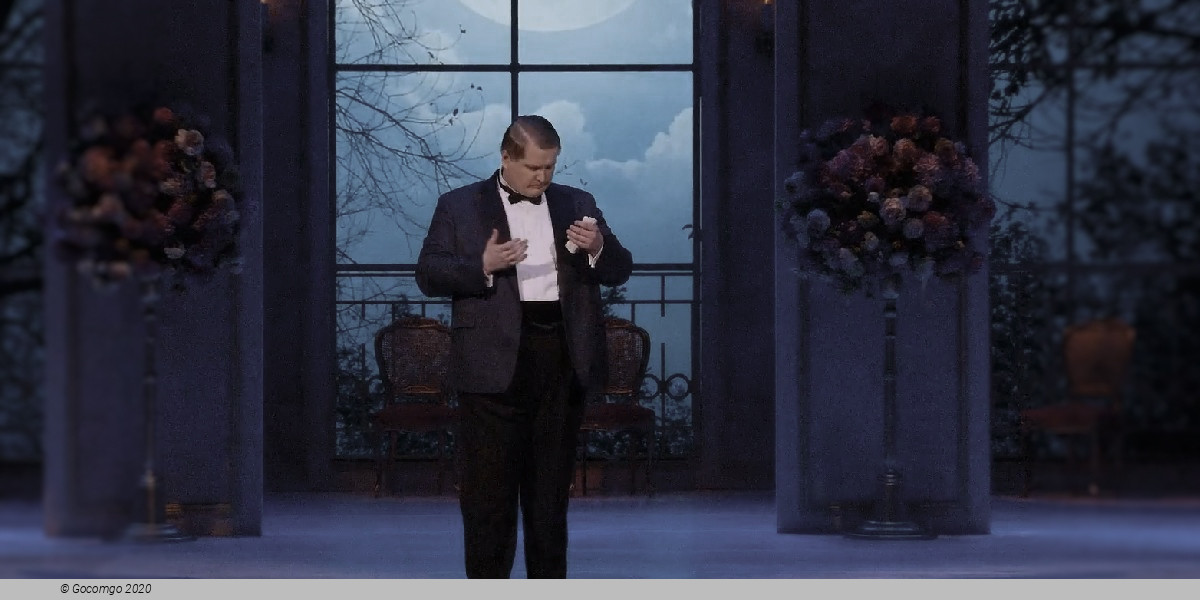
Austro-Hungarian composer Franz Lehár lets intricacies and passions run riot in his witty and charming operetta Der Graf von Luxemburg.

The plot is still pure nonsense: A woman marries a man she is not allowed to meet and falls in love with him unaware that they are already married.

Expect exceptionally high jinks when the Danish National Opera celebrates its 75th anniversary. Under the guidance of artistic director Philipp Kochheim and conducted by director of music Christopher Lichtenstein, Der Graf von Luxemburg will be masterfully performed by singers of the Danish National Opera Chorus.

The operetta Die lustige Witwe from 1905 brought national and international fame to Lehár, whose musical oeuvre includes some of the world’s most famed operettas.

With this new rendition of Der Graf von Luxemburg, audiences will enjoy some of Lehár’s most-loved tunes during a rapturous evening of light-hearted hilarity.

History
Premiere of this production: 12 November 1909, Theater an der Wien, Vienna

The Count of Luxembourg is an operetta in three acts by Franz Lehár to a German libretto by Alfred Willner, Robert Bodanzky, and Leo Stein. A Viennese take on bohemian life in Paris at the beginning of the 20th century, the story revolves around an impoverished aristocrat and a glamorous opera singer who have entered into a sham marriage without ever seeing each other and later fall in love at first sight, unaware that they are already husband and wife.

Synopsis

Setting: Paris, around 1900

Act 1
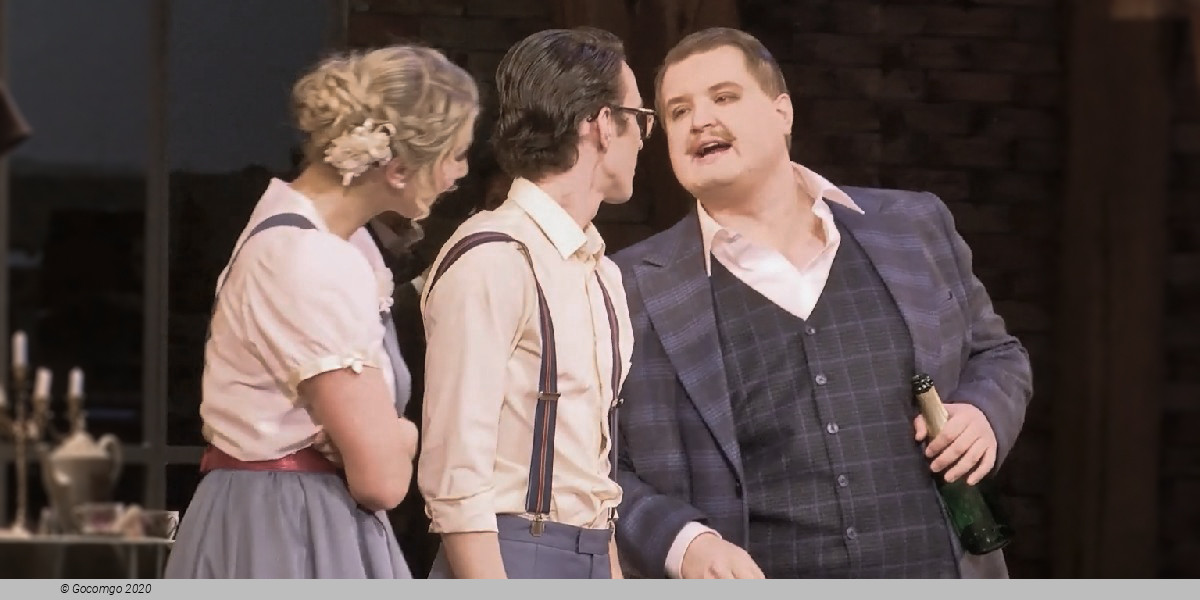
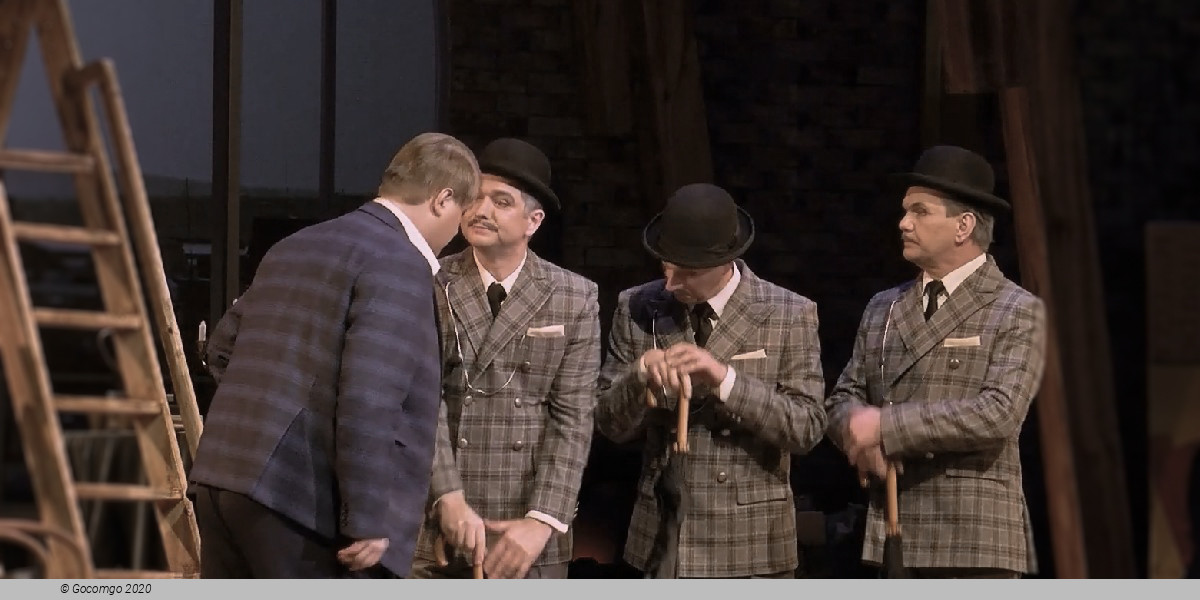
It is the height of the Mardi Gras season in Paris. René, the impoverished but debonair Count of Luxemburg, is sharing a garret in Montmartre with his artist friend, Armand Brissard, who is in turn in love with Juliette Vermont, a dancer and the model for his latest painting. Meanwhile, a middle-aged Russian prince, Basil Basilowitsch, is infatuated with the young opera singer, Angèle Didier. However, he cannot marry her because she is a commoner. He offers René 500,000 francs to enter into a sham marriage with Angèle and then divorce her three months later. With title of "Countess", Angèle can then marry Prince Basilowitsch. (Attracted by the idea of eventually becoming a princess, Angèle had agreed to the plan.) The wedding takes place in Armand's studio. To ensure that no romantic complications develop, the couple are never to meet face-to-face. René promises to disappear for the next three months and a screen made from one of Armand's easels separates René and his "bride" during the ceremony. Alone after the ceremony, René looks forward to resuming his playboy lifestyle with his new-found wealth but at the same time is disturbed by the attraction he felt when he touched the unknown woman's hand through the screen.

Act 2
A party is taking place at Angèle's house on the eve of her impending divorce from René. Three months have passed during which time René has been travelling with Armand. However, on his return René has seen Angèle perform at the Paris Opera and is deeply attracted to her. Determined to meet the singer, he and Armand attend her party, with René presenting himself as "Baron von Reval". The two fall in love, not knowing that they are already married to each other. Angèle tells René of the impossibility of their love as she is about to be divorced from one man and is engaged to marry another. Prince Basilowitsch is also at the party, and alarmed at the turn of events, publicly announces his engagement to Angèle. René and Angèle now realize the true situation, but René has no money to buy himself out of the contract, having already squandered much of the 500,000 francs he had received from the prince.

Act 3
The next day in the lounge of the Grand Hotel where René has been staying since his return to Paris, he and Angèle discuss their predicament. They are joined by Countess Kokozow, Prince Basil's former fiancée. Prince Basil stumbles into her arms in a frantic search for Angèle only to hear that the Tsar has ordered him to keep his promise and marry the countess instead. René learns that his confiscated properties have been returned to him. He is now a rich man, can repay the prince, and stay married to Angèle with his honour intact. Armand and Juliette, whose relationship has often been tempestuous, arrive and announce that they too have finally decided to marry.

Venue Info

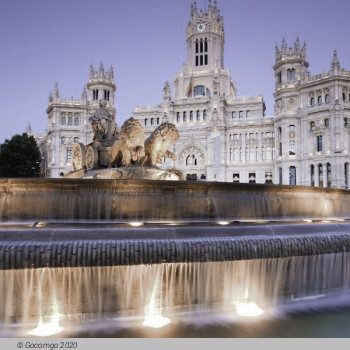
Royal Danish Theatre - Copenhagen
Location   August Bournonvilles Passage 2-8

The Royal Danish Theatre is the major opera house in Denmark. It has been located at Kongens Nytorv in Copenhagen since 1748, originally designated as the king's theatre but with public access. The theatre presents opera, the Royal Danish Ballet, classical music concerts (by the Royal Danish Orchestra, which dates back to 1448), and drama in several locations.

The Royal Danish Theatre organization is under the control of the Danish Ministry of Culture, and its objectives are to ensure the staging of outstanding performances that do justice to the various stages that it controls.

The first edifice on the site was designed by court architect Nicolai Eigtved, who also masterminded Amalienborg Palace. In 1774, the old theatre seating 800 theatergoers were reconstructed by architect C.F. Harsdorff to accommodate a larger audience.

During the theatre's first seasons the staffing was modest. Originally, the ensemble consisted of eight actors, four actresses, two male dancers, and one female dancer. Gradually over the following decades, the Royal Danish Theatre established itself as the kind of multi-theatre we know today, home to drama, opera, ballet, and concerts – all under the same roof and management.

An important prerequisite for the theatre's artistic development is its schools. The oldest is the ballet school, established at the theatre in 1771. Two years later, a vocal academy was established as a forerunner for the opera academy. A number of initiatives were considered regarding a drama school, which was established much later.

King Frederik VI, who ascended the throne in 1808, is probably the monarch who most actively took part in the management of the Royal Danish Theatre, not as an arbiter of taste but as its supreme executive chef.

The theatre's bookkeeping accounts of these years show numerous endorsements where the king took personal decisions on everything from wage increases and bonuses to the purchase of shoelaces for the ballerinas. Indeed, the Royal Danish Theatre became the preoccupation of an introverted nation, following the English Wars had suffered a state bankruptcy. "In Denmark, there is only one city and one theatre," as philosopher Søren Kierkegaard put it.

This was the theatre to which the 14-year-old fairytale storyteller Hans Christian Andersen devoted his early ambition. This was also the theatre that became the social and artistic focal point of the many brilliant artists of Denmark's Golden Age.

After the abolition of absolute monarchy in 1849, the Royal Danish Theatre's status as "the city's theatre" fell into decline. No longer enjoying a monopoly within the performing arts, the Royal Danish Theatre was now required by its new owner, the state, to serve the entire nation. The dilapidated building at Kongens Nytorv also found it hard to compete with the splendor of the new popular stage that was rapidly emerging across town. The solution was to construct a brand new theatre building. It was designed in the Historicist style of the times by architects William Dahlerup and Ove Pedersen and situated alongside the old theatre, which was subsequently demolished.

The inauguration of what we today call the Old Stage took place on 15 October 1874. Here opera and ballet were given ample scope. But due to the scale of the building, the auditorium was less suited for spoken drama, which is why a new playhouse was required.

The Royal Danish Theatre has over the past decade undergone the most extensive transformation ever in its over 250-year history. The Opera House in Copenhagen was inaugurated in January 2005, donated by the AP Møller and Chastine Mc-Kinney Møller Foundation, and designed by architect Henning Larsen. And the Royal Danish Playhouse was completed in 2008. Located by Nyhavn Canal across from the Opera House, the playhouse is designed by architects Boje Lundgaard and Lene Tranberg.

Today, the Royal Danish Theatre comprises the Old Stage, located by Kongens Nytorv, the Opera House, and the Royal Danish Playhouse. 

Important Info
Type: Operetta
City: Copenhagen, Denmark
Starts at: 19:30
Intervals: 1
Duration: 2h 30min
Top of page