
Royal Danish Theatre 2 June 2023 - Napoli | GoComGo.com

Napoli

Royal Danish Theatre, The Old Stage, Copenhagen, Denmark
All photos (10)
Select date and time
8 PM

E-tickets: Print at home or at the box office of the event if so specified. You will find more information in your booking confirmation email.

You can only select the category, and not the exact seats.
If you order 2 or 3 tickets: your seats will be next to each other.
If you order 4 or more tickets: your seats will be next to each other, or, if this is not possible, we will provide a combination of groups of seats (at least in pairs, for example 2+2 or 2+3).

Important Info
Type: Ballet
City: Copenhagen, Denmark
Starts at: 20:00

E-tickets: Print at home or at the box office of the event if so specified. You will find more information in your booking confirmation email.

You can only select the category, and not the exact seats.
If you order 2 or 3 tickets: your seats will be next to each other.
If you order 4 or more tickets: your seats will be next to each other, or, if this is not possible, we will provide a combination of groups of seats (at least in pairs, for example 2+2 or 2+3).

Overview

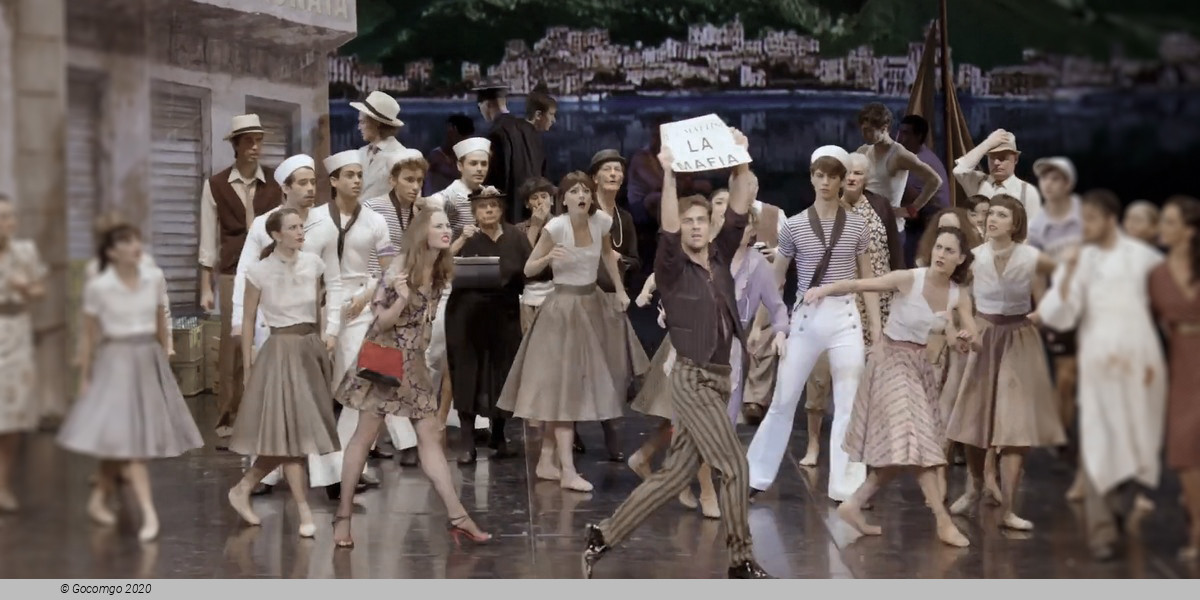
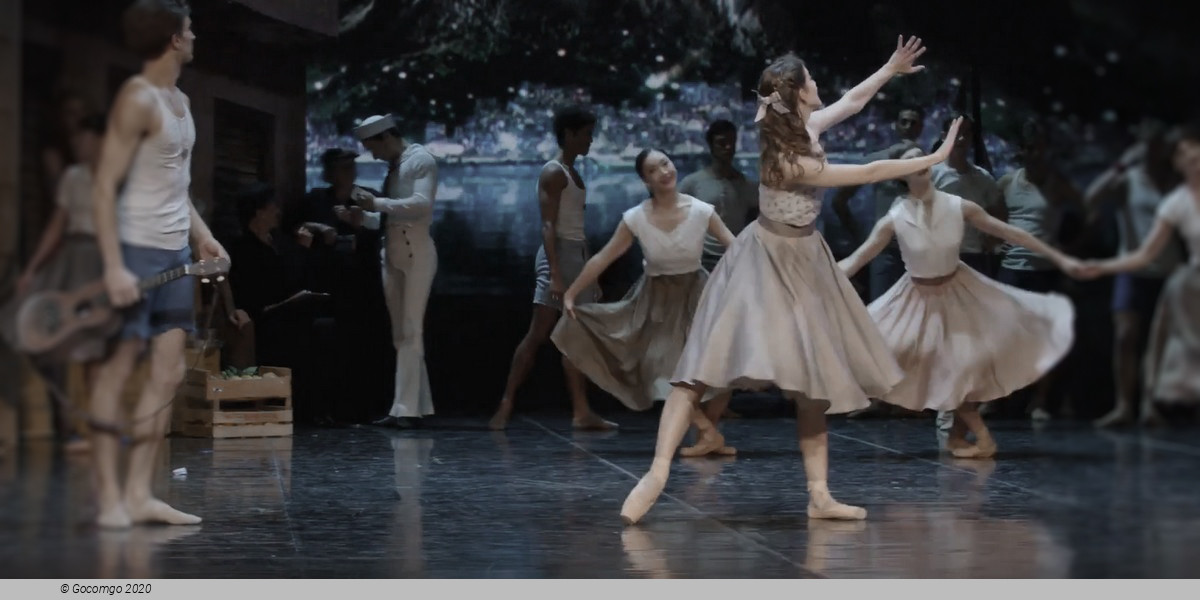
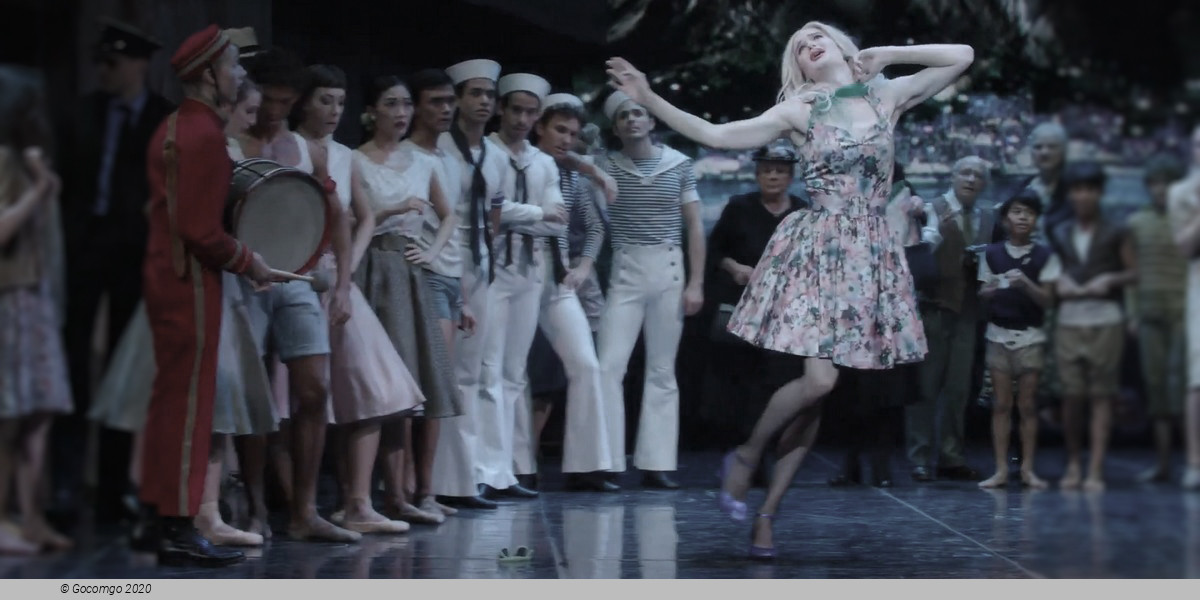
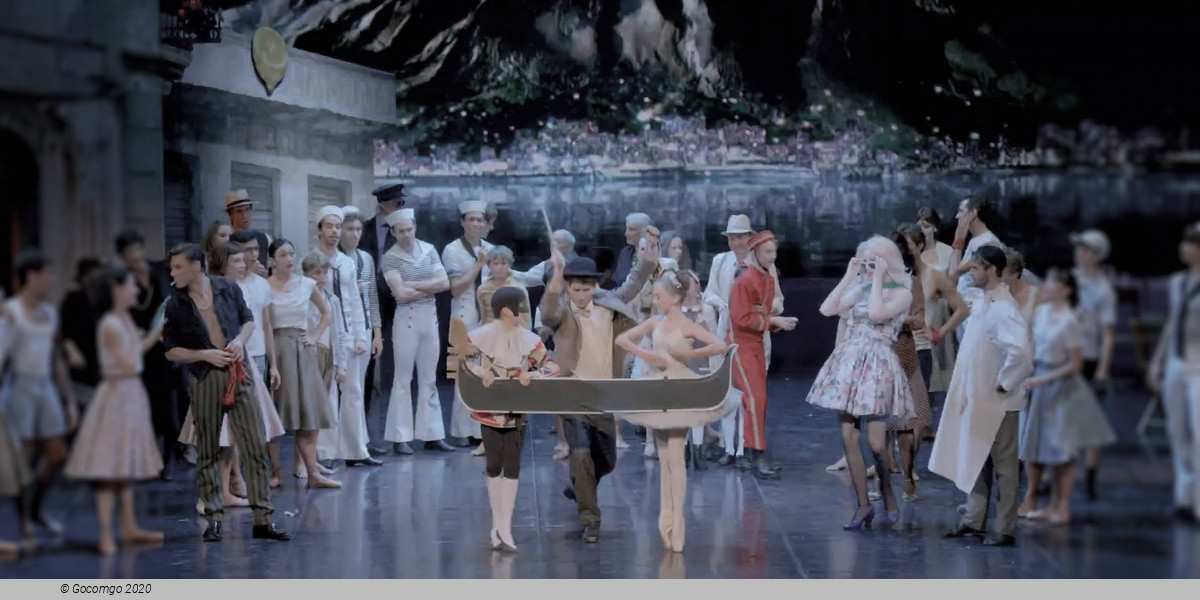
Join the Royal Danish Ballet for a street party in Napoli, August Bournonville’s beloved ballet.

Teresina loves Gennaro, and Gennaro loves Teresina. Indeed, everything should spell bliss. But their love must first pass the greatest of tests before they can celebrate their wedding in romantic Naples.

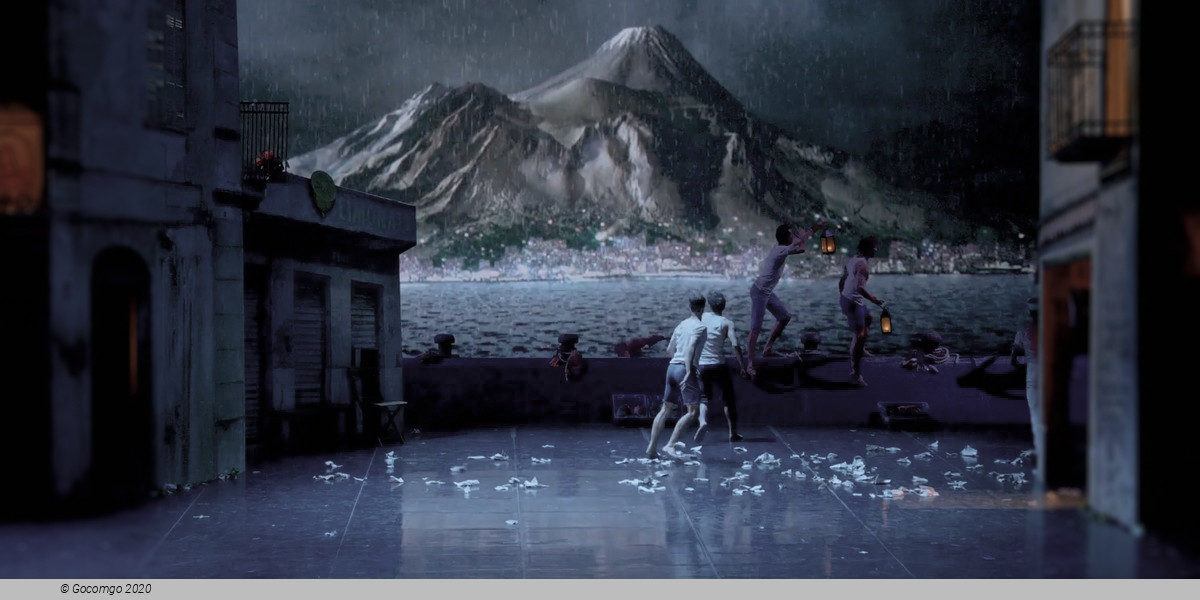
There is festivity, folklore and fiery flirtation in the air in the southern Italian city at the foot of Mount Vesuvius. Here, we meet the tender-aged lovebirds, Teresina and Gennaro, who oscillate between the colourful street scenes of the fishing village and the captivating allure of the blue grotto. But together they manage to overcome even the most trying tribulations and temptations to live happily ever after.

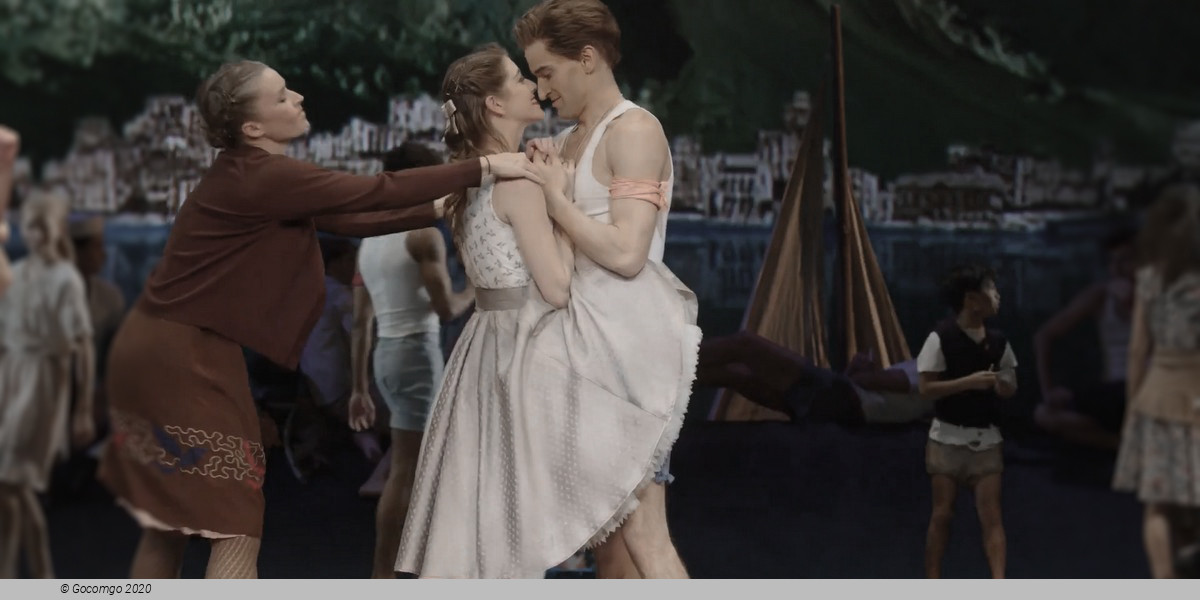
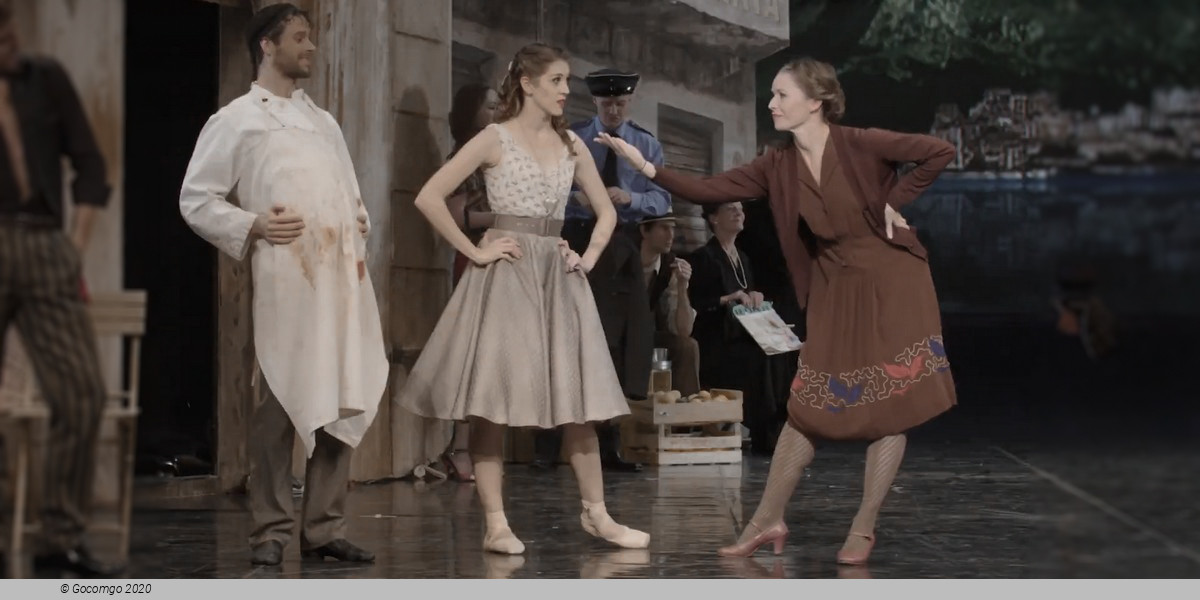
In their interpretation of the ballet, Nikolaj Hübbe and Sorella Englund have opted to relocate the ballet story to 1950s Italy. Their inspiration is not least drawn from the films of Federico Fellini with their frivolity and darkness.

Ironically, lèse-majesté led to the creation of Napoli when in 1841, August Bournonville addressed the monarch directly from the stage, which was an unpardonable offence at the time. He was exiled in shame and in the spirit of the Danish Golden Age, he ventured to Italy. Here, he created Napoli, which is still one of Denmark’s favourite ballets.

History
Premiere of this production: 30 November 1841, Denmark's Royal Ballet

Napoli, or The Fisherman and His Bride is a ballet created in 1842 for Denmark's Royal Ballet by Danish choreographer and ballet master August Bournonville. It tells the story of Teresina, a young Italian girl who falls in love with Gennaro, a fisherman, and culminates in the marriage of the lovers.

Synopsis

Act I (The Market)

Teresina's mother, Veronica, who does not want her to marry poor Gennaro, introduces her to two other suitors. These are two older but rich men named Peppo and Giacomo. Teresina, much to her mother's distress, refuses them both and instead goes off to wait for Gennaro. When Gennaro arrives back at port, he and Teresina go to find Veronica and try to convince her that they should wed. Luckily for them, this task proves relatively easy once she sees how true the young couple's love is. Full of happiness Teresina and Gennaro sail off together.

Meanwhile, a group of entertainers come and put on a show for the townsfolk. However, a violent storm begins and the festivities come to an abrupt end. When the storm ends, Gennaro is found, but Teresina is not. Thinking she has drowned, Veronica openly mourns for her daughter and blames Gennaro for her death. So stricken by this turn of events Gennaro becomes so agitated that he almost commits suicide, but stops when he sees a statue of the Madonna. Soon Fra Ambrosio, the local monk, appears and gives him a picture of the Madonna telling him to go and find Teresina.

Act II (The Blue Grotto)

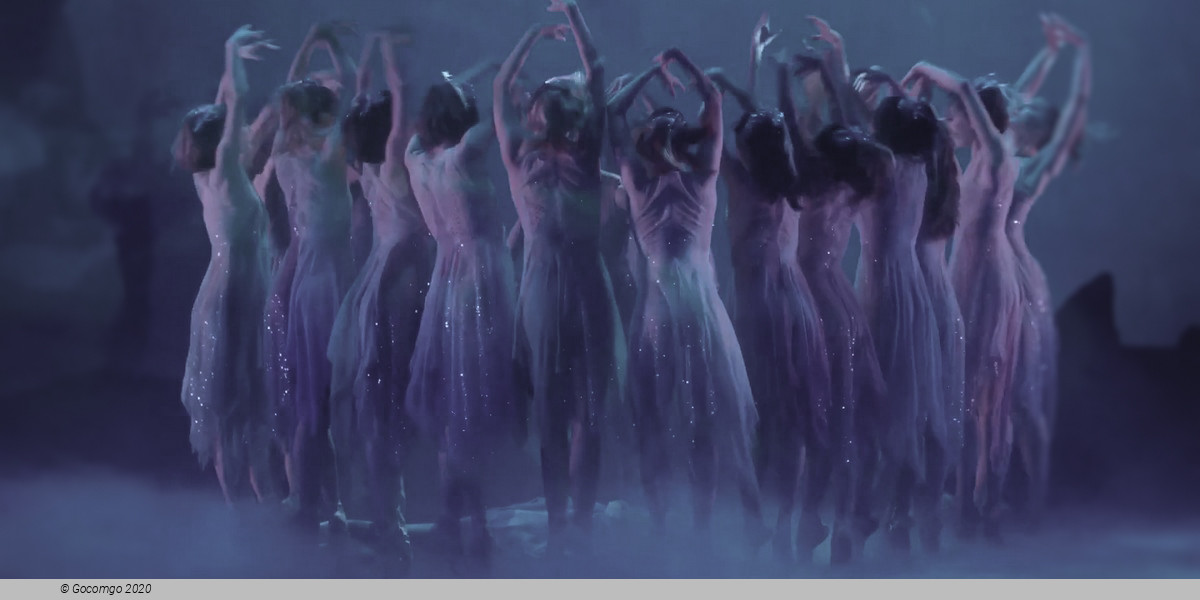
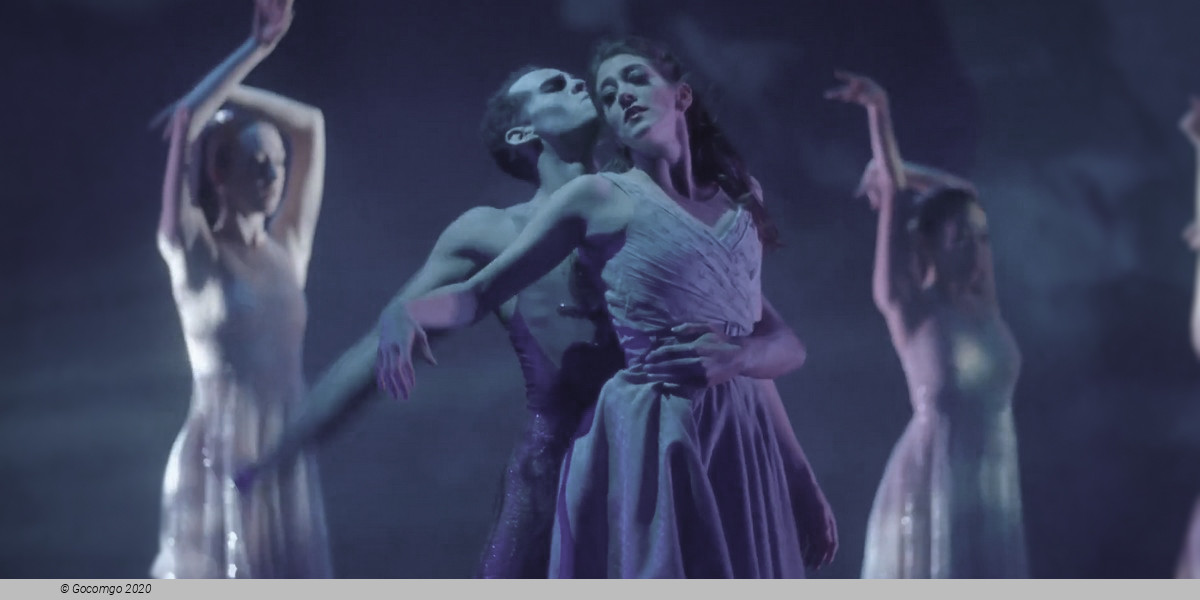
Gennaro looks everywhere for Teresina and eventually finds her in the Blue Grotto, a magical place ruled by Golfo who has turned Teresina into a naiad (Fairy of the Sea). Because of the transformation, Teresina no longer remembers Gennaro. However, through faith, Teresina is changed back into a human and has her memory restored. Quickly, Gennaro and Teresina leave the Grotto to return to Naples.

Act III (The Wedding)

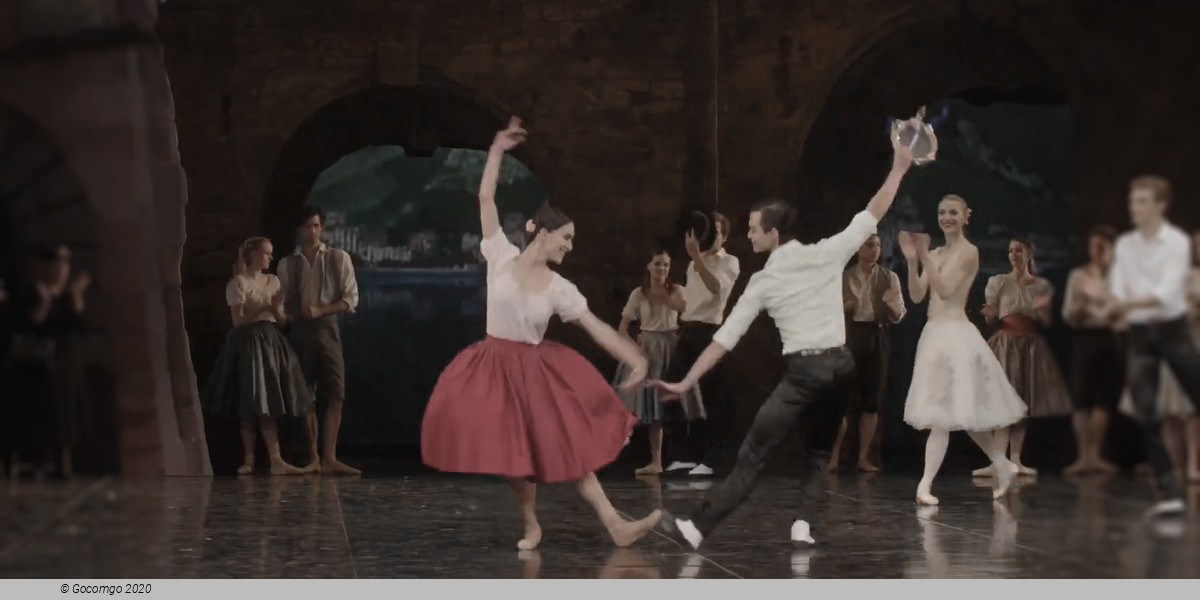
When Teresina and Gennaro return the townsfolk are suspicious because they had thought Teresina was dead. Peppo and Giacamo even try to convince everyone that Gennaro is in league with the devil. This rumor is soon disproved and the wedding reception begins.

Venue Info

Royal Danish Theatre - Copenhagen
Location   August Bournonvilles Passage 2-8

The Royal Danish Theatre is the major opera house in Denmark. It has been located at Kongens Nytorv in Copenhagen since 1748, originally designated as the king's theatre but with public access. The theatre presents opera, the Royal Danish Ballet, classical music concerts (by the Royal Danish Orchestra, which dates back to 1448), and drama in several locations.

The Royal Danish Theatre organization is under the control of the Danish Ministry of Culture, and its objectives are to ensure the staging of outstanding performances that do justice to the various stages that it controls.

The first edifice on the site was designed by court architect Nicolai Eigtved, who also masterminded Amalienborg Palace. In 1774, the old theatre seating 800 theatergoers were reconstructed by architect C.F. Harsdorff to accommodate a larger audience.

During the theatre's first seasons the staffing was modest. Originally, the ensemble consisted of eight actors, four actresses, two male dancers, and one female dancer. Gradually over the following decades, the Royal Danish Theatre established itself as the kind of multi-theatre we know today, home to drama, opera, ballet, and concerts – all under the same roof and management.

An important prerequisite for the theatre's artistic development is its schools. The oldest is the ballet school, established at the theatre in 1771. Two years later, a vocal academy was established as a forerunner for the opera academy. A number of initiatives were considered regarding a drama school, which was established much later.

King Frederik VI, who ascended the throne in 1808, is probably the monarch who most actively took part in the management of the Royal Danish Theatre, not as an arbiter of taste but as its supreme executive chef.

The theatre's bookkeeping accounts of these years show numerous endorsements where the king took personal decisions on everything from wage increases and bonuses to the purchase of shoelaces for the ballerinas. Indeed, the Royal Danish Theatre became the preoccupation of an introverted nation, following the English Wars had suffered a state bankruptcy. "In Denmark, there is only one city and one theatre," as philosopher Søren Kierkegaard put it.

This was the theatre to which the 14-year-old fairytale storyteller Hans Christian Andersen devoted his early ambition. This was also the theatre that became the social and artistic focal point of the many brilliant artists of Denmark's Golden Age.

After the abolition of absolute monarchy in 1849, the Royal Danish Theatre's status as "the city's theatre" fell into decline. No longer enjoying a monopoly within the performing arts, the Royal Danish Theatre was now required by its new owner, the state, to serve the entire nation. The dilapidated building at Kongens Nytorv also found it hard to compete with the splendor of the new popular stage that was rapidly emerging across town. The solution was to construct a brand new theatre building. It was designed in the Historicist style of the times by architects William Dahlerup and Ove Pedersen and situated alongside the old theatre, which was subsequently demolished.

The inauguration of what we today call the Old Stage took place on 15 October 1874. Here opera and ballet were given ample scope. But due to the scale of the building, the auditorium was less suited for spoken drama, which is why a new playhouse was required.

The Royal Danish Theatre has over the past decade undergone the most extensive transformation ever in its over 250-year history. The Opera House in Copenhagen was inaugurated in January 2005, donated by the AP Møller and Chastine Mc-Kinney Møller Foundation, and designed by architect Henning Larsen. And the Royal Danish Playhouse was completed in 2008. Located by Nyhavn Canal across from the Opera House, the playhouse is designed by architects Boje Lundgaard and Lene Tranberg.

Today, the Royal Danish Theatre comprises the Old Stage, located by Kongens Nytorv, the Opera House, and the Royal Danish Playhouse. 

Important Info
Type: Ballet
City: Copenhagen, Denmark
Starts at: 20:00
Top of page