
Royal Danish Theatre 10 April 2022 - Mitridate, re di Ponto | GoComGo.com

Mitridate, re di Ponto

Royal Danish Theatre, The Old Stage, Copenhagen, Denmark
All photos (6)
Select date and time
3 PM

E-tickets: Print at home or at the box office of the event if so specified. You will find more information in your booking confirmation email.

You can only select the category, and not the exact seats.
If you order 2 or 3 tickets: your seats will be next to each other.
If you order 4 or more tickets: your seats will be next to each other, or, if this is not possible, we will provide a combination of groups of seats (at least in pairs, for example 2+2 or 2+3).

Important Info
Type: Opera
City: Copenhagen, Denmark
Starts at: 15:00
Intervals: 1
Duration: 3h 10min

E-tickets: Print at home or at the box office of the event if so specified. You will find more information in your booking confirmation email.

You can only select the category, and not the exact seats.
If you order 2 or 3 tickets: your seats will be next to each other.
If you order 4 or more tickets: your seats will be next to each other, or, if this is not possible, we will provide a combination of groups of seats (at least in pairs, for example 2+2 or 2+3).

Overview

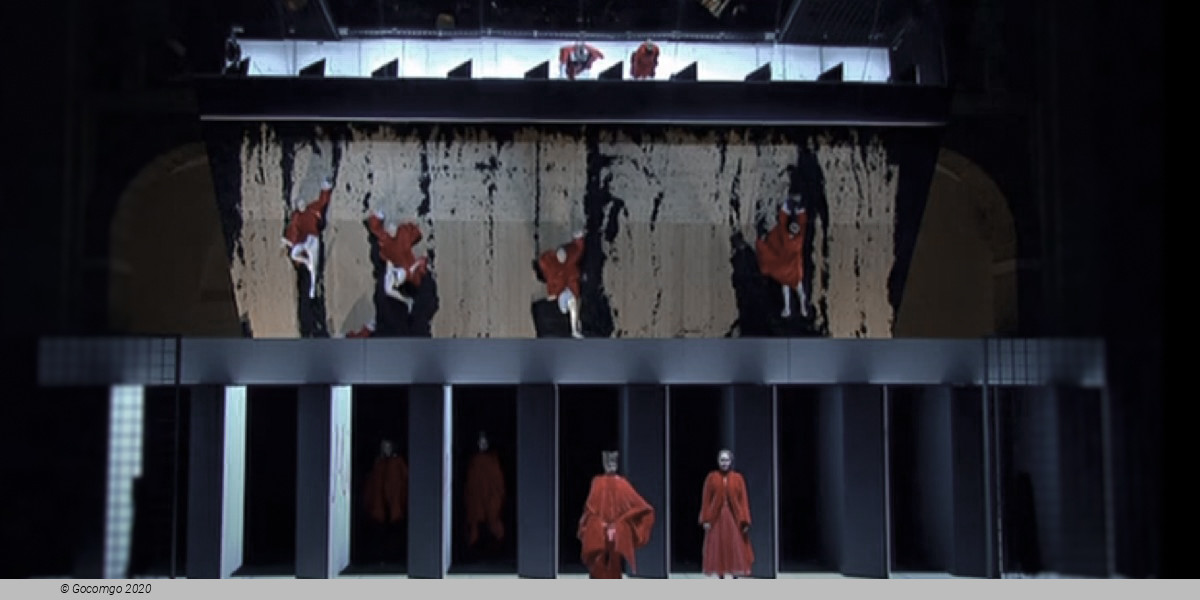
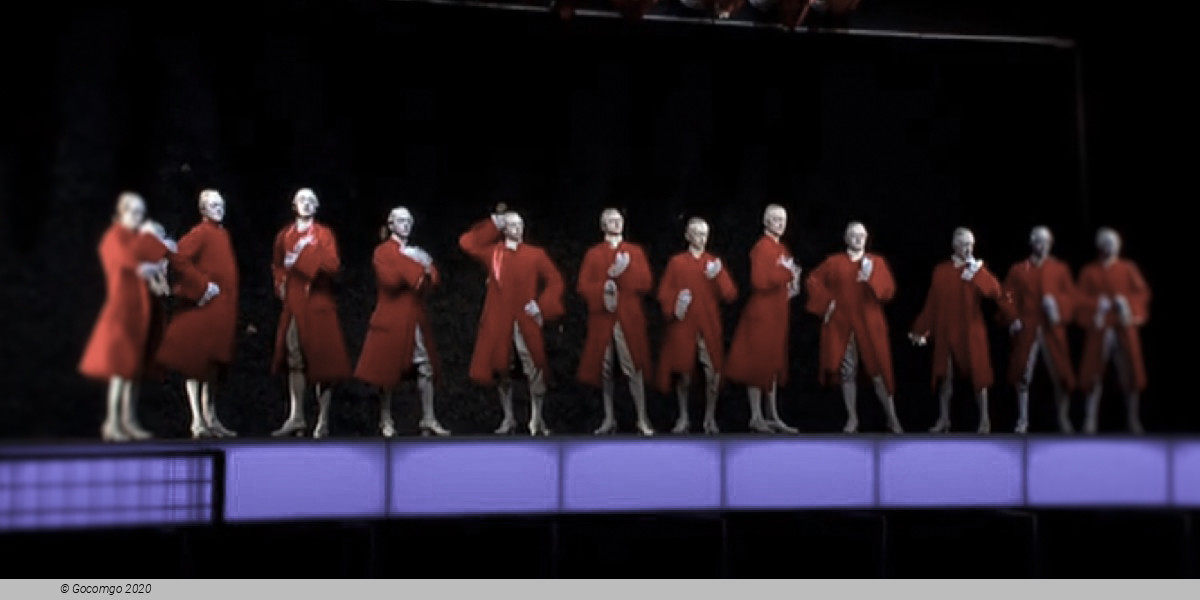
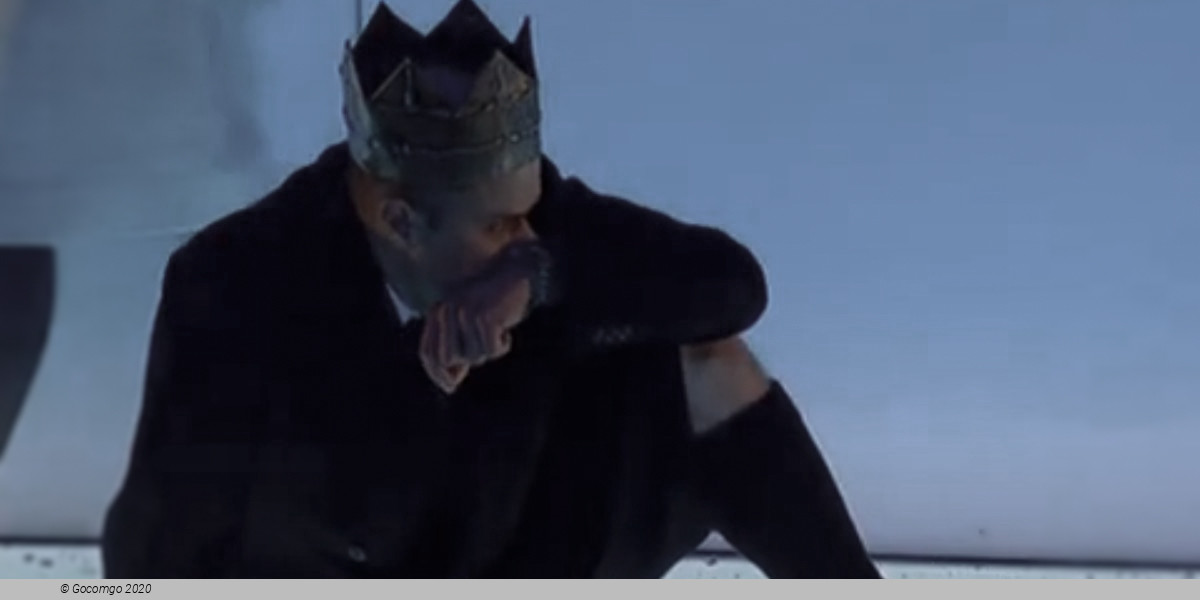
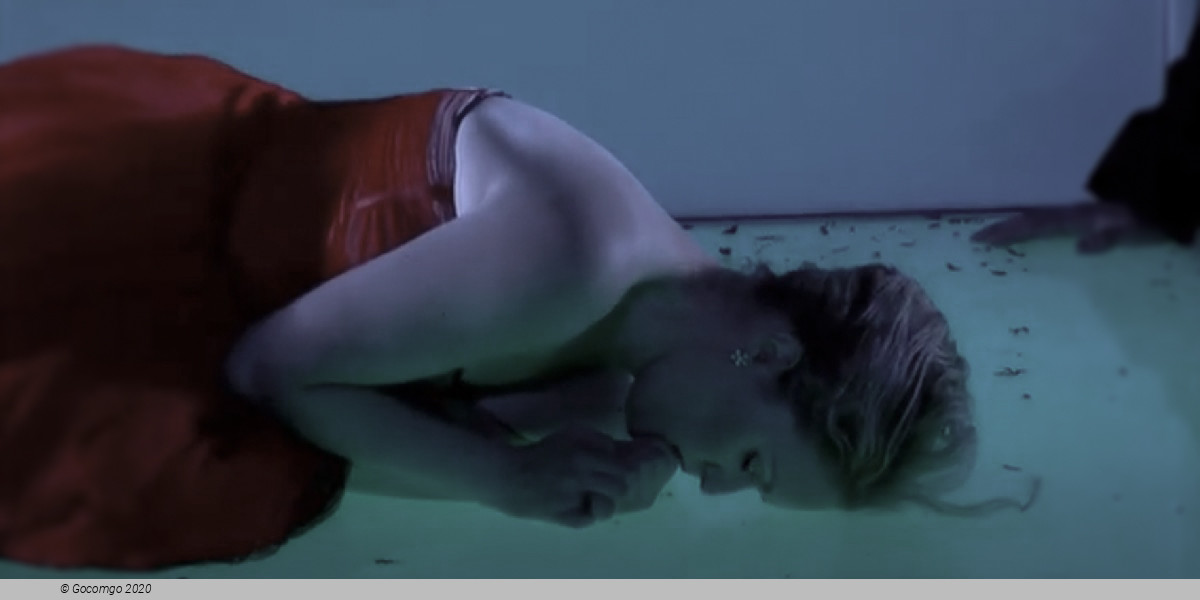
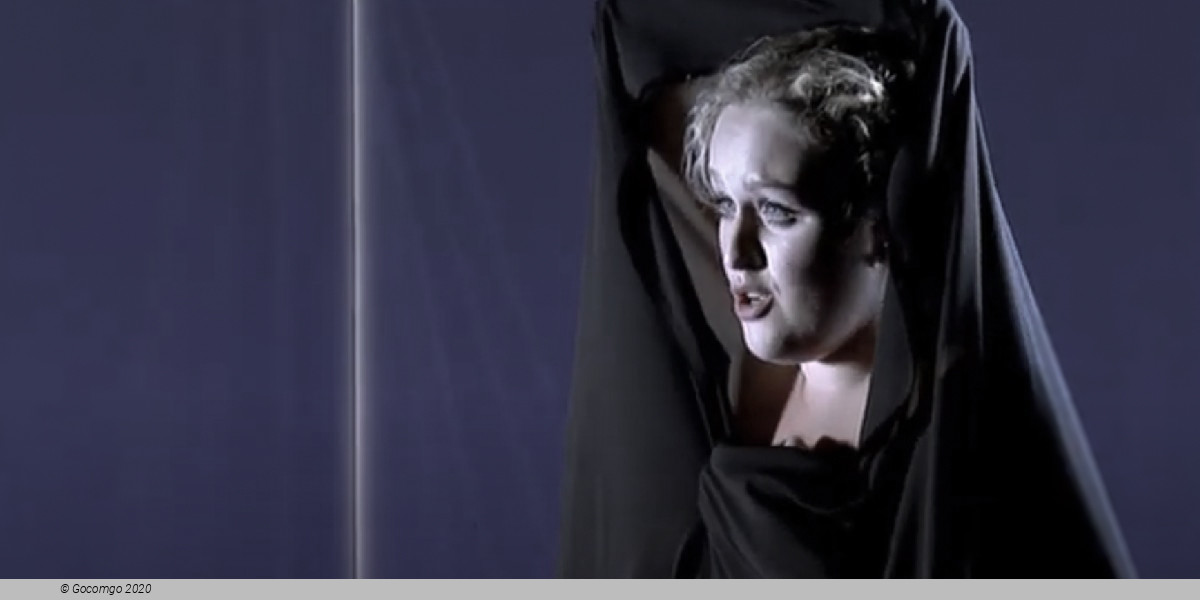
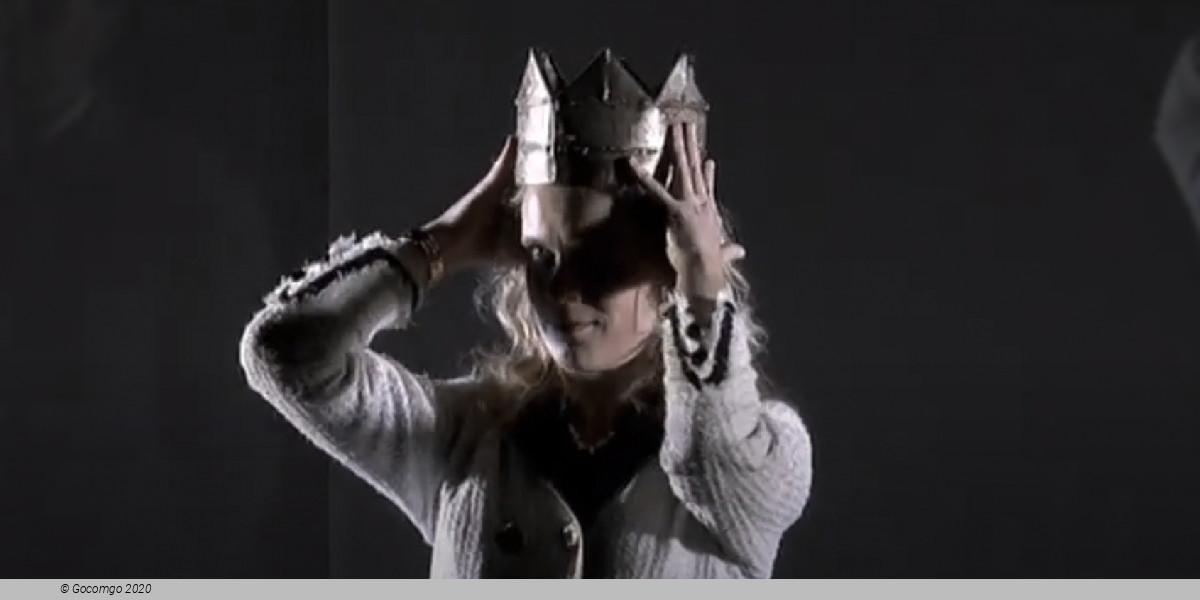
Mozart was a fearless youth of just fourteen when he composed Mitridate, re di Ponto. The ambitious juvenile work with incorporated ballet dancing embodies the burgeoning genius of this extraordinary composer.

Mozart’s Mitridate, re di Ponto is based on a play by Jean Racine about King Mitridate and his two sons, who all fall in love with the same princess, Aspasia, amidst a major conflict with the Roman Empire.

Mozart began his first journey to Italy in 1769, at a tender age. He wrote his dramma per musica in Milan, where he had singers at hand. As was expected of him, he customised the roles to each individual singer, showering them with vocal stardust.

The composer wrote to his father that “an aria must be adapted to the singer as a well-made set of clothes”. It must have been quite overwhelming for a 14-year-old boy to face a prima donna or a troublesome tenor adept in vocal pyrotechnics.

Indeed, Mozart toiled strenuously before the singers at the Italian theatre were finally satisfied.

Mitridate, re di Ponto requires rhythmic vitality and with Skånes Dansteater’s ballet performance, the opera is given a new lease of life.

In the historical setting of the Old Stage, conductor Lars Ulrik Mortensen offers a veritable guarantee of temperament and musical glow in Concerto Copenhagen’s interpretation of Mozart’s tonal world.

Mitridate, re di Ponto is a must-see for Mozart fans with a love of awe-inspiring vocals. Mozart in his youth was, indeed, daunted by neither heights nor tongue-twisting coloraturas.

History

Mitridate, re di Ponto (Mithridates, King of Pontus) is an early opera seria in three acts by Wolfgang Amadeus Mozart. The libretto is by Vittorio Amedeo Cigna-Santi, after Giuseppe Parini's Italian translation of Jean Racine's play Mithridate.

Synopsis

Place: around the Crimean port of Nymphæum
Time: 63BC during the conflict between Rome and Pontus

Prologue
Mitridate, having suffered a heavy defeat in battle, is presumed dead. This false news is passed by Arbate, the Governor, to Aspasia (Mitridate's fiancée) and to Farnace and Sifare (Mitridate's sons).

Act 1
Scene 1
Arbate, the governor of Nymphæum, welcomes Sifare. We learn that Sifare resents his brother, Farnace, because of his brother’s strong ties with their enemies, the Romans. Arbate pledges his loyalty to Sifare. Aspasia pleads for Sifare to help her against advances by Farnace. He accepts her plea and reveals his love for her.

Scene 2
Farnace makes his advances to Aspasia. She refuses, supported by Sifare, who protects her from his forceful brother. News arrives that Mitridate is alive and is approaching the city. Arbate urges the brothers to conceal their differences and greet their father. The brothers agree to hide their feelings for Aspasia. Farnace conspires with Marzio, Roman legionary officer, against Mitridate.

Scene 3
Mitridate arrives on the shores of Nymphæaum with Princess Ismene, daughter of his ally the King of Parthia. Mitridate wants Farnace to marry Ismene, his promised bride. Ismene is in love with Farnace but senses problems and is worried about her future. Arbate tells Mitridate that Farnace is pursuing Aspasia, not mentioning Sifare. The jealous Mitridate swears revenge on Farnace.

Act 2
Scene 1
Farnace scorns and threatens Ismene. She tells Mitridate, who suggests that she should marry Sifare. Mitridate asks Aspasia for immediate marriage but she hesitates, proving to him that she is unfaithful. Aspasia confesses love to Sifare but they both agree to part to save their honour. Sifare plans to leave and Aspasia is troubled by the conflict between love and duty.

Scene 2
Mitridate is aware of Farnace's plot against him with the Romans; he plans his revenge, despite Marzio’s offer of peace, and arrests Farnace to execute him. Ismene rescues the prince, who admits his treachery but implicates Sifare. Mitridate tricks Aspasia into admitting her love for Sifare and swears revenge. Aspasia and Sifare wish to die together, in fear of Mitridate’s threats.

Act 3
Scene 1
Ismene, still in love with Farnace, tries to convince Mitridate to forgive Aspasia. The Romans attack and Mitridate leaves for battle. Aspasia contemplates suicide by poison. Sifare also wants to die, and joins his father in the battle.

Scene 2
Marzio liberates Farnace and promises him the rule of Nymphæum. Farnace changes his mind, deciding to side with Mitridate.

Scene 3
Defeated, Mitridate commits suicide, avoiding captivity. Before he dies he gives his blessing to Sifare and Aspasia and forgives Farnace, who now agrees to marry Ismene. All four pledge to free the world from Rome.

Venue Info

Royal Danish Theatre - Copenhagen
Location   August Bournonvilles Passage 2-8

The Royal Danish Theatre is the major opera house in Denmark. It has been located at Kongens Nytorv in Copenhagen since 1748, originally designated as the king's theatre but with public access. The theatre presents opera, the Royal Danish Ballet, classical music concerts (by the Royal Danish Orchestra, which dates back to 1448), and drama in several locations.

The Royal Danish Theatre organization is under the control of the Danish Ministry of Culture, and its objectives are to ensure the staging of outstanding performances that do justice to the various stages that it controls.

The first edifice on the site was designed by court architect Nicolai Eigtved, who also masterminded Amalienborg Palace. In 1774, the old theatre seating 800 theatergoers were reconstructed by architect C.F. Harsdorff to accommodate a larger audience.

During the theatre's first seasons the staffing was modest. Originally, the ensemble consisted of eight actors, four actresses, two male dancers, and one female dancer. Gradually over the following decades, the Royal Danish Theatre established itself as the kind of multi-theatre we know today, home to drama, opera, ballet, and concerts – all under the same roof and management.

An important prerequisite for the theatre's artistic development is its schools. The oldest is the ballet school, established at the theatre in 1771. Two years later, a vocal academy was established as a forerunner for the opera academy. A number of initiatives were considered regarding a drama school, which was established much later.

King Frederik VI, who ascended the throne in 1808, is probably the monarch who most actively took part in the management of the Royal Danish Theatre, not as an arbiter of taste but as its supreme executive chef.

The theatre's bookkeeping accounts of these years show numerous endorsements where the king took personal decisions on everything from wage increases and bonuses to the purchase of shoelaces for the ballerinas. Indeed, the Royal Danish Theatre became the preoccupation of an introverted nation, following the English Wars had suffered a state bankruptcy. "In Denmark, there is only one city and one theatre," as philosopher Søren Kierkegaard put it.

This was the theatre to which the 14-year-old fairytale storyteller Hans Christian Andersen devoted his early ambition. This was also the theatre that became the social and artistic focal point of the many brilliant artists of Denmark's Golden Age.

After the abolition of absolute monarchy in 1849, the Royal Danish Theatre's status as "the city's theatre" fell into decline. No longer enjoying a monopoly within the performing arts, the Royal Danish Theatre was now required by its new owner, the state, to serve the entire nation. The dilapidated building at Kongens Nytorv also found it hard to compete with the splendor of the new popular stage that was rapidly emerging across town. The solution was to construct a brand new theatre building. It was designed in the Historicist style of the times by architects William Dahlerup and Ove Pedersen and situated alongside the old theatre, which was subsequently demolished.

The inauguration of what we today call the Old Stage took place on 15 October 1874. Here opera and ballet were given ample scope. But due to the scale of the building, the auditorium was less suited for spoken drama, which is why a new playhouse was required.

The Royal Danish Theatre has over the past decade undergone the most extensive transformation ever in its over 250-year history. The Opera House in Copenhagen was inaugurated in January 2005, donated by the AP Møller and Chastine Mc-Kinney Møller Foundation, and designed by architect Henning Larsen. And the Royal Danish Playhouse was completed in 2008. Located by Nyhavn Canal across from the Opera House, the playhouse is designed by architects Boje Lundgaard and Lene Tranberg.

Today, the Royal Danish Theatre comprises the Old Stage, located by Kongens Nytorv, the Opera House, and the Royal Danish Playhouse. 

Important Info
Type: Opera
City: Copenhagen, Denmark
Starts at: 15:00
Intervals: 1
Duration: 3h 10min
Top of page