

 221 Avenue Jean Jaurès
The Philharmonie de Paris is a complex of concert halls in Paris, France. The buildings also house exhibition spaces and rehearsal rooms. The main buildings are all located in the Parc de la Villette at the northeastern edge of Paris in the 19th arrondissement. At the core of this set of spaces is the symphonic concert hall of 2,400 seats designed by Jean Nouvel and opened in January 2015. Its construction had been postponed for about twenty years to complete the current musical institution la Cité de la Musique designed by Christian de Portzamparc and opened since 1995. Mainly dedicated to symphonic concerts, the Philharmonie de Paris also present other forms of music such as jazz and world music.
Designed by Jean Nouvel, the Philharmonie 1 is an organic design with innovative forms rising like a hill within the Parc de la Villette. Aluminium panels in a basketweave design swirl tightly around the structure and contrast with the rest of its matte exterior. The exterior features the images of 340,000 birds etched into the surface in seven different shapes and four shades ranging from light grey to black to symbolize a grand take-off. The rooftop, 37 metres high, will be open to the public and will give visitors an expansive view of the city blending into the suburbs.
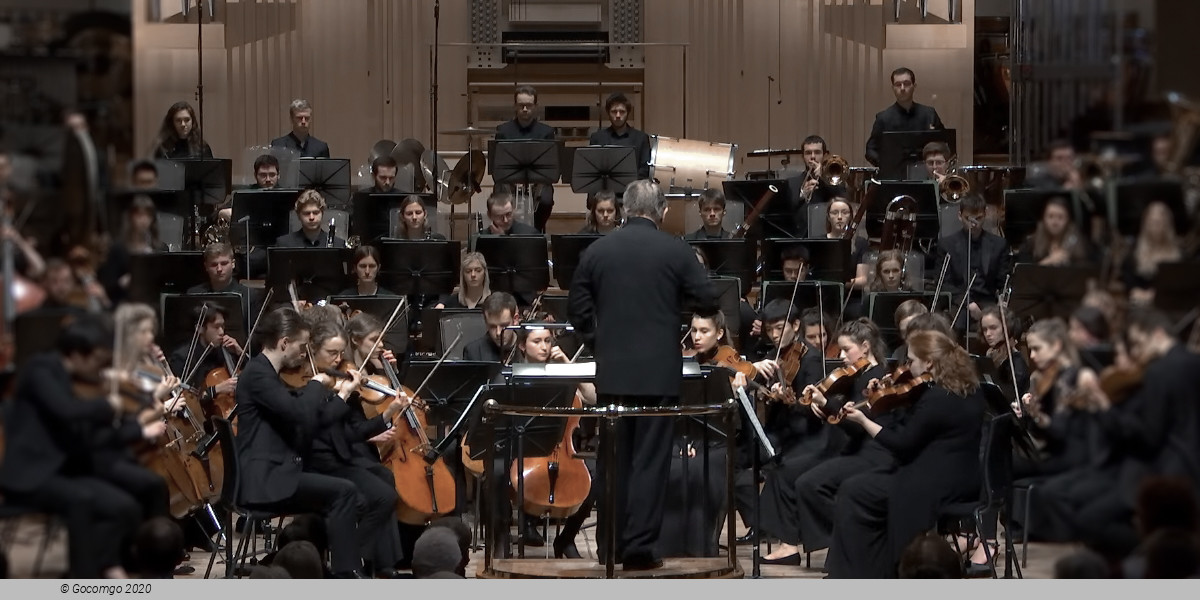
The building houses the site's largest concert hall, called the Grande Salle Pierre Boulez. The design of the auditorium follows the model pioneered by the Berlin Philharmonie to intensify the feeling of intimacy between the performers and their audience. Indeed, the auditorium adapted the way the 2400 seats are distributed, between the parterre, behind the stage and on floating balconies around the central stage. The farthest spectator is only 32 metres from the conductor (compared to 40 or 50 metres in most large symphony halls). The hall's enveloping configuration is designed to immerse the spectator in the music. Its walls are composed of moving panels designed to redirect the sound in multiple directions. These panels alternate with sound absorbing surfaces, specially treated to increase reflection and reverberation, the sound resonates throughout the vast acoustic volume (30,500 cubic metres).The tiers and parterre seating are retractable, offering an increased capacity of 3,650 people for events such as amplified concerts that require special configurations.
A number of spaces for use by musicians are situated around the hall, including dressing rooms but also rehearsal rooms. In all, the hall is encircled by five rehearsal rooms for various ensembles and ten chamber music studios. An entire section of the building is occupied by an 1,800-square-metre (19,000 sq ft) educational centre. With various rooms designed for collective practice, it will host workshop cycles for many groups. The site also boasts an 800-square-metre (8,600 sq ft) exhibition space, a conference hall and two restaurants.