


Oslo Opera House 13 September 2020 - The Valkyrie, Act 1 | GoComGo.com

The Valkyrie, Act 1

Oslo Opera House, Main Stage, Oslo, Norway
All photos (12)
Select date and time
3 PM
Request for Tickets
Important Info
Type: Opera
City: Oslo, Norway
Starts at: 15:00
Acts: 1
Duration: 1h 15min

E-tickets: Print at home or at the box office of the event if so specified. You will find more information in your booking confirmation email.

You can only select the category, and not the exact seats.
If you order 2 or 3 tickets: your seats will be next to each other.
If you order 4 or more tickets: your seats will be next to each other, or, if this is not possible, we will provide a combination of groups of seats (at least in pairs, for example 2+2 or 2+3).

Overview

Concert performance of Wagner’s powerful music

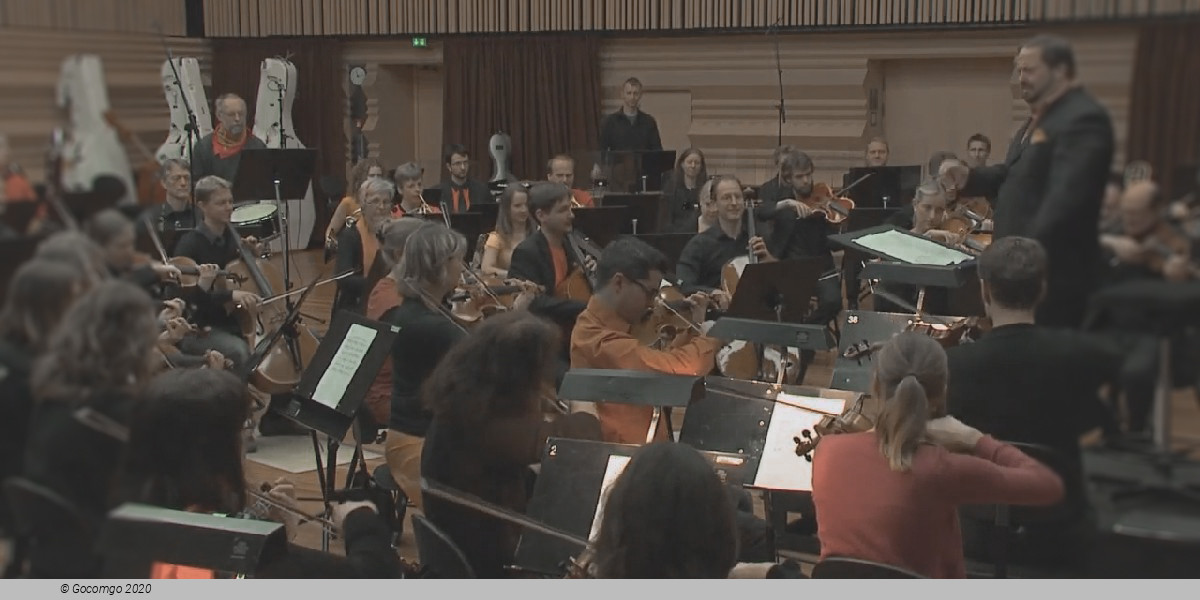
Every epic story is made up of numerous minor stories – including Wagner’s Ring Cycle. The Norwegian National Opera Orchestra and three strong soloists perform the first act of The Valkyrie: a story about Siegmund, Sieglinde and a love that conquers all.

The Ring Cycle is about the epic battle between power and love, set to Wagner’s incredible music. It is made up of 4 operas, with a performance time of more than 15 hours, but it is also full of minor stories, many of which are strong musical dramas in themselves.

We find one of these in the first act of the second opera in the cycle: The Valkyrie. This act has often been performed on its own, in concert form. It gives us our first encounter with the love that eventually concludes the entire work – and changes the world.

See experienced Wagner singers on the stage

The Swedish soprano Elisabet Strid, who has previously been a guest performer in the Oslo Opera House in Tannhaüser, made her international breakthrough as Sieglinde in Riga in 2010. Since then, she has sung the role at opera houses including Teatro Real de Madrid, Deutsche Oper am Rhein, Kungliga Operan, Stockholm, and the Lyric Opera of Chicago in 2010. The Danish tenor Magnus Vigilius has previously sung Siegmund at venues including the Teatro di San Carlo, Naples and Theater Kiel. Both he and the Norwegian National Opera’s own Jens-Erik Aasbø, in the role as Hunding, were to have appeared in the cancelled Bayreuth Festival in 2020.

History
Premiere of this production: 26 June 1870, Königliches Hof- und National-Theater in Munich

Die Walküre (The Valkyrie) is the second of the four music dramas that constitute Richard Wagner's Der Ring des Nibelungen, (English: The Ring of the Nibelung). It was performed, as a single opera, at the National Theatre Munich on 26 June 1870, and received its first performance as part of the Ring cycle at the Bayreuth Festspielhaus on 14 August 1876.


Synopsis

Siegmund and Sieglinde – children of Wotan, king of the gods and a mortal woman – are twins, but because they were separated when they were young, they do not know this. The pair are part of a grand plan Wotan has to regain possession of the ring forged from the gold that bestows ultimate power, but requires the bearer to renounce love for eternity.

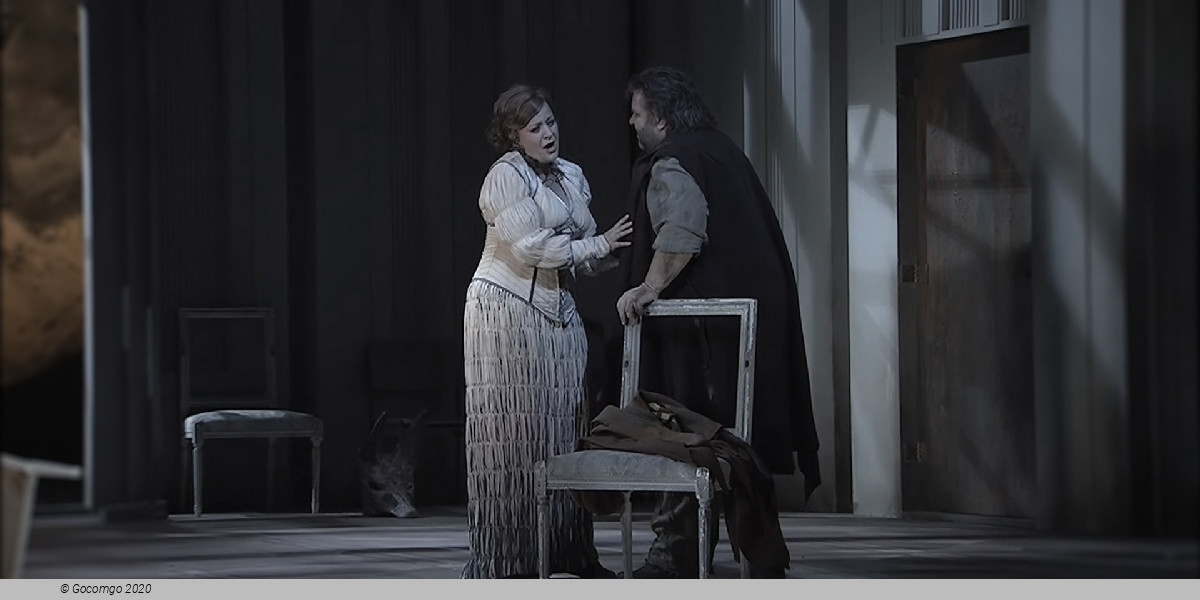
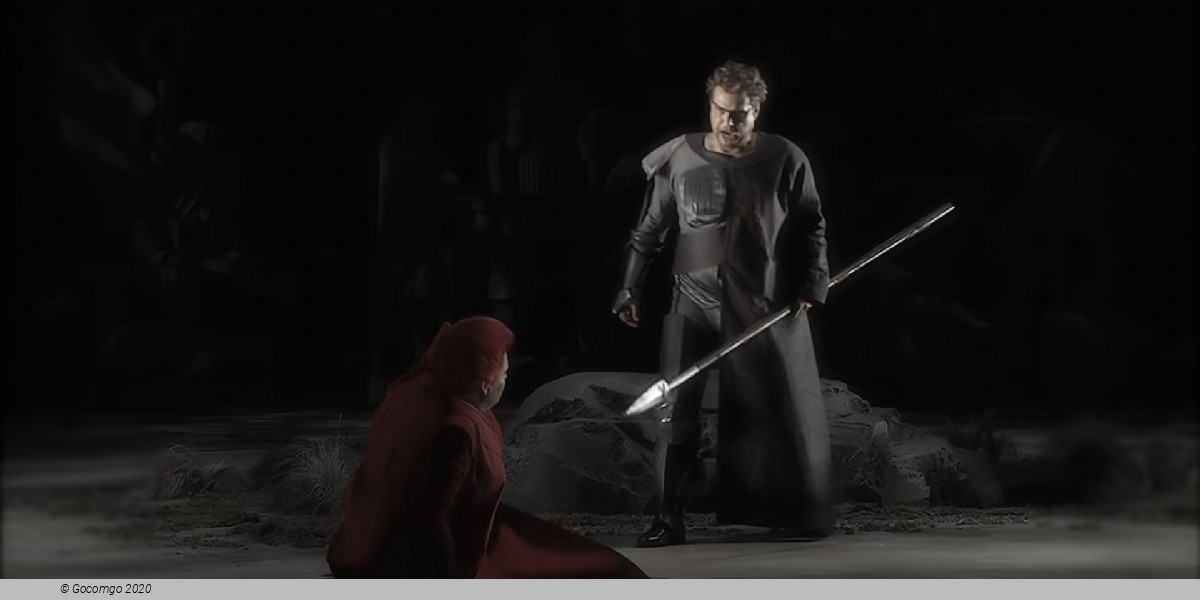
Sieglinde has been abducted and sold to the warrior Hunding as his wife. Siegmund is on the run, and has sought refuge in his enemy Hunding’s house, but only Hunding’s wife Sieglinde is at home. Unaware that they are brother and sister, they fall in love with each other. Hunding tries to be hospitable, even though he knows who this stranger is, and he sees the tension between him and his wife. On their wedding day, Wotan drove a sword into a tree that is growing in their living room. No one has ever managed to pull it out – no one until Siegmund. Sieglinde realises that he is the one she has been waiting for, he is the one who will make her whole.

Prior history

During the lengthy time that has passed since the gods entered Valhalla at the end of Das Rheingold, Fafner has used the Tarnhelm to assume the form of a dragon, and guards the gold and the ring in the depths of the forest. Wotan has visited Erda seeking wisdom, and by her has fathered a daughter, Brünnhilde; he has fathered eight other daughters, possibly also by Erda. These, with Brünnhilde, are the Valkyries, whose task is to recover heroes fallen in battle and bring them to Valhalla, where they will protect the fortress from Alberich's assault should the dwarf recover the ring. Wotan has also wandered the earth, and with a woman of the Völsung race has fathered the twins Siegmund and Sieglinde, who have grown up separately and unaware of each other. From the Völsungs Wotan hopes for a hero who, unencumbered by the gods' treaties, will obtain the ring from Fafner.

Act 1

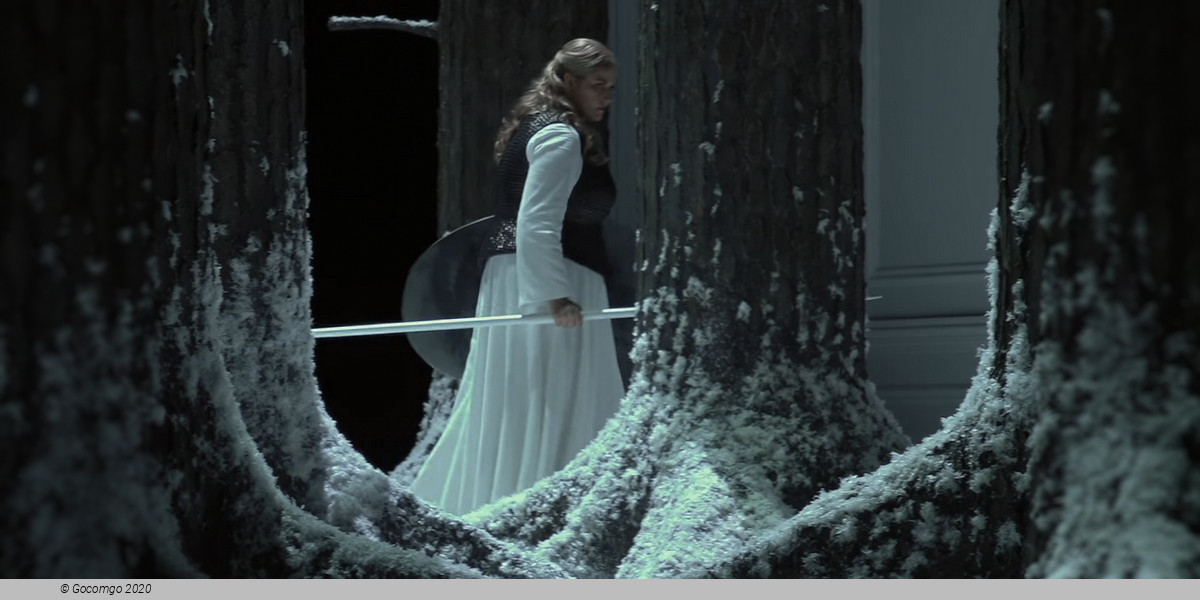
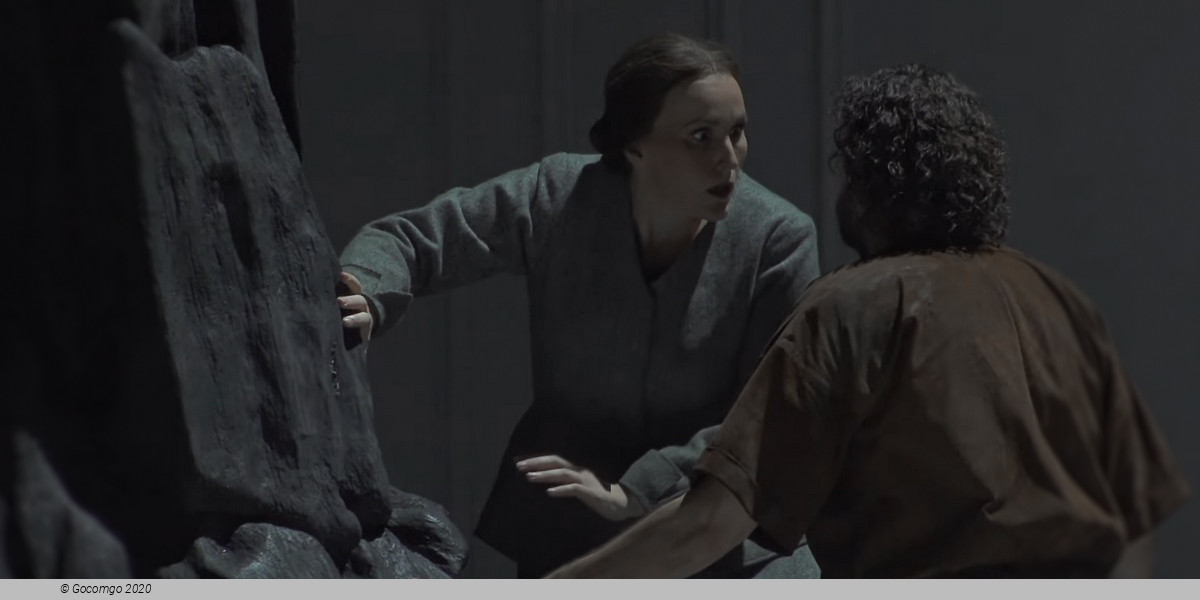
As a storm rages, Siegmund finds shelter from his enemies in a large dwelling built around a massive ash-tree. Unarmed and wounded, he collapses with exhaustion. Sieglinde enters; she tells Siegmund that she is the wife of Hunding, and that he may rest here until Hunding's return. As they talk, they look at each other with growing interest and emotion. Siegmund gets ready to leave, telling Sieglinde that misfortune follows him and he does not want to bring it on her; she replies that misfortune dwells with her already.

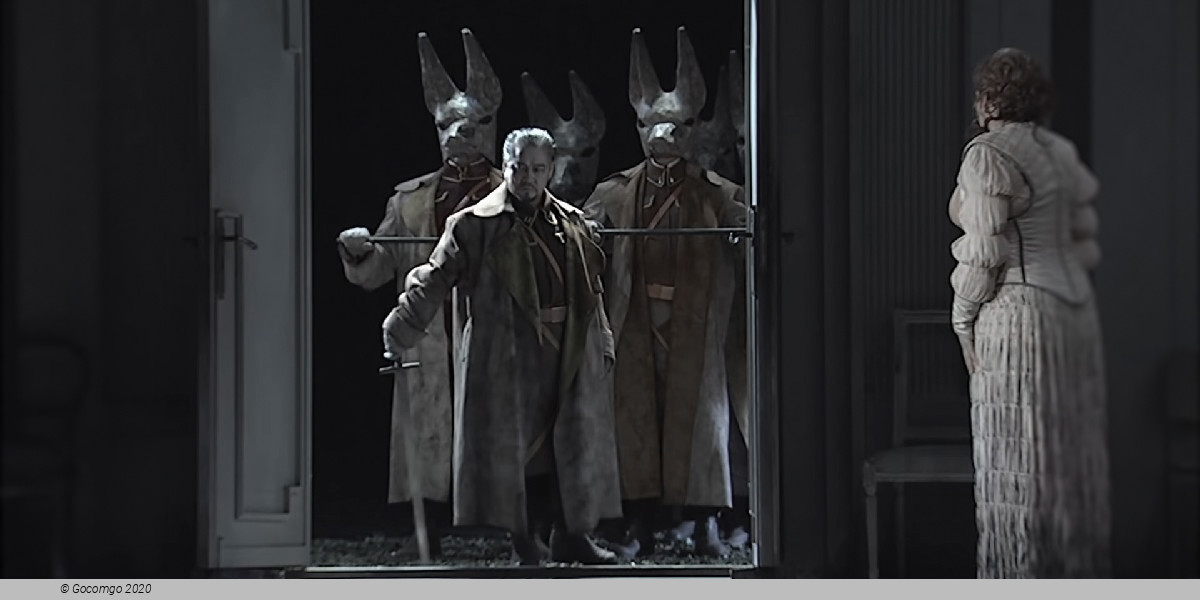
Hunding returns, and questions Siegmund's presence. Calling himself Wehwalt ("woeful"), Siegmund explains that he grew up in the forest with his parents and twin sister. One day he found their home burned down, his mother killed and his sister gone. Recently he fought with the relatives of a girl being forced into marriage. His weapons were destroyed, the bride was killed, and he was forced to flee. Hunding reveals that he is one of Siegmund's pursuers; Siegmund may stay, he says, but they must fight in the morning. Before leaving, Sieglinde gives a meaningful glance to a particular spot on the tree in which, the firelight reveals, a sword is buried to the hilt.

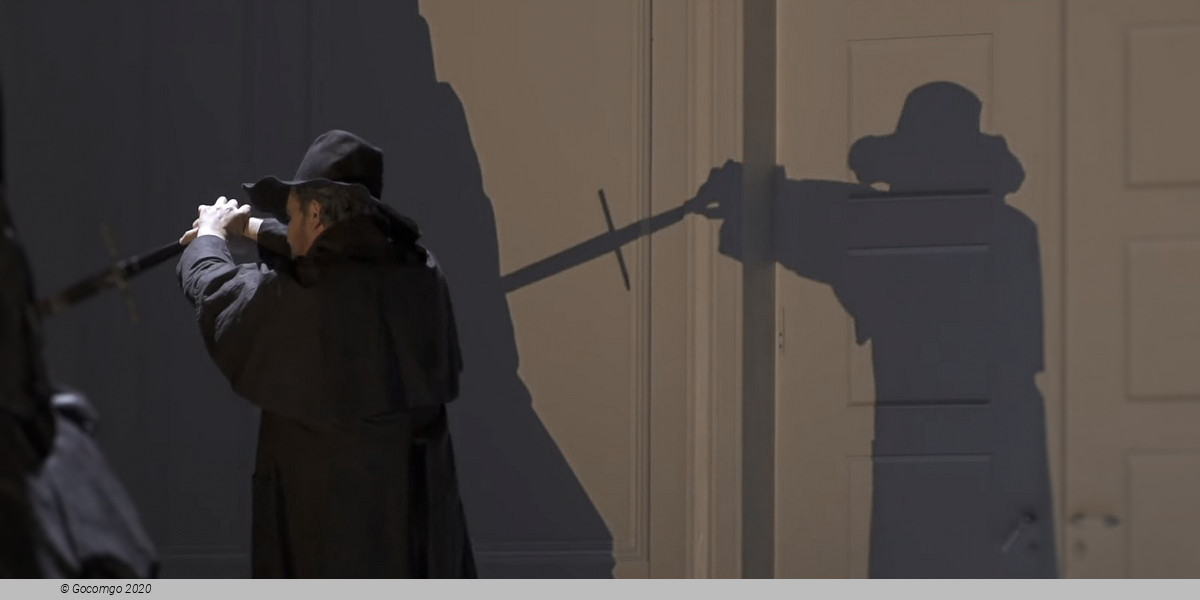
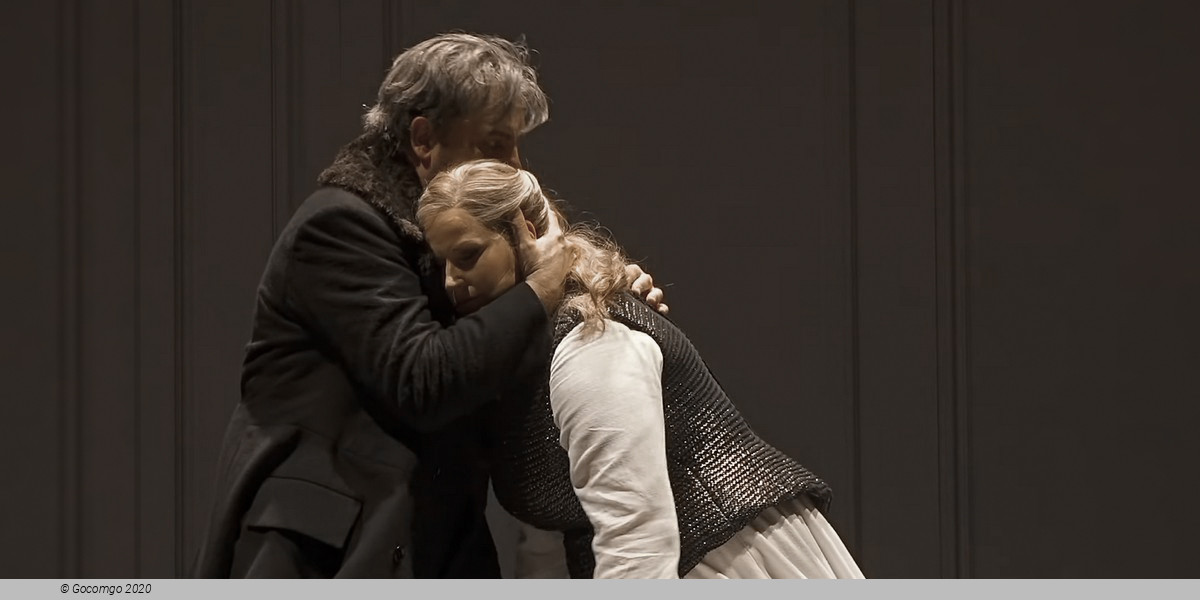
Sieglinde returns, having drugged Hunding's drink. She reveals that she was forced into the marriage and that during their wedding feast, an old man appeared and plunged a sword into the trunk of the ash tree which neither Hunding nor any of his companions have been able to remove. She is longing for the hero who will draw the sword and save her. When Siegmund expresses his love for her, she reciprocates, and when he speaks the name of his father, Wälse, she recognises him as Siegmund, and realises that the sword was left for him. Siegmund then draws the sword from the tree. She reveals herself as Sieglinde, his twin sister. Siegmund names the sword "Nothung" and declares that it will be her protection. The two sing of their passionate love for each other, as the act ends.

Act 2

On a high mountain ridge, Wotan instructs Brünnhilde, his Valkyrie daughter, to protect Siegmund in his forthcoming battle with Hunding. Fricka arrives, and in her role as goddess of family values demands that Siegmund and Sieglinde be punished for their adultery and incest. She scorns Wotan's argument that he requires Siegmund as a "free hero", who can further his plans to recover the ring from Fafner, uninhibited by Wotan's contracts. She retorts that Siegmund is not free but is Wotan's pawn, whose every move the god seeks to direct. Defeated by Fricka's argument, Wotan reluctantly agrees that he will not protect Siegmund. After Fricka leaves, the troubled Wotan gives Brünnhilde the full story, and with great sorrow rescinds his earlier instruction; he orders her to give the victory to Hunding, and then departs.

Siegmund and Sieglinde now enter, and Sieglinde faints, consumed with guilt and exhaustion. Brünnhilde tells Siegmund of his impending death; he refuses to follow Brünnhilde to Valhalla when she tells him Sieglinde cannot accompany him. Siegmund still believes that his father's sword will assure him of victory over Hunding, but Brünnhilde tells him it has lost its power. Siegmund threatens to kill both Sieglinde and himself. Much moved, Brünnhilde decides to defy her father and grant victory to Siegmund.

Hunding's call is heard; he arrives, and attacks Siegmund. Under Brünnhilde's power Siegmund begins to overpower Hunding, but Wotan appears and shatters Siegmund's sword with his spear. Hunding then stabs him to death. Brünnhilde gathers up the fragments of the sword and flees on horseback with Sieglinde. Contemptuously, Wotan strikes Hunding dead, and swearing that Brünnhilde will be punished for her defiance, sets out in pursuit of her.

Act 3

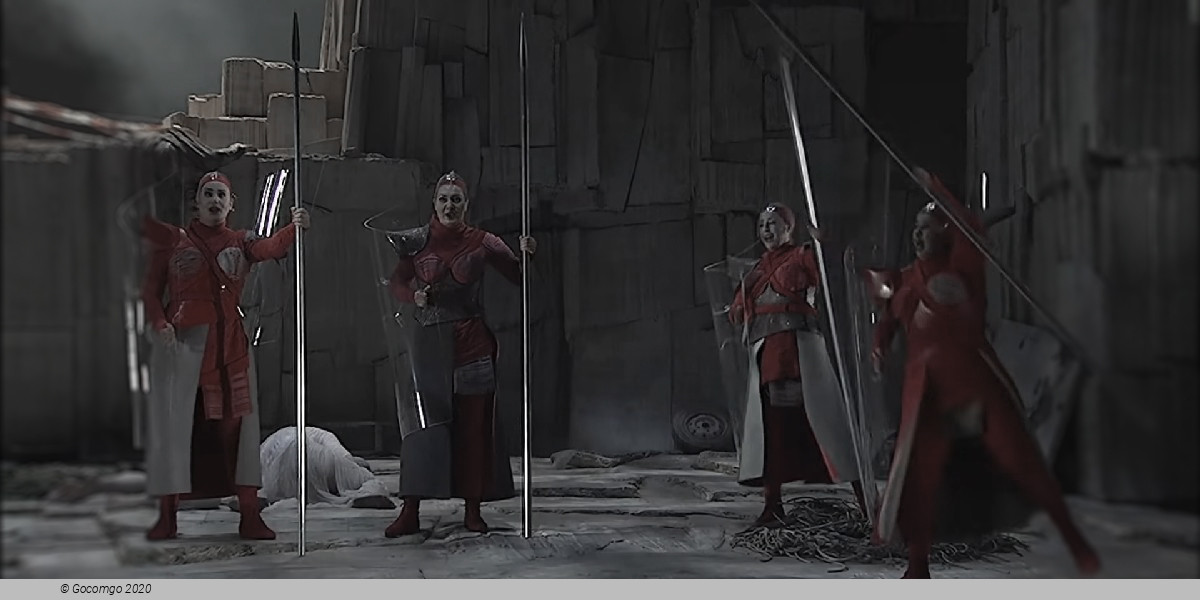
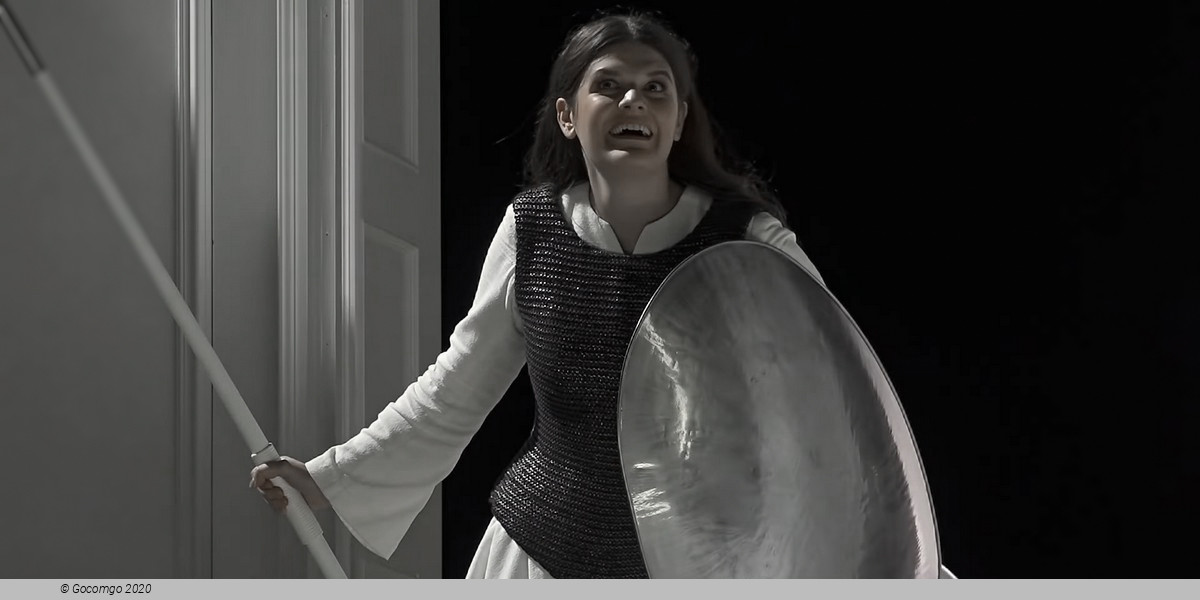
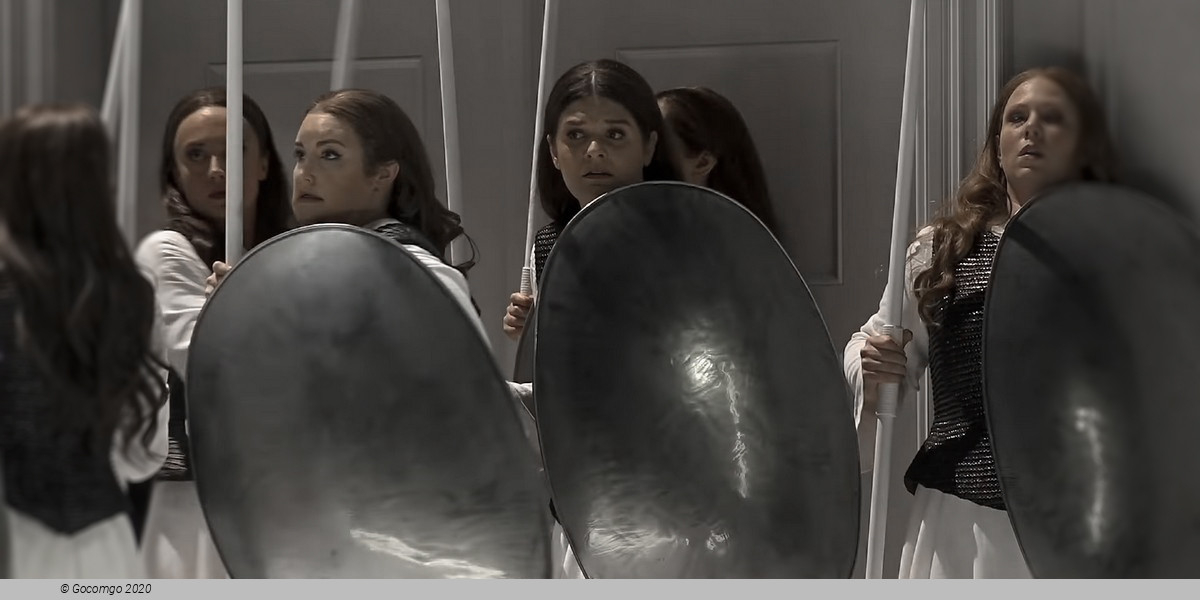
The Valkyries congregate on the mountain-top, each carrying a dead hero and chattering excitedly. Brünnhilde arrives with Sieglinde, and begs her sisters for help, but they dare not defy Wotan. Sieglinde tells Brünnhilde that without Siegmund she no longer wishes to live. Brünnhilde tells Sieglinde that she is pregnant by Siegmund, and urges her to remain alive for her child's sake, and to name the child Siegfried. Brünnhilde gives the fragments of the sword Nothung to Sieglinde, who thanks her for her loyalty and comfort, and resolves to save the child. As she departs, Wotan is heard approaching with great wrath.

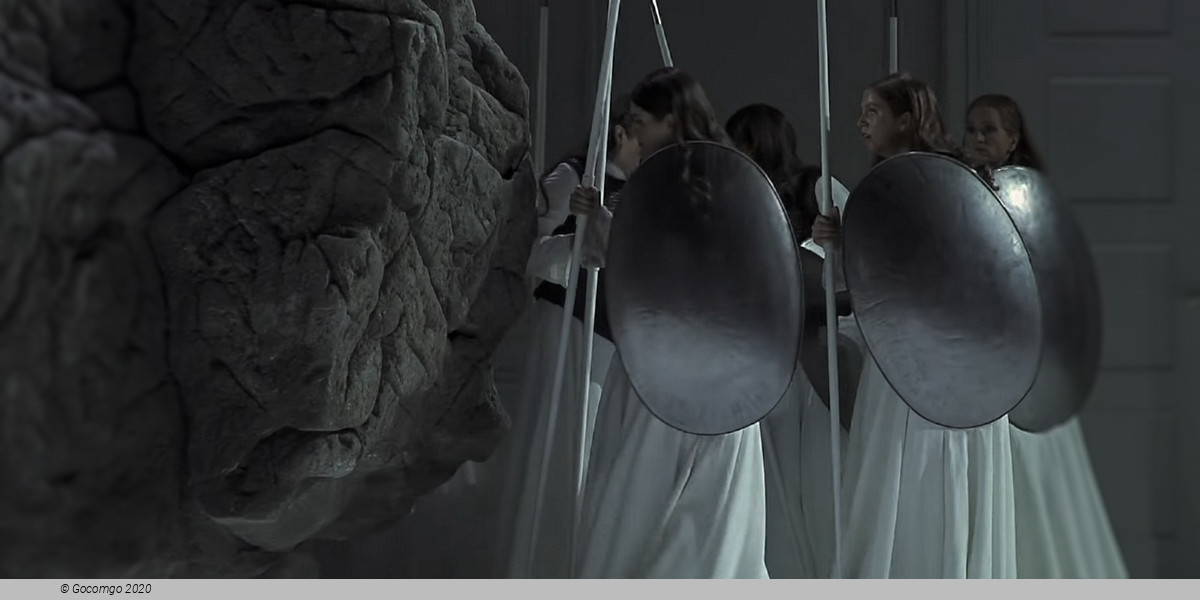
When Wotan arrives, the Valkyries vainly try to hide Brünnhilde. He faces her and declares her punishment: she is to be stripped of her Valkyrie status and become a mortal woman, to be held in defenceless sleep on the mountain, prey to any man who finds her. The other Valkyries protest, but when Wotan threatens them with the same, they flee. In a long discourse with Wotan Brünnhilde explains that she decided to protect Siegmund knowing that this was Wotan's true desire. Wotan consents to her request that he surround her resting place with a circle of fire that will protect her from all but the bravest of heroes. He bids her a loving farewell and lays her sleeping form down on a rock. He then summons Loge, the demigod of fire, who creates a circle of flames around her. Before slowly departing, Wotan pronounces that anyone who fears his spear shall never pass through the fire.

Venue Info

Oslo Opera House - Oslo
Location   Kirsten Flagstads Plass 1

The Oslo Opera House is the home of The Norwegian National Opera and Ballet, and the national opera theatre in Norway. The building is situated in the Bjørvika neighbourhood of central Oslo, at the head of the Oslofjord. It is operated by Statsbygg, the government agency which manages property for the Norwegian government. The structure contains 1,100 rooms in a total area of 38,500 m2 (414,000 sq ft). The main auditorium seats 1,364 and two other performance spaces can seat 200 and 400. The main stage is 16 m (52 ft) wide and 40 m (130 ft) deep. The angled exterior surfaces of the building are covered with marble from Carrara, Italy and white granite and make it appear to rise from the water. It is the largest cultural building constructed in Norway since Nidarosdomen was completed circa 1300.

In 1999, after a long national debate, the Norwegian legislature decided to construct a new opera house in the city. A design competition was held and, of the 350 entries received, the judges chose that of Snøhetta. Construction started in 2003 and was completed in 2007, ahead of schedule and 300 million NOK (~US$52 million) under its budget of 4.4 billion NOK (~US$760 million). The gala opening on 12 April 2008 was attended by His Majesty King Harald, Queen Margrethe II of Denmark and President Tarja Halonen of Finland and other leaders. During the first year of operation, 1.3 million people passed through the building's doors.

The Opera House won the culture award at the World Architecture Festival in Barcelona in October 2008 and the 2009 European Union Prize for Contemporary Architecture.

The roof of the building angles to ground level, creating a large plaza that invites pedestrians to walk up and enjoy the panoramic views of Oslo. While much of the building is covered in white granite and La Facciata, a white Italian carrara marble, the stage tower is clad in white aluminium, in a design by Løvaas & Wagle that evokes old weaving patterns.

The lobby is surrounded by 15 m (49 ft) tall windows with minimal framing and special glass that allows maximum views of the water. The roof is supported by thin angled columns also designed not to interfere with views.

Interior surfaces are covered in oak to bring warmth to spaces in contrast to the coolness of the white exterior. The main auditorium is a horseshoe shape and illuminated by an oval chandelier containing 5,800 handmade crystals. Seats include monitors for the electronic libretto system, allowing audiences to follow opera libretti in Norwegian and English in addition to the original language.

Several art projects were commissioned for the interior and exterior of the Opera House. The most notable is She Lies, a sculpture constructed of stainless steel and glass panels by Monica Bonvicini. It is permanently installed on a concrete platform in the fjord adjacent to Opera House and floats on the water moving in response to tides and wind to create an ever-changing face to viewers. The work was unveiled by Her Majesty Queen Sonja on 11 May 2010.

A perforated wall panel which covers roof supports in the lobby was designed by Olafur Eliasson. It features hexagonal opening and is illuminated from below and behind to create the illusion of melting ice. Other artists involved in the construction include Kristian Blystad, Jorunn Sannes and Kalle Grude, who designed the shape of the pavers on the forecourt and roof; Bodil Furu and Trine Lise Nedreaas, who created a film and video project; Marte Aas, Talleiv Taro Manum, Tom Sandberg, Gerd Tinglum and Nina Witoszek Fitzpatrick, who created the art book Site Seeing; and Linus Elmes and Ludvig Löfgren, who created the foundation stone.

The main stage curtain is the work of Pae White who designed it to look like crumpled aluminum foil. White scanned a crumpled piece of foil into a computer which translated the information to a loom that wove the curtain from wool, cotton and polyester to create a three-dimensional effect. The curtain was manufactured by the German-based theatrical equipment company Gerriets GmbH. The finished curtain measures 74 ft (23 m) wide and 36 ft (11 m) and weighs 1,100 lb (500 kg).

Important Info
Type: Opera
City: Oslo, Norway
Starts at: 15:00
Acts: 1
Duration: 1h 15min
Top of page