
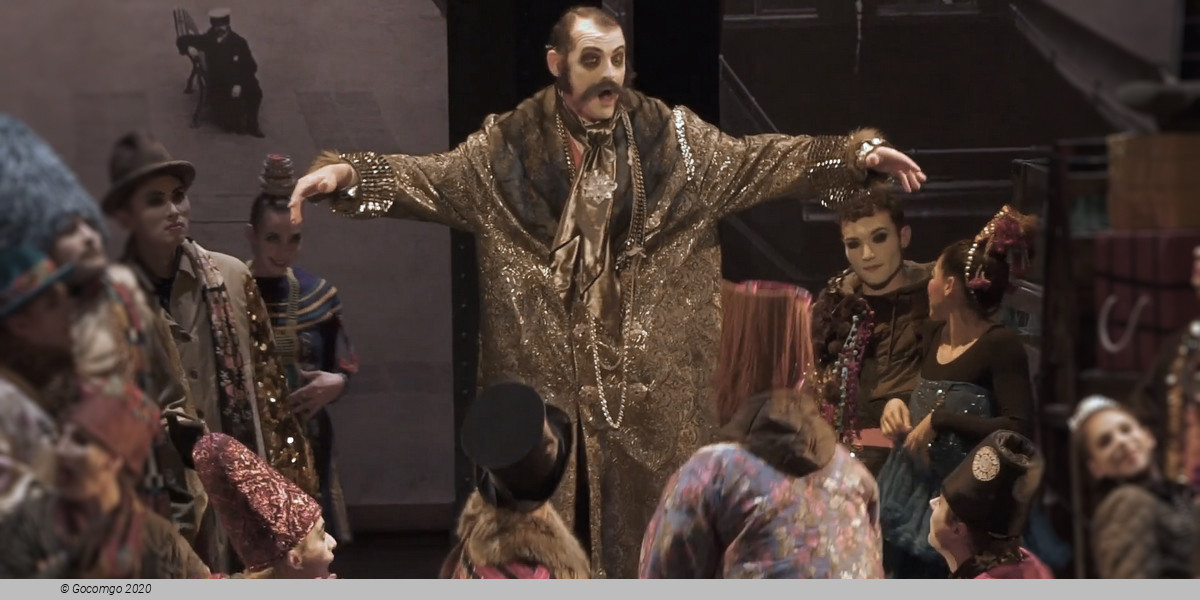
Opera de Monte-Carlo tickets 23 December 2026 - La Vie parisienne | GoComGo.com

La Vie parisienne

Opera de Monte-Carlo, Salle Garnier, Monaco, Monaco
All photos (15)
Select date and time
8 PM
From
US$ 124

E-tickets: Print at home or at the box office of the event if so specified. You will find more information in your booking confirmation email.

You can only select the category, and not the exact seats.
If you order 2 or 3 tickets: your seats will be next to each other.
If you order 4 or more tickets: your seats will be next to each other, or, if this is not possible, we will provide a combination of groups of seats (at least in pairs, for example 2+2 or 2+3).

Important Info
Type: Opera
City: Monaco, Monaco
Starts at: 20:00

E-tickets: Print at home or at the box office of the event if so specified. You will find more information in your booking confirmation email.

You can only select the category, and not the exact seats.
If you order 2 or 3 tickets: your seats will be next to each other.
If you order 4 or more tickets: your seats will be next to each other, or, if this is not possible, we will provide a combination of groups of seats (at least in pairs, for example 2+2 or 2+3).

Cast
Performers
Conductor: Gianluca Capuano
Soprano: Alexandra Marcellier (Gabrielle)
Soloist: Éric Huchet (Raoul de Gardefeu)
Soprano: Gina Gloria Tronel (Pauline)
Baritone: Jean-François Lapointe (Le Baron de Gondremarck)
Soprano: Karina Gauvin (Le Baron de Gondremarck)
Tenor: Kevin Amiel (Frick)
Bass-Baritone: Marc Mauillon (Bobinet)
Mezzo-Soprano: Marie-Andrée Bouchard-Lesieur (Métella)
Baritone: Philippe Estèphe (An employee of the railways)
Creators
Composer: Jacques Offenbach
Choreographer: Glyslein Lefever
Lighting Designer: Bertrand Couderc
Designer: Christian Lacroix
Librettist: Henri Meilhac
Director: Laurent Delvert
Librettist: Ludovic Halévy
Director: Romain Gilbert
Choir director: Stefano Visconti
Overview
History
Premiere of this production: 31 October 1866, Théâtre du Palais-Royal, Paris

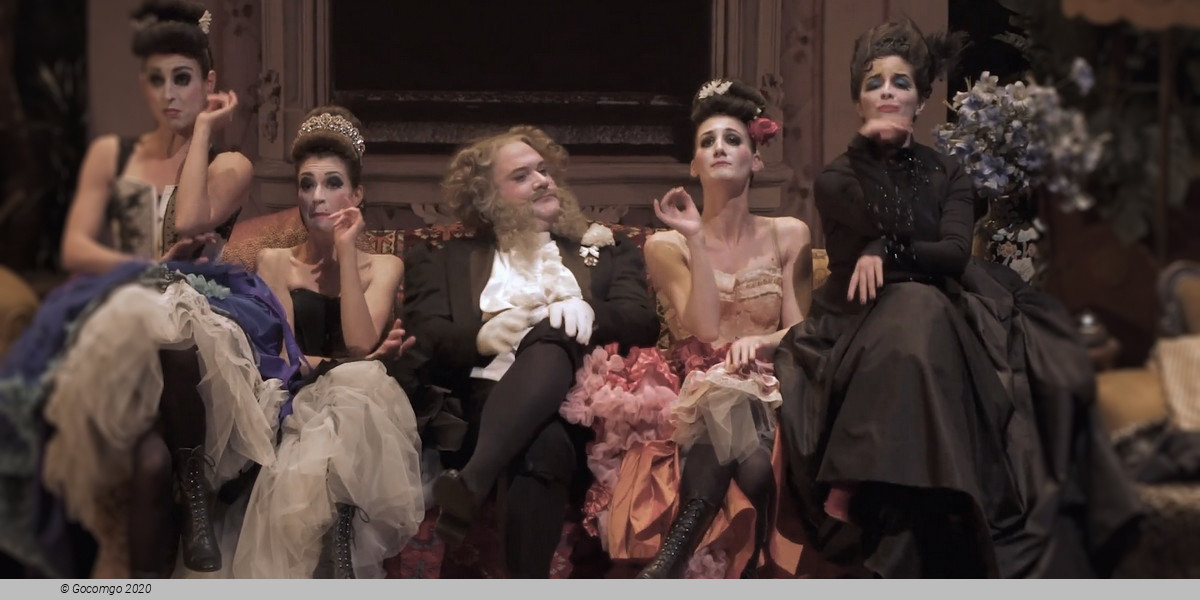
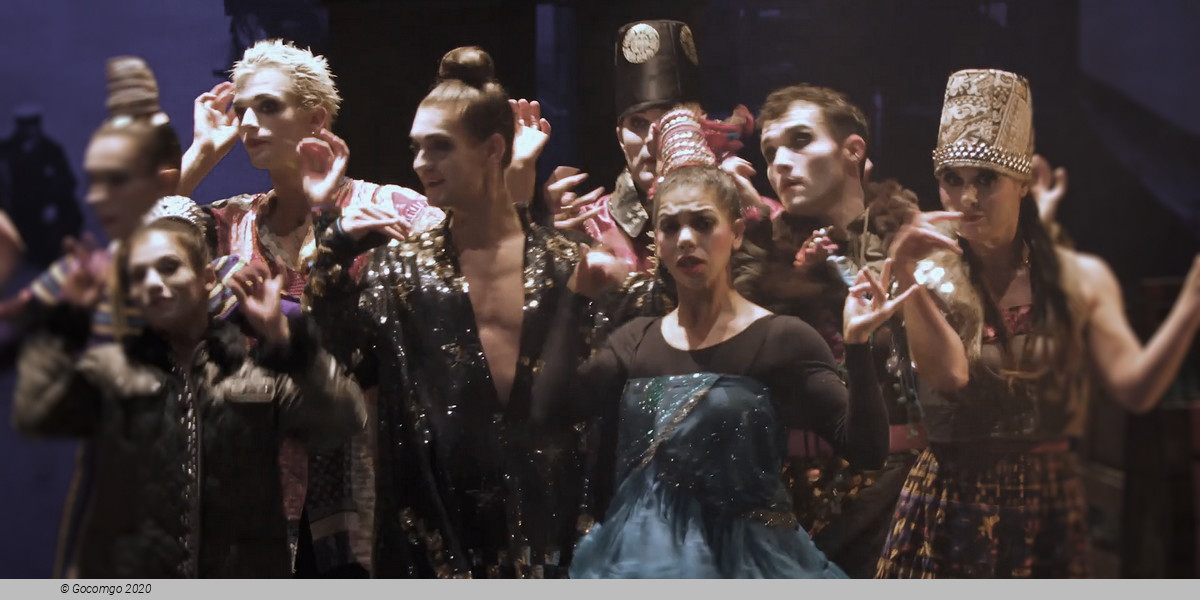
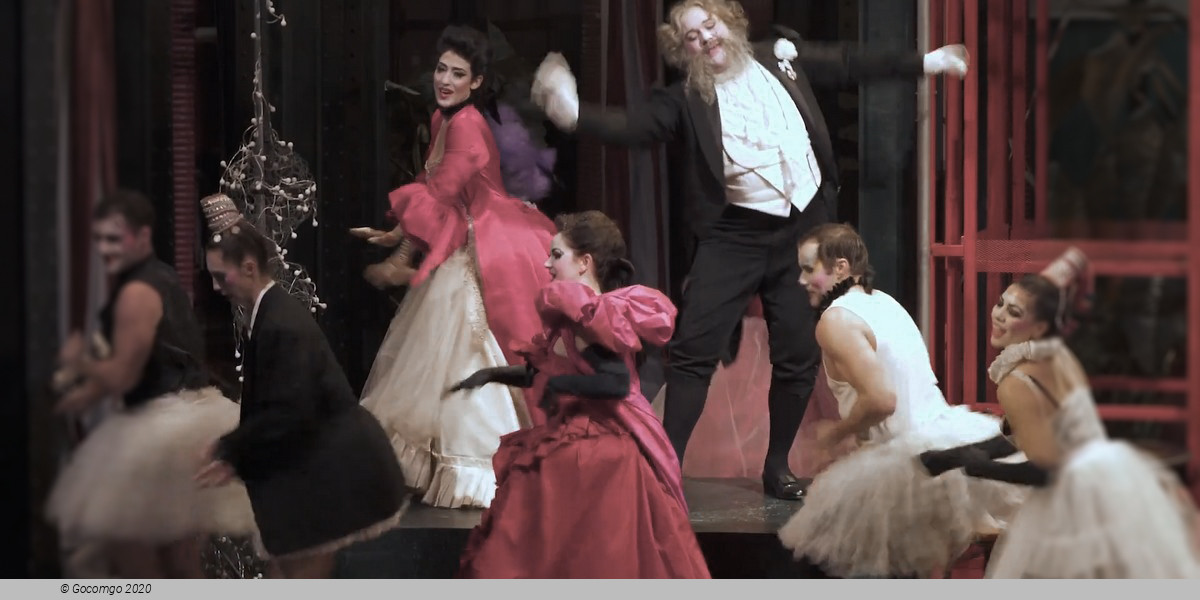
La vie parisienne is an opéra bouffe, or operetta, composed by Jacques Offenbach, with a libretto by Henri Meilhac and Ludovic Halévy. This work was Offenbach's first full-length piece to portray contemporary Parisian life, unlike his earlier period pieces and mythological subjects. It became one of Offenbach's most popular operettas. In 1864 the Théâtre du Palais-Royal presented a comedy by Meilhac and Halévy entitled Le Photographe (The Photographer), which featured a character called Raoul Gardefeu, the lover of Métella, trying to seduce a baroness. Two years earlier, a comedy by the same authors La Clé de Métella (The Key of Métella) was played at the Théâtre du Vaudeville. These two pieces presage the libretto of La vie parisienne which can be dated from late 1865.

Synopsis

Act 1
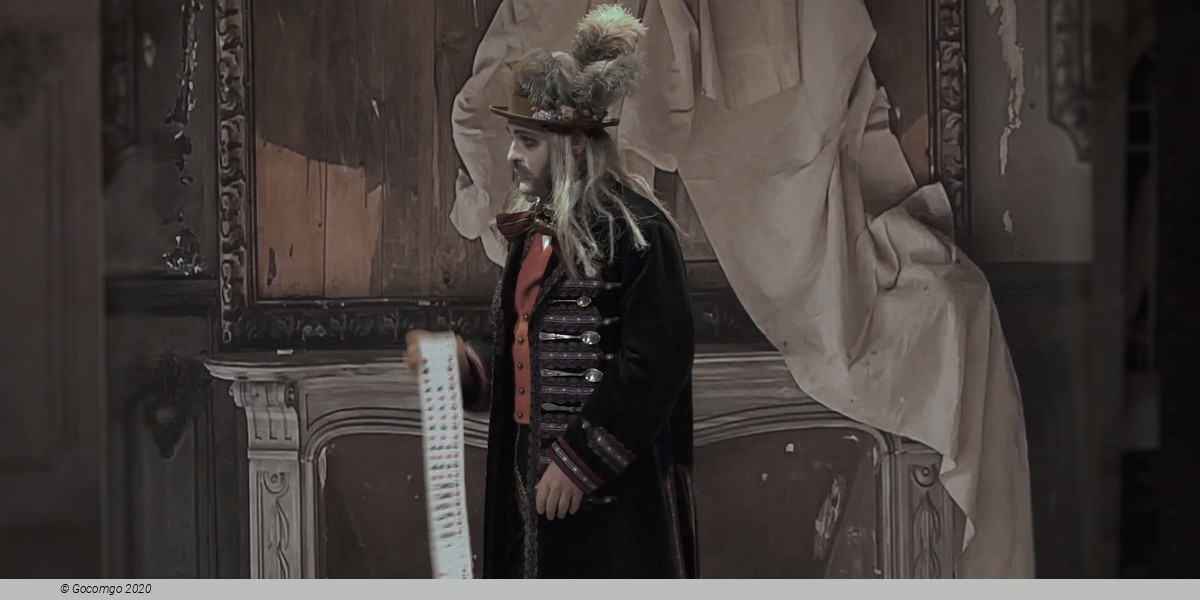
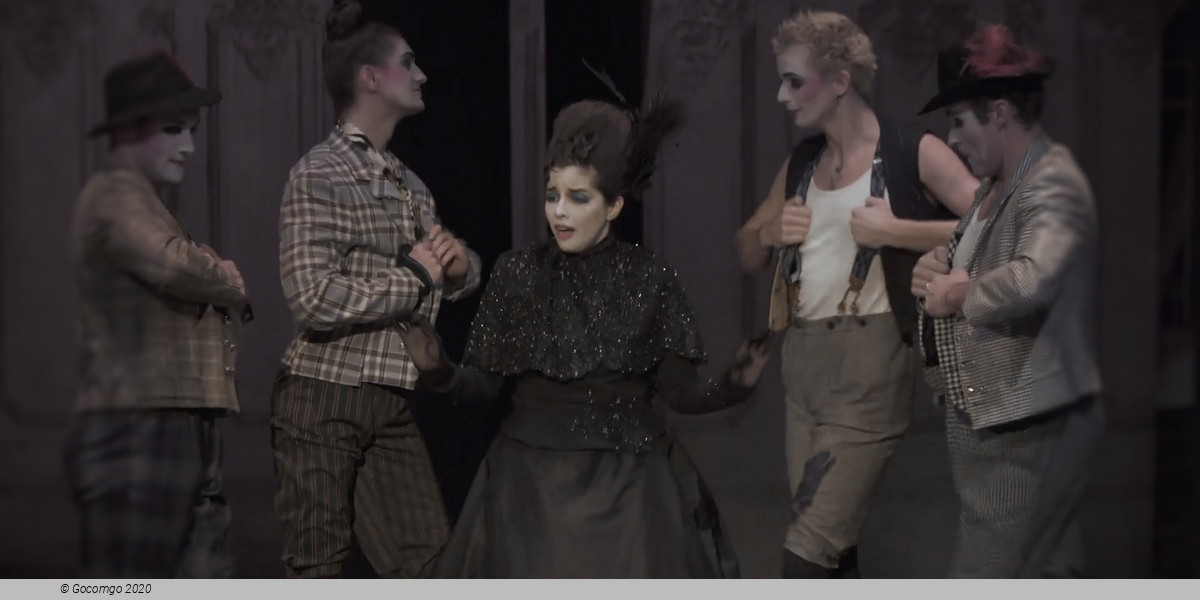
The story begins at the Gare de l'Ouest, where the employees list the provenance of trains arriving from different places in France ("Nous sommes employés de la ligne de l'Ouest"). Two Parisian dandies, Bobinet and Gardefeu are waiting for the train from Rambouillet, but avoid each other while they walk around. They have fallen out over the demi-mondaine Métella. She arrives with a third man and pretends not to recognize the two previous lovers. Her rejection reunites the two friends and they vow to seek a better class of mistress ("Elles sont tristes, les marquises"). While wondering how he will achieve this Gardefeu sees his former servant Joseph, now a tourist guide. Joseph reveals that he is to meet a Swedish baron and his wife who he is to show around Paris but for a sum agrees to let Gardefeu take his place. While he goes to look for the baron, Gardefeu wonders what will happen with the baroness ("Ce que c'est pourtant que la vie !") The Baron and Baroness Gondremarck enter he promises to show them everything they want to see in the French capital ("Jamais, foi de cicérone"). The station fills with more passengers arriving for a good time in Paris, including a Brazilian returning after having spent his fortune once before in the city ("Je suis Brésilien, j'ai de l'or").

Act 2
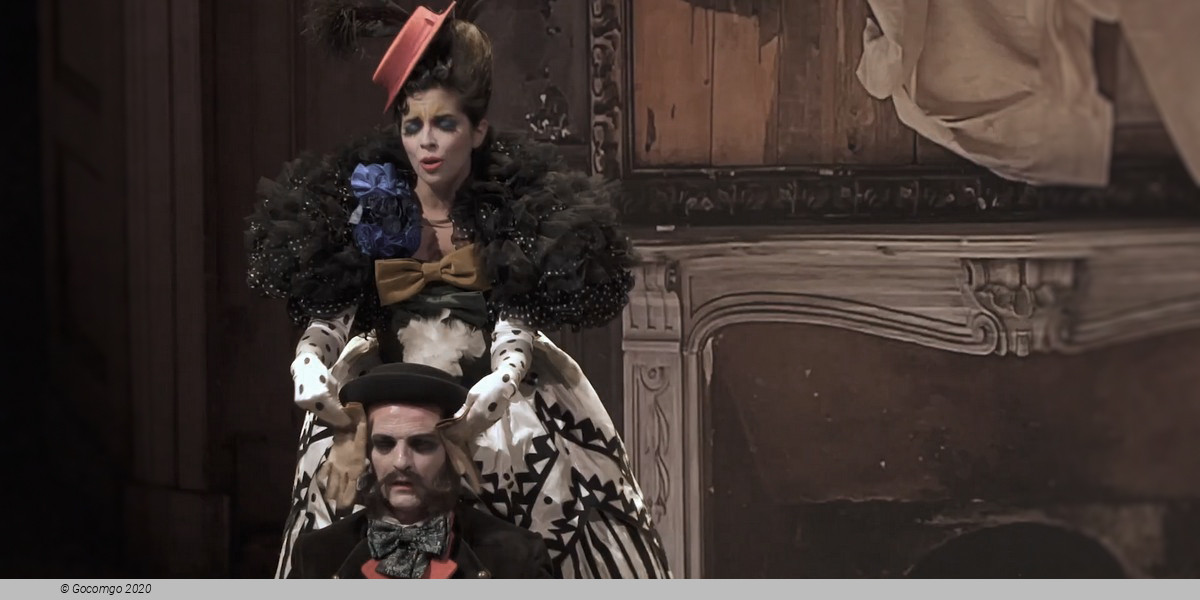
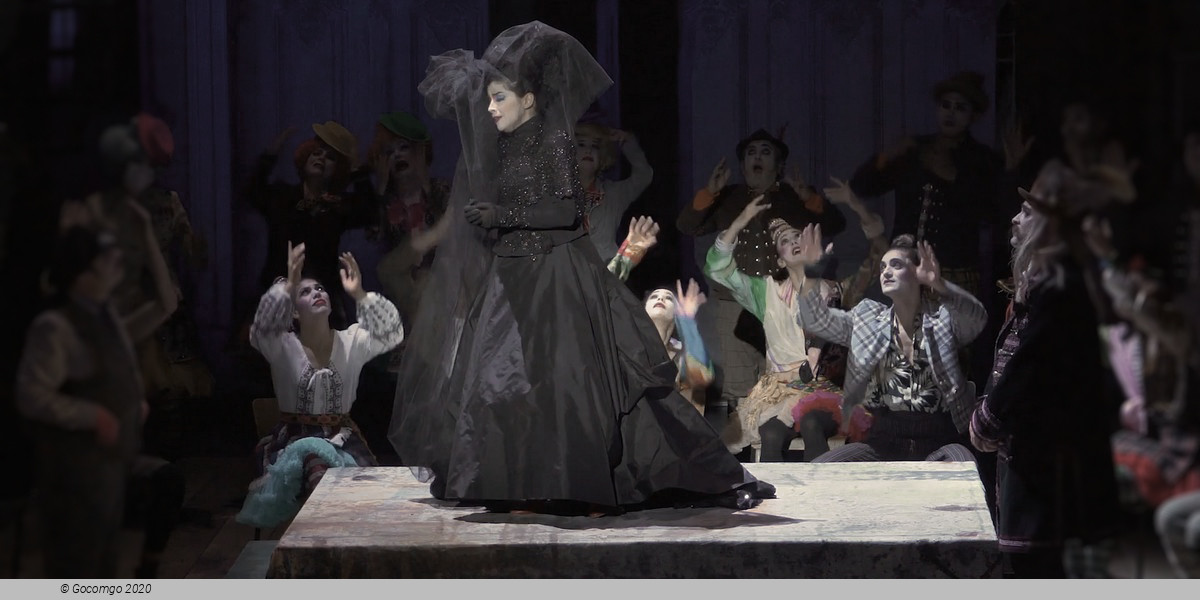
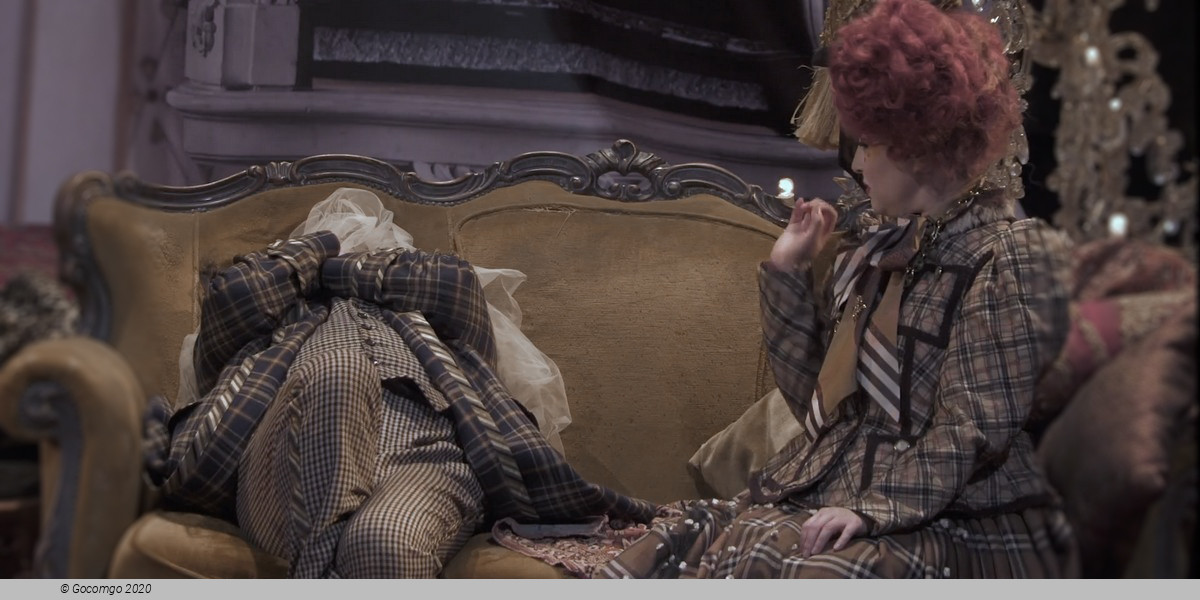
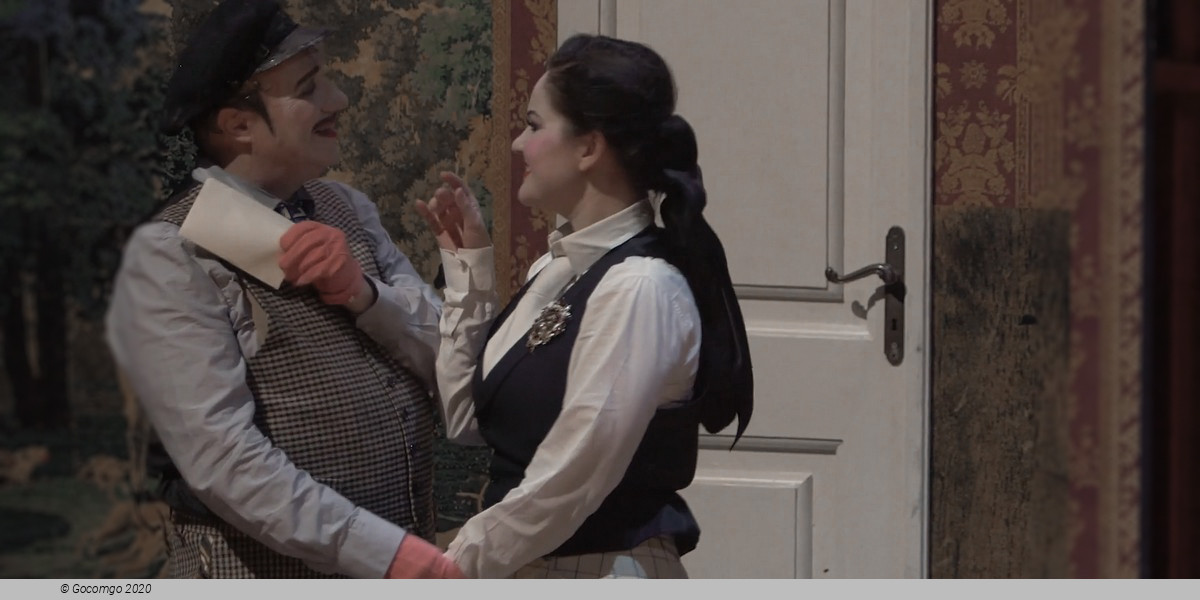
At Gardefeu's home, his glove-maker Gabrielle and his boot-maker Frick await the master's return ("Entrez ! entrez, jeune fille à l'œil bleu !"). Gardefeu continues his pretence with the Swedes, explaining that they are in an annexe to the hotel, hoping to get the baron out of the way so that he can pay attention to the baroness; the baron already has his plans based on a letter from a friend ("Dans cette ville toute pleine"). The baron then asks to take the table d'hôte. The problem of missing hotel guests is solved by getting Gabrielle and Frick and their friends to impersonate other hotel guests. Bobinet calls by and offers to stage a party for the Swedes at his absent aunt's mansion the following night, with the baron invited. The baroness finds remnants of Gardefeu's affair with Métella in her room. Métella herself now arrives hoping for a reconciliation with Gardefeu ("Vous souvient-il, ma belle") and ends with offering to entertain the baron in a few days. The guests arrive for the table d'hôte; Frick as a major ("Pour découper adroitement") and Gabrielle as a war widow ("Je suis veuve d'un colonel") and with a tyrolienne everyone retires to supper ("On est v'nu m'inviter").

Act 3
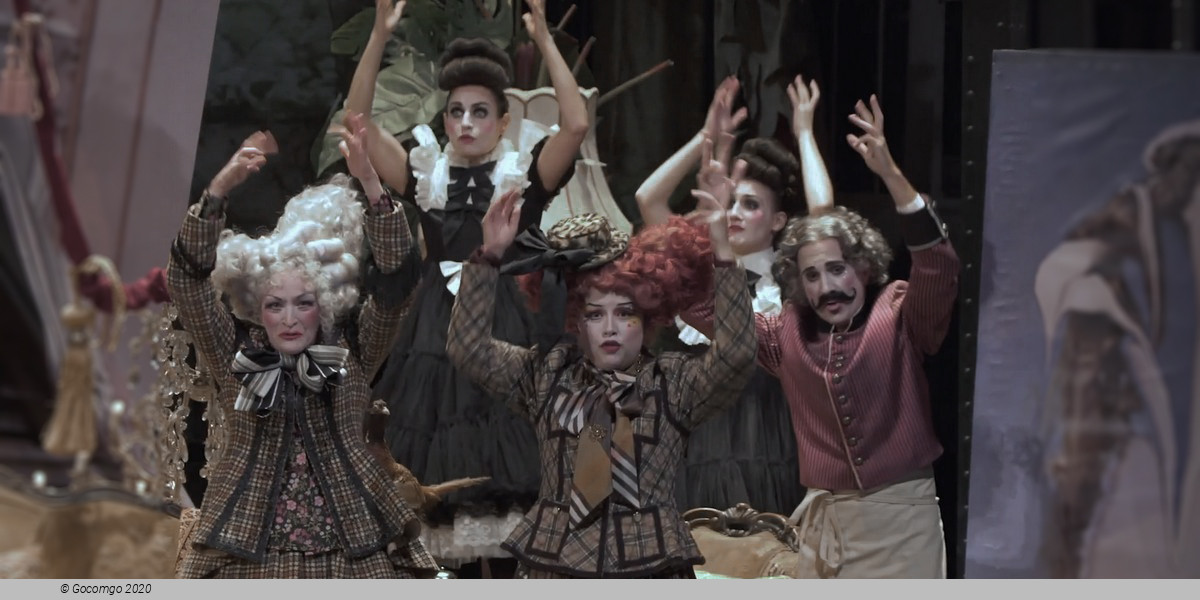
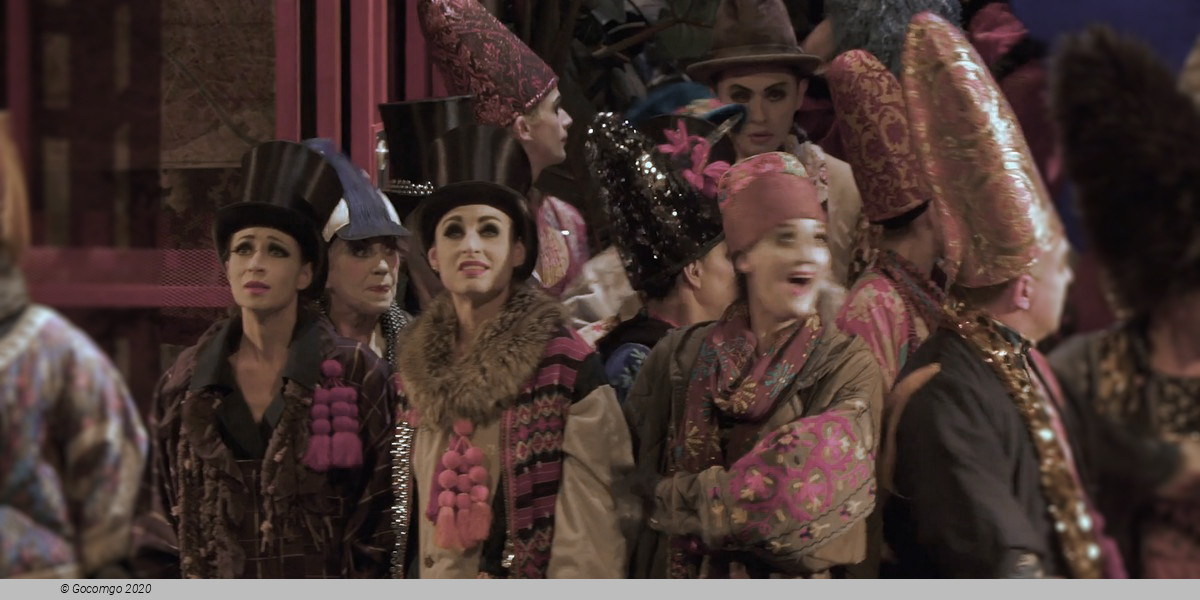
At a party the next evening hosted by Bobinet his servants dress up as the crowd of aristocrats ("Donc, je puis me fier à vous !"). Baron Gondremarck arrives and is taken by Pauline 'Madame l'amirale' (in fact a chambermaid). Gabrielle arrives ("On va courir, on va sortir") and Bobinet as a Swiss admiral ("Votre habit a craqué dans le dos !").

Bobinet rises to greet the crowd with a drinking song ("En endossant mon uniforme") and the champagne flows ("Soupons, soupons, c'est le moment"), the baron and everyone else gets drunk.

Act 4
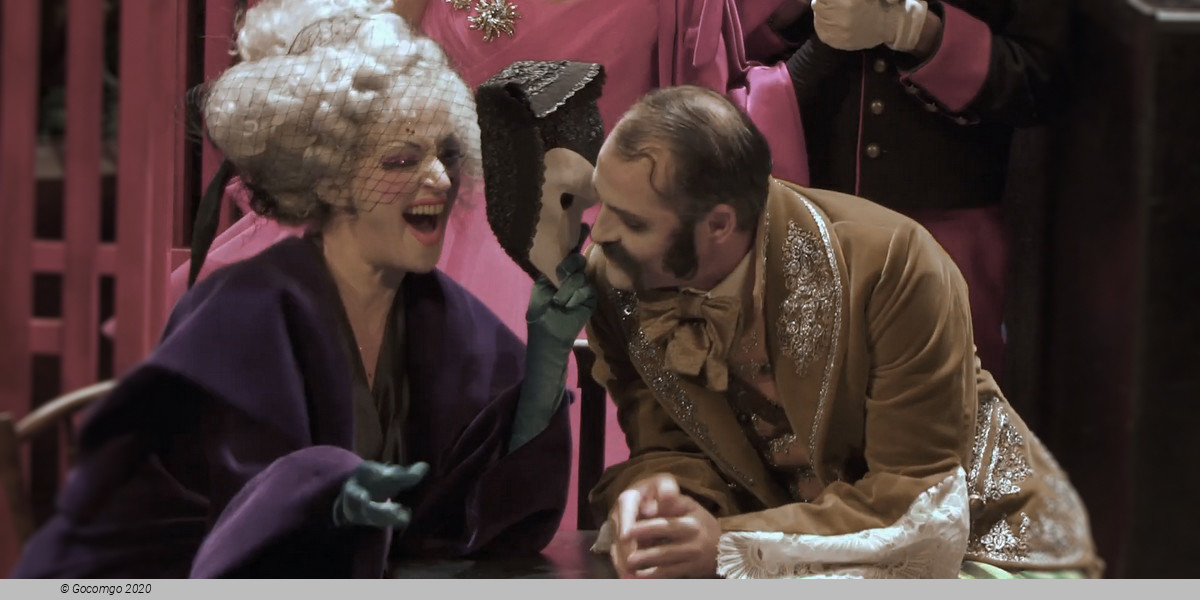
The Brazilian millionaire is offering a masquerade ball at the Café Anglais. The head waiter tells his staff to be discreet during about the guests ("Avant toute chose, il faut être... Fermez les yeux"). The baron arrives for his assignation with Métella, while growing increasingly suspicious of the goings-on. Métella tells the baron to be patient ("C'est ici l'endroit redouté des mères") but she will not be his entertainment: she is in love with someone else but has brought a friend for him. The baron is furious when he discovers that her lover is Gardefeu. The Brazilian arrives, then Bobinet and Gardefeu. After showing Métella the letter ("Vous souvient-il, ma belle") she and Gardefeu are reconciled, and the baron's fury only stops when baroness intervenes. All toast Paris ("Par nos chansons et par nos cris, célébrons Paris.").

Venue Info

Opera de Monte-Carlo - Monaco
Location   Place du Casino

The Opéra de Monte-Carlo is an opera house, which is part of the Monte Carlo Casino located in the Principality of Monaco. With the lack of cultural diversions available in Monaco in the 1870s, Prince Charles III, along with the Société des Bains de mer, decided to include a concert hall as part of the casino. The main public entrance to the hall was from the casino, while Charles III's private entrance was on the western side. It opened in 1879 and became known as the Salle Garnier, after the architect Charles Garnier, who designed it During the renovation of the Salle Garnier in 2004–05, the company presented operas at the Salle des Princes in the local Grimaldi Forum, a modern conference and performance facility where Les Ballets de Monte Carlo and the Monte-Carlo Philharmonic Orchestra regularly perform.

Salle Garnier

The architect Charles Garnier also designed the Paris opera house now known as the Palais Garnier. The Salle Garnier is much smaller, seating 524, compared to about 2,000 for the Palais Garnier, and unlike the Paris theatre, which was started in 1861 and only completed in 1875, the Salle Garnier was constructed in only eight and a half months. Nevertheless, its ornate style was heavily influenced by that of the Palais Garnier, and many of the same artists worked on both theatres. Although the Monte Carlo theatre was not originally intended for opera, it was soon used frequently for that purpose and was remodeled in 1898–99 by Henri Schmit, primarily in the stage area, to make it more suitable for opera.

The hall was inaugurated on 25 January 1879 with a performance by Sarah Bernhardt dressed as a nymph. The first opera performed there was Robert Planquette's Le Chevalier Gaston on 8 February 1879, followed by three additional operas in the first season.

With the influence of the first director, Jules Cohen (who was instrumental in bringing Adelina Patti) and the fortunate combination of Raoul Gunsbourg, the new director from 1892, and Princess Alice, the opera-loving American wife of Charles III's successor, Albert I, the company was thrust onto the world's opera community stage. Gunsbourg remained for sixty years, overseeing such premiere productions as Hector Berlioz's La damnation de Faust in 1893, and the first appearances in January 1894 of the heroic Italian tenor Francesco Tamagno in Verdi's Otello, whose title role he had created for the opera's premiere in Italy. Conductor Arturo Vigna served as music director of the Monte Carlo Opera from 1895-1903.

By the early years of the twentieth century, the Salle Garnier was to see such great performers as Nellie Melba and Enrico Caruso in La bohème and Rigoletto (in 1902), and Feodor Chaliapin in the premiere of Jules Massenet's Don Quichotte (1910). This production formed part of a long association between the company and Massenet and his operas, two of which were presented there posthumously.

Other famous twentieth-century singers to appear at Monte Carlo included Titta Ruffo, Geraldine Farrar, Mary Garden, Tito Schipa, Beniamino Gigli, Claudia Muzio, Georges Thill, Lily Pons, and Mary McCormic.

Apart from Massenet, composers whose works had their first performances at Monte Carlo included: Saint-Saëns (Hélène, 1904); Mascagni (Amica, 1905); and Puccini (La rondine, 1917). Indeed, since its inauguration, the theatre has hosted 45 world premiere productions of operas. René Blum was retained to found the Ballet de l'Opéra. The "Golden Age" of the Salle Garnier has passed, since small companies with small houses are not able to mount highly expensive productions. Nonetheless, the present day company still presents a season containing five or six operas.

Gala Events in Salle Garnier

Twice in its 130-year history the Opéra was transformed into a spectacular venue to host gala-dinners. The first occasion was in 1966 for the celebration of centenary of Monte-Carlo hosted by Grace Kelly and Rainier III; the second was for the royal wedding of Prince Albert II and Princess Charlene. The Opéra was transformed for the third time on 27 July 2013 to host the Love Ball, a fundraising gala event organised by the Naked Heart Foundation.

Important Info
Type: Opera
City: Monaco, Monaco
Starts at: 20:00
Top of page