
Oper Leipzig 10 October 2020 - Salome | GoComGo.com

Salome

Oper Leipzig, Opernhaus, Leipzig, Germany
All photos (12)
Select date and time
7 PM
Request for Tickets
Important Info
Type: Opera
City: Leipzig, Germany
Starts at: 19:00
Acts: 1
Duration:
Sung in: German
Titles in: German,English

E-tickets: Print at home or at the box office of the event if so specified. You will find more information in your booking confirmation email.

You can only select the category, and not the exact seats.
If you order 2 or 3 tickets: your seats will be next to each other.
If you order 4 or more tickets: your seats will be next to each other, or, if this is not possible, we will provide a combination of groups of seats (at least in pairs, for example 2+2 or 2+3).

Overview

Never before had a composer set such passion and desire to music. With new, exciting ways of manifesting sound, Strauss cast the fiery temper and soulless depths of his eponymous character in thrilling music. Jochanaan’s prophecy is as haunting as Salome’s erotically-charged “Dance of the Seven Veils,” a scintillating dance that both fascinates and disturbs even today.

When Salome had its world premiere in 1905, it marked the beginning of Richard Strauss’ operatic successes. Based on Oscar Wilde’s sensational tragedy, Strauss composed a musical drama rife with unleashed passion, whose worldwide success not even prudish censors could stop. Using one of the most scandalous stories in cultural history, whose origins lie in the New Testament, Strauss created a musical and stunning psychological profile of the unconscious, laying bare the conflict between sensuality and asceticism, between intoxication and loneliness, power and love.
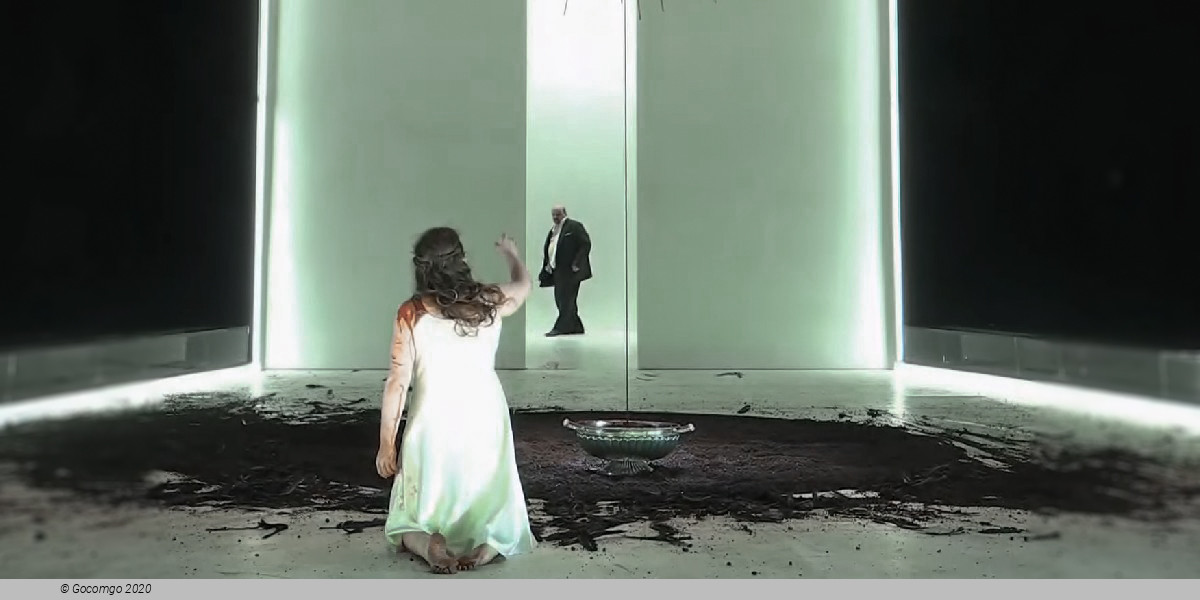
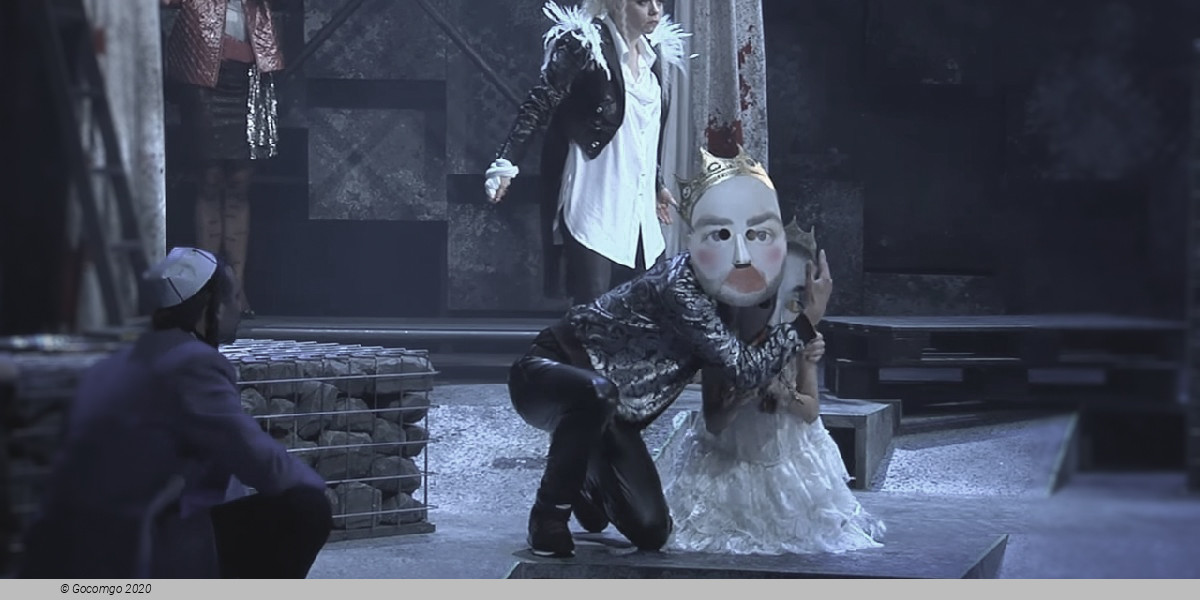
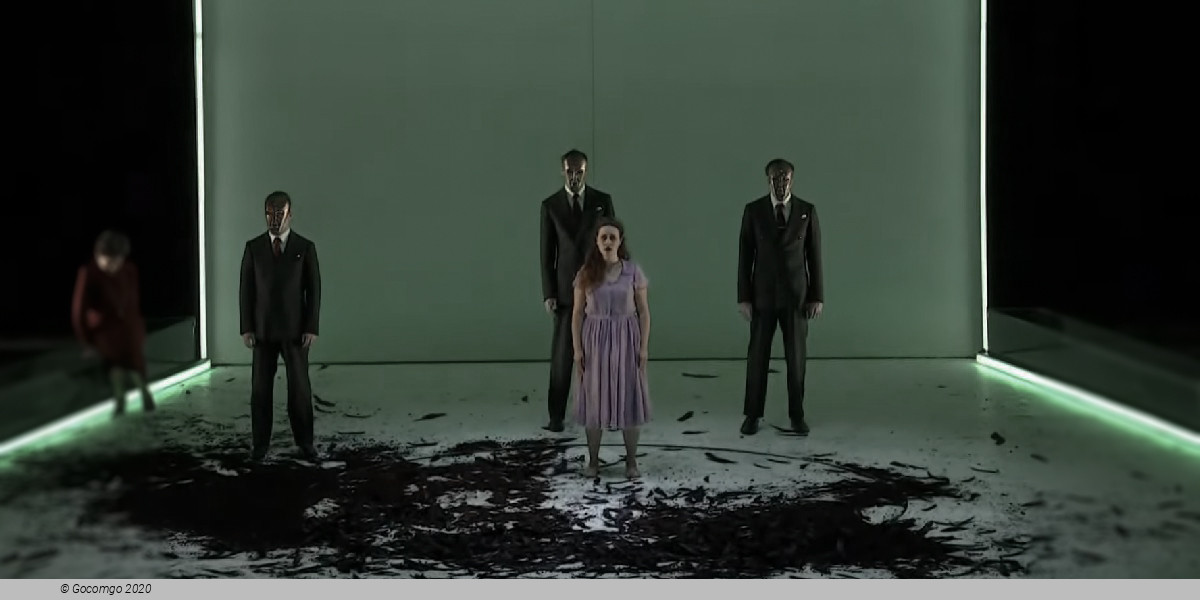
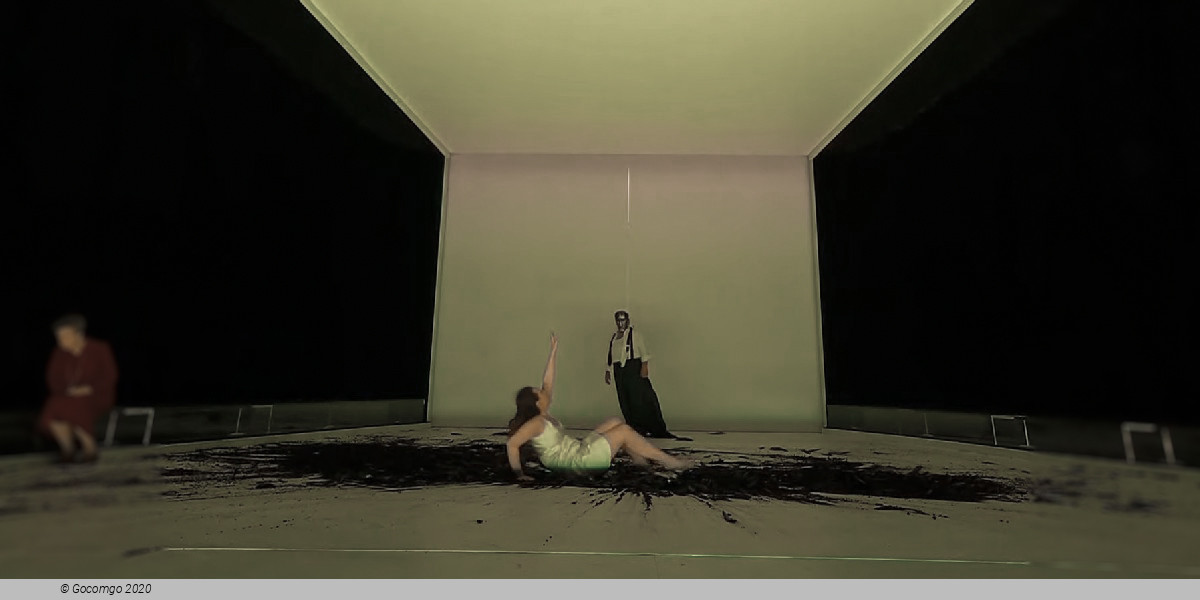
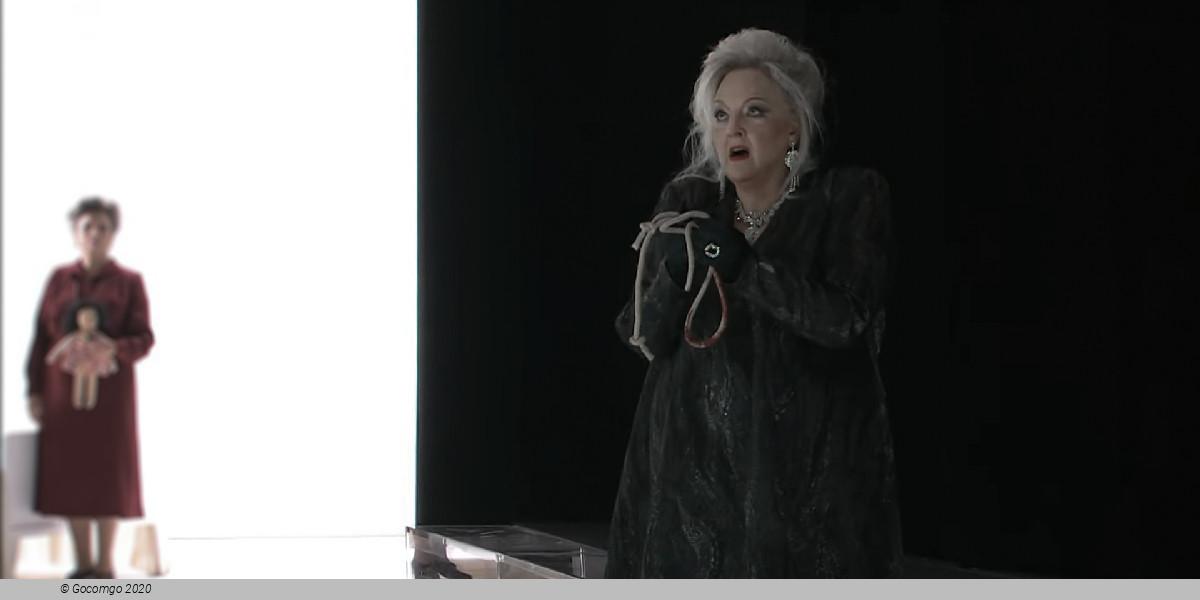
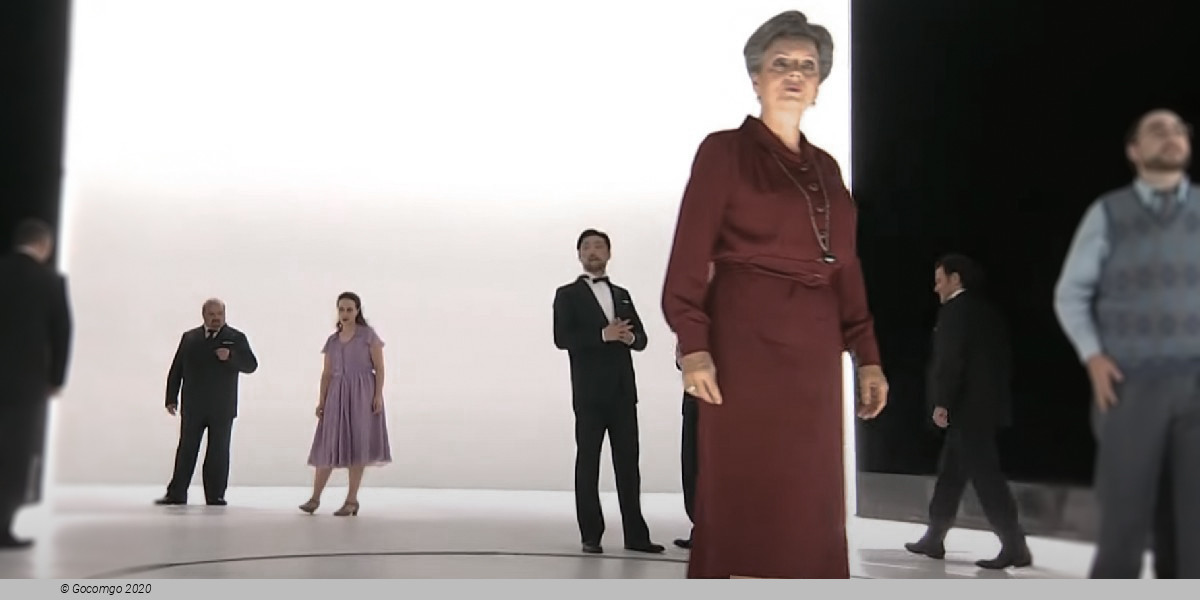
Princess Salome lives in the decadent court of her mother, Herodias, and stepfather, Herod. Like a voice from another world, the prophet Jochanaan calls to her from his prison cell in the palace dungeon. She projects her sensual desires on to the very man who cannot be tempted by worldly pleasures. His disdain for her cements her plan: if she can’t have the man, then at least she can have his head on a platter. In her final monologue, which is a dialogue with the prophet’s decapitated head, is simultaneously an ecstatic and tragic love song: “If you had seen me, Jochanaan, you would have loved me.”

History
Premiere of this production: 09 December 1905, Königliches Opernhaus, Dresden

Salome is an opera in one act by Richard Strauss. The libretto is Hedwig Lachmann's German translation of the French play Salomé by Oscar Wilde, edited by the composer. Strauss dedicated the opera to his friend Sir Edgar Speyer. The opera is famous (at the time of its premiere, infamous) for its "Dance of the Seven Veils". The final scene is frequently heard as a concert-piece for dramatic sopranos.

Synopsis

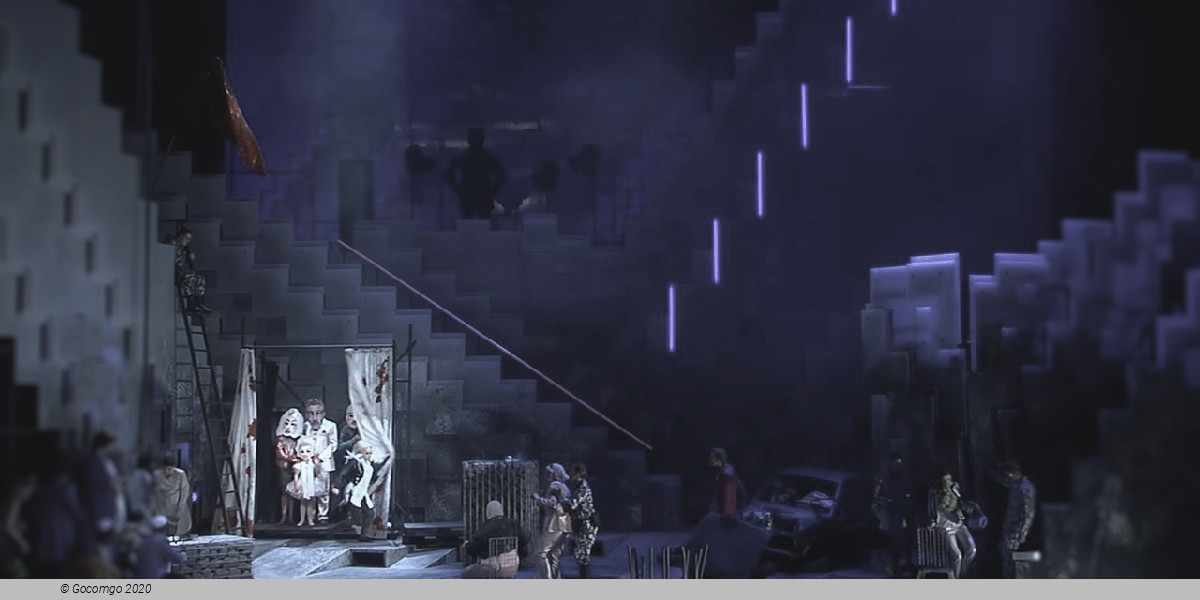
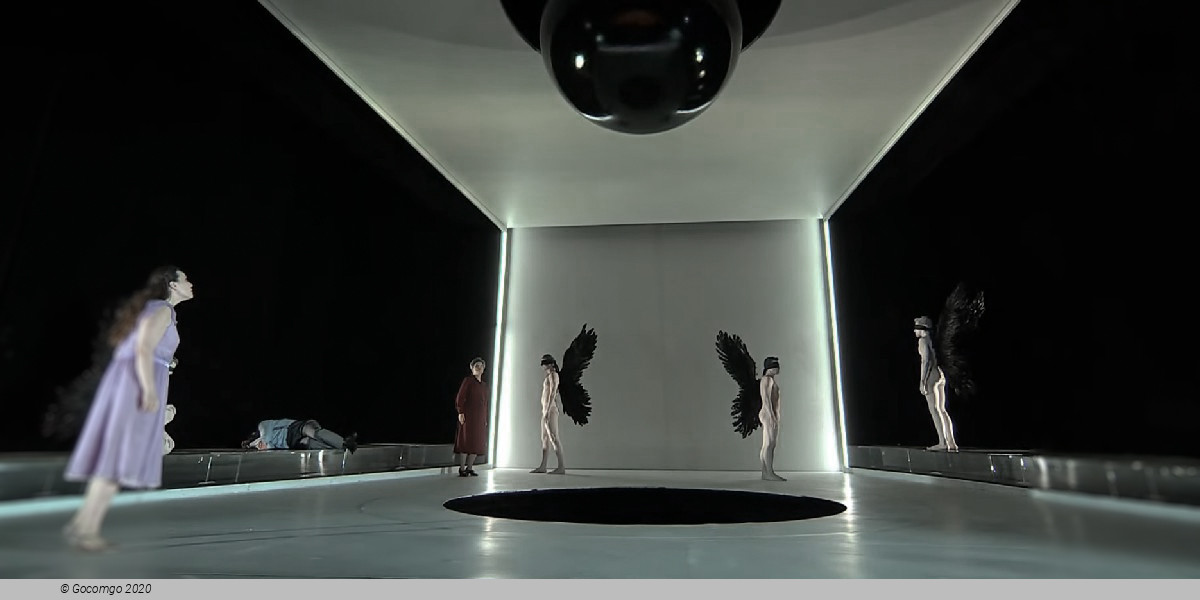
A great terrace in the Palace of Herod, set above the banqueting hall. Some soldiers are leaning over the balcony. To the right there is a gigantic staircase, to the left, at the back, an old cistern surrounded by a wall of green bronze. The moon is shining very brightly.

Narraboth gazes from a terrace in Herod's palace into the banquet hall at the beautiful Princess Salome; he is in love with her, and apotheosizes her, much to the disgusted fearfulness of the Page of Herodias. The voice of the Prophet Jochanaan is heard from his prison in the palace cistern; Herod fears him and has ordered that no one should contact him, including Jerusalem's High Priest.

Tired of the feast and its guests, Salome flees to the terrace. When she hears Jochanaan cursing her mother (Herodias), Salome's curiosity is piqued. The palace guards will not honor her petulant orders to fetch Jochanaan for her, so she teasingly works on Narraboth to bring Jochanaan before her. Despite the orders he has received from Herod, Narraboth finally gives in after she promises to smile at him.

Jochanaan emerges from the cistern and shouts prophecies regarding Herod and Herodias that no one understands, except Salome when the Prophet refers to her mother. Upon seeing Jochanaan, Salome is filled with an overwhelming desire for him, praising his white skin and asking to touch it, but he rejects her. She then praises his black hair, again asking to touch it, but is rejected once more. She finally begs for a kiss from Jochanaan's lips, and Narraboth, who cannot bear to hear this, kills himself. As Jochanaan is returned to the well, he preaches salvation through the Messiah.

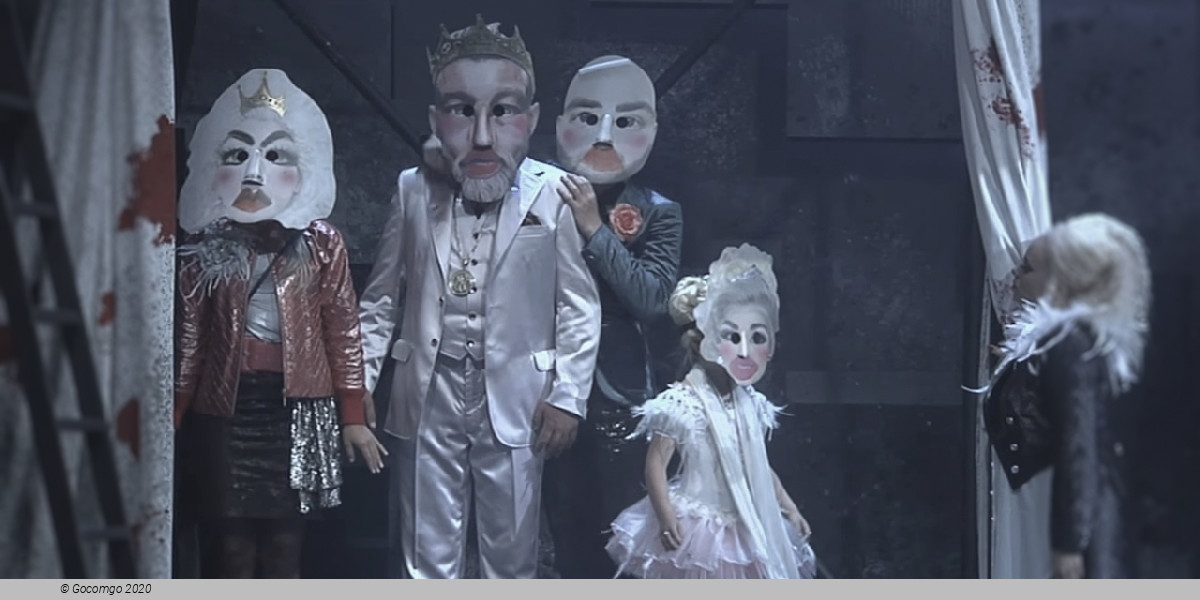
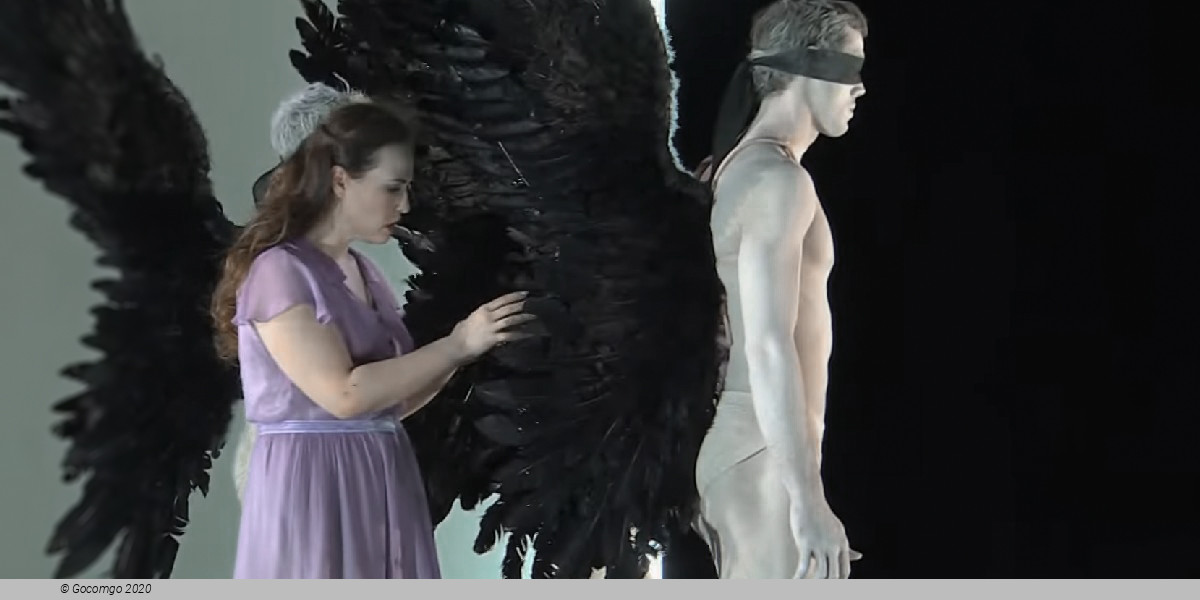
Herod enters, followed by his wife and court. He slips in Narraboth's blood and starts hallucinating. He hears the beating of wings. Despite Herodias' objections, Herod stares lustfully at Salome, who rejects him. Jochanaan harasses Herodias from the well, calling her incestuous marriage to Herod sinful. She demands that Herod silence him. Herod refuses, and she mocks his fear. Five Jews argue concerning the nature of God. Two Nazarenes tell of Christ's miracles; at one point they bring up the raising of Jairus' daughter from the dead, which Herod finds frightening.

Herod asks for Salome to eat with him, drink with him; indolently, she twice refuses, saying she is not hungry or thirsty. Herod then begs Salome to dance for him, Tanz für mich, Salome, though her mother objects. He promises to reward her with her heart's desire – even if it were one half of his kingdom.

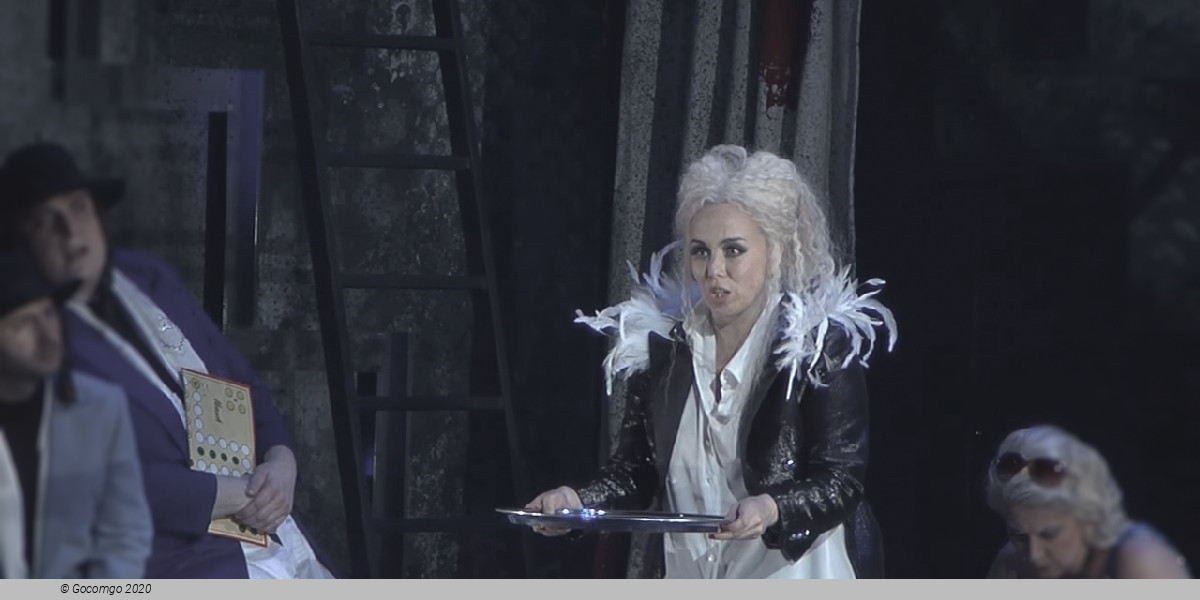
After Salome inquires into his promise, and he swears to honor it, she prepares for the "Dance of the Seven Veils". This dance, very oriental in orchestration, has her slowly removing her seven veils, until she lies naked at his feet. Salome then demands the head of the prophet on a silver platter. Her mother cackles in pleasure. Herod tries to dissuade her with offers of jewels, peacocks, and the sacred veil of the Temple. Salome remains firm in her demand for Jochanaan's head, forcing Herod to accede to her demands. After a desperate monologue by Salome, an executioner emerges from the well and delivers the severed head as she requested.

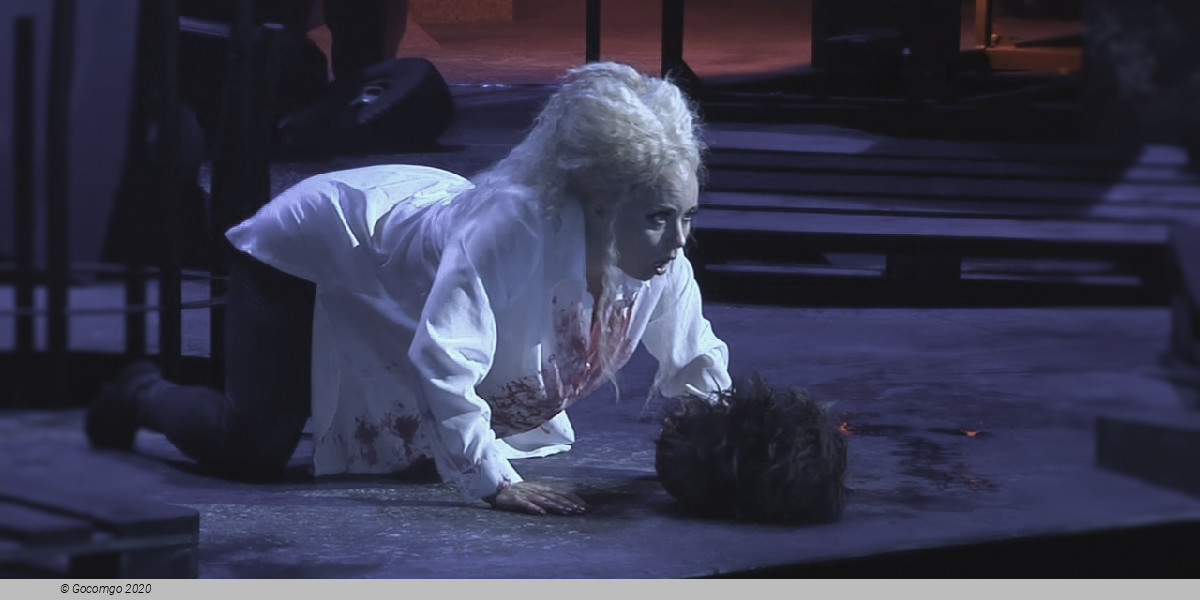
Salome now declares her love for the severed head, caressing it and kissing the prophet's dead lips passionately. Horrified, Herod orders his soldiers, "Kill that woman!" They rush forward and crush Salome under their shields.

Venue Info

Oper Leipzig - Leipzig
Location   Augustusplatz 12

Oper Leipzig is one of the most famous and oldest opera houses in Europe. Oper Leipzig stands for the highest musical and craft quality. It is based on active ensemble culture and the promotion of young singers. The program ranges from opera, opera, operetta, musical to classic and modern ballet. There are also numerous offers and in-house productions for children, young adults and families.

Oper Leipzig forms the roof for a three-division house consisting of an opera, Leipzig ballet and musical comedy. Located in the Opera House (Opera & Leipzig Ballet) in the center of Leipzig and in the Dreilinden House (Musical Comedy) in the Lindenau district, it has a tradition of more than 325 years of musical theater care in Leipzig. In 1693 the first opera house on Brühl was opened as the third bourgeois music theater in Europe after Venice and Hamburg. Since 1840, the world-famous Gewandhaus Orchestra has played on all performances of opera and ballet. Prof. Ulf Schirmer has been General Music Director of the Leipzig Opera since the 2009/10 season. Under his musical direction, Richard Wagner and Richard Strauss' works in particular become the focus of the repertoire.

Performances of opera in Leipzig trace back to Singspiel performances beginning in the year 1693. The director of many of those early operas at the original Opernhaus auf dem Brühl was Telemann.

The Leipzig Opera does not have its own opera orchestra – the Leipzig Gewandhaus Orchestra performs as its orchestra. This relationship began in 1766 with performances of the Singspiel Die verwandelten Weiber, oder Der Teufel ist los by Johann Adam Hiller.

The previous theater (the "Neues Theater") was inaugurated on 28 January 1868 with Jubilee Overture by Carl Maria von Weber and the overture for Iphigénie en Aulide by Gluck and Goethe's play Iphigenia in Tauris. From 1886 to 1888, Gustav Mahler was the second conductor; Arthur Nikisch was his superior. During an air raid in the night of 3 December 1943, part of the bombing of Leipzig in World War II, the theater was destroyed, as were all Leipzig's theatres.

Construction of the modern opera house began in 1956. The theater was inaugurated on 8 October 1960 with a performance of Wagner's Die Meistersinger von Nürnberg.

Since 2009, Ulf Schirmer is the Generalmusikdirektor (General Music Director, or GMD); he was elected artistic director in 2011 for a five-year term.

Important Info
Type: Opera
City: Leipzig, Germany
Starts at: 19:00
Acts: 1
Duration:
Sung in: German
Titles in: German,English
Top of page