Background
In Eisenach, Germany, in the early 13th century, the landgraves of the Thuringian Valley ruled the area of Germany around the Wartburg. They were great patrons of the arts, particularly music and poetry, holding contests between the minnesingers at the Wartburg. Across the valley towered the Venusberg, in whose interior, according to legend, dwelt Holda, the Goddess of Spring. In time, Holda became identified with Venus, the pagan Goddess of Love, whose grotto was the home of sirens and nymphs. It was said that the Goddess would lure the Wartburg minnesinger-knights to her lair where her beauty would captivate them. The minnesinger-knight Heinrich von Ofterdingen, known as Tannhäuser, left the court of the Landgrave of Thuringia a year ago after a disagreement with his fellow knights. Since then he has been held as a willing captive through his love for Venus, in her grotto in the Venusberg.
Overture
The substantial overture commences with the theme of the 'Pilgrim's Chorus' from Act 3, Scene 1, and also includes elements of the 'Venusberg' music from Act 1, Scene 1. The overture is frequently performed as a separate item in orchestral concerts, the first such performance having been given by Felix Mendelssohn conducting the Leipzig Gewandhaus Orchestra in February 1846.[28] Wagner later gave the opinion that perhaps it would be better to cut the overture at opera performances to the Pilgrim's Chorus alone – "the remainder – in the fortunate event of its being understood – is, as a prelude to the drama, too much; in the opposite event, too little." In the original, "Dresden" version, the overture comes to a traditional concert close (the version heard in concert performances). For the "Paris" version the music leads directly into the first scene, without pausing.
Act 1
The Venusberg, (the Hörselberg of "Frau Holda" in Thuringia, in the vicinity of Eisenach), and a valley between the Venusberg and Wartburg
Scene 1. Wagner's stage directions state: "The stage represents the interior of the Venusberg...In the distant background is a bluish lake; in it one sees the bathing figures of naiads; on its elevated banks are sirens. In the extreme left foreground lies Venus bearing the head of the half kneeling Tannhäuser in her lap. The whole cave is illuminated by rosy light. – A group of dancing nymphs appears, joined gradually by members of loving couples from the cave. – A train of Bacchantes comes from the background in wild dance... – The ever-wilder dance answers as in echo the Chorus of Sirens": "Naht euch dem Strande" (Come to the shore). In the "Paris" version this orgiastic ballet is greatly extended.
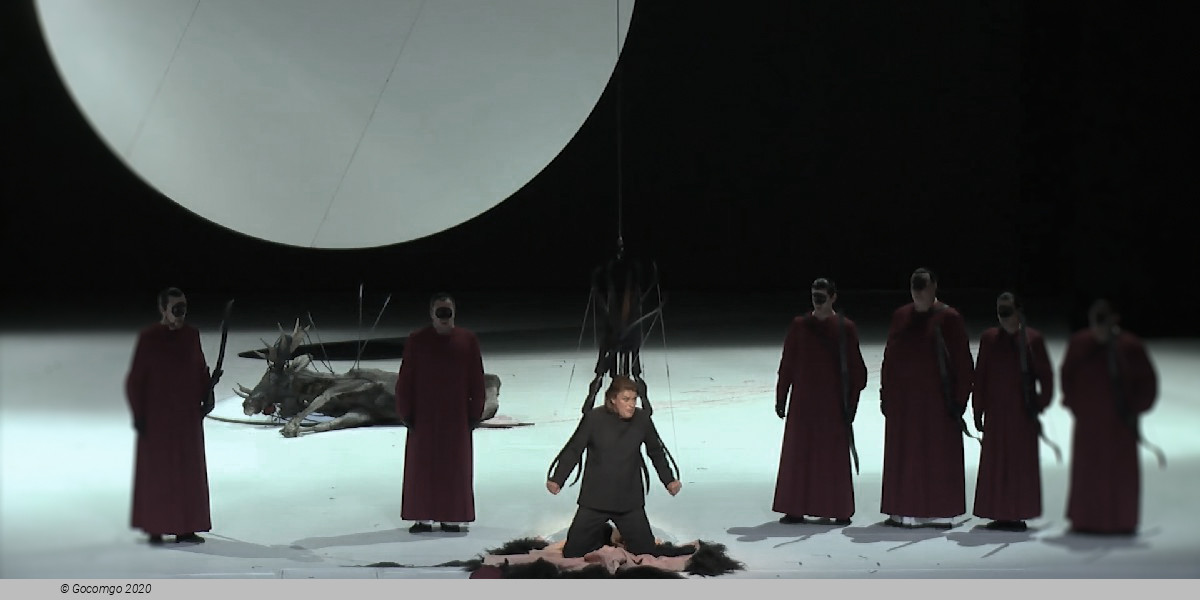
Scene 2. Following the orgy of the ballet, Tannhäuser's desires are finally satiated, and he longs for freedom, spring and the sound of church bells. He takes up his harp and pays homage to the goddess in a passionate love song, "Dir töne Lob!" (Let your praises be heard), which he ends with an earnest plea to be allowed to depart, "Aus deinem Reiche, muss ich fliehn! O Königin! Göttin! Lass mich ziehn!" (From your kingdom must I flee! O Queen! O Goddess, set me free). Surprised, Venus offers him further charms, but eventually his repeated pleas arouse her fury and she curses his desire for salvation. (In the "Paris" version Venus's inveighing against Tannhäuser is significantly expanded). Eventually Tannhäuser declares: "Mein Heil ruht in Maria" (My salvation rests in Mary). These words break the unholy spell. Venus and the Venusberg disappear.
Scene 3. According to Wagner's stage directions, "Tannhäuser...finds himself a beautiful valley… To the left one sees the Hörselberg. To the right...a mountain path from the direction of the Wartburg ...; in the foreground, led to by a low promontory, an image of the Virgin Mary – From above left one hears the ringing of herder’s bells; on a high projection sits a young shepherd with pipes facing the valley". It is May. The shepherd sings an ode to the pagan goddess Holda, "Frau Holda kam aus dem Berg hervor" (Lady Holda, come forth from the hill). A hymn "Zu dir wall ich, mein Jesus Christ" (To thee I turn, my Jesus Christ) can be heard, as Pilgrims are seen approaching from the Wartburg, and the shepherd stops playing. The pilgrims pass Tannhäuser as he stands motionless, and then, praising God, ("Allmächt'ger, dir sei Preis!" (Almighty God, to you be praise!)) he sinks to his knees, overcome with gratitude. At that moment the sound of hunting-horns can be heard, drawing ever nearer.
Scene 4. The Landgrave's hunting party appears. The minnesingers (Wolfram, Walther, Biterolf, Reinmar, and Heinrich) recognise Tannhäuser, still deep in prayer, and greet him ("Heinrich! Heinrich! Seh ich recht?" (Heinrich! Heinrich! Do I see right?)) cautiously, recalling past feuds. They question him about his recent whereabouts, to which he gives vague answers. The minnesingers urge Tannhäuser to rejoin them, which he declines until Wolfram mentions Elisabeth, the Landgrave's niece, "Bleib bei Elisabeth!" (Stay, for Elisabeth!). Tannhäuser is visibly moved, "Elisabeth! O Macht des Himmels, rufst du den süsssen Namen mir?" (Elisabeth! O might of heaven, is it you that wakes me with that sweet name?). The minnesingers explain to Tannhäuser how he had enchanted Elisabeth, but when he had left she withdrew from their company and lost interest in music, expressing the hope that his return will also bring her back, "Auf's Neue leuchte uns ihr Stern!" (Let her star once more shine upon us). Tannhäuser begs them to lead him to her, "Zu ihr! Zu ihr!" (To her! To her!). The rest of the hunting party gathers, blowing horns.
Act 2
The Wartburg in Eisenach
The minnesingers' hall in the Wartburg castle
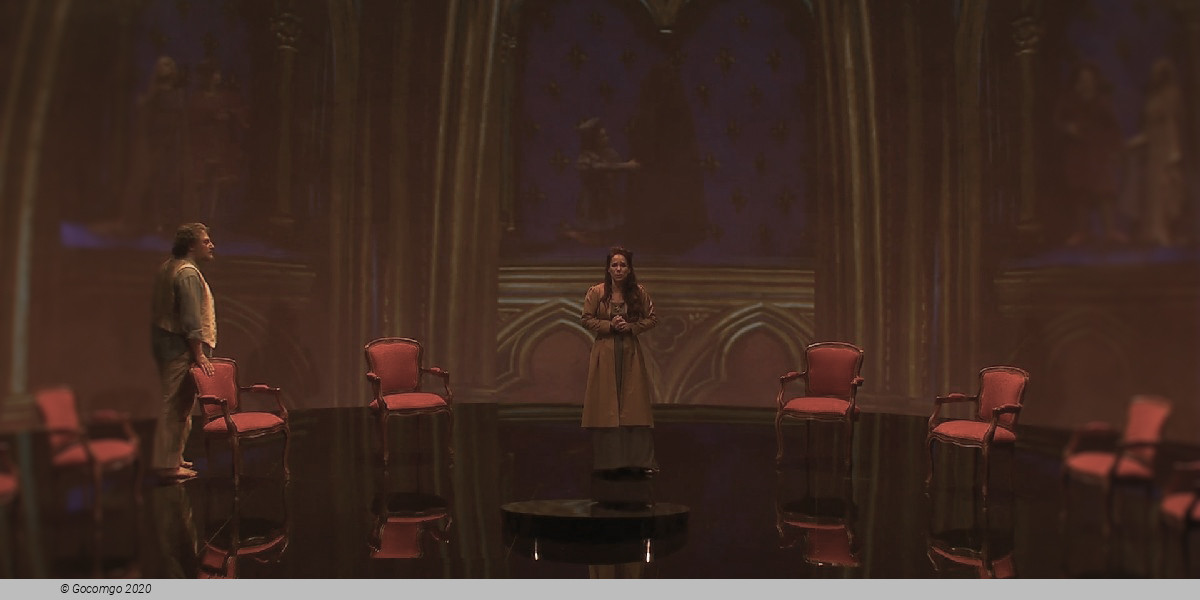
Introduction – Scene 1. Elisabeth enters, joyfully. She sings, to the hall, of how she has been beset by sadness since Tannhäuser's departure but now lives in hope that his songs will revive both of them, "Dich, teure Halle, grüss ich wieder" (Dear hall, I greet thee once again). Wolfram leads Tannhäuser into the hall.
Scene 2. Tannhäuser flings himself at Elisabeth's feet. He exclaims "O Fürstin!" (O Princess!). At first, seemingly confused, she questions him about where he has been, which he avoids answering. She then greets him joyfully ("Ich preise dieses Wunder aus meines Herzens Tiefe!" (I praise this miracle from my heart's depths!)), and they join in a duet, "Gepriesen sei die Stunde" (Praise be to this hour). Tannhäuser then leaves with Wolfram.
Scene 3. The Landgrave enters, and he and Elisabeth embrace. The Landgrave sings of his joy, "Dich treff ich hier in dieser Halle" (Do I find you in this hall) at her recovery and announces the upcoming song contest, at which she will preside, "dass du des Festes Fürstin seist" (that you will be the Princess of the Festival).
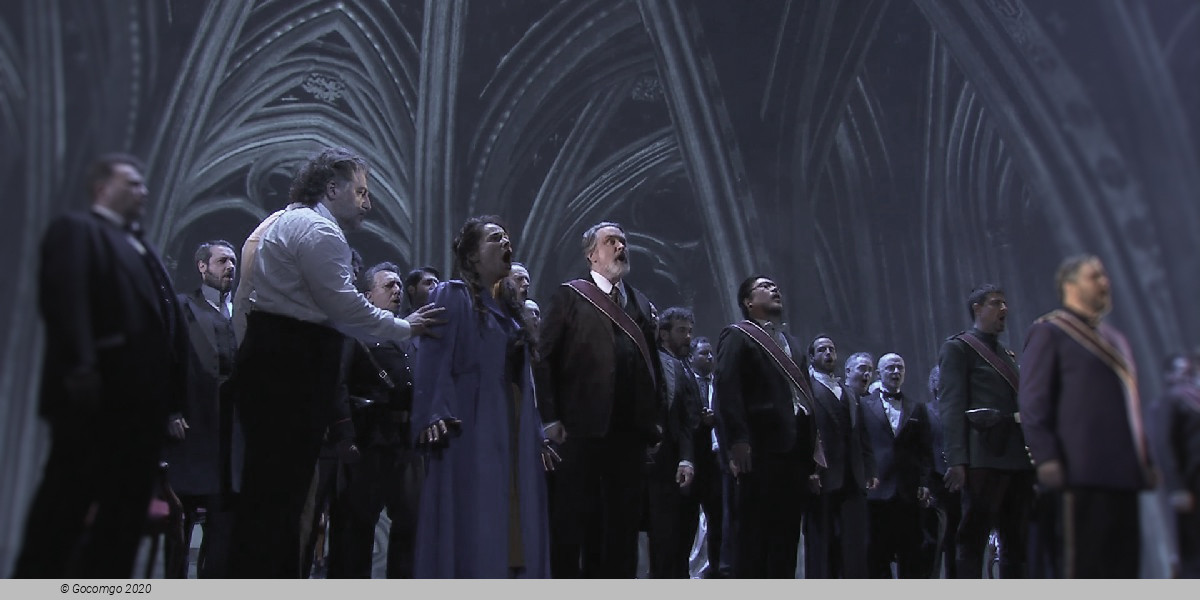
Scene 4 and Sängerkrieg (Song Contest). Elisabeth and the Landgrave watch the guests arrive. The guests assemble greeting the Landgrave and singing "Freudig begrüssen wir edle Halle" (With joy we greet the noble hall), take their places in a semicircle, with Elisabeth and the Landgrave in the seats of honour in the foreground. The Landgrave announces the contest and the theme, which shall be "Könnt ihr der Liebe Wesen mir ergründen?" (Can you explain the nature of Love?), and that the prize will be whatever the winner asks of Elisabeth. The knights place their names in a cup from which Elisabeth draws the first singer, Wolfram. Wolfram sings a trite song of courtly love and is applauded, but Tannhäuser chides him for his lack of passion. There is consternation, and once again Elisabeth appears confused, torn between rapture and anxiety. Biterolf accuses him of blasphemy and speaks of "Frauenehr und hohe Tugend" (women's virtue and honour). The knights draw their swords as Tannhäuser mocks Biterolf, but the Landgrave intervenes to restore order. However, Tannhäuser, as if in a trance, rises to his feet and sings a song of ecstatic love to Venus, "Dir Göttin der Liebe, soll mein Lied ertönen" (To thee, Goddess of Love, will my song be raised). There is general horror as it is realised he has been in the Venusberg; the women, apart from Elisabeth, flee. She appears pale and shocked, while the knights and the Landgrave gather together and condemn Tannhäuser to death. Only Elisabeth, shielding him with her body, saves him, "Haltet ein!" (Stop!). She states that God's will is that a sinner shall achieve salvation through atonement. Tannhäuser collapses as all hail Elisabeth as an angel, "Ein Engel stieg aus lichtem Äther" (An angel comes to us from the realm of light). He promises to seek atonement, the Landgrave exiles him and orders him to join another younger band of pilgrims then assembling. All depart, crying Nach Rom! (To Rome!).
In the "Paris" version, the song contest is somewhat shortened, possibly because of the lack of suitable soloists for the Paris production.
Act 3
The valley of the Wartburg, in autumn. Elisabeth is kneeling, praying before the Virgin as Wolfram comes down the path and notices her
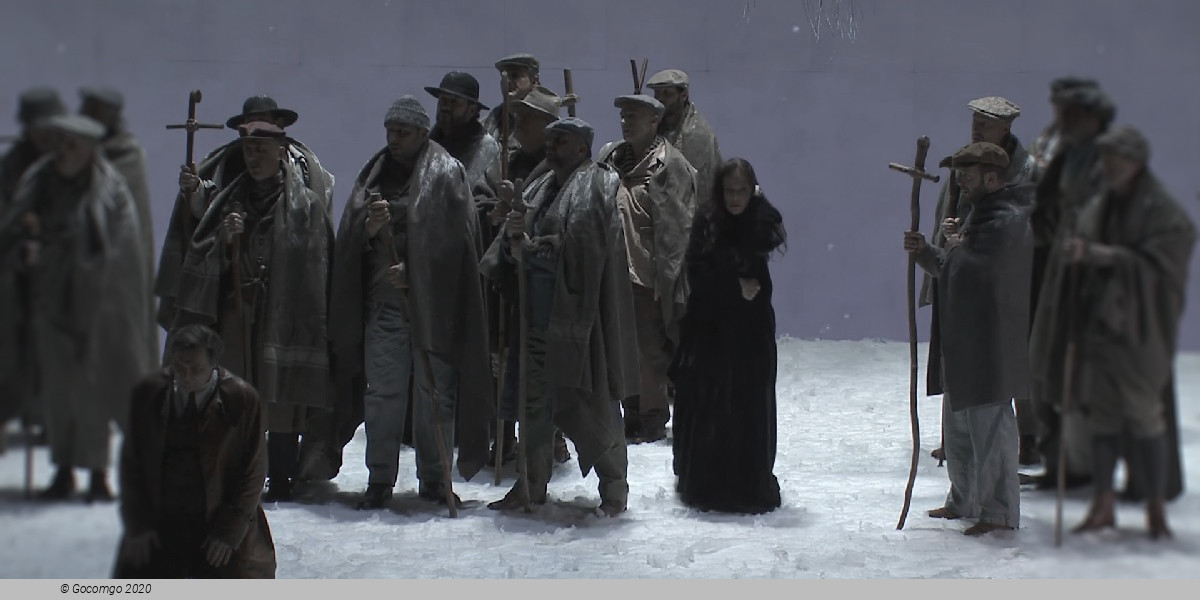
Scene 1. Orchestral music describes the pilgrimage of Tannhäuser. It is evening. Wolfram muses on Elisabeth's sorrow during Tannhäuser's second absence, "Wohl wusst' ich hier sie im Gebet zu finden" (I knew well I might find her here in prayer) and her longing for the return of the pilgrims, and expresses concerns that he may not have been absolved. As he does so he hears a pilgrims' prayer in the distance, "Beglückt darf nun dich, O Heimat, ich schauen" (Joyfully now my homeland I behold). Elisabeth rises and she and Wolfram listen to the hymn, watching the pilgrims approach and pass by. She anxiously searches the procession, but in vain, realising sorrowfully he is not amongst them, "Er kehret nicht züruck!" (He has not returned). She again kneels with a prayer to the Virgin that appears to foretell her death, "Allmächt'ge Jungfrau! Hör mein Flehen" (Almighty Virgin, hear my plea!). On rising she sees Wolfram but motions him not to speak. He offers to escort her back to the Wartburg, but she again motions him to be still, and gestures that she is grateful for his devotion but her path leads to heaven. She slowly makes her way up the path alone.
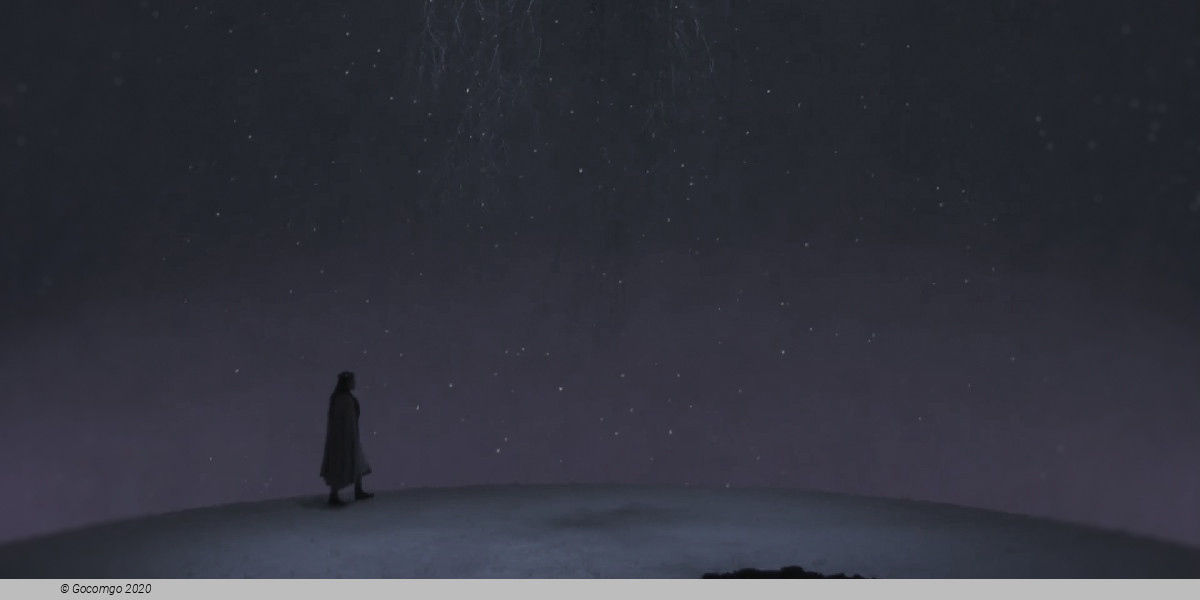
Scene 2. Wolfram, left alone as darkness draws on and the stars appear, begins to play and sings a hymn to the evening star that also hints at Elisabeth's approaching death, "Wie Todesahnung Dämmrung deckt die Lande...O du mein holder Abendstern" (Like a premonition of death the twilight shrouds the earth... O thou my fair evening star).
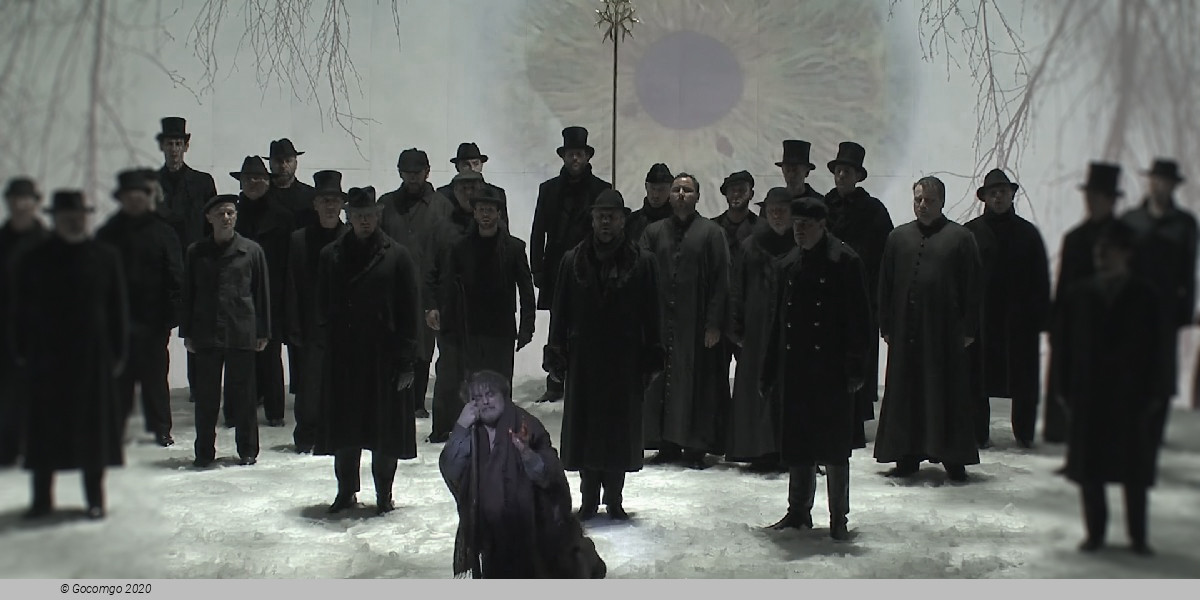
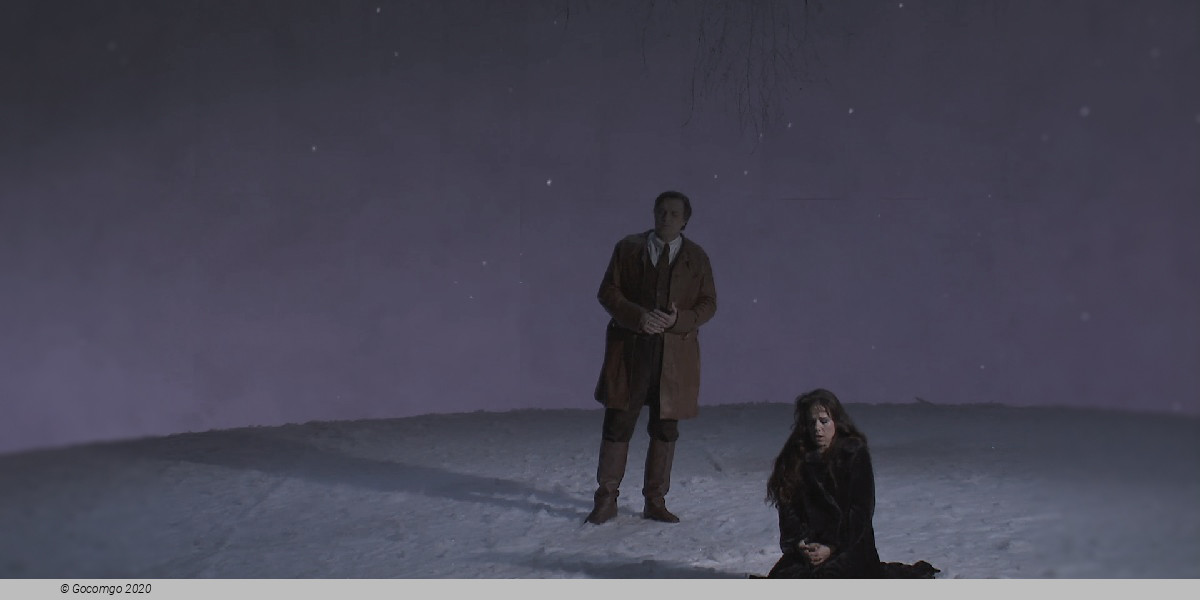
Scene 3. It is now night. Tannhäuser appears, ragged, pale and haggard, walking feebly leaning on his staff. Wolfram suddenly recognises Tannhäuser, and startled challenges him, since he is exiled. To Wolfram's horror, Tannhäuser explains he is once again seeking the company of Venus. Wolfram tries to restrain him, at the same time expressing compassion and begging him to tell the story of his pilgrimage. Tannhäuser urges Wolfram to listen to his story, "Nun denn, hör an! Du, Wolfram, du sollst es erfahren" (Now then, listen! You, Wolfram, shall learn all that has passed). Tannhäuser sings of his penitence and suffering, all the time thinking of Elisabeth's gesture and pain, "Inbrunst im Herzen, wie kein Büsser noch" (With a flame in my heart, such as no penitent has known). He explains how he reached Rome, and the "Heiligtumes Schwelle" (Holy shrine), and witnessed thousands of pilgrims being absolved. Finally he approaches "ihn, durch den sich Gott verkündigt'" (he, through whom God speaks)[a] and tells his story. However, rather than finding absolution, he is cursed, "bist nun ewig du verdammt!" (you are forever damned!), and is told by the pope that "Wie dieser Stab in meiner Hand, nie mehr sich schmückt mit frischem Grün, kann aus der Hölle heissem Brand, Erlösung nimmer dir erblühn!" (As this staff in my hand, no more shall bear fresh leaves, from the hot fires of hell, salvation never shall bloom for thee). Whereupon, absolutely crushed, he fled, seeking his former source of bliss.
Having completed his tale, Tannhäuser calls out to Venus to take him back, "Zu dir, Frau Venus, kehr ich wieder" (To you, Lady Venus, I return). The two men struggle as a faint image of dancing becomes apparent. As Tannhäuser repeatedly calls on Venus, she suddenly appears and welcomes him back, "Willkommen, ungetreuer Mann!" (Welcome, faithless man!). As Venus continues to beckon, "Zu mir! Zu mir!" (To me!, To me!), in desperation, Wolfram suddenly remembers there is one word that can change Tannhäuser's heart, and exclaims "Elisabeth!" Tannhäuser, as if frozen in time, repeats the name. As he does so, torches are seen, and a funeral hymn is heard approaching, "Der Seele Heil, die nun entflohn" (Hail, the soul that now is flown). Wolfram realises it must be Elisabeth's body that is being borne, and that in her death lies Tannhäuser's redemption, "Heinrich, du bist erlöst!" (Heinrich, you are saved). Venus cries out, "Weh! Mir verloren" (Alas! Lost to me!) and vanishes with her kingdom. As dawn breaks the procession appears bearing Elisabeth's body on a bier. Wolfram beckons to them to set it down, and as Tannhäuser bends over the body uttering, "Heilige Elisabeth, bitte für mich!" (Holy Elisabeth!, pray for me!) he dies. As the growing light bathes the scene the younger pilgrims arrive bearing the pope's staff sprouting new leaves, and proclaiming a miracle, "Heil! Heil! Der Gnade Wunder Heil!" (Hail!, Hail! To this miracle of grace, Hail!). All then sing "Der Gnade Heil ist dem Büsser beschieden, er geht nun ein in der Seligen Frieden!" (The Holy Grace of God is to the penitent given, who now enters into the joy of Heaven!).



 Untermainanlage 11