



Oper Frankfurt 25 June 2023 - Xerxes | GoComGo.com

Xerxes

Oper Frankfurt, Opera House, Frankfurt am Main, Germany
All photos (11)
Select date and time
6 PM

E-tickets: Print at home or at the box office of the event if so specified. You will find more information in your booking confirmation email.

You can only select the category, and not the exact seats.
If you order 2 or 3 tickets: your seats will be next to each other.
If you order 4 or more tickets: your seats will be next to each other, or, if this is not possible, we will provide a combination of groups of seats (at least in pairs, for example 2+2 or 2+3).

Important Info
Type: Opera
City: Frankfurt am Main, Germany
Starts at: 18:00
Acts: 3
Intervals: 1
Duration: 3h 15min
Sung in: Italian
Titles in: German,English

E-tickets: Print at home or at the box office of the event if so specified. You will find more information in your booking confirmation email.

You can only select the category, and not the exact seats.
If you order 2 or 3 tickets: your seats will be next to each other.
If you order 4 or more tickets: your seats will be next to each other, or, if this is not possible, we will provide a combination of groups of seats (at least in pairs, for example 2+2 or 2+3).

Overview

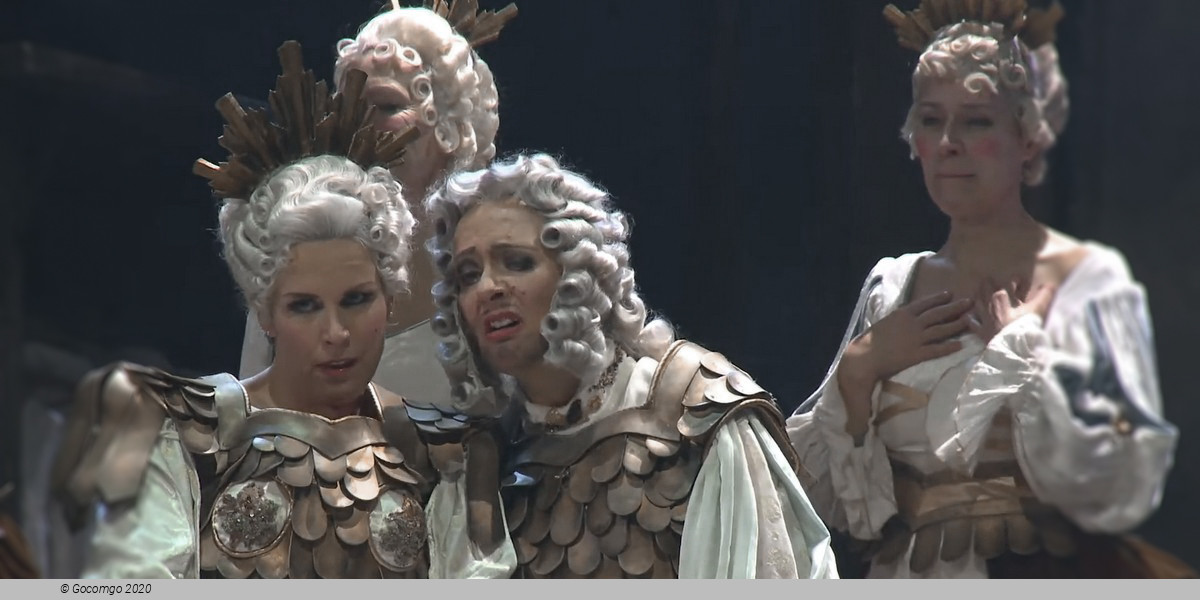
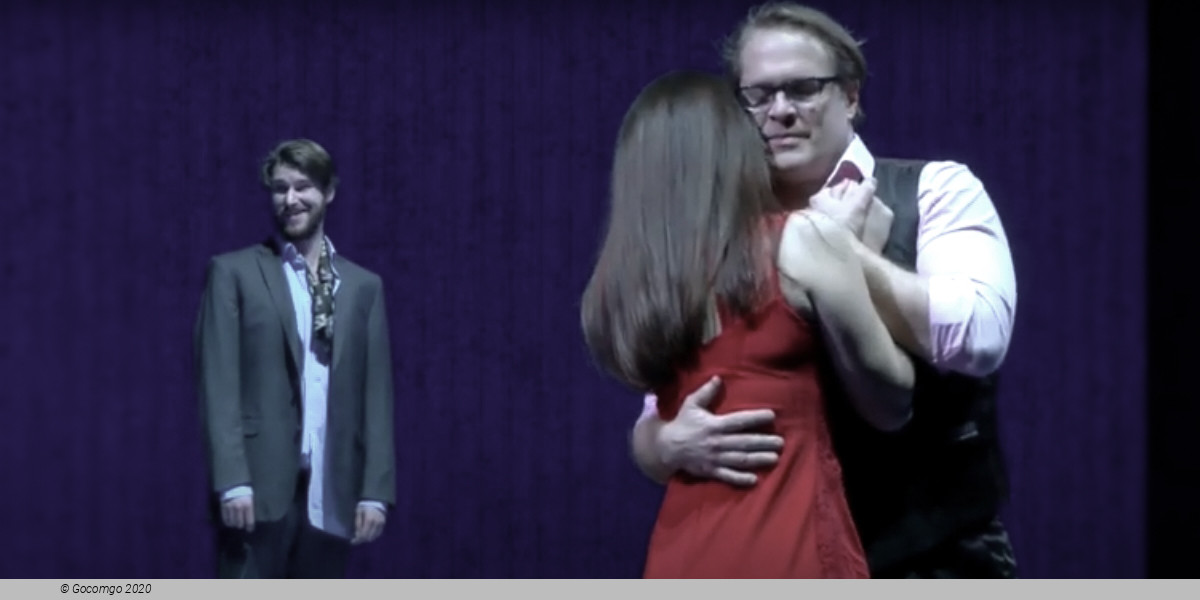
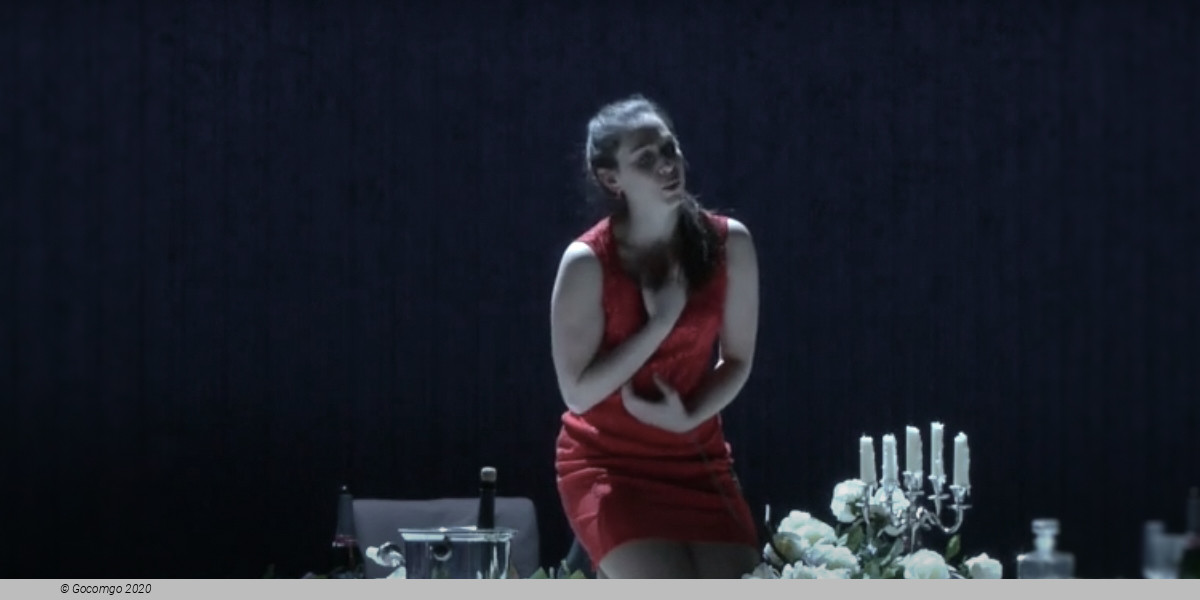
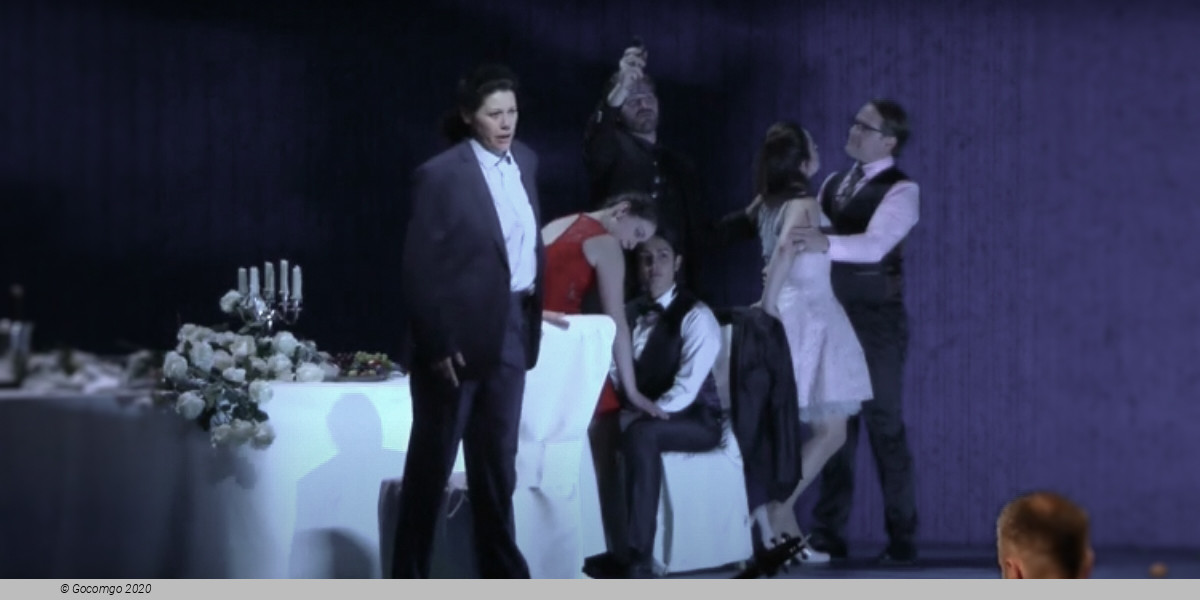
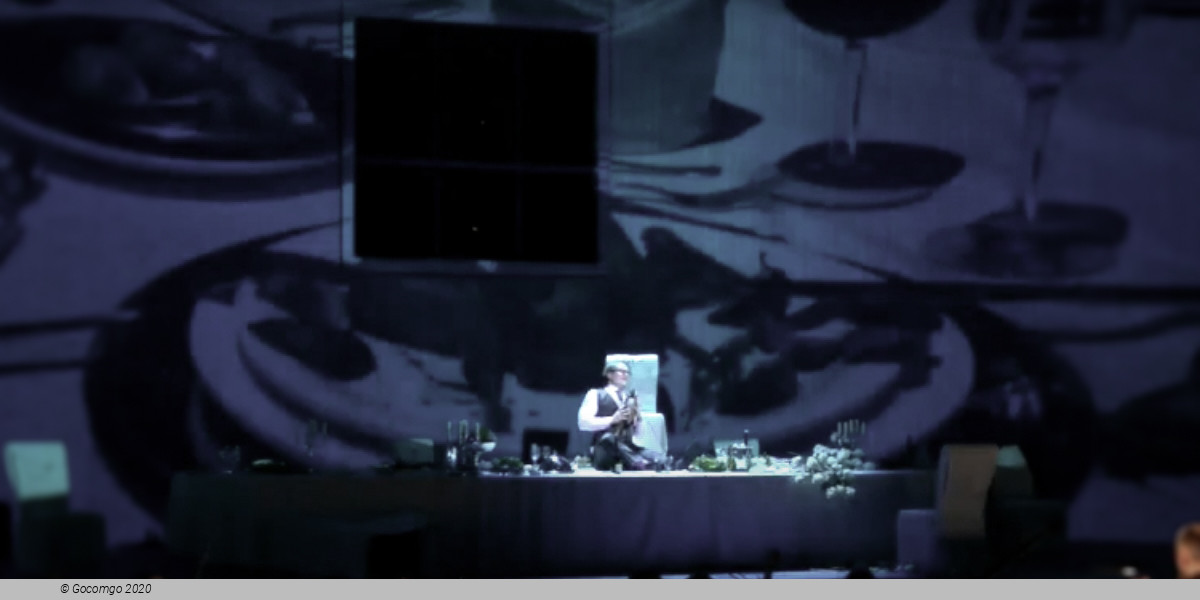
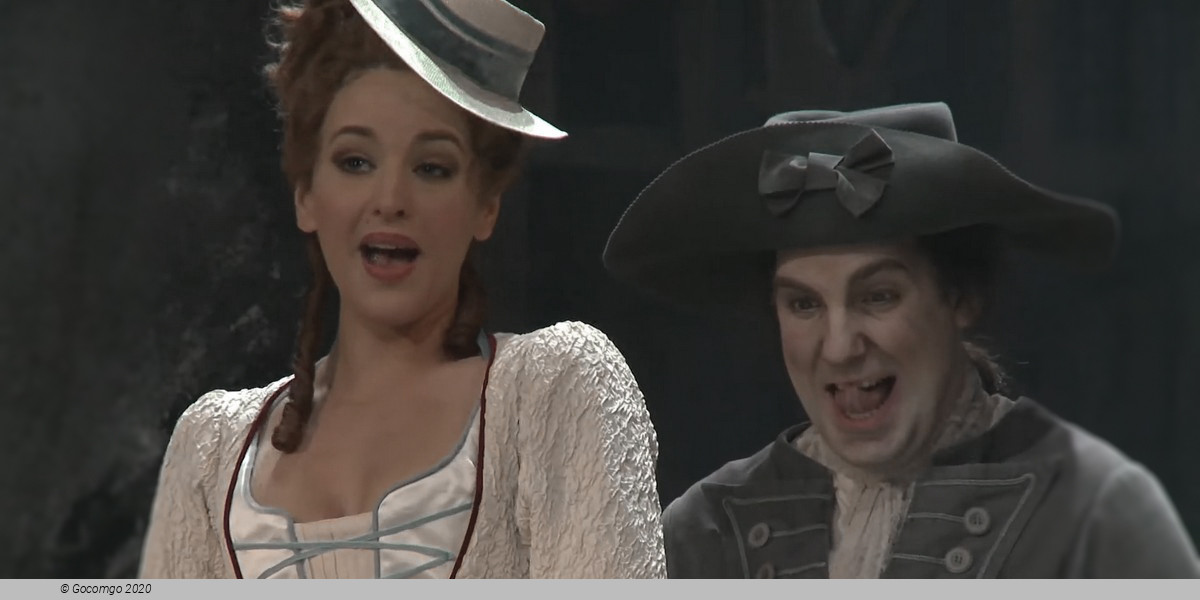
Eccentric, love crazed King Xerxes always wants what he can’t get: flitting back and forth between strategic war leadership and women.

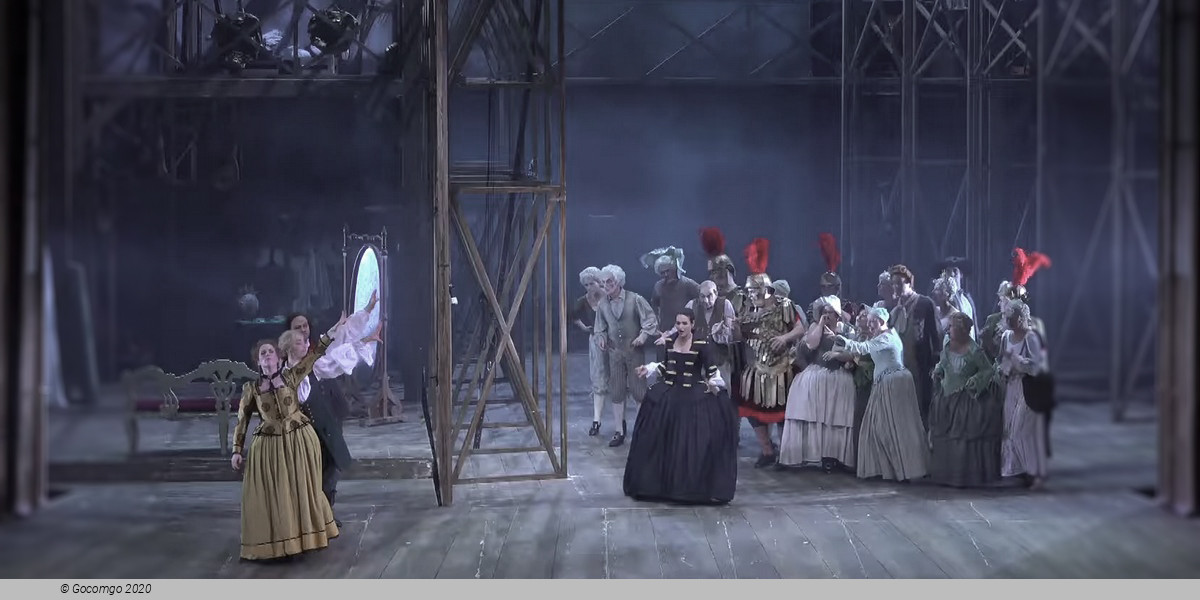
He intends to build an enormous bridge for his army and conquer Romilda, his brother’s beloved, even though he’s already engaged to Amastre, a king’s daughter. Love, envy, jealousy and misleading promises cause all kinds of problems, with Handel highlighting the chaos and mendaciousness of members of the upper classes in his tragicomedy. The King is finally put in his place and made to realise that power can't rule emotions. Xerxes is one of Handel’s last operas and confirmed the aging composer’s virtuosity and vitality. Clothed in turbulence, it takes a close look at the emotions and complexities of an out of his depth leader: the biting satire of the King's longings, despair, quirks, and (self-)destructive megalomania, and a society tangled up in itself.

History
Premiere of this production: 15 April 1738, King's Theatre Haymarket, London

Serse (Xerxes) is an opera seria in three acts by George Frideric Handel. It was first performed in London on 15 April 1738. The Italian libretto was adapted by an unknown hand from that by Silvio Stampiglia for an earlier opera of the same name by Giovanni Bononcini in 1694. Stampiglia's libretto was itself based on one by Nicolò Minato that was set by Francesco Cavalli in 1654. The opera is set in Persia (modern-day Iran) about 470 BC and is very loosely based upon Xerxes I of Persia. Serse, originally sung by a mezzo soprano castrato, is now usually performed by a mezzo-soprano or counter-tenor.

Synopsis

Place: Abydos, Persia
Time: about 470 BC

Act 1
A garden with a large plane tree and a summerhouse on the side

The King of Persia, Serse, gives effusive, loving thanks to the plane tree for furnishing him with shade.(Arioso:Ombra mai fu). His brother Arsamene, with his buffoonish servant Elviro, enters, looking for Arsamene's sweetheart Romilda. They stop as they hear her singing from the summerhouse. Romilda is making gentle fun of Serse with her song. He is in love with a tree, but the tree does not return his affection. Serse does not know that his brother is in love with the singer, and entranced by her music, Serse announces that he wants her to be his. Arsamene is horrified when Serse orders him to tell Romilda of his love. Arsamene warns Romilda of what Serse wants - this encourages Atalanta, Romilda's sister, who is secretly in love with Arsamene also and hopes that Romilda will be Serse's and then she can have Arsamene.

Serse tells Romilda that he wants her for his queen and when Arsamene remonstrates Serse banishes him. Romilda is determined to remain faithful to the man she loves, Arsamene.

Outside the palace

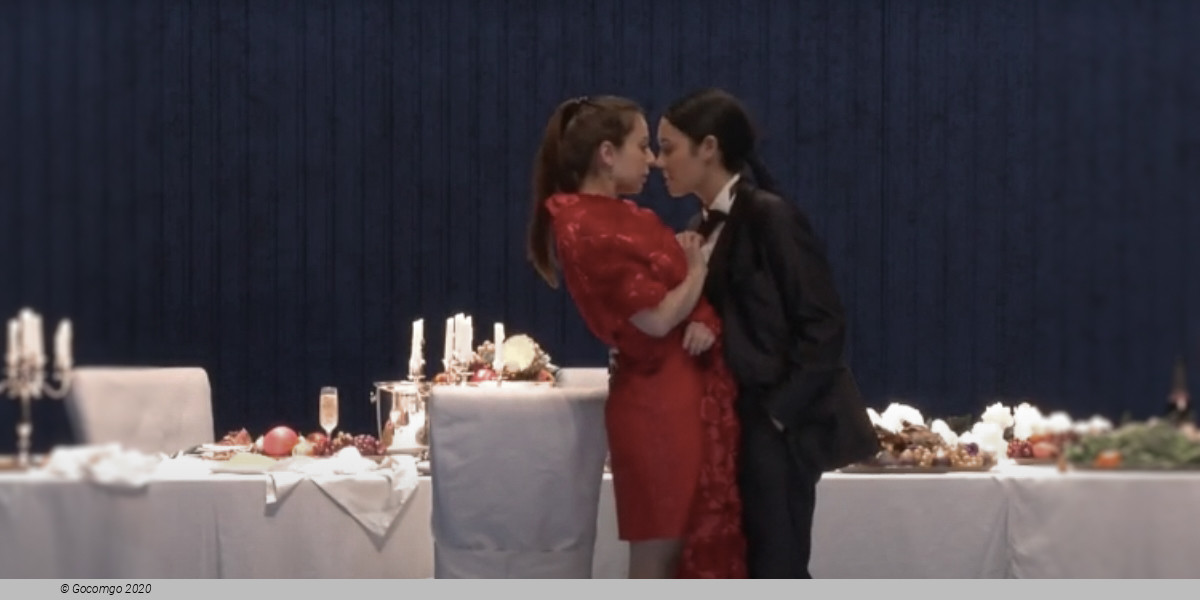
Princess Amastre now arrives, disguised as a man. She was engaged to Serse but he jilted her and she is furiously determined to be revenged.

Ariodate, general to Serse and father of Romilda and Atalanta, enters with news of a great military victory he has won. Serse is grateful to him and promises that as a reward his daughter Romilda will marry a man equal in rank to the King himself.

Arsamene gives Elviro a letter for Romilda, telling her how distressed he is at their forced separation and pledging to try to visit her in secret. Romilda's sister Atalanta, hoping to secure Arsamene for herself, tells Romilda that Arsamene is in love with another girl, but Romilda does not believe it.

Act 2
A square in the city

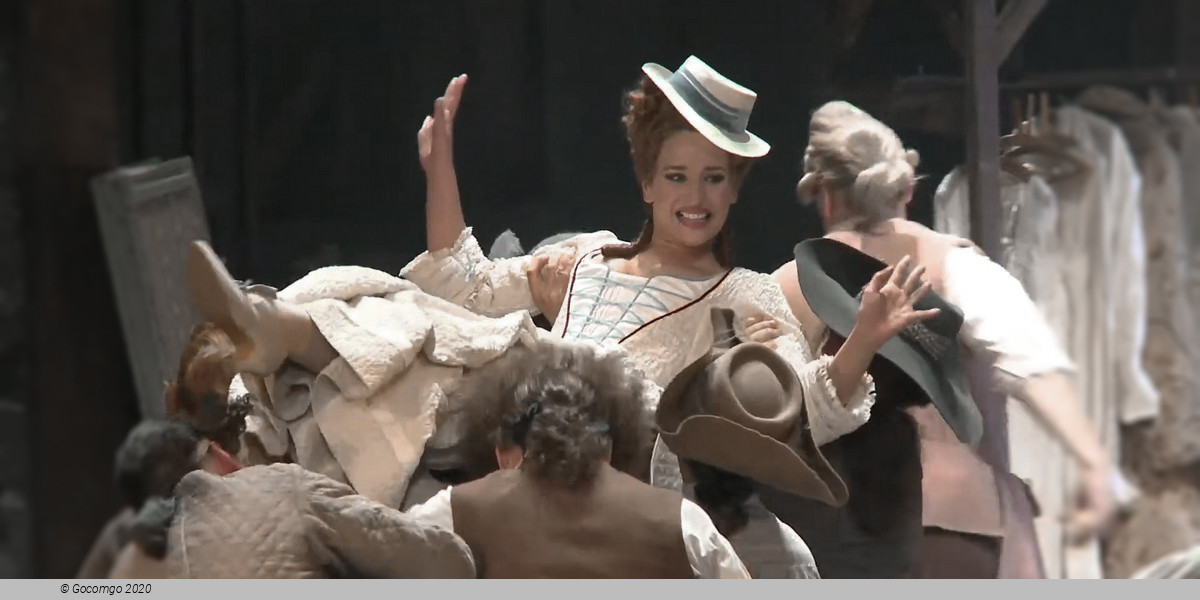
Elviro has disguised himself as a flower-seller in order to deliver his master Arsamene's letter to Romilda, and is also putting on a rural accent. He does not approve of the King's desire to marry a mere subject such as Romilda and makes this clear. Princess Amastre, in her disguise as a man, hears Elviro expressing this and she is aghast at the King's plan to marry another when he promised to be hers (Aria:Or che siete speranze tradite).

Amastre leaves in despair and rage and Atalanta enters. Elviro tells her he has a letter for her sister and Atalanta takes it, promising to give it to Romilda. Instead she mischievously shows the letter to the King, telling him that Arsamene sent it to her and no longer loves Romilda. Serse takes the letter and shows it to Romilda, telling her Arsamene is now in love with Atalanta, not her. Romilda is shaken (Aria:E’ Gelosia).

Princess Amastre has decided to kill herself but Elviro arrives in time to stop her. She resolves to confront the King with his ill-treatment of her. Elviro tells Amastre that Romilda now loves Serse: Amastre is devastated (Aria:Anima infida).

By the newly-constructed bridge spanning the Hellespont and thus uniting Asia and Europe

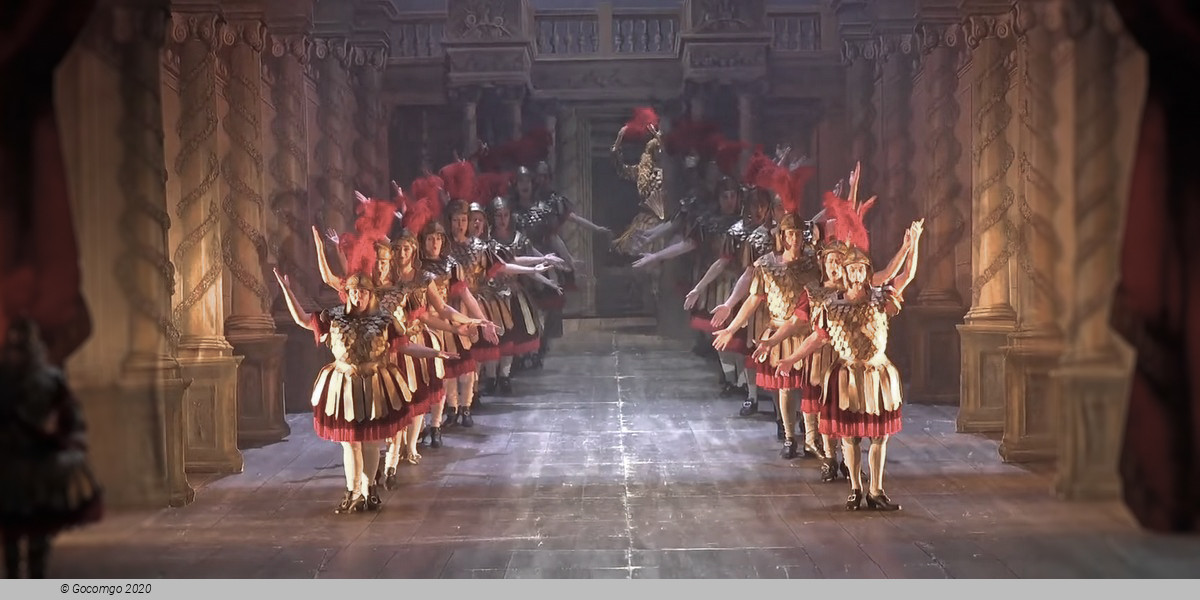
Sailors hail the completion of the bridge, constructed under Serse's orders, and Serse orders his general Ariodate to cross the bridge with his army and invade Europe.

Serse encounters his heart-broken brother Arsamene and tells him to cheer up, he can marry the woman he now loves, Atalanta, no problem. Arsamene is confused and insists he loves Romilda, not Atalanta. Hearing this, the King advises Atalanta to forget about Arsamene, but she says that is impossible.

Elviro watches as a violent storm threatens to destroy the new bridge. He calms his nerves with drink.

Outside the city in a garden

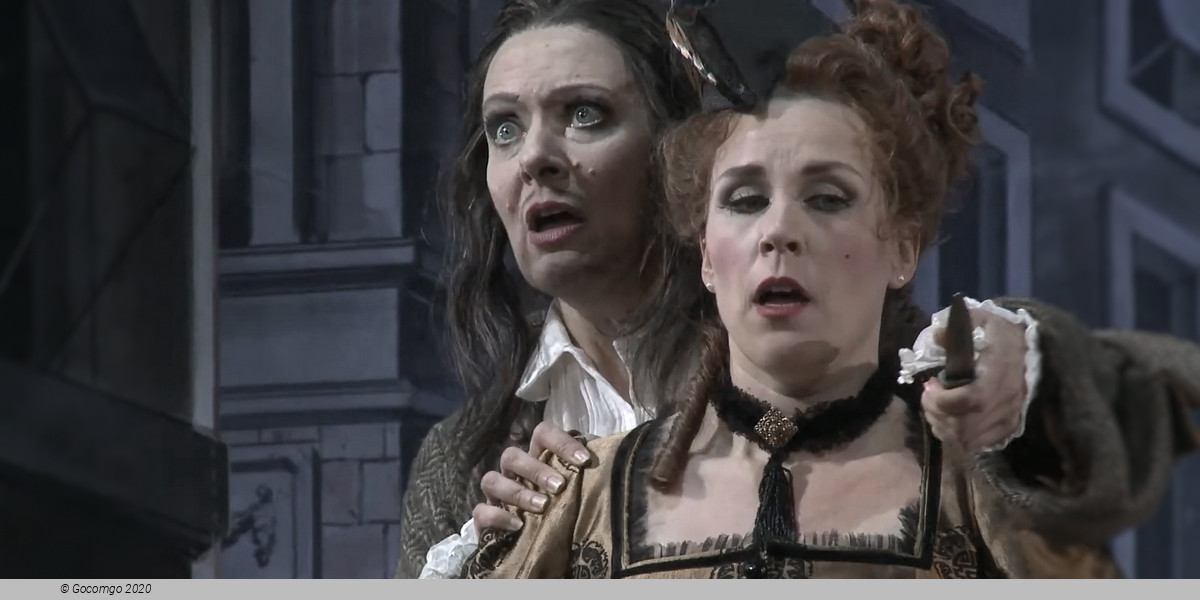
Serse and Arsamene are both suffering from jealousy and the tribulations of the love lorn. Serse again implores Romilda to marry him but she remains firm in her refusal. The violently furious Amastre appears and draws a sword on the King but Romilda intervenes. Amastre says Romilda should not be forced to marry a man she does not love, and Romilda praises those who are true to their hearts (Aria:Chi cede al furore).

Act 3
A gallery

Romilda and Arsamene are having a lovers' spat about that letter, but calm down when Atalanta appears and admits her deception. She has decided she will have to find another boyfriend somewhere else.

Serse again implores Romilda to marry him and she tells him to seek her father's permission, if he consents, she will. Arsamenes bitterly reproaches her for this(Aria:Amor, tiranno Amor).

Serse once more asks Ariodate if he is happy for his daughter Romilda to marry someone equal in rank to the King. Ariodate thinks Serse means Arsamene and happily gives his consent. Serse tells Romilda that her father has agreed to their marriage but Romilda, trying to put him off, tells him that Arsamene loves her and in fact he has kissed her. Serse, furious, orders his brother to be put to death.

Amastre asks Romilda to take a letter to the King, telling her that this will help her. Amastre bewails her plight, having been abandoned by Serse, who promised to be hers (Aria:Cagion son io).

Arsamene blames Romilda for the fact that he has been sentenced to death, and the lovers again quarrel (Duet:Troppo oltraggi la mia fede).

The temple of the sun

Arsamene and Romilda have been summoned to the temple and they come in, still quarreling, but they are amazed and overjoyed when Ariodate tells them that Serse has agreed to their wedding and he marries them then and there.

Serse enters, ready to marry Romilda, and is enraged when he discovers that it is too late, Ariodate has married his daughter to Arsamene. Serse bitterly denounces Ariodate for that and is even more enraged when a letter arrives, apparently from Romilda, accusing him of faithlessness. When he discovers that the letter is actually from his previous fiance Amastre, whom he jilted, his fury only increases (Aria:Crude Furie degl' orridi abissi).

Serse takes his sword and orders Arsamene to kill Romilda with it; but Amastre interrupts this and asks Serse if he truly wants treachery and infidelity to be punished. Serse says he does whereupon Amastre reveals her true identity as Serse's betrothed. Serse, abashed, admits his fault - he will marry Amastre as he promised, he wishes his brother Arsamene and Romilda happiness in their marriage, and all celebrate the fortunate outcome of events (Chorus:Ritorna a noi la calma).

Venue Info

Oper Frankfurt - Frankfurt am Main
Location   Untermainanlage 11

The Oper Frankfurt (Frankfurt Opera) is one of the leading opera companies in Europe, and voted best "Opera house of the year" several times since 1996.

Opera in Frankfurt am Main has a long tradition, with many world premieres such as Franz Schreker's Der ferne Klang in 1912, Fennimore und Gerda by Frederick Delius in 1919, and Carl Orff's Carmina Burana in 1937. Frankfurt's international recognition began in the Gielen Era, 1977 to 1987, when Michael Gielen and stage directors such as Ruth Berghaus collaborated.

A historic opera house from 1880 was destroyed in World War II, and reconstructed as a concert hall, Alte Oper. The present opera house, built in 1963, is under one roof with the stage for drama. The opera orchestra is called Frankfurter Opern- und Museumsorchester. Today's venue for Baroque and contemporary opera is the Bockenheimer Depot, a former tram depot.

Oper Frankfurt is part of the Städtische Bühnen Frankfurt.

Frankfurt's first opera was Johann Theile's Adam und Eva, performed in 1698 by Johann Velten's touring company. The young Goethe's first operas in his home town of Frankfurt were productions by Theobald Marchand's company.

1782 – 1880
Opened in 1782, the Comoedienhaus was the first permanent venue of the Frankfurt Theater (drama and opera). In 1878 German violinist Willy Hess took up the leadership of the Oper Frankfurt. He resigned from that post in 1886 to take up a professorship in the Rotterdam Conservatorium voor Muziek.

1880 – 1944
The first representative opera house of the city was inaugurated in Frankfurt in 1880 at Opernplatz. Under the direction of the first Intendant Emil Claar and the first Kapellmeister Felix Otto Dessoff, the house was opened with Mozart's opera Don Giovanni.

During the 1920s, the opera in Frankfurt had more prominent Jewish singers than any other company in Germany, including the tenor Hermann Schramm, bass Hans Erl (the first King in Schreker's Der Schatzgräber), baritone Richard Breitenfeld and contralto Magda Spiegel, who also toured with Frankfurt Opera performing Wagner in the Netherlands. These singers were forced to leave the opera in June 1933. Orff's Carmina Burana was premiered at Oper Frankfurt in 1937. Jewish members of the opera company among those rounded up at 9 November 1938 at the Festhalle Frankfurt, where Erl sang In diesen Heilgen Hallen, from the Magic Flute for the deportees. Members of Frankfurt Opera were sent to Auschwitz and other camps where they perished.

1945 – 1970s
The opera house was damaged in an air raid in January 1944, and then almost completely destroyed in March. A new house for opera and play was built, completed in 1963 at the Theaterplatz (now Willy-Brandt-Platz). In 1952, Georg Solti became Generalmusikdirektor (GMD) and Intendant of the Oper Frankfurt, where he remained in charge for nine years.

The Gielen Era
From 1977 to 1987, Frankfurt Opera was led by Michael Gielen. This decade became known as the "Gielen Era", notable for the music of a conductor who was also a composer, and directors including Ruth Berghaus and Hans Neuenfels, whose productions of standard works such as Verdi's Aida and Wagner's Ring Cycle were thought-provoking. Operas which received their world premieres at the house were also performed again, including Franz Schreker's Die Gezeichneten.

1987 – present
The stage of the opera house was destroyed by a fire in November 1987. The opera house was rebuilt and opened in April 1991. Many famous singers started their career with the company, including Franz Völker, Edda Moser, Cheryl Studer and Diana Damrau, and many established artists have been engaged there in recent seasons including Christian Gerhaher, whose roles here have included Monteverdi's L'Orfeo and his first Wolfram in Wagner's Tannhäuser, Piotr Beczała in Massenet's Werther and Jan-Hendrik Rootering in Wagner's Parsifal.

Since 2002, Bernd Loebe has served as Intendant of the company. The company's current GMD is Sebastian Weigle, since 2008. Weigle has made commercial recordings of opera with the company for the OEHMS Classics label. He is scheduled to stand down as GMD of Oper Frankfurt at the close of the 2022–2023 season. In October 2021, the company announced the appointment of Thomas Guggeis as the next GMD of the company, effective with the 2023–2024 season, with an initial contract of 5 years.

Oper Frankfurt was voted 1996, 2003, 2015, 2018 and 2020 "Opera House of the Year" by the magazine Opernwelt.

Important Info
Type: Opera
City: Frankfurt am Main, Germany
Starts at: 18:00
Acts: 3
Intervals: 1
Duration: 3h 15min
Sung in: Italian
Titles in: German,English
Top of page