
Oper Frankfurt 18 June 2022 - "Dido and Aeneas" and "Bluebeard's Castle" | GoComGo.com

"Dido and Aeneas" and "Bluebeard's Castle"

Oper Frankfurt, Opera House, Frankfurt am Main, Germany
All photos (18)
Select date and time
7:30 PM

E-tickets: Print at home or at the box office of the event if so specified. You will find more information in your booking confirmation email.

You can only select the category, and not the exact seats.
If you order 2 or 3 tickets: your seats will be next to each other.
If you order 4 or more tickets: your seats will be next to each other, or, if this is not possible, we will provide a combination of groups of seats (at least in pairs, for example 2+2 or 2+3).

Important Info
Type: Opera
City: Frankfurt am Main, Germany
Starts at: 19:30
Duration: 2h 45min

E-tickets: Print at home or at the box office of the event if so specified. You will find more information in your booking confirmation email.

You can only select the category, and not the exact seats.
If you order 2 or 3 tickets: your seats will be next to each other.
If you order 4 or more tickets: your seats will be next to each other, or, if this is not possible, we will provide a combination of groups of seats (at least in pairs, for example 2+2 or 2+3).

Overview

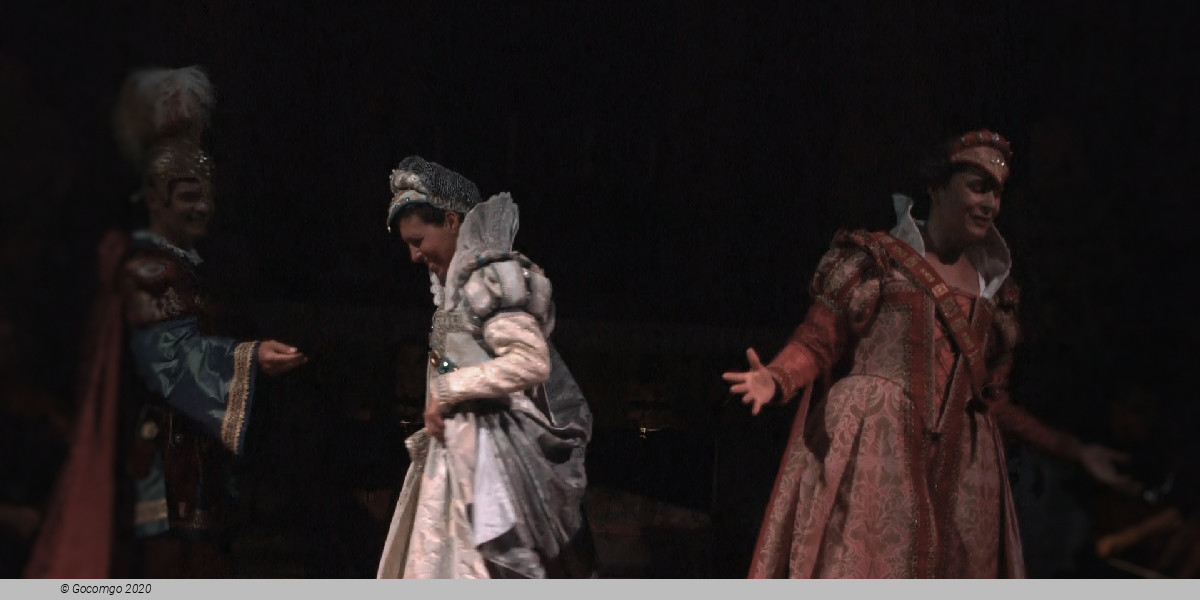
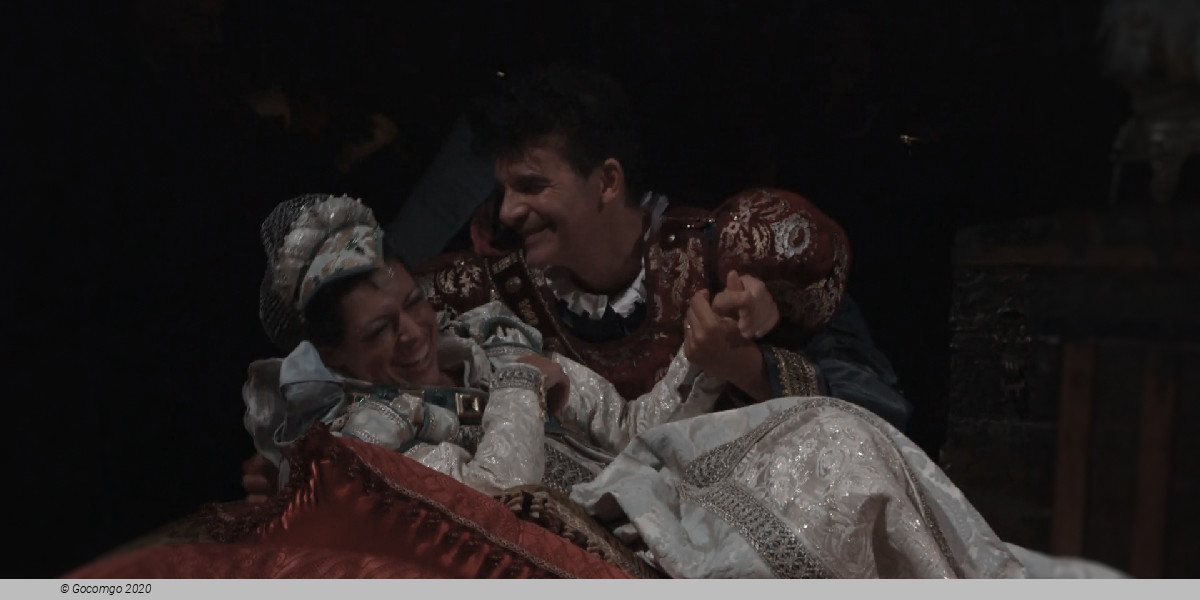
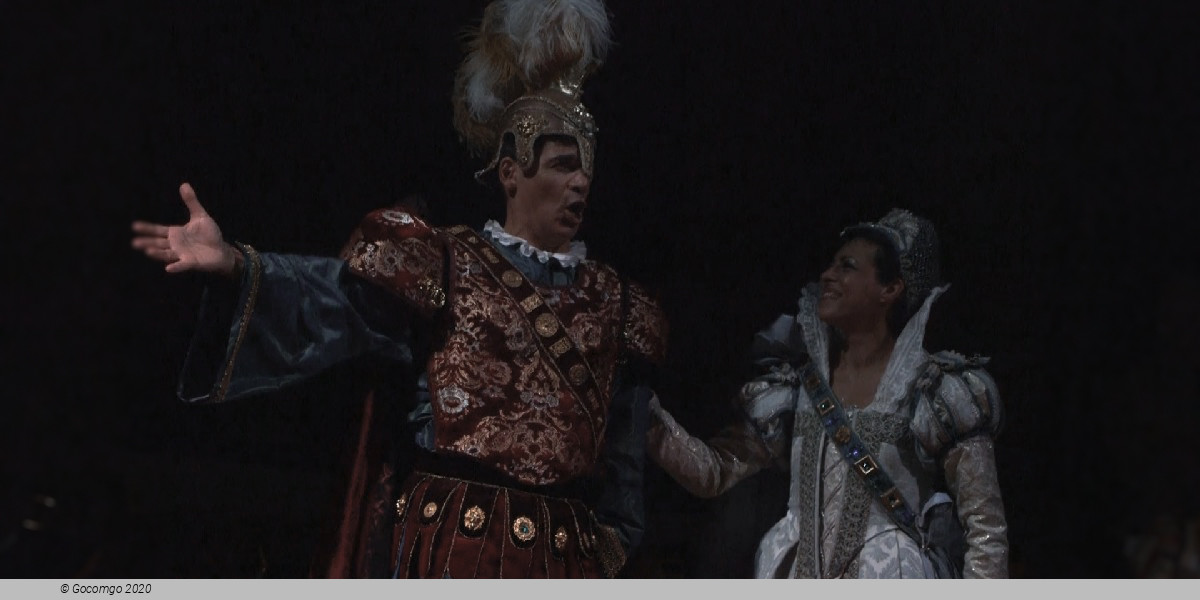
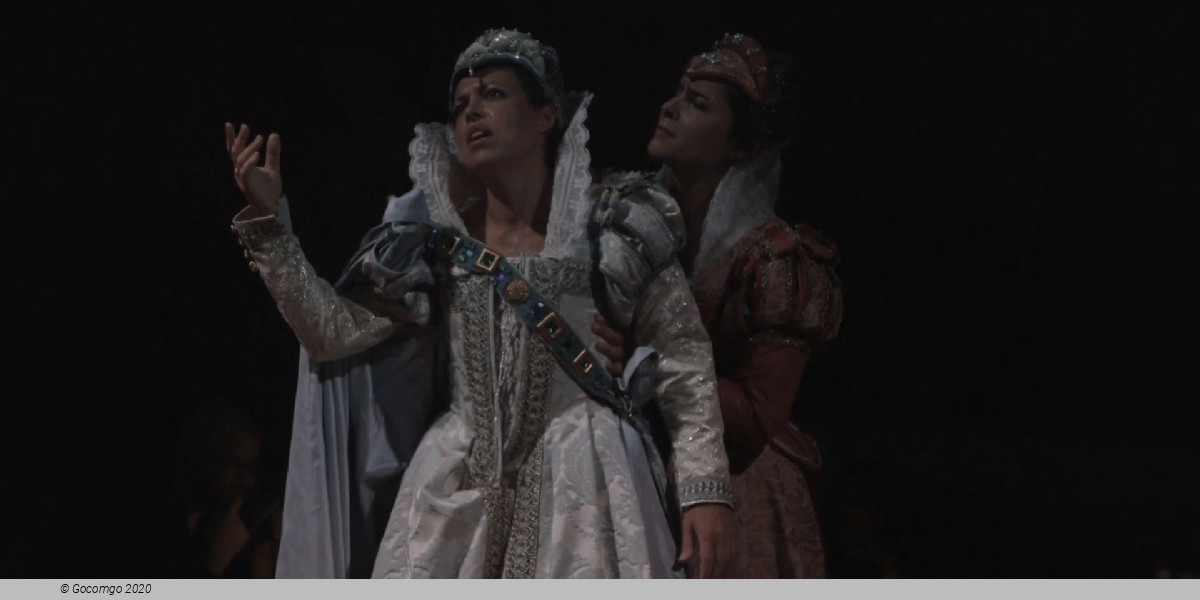
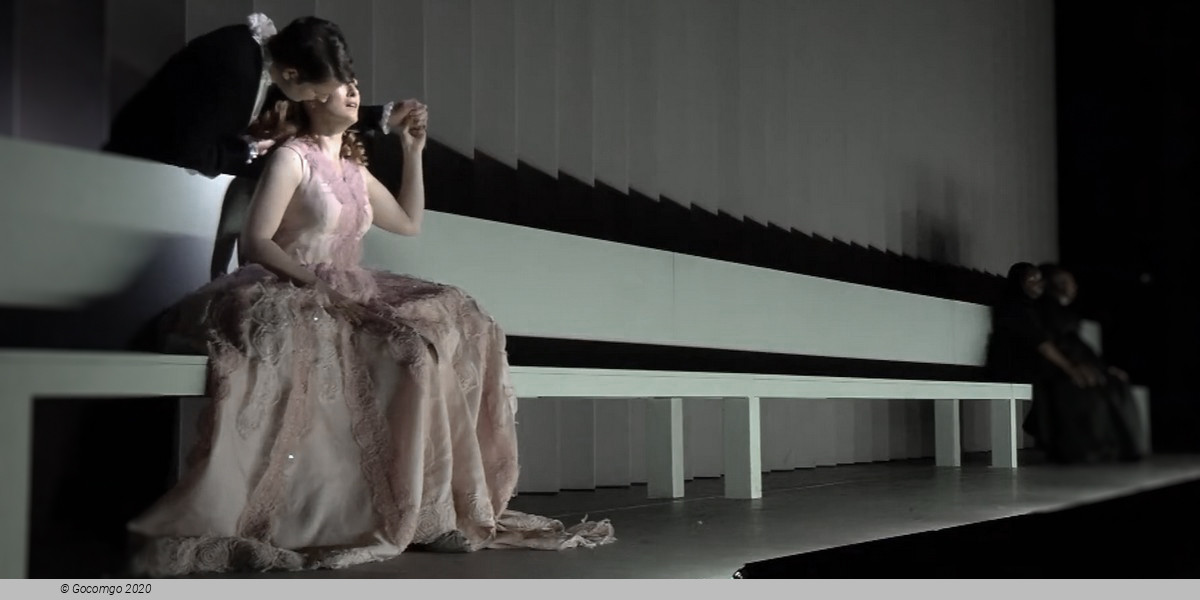
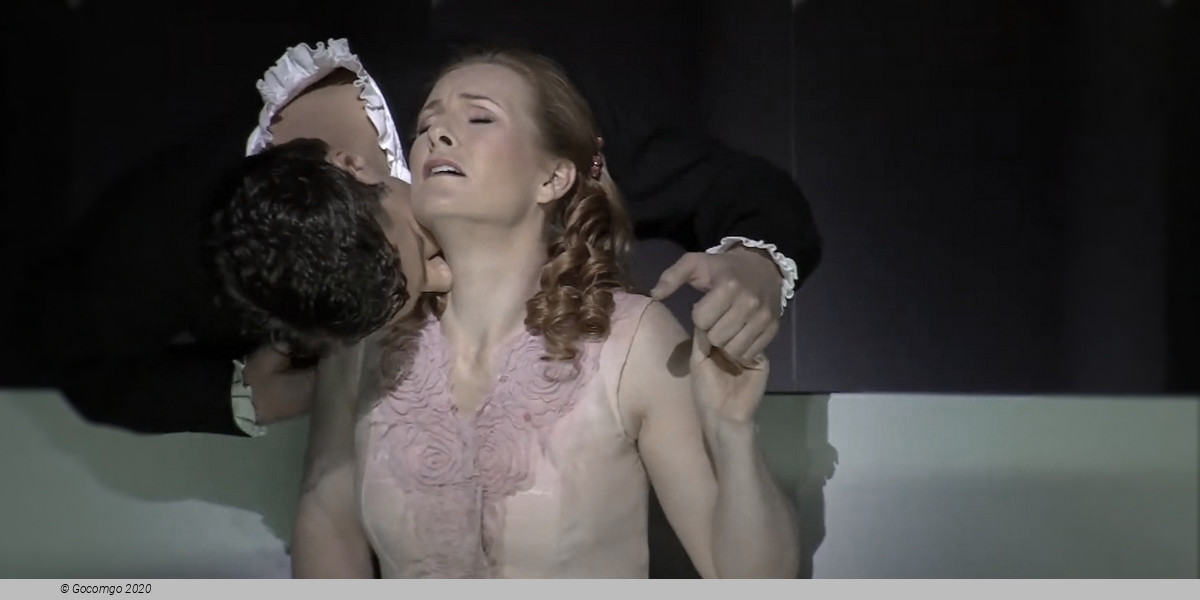
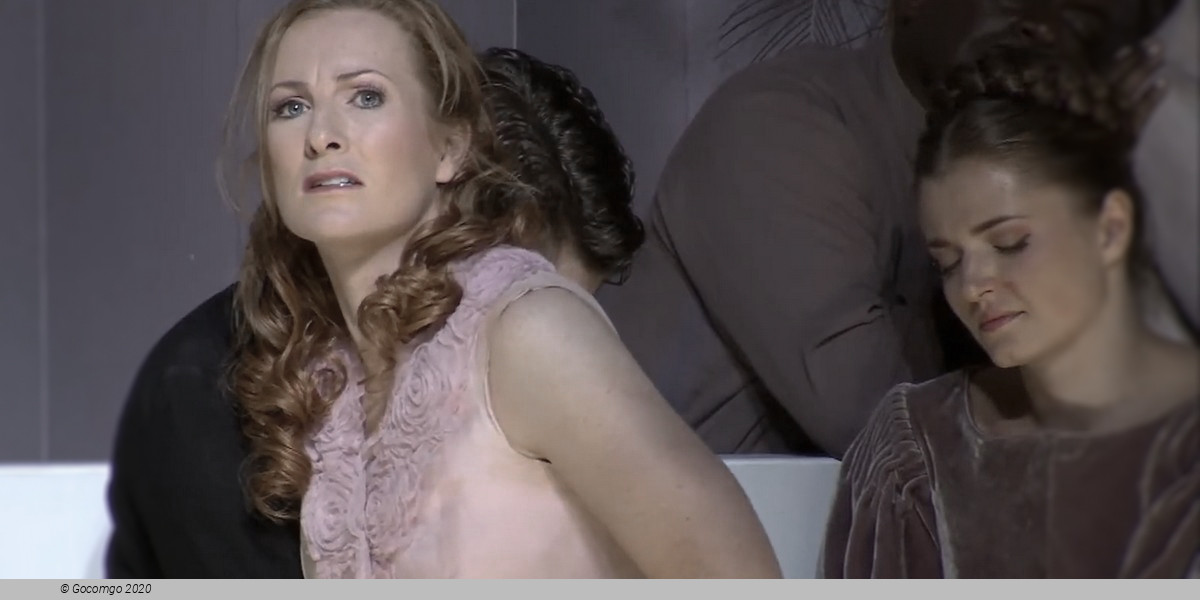
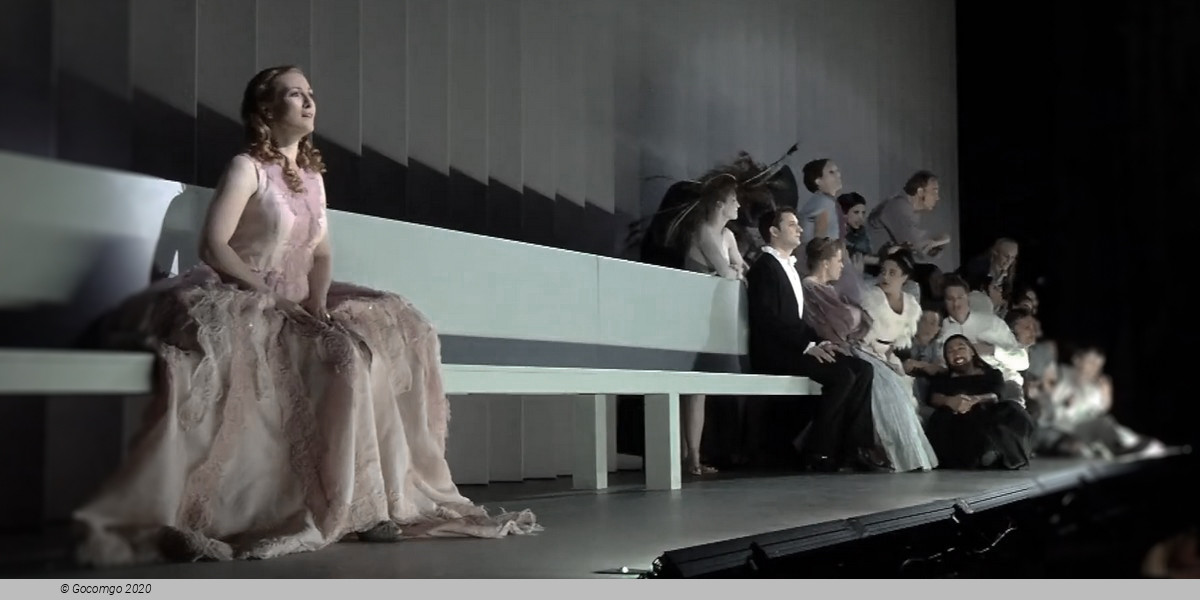
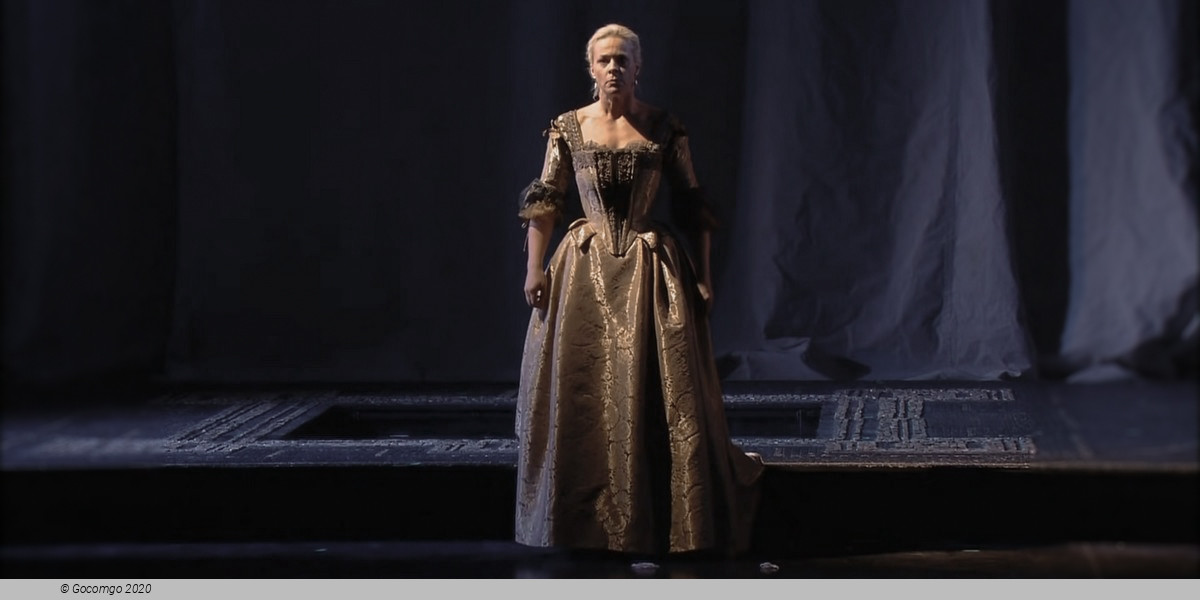
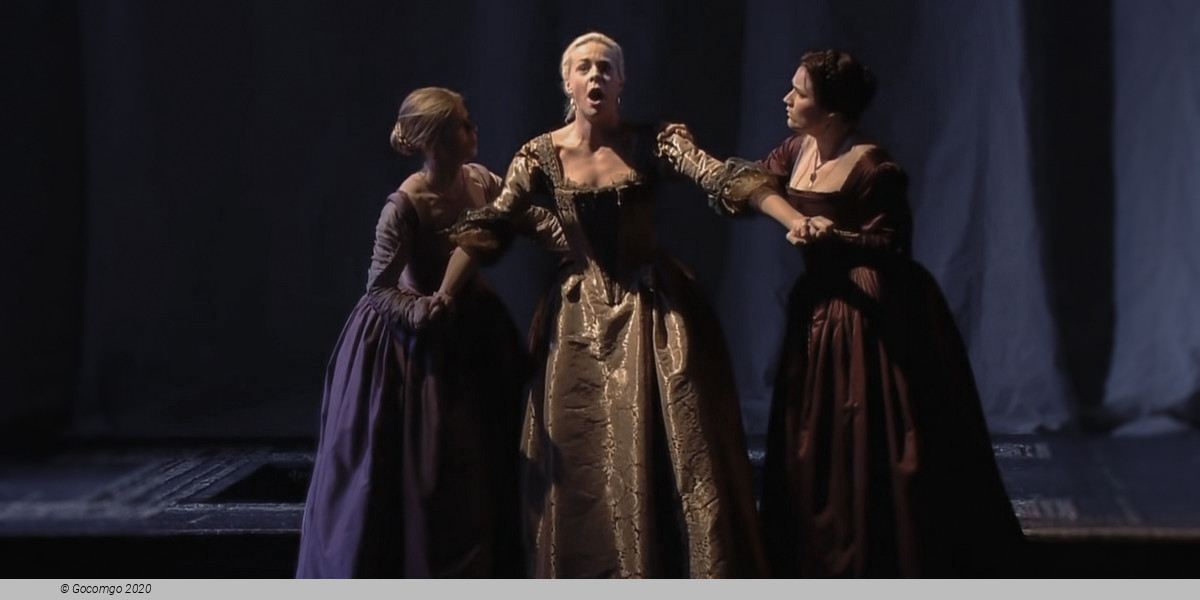
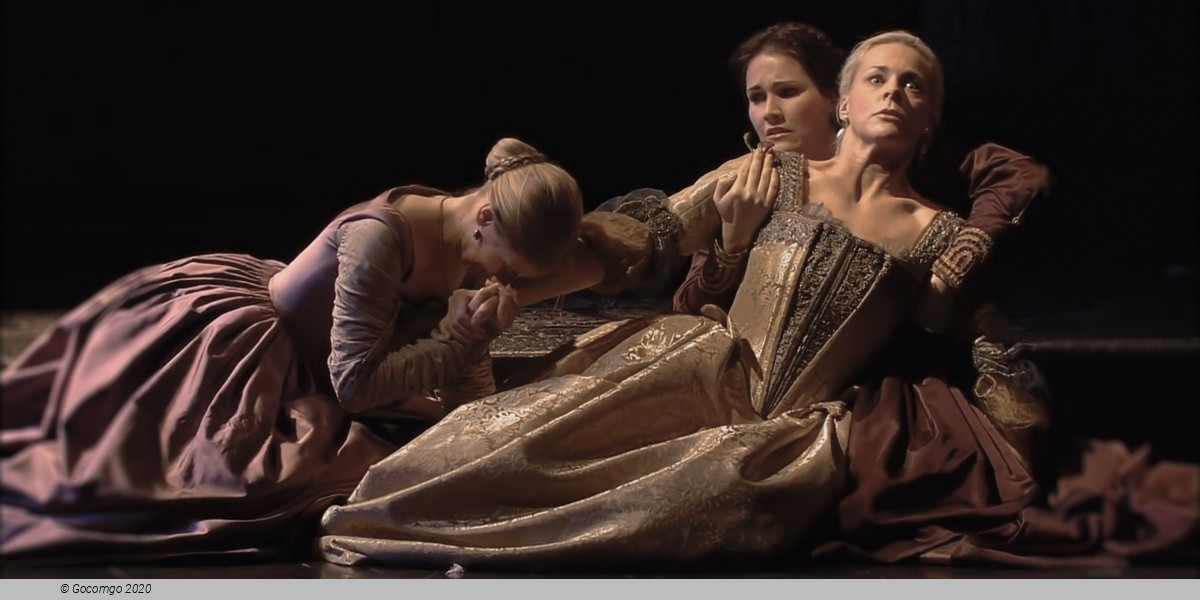
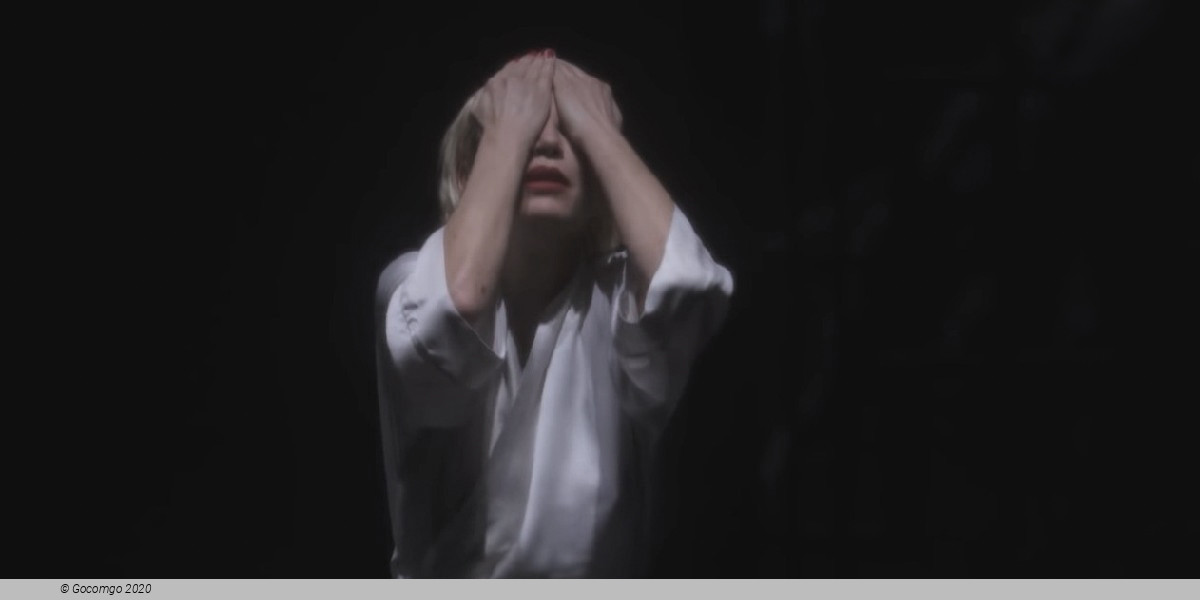
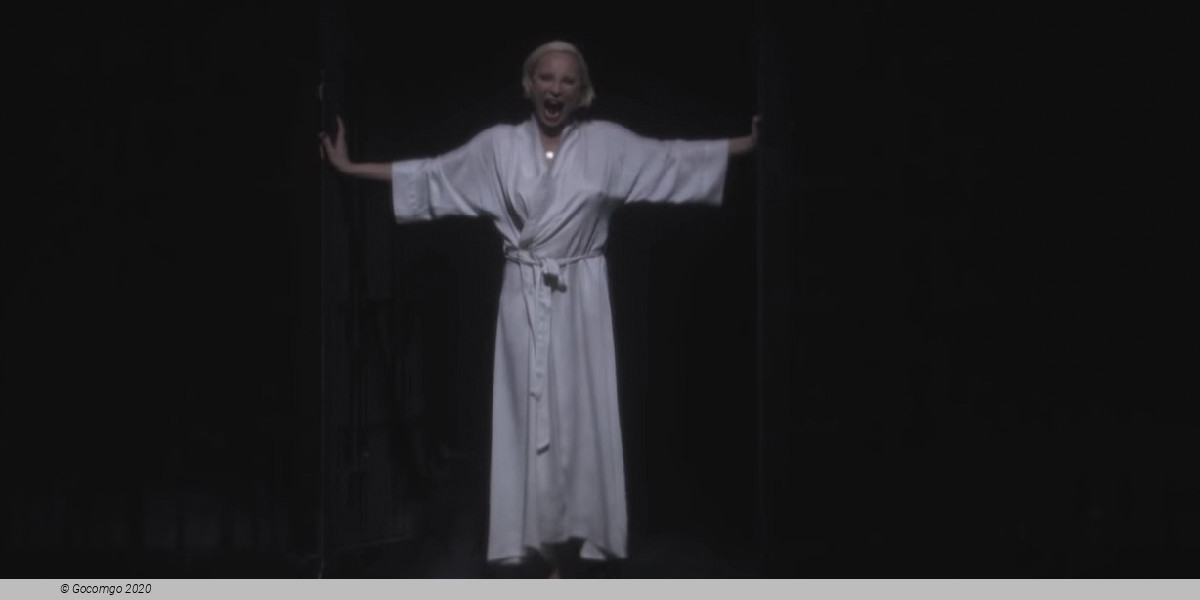
The lovers in both operas struggle for unfulfilled relationships. Barrie Kosky's interpretation of Purcell's opera focuses on the lead female, underlining the intimacy of Purcell's poignant sound world. In Kosky's mind it's clearly a „One Woman Show with Guests“, the Carthaginian Queen Dido, abandoned by the Trojan hero Aeneas - her lamento ends with her dying of a broken heart.

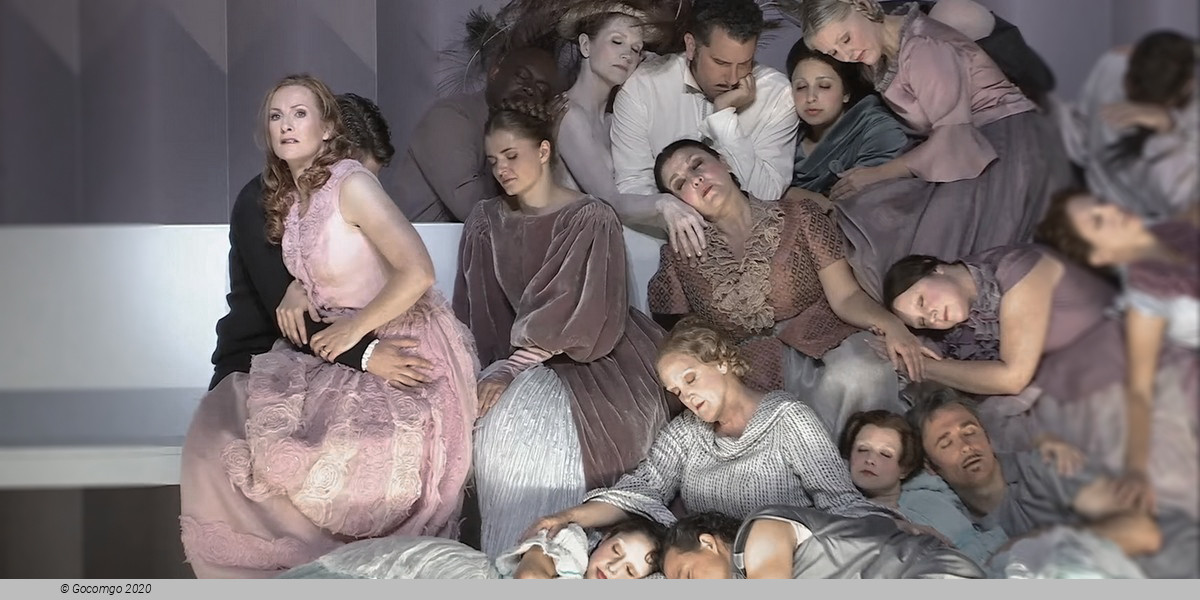
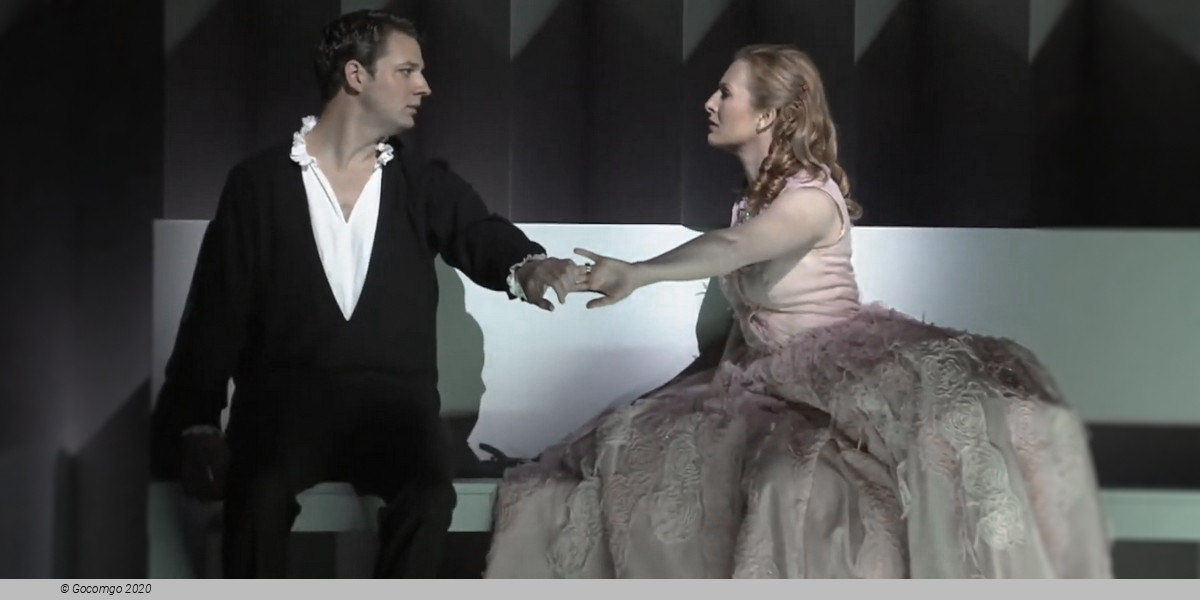
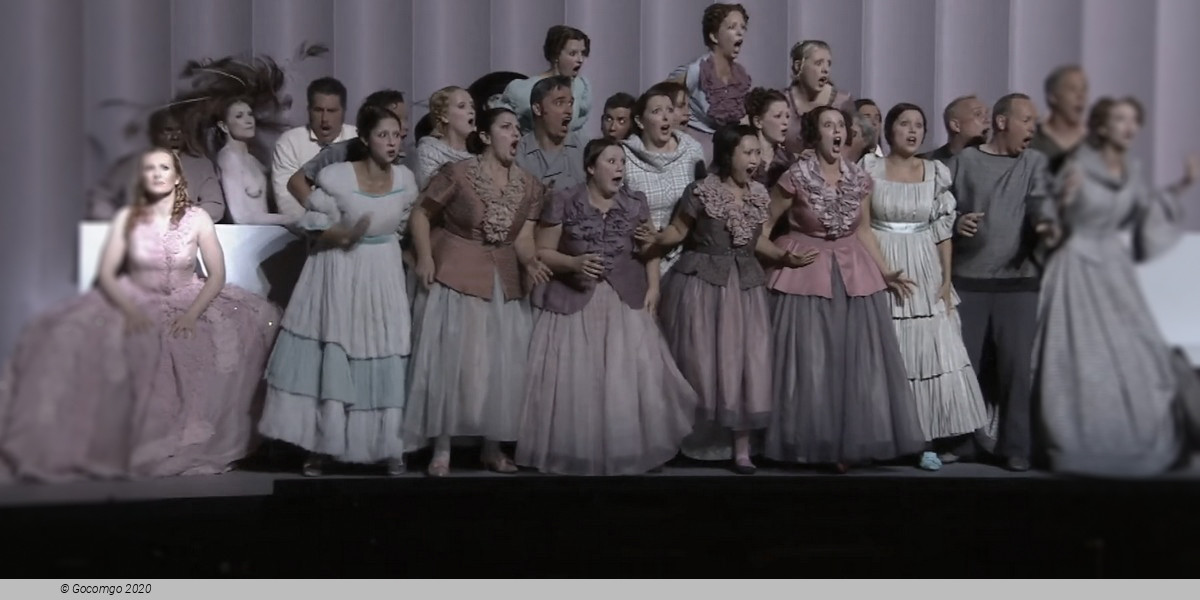
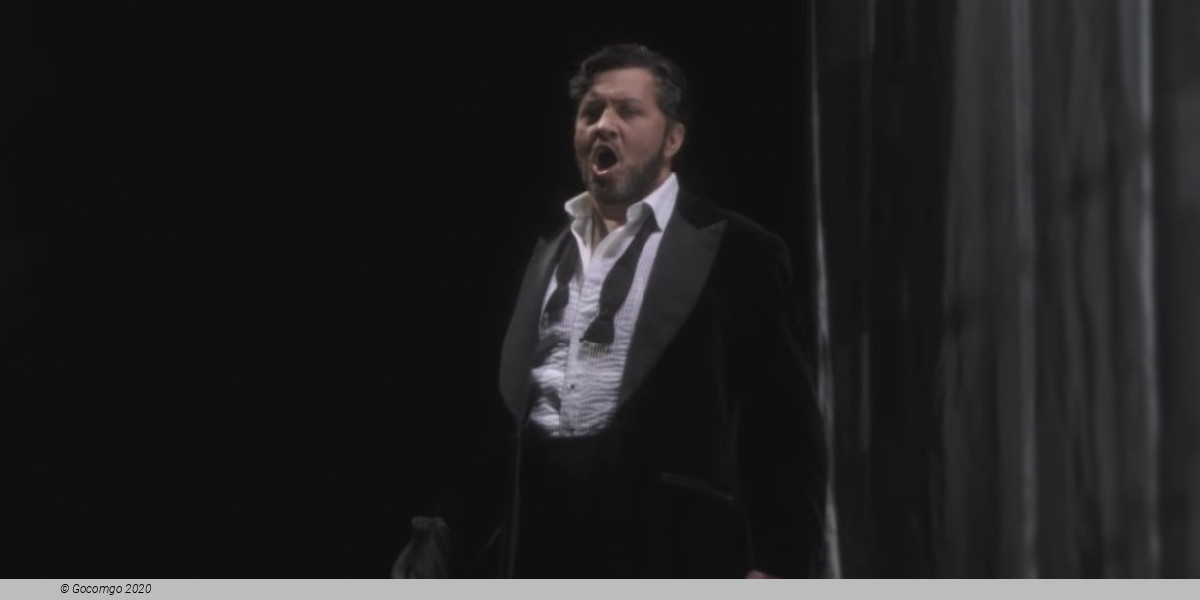
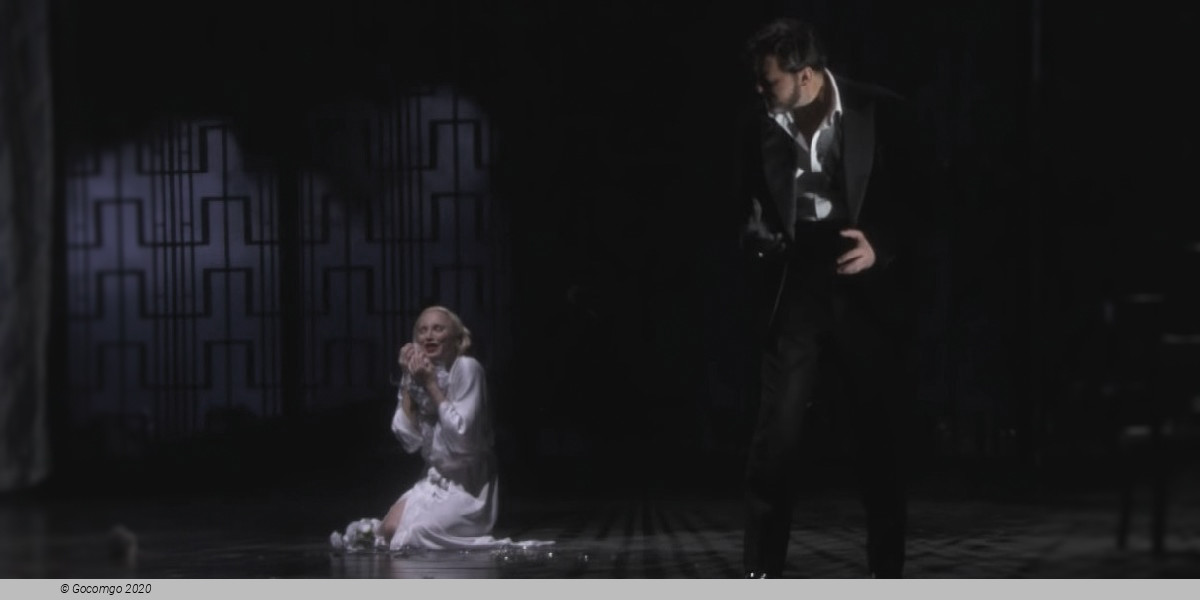
Problems between man and wife escalate into an insoluable conflict in Béla Bartók's only opera. His setting of the symbolist poem by Béla Balázs to music avoids the gruesome elements in the Bluebeard tale, reducing the plot to a drama of the soul. The title figure in Barrie Kosky's production is not a wife murderer. The castle is a metaphor for Bluebeard's body, through which can be seen what is hidden behind its doors: blood, gold, tears and flowers. The battle of love plays out on Katrin Lea Tag's set, a bare, revolving stage, like an enormous, empty slice of the world, a symbol for lost paradise.

History
Premiere of this production: Josias Priest's girls' school, London

Dido and Aeneas is an opera in a prologue and three acts, written by the English Baroque composer Henry Purcell with a libretto by Nahum Tate. It recounts the love of Dido, Queen of Carthage, for the Trojan hero Aeneas, and her despair when he abandons her.

Premiere of this production: 24 May 1918, Royal Hungarian Opera House, Budapest

Bluebeard's Castle is a one-act expressionist opera by Hungarian composer Béla Bartók. The libretto was written by Béla Balázs, a poet and friend of the composer, and is written in Hungarian, based on the French literary tale La Barbe bleue by Charles Perrault. The opera lasts only a little over an hour and there are only two singing characters onstage: Bluebeard (Kékszakállú), and his new wife Judith (Judit); the two have just eloped and Judith is coming home to Bluebeard's castle for the first time.

Synopsis

Act 1
Dido's court

The opera opens with Dido in her court with her attendants. Belinda is trying to cheer up Dido, but Dido is full of sorrow, saying 'Peace and I are strangers grown'. Belinda believes the source of this grief to be the Trojan Aeneas, and suggests that Carthage's troubles could be resolved by a marriage between the two. Dido and Belinda talk for a time: Dido fears that her love will make her a weak monarch, but Belinda and the Second Woman reassure her that "The hero loves as well." Aeneas enters the court, and is at first received coldly by Dido, but she eventually accepts his proposal of marriage.

Act 2
Scene 1: The cave of the Sorceress

The Sorceress/Sorcerer is plotting the destruction of Carthage and its queen, and summons companions to help with evil plans. The plan is to send her "trusted elf" disguised as Mercury, someone to whom Aeneas will surely listen, to tempt him to leave Dido and sail to Italy. This would leave Dido heartbroken, and she would surely die. The chorus join in with terrible laughter, and the Enchantresses decide to conjure up a storm to make Dido and her train leave the grove and return to the palace. When the spell is prepared, the witches vanish in a thunderclap.

Scene 2: A grove during the middle of a hunt

Dido and Aeneas are accompanied by their train. They stop at the grove to take in its beauty. A lot of action is going on, with attendants carrying goods from the hunt and a picnic possibly taking place, and Dido and Aeneas are together within the activity. This is all stopped when Dido hears distant thunder, prompting Belinda to tell the servants to prepare for a return to shelter as soon as possible. As every other character leaves the stage, Aeneas is stopped by the Sorceress's elf, who is disguised as Mercury. This pretend Mercury brings the command of Jove that Aeneas is to wait no longer in beginning his task of creating a new Troy on Latin soil. Aeneas consents to the wishes of what he believes are the gods, but is heart-broken that he will have to leave Dido. He then goes off-stage to prepare for his departure from Carthage.

Act 3
The harbour at Carthage

Preparations are being made for the departure of the Trojan fleet. The sailors sing a song, which is followed shortly by the Sorceress and her companions' sudden appearance. The group is pleased at how well their plan has worked, and the Sorceress sings a solo describing her further plans for the destruction of Aeneas "on the ocean". All the characters begin to clear the stage after a dance in three sections, and then disperse.

The palace

Dido and Belinda enter, shocked at Aeneas’ disappearance. Dido is distraught and Belinda comforts her. Suddenly Aeneas returns, but Dido is full of fear before Aeneas speaks, and his words only serve to confirm her suspicions. She derides his reasons for leaving, and even when Aeneas says he will defy the gods and not leave Carthage, Dido rejects him for having once thought of leaving her. After Dido forces Aeneas to leave, she states that "Death must come when he is gone." The opera and Dido's life both slowly come to a conclusion, as the Queen of Carthage sings her last aria, "When I am laid in Earth", also known as "Dido's Lament." The chorus and orchestra then conclude the opera once Dido is dead by ordering the "cupids to scatter roses on her tomb, soft and gentle as her heart. Keep here your watch, and never, never part."

Place: A huge, dark hall in a castle, with seven locked doors.
Time: Not defined.

Judith and Bluebeard arrive at his castle, which is all dark. Bluebeard asks Judith if she wants to stay and even offers her an opportunity to leave, but she decides to stay. Judith insists that all the doors be opened, to allow light to enter into the forbidding interior, insisting further that her demands are based on her love for Bluebeard. Bluebeard refuses, saying that there are private places not to be explored by others, and asking Judith to love him but ask no questions. Judith persists, and eventually prevails over his resistance.

The first door opens to reveal a torture chamber, stained with blood. Repelled, but then intrigued, Judith pushes on. Behind the second door is a storehouse of weapons, and behind the third a storehouse of riches. Bluebeard urges her on. Behind the fourth door is a secret garden of great beauty; behind the fifth, a window onto Bluebeard's vast kingdom. All is now sunlit, but blood has stained the riches, watered the garden, and grim clouds throw blood-red shadows over Bluebeard's kingdom.

Bluebeard pleads with her to stop: the castle is as bright as it can get, and will not get any brighter, but Judith refuses to be stopped after coming this far, and opens the penultimate sixth door, as a shadow passes over the castle. This is the first room that has not been somehow stained with blood; a silent silvery lake is all that lies within, "a lake of tears". Bluebeard begs Judith to simply love him, and ask no more questions. The last door must be shut forever. But she persists, asking him about his former wives, and then accusing him of having murdered them, suggesting that their blood was the blood everywhere, that their tears were those that filled the lake, and that their bodies lie behind the last door. At this, Bluebeard hands over the last key.

Behind the door are Bluebeard's three former wives, but still alive, dressed in crowns and jewellery. They emerge silently, and Bluebeard, overcome with emotion, prostrates himself before them and praises each in turn (as his wives of dawn, midday and dusk), finally turning to Judith and beginning to praise her as his fourth wife (of the night). She is horrified and begs him to stop, but it is too late. He dresses her in the jewellery they wear, which she finds exceedingly heavy. Her head drooping under the weight, she follows the other wives along a beam of moonlight through the seventh door. It closes behind her, and Bluebeard is left alone as all fades to total darkness.

Venue Info

Oper Frankfurt - Frankfurt am Main
Location   Untermainanlage 11

The Oper Frankfurt (Frankfurt Opera) is one of the leading opera companies in Europe, and voted best "Opera house of the year" several times since 1996.

Opera in Frankfurt am Main has a long tradition, with many world premieres such as Franz Schreker's Der ferne Klang in 1912, Fennimore und Gerda by Frederick Delius in 1919, and Carl Orff's Carmina Burana in 1937. Frankfurt's international recognition began in the Gielen Era, 1977 to 1987, when Michael Gielen and stage directors such as Ruth Berghaus collaborated.

A historic opera house from 1880 was destroyed in World War II, and reconstructed as a concert hall, Alte Oper. The present opera house, built in 1963, is under one roof with the stage for drama. The opera orchestra is called Frankfurter Opern- und Museumsorchester. Today's venue for Baroque and contemporary opera is the Bockenheimer Depot, a former tram depot.

Oper Frankfurt is part of the Städtische Bühnen Frankfurt.

Frankfurt's first opera was Johann Theile's Adam und Eva, performed in 1698 by Johann Velten's touring company. The young Goethe's first operas in his home town of Frankfurt were productions by Theobald Marchand's company.

1782 – 1880
Opened in 1782, the Comoedienhaus was the first permanent venue of the Frankfurt Theater (drama and opera). In 1878 German violinist Willy Hess took up the leadership of the Oper Frankfurt. He resigned from that post in 1886 to take up a professorship in the Rotterdam Conservatorium voor Muziek.

1880 – 1944
The first representative opera house of the city was inaugurated in Frankfurt in 1880 at Opernplatz. Under the direction of the first Intendant Emil Claar and the first Kapellmeister Felix Otto Dessoff, the house was opened with Mozart's opera Don Giovanni.

During the 1920s, the opera in Frankfurt had more prominent Jewish singers than any other company in Germany, including the tenor Hermann Schramm, bass Hans Erl (the first King in Schreker's Der Schatzgräber), baritone Richard Breitenfeld and contralto Magda Spiegel, who also toured with Frankfurt Opera performing Wagner in the Netherlands. These singers were forced to leave the opera in June 1933. Orff's Carmina Burana was premiered at Oper Frankfurt in 1937. Jewish members of the opera company among those rounded up at 9 November 1938 at the Festhalle Frankfurt, where Erl sang In diesen Heilgen Hallen, from the Magic Flute for the deportees. Members of Frankfurt Opera were sent to Auschwitz and other camps where they perished.

1945 – 1970s
The opera house was damaged in an air raid in January 1944, and then almost completely destroyed in March. A new house for opera and play was built, completed in 1963 at the Theaterplatz (now Willy-Brandt-Platz). In 1952, Georg Solti became Generalmusikdirektor (GMD) and Intendant of the Oper Frankfurt, where he remained in charge for nine years.

The Gielen Era
From 1977 to 1987, Frankfurt Opera was led by Michael Gielen. This decade became known as the "Gielen Era", notable for the music of a conductor who was also a composer, and directors including Ruth Berghaus and Hans Neuenfels, whose productions of standard works such as Verdi's Aida and Wagner's Ring Cycle were thought-provoking. Operas which received their world premieres at the house were also performed again, including Franz Schreker's Die Gezeichneten.

1987 – present
The stage of the opera house was destroyed by a fire in November 1987. The opera house was rebuilt and opened in April 1991. Many famous singers started their career with the company, including Franz Völker, Edda Moser, Cheryl Studer and Diana Damrau, and many established artists have been engaged there in recent seasons including Christian Gerhaher, whose roles here have included Monteverdi's L'Orfeo and his first Wolfram in Wagner's Tannhäuser, Piotr Beczała in Massenet's Werther and Jan-Hendrik Rootering in Wagner's Parsifal.

Since 2002, Bernd Loebe has served as Intendant of the company. The company's current GMD is Sebastian Weigle, since 2008. Weigle has made commercial recordings of opera with the company for the OEHMS Classics label. He is scheduled to stand down as GMD of Oper Frankfurt at the close of the 2022–2023 season. In October 2021, the company announced the appointment of Thomas Guggeis as the next GMD of the company, effective with the 2023–2024 season, with an initial contract of 5 years.

Oper Frankfurt was voted 1996, 2003, 2015, 2018 and 2020 "Opera House of the Year" by the magazine Opernwelt.

Important Info
Type: Opera
City: Frankfurt am Main, Germany
Starts at: 19:30
Duration: 2h 45min
Top of page