
Metropolitan Opera 8 November 2023 - Un Ballo in Maschera | GoComGo.com

Un Ballo in Maschera

Metropolitan Opera, Metropolitan Opera, New York, USA
All photos (17)
Select date and time
7:30 PM

E-tickets: Print at home or at the box office of the event if so specified. You will find more information in your booking confirmation email.

You can only select the category, and not the exact seats.
If you order 2 or 3 tickets: your seats will be next to each other.
If you order 4 or more tickets: your seats will be next to each other, or, if this is not possible, we will provide a combination of groups of seats (at least in pairs, for example 2+2 or 2+3).

Important Info
Type: Opera
City: New York, USA
Starts at: 19:30
Acts: 3
Sung in: Italian
Titles in: English,German,Italian,Spanish

E-tickets: Print at home or at the box office of the event if so specified. You will find more information in your booking confirmation email.

You can only select the category, and not the exact seats.
If you order 2 or 3 tickets: your seats will be next to each other.
If you order 4 or more tickets: your seats will be next to each other, or, if this is not possible, we will provide a combination of groups of seats (at least in pairs, for example 2+2 or 2+3).

Overview

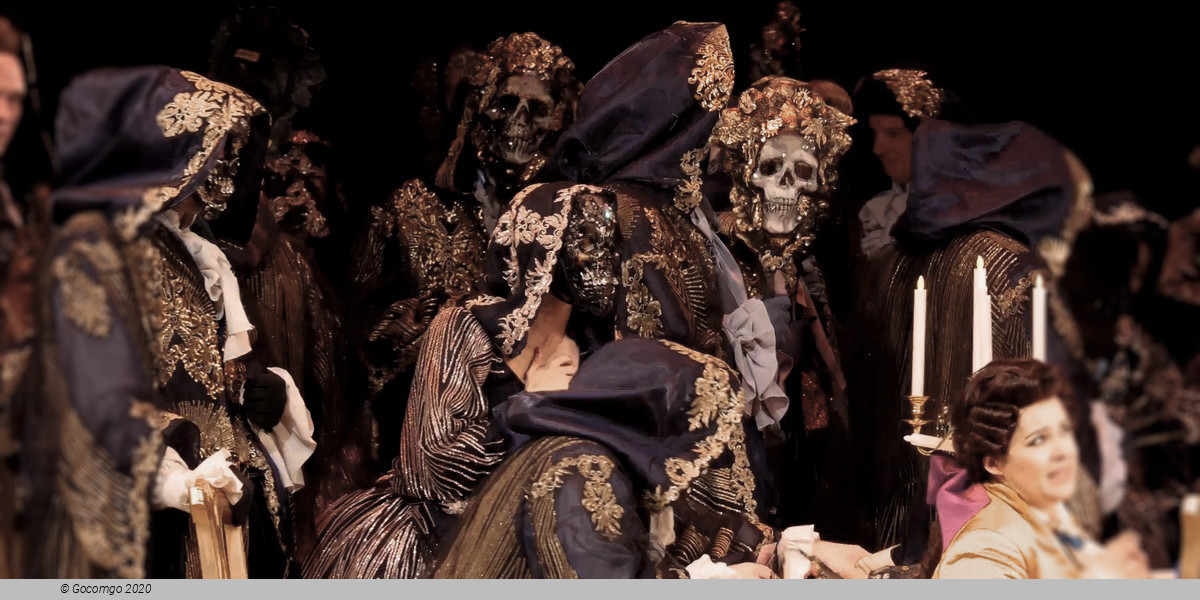
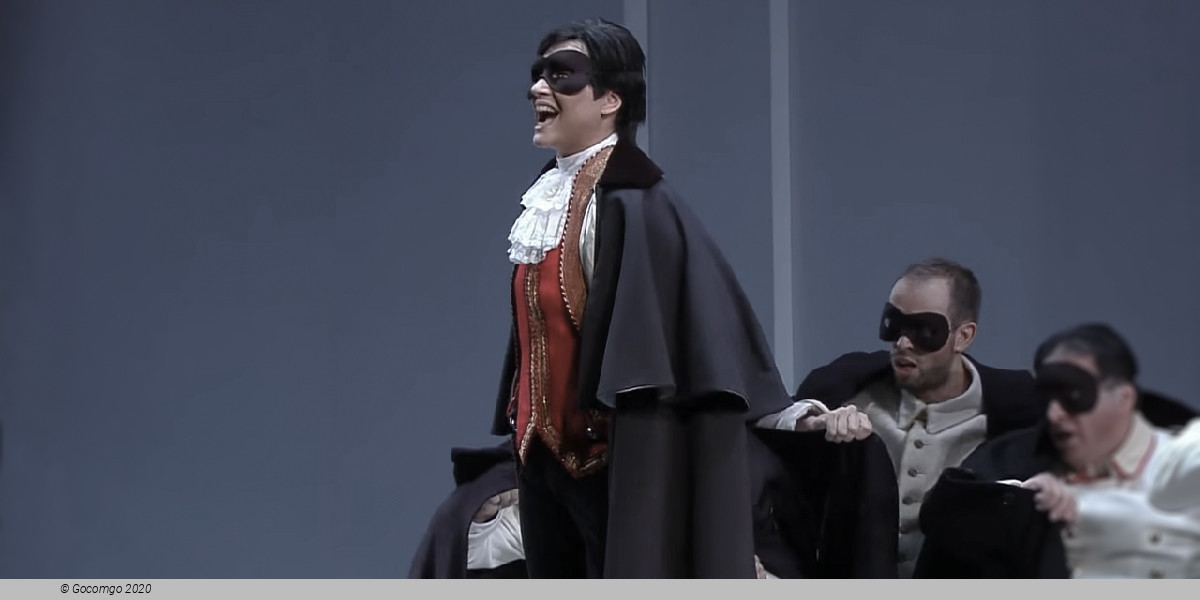
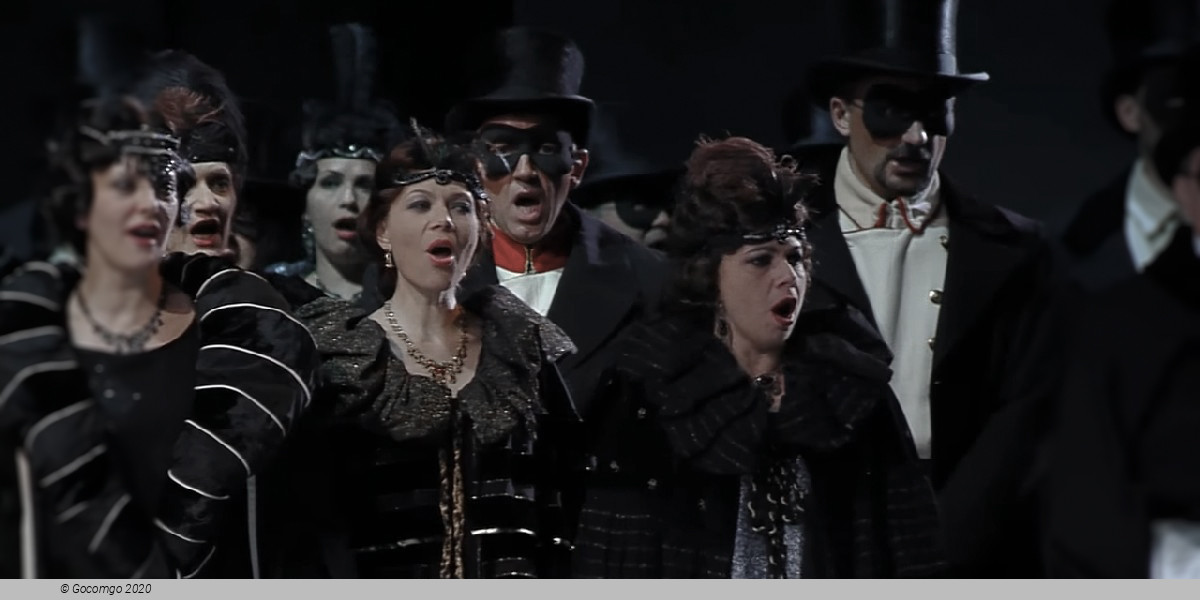
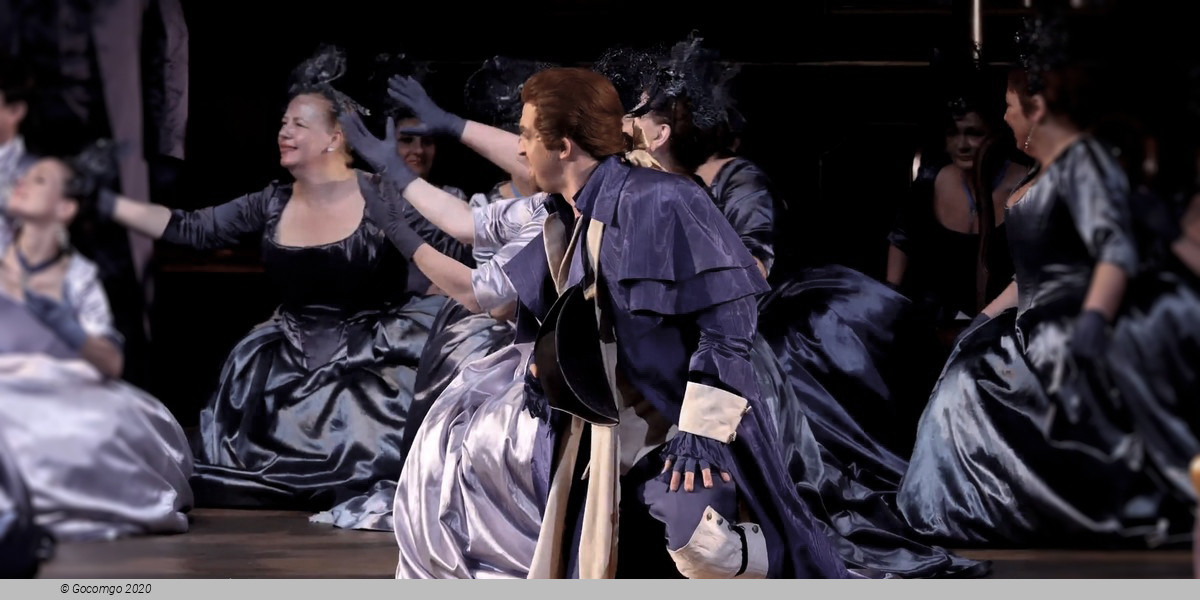
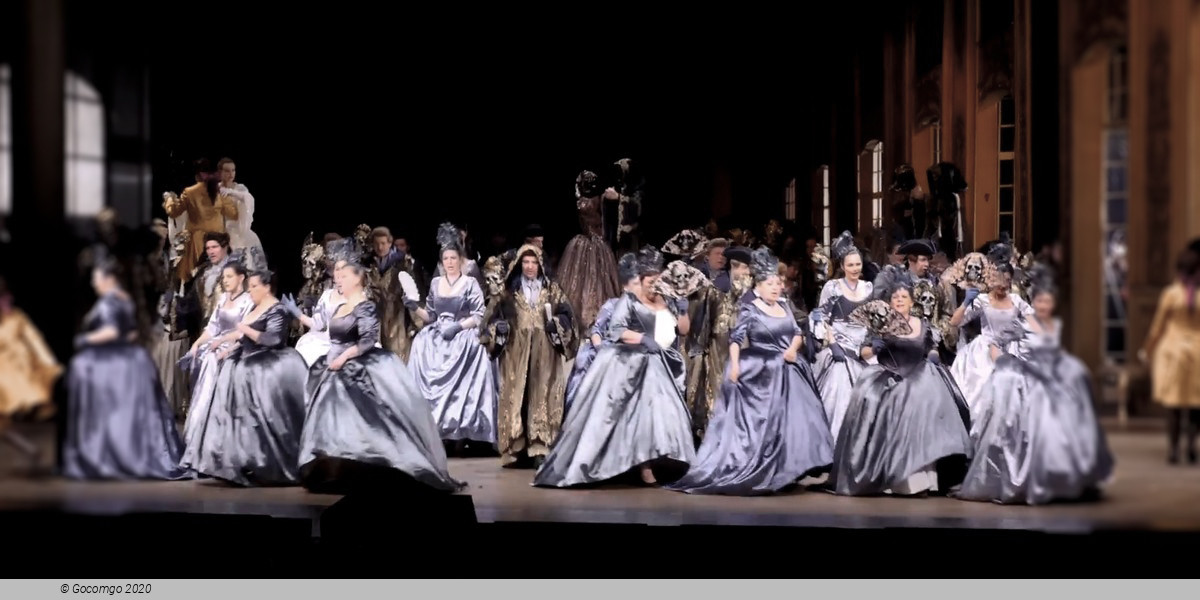
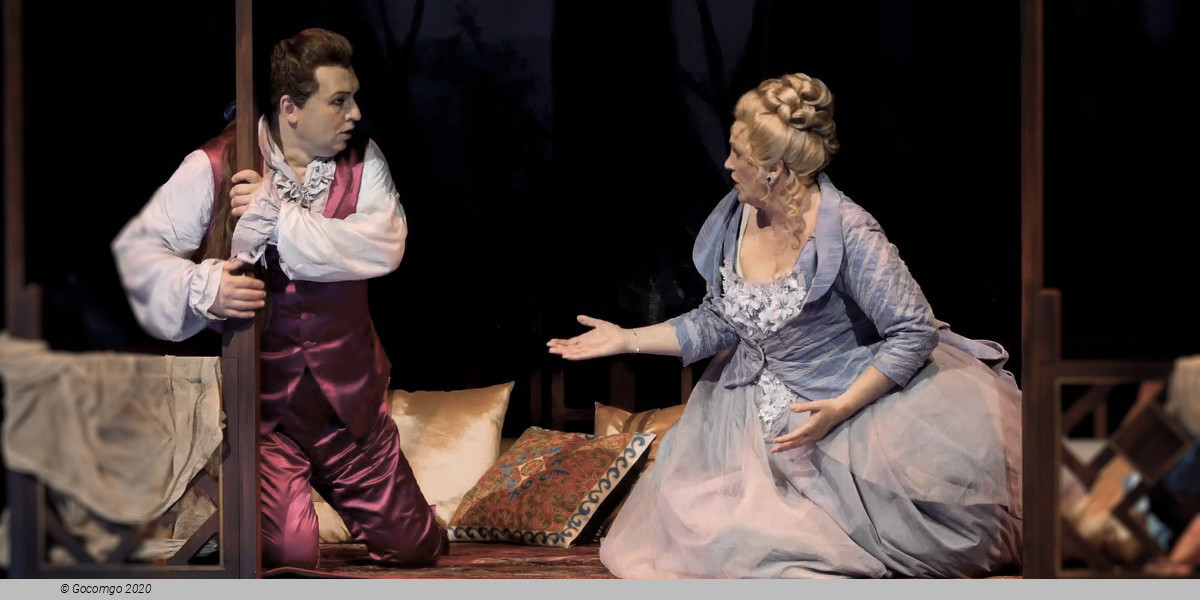
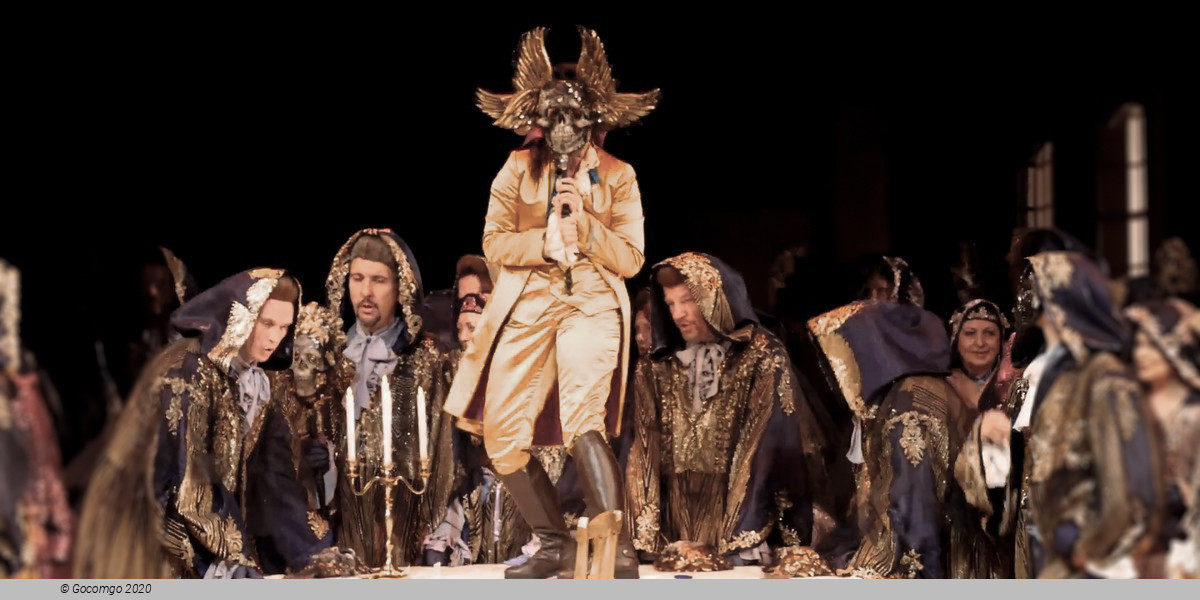
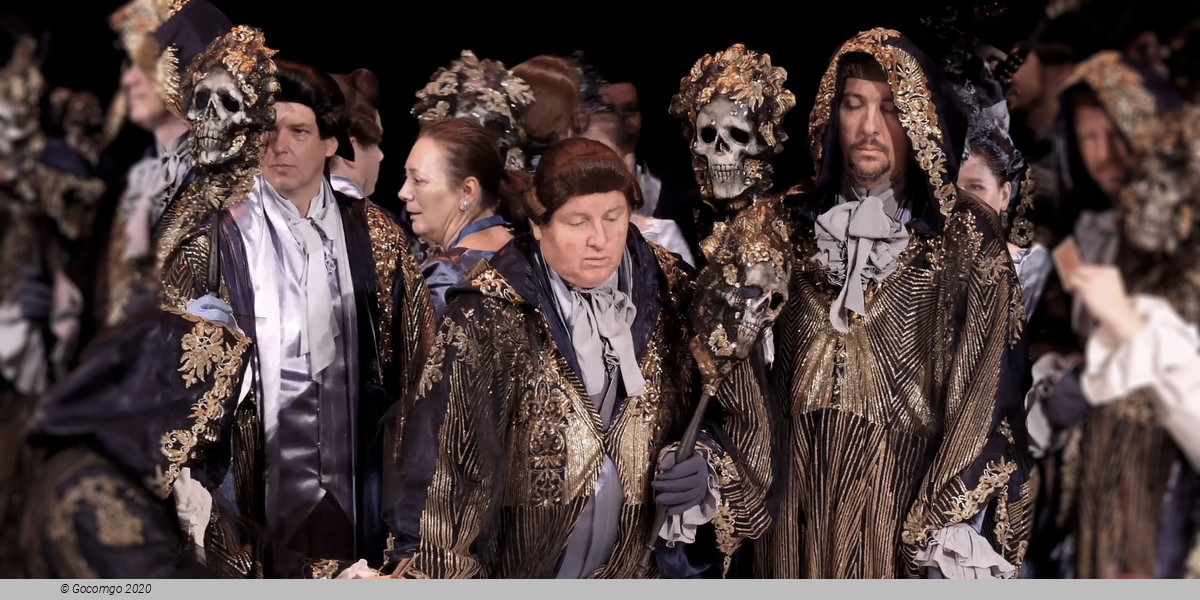
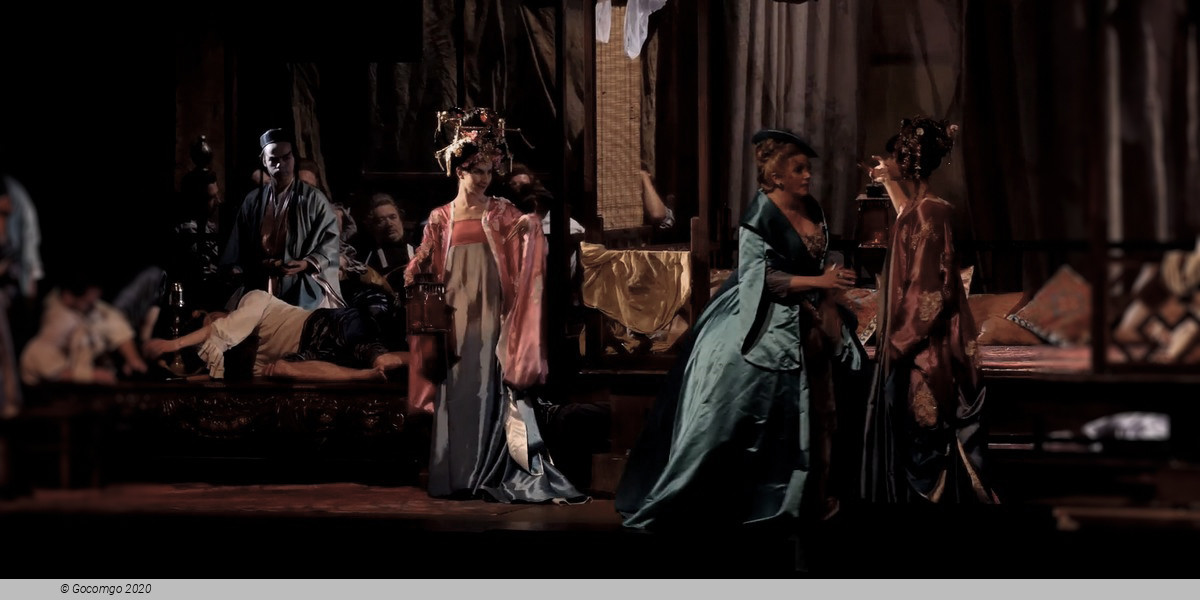
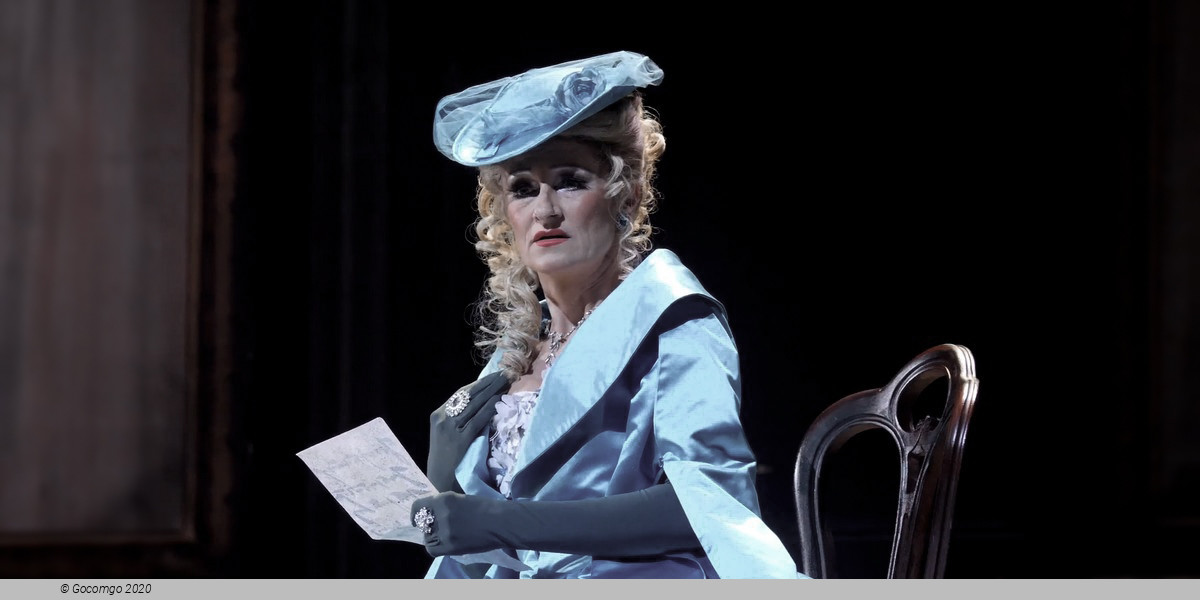
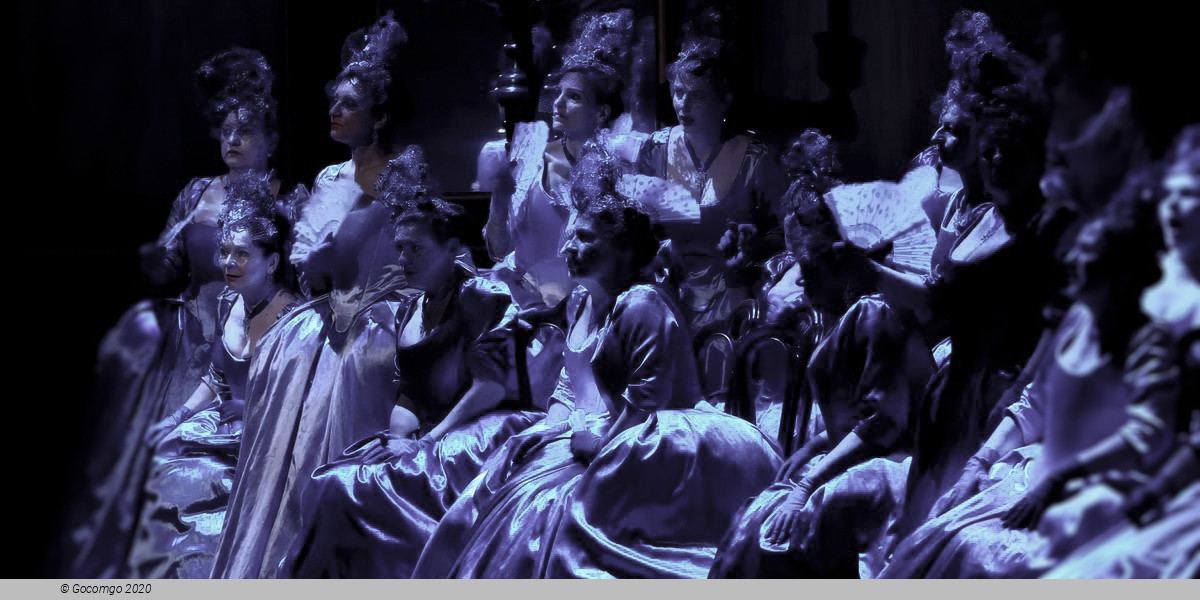
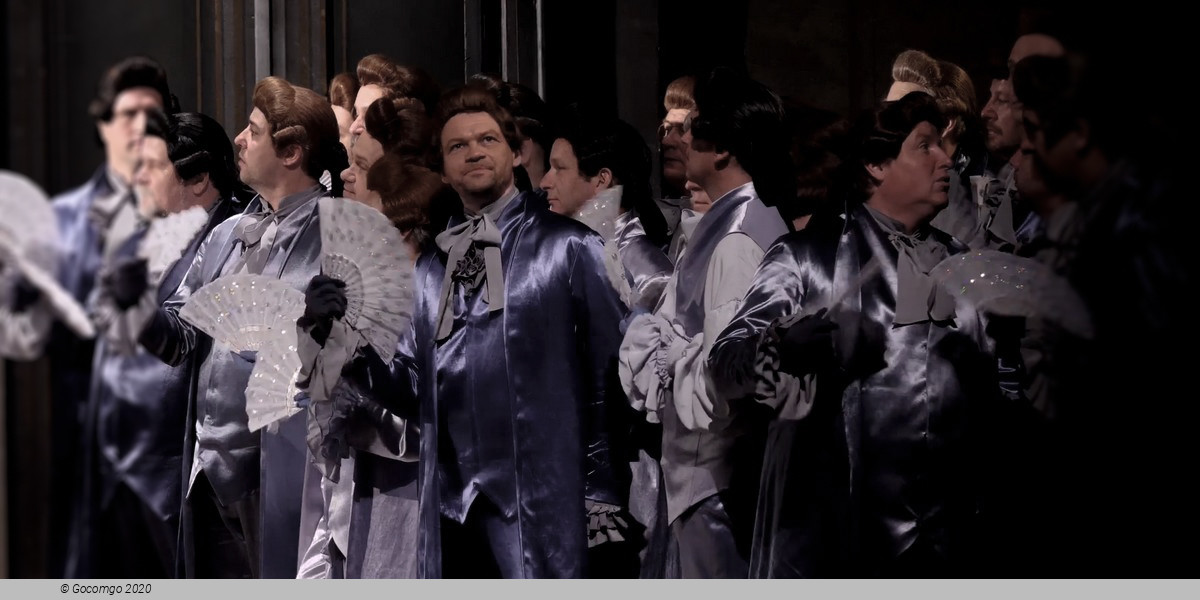
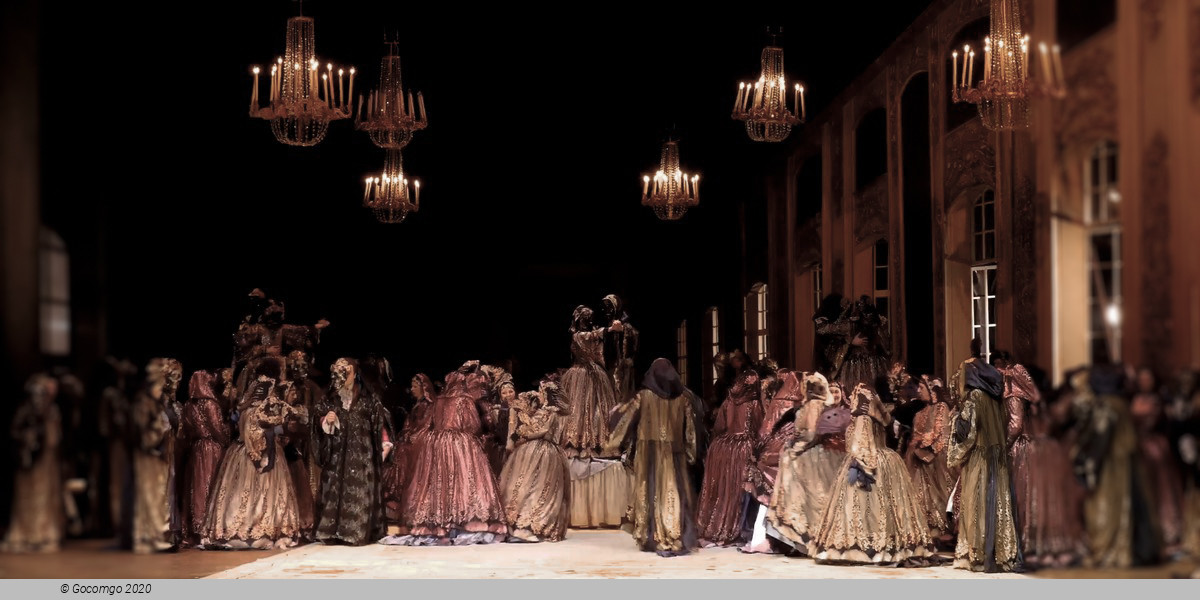
Verdi’s kaleidoscopic drama appears for the first time since 2015, with tenor Charles Castronovo making his Met role debut as the Swedish king whose love for his friend’s wife spells his undoing. Carlo Rizzi conducts an all-star ensemble that features soprano Elena Stikhina as Amelia, the object of Gustavo’s affections, and reigning Verdi baritone Quinn Kelsey as her husband, Count Anckarström. David Alden’s striking production also includes mezzo-soprano Olesya Petrova as the fortune teller Ulrica and soprano Nina Minasyan in her Met debut as the precocious page Oscar.

Composed in the middle of Giuseppe Verdi’s prolific career, Un Ballo in Maschera is replete with the kind of passionate vocal outpourings that make his earlier works so compelling but also shows signs of the composer’s musical evolution—which would reach its fruition in the later masterpieces Otello and Falstaff. The opera’s story came from history—Sweden’s King Gustav III was assassinated by a political enemy during a masked ball at the Stockholm Opera House in 1792. But in Verdi’s hands, the tale transcends mere historical reenactment: As he did in many of his most celebrated creations, the composer uses it as an opportunity to explore the intersection of the public and private lives of those in power.

Giuseppe Verdi (1813–1901) created 26 operas in a remarkable career spanning six decades in the theater. His role in Italy’s cultural and political development has made him an icon in his native country. Ballo’s librettist, Antonio Somma (1809–64), was a lawyer, playwright, and theater manager. Verdi did not write another opera with him, although he kept Somma busy working on a libretto based on King Lear, a project that was never completed.

This opera suffered from the interference of censors of the Kingdom of Naples, who objected to the depiction of a royal assassination on the stage. Somma offered a revised libretto, moving the action to colonial Boston. This alternate setting, despite its odd incongruities, became the opera’s standard version well into the second half of the 20th century. In recent years, though, the original Swedish setting has often been restored, as in the previous and the current Met productions.

The score of Ballo is remarkable for its economy and beautiful melodic expression. All of the leading roles have solos that are among Verdi’s best. Among them are the soprano’s haunting “Morrò, ma prima in grazia” in the first scene of Act III, followed by the great baritone aria “Eri tu.” The tenor has several featured moments, ranging in tone from the deliberately showy “Di’ tu se fedele” in Act I to the introspection of the extended study scene in Act III. Some of the most remarkable passages of the score, however, are given to multiple voices: Act III’s ingenious opening scene builds from a solo narrative to a quintet in which the various emotions of the protagonists merge into a single extraordinary stream of music.

History
Premiere of this production: 17 February 1859, Teatro Apollo, Rome

Un ballo in maschera (A Masked Ball) is an 1859 opera in three acts by Giuseppe Verdi. The text, by Antonio Somma, was based on Eugène Scribe's libretto for Daniel Auber's 1833 five act opera, Gustave III, ou Le bal masqué.

Synopsis

ACT I

Stockholm, Sweden.

Courtiers await an audience with King Gustavo III, including a group of conspirators led by Counts Horn and Ribbing. The king enters. He notices the name of Amelia, wife of his secretary and friend, Count Anckarström, on the guest list for a masked ball, and thinks about his secret love for her. Left alone with Gustavo, Anckarström warns the king of a conspiracy against him, but Gustavo ignores the threat. The young page Oscar tells the king about the fortuneteller Madame Ulrica Arvidsson, who has been accused of witchcraft and is to be banished. Deciding to see for himself, the king arranges for his court to pay her an incognito visit. In a building by the port, Madame Arvidsson invokes prophetic spirits and tells the sailor Cristiano that he will soon become wealthy and receive a promotion. The king, who has arrived in disguise, slips money and papers into Cristiano’s pockets. When the sailor discovers his good fortune, everybody praises Madame Arvidsson’s abilities. Gustavo hides as she sends her visitors away to admit Amelia, who is tormented by her love for the king and asks for help. Madame Arvidsson tells her that she must gather a magic herb after dark. When Amelia leaves, Gustavo decides to follow her that night. Oscar and members of the court enter, and the king asks Madame Arvidsson to read his palm. She tells him that he will die by the hand of a friend. Gustavo laughs at the prophecy and demands to know the name of the assassin. Madame Arvidsson replies that it will be the first person that shakes his hand. When Anckarström rushes in Gustavo clasps his hand saying that the oracle has been disproved since Anckarström is his most loyal friend. Recognizing their king, the crowd cheers him as the conspirators grumble their discontent.  

ACT II

That night in an abandoned warehouse, Amelia, who has followed Madame Arvidsson’s advice to find the herb, expresses her hope that she will be freed of her love for the king. When Gustavo appears, she asks him to leave, but ultimately they admit their love for each other. Amelia hides her face when Anckarström suddenly appears, warning the king that assassins are nearby. Gustavo makes Anckarström promise to escort the woman back to the city without lifting her veil, then escapes. Finding Anckarström instead of their intended victim, the conspirators make ironic remarks about his veiled companion. When Amelia realizes that her husband will fight rather than break his promise to Gustavo, she drops her veil to save him. The conspirators are amused and make fun of Anckarström for his embarrassing situation. Anckarström, shocked by the king’s betrayal and his wife’s seeming infidelity, asks Horn and Ribbing to come to his house the next morning.  

ACT III

In his apartment, Anckarström threatens to kill Amelia. She asks to see their young son before she dies. After she has left, Anckarström declares that is it the king he should seek vengeance on, not Amelia. Horn and Ribbing arrive, and Anckarström tells them that he will join the conspirators. The men decide to draw lots to determine who will kill the king, and Anckarström forces his wife to choose from the slips of paper. When his own name comes up he is overjoyed. Oscar enters, bringing an invitation to the masked ball. As the assassins welcome this chance to execute their plan, Amelia decides to warn the king. Gustavo, alone in his study, resolves to renounce his love and to send Amelia and Anckarström to Finland. Oscar brings an anonymous letter warning him of the murder plot, but the king refuses to be intimidated and leaves for the masquerade. In the ballroom, Anckarström tries to learn from Oscar what costume the king is wearing. The page answers evasively but finally reveals Gustavo’s disguise. Amelia and the king meet, and she repeats her warning. Refusing to leave, he declares his love one more time and tells her that he is sending her away with her husband. As the lovers say goodbye, Anckarström stabs the king. The dying Gustavo forgives his murderer and admits that he loved Amelia but assures Anckarström that his wife is innocent. The crowd praises the king’s goodness and generosity.

Venue Info

Metropolitan Opera - New York
Location   30 Lincoln Center

The Metropolitan Opera is an opera company based in New York City, resident at the Metropolitan Opera House at the Lincoln Center for the Performing Arts. The Metropolitan Opera is the largest classical music theatre in North America. It presents about 27 different operas each year from late September through May. As of 2018, the company's current music director is Yannick Nézet-Séguin.

The Metropolitan Opera Company was founded in 1883 as an alternative to New York's old established Academy of Music opera house. The subscribers to the Academy's limited number of private boxes represented the highest stratum in New York society. By 1880, these "old money" families were loath to admit New York's newly wealthy industrialists into their long-established social circle. Frustrated with being excluded, the Metropolitan Opera's founding subscribers determined to build a new opera house that would outshine the old Academy in every way. A group of 22 men assembled at Delmonico's restaurant on April 28, 1880. They elected officers and established subscriptions for ownership in the new company. The new theater, built at 39th and Broadway, would include three tiers of private boxes in which the scions of New York's powerful new industrial families could display their wealth and establish their social prominence. The first Met subscribers included members of the Morgan, Roosevelt, and Vanderbilt families, all of whom had been excluded from the Academy. The new Metropolitan Opera House opened on October 22, 1883, and was an immediate success, both socially and artistically. The Academy of Music's opera season folded just three years after the Met opened.

The operas are presented in a rotating repertory schedule, with up to seven performances of four different works staged each week. Performances are given in the evening Monday through Saturday with a matinée on Saturday. Several operas are presented in new productions each season. Sometimes these are borrowed from or shared with other opera companies. The rest of the year's operas are given in revivals of productions from previous seasons. The 2015–16 season comprised 227 performances of 25 operas.

The operas in the Met's repertoire consist of a wide range of works, from 18th-century Baroque and 19th-century Bel canto to the Minimalism of the late 20th century. These operas are presented in staged productions that range in style from those with elaborate traditional decors to others that feature modern conceptual designs.

The Met's performing company consists of a large symphony-sized orchestra, a chorus, a children's choir, and many supporting and leading solo singers. The company also employs numerous free-lance dancers, actors, musicians, and other performers throughout the season. The Met's roster of singers includes both international and American artists, some of whose careers have been developed through the Met's young artists programs. While many singers appear periodically as guests with the company, others, such as Renée Fleming and Plácido Domingo, long maintained a close association with the Met, appearing many times each season until they retired.

Important Info
Type: Opera
City: New York, USA
Starts at: 19:30
Acts: 3
Sung in: Italian
Titles in: English,German,Italian,Spanish
Top of page