








Metropolitan Opera tickets 19 October 2026 - Lincoln in the Bardo | GoComGo.com

Lincoln in the Bardo

Metropolitan Opera, Metropolitan Opera, New York, USA
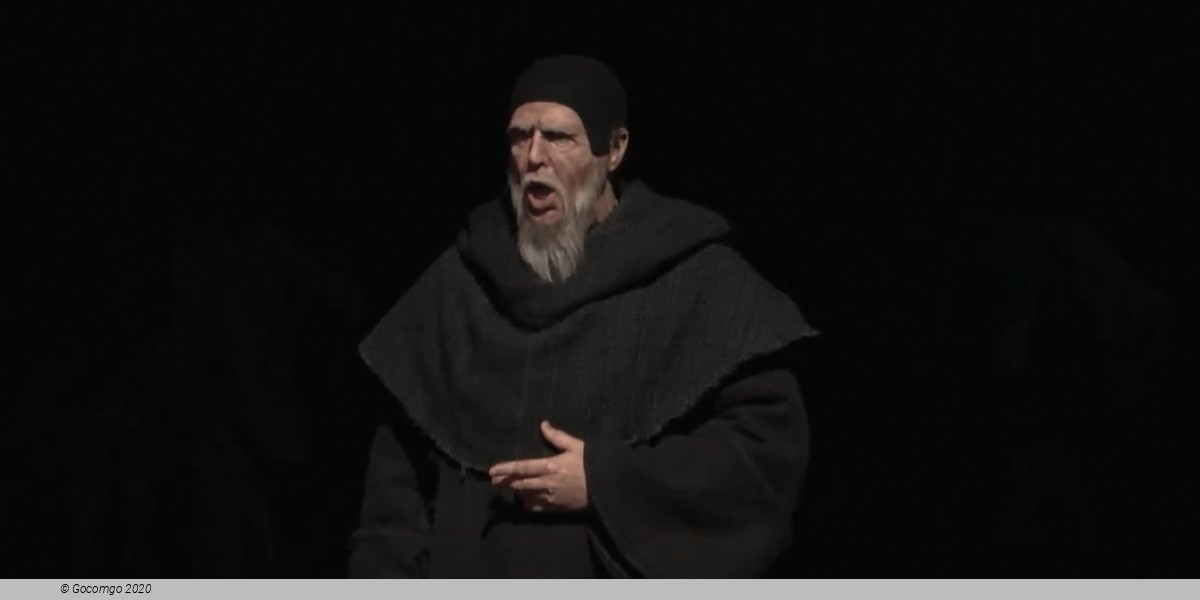
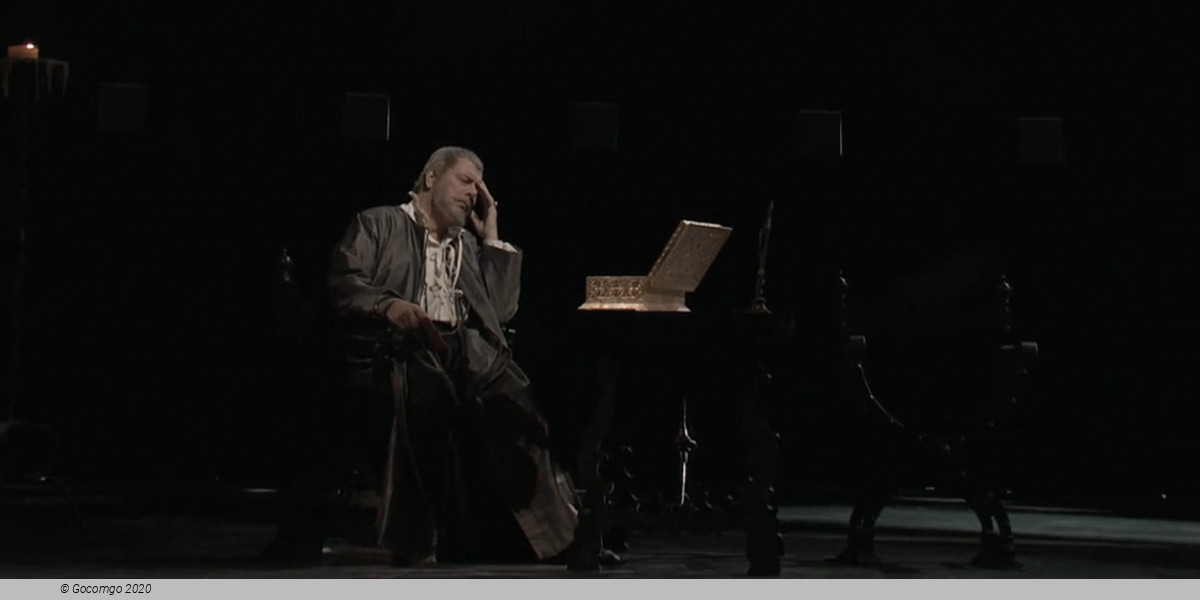
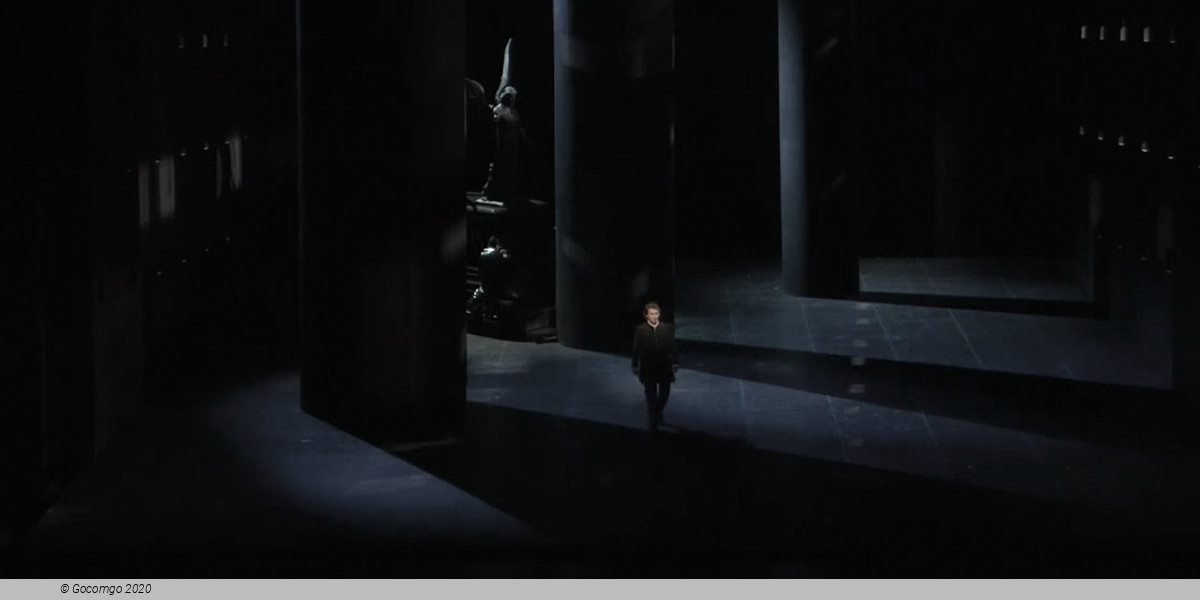
All photos (5)
Select date and time
8 PM
From
US$ 101

E-tickets: Print at home or at the box office of the event if so specified. You will find more information in your booking confirmation email.

You can only select the category, and not the exact seats.
If you order 2 or 3 tickets: your seats will be next to each other.
If you order 4 or more tickets: your seats will be next to each other, or, if this is not possible, we will provide a combination of groups of seats (at least in pairs, for example 2+2 or 2+3).

Important Info
Type: Opera
City: New York, USA
Starts at: 20:00

E-tickets: Print at home or at the box office of the event if so specified. You will find more information in your booking confirmation email.

You can only select the category, and not the exact seats.
If you order 2 or 3 tickets: your seats will be next to each other.
If you order 4 or more tickets: your seats will be next to each other, or, if this is not possible, we will provide a combination of groups of seats (at least in pairs, for example 2+2 or 2+3).

Cast
Performers
Soprano: Janai Brugger
Tenor: Jonah Hoskins
Tenor: Joshua Blue
Baritone: Michael Mayes
Bass-Baritone: Ryan McKinny
Mezzo-Soprano: Stephanie Blythe
Creators
Composer: Missy Mazzoli
Choreographer: Raja Kelly
Novelist: George Saunders
Librettist: Royce Vavrek
Overview

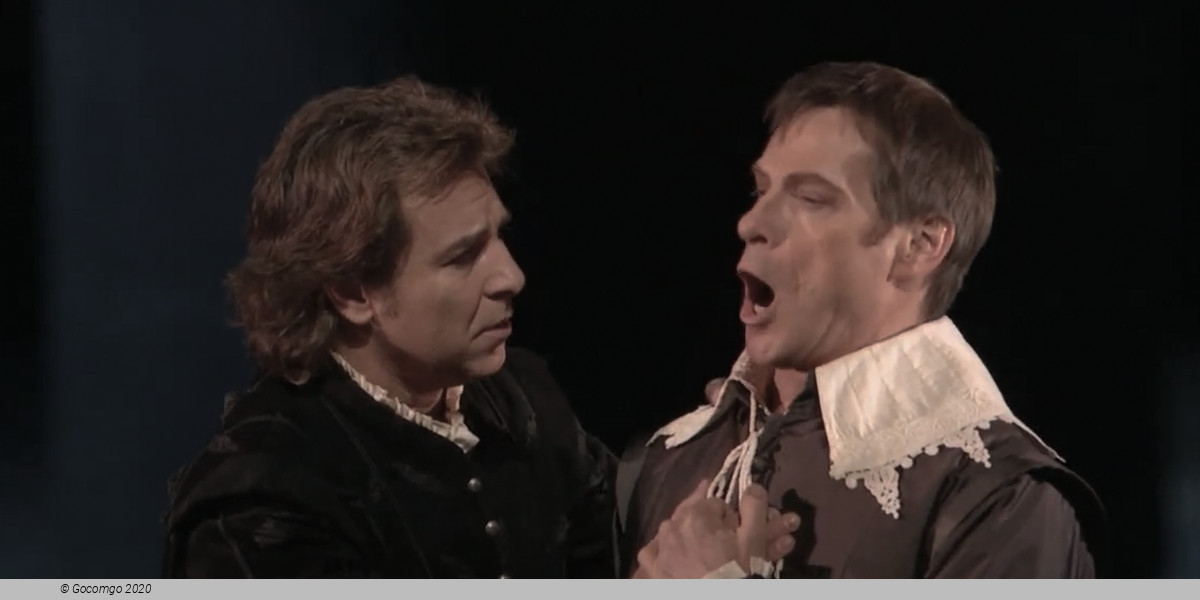
Lincoln in the Bardo is a contemporary opera by composer Missy Mazzoli with a libretto by Royce Vavrek, based on the acclaimed novel by George Saunders. Set during the American Civil War, the opera explores a night in which President Abraham Lincoln mourns the death of his young son. In a mysterious realm between life and death known as the “bardo,” spirits reflect on love, grief, and the human condition in a deeply moving musical drama.Lincoln in the Bardo is a contemporary opera by composer Missy Mazzoli with a libretto by Royce Vavrek, based on the acclaimed novel by George Saunders. Set during the American Civil War, the opera explores a night in which President Abraham Lincoln mourns the death of his young son. In a mysterious realm between life and death known as the “bardo,” spirits reflect on love, grief, and the human condition in a deeply moving musical drama.

George Saunders’s Booker Prize–winning novel arrives at the Met in operatic form, with music by American composer Missy Mazzoli—hailed by The New Yorker as a “once-in-a-generation magician of the orchestra”—and libretto by Royce Vavrek. The supernatural story takes place in the “bardo,” a transitional plane between the end of this life and the beginning of the next, populated by those who resist all the powers of light and darkness and refuse to accept their fates. The action revolves around 11-year-old Willie, recently deceased son of Abraham Lincoln, whose grief-stricken visits to Willie’s tomb prevent his son’s spirit from moving on. Yannick Nézet-Séguin conducts an ensemble cast led by baritone Peter Mattei as Lincoln, alongside a superlative group of singers as the kaleidoscopic residents of the bardo, who band together to help Willie escape being trapped there for eternity—including soprano Christine Goerke, mezzo-soprano Stephanie Blythe, and countertenor Anthony Roth Costanzo. Director Lileana Blain-Cruz has created an otherworldly setting for this unique and uniquely American tale, which arrives at the Met in time for the nation’s 250th birthday celebrations.

Lincoln in the Bardo is a powerful contemporary opera that blends history, spirituality, and deeply human emotion. Composed by Missy Mazzoli with a libretto by Royce Vavrek, the work is inspired by the award-winning novel by George Saunders.

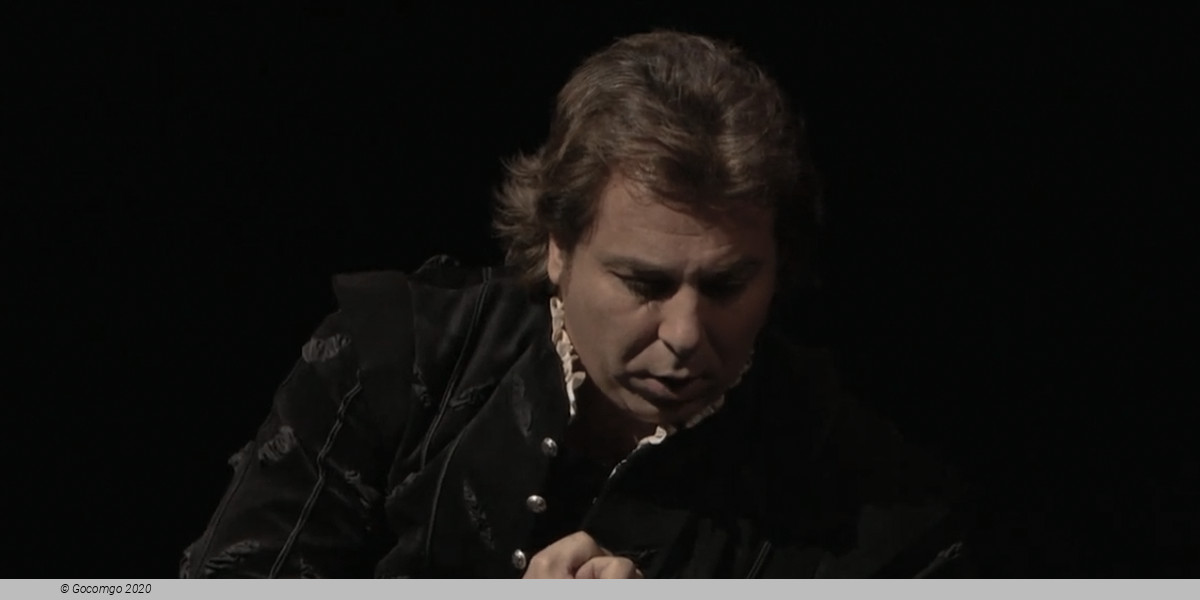
Set in 1862, during the turmoil of the American Civil War, the opera centers on President Abraham Lincoln and the devastating loss of his beloved young son Willie. Late at night, Lincoln visits the cemetery where the boy has been buried. Meanwhile, the spirits inhabiting the mysterious realm of the “bardo” — a transitional state between life and the afterlife — observe the living world and reflect on their own unfinished stories.

Through haunting orchestral textures, expressive vocal writing, and an atmosphere filled with poetry and reflection, the opera explores themes of grief, memory, compassion, and the struggle to let go. Blending historical drama with philosophical meditation, Lincoln in the Bardo offers a profound and moving theatrical experience that resonates with universal questions about life, death, and love.


Synopsis

During the Civil War, President Abraham Lincoln experiences a profound personal tragedy: the death of his eleven-year-old son, Willie. He visits the cemetery at night to visit the boy's grave.

Meanwhile, in the mysterious space between life and death—the bardo—the souls of the dead, who have not yet departed from the world of the living, reside. They observe Lincoln's grief and the boy's soul, who refuses to leave his father.

While trying to help the child find peace, the spirits begin to understand their own attachments and fears. Ultimately, they understand the need to let go of the past in order to move on to the next world. The opera ends with a quiet and touching realization that love and memory live on even after death.


Venue Info

Metropolitan Opera - New York
Location   30 Lincoln Center

The Metropolitan Opera is an opera company based in New York City, resident at the Metropolitan Opera House at the Lincoln Center for the Performing Arts. The Metropolitan Opera is the largest classical music theatre in North America. It presents about 27 different operas each year from late September through May. As of 2018, the company's current music director is Yannick Nézet-Séguin.

The Metropolitan Opera Company was founded in 1883 as an alternative to New York's old established Academy of Music opera house. The subscribers to the Academy's limited number of private boxes represented the highest stratum in New York society. By 1880, these "old money" families were loath to admit New York's newly wealthy industrialists into their long-established social circle. Frustrated with being excluded, the Metropolitan Opera's founding subscribers determined to build a new opera house that would outshine the old Academy in every way. A group of 22 men assembled at Delmonico's restaurant on April 28, 1880. They elected officers and established subscriptions for ownership in the new company. The new theater, built at 39th and Broadway, would include three tiers of private boxes in which the scions of New York's powerful new industrial families could display their wealth and establish their social prominence. The first Met subscribers included members of the Morgan, Roosevelt, and Vanderbilt families, all of whom had been excluded from the Academy. The new Metropolitan Opera House opened on October 22, 1883, and was an immediate success, both socially and artistically. The Academy of Music's opera season folded just three years after the Met opened.

The operas are presented in a rotating repertory schedule, with up to seven performances of four different works staged each week. Performances are given in the evening Monday through Saturday with a matinée on Saturday. Several operas are presented in new productions each season. Sometimes these are borrowed from or shared with other opera companies. The rest of the year's operas are given in revivals of productions from previous seasons. The 2015–16 season comprised 227 performances of 25 operas.

The operas in the Met's repertoire consist of a wide range of works, from 18th-century Baroque and 19th-century Bel canto to the Minimalism of the late 20th century. These operas are presented in staged productions that range in style from those with elaborate traditional decors to others that feature modern conceptual designs.

The Met's performing company consists of a large symphony-sized orchestra, a chorus, a children's choir, and many supporting and leading solo singers. The company also employs numerous free-lance dancers, actors, musicians, and other performers throughout the season. The Met's roster of singers includes both international and American artists, some of whose careers have been developed through the Met's young artists programs. While many singers appear periodically as guests with the company, others, such as Renée Fleming and Plácido Domingo, long maintained a close association with the Met, appearing many times each season until they retired.

Important Info
Type: Opera
City: New York, USA
Starts at: 20:00
Top of page