
Metropolitan Opera 19 January 2023 - Fedora | GoComGo.com

Fedora

Metropolitan Opera, New York, USA
All photos (8)
Select date and time
8 PM

E-tickets: Print at home or at the box office of the event if so specified. You will find more information in your booking confirmation email.

You can only select the category, and not the exact seats.
If you order 2 or 3 tickets: your seats will be next to each other.
If you order 4 or more tickets: your seats will be next to each other, or, if this is not possible, we will provide a combination of groups of seats (at least in pairs, for example 2+2 or 2+3).

Important Info
Type: Opera
City: New York, USA
Starts at: 20:00

E-tickets: Print at home or at the box office of the event if so specified. You will find more information in your booking confirmation email.

You can only select the category, and not the exact seats.
If you order 2 or 3 tickets: your seats will be next to each other.
If you order 4 or more tickets: your seats will be next to each other, or, if this is not possible, we will provide a combination of groups of seats (at least in pairs, for example 2+2 or 2+3).

Overview

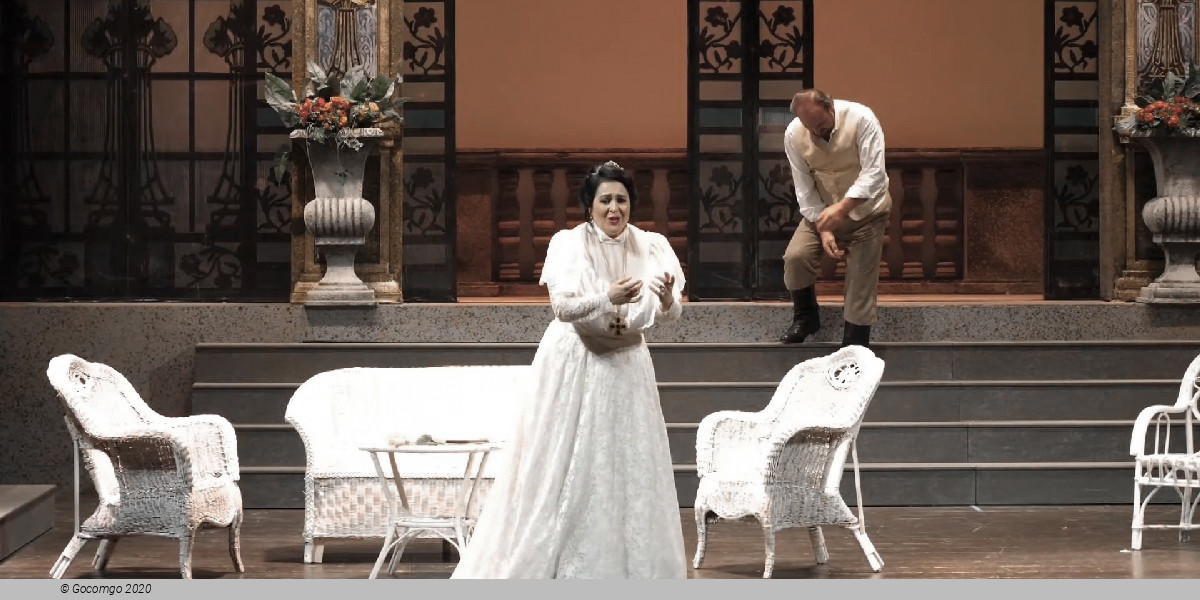
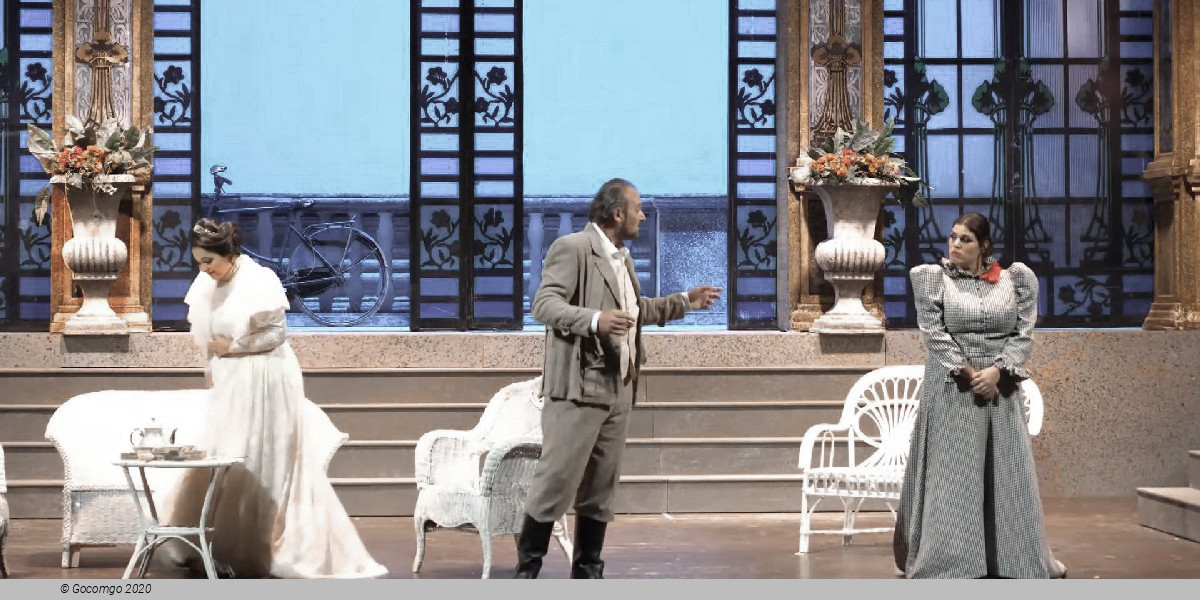
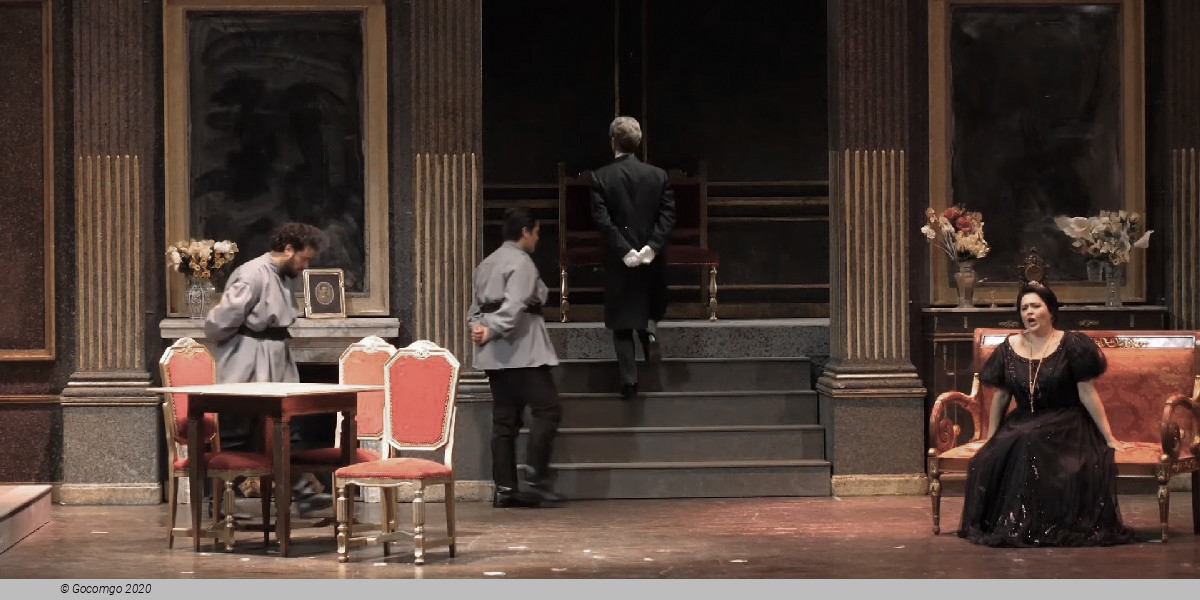
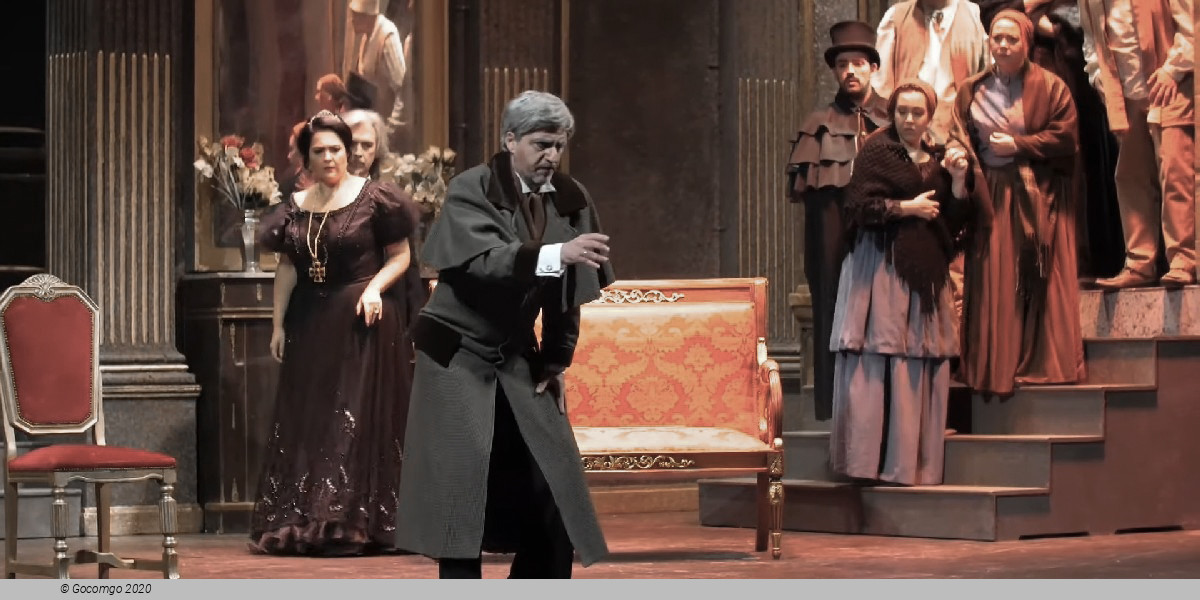
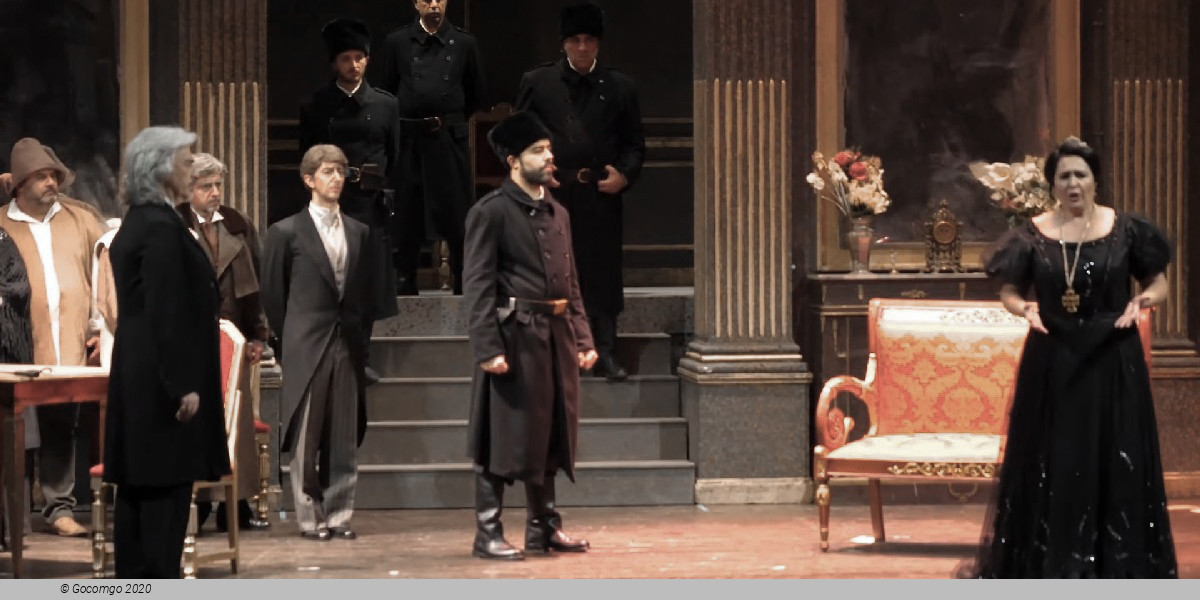
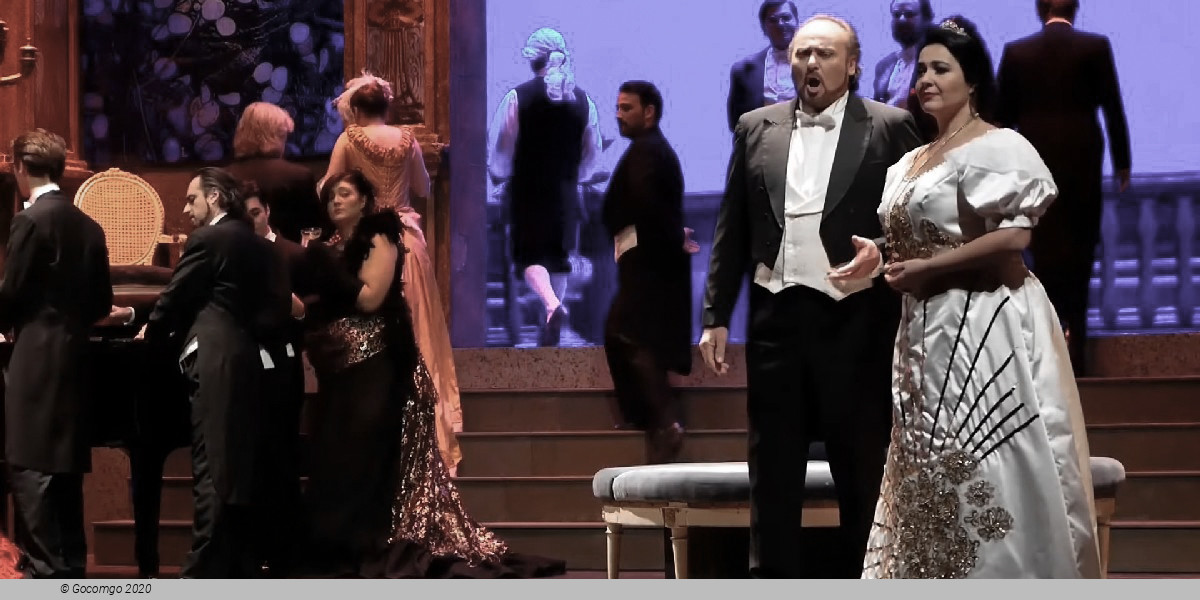
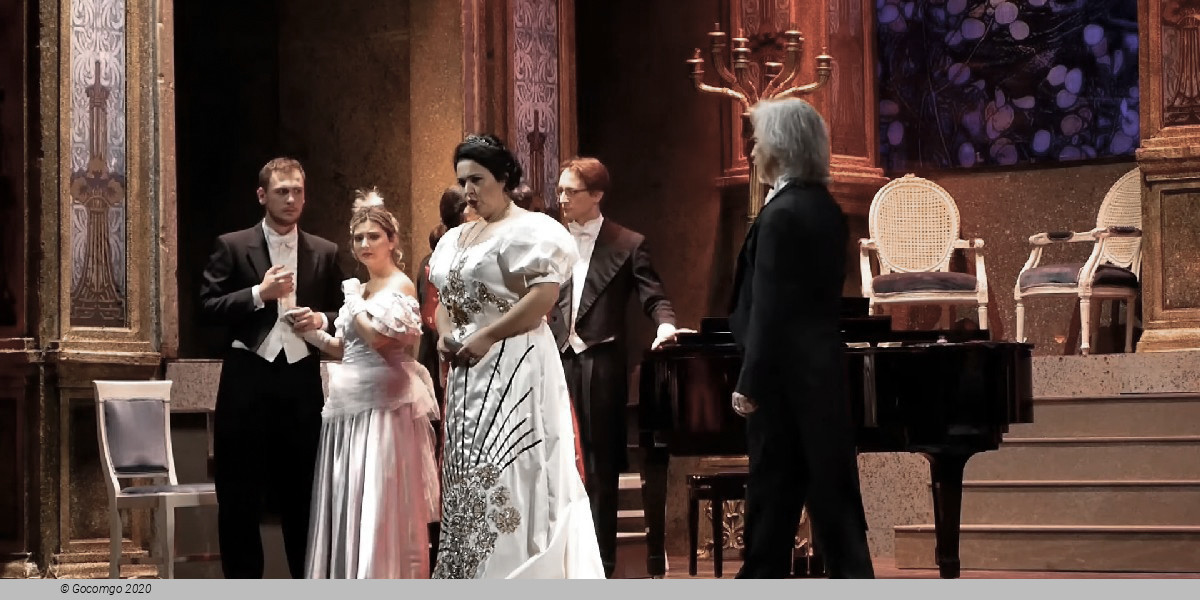
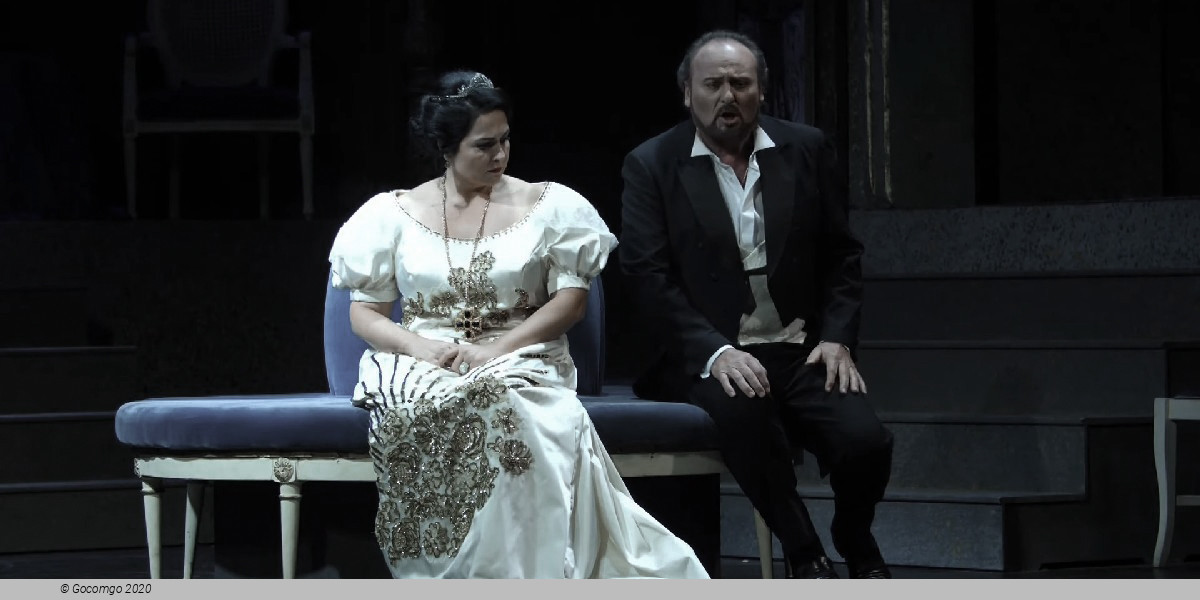
Umberto Giordano’s exhilarating drama returns to the Met repertory for the first time in 25 years. Packed with memorable melody, showstopping arias, and explosive confrontations, Fedora requires a cast of thrilling voices to take flight, and the Met’s new production promises to deliver. Soprano Sonya Yoncheva, one of today’s most riveting artists, sings the title role of the 19th-century Russian princess who falls in love with her fiancé’s murderer, Count Loris, sung by star tenor Piotr Beczała. Soprano Rosa Feola is the Countess Olga, Fedora’s confidant, and baritone Artur Ruciński is the diplomat De Siriex, with Met maestro Marco Armiliato conducting. Director David McVicar delivers a detailed and dramatic staging based around an ingenious fixed set that, like a Russian nesting doll, unfolds to reveal the opera’s three distinctive settings—a palace in St. Petersburg, a fashionable Parisian salon, and a picturesque villa in the Swiss Alps.

History
Premiere of this production: 17 November 1898, Teatro Lirico, Milan

Fedora is an opera in three acts by Umberto Giordano to an Italian libretto by Arturo Colautti, based on the play Fédora by Victorien Sardou. Along with Andrea Chénier and Siberia, it is one of the most notable works of Giordano.

Synopsis

Act 1

St. Petersburg, 1881. A winter's night in the palace of Count Vladimir Andrejevich

Princess Fedora, who is to marry the Count the following day, arrives and sings of her love for him, unaware that the dissolute Count has betrayed her with another woman. The sound of sleigh-bells is heard, and the Count is brought in mortally wounded. Doctors and a priest are summoned, and the servants are questioned. It is proposed that Count Loris Ipanov, a suspected Nihilist sympathizer, was probably the assassin. De Siriex (a diplomat), and Grech (a police inspector) plan an investigation. Fedora swears on the jeweled Byzantine cross she is wearing that Count Andrejevich's death will be avenged.

Act 2

Paris

Fedora has followed Loris Ipanov there to avenge her fiancé's death. There is a reception at Fedora's house. Boleslao Lazinski, a virtuoso pianist is playing for the party-goers. Ipanov arrives and declares his love for Fedora. She tells him that she is returning to Russia the following day. Loris is desperate because he has been exiled from Russia and cannot follow her. He confesses to Fedora that it was he who had killed Count Vladimir. Fedora asks him to return after the reception is over to tell her the whole story. When she is alone, Fedora writes a letter to the chief of the Imperial Police in Russia accusing Ipanov of Count Vladimir's murder. Loris returns and confesses that he killed Count Vladimir because he had discovered that he and his wife were lovers. The night of the homicide, Ipanov had discovered them together. Vladimir shot at Ipanov and wounded him. Ipanov returned fire, killing Vladimir. Fedora realizes that she has fallen in love with Ipanov, and that he killed not for political ends, but to defend his honor. They embrace and she convinces him to spend the night with her.

Act 3

The Bernese Oberland in Switzerland

Loris and Fedora are now lovers and living in her villa. With them is her friend, Countess Olga Sukarev. De Siriex arrives to invite Olga on a bicycle ride. He tells Fedora that as a result of the letter she had written to the police chief, Loris's brother, Valeriano, was arrested for being part of the plot to murder Count Andrejevich and imprisoned in a fortress on the Neva river. One night the river flooded and the young man was drowned. When Loris's mother heard the news, she collapsed and died. Fedora is anguished – she has been the cause of two deaths. Loris receives a letter from a friend in Russia who tells him of the deaths of his mother and brother and that the cause was a woman living in Paris who had written a letter denouncing him to the police. Fedora confesses to Loris that she had written the letter and begs his forgiveness. When he initially refuses and curses her, Fedora swallows poison which she had hidden in the Byzantine cross she always wore around her neck. Loris begs the doctor to save her, but it is too late. Fedora dies in Loris's arms.

Venue Info

Metropolitan Opera - New York
Location   30 Lincoln Center

The Metropolitan Opera is an opera company based in New York City, resident at the Metropolitan Opera House at the Lincoln Center for the Performing Arts. The Metropolitan Opera is the largest classical music theatre in North America. It presents about 27 different operas each year from late September through May. As of 2018, the company's current music director is Yannick Nézet-Séguin.

The Metropolitan Opera Company was founded in 1883 as an alternative to New York's old established Academy of Music opera house. The subscribers to the Academy's limited number of private boxes represented the highest stratum in New York society. By 1880, these "old money" families were loath to admit New York's newly wealthy industrialists into their long-established social circle. Frustrated with being excluded, the Metropolitan Opera's founding subscribers determined to build a new opera house that would outshine the old Academy in every way. A group of 22 men assembled at Delmonico's restaurant on April 28, 1880. They elected officers and established subscriptions for ownership in the new company. The new theater, built at 39th and Broadway, would include three tiers of private boxes in which the scions of New York's powerful new industrial families could display their wealth and establish their social prominence. The first Met subscribers included members of the Morgan, Roosevelt, and Vanderbilt families, all of whom had been excluded from the Academy. The new Metropolitan Opera House opened on October 22, 1883, and was an immediate success, both socially and artistically. The Academy of Music's opera season folded just three years after the Met opened.

The operas are presented in a rotating repertory schedule, with up to seven performances of four different works staged each week. Performances are given in the evening Monday through Saturday with a matinée on Saturday. Several operas are presented in new productions each season. Sometimes these are borrowed from or shared with other opera companies. The rest of the year's operas are given in revivals of productions from previous seasons. The 2015–16 season comprised 227 performances of 25 operas.

The operas in the Met's repertoire consist of a wide range of works, from 18th-century Baroque and 19th-century Bel canto to the Minimalism of the late 20th century. These operas are presented in staged productions that range in style from those with elaborate traditional decors to others that feature modern conceptual designs.

The Met's performing company consists of a large symphony-sized orchestra, a chorus, a children's choir, and many supporting and leading solo singers. The company also employs numerous free-lance dancers, actors, musicians, and other performers throughout the season. The Met's roster of singers includes both international and American artists, some of whose careers have been developed through the Met's young artists programs. While many singers appear periodically as guests with the company, others, such as Renée Fleming and Plácido Domingo, long maintained a close association with the Met, appearing many times each season until they retired.

Important Info
Type: Opera
City: New York, USA
Starts at: 20:00
Top of page