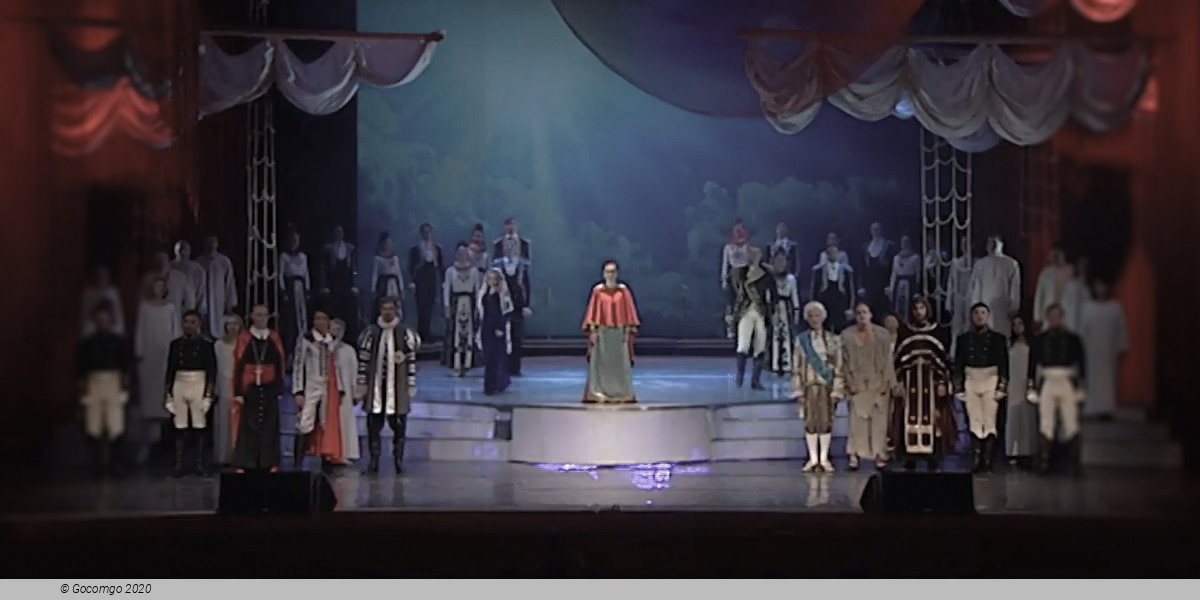
Juno and Avos is the legendary Russian rock opera that tells a tragic and romantic story of love, faith, and destiny. Performed at the Palace of Trade Unions of Uzbekistan, the production combines powerful music, poetic lyrics, and dramatic staging.
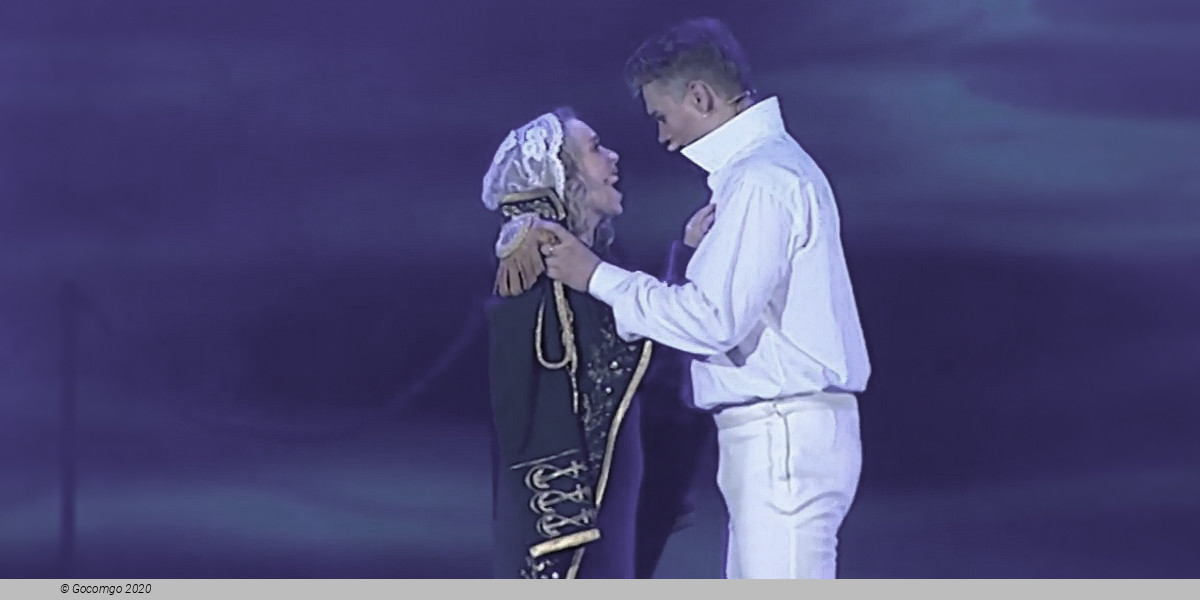
Juno and Avos is one of the most iconic rock operas in Russian musical theatre, created by composer Alexey Rybnikov with a libretto by Andrey Voznesensky. Inspired by real historical events, the opera tells the story of Russian nobleman and explorer Nikolai Rezanov and his forbidden love for Conchita, the daughter of a Spanish governor in California.
The music blends rock elements with symphonic and choral traditions, creating a deeply emotional and powerful soundscape. The production is known for its philosophical depth, expressive vocals, and dramatic intensity. Presented at the Palace of Trade Unions of Uzbekistan, Juno and Avos offers audiences a profound theatrical experience that has remained relevant and moving for decades.
The rock opera's title uses the names of the sailing ships "Juno" and "Maybe" of the California expedition of Nikolai Rezanov, a Russian diplomat and traveler, one of the founders of the Russian—American trading company.
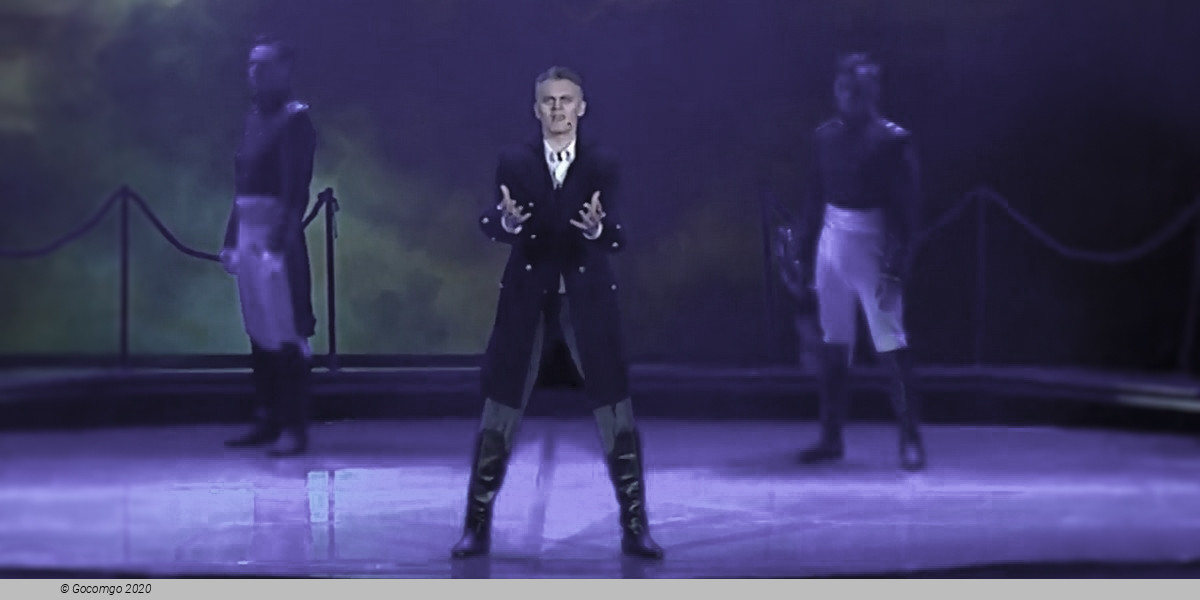
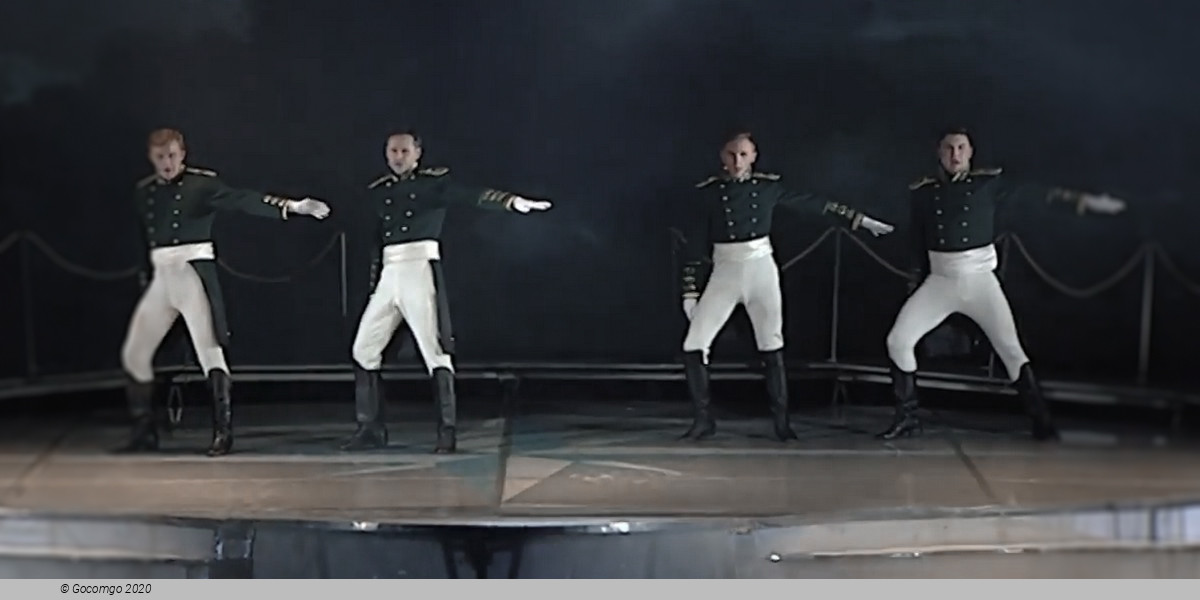
The plot of the rock opera "Juno" and "Maybe" is based on the tragic story of Count Nikolai Petrovich Rezanov. To fulfill his dream – circumnavigation of the world to open a convenient connection with the new Russian lands, Count Rezanov submits one petition after another. "So that Russia and America can flourish in a calm and useful unity," he urges permission to travel to the shores of California.
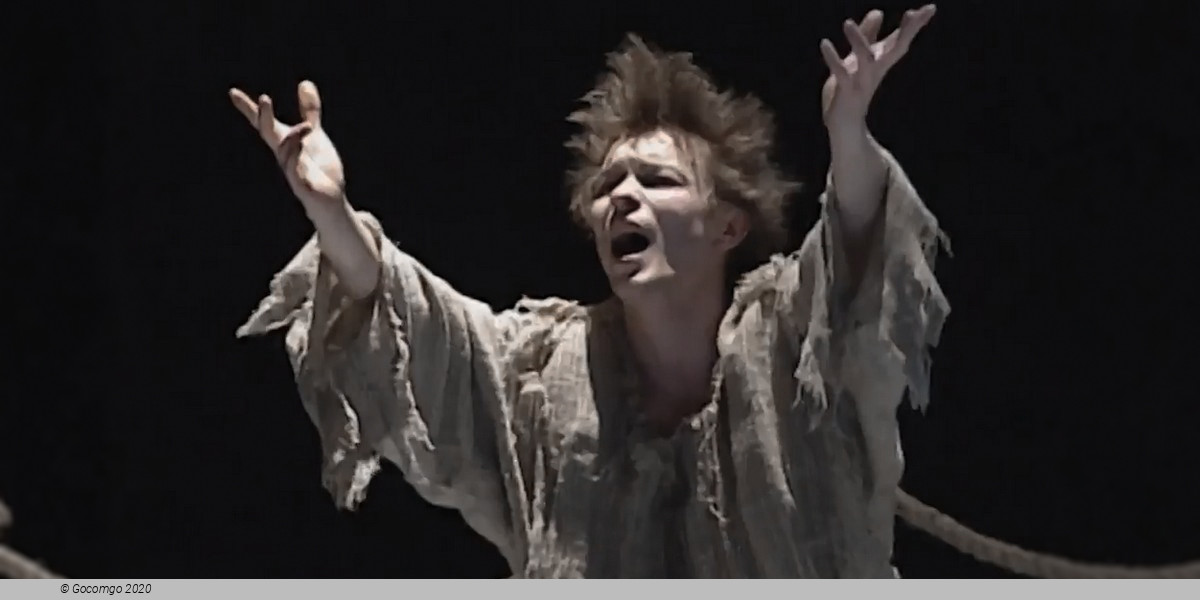
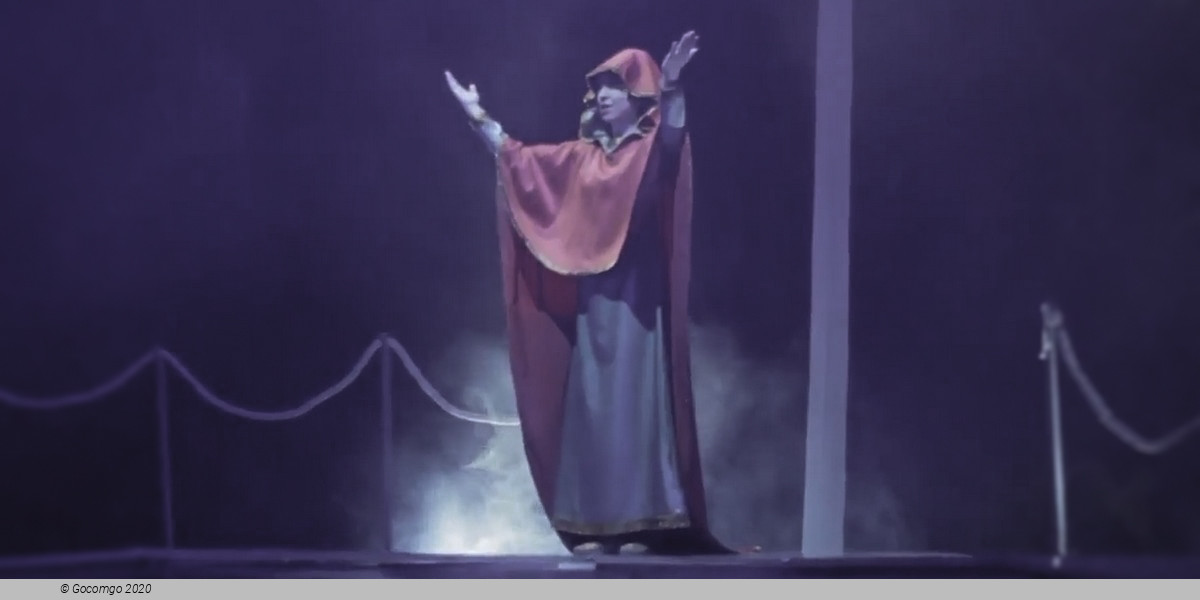
In despair and anguish, Rezanov prays to the Mother of God and hears an unearthly voice blessing him. Following this, his dream is realized in reality. He finally gets permission to travel, moreover, an important state mission is assigned to him.
After a difficult journey, Rezanov comes into contact with the governor of San Francisco, Jose Dario Arguello, and meets his fifteen-year-old daughter Conchita. At the ball, Conchita's fiance Federico sings a sonnet about the sad fate of two lovers, and Rezanov sees Conchita as the embodiment of an unearthly ideal. A reciprocal feeling is born in Conchita's soul. But fortune turns away from the traveler. Conchita's fiance challenges Rezanov to a duel. The business of the Russian-American company is going badly. The scandal caused by Rezanov's actions makes the Russians urgently leave San Francisco.
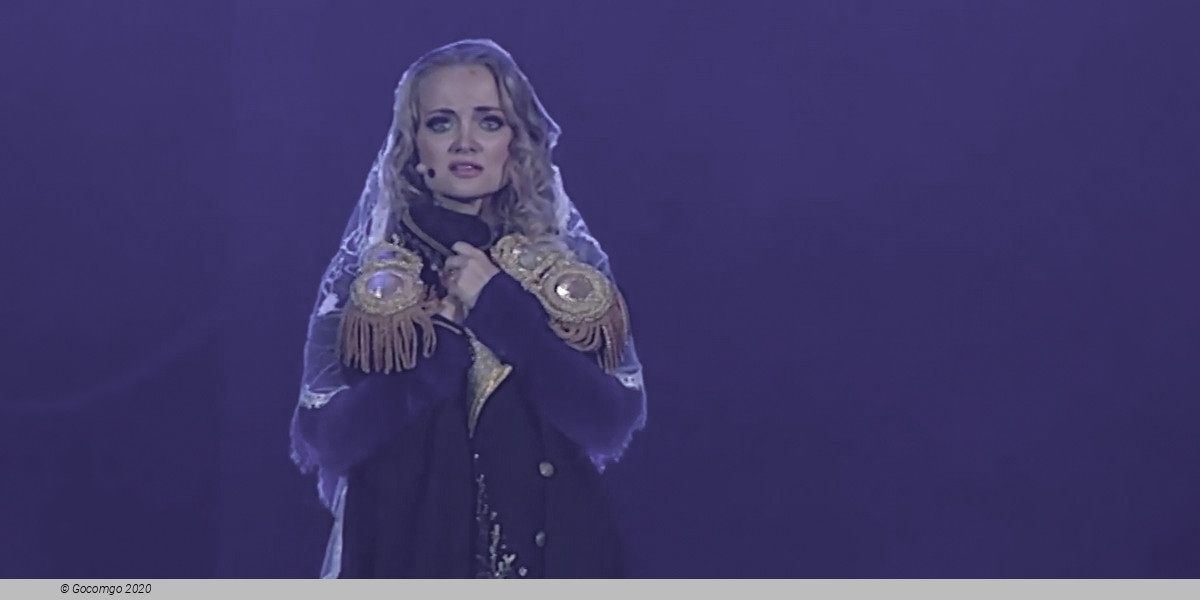
Having made a secret engagement with Conchita, Rezanov embarks on the return journey. In Siberia, he falls ill with a fever and dies near Krasnoyarsk. And Conchita remains faithful to her love for the rest of her life. After waiting for Rezanov for thirty-five years, she takes the veil as a nun and ends her days in the cell of the Dominican monastery of San Francisco.



 Furqat ko'chasi 3, 100003, Toshkent, Toshkent, Uzbekistan